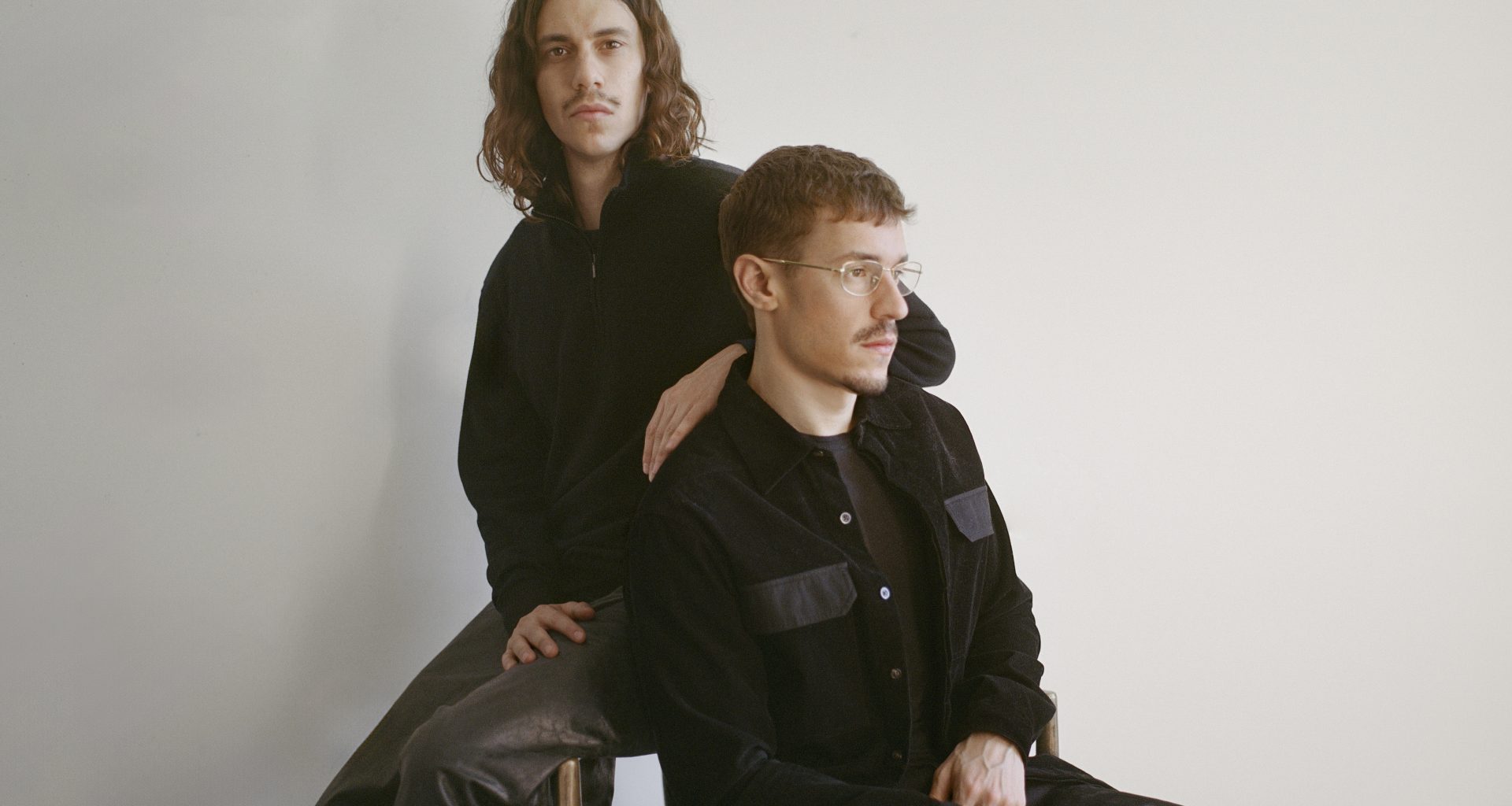
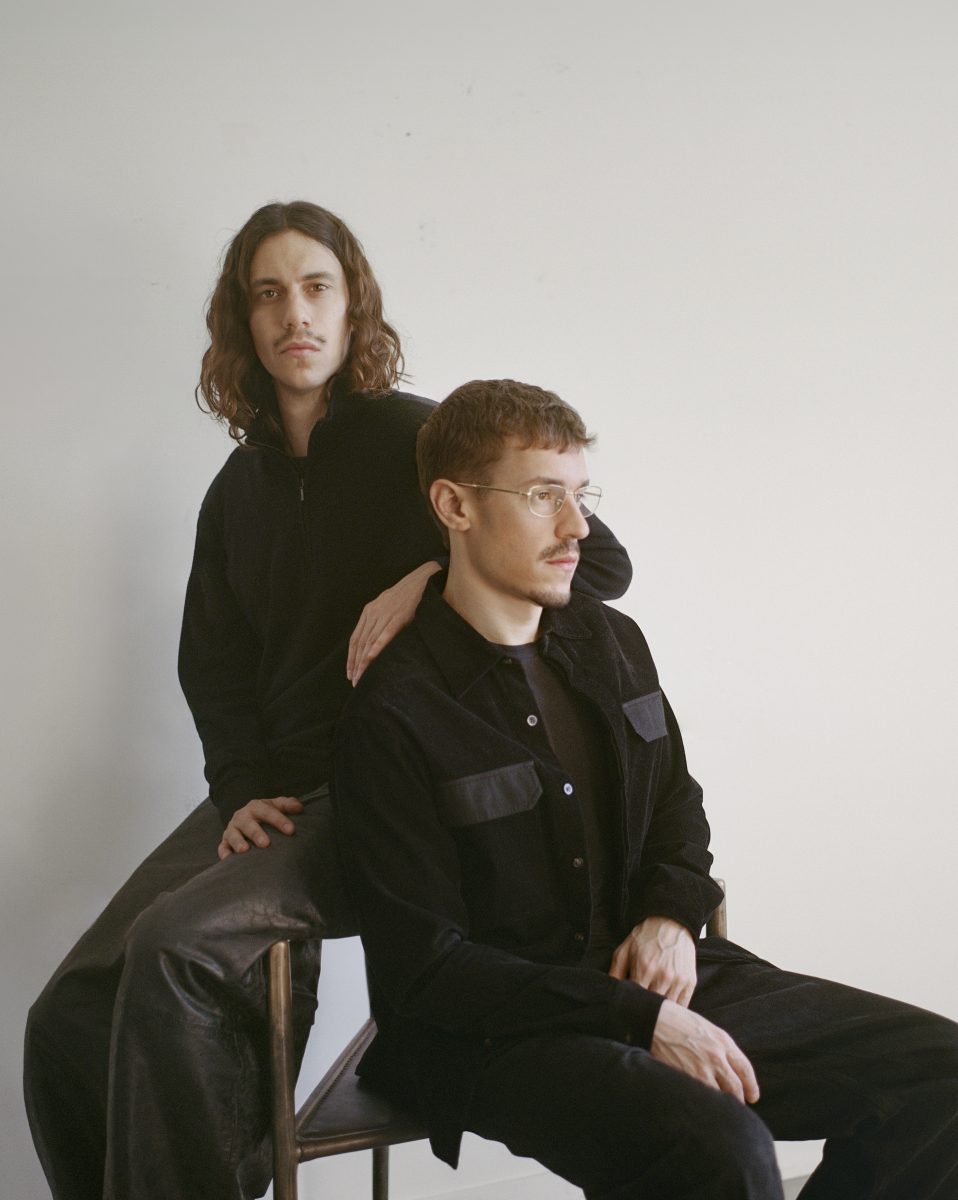
In a world where luxury is often reduced to logos and numbers, brothers Giovanni and Francesco Bassan are rewriting the rules.
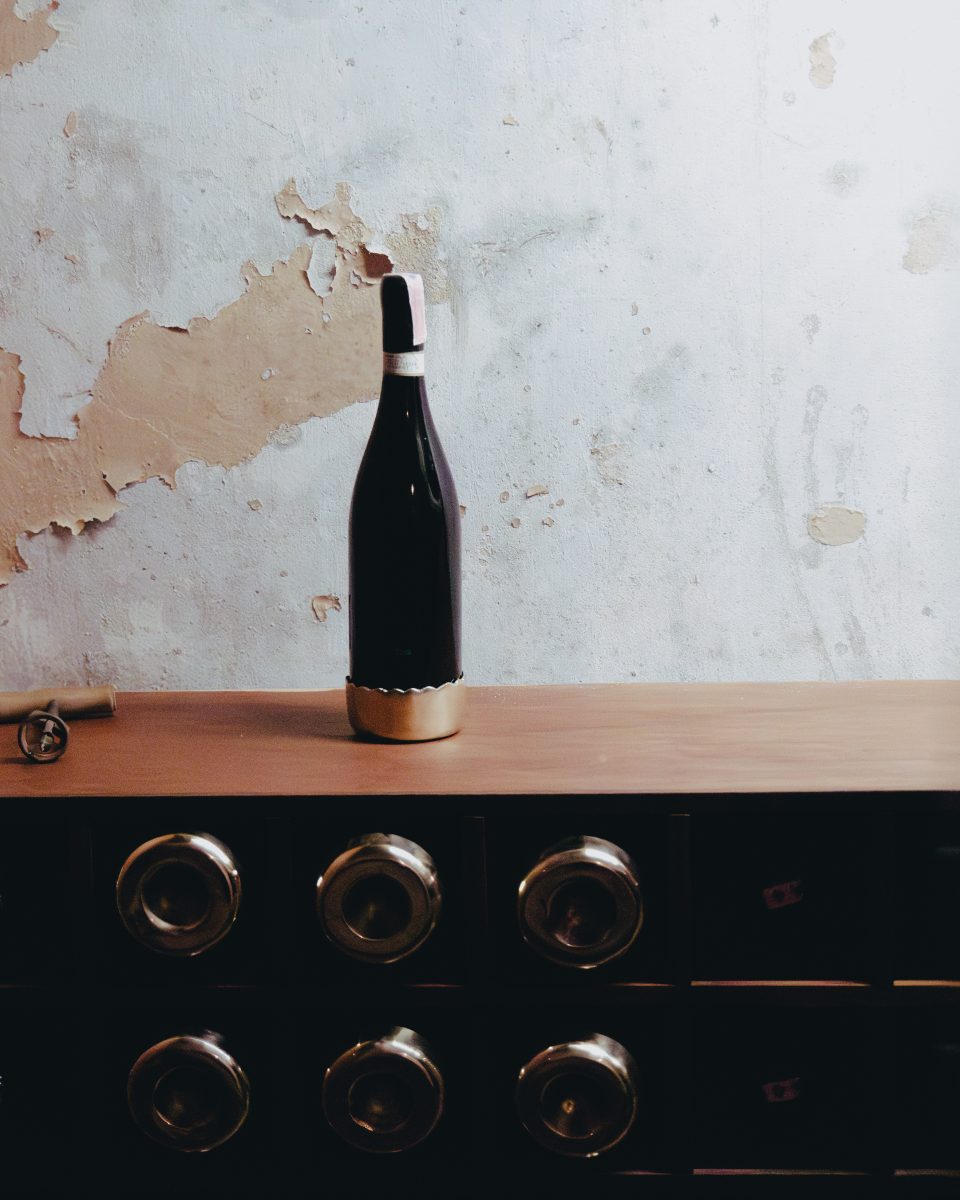
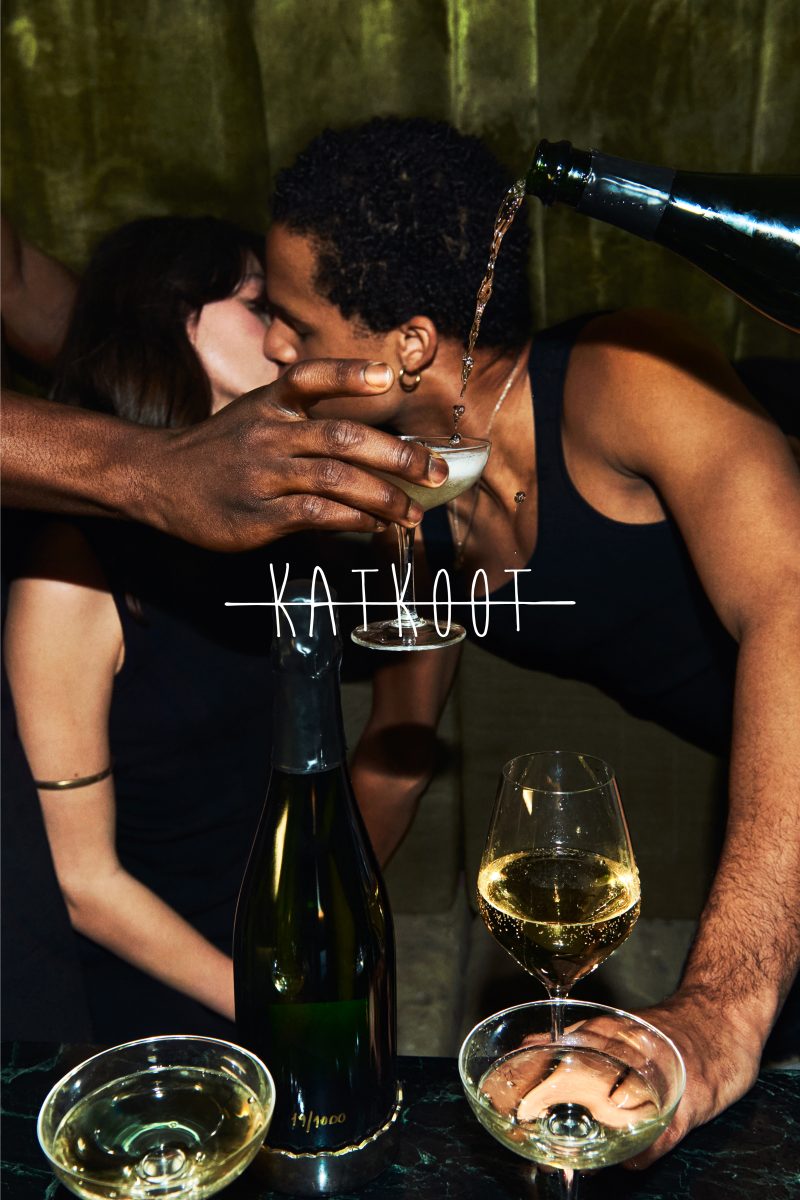
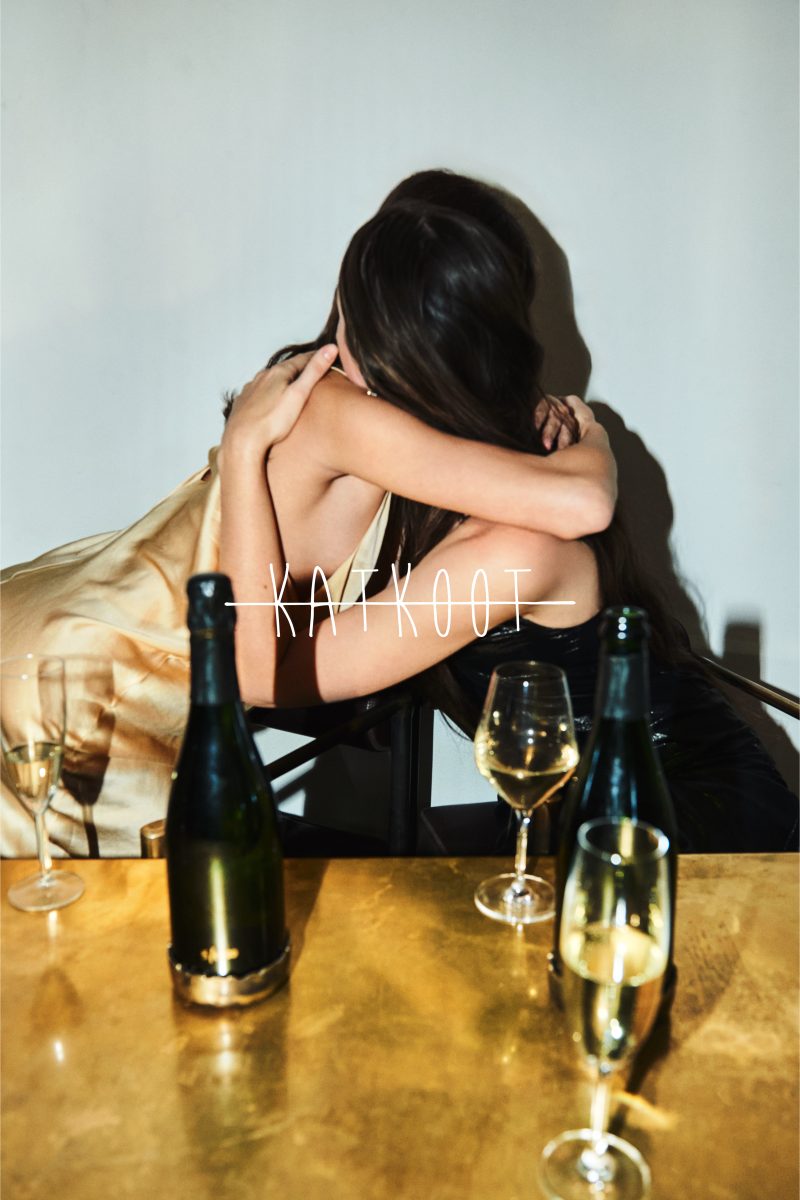
With Katkoot, the wine bottle becomes more than a container — it is a sculptural object, a conversation starter, a keepsake that lingers long after the last drop is poured.
Blending artistic intuition, technical mastery, and cultural sensibility, the brothers fuse form and function, tradition and innovation, creating a brand that feels at once timeless and startlingly modern. Katkoot is not just wine; it is an experience, a memory, a story you live with. This is what happens when craft, creativity, and vision collide.
GIOVANNI BASSAN
Your work at Katkoot blurs the line between wine and art. How do you approach designing a bottle as both a vessel and a sculptural object?
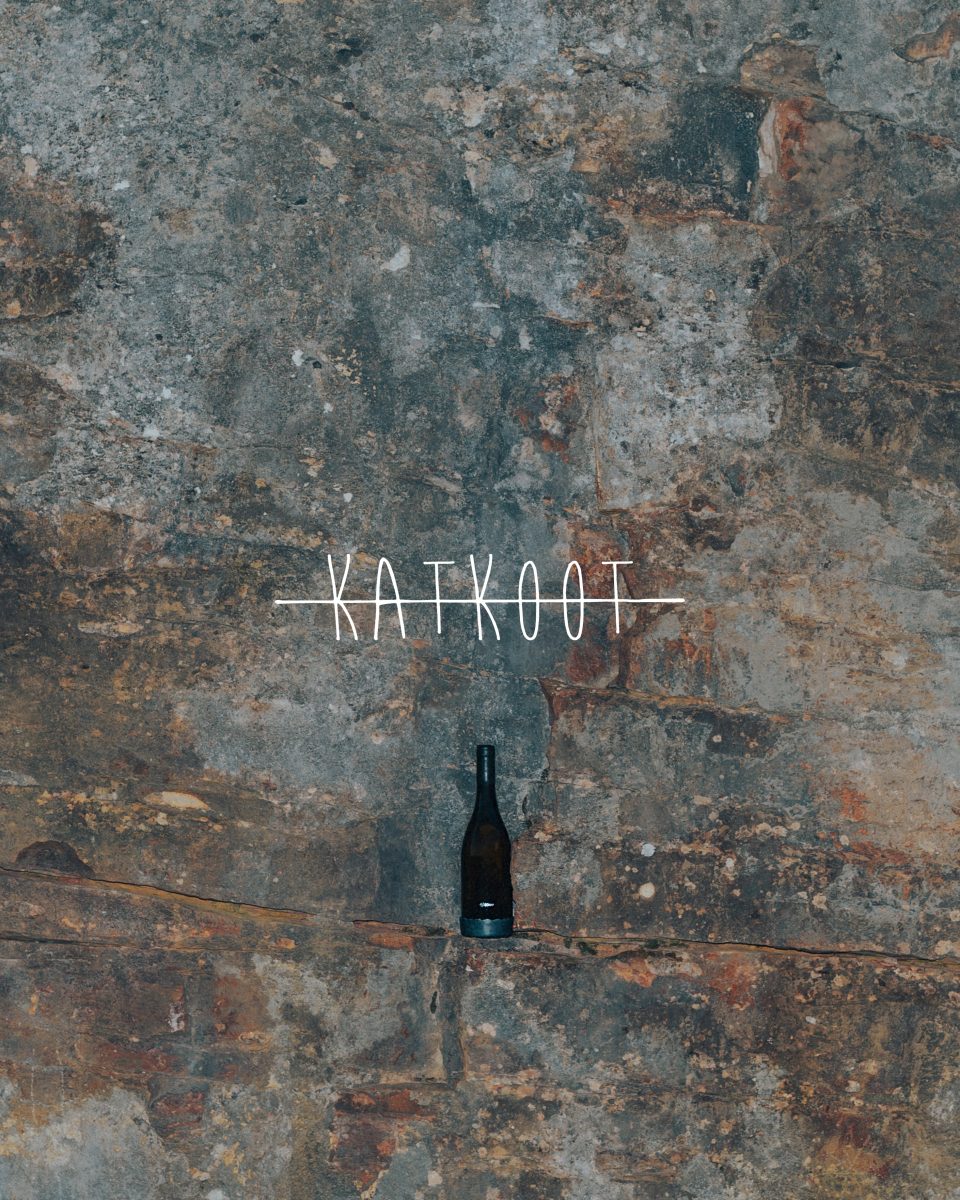
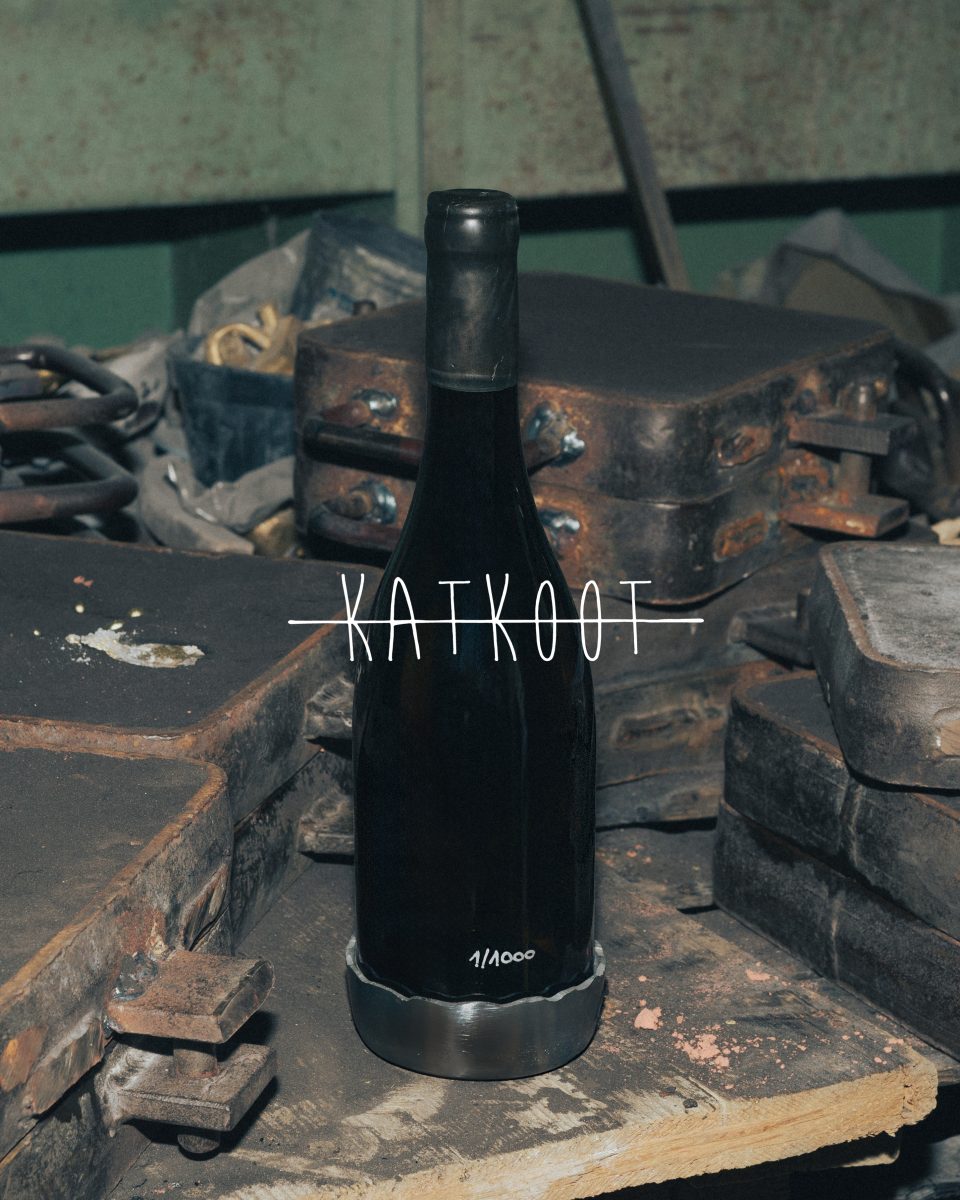
My approach started from primitive jewelry and minimal and brutalist art. I didn’t want to design a bottle from a commercial or technical perspective; I began as an artistic exploration. I think of the bottle as a sculpture, focusing first on its physicality: shape, material, and presence. The material itself becomes part of the design, and every element has a purpose. I wanted to move away from a traditional approach and from the idea of focusing on the graphic design of a label. In fact, I removed the front label completely.
I’m interested in objects that live beyond their primary function. I also wanted the Katkoot bottle to evolve beyond the wine. For example, the metal base can be removed and repurposed as an object for your home (a jewelry holder, an ashtray, an empty pocket) so the bottle transforms into a physical memory after the wine is gone. It’s about creating something new for the market, something you keep and interact with long after the first encounter. Thinking out of the box.
You’ve collaborated with iconic names like Rick Owens and Michele Lamy. How has fashion influenced your vision for Katkoot?
Fashion taught me that objects carry emotion before they carry meaning. A garment, like a bottle, is experienced physically first. You feel proportion, texture, tension. That sensitivity to form deeply shaped my vision.
Working with Rick and Michele also reinforced the idea that identity comes from coherence, not decoration. Their work is uncompromising. That clarity influenced how I think about Katkoot. Every element must feel intentional, reduced, essential. For me, fashion is not superficial. It is a language of aesthetic taste and conscious choice. It connects to art, creativity, and also to meaning, sometimes even to politics.
The philosophy of Katkoot revolves around “Equal and Opposite”. How does this tension shape your creative process?
“Equal and opposite” is a generative force for us. I like allowing elements to resist each other. A heavy material like metal interacts with fragile glass. Minimal forms can still carry emotional intensity. This tension creates balance, but never a static one. It is always alive.
This principle also shaped Katkoot’s identity. From the beginning, we wanted to create something within the luxury beverage world that also moves against its clichés. We aimed for a product not only for traditional elites, but for anyone curious, aesthetic-minded, and engaged; whether young, experienced in wine, or simply drawn to beauty.
In a world saturated with luxury brands, how do you make something feel both exclusive and culturally relevant?
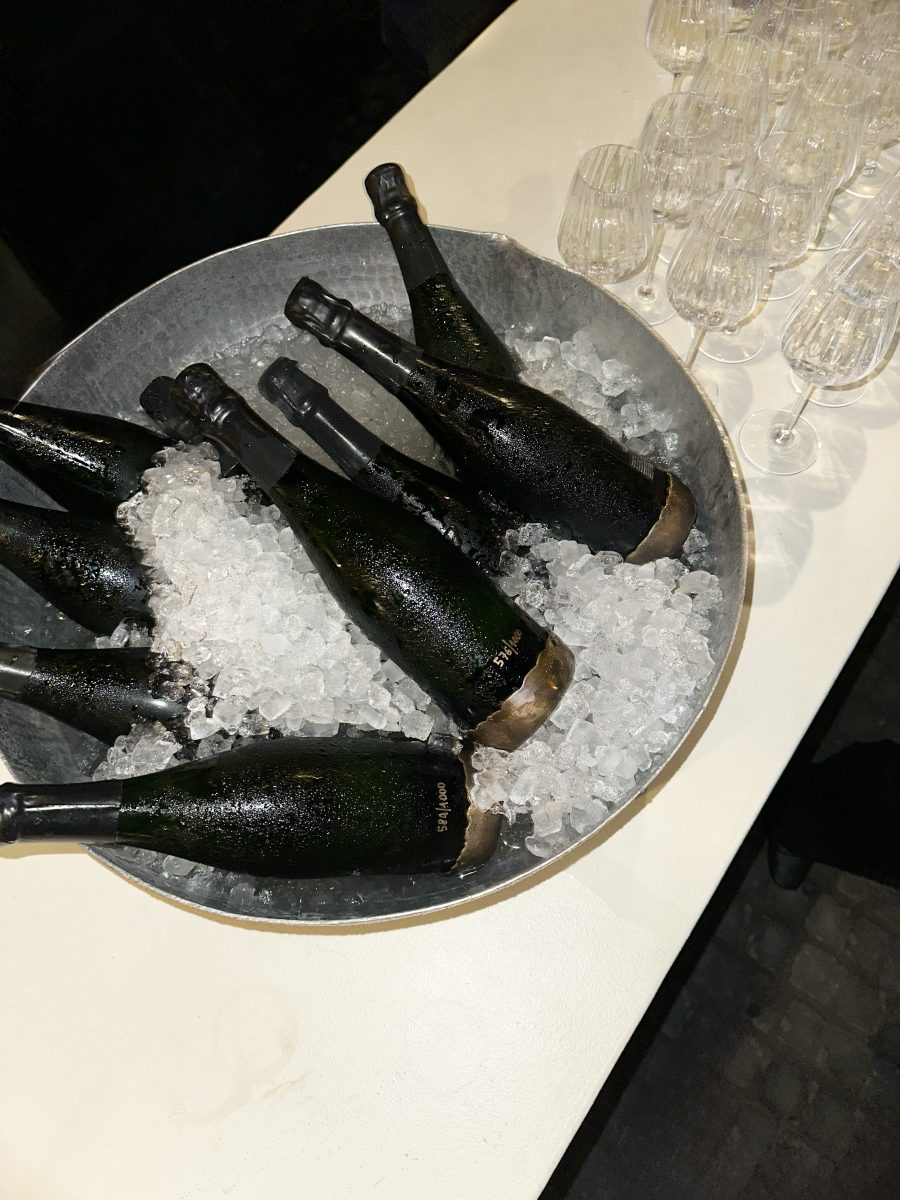
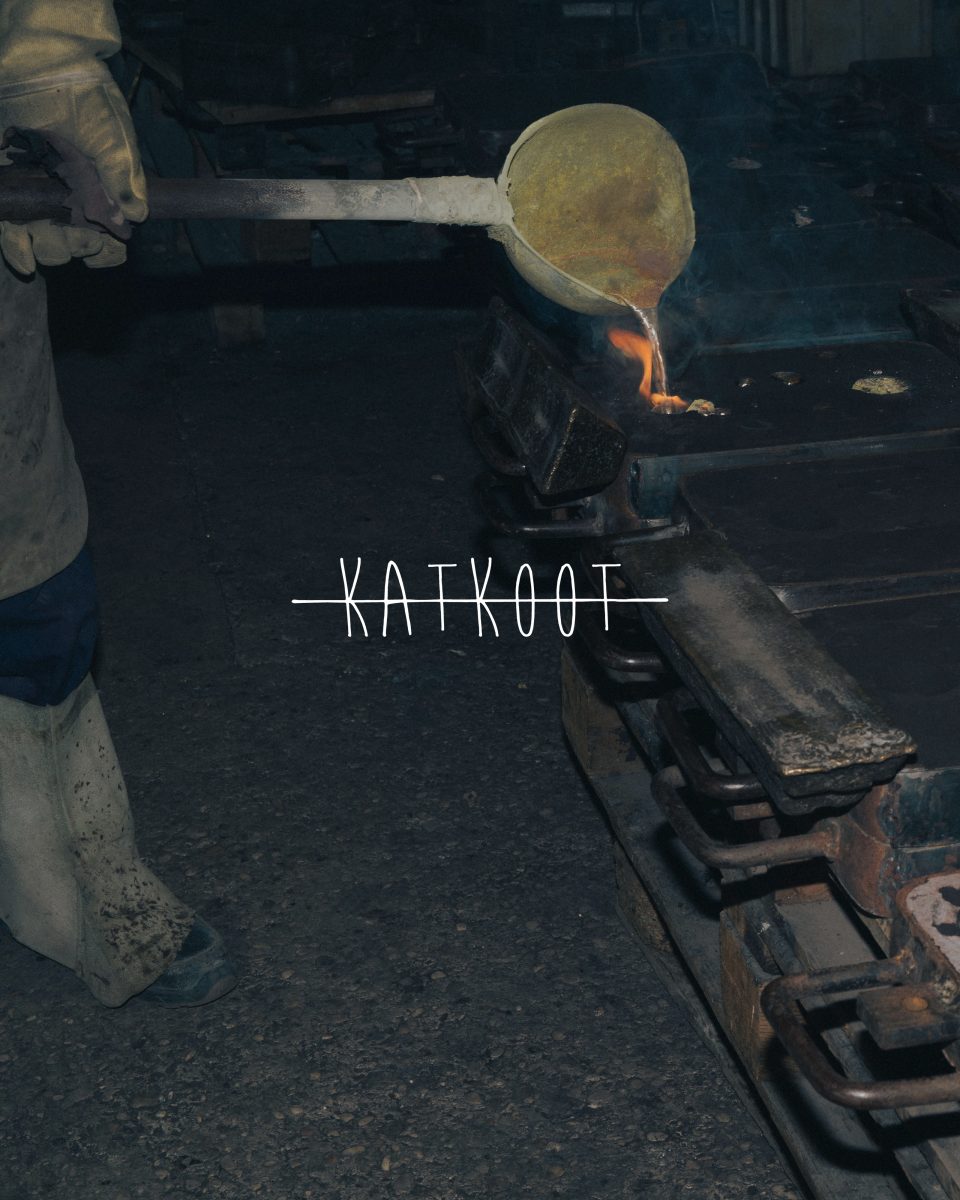
Exclusivity is not just about limited numbers. For us, it is the value of artisanal craftsmanship, the care of objects made by hand, the time it takes to create them. Luxury becomes the translation of these values into form.
Cultural relevance comes from honesty. Every decision, from our internal team to collaborations, projects, and imagery, reflects who we are. Katkoot was conceived as a canvas for collaboration, and this openness keeps it alive within culture. Relevance does not come from following trends, but from expressing something authentic and allowing others to participate in that expression.
FRANCESCO BASSAN
You’ve positioned Katkoot as more than a wine brand — it’s a cultural artifact. How do you balance artisanal quality with a modern, global vision?
I don’t see it as a balance.
The pursuit of quality and sensitivity is the base of everything we do. The wine has to stand on its own , it has to have identity, structure and precision and high quality. Each of our wines carries a clear intention, a precise direction in what we want to express.
If that part isn’t right, nothing else matters.
With Katkoot we didn’t modernize the wine. We kept production rigorous and rooted in tradition. What we changed is the context around it.
The bottle is not just something you open. It’s something you discover. You experience it while you drink it, it creates conversation, and when you finish it tyou remove the base and keep it, it in your space. It becomes part of your environment, almost part of yourself. It holds a memory of a dinner, a person, a moment.
What lessons from studying economics and wine theory do you apply directly to building a lifestyle brand like Katkoot?
Studying economics made me understand how perception shapes value. People don’t evaluate things in absolute terms;they evaluate them in context. That’s why niche and positioning matter. Value is never just intrinsic, it’s relative to where and how it exists.
Wine studies taught me something more instinctive. You develop sensitivity, you learn nuance, balance and respect for time, and you understand that small details can completely change the result.
When we built Katkoot, I merged those two dimensions. From economics I apply strategy; we don’t say yes to everything and we don’t dilute the brand. From wine I apply intuition;every bottle and every decision must feel coherent, not only financially but culturally.
How do you decide which collaborations or events truly resonate with Katkoot’s artistic and cultural ethos?
For us, it’s about values.
We pay attention to what a project stands for , its mindset and cultural direction. If we genuinely respect that, then we start a dialogue.
A collaboration has to feel coherent with who we are. It’s not about adding names, it’s about creating something meaningful together.
At the same time, we want to challenge our own vision, so it becomes a real balance between alignment and evolution.
Katkoot is the fusion of art, design, and wine. How do you two navigate creative differences and turn your individual visions into a cohesive brand identity?
FRANCESCO: Giovanni and I are both creative, but in different dimensions.
He approaches creativity through form, material and visual tension. I approach it through positioning, structure and long-term vision. It’s not art versus strategy , strategy itself can be creative.
We don’t avoid friction. We use it. Every idea is tested from both sides , aesthetic and structural. If it works in both dimensions, then it becomes Katkoot.
That’s why the identity feels cohesive. It’s not accidental. It’s the result of dialogue, refinement and mutual respect.
GIOVANNI For me, it’s the power of us. Katkoot is also the story of two brothers, two individuals with different paths and different ways of thinking. I left Italy very young to follow my artistic dreams, while Francesco stayed and focused on the territory, studying more technical disciplines. We each bring what we do best to the brand, what our different careers have taught us, and we trust one another with the rest.
A letter to your future self.
Remember what moved you in the beginning and what this journey has taught you. Keep carrying forward the values you were born and raised with , the way you were educated, the discipline, the respect, the curiosity.
Never feel like you’ve arrived. Stay curious in everything you do , in your work, with your partner, in your passions, in exploring what you don’t yet know, in seeing what you don’t yet have, and in the way you look at the world. Don’t put barriers on that.
Keep cultivating what inspires you. Be a good person.
Cheers responsibly – Vanity Teen says sip, don’t slip!