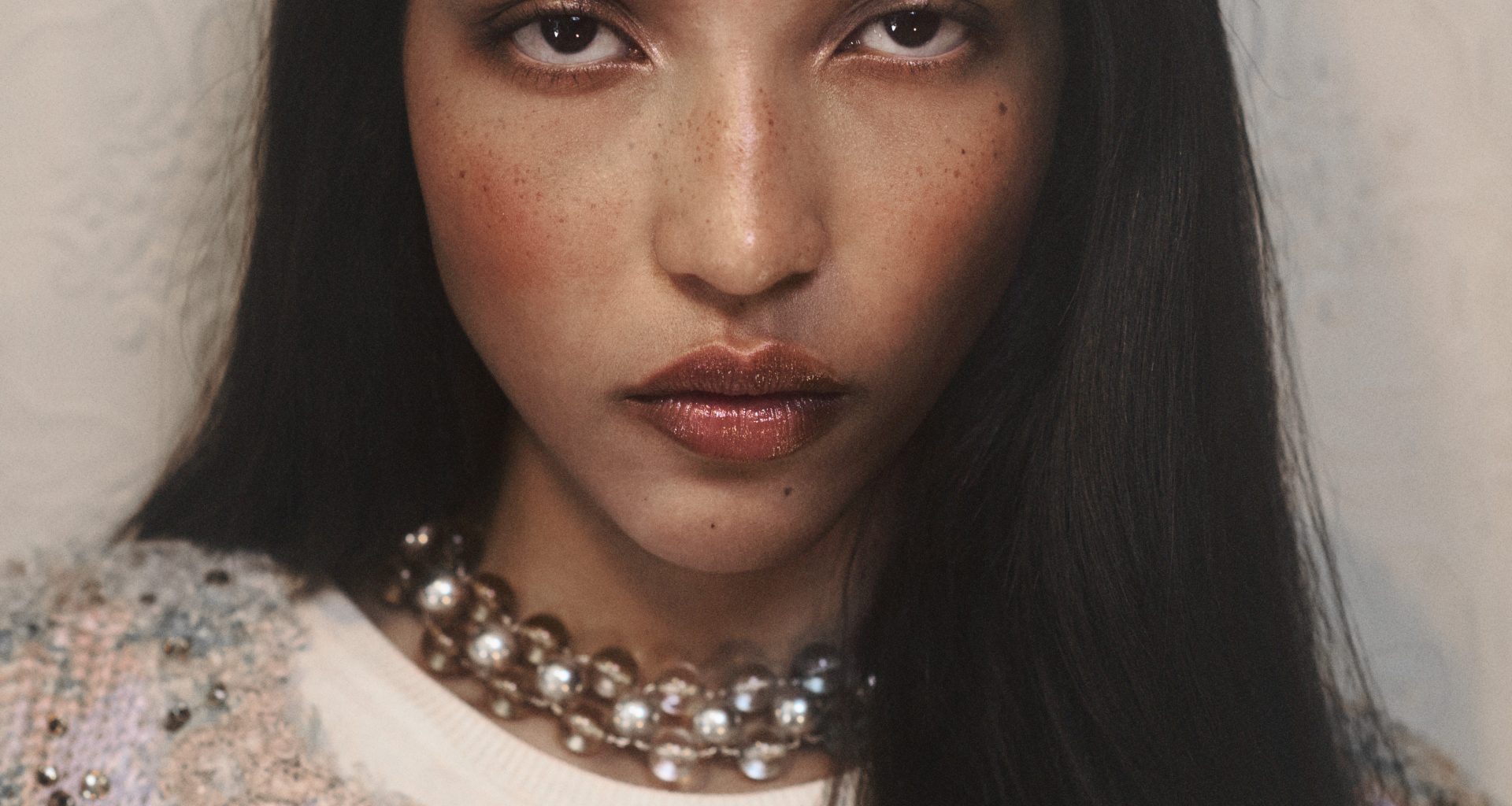
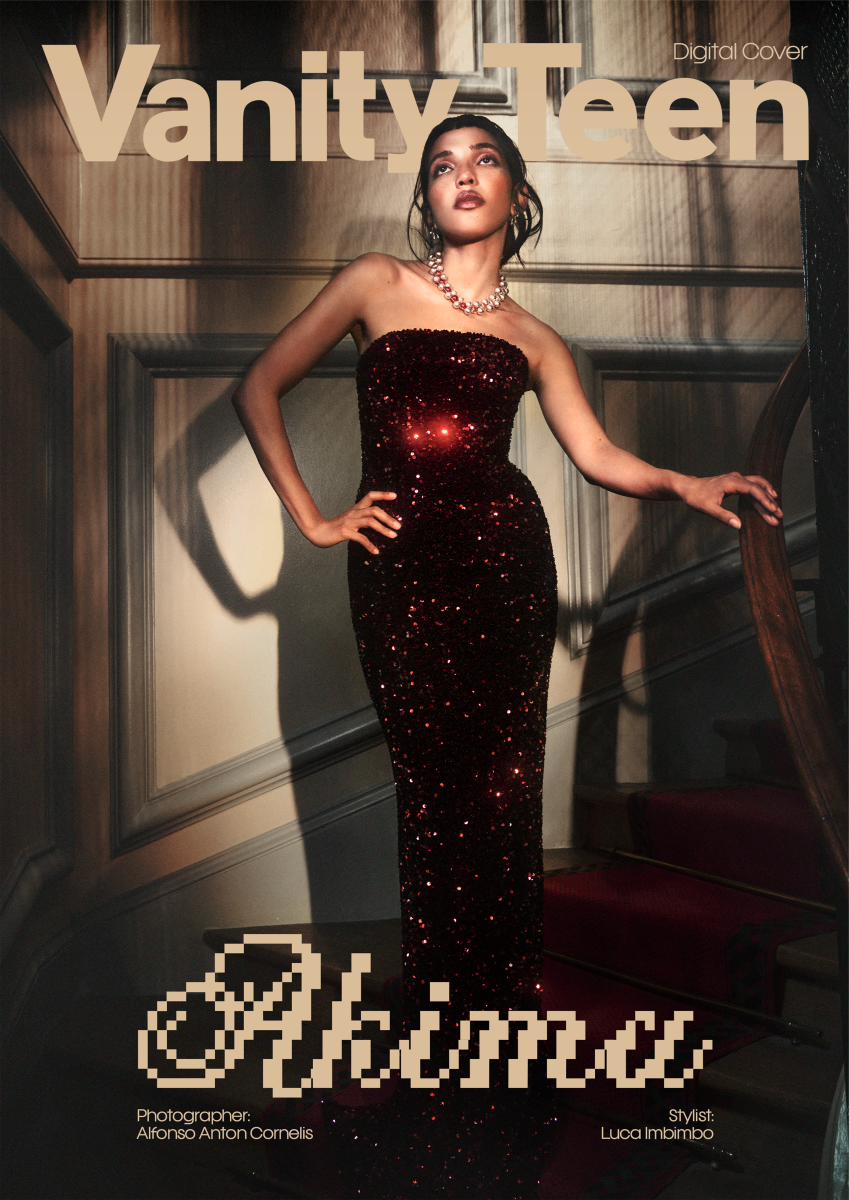
Vanity Teen May Digital Cover
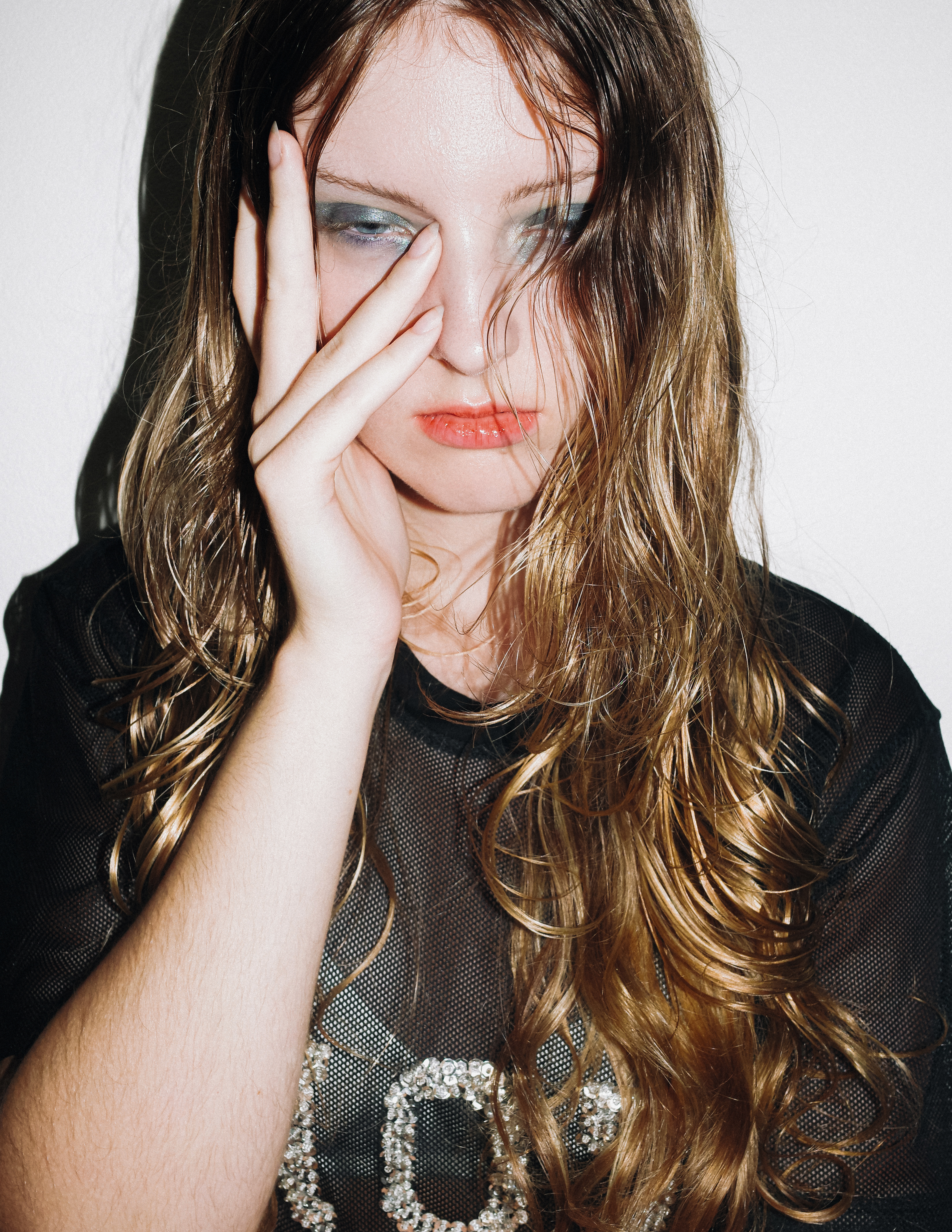
She doesn’t arrive — she descends. Like a memory you’re not sure is yours, or a scene you’ve watched too many times to separate fiction from feeling.
Akima Maldonado moves through the frame the way certain characters move through time: slightly out of sync, emotionally ahead, never fully contained.
There’s something cinematic about her presence, but not in the polished, predictable sense.
It’s more erratic than that.
More intimate.
As if every image were a fragment of a larger story she hasn’t fully told yet.
Before acting, before narrative took over, there was the body — disciplined, observed, constructed within the codes of fashion.
But Akima never stayed still long enough to be reduced to an image.
Modeling became a language, and then a limit.
Acting opened the fracture.
Writing pushed it further.
What she’s building now isn’t a career in the traditional sense — it’s a shifting authorship, where identity is something to inhabit, question, and undo.
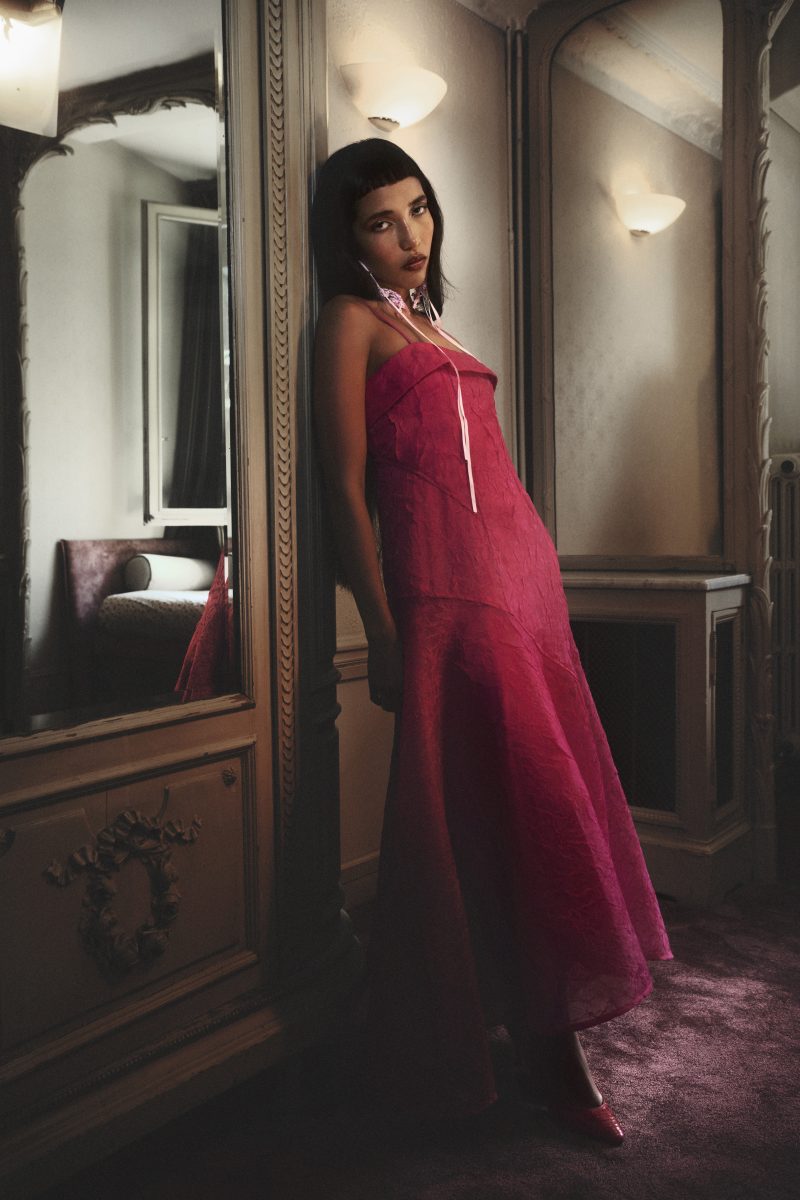
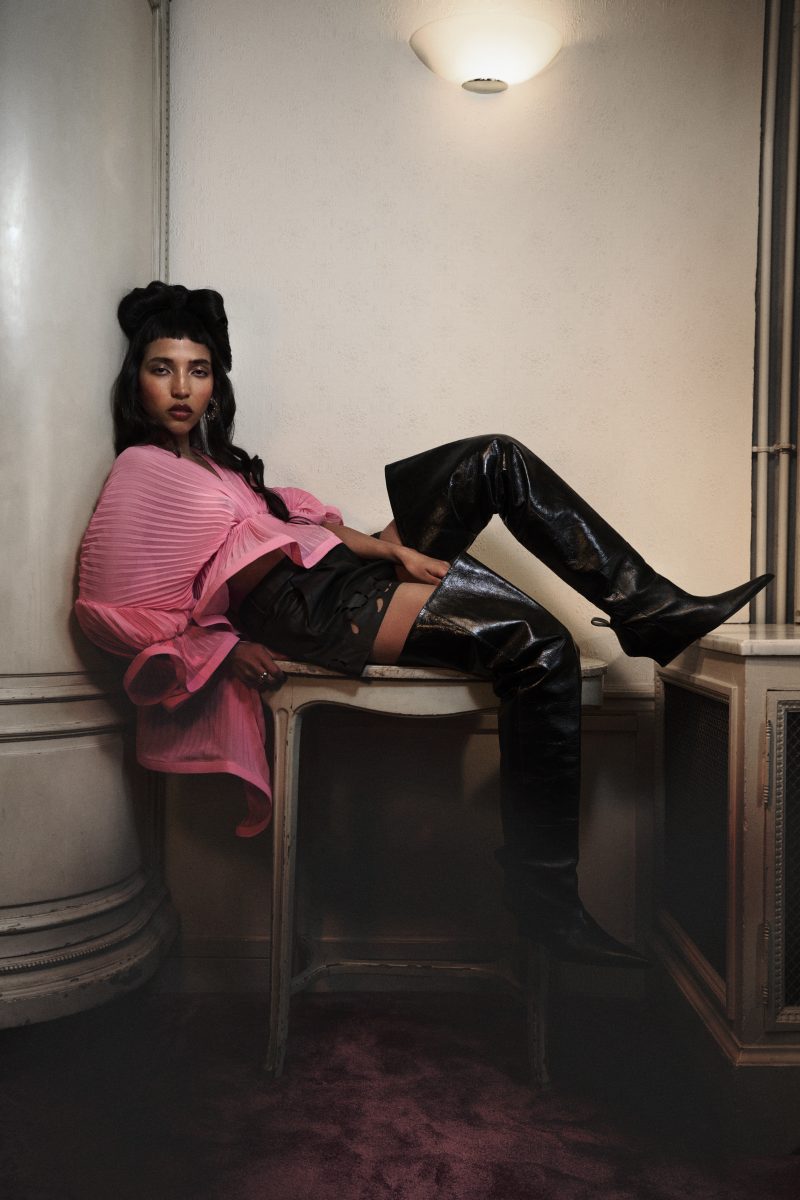
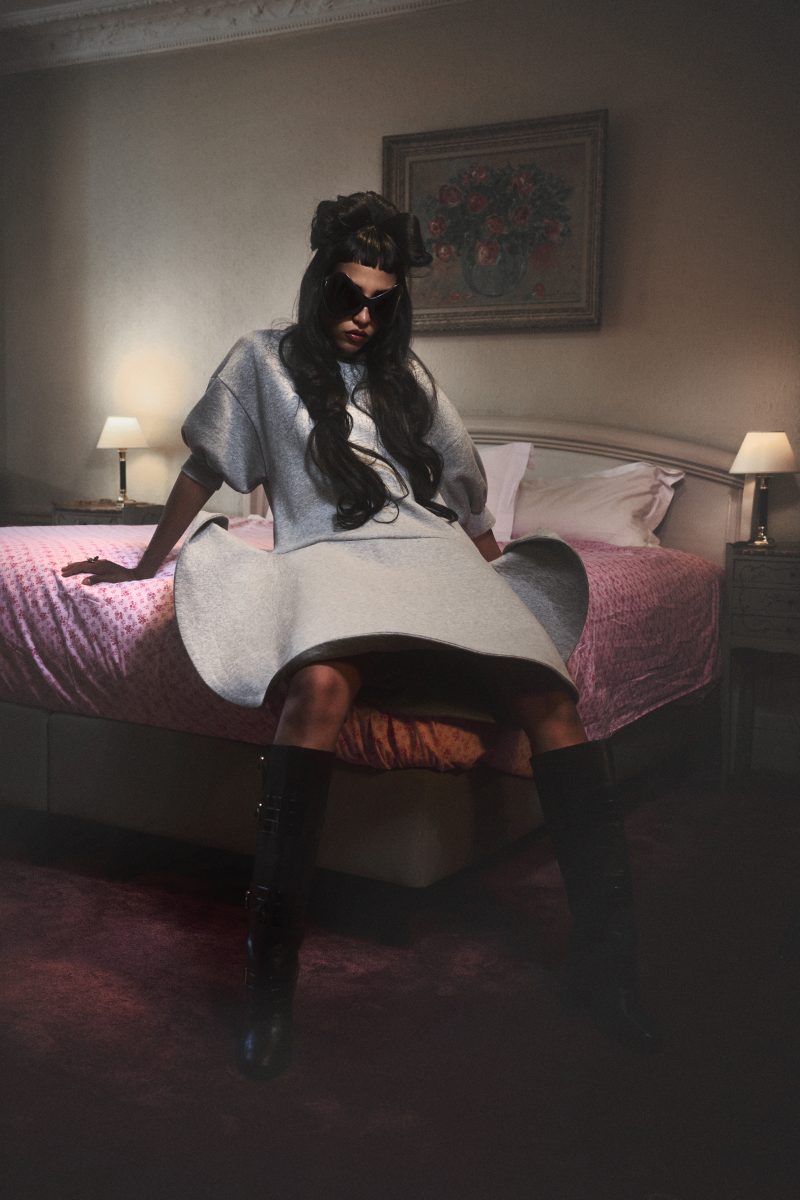
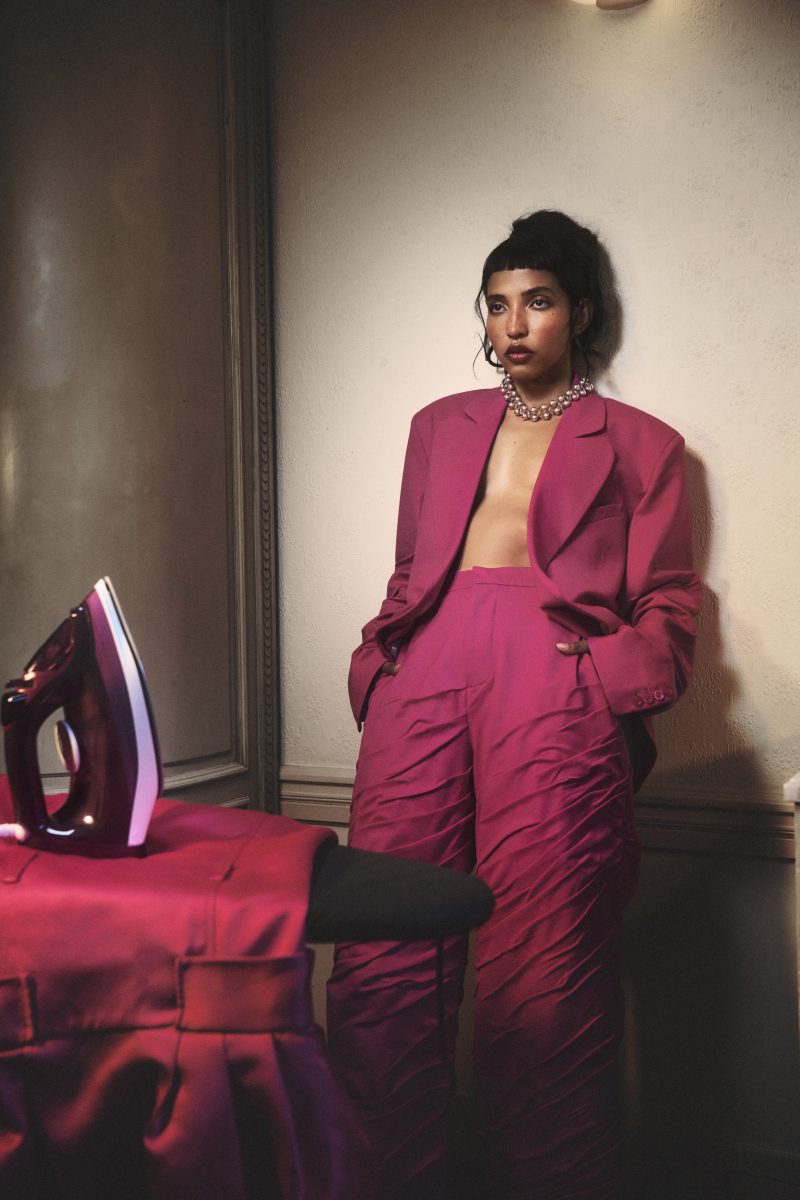
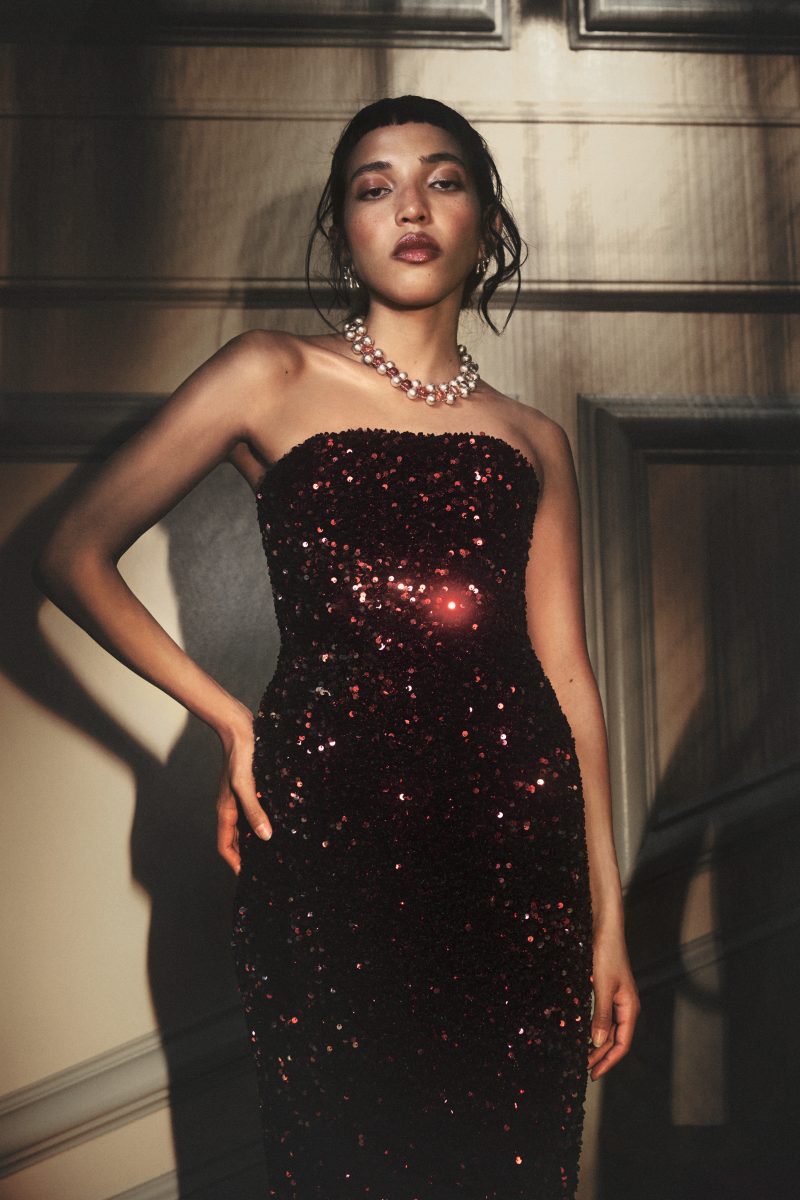
As our May digital cover star, she steps into the world of Prom Girls & Prom Boys, the new Vanity Teen series exploring youth mythology, ritual, and the performance of becoming.
But Akima doesn’t play the prom girl.
She destabilizes her. She stretches the archetype until it feels unfamiliar — less about perfection, more about tension, desire, contradiction.
Because in her world, beauty is never passive. It resists. It transforms. It remembers.
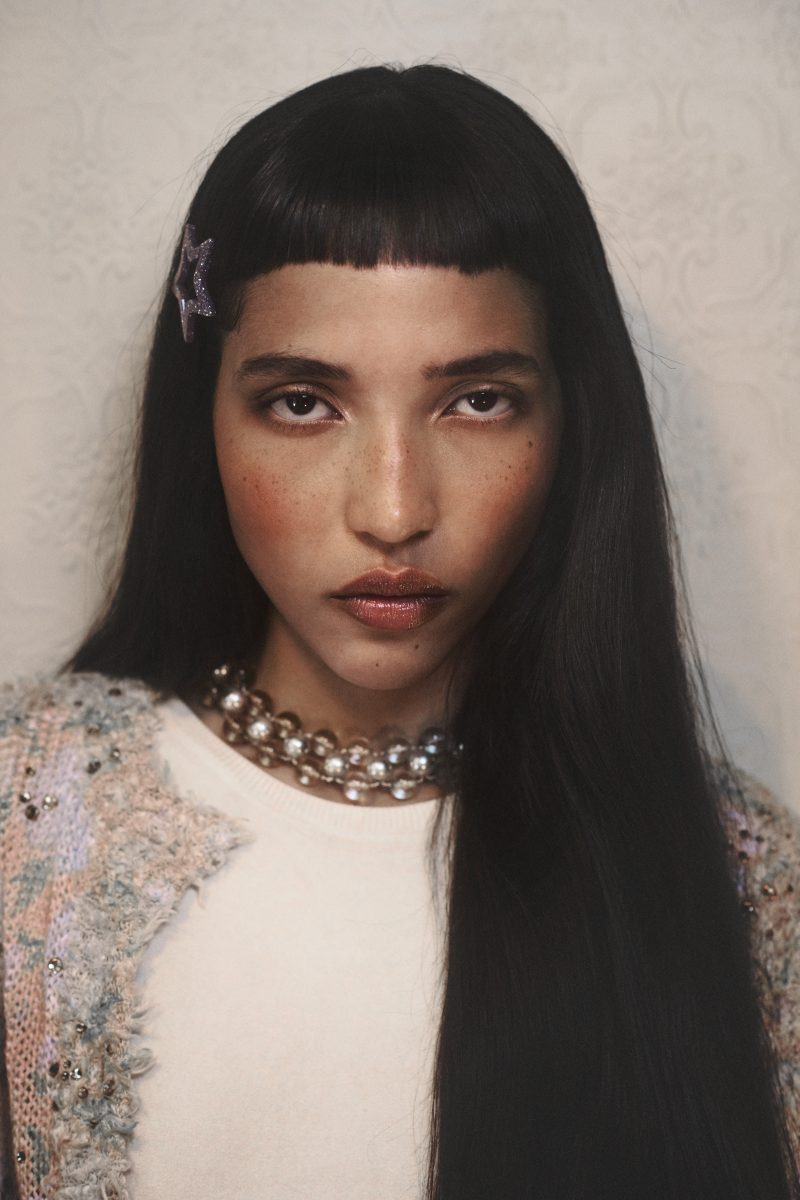
You moved from the image to the narrative — from being looked at to speaking.
When did modeling stop being enough, and what pushed you toward acting as a necessity rather than a choice?
Being observed has been my work for almost 10 years. Modeling, for me, is a form of expression.
A way of communicating another world through the body and expression. In acting, I found that same idea; although they are two very different professions, they share the possibility of inhabiting other narratives.
I like to think that my work is constantly transforming and enriching itself. Modeling gave me the tools to approach the world of acting, and acting taught me another way of seeing the human experience, one that has helped me in my literary exploration.
In One Hundred Years of Solitude, you step into a world where time collapses and identity fractures.
Did that universe feel closer to fiction, or uncomfortably close to your own internal landscape?
Being part of the universe of One Hundred Years of Solitude felt deeply magical, but also very ordinary.
From the first day I arrived on set, I felt at home.
Becoming part of the Buendía family and inhabiting Gabo’s seemingly fantastical universe felt natural. I think all Colombians have always lived within that world of the unusual. Macondo is our history, our memory.
Acting in One Hundred Years felt more like remembering. Remembering everything.
Rebeca is desire, isolation, and instinct all at once.
What part of her scared you the most — and what part felt like home?
A year ago, I filmed Rebeca’s final scene and wrote her a farewell letter:
“Forgive me if I was not enough for you, if I didn’t know how to understand your rebellion, your strength, your sadness, sorry if you wanted to be different. I let you go. Rest in the mountains, in the sunsets, in every woman who reads you for the first time.”
What frightened me about Rebeca was her freedom. I was afraid of not being free enough to understand her.
What felt like home was her chaos, her fear, her desire.
She is a woman searching to be free, and so am I.
The fashion industry often asks for silence, while acting demands exposure.
How do you negotiate control when both worlds want something different from your body and your voice?
I’ve always believed there isn’t just one way to achieve success. I disagree with many of the demands of the fashion industry. I believe there is a freer, more autonomous way to work.
For me, it’s not possible to do it any other way. I am rebellious in everything I do. I want to exist beyond my image. I want to decide for myself. I want to be able to say “no.” I want to eat. I want people to look me in the eyes when I work.
I want to propose ideas and be creative. I believe I’ve managed to have that control over my career, my body, and myself, and to keep working.
That makes me immensely happy.
There’s a certain gaze attached to you — editorial, sharp, almost untouchable.
Do you feel seen, or are you still being constructed by other people’s projections?
My work is deeply connected to image and perception. Sometimes I am what others want me to be, but only for a moment, to build a narrative. I like all my alter egos. I hope to explore myself through them my entire life. Still, there is a “me” stripped of all vanity. Solitary, calm, and free. I like all my facets: living all those fantastical narratives, and always returning in the end to my everyday self.
Coming from Colombia into a global system that constantly reshapes identity, what have you had to unlearn to protect something essential in yourself?
I have unlearned everything.
Migrating has been the most transformative experience of my life.
What changed the most was the way I see life, the world, and myself. I lost some innocence along the way.
But I am still as much a dreamer as the day I boarded the plane that took me away from home. I can’t say anything that hasn’t already been said about migration. It is difficult and it is beautiful. I don’t protect myself from anything; my heart is exposed to both the good and the bad in the world. I like the feeling of not understanding, of being uncertain, of learning, failing, being alone and accompanied. I also love returning home, to Colombia, and seeing it with deeper eyes, with greater understanding.
Your work carries a tension between beauty and disturbance.
Are you interested in breaking the idea of beauty altogether, or in expanding it until it becomes uncomfortable?
Beauty is something I constantly reflect on. I’m currently working on a book of poems about ugliness.
To be “ugly,” it is enough to step slightly outside the small, suffocating frame of contemporary beauty standards.
I’ve lived a very particular experience: I’ve been considered horrible and treated the way the world treats “ugly” people, but I’ve also crossed over to the other side. I’ve been beautiful, enough to make a living from it. Both experiences have enriched me deeply.
There is no truth to hold on to, only perceptions. That’s what interests me in image-making. I’m not interested in living within a frame of rules. I want to shape my own way of seeing the world. I want to go very far from beauty, and still find it.
If you had to write a letter to your culture — to the place that formed you before fashion, before cinema — what would you say, and what would you apologize for?
I would apologize for not seeing the profound beauty of simplicity. I lived in several towns in Colombia.
As a child, I felt a deep boredom with life. I wanted to explore the world; the town felt suffocating, nothing intrigued me, I wanted to escape. Now I believe the human experience is rich in all its forms.
That a life of contemplation is full of deep realizations. That there is no simplicity anywhere in the world.
The one with the simple gaze was me.
You’re at a threshold moment — between modeling, cinema, and authorship.
What comes next for you?
Are there roles, directors, or projects already in motion that will define your next chapter, or are you still resisting definition?
I want to explore everything, I am open to life. Right now, I live a very flexible life.
I moved to Mexico because I wanted a place where I could focus on writing, but I’m always drawn to creative projects. I enjoy working with photographers who inspire me. I study a lot, I read, and I try to follow my creative interests as much as I can. I would love to explore film more deeply. I’ve never had very defined goals, I believe that whatever comes my way is right for me.
You’re the star of our May digital cover, and your story is inspired by the classic American prom girl—have you ever been to a prom like that?
What’s your funniest or wildest memory from it—or the one you wish you had?
Yes, I did have a prom, and it was beautiful.
I remember dancing with my childhood friends to We Are Young and thinking: this will pass, tonight I am young, but life will move on, and I have to make it all worthwhile. It fills me with nostalgia.
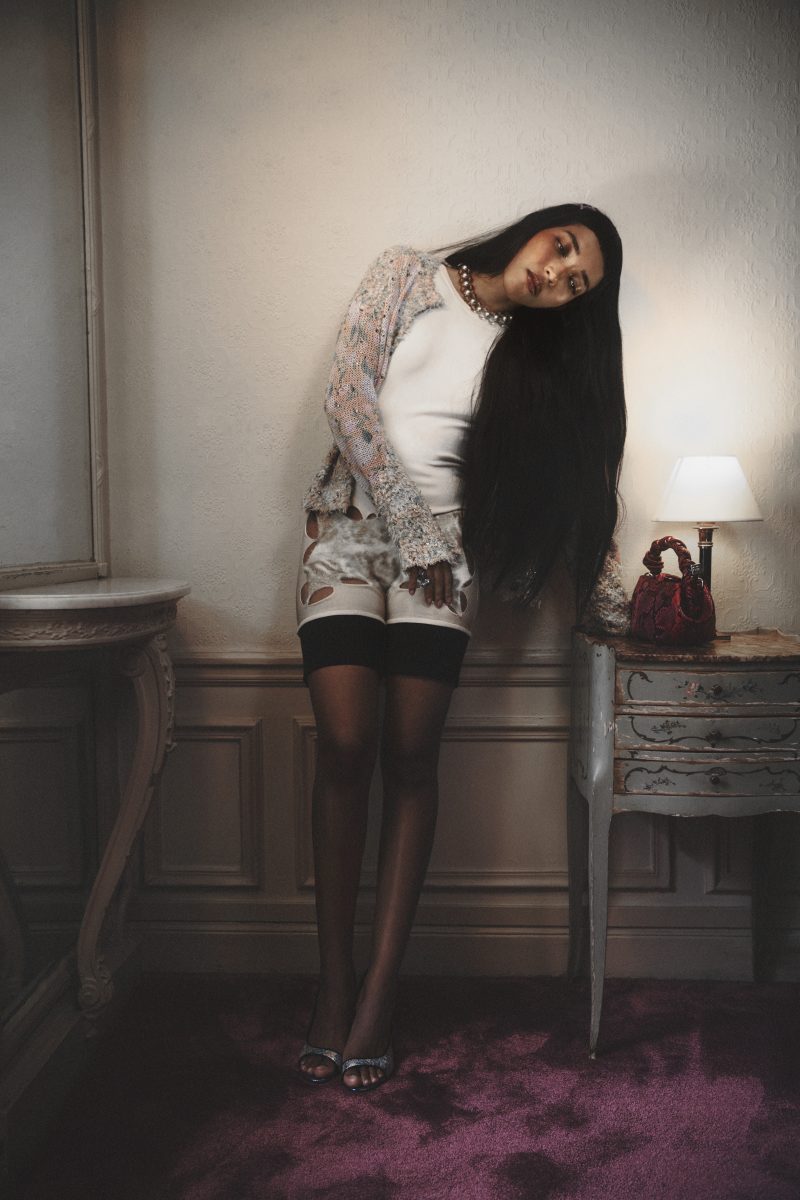
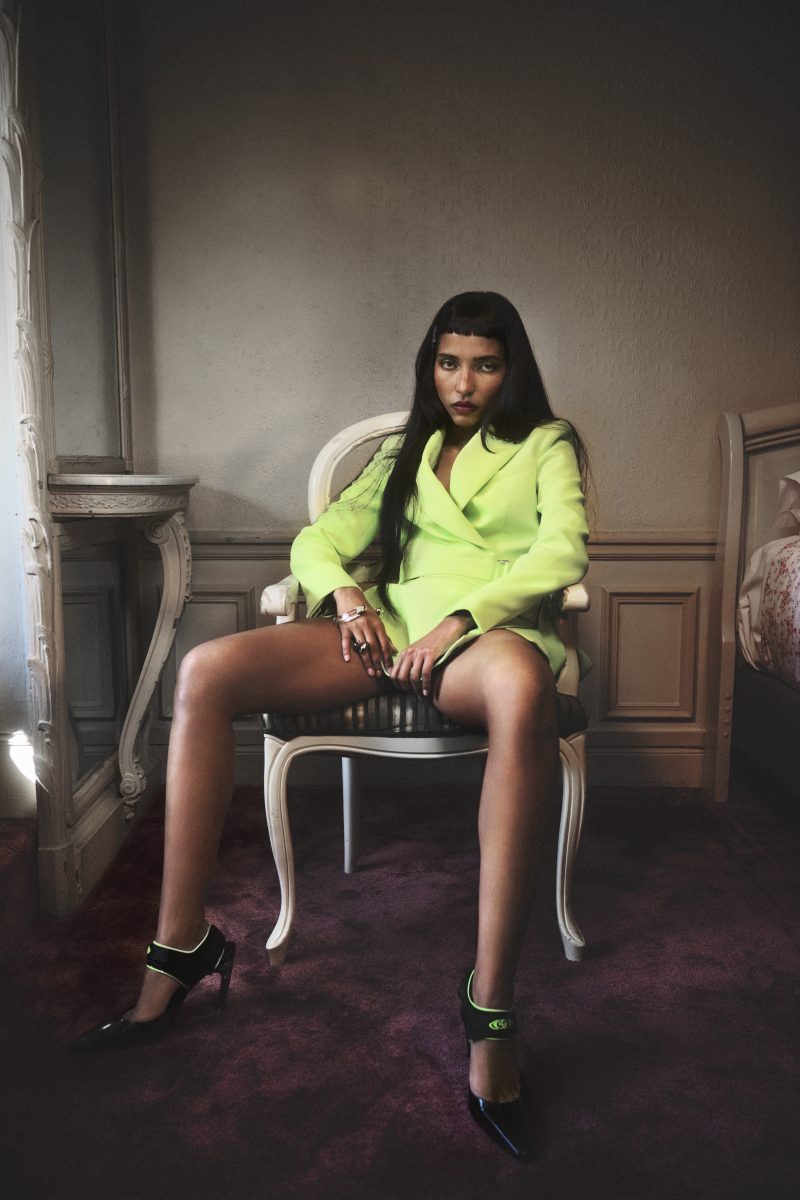
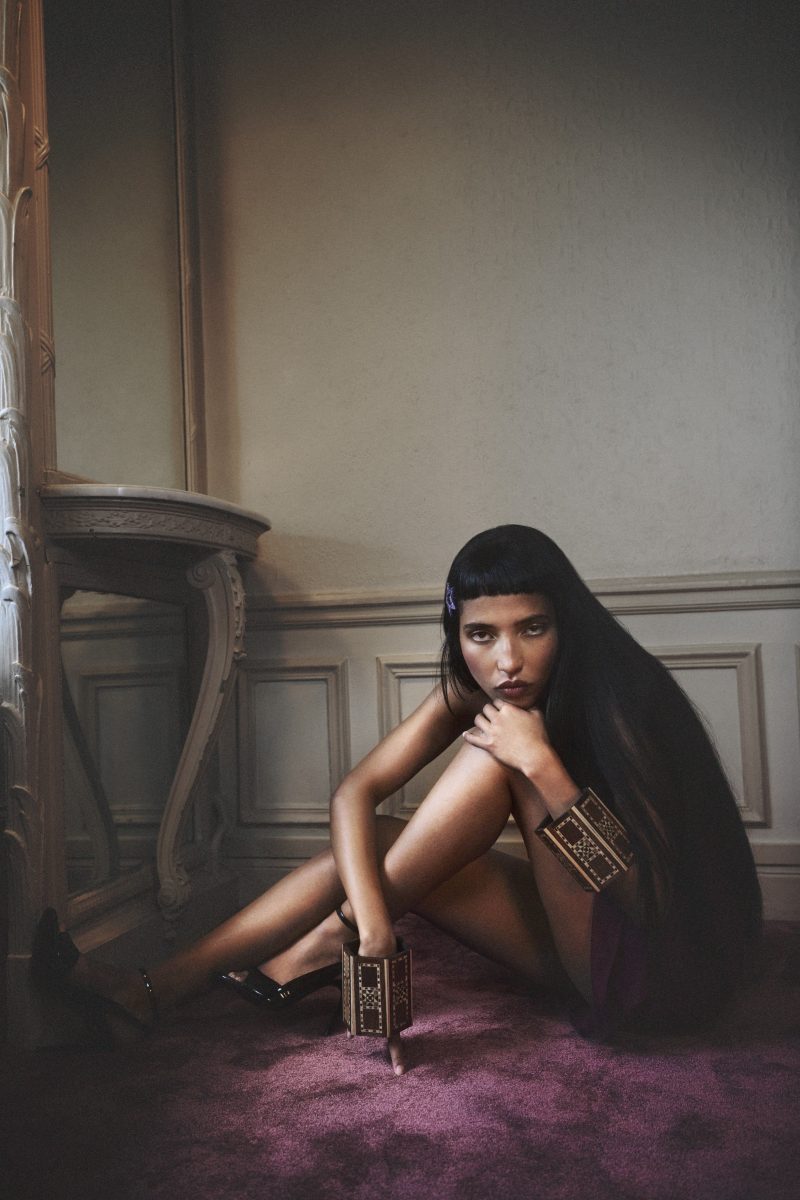
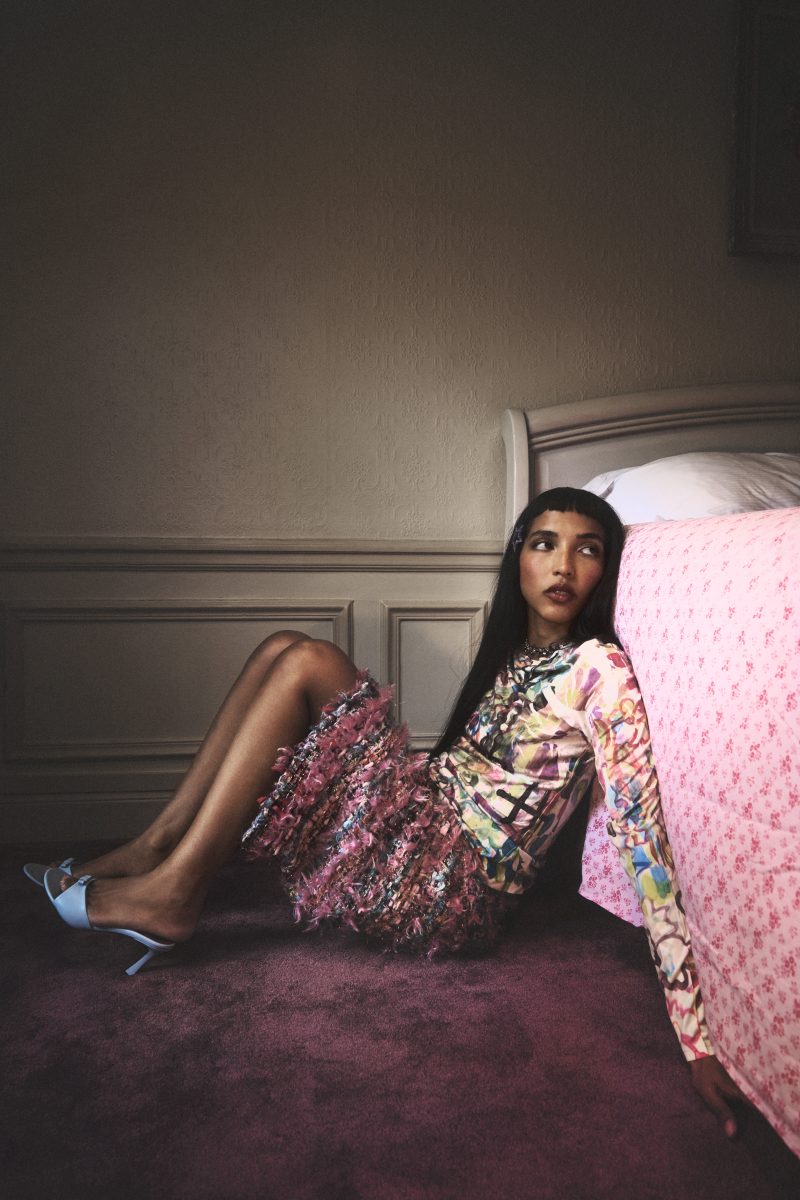
Editor’s note
Over Easter, I was back home in Italy — a rare pause, somewhere between rest and restlessness.
Out of pure instinct (or maybe regression), I opened Beverly Hills 90210 on Sky Go.
I was obsessed with it as a kid. Naturally, I spiraled.
In less than two weeks, I had watched the first four seasons.
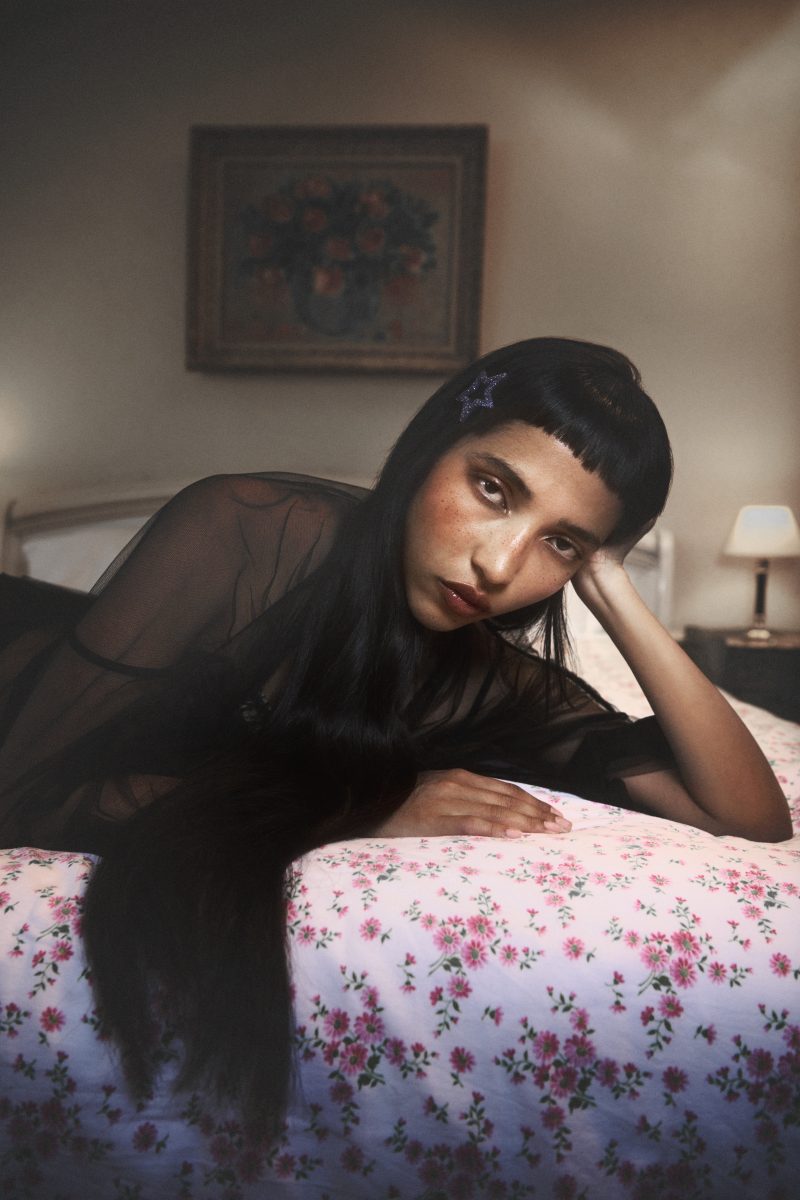
But one image stayed with me: that early episode, the high school spring party, the ritual of getting ready — and Brenda walking down the staircase to meet everyone.
That moment suspended between anticipation and performance.
For this shoot with Akima, part of our Prom Girls & Prom Boys series, I scrapped the original moodboard.
Not to recreate that scene, but to echo it.
To hold onto that feeling — slightly exaggerated, deeply emotional, unmistakably 90s — and let it mutate through her presence.
A prom night, remembered differently.
Hope you feel it.
TEAM CREDITS
Talent: Akima
Agency: +3458 Department
Photographer: Alfonso Anton Cornelis
Stylist + Interview: Luca Imbimbo
Videographer: Selma Bensalah
Cover Designer: Davide Caruso
Makeup Artist: Sophia Gunev at MMG Artists
Hair Artist: Brigitte Meirinho at B.Agency
Photo Assistant: Etienne Oliveau
Fashion Assistant: Aleks Vard & Sonay
Fashion Editor: Corinna Fusco