
By Mira Postolache
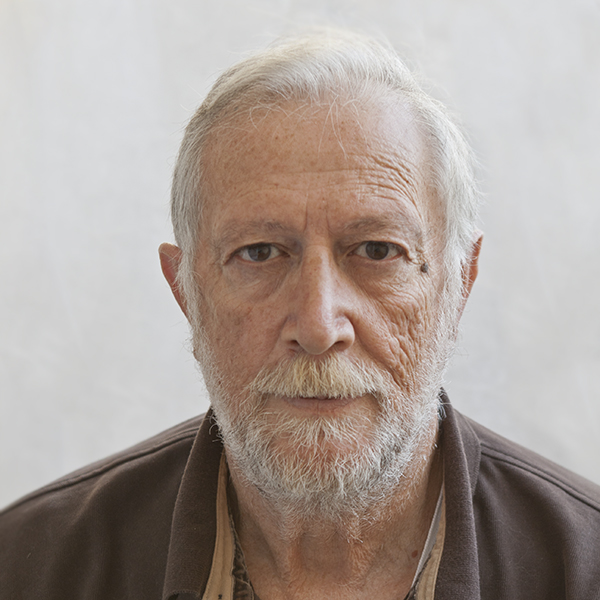
Art possesses an innate capacity for immortality, serving as a vessel for memories and histories that defy suppression. While political regimes may rise and fall, and landscapes may change, the expressions of the human experience captured in artistic forms endure. Through the lens of historical narratives and personal stories, art offers a lasting connection to the past, allowing future generations to engage with the lives and struggles of those who came before them. In times of adversity, art acts as a means of sustaining hope, nurturing collective memory, and fostering a sense of belonging. Just as the Palestinian struggle continues, so too does the art borne from it offer a refuge a reminder of resilience, creativity, and the unwavering pursuit of justice. The importance of art in these difficult moments cannot be overstated. As violence and suffering persist, artistic expression operates as a balm for both individuals and communities, forging connections amid the chaos. It provides a space for reflection and processing, allowing voices often silenced by oppression to emerge and resonate. In its many forms, art captures the essence of humanity, offering insights into the intricate tapestry of life, whether through visual aesthetics, music, or literature. Art is not merely an abstraction; it encapsulates lived experiences and serves as a call to action, urging solidarity and empathy across borders.
As the twenty-first century unfolds, Palestinian art continues to stand at the crossroads of history, culture, and resistance. From the mid-twentieth century onward, as Palestinians grappled with the dual specters of Zionism and European imperialism, they recognized early on that “questions of culture… are absolutely deadly political,” a sentiment echoed in the works of cultural theorists like Stuart Hall. This awareness transformed art into a crucial vehicle of expression and resistance, providing a platform to articulate the Palestinian narrative in the face of systematic attempts to erase it.
The 1948 Nakba, which led to the expulsion and dispossession of hundreds of thousands of Palestinians, was not merely a political catastrophe; it was a cultural assault. The mass removal of books, manuscripts, and artifacts during this period stands as a grave reminder of the breadth of cultural erasure that accompanied physical displacement. Without a robust cultural identity, the narrative of the Palestinian people becomes at risk of being obscured or even entirely rewritten. The infamous proclamation by Israel’s former Prime Minister Golda Meir – that “there was no such thing as Palestinians” – highlights the lengths to which colonial powers will go to delegitimize and sanitize the history of those they oppress.
In contrast, the Palestinians have asserted their identity and existence through art, crafting a rich and complex cultural narrative that serves as a bulwark against obliteration. Just as colonizers have wielded culture as a means of domination, the colonized have harnessed it as a potent weapon of resistance. Art becomes a site of critical social action, capable of subverting oppressive structures and reasserting the narratives of marginalized communities.
Though daily violence and existential threats may overshadow artistic expression, such creativity remains integral to the Palestinian struggle. In the words of cultural historian John Procter, art becomes “a critical site of social action and intervention,” a transformative power that destabilizes entrenched injustices.
Art has served as a lifeline amidst the brutality of occupation. While documentaries and news reports may depict the dire conditions faced by Palestinians, it is art that encapsulates their joys, sorrows, and aspirations in a visceral, emotive manner. Encountering the works of Palestinian artists creates a bridge to understanding—a means through which viewers can grasp the nuances of a protracted struggle for self-determination.
Artists like Sliman Mansour are challenging the representation of Palestinians as active resistance and resilience, inviting the world to witness the Palestinians as complex individuals, not merely casualties of an ongoing conflict.
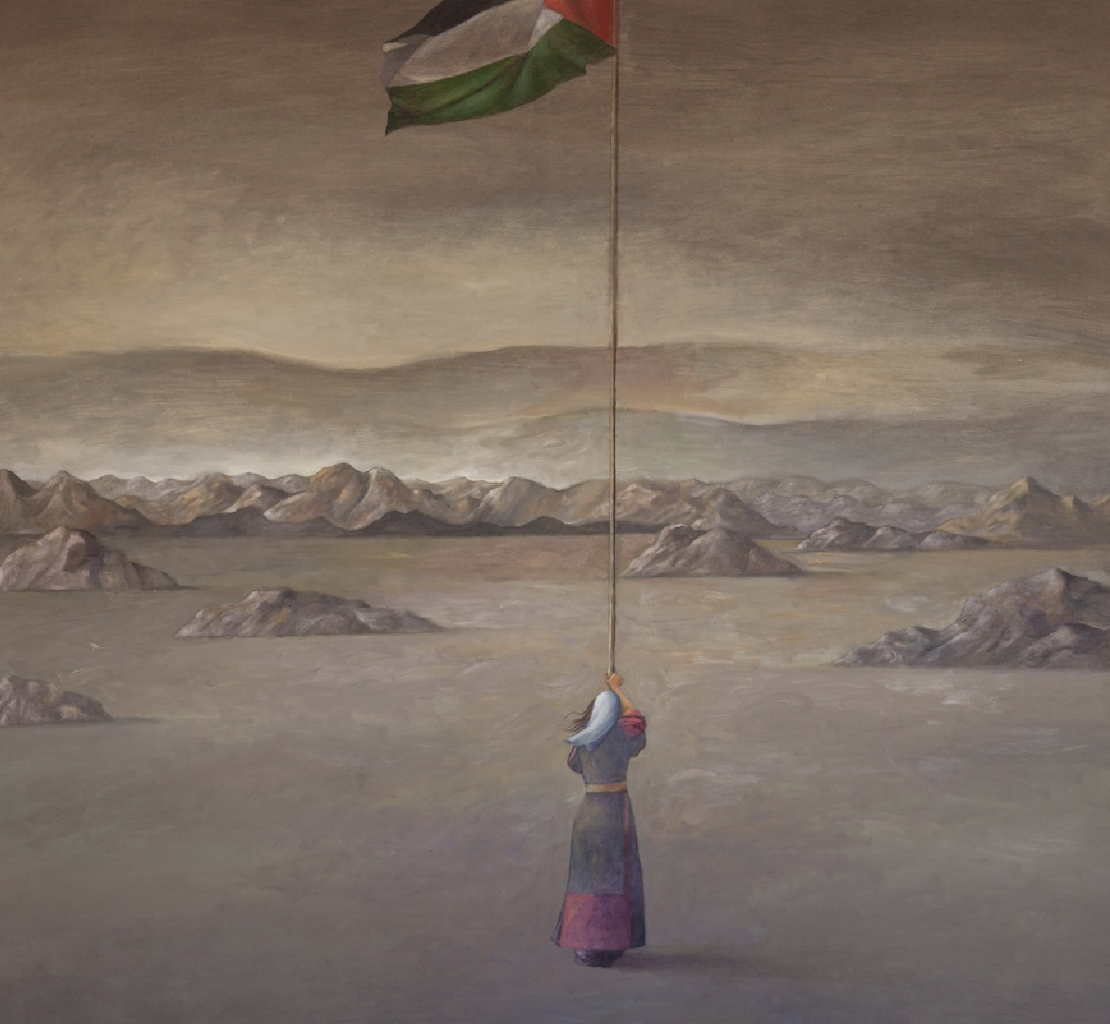
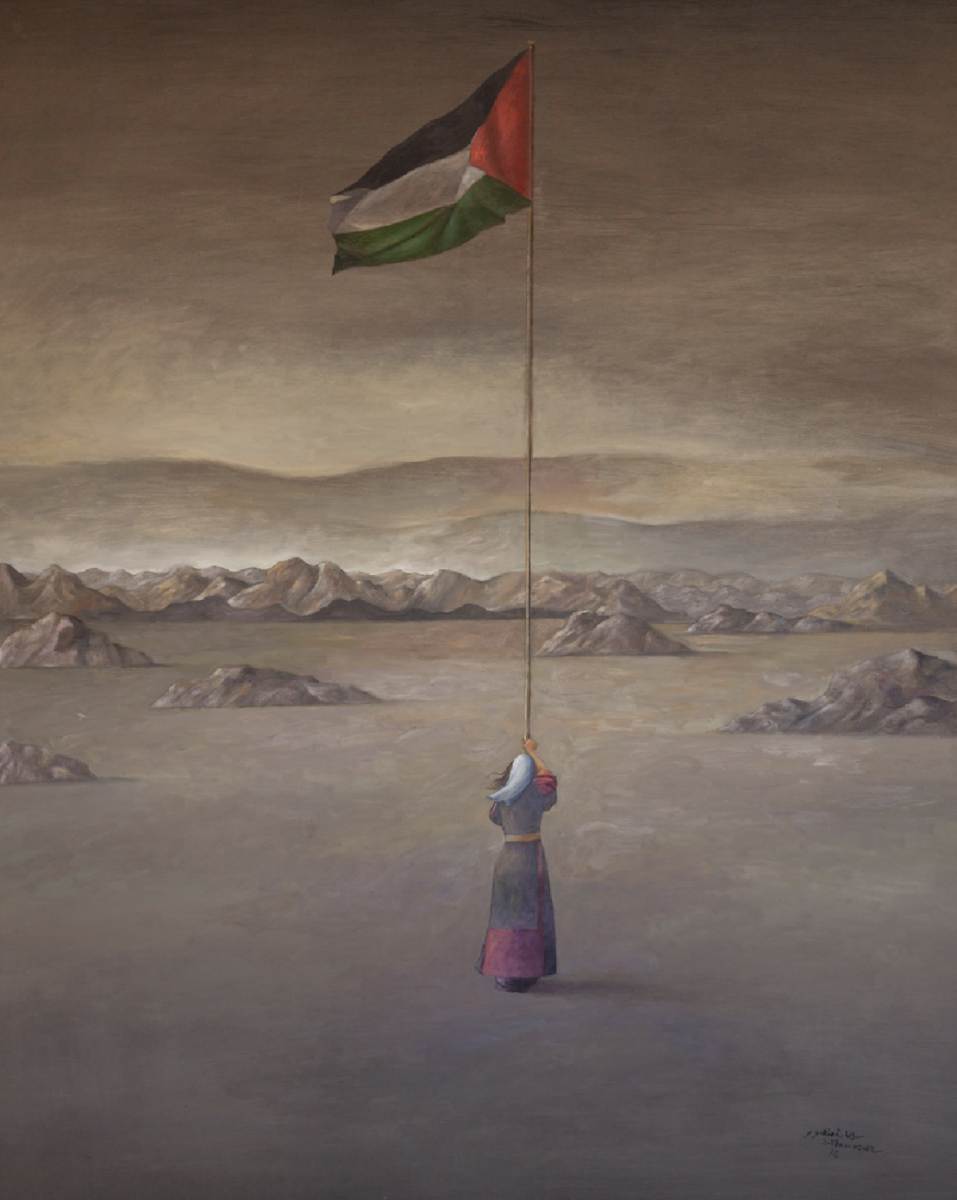
Sliman Mansour’s works embody the spirit of Palestinian resistance and identity. Born in 1947 in Birzeit, a village steeped in history and culture, Mansour’s childhood experiences during a time of political upheaval indelibly shaped his vision. The landscapes of his youth and the haunting sense of loss that accompanied the occupation of the West Bank and Jerusalem are recurring themes within his art. With each brushstroke, Mansour creates immortal art that reflects the intimate connections between Palestinians and their land, artfully conveying the emotional weight of their collective experiences.
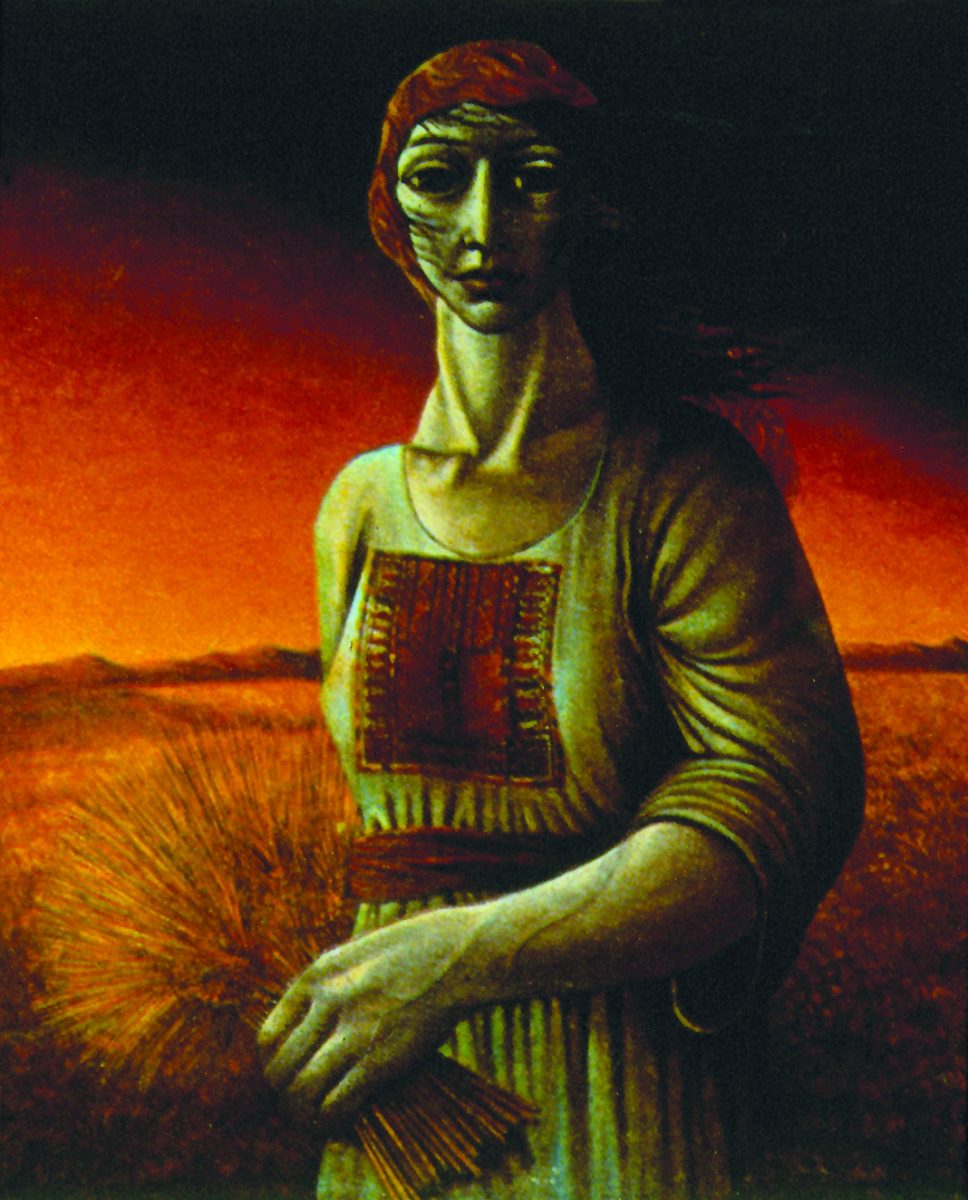
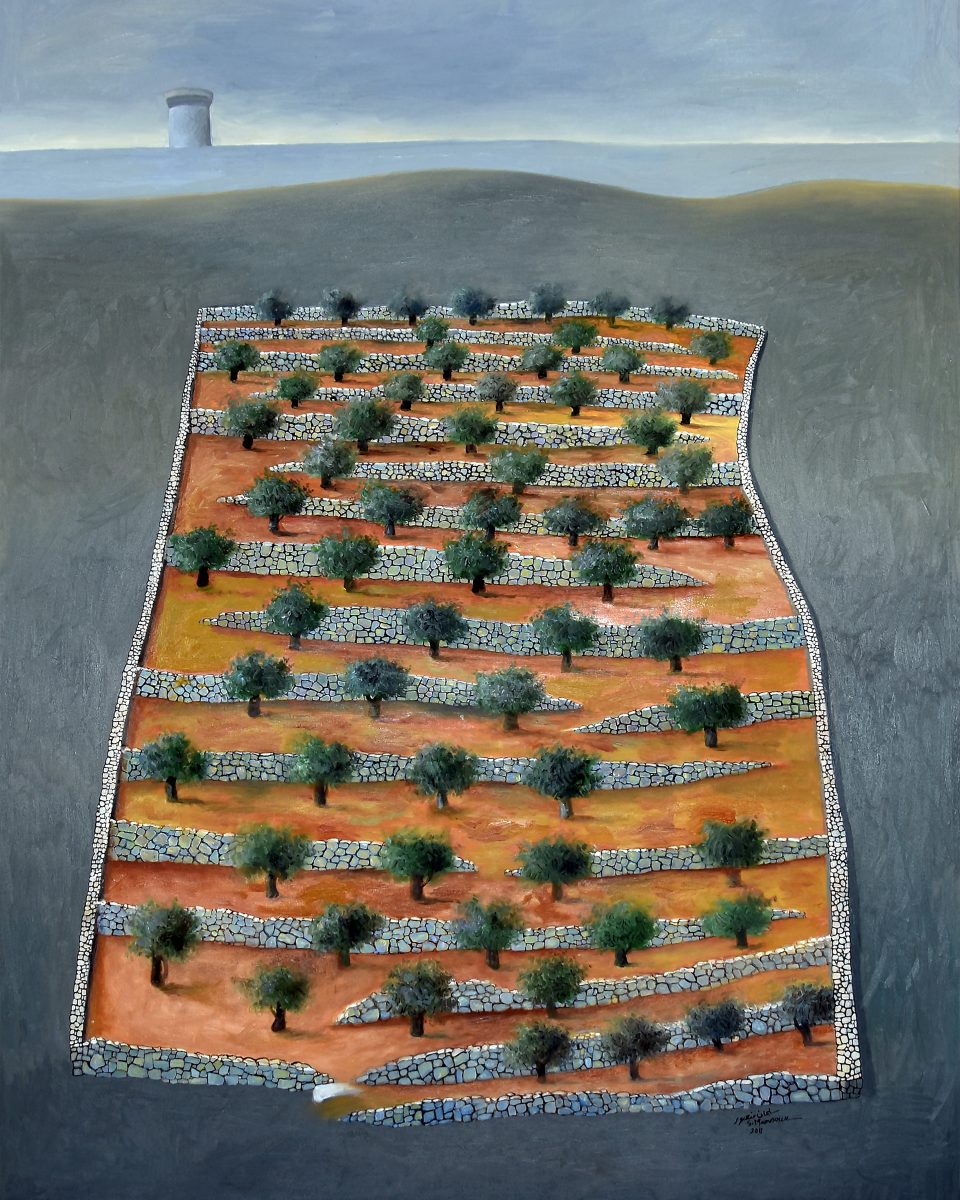
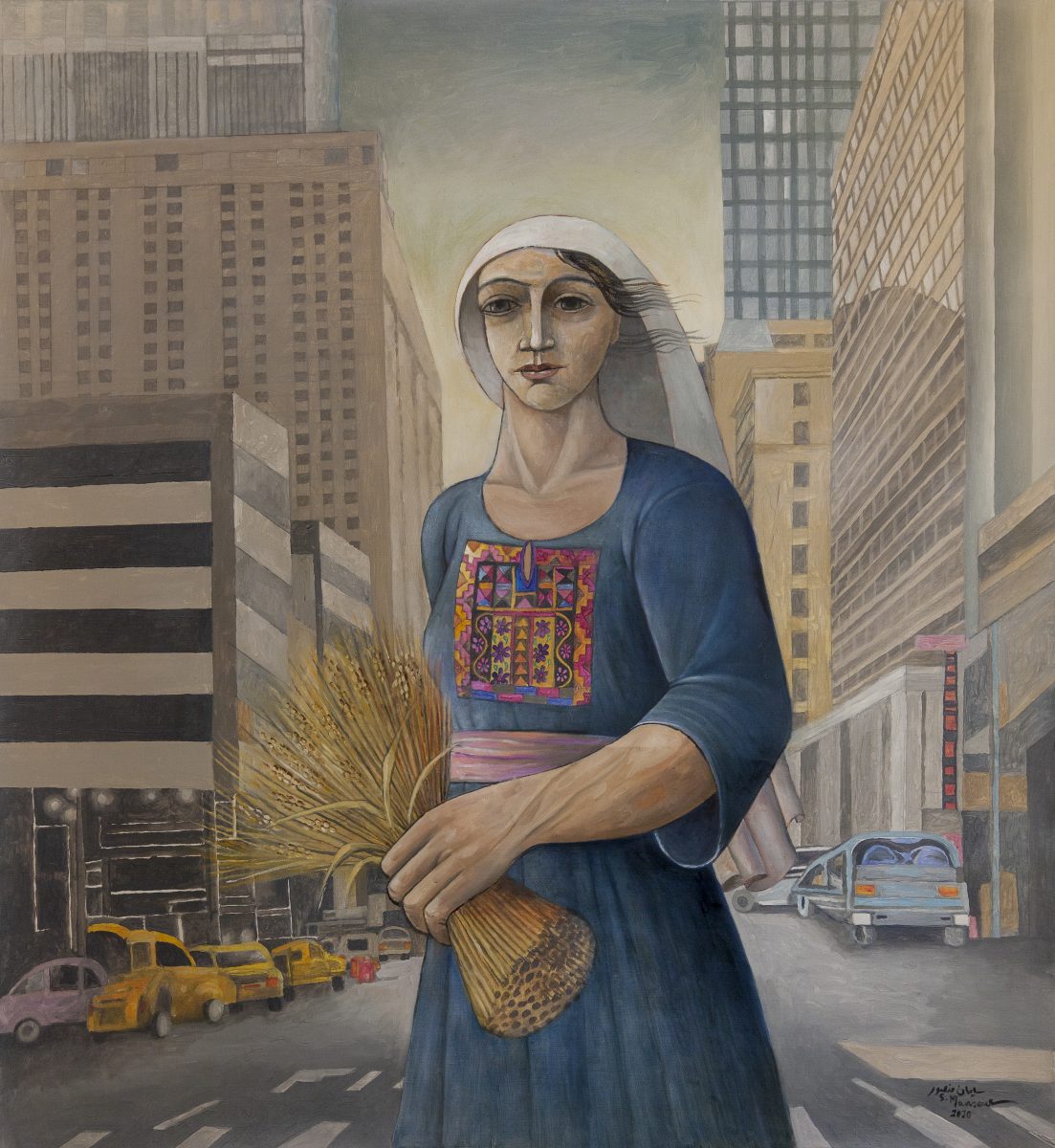
Mansour’s oeuvre draws deeply from symbols of Palestinian life and heritage. Olive trees portray the resilience of Palestinians who have endured dispossession, while orange groves evoke the cultural memory of lands lost during the Nakba. Traditional embroidery worn by Palestinian women serves as a narrative device, encapsulating the rich heritage that connects generations within a fractured society. Mansour’s innovative depictions of Jerusalem and the Dome of the Rock evoke not only a sense of place but also the longing for a homeland and the dream of return—a theme that echoes throughout the Palestinian consciousness.
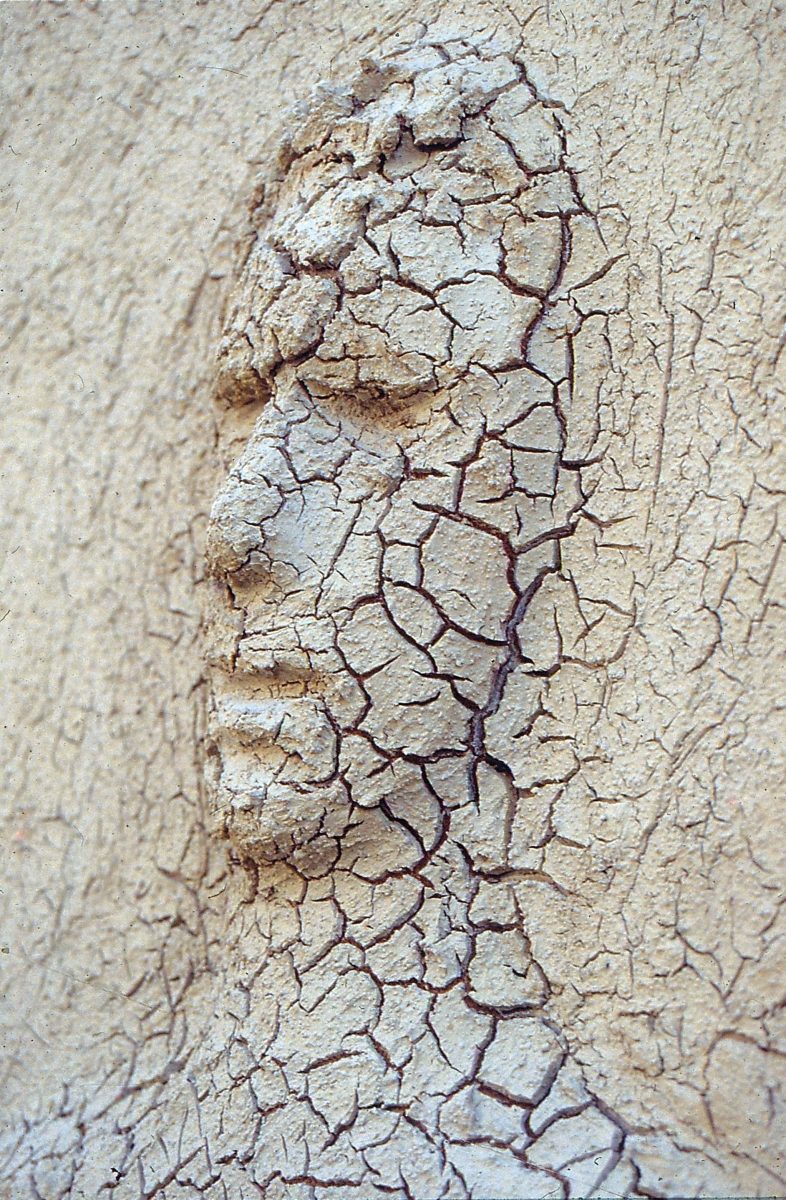
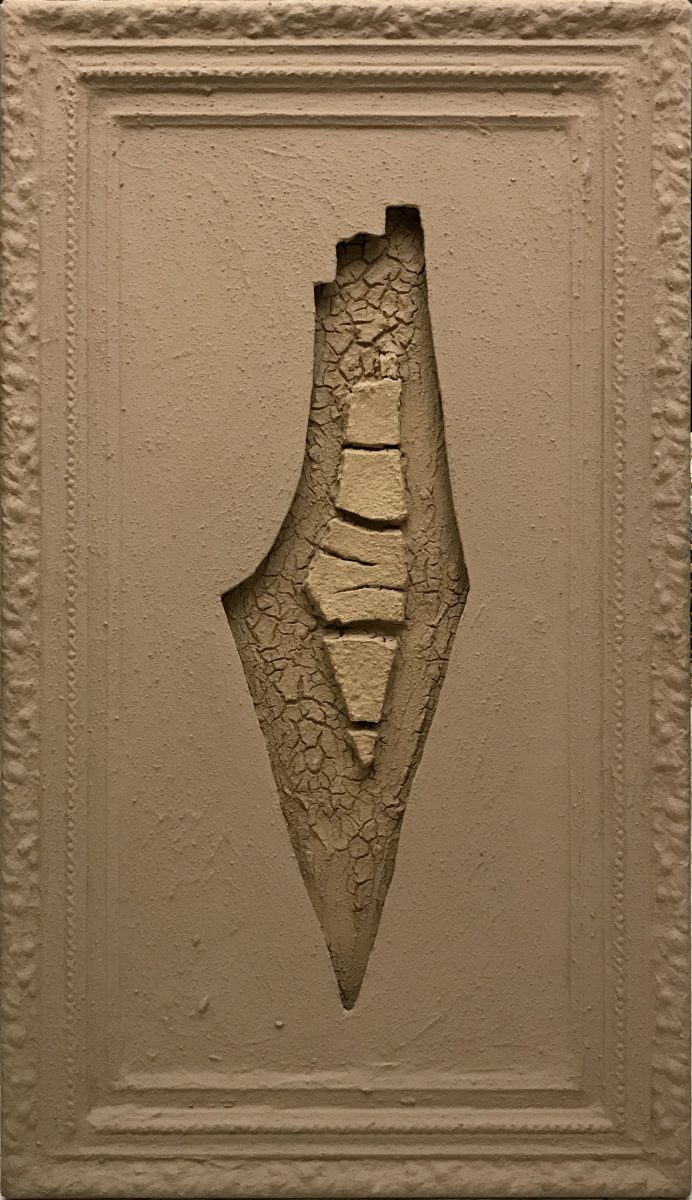
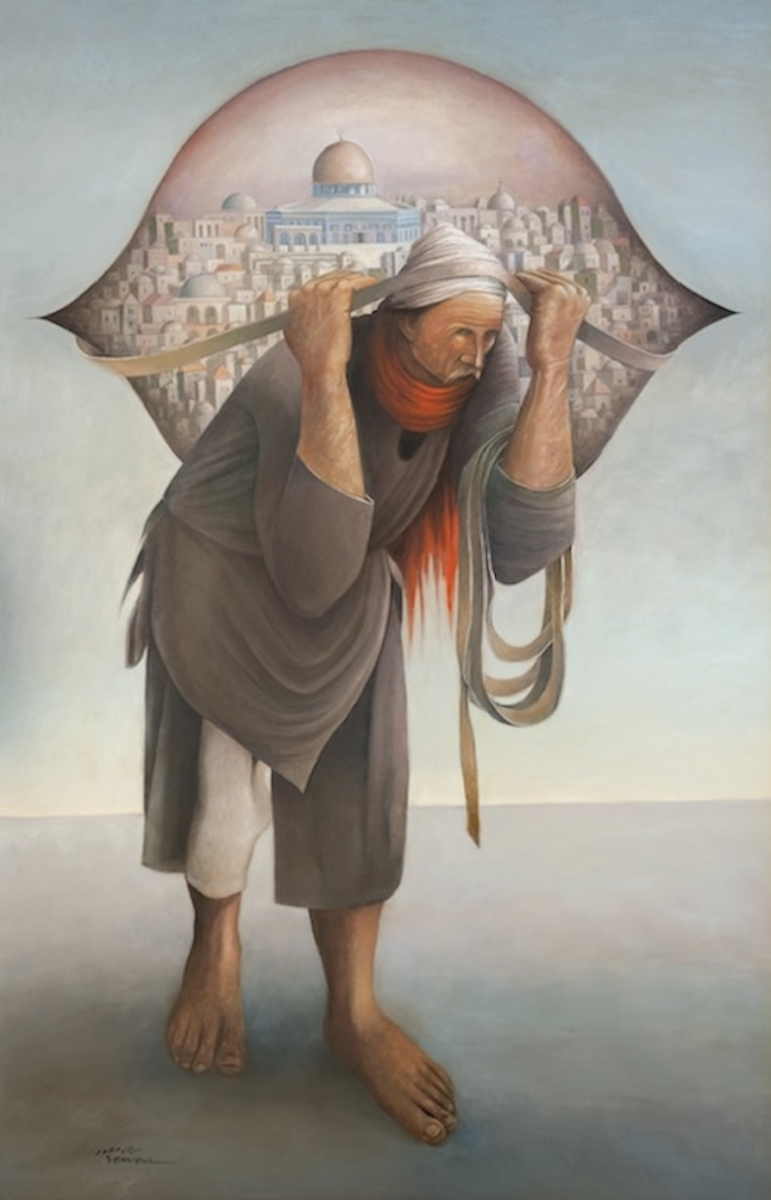
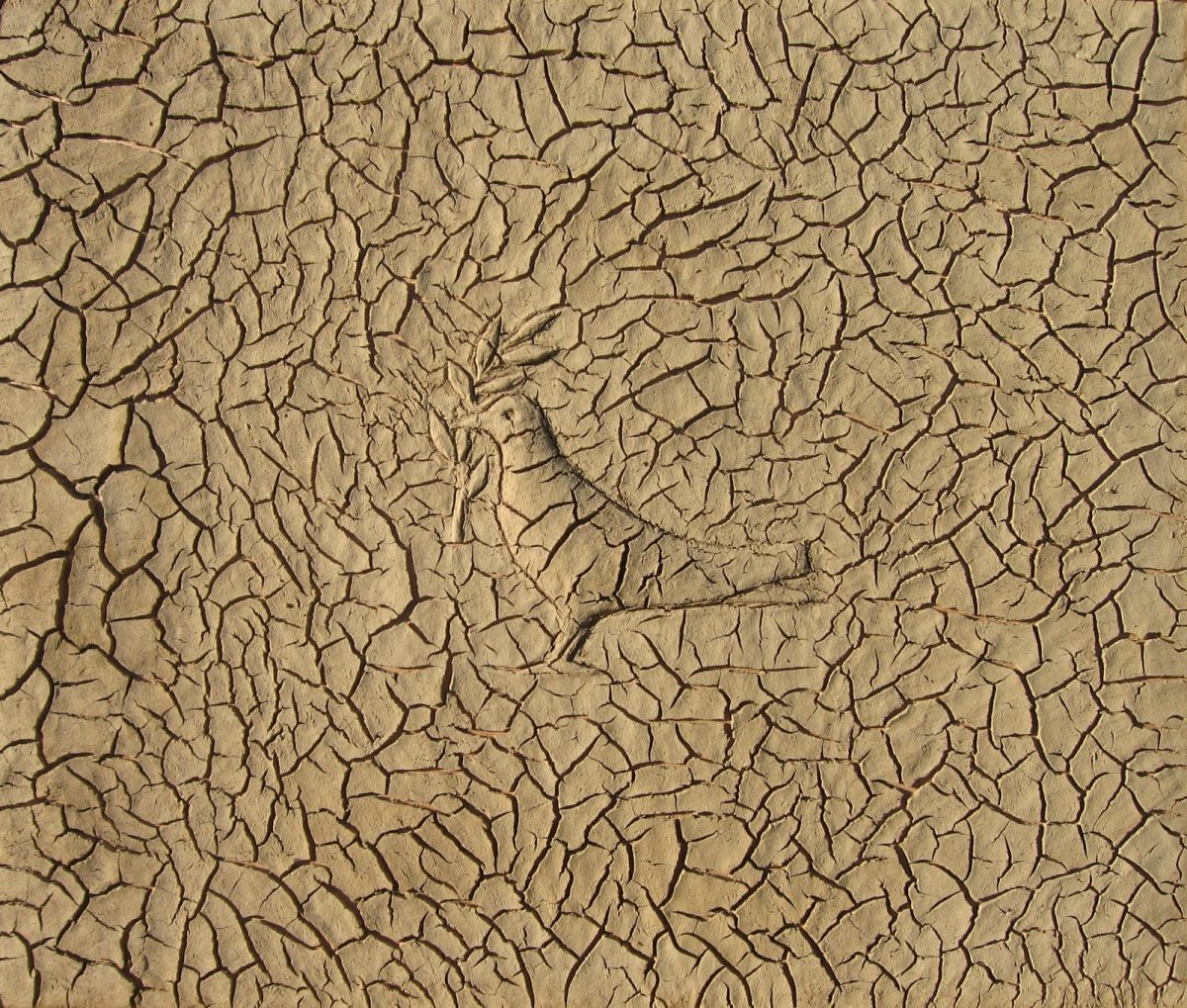
A poignant manifestation of his message is found in works like “Jamal al-Mahamel” (Camel of Hardships), where the image of a porter bears the monumental weight of Jerusalem—a city that embodies both hope and heartache for Palestinians. This powerful symbolism not only conveys the struggles and burdens of the Palestinian people but also communicates their enduring spirit. This creative expression has circulated widely, transcending the confines of galleries and museums, becoming a communal emblem of resistance. Mansour’s art is not only a reflection of his personal journey but also adapts to the collective experiences of the Palestinian people. The founding of the New Visions movement in 1987 exemplifies this evolution, during a time when artistic expression served as a form of active resistance against Israeli policies during the First Intifada. Through the use of natural materials like mud, artists like Mansour sought to underscore the importance of place and identity, crafting symbols that resonate with profound socio-political significance. Mud, a universal symbol of life, connected not just the physicality of the land but also the cultural roots from which Palestinians draw strength.
Mansour has played a crucial role in shaping the artistic landscape within Palestine. From establishing institutions like the League of Palestinian Artists to co-founding the al-Wasiti Art Center, his contributions foster collaboration, preserve artistic heritage, and facilitate dialogues among Palestinians in exile and the international community. By acting as a conduit between separate realities, Mansour and his contemporaries bridge gaps and create a shared story that amplifies the Palestinian voice.
The Watermelon: A Symbol of Palestinian Identity and Resistance
The watermelon, a staple of Palestinian cuisine, has become a powerful symbol of resistance and national identity.
This transformation began in the 1980s, when artist Suleiman Mansour and fellow artists met with an Israeli officer after their paintings were confiscated. The officer suggested they avoid political themes, proposing they paint flowers or nudes. When one artist inquired about painting a watermelon, the officer dismissively stated that it too would be confiscated. Ironically, this interaction sparked the idea of the watermelon as a symbol of defiance. With its green-and-white rind, red flesh, and black seeds reminiscent of the Palestinian flag, the watermelon began appearing in murals, T-shirts, and at demonstrations, becoming a vibrant emblem of resilience. Today, it not only reflects cultural heritage but also serves as a bold assertion of identity, reminding Palestinians and the world that art and tradition can flourish even amidst oppression—a legacy of resistance woven into the very fabric of their
“We were not allowed to paint in red, green, black and white: The Palestinian flag was forbidden. And the colors of the Palestinian flag were forbidden,” recalled Palestinian artist Sliman Mansour in a 2021 interview with Al Jazeera, referring to Israeli policy in the occupied Palestinian territories during the 1980s.
In an exclusive interview for Vanity Teen, Mansour shared insights into the struggling journey that inspired his work, and the role of art in the ongoing fight for justice. His reflections underscore the idea that art serves not just as a form of expression but as an essential counter-narrative to oppressive regimes—an assertion of identity that cannot be swept away by the tides of political change. Mansour’s participation in international exhibitions has further broadened the visibility of Palestinian art, showcasing its inherent beauty and conveying the powerful messages bound within every piece. His accolades, including the UNESCO-Sharjah Prize for Arab Culture, lend further credence to the importance of Palestinian voices in the global discourse on culture and resistance. His artwork transcends mere decoration; it serves as a testament to the unyielding spirit of a people determined to assert their narrative on the world stage.
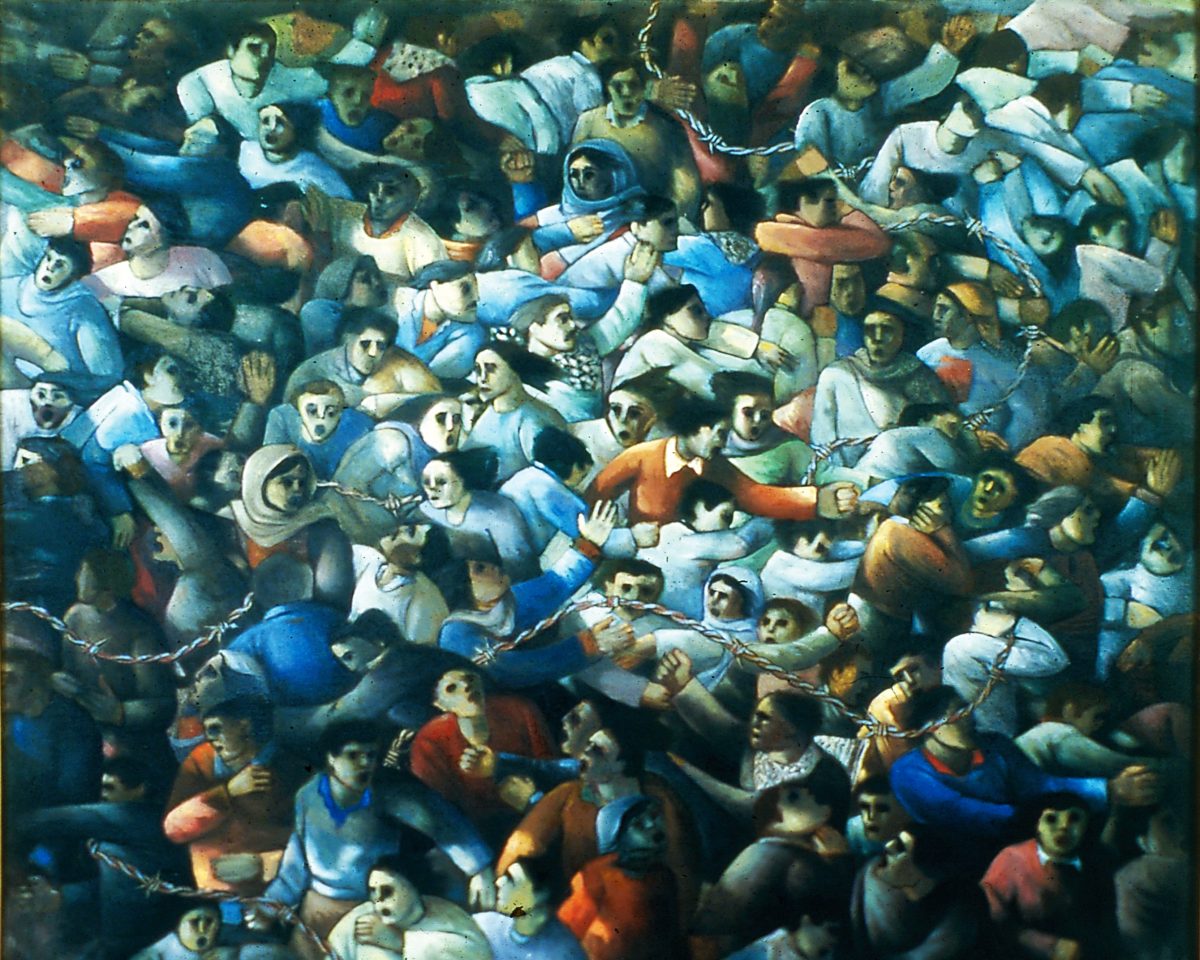
Hello dear Sliman Mansour, it is an honour for us speaking with you and welcome to Vanity Teen. Your early life experiences in Birzeit, Bethlehem, and Jerusalem have undoubtedly shaped your perspective as an artist.
Could you share specific moments from your childhood that deeply influenced the themes in your work? How did your environment contribute to the development of your artistic process to better reflect the Palestinian identity?
I was born in Birzeit in 1947. Birzeit was a small village with lots of olive groves around it, and many fruit trees .There were several natural water springs where all the children learned swimming. Everything was very peaceful and natural and beautiful. There I spent my childhood most people were poor and lived from their land. They also manufactured everything they needed in their houses (usually the women)using mainly mud and straw and many times silk threads to decorate their dresses. I was raised up in this way of life which affected my art later. Most of the symbols I used to express Palestinian Identity I took from life in the village, also Birzeit was and still a Muslim and Christian inhabitant living peacefully together. I developed a love for all hand crafts in the village mainly mud and embroidery and I worked a lot with these two materials in my art .Studying in Bethlehem broadened my knowledge of Palestine.I used to think that Birzeit was Palestine but travelling to Bethlehem through Ramallah and Jerusalem was an experience.Also in the school, they used to take us trips to Jericho, Nablus and Hebron which developed my knowledge and love of Palestine .
Art is considered a Medium of Resistance. Throughout your career, you’ve described your work as a form of resistance to Israel’s military occupation of Palestine. In what ways do you believe art can effectively challenge political oppression? Can you provide examples from your own work where you feel you have succeeded in conveying resistance or resilience through your art?
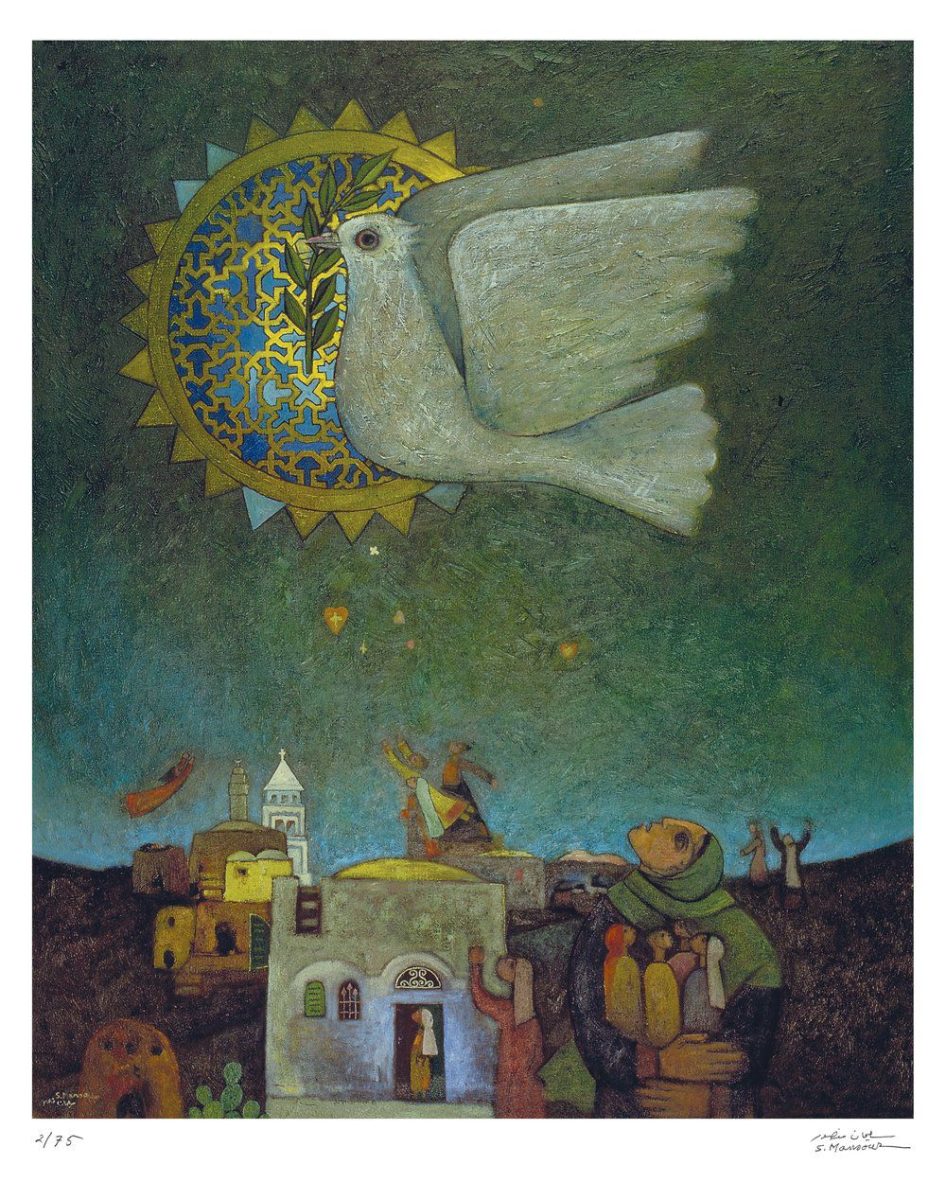
In our case we cannot deal with military occupation only. We have to deal with the idea and philosophy of Zionism.they deny our existence and our right to live in Palestine. Through art, we can develop love to the land and to keep and cherish it.we also can provoke a sense of pride and self respect and a will to fight for justice and freedom.politicians and lawyers can collect all legal documents about our rights but this cannot change a lot. The only way to bring change is through talking to the hearts and feelings of people and we can do that through art and recently sadly through images of killed and maimed children in Gaza.I think my art and the art of my colleagues is a peaceful art, that calls for beauty and peace and justice.
Your artwork is rich with symbols that reflect Palestinian culture and history, such as olive trees, women in traditional attire, and landscapes of Palestine. How do you choose these symbols, and what do they signify both personally to you and collectively to the Palestinian people? Have these interpretations evolved over time, especially in response to the geopolitical situation?
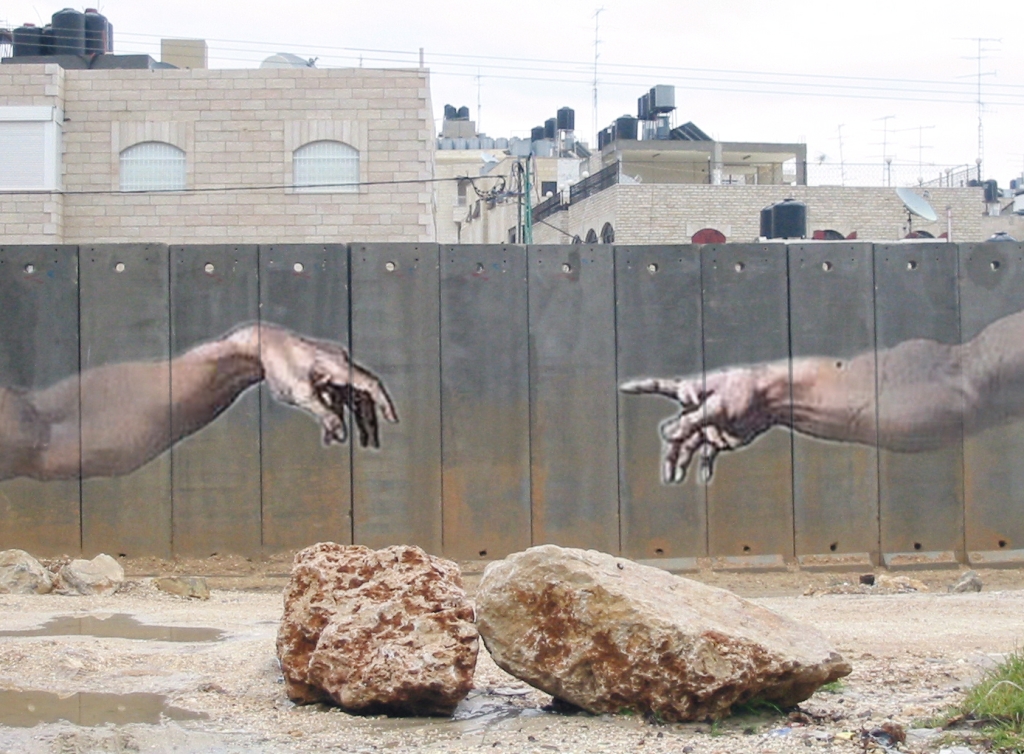
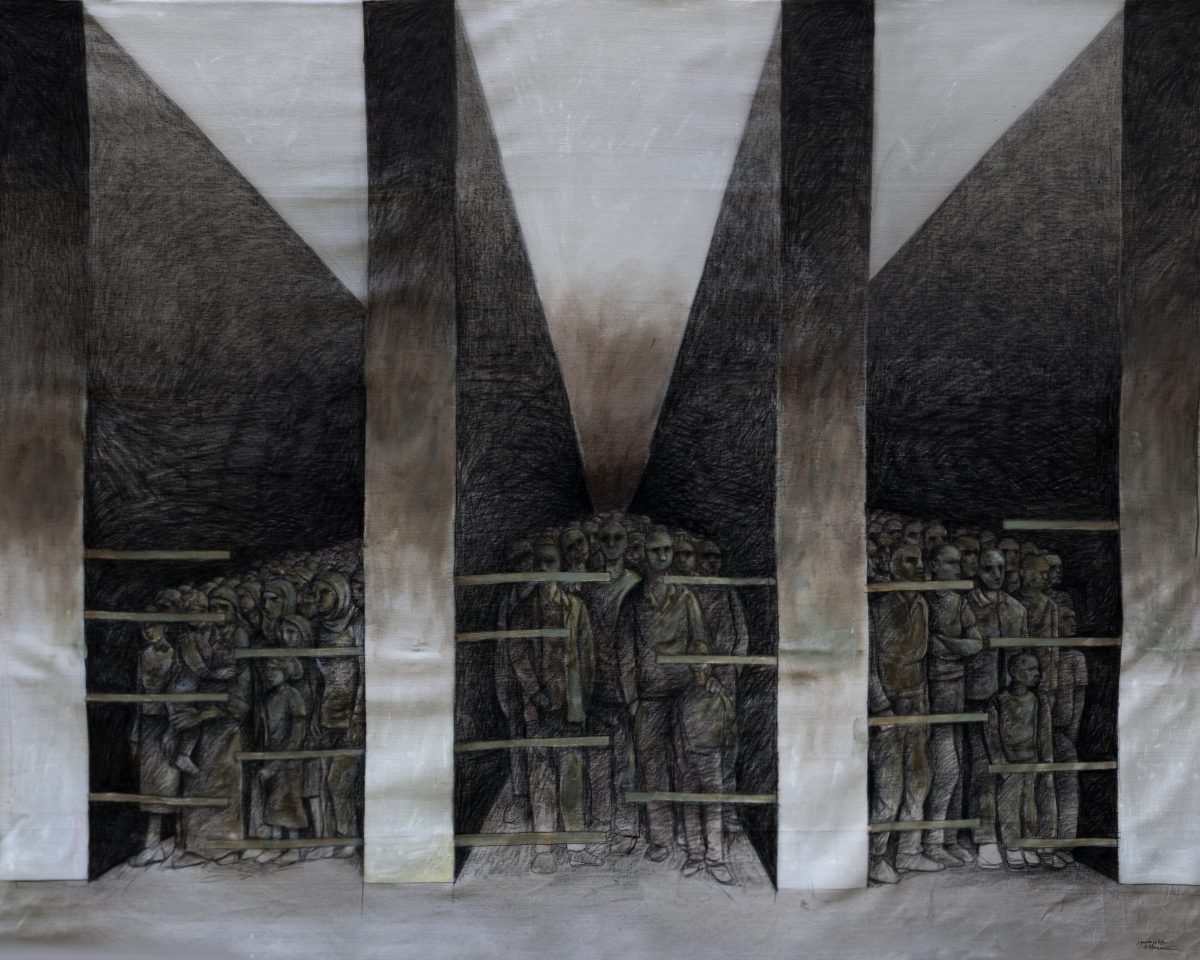
Most of the symbols I used I got to know them first hand from my family and neighbours. I also developed an interest in reading about Palestine, its old and modern history and culture. All this knowledge of course affected my art. During certain periods I wanted to express the beauty of Palestine in other periods I feel the importance of expressing the history of Palestine in other periods when the reality is too imposing like the Wall and the hundreds of checkpoints so I feel the importance of expressing the fragmentation of our land in the reality the palestinian people live in, like a group in Gaza, a group in Israel, a group in the West Bank and many groups in the diaspora.
So art can play an important role in creating a sense of unity among the Palestinian people.
Speaking about the Importance of Cultural Preservation and given the ongoing struggles facing Palestinian culture, why is it critical to preserve and promote Palestinian heritage through art? How do you view your role as an artist in this preservation effort, and what challenges do you face in trying to keep this heritage alive in your work?
The occupation of Palestine by Zionist immigrants from east Europe and other places looks like a theft. So they need a narrative to show that this theft is not a burglary and give it a noble background, so narratives are an important issue in our pain. Culture and presence are our narratives, so we consider preserving it very important. It’s our way of saying that we were here and we are here and we will stay here.
You’ve made a conscious choice to utilize natural materials for your art, such as mud and coffee. What is your creative process like, and how do these materials enhance the themes and messages you wish to convey?
What deeper connections do you believe these choices forge between your art and the Palestinian land?
Mud is the material humans are made of. Mud also symbolizes land which is made of mud, coffee and Henna are only colors. Cracks in Mud reflect the fragmentation of palestinian land and society.
Displacement is a recurring theme in your work, reflecting the realities faced by many Palestinians. How has your own experience with displacement informed your artistic expression? Can you describe how this theme manifests in your artwork and connects with both personal memory and collective experience?
Personally I never was an immigrant but many of my friends are immigrants. Also my mother and two brothers are immigrants to the USA. I noticed that many Palestinian immigrants carry with them their memories of their homeland besides all the burden of their political problems including the anti Palestinian attitudes of governments in the West and also the East, its a very complicated thing the feelings of palestinian immigrants.I tried to express this reality since 1973 with the well-known painting of an old man carrying Jerusalem on his back and walking to nowhere. Later I used an image of a woman in traditional dress carrying oranges which I painted in 1978. I painted this image again standing in one of the streets of NewYork.
Your art has been showcased in various international exhibitions. How do you perceive the reception of your work outside of Palestine, especially in relation to misconceptions about Palestinian culture and identity?
What narratives do you strive to challenge through your art in these settings?
When we exhibited in the USA or Europe, even before we opened the exhibition we had people attacking it and people supporting it. The whole issue as I saw it was our right to exist and to work. That was the main challenge.
Also during the cold war it was not a good idea to have social and political messages in your art, critics would call it propaganda art. These two challenges were the main issues and we were aware of that.we were very cautious not to include any hate messages and we concentrated on showing the effect of the occupation on our lives. We also wanted to show the beauty of Palestine and our culture and there were a lot of messages about peace. Our target group as I saw it was the Palestinian people and the Arab World not the zionists or the western World. I never was interested to show my art in any important Gallery or nuseum. We accepted to show in Europe and the US because we were approached by solidarity groups and we know that the people who come would be palestinians and Arabs and friends of palestine.
As a co-founder of significant art movements like the New Visions and the League of Palestinian Artists, what role do you believe such movements play in cultivating a cohesive artistic community? How have these initiatives contributed to the broader dialogue about Palestinian identity and art on both national and international stages?
I always considered my work with artists to establish art institutions as important as my artistic work.when we established something we expected it to succeed and live a long time.but most of our problems were financial and a lack of experience in group work. The first movement was the League if palestinian artists which helped to promote Palestinian art in the occupied areas and among the Palestinians and the Arab World. Then the new vision group helped to promote Palestinian art and culture in the World. Then the Akwaditi art center which helped to create a bank for Palestinian art through documenting a lit of Palestinian art then the international Academy of Athletes in Ramallah which helped to develop art education in Palestine and connecting with artists and art institutions of the World. I and my colleague Nabil Anani made a book where we collected hundreds of designs from Palestinian embroidery and this book from 1985 until now is used a lot by women who work in embroidary. Now many of the institutions that we established did not live a long time, whatever their influence was they created a history of Palestinian art which is important in my opinion for future generations of artists and art researchers.
Your role as an educator is as vital as your role as an artist. What philosophies or messages do you hope to impart to your students about art and its potential to effect change? In what ways do you envision the next generation of Palestinian artists building upon your legacy?
I worked for many years as an art teacher. I tried to educate my students to treat their art seriously, and to feel a sense of belonging to the Palestinian people and culture by learning about its history and culture. Without that their art will be faceless.Also I try to explain to them that the idea and message in the art is more important than the style.
Styles are there, they were developed by thousands or millions of artists during the last hundreds of years. They can choose the style that helps them to deliver their message more clearly and effectively. By that their art will be more interesting and less boring and more effective. Art is a very effective and peaceful way to create dialog with people because it touches their hearts and feelings better than any other way.I mean all kinds of art like music, literature, film and theatre, and visual art.I don’t know how my art will affect the young generations of artists in the future and I wish they benefit from it as a history lesson than art lesson.
Over your long and illustrious career, how have the themes you explore in your artwork shifted in to changing circumstances in Palestine? Are there specifie events or developments that have promp reevaluation of your artistic focus?
During the seventies and eighties I was interested in expressing the Palestinian identity and I felt that maki political cartoons was a good way to express my political ideas at the start of the first Intifadah and in an effort to boycott Israeli products and imported goods I started with several artists to use natural materials. At the end of the nineties and putting the hundreds of checkpoints and later the Wall I started to get interested in the cracks of the mud which represented the fragmentation of the Palestinian geography and society at the end of the 2000 I realised that mud was not enough to express what the Palestinians are passing through so I came back to painting in acrylic and oil. Now I do a lot of work where I use mud and painting on the same surface.
Looking ahead, what do you hope your legacy as an artist will convey to future generations? How do you wish to inspire both Palestinians and the wider world through your art and message?
I hope future Palestinian artists should know that art is a constant search for new ideas and visual effects and this is not an easy job.of course there is a lot of fun in doing art but also a lot of serious work and research.artists should accept that and learn to mix between the two.
What projects or themes are you currently exploring or excited about? In what ways do you see your work evolving in the coming years, and how do you hope to further engage with audiences on issues facing
Now my health doesn’t help me a lot. I had a stroke three years ago and my left side is very weak. I am now very much interested in painting because it is the easiest way to make art in my situation. I have been busy writing about my life since childhood trying to make sense of my life and work during hard times in Palestine. I think I will spend the rest of my life watching news and trying to make sense of events through my art. I believe we will be confronted in the coming years with bad and interesting periods.
How can art serve as a bridge between cultures and foster understanding and empathy for the Palestinian plight?
What are some ways in which you have seen your work spark conversations that lead to greater awareness and support for Palestine?
People everywhere usually are moved by good quality art, so art is a good communication language.In our case where we are facing a mighty dehumanisation campaign art is a great way to reimburse Palestinians. Among Palestinians, especially those living in the diaspora, art connects them to the homeland and gives them a sense of self respect and a love for their homeland.
Palestinian art, with figures such as Suleiman Mansour at its forefront, serves not just as a reflection of struggle but as a profound testament to the resilience of the human spirit and identity. Each creation tells a story, imbued with the hopes and dreams of a people yearning for recognition and autonomy. As expressed in Mansour’s Vanity Teen interview, the act of creation transcends mere survival; it is an assertion of existence and a pledge to remember amidst forces seeking to erase a narrative. As a tool of resistance, art has the power to inspire, mobilize, and educate, reminding us of the shared humanity that binds us all. The legacy of Palestinian culture and the enduring power of its artistic expressions will continue to resonate, as these voices courageously weather the storms of history, leaving an indelible mark on the collective memory of our world.
Website: https://slimanmansour.com/
Follow Sliman Mansour HERE