


By Julia Radovich

Marsai Martin grew up in front of the camera, but the project she is shaping today isn’t about performance — it’s about belonging.
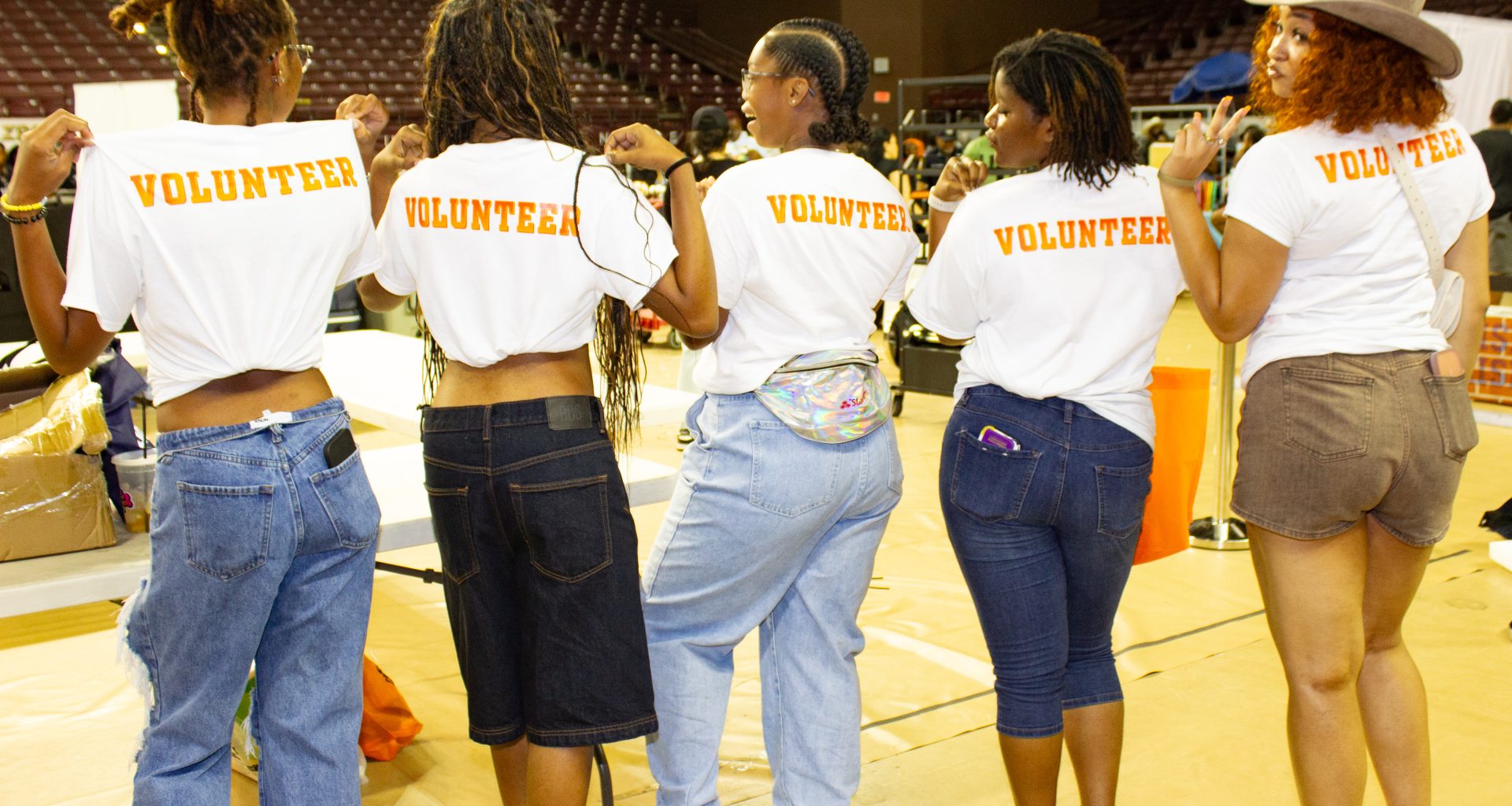
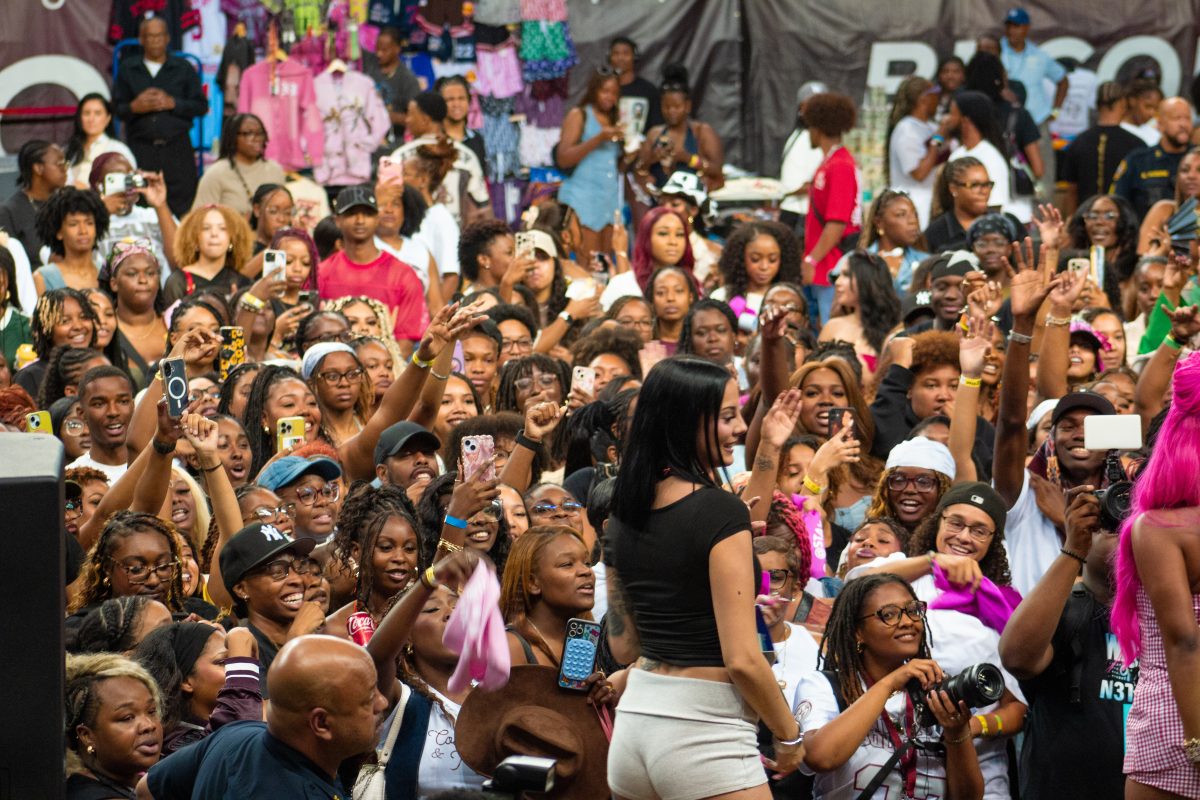
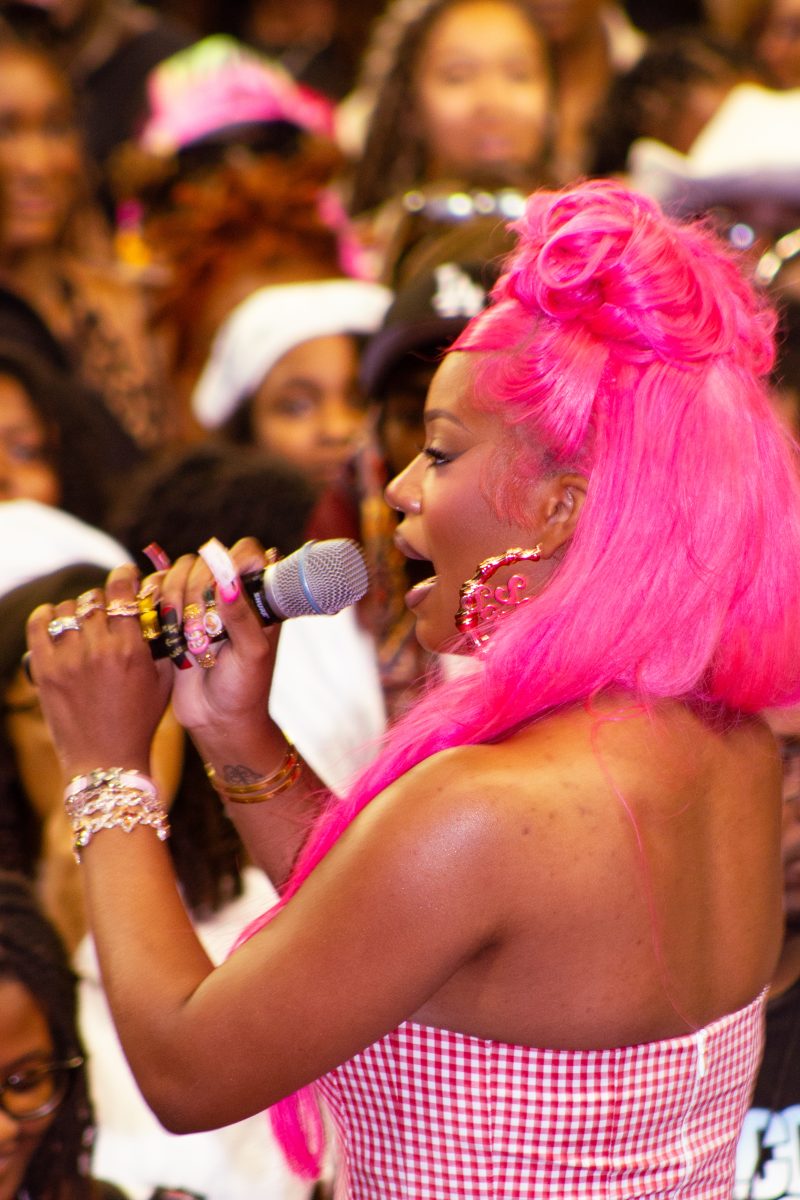
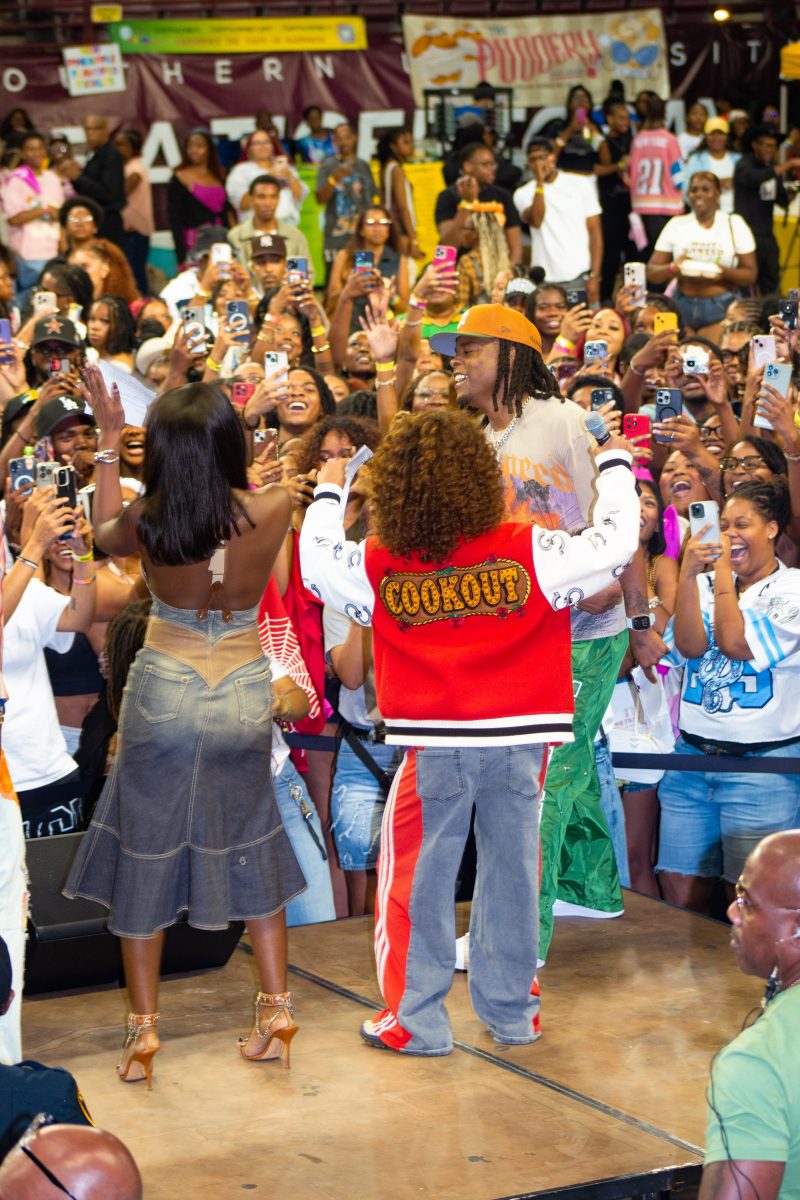
Sai Summer Cookout has become more than an annual event; it’s a space where music, food, wellness, and Black-owned businesses intersect to reflect community in its truest form.
This year, Chapter 3 lands in Houston at Texas Southern University, grounding the Cookout in the history and pride of an HBCU while returning to the state that raised her. At just 21, Marsai is asking questions that reach far beyond one weekend: What does a safe space look like in 2025? How do we protect joy in a worldthat often reduces it to content? And how can gatherings like this move us toward connection rather than consumption?
Through her answers, Marsai reminds us that leadership doesn’t always mean having all the solutions — sometimes it means creating a place where others can shine.
Sai Summer Cookout began as your vision. What first inspired you to build this kind of space beyond the entertainment industry?
It really came from a place of longing. I wanted to create a space where we could feel all the joy, creativity, and community that live in us – not just on a screen or in a script. I’ve been in the entertainment industry since I was five, and while I love storytelling, I realized I also wanted to build something that feels like us, looks like us, and gives back to us. Sai Summer Cookout was born from that desire to have an annual experience rooted in Black joy, Black ownership, and the kind of energy you don’t have to explain – you just feel it.
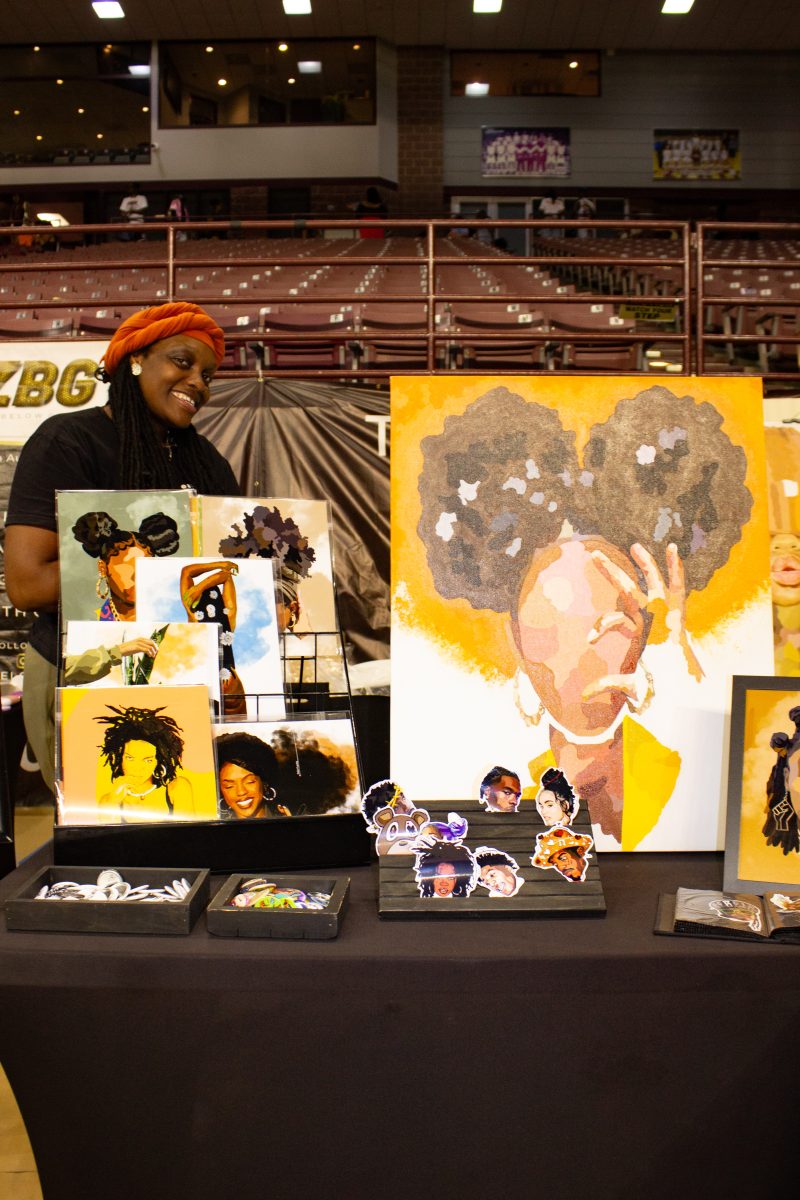
The Cookout brings together music, food, wellness, and a marketplace for Black-owned businesses.
For you, what makes these elements work together as one experience?
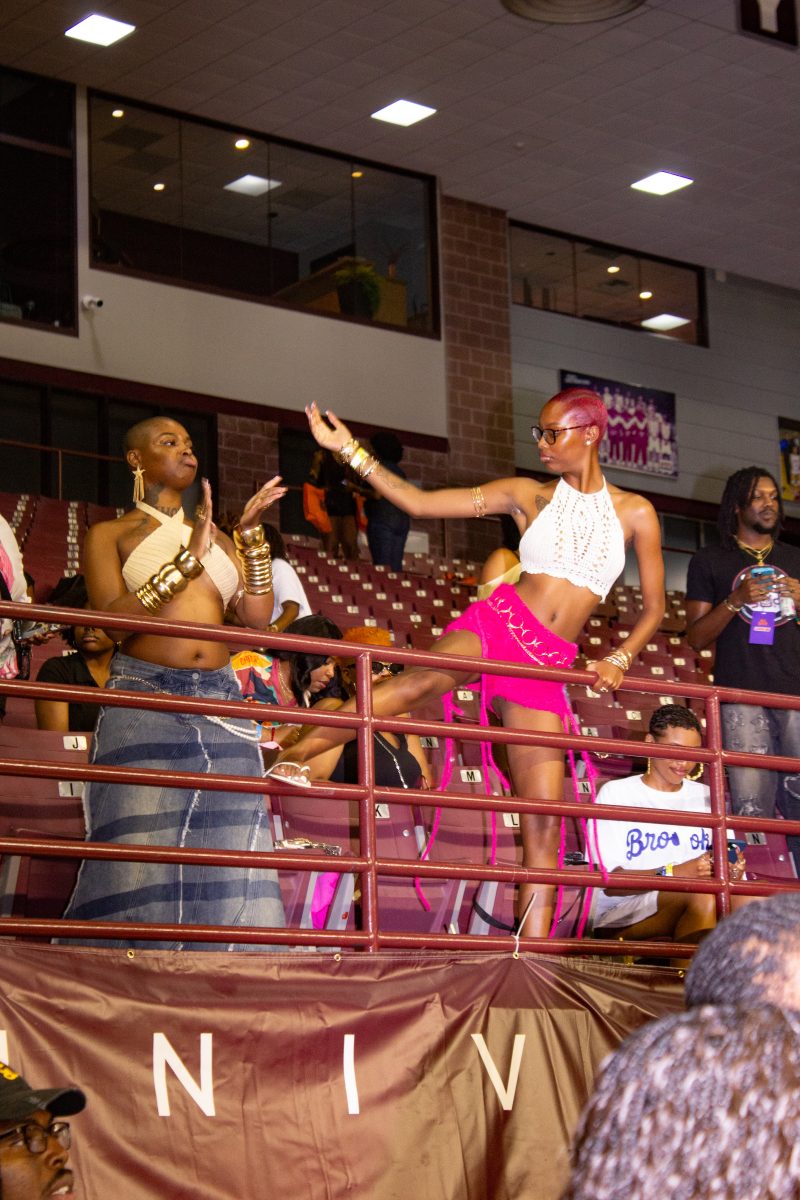
Because that’s what a real cookout is! It’s not just music or food – it’s everything all at once. You’re laughing with your cousins, vibing to a DJ set, catching the scent of someone’s soul food plate, maybe even moving your body for the first time in weeks. It’s layered. Every part of the Cookout is intentional. It mirrors the way we celebrate, heal, support, and uplift each other all at once.
This year, Chapter 3 takes place in Houston at Texas Southern University.
What does it mean for you personally to bring the event here?
Texas raised me. Growing up in Dallas, the way my people talk, show love, the culture, the energy – it reminded me of what’s truly in my DNA. So bringing Sai Summer Cookout to TSU, an HBCU that holds so much history and pride, feels like a full-circle moment. It was our first time collaborating with an HBCU, and I’m grateful to my team for seeing it through.
A lot of people describe the Cookout as a ‘safe space.
How do you define that, and why is it important today?
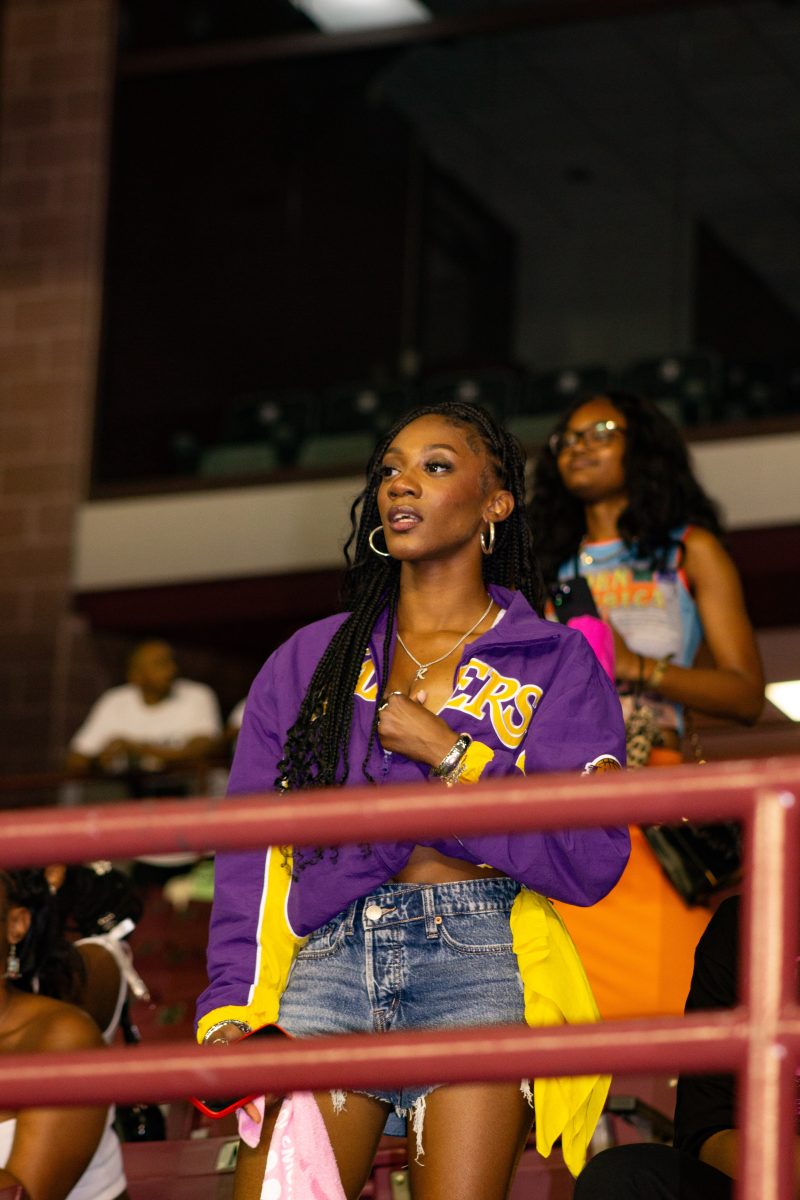
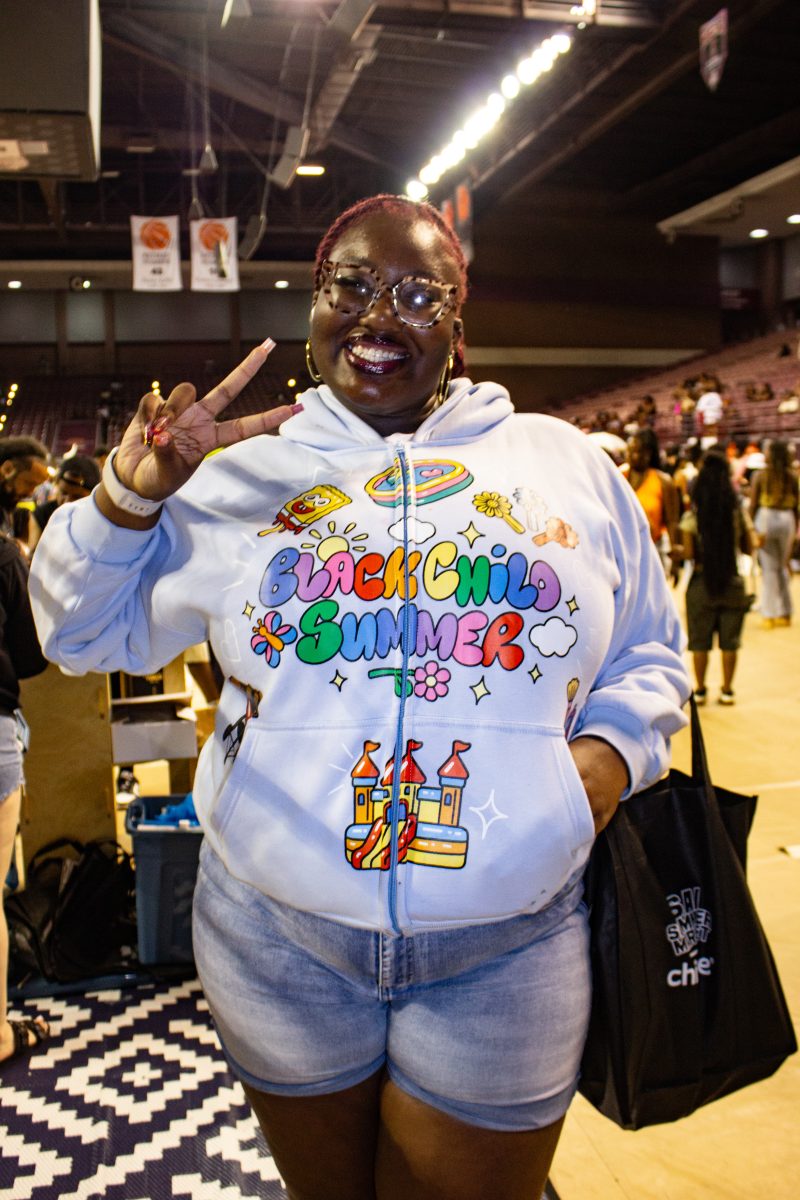
A safe space, to me, is where you don’t feel the need to shrink, perform, or protect yourself just to exist. It’s where your guard drops because you know you’re surrounded by people who get you, look out for you, and want to see you shine. In today’s world – where so much is performative or filtered – creating a physical space where Black people, especially young Black people, feel protected, celebrated, and free is revolutionary. That’s what Sai Summer Cookout is: a reminder that you’re not just welcome here, but this is your space too.
Many young people look to you as a role model, not only in film but also as a leader in community projects.
What have you learned about leadership and responsibility through organizing something on this scale?
I’ve learned that leadership isn’t about having all the answers – it’s about creating space for other people’s brilliance to shine. This Cookout taught me how to listen harder, delegate better, and reminded me that responsibility doesn’t always feel glamorous. It’s logistics. It’s accountability. It’s showing up even when it’s hard. But it’s also the most rewarding thing – because when you see people connect, heal, dance, and build something together, you realize it’s worth it.
When you imagine someone attending the Cookout for the first time, what do you hope they feel — or carry with them – after the experience?
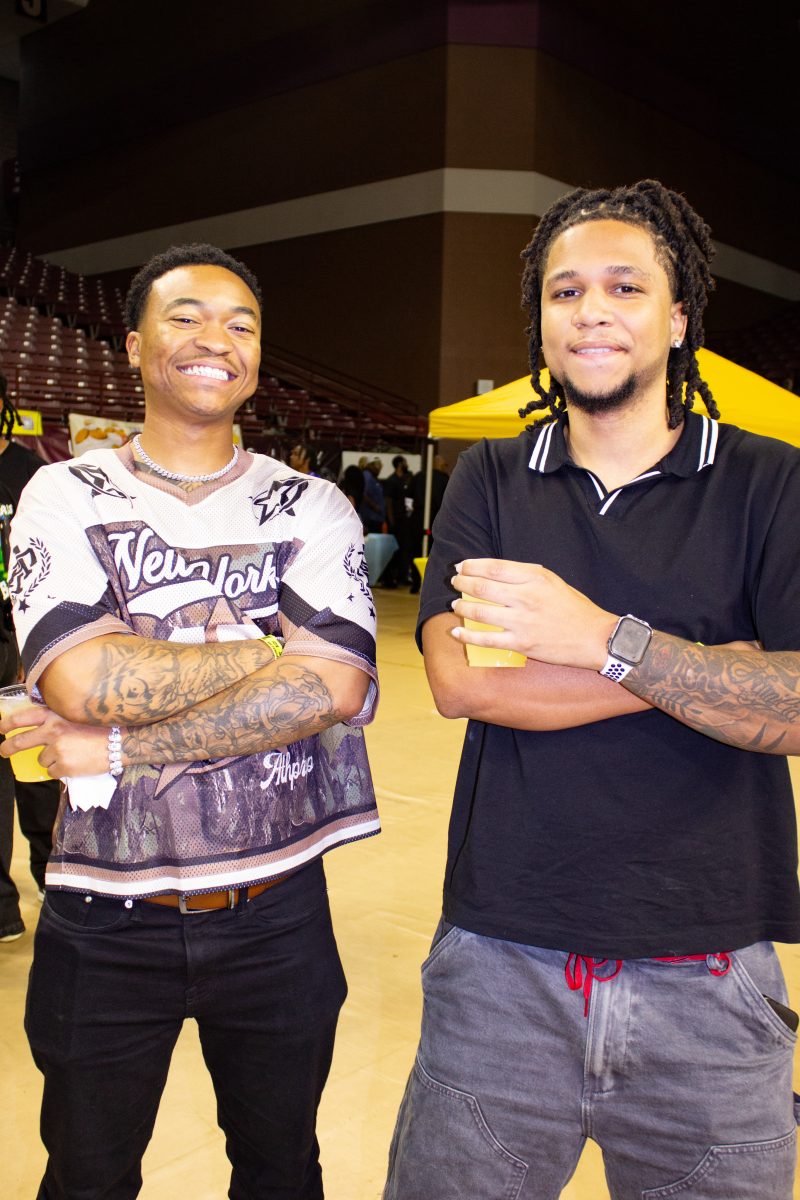
I want them to feel like they found a piece of themselves. Maybe it’s a new friend, a new business to support, a memory that made them laugh, or even a sense of peace they didn’t expect. I want them to leave feeling full – not just physically (though the food will do that!), but emotionally, spiritually, and culturally.
And finally, looking ahead, how do you envision the future of Sai Summer Cookout? What’s the bigger picture for you?
The big dream is for Sai Summer to be more than an event. I want it to be a lifestyle, a movement, a yearly ritual that celebrates everything we are. I have so many ideas, but overall I want Sai Summer Cookout to be that feeling that travels with you: joy, unity, culture, and a whole lot of love.


Photos: Tatianna Harris