By Julia Radovich
«Fleur qui décores la ruine
Sans un regard pour t’admirer»
Alphonse de Lamartine (1790-1869) Méditations poétiques
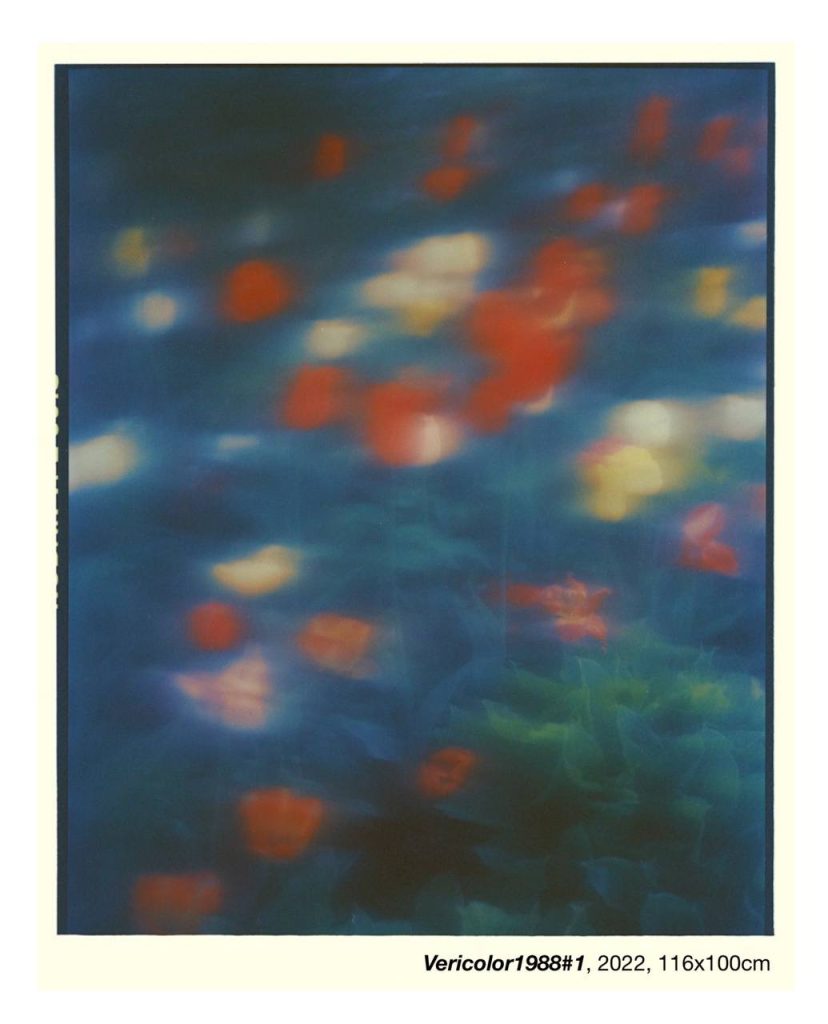
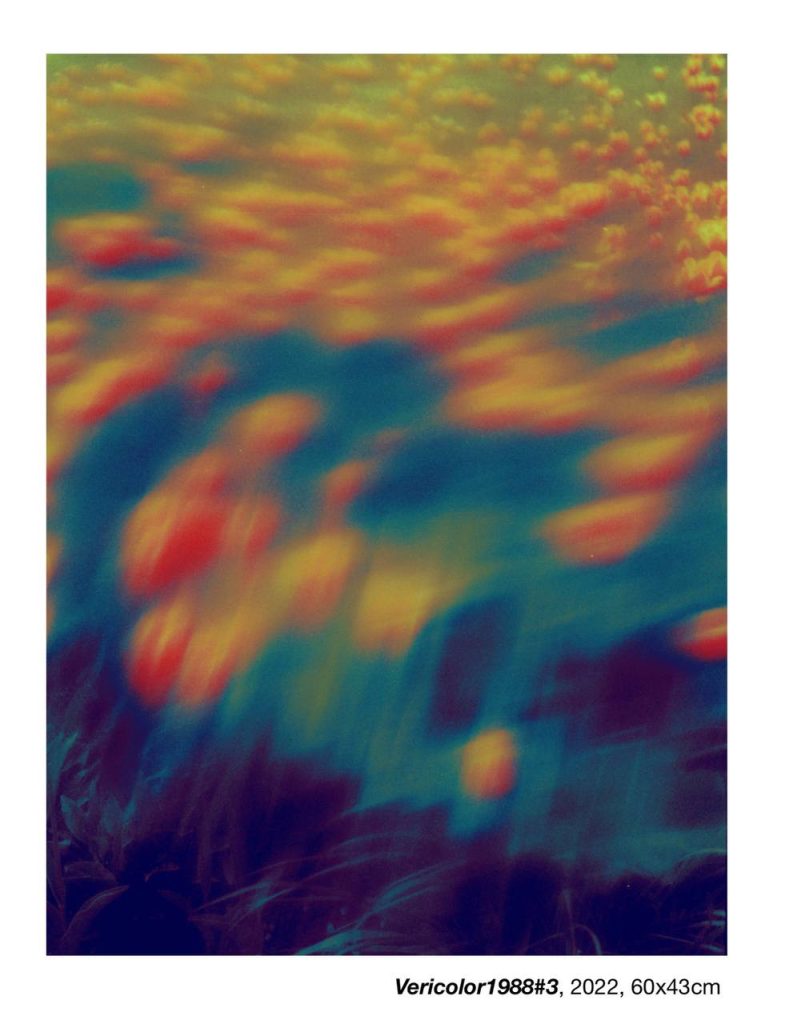
In this revealing conversation, photographer Bulat Arslanov and producer Julia Radovich reflect on their collaborative project Aux portes de la mémoire (At the Gates of Memory), a compelling exploration of memory, history, and human connections. Drawing on their different life journeys – Bulat’s passage from Tatarstan to Paris and Julia’s transition from corporate life to artistic pursuit – the two creatives reveal how their unique experiences shape their art. Through the use of expired film, personal symbolism, and a keen sense of storytelling, they invite audiences to reconnect with the past while contemplating the present. Inspired by Alphonse de Lamartine’s words, “Flower that adorns the ruin, unseen by any gaze to admire you”, Bulat’s photographs speak to the fleeting beauty of life, where timeless emotions – joy and sorrow – intersect and bloom like flowers amidst the ruins of history. Together, Bulat and Julia offer profound window into their philosophies, the cultural intersections that fuel their creativity, and their shared desire to leave a meaningful impact on contemporary art.
Q+A: Bulat Arslanov
Bulat, can you take us through your early years in Tatarstan and share how your upbringing influenced your desire to pursue photography as an art form? What cultural elements from your hometown do you feel are reflected in your work today?
My childhood was spent in a Tatar village, surrounded by simplicity, nature, and animals. This simplicity and an interest in personal stories sparked my passion for photography, leading me to explore people’s identities and capture the essence of places and communities.
You made a significant move from Moscow to Paris. What were the motivations behind this decision, and how has living in a city renowned for its art and culture like Paris influenced your creative process and artistic outlook?
Moving to Paris was a major, unexpected step that opened new horizons for me. I’m still discovering its impact on my work, but I’ve come to appreciate French culture and language deeply. Two main reasons drove this change: my desire to leave a country whose policies I disagree with and meeting someone important to me in Paris.
In your exhibition “Aux portes de la mémoire,” you utilize expired film to create your images. What drew you to this particular medium, and how does it resonate with the themes of memory and nostalgia that you explore in your art?
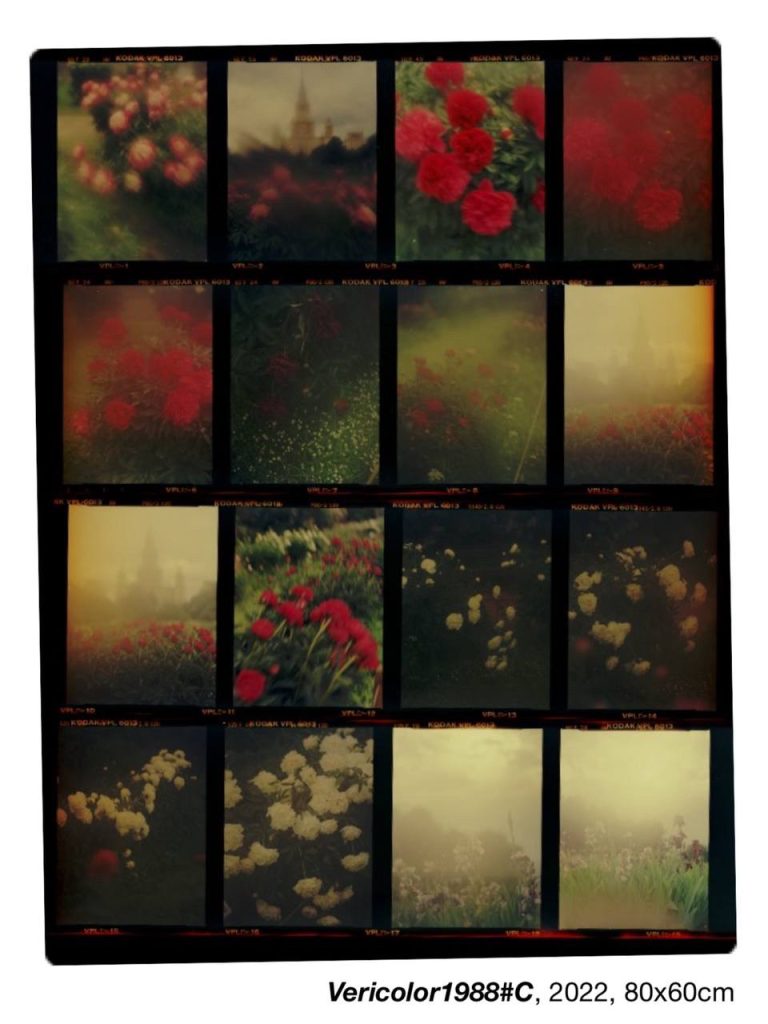
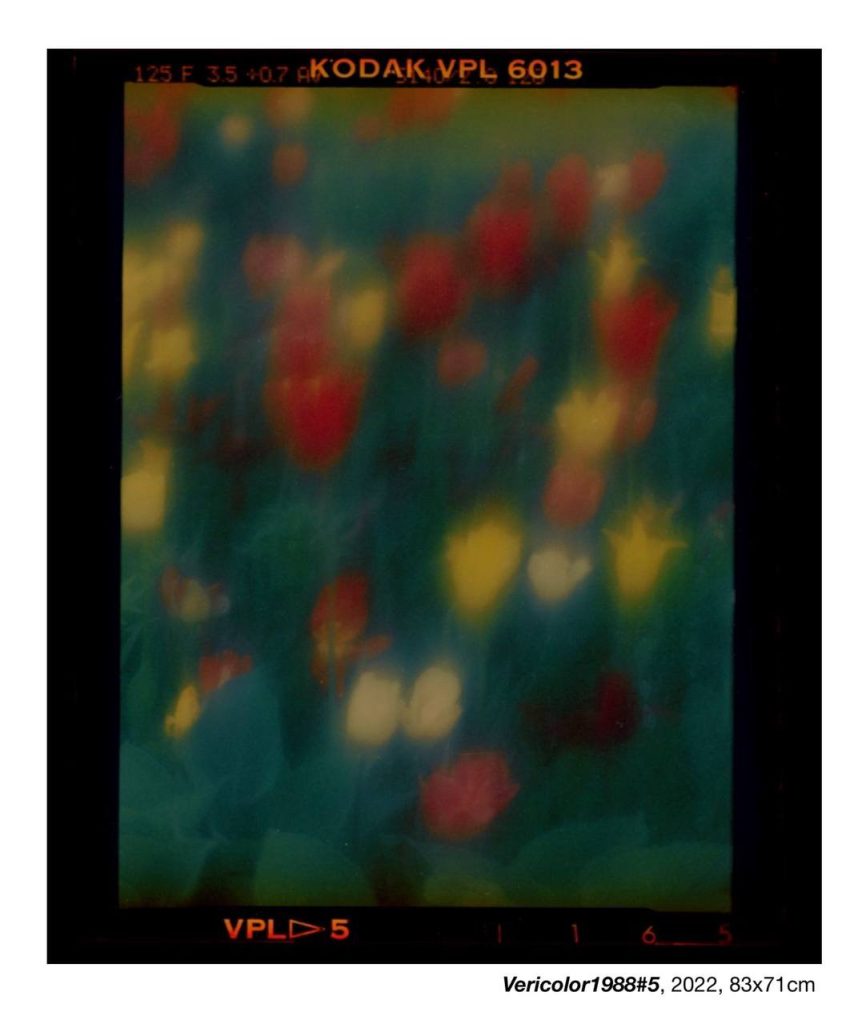
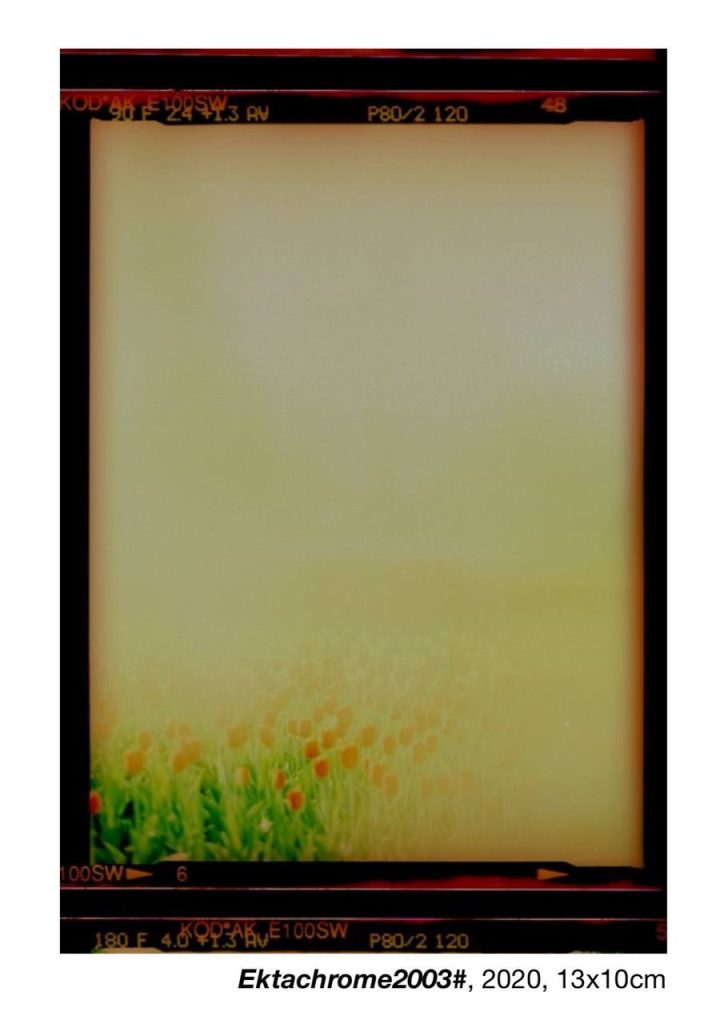
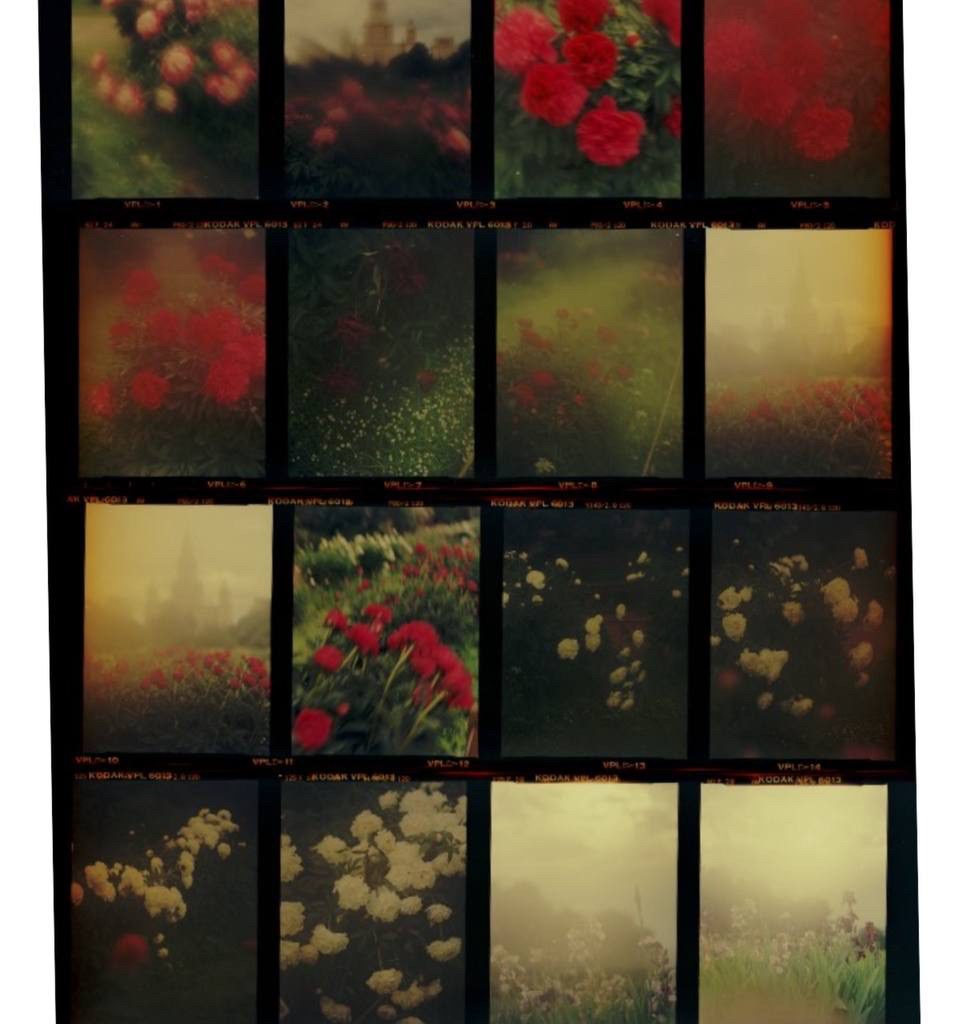
Film photography is my passion, and exploring its history and techniques has become an obsession. I’m fascinated by how expired film can evoke a sense of time travel, capturing the present on a medium that resonates with the past. For Aux portes de la mémoire, I used expired film to embody this idea.
Memory is a profound theme in your work. How do you define and interpret the concept of memory in your photography, and why do you believe it is vital to preserve both personal and collective memories through visual storytelling?
Memory is unique and complex—it can feel familiar, yet evoke moments you’ve never experienced. I see memory as a bridge between present and past, linking stories that shape us. Without understanding history, it’s challenging to build a future.
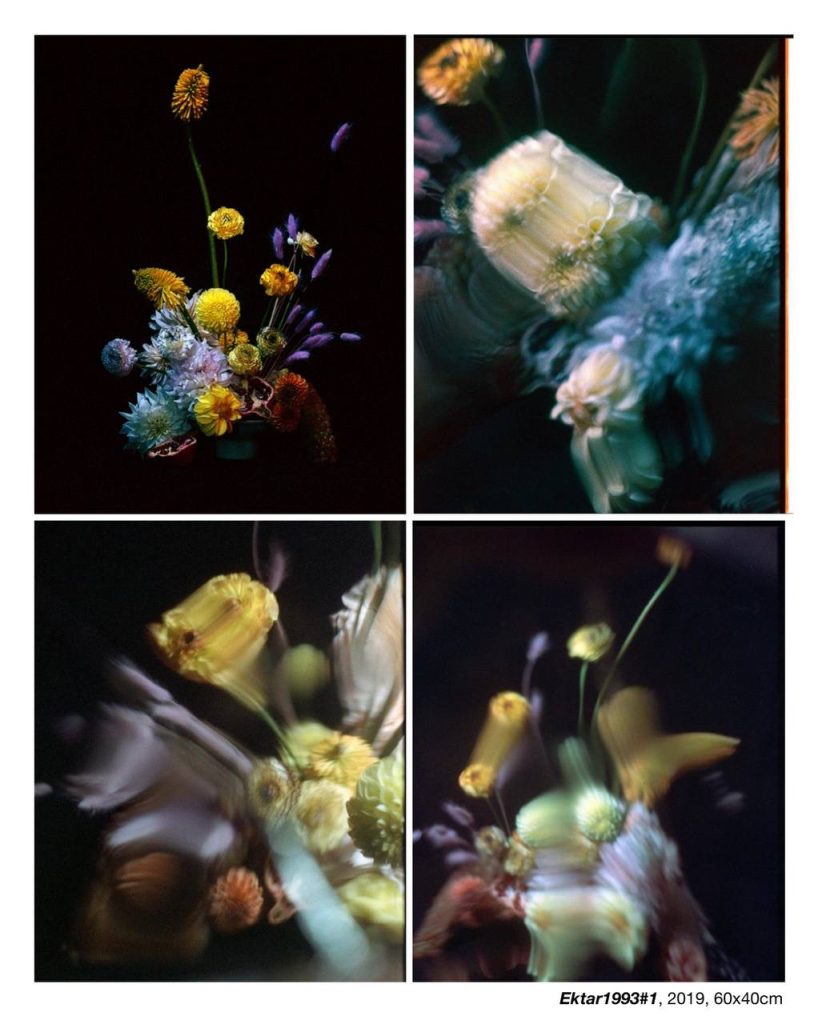
Flowers serve as a significant symbol in your photography, representing both joy and sadness. Can you explain your choice of flowers as a central motif? What emotions or stories do you aim to convey through their depiction in your work?
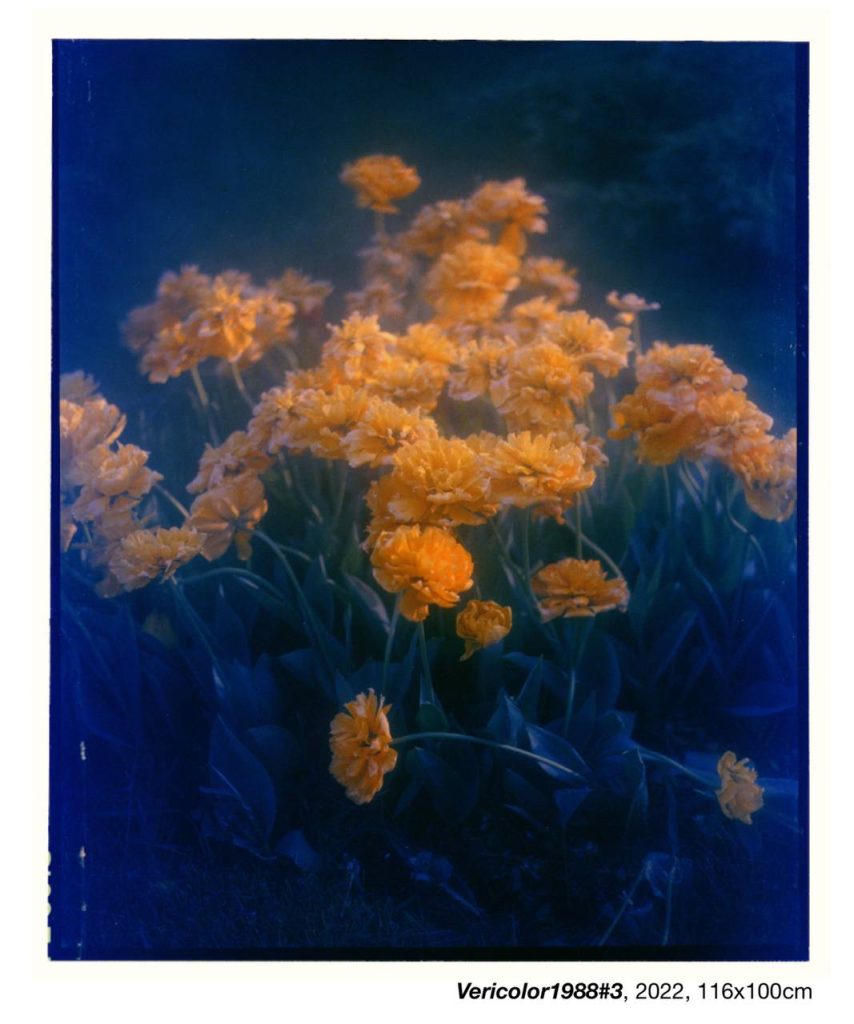
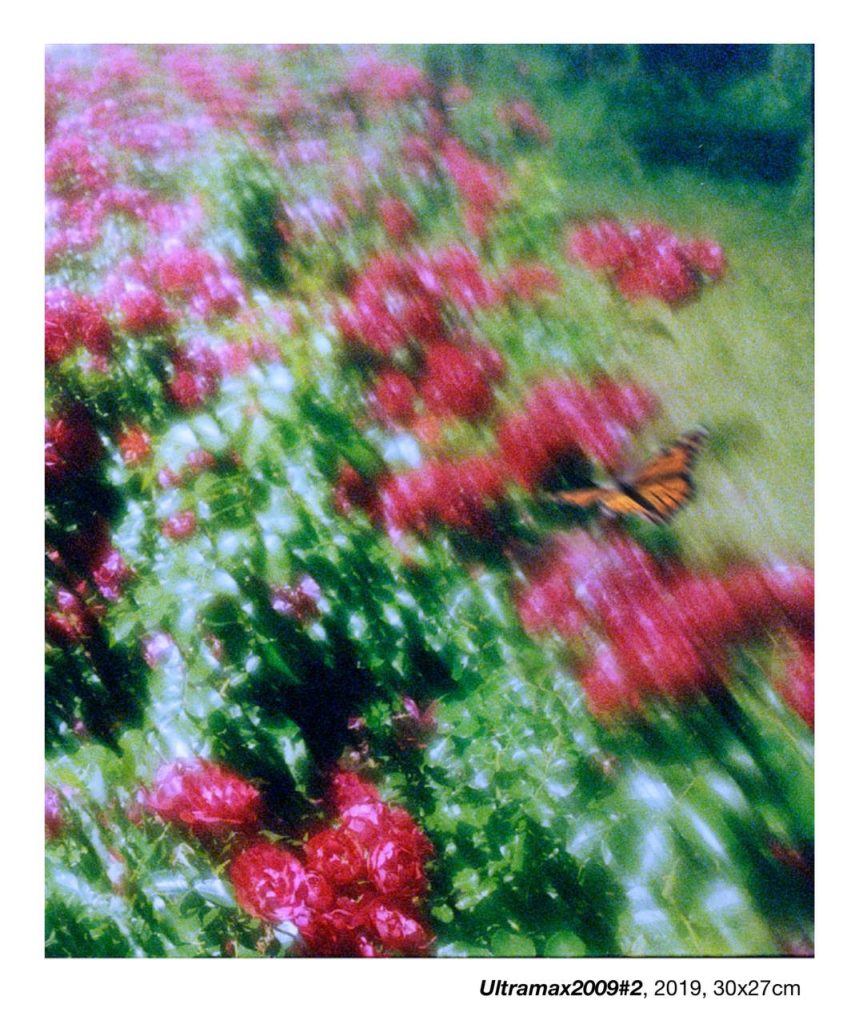
I thought a lot about why flowers became so central in my work. Over time, I realized that flowers accompany every stage of life—from birth to our last moments. They appear in times of joy, sadness, love, and loss, reminding me of love, the most powerful emotion, despite their short lifespan.
You’ve mentioned that art can act as a resistance against forgetting. In a contemporary context where people often focus on the here and now, how do you think photography can play a role in safeguarding personal and historical narratives?
Photography is an essential way to capture the evolution of cultures, lifestyles, and eras. Since the early days of photography, visual documentation has been the fastest, most precise way to record human history. What we take for granted today will someday be invaluable to researchers. Thanks to digitalization, we can track change, and I hope photography will continue preserving human stories well into the future.
Your work captures both transient moments and enduring memories. How do you reconcile the ephemeral nature of life with the desire to create lasting impressions through your photographs?
My art balances the fleeting nature of life with the permanence of memory, a concept I’ve addressed in earlier answers.
Having worked with brands like Adidas and Gucci alongside socially impactful projects with organizations like UNHCR, how do you navigate the challenges of balancing commercial success with your artistic vision and social responsibility?
Balancing commercial success, artistic vision, and social responsibility is simple for me: what matters is doing something meaningful for others. In commercial photography, I try to stay true to my principles and bring my visual knowledge into the work.
The manual process of developing expired film seems integral to your artistic practice. Can you elaborate on the techniques you use and how this hands-on approach affects the creative decisions you make and the final presentation of your works?
When you understand every stage of photography, from shooting to development, the process becomes predictable—even with expired film. For example, “Aux portes de la mémoire” was shot mostly on medium-format Kodak Vericolor II film from 1988 and scanned using a Hasselblad Imacon X5 scanner. Each step is important to me, even if the viewer doesn’t notice, because it shapes the final outcome.
Storytelling is a crucial component of your photography. What techniques do you employ to weave narratives into your imagery, and what specific reactions or reflections do you hope to inspire in your viewers?
At the heart of my work are honesty and openness. I don’t like overthinking or interpretations that overshadow the work itself. If you look at this series without annotations and it makes you reflect, then I’ve achieved my goal.
Q+A: Julia Radovich
Julia, you have a diverse background as a producer and project manager. Can you discuss how your experiences and skills in these roles have informed your approach to artistic projects, particularly the “Aux portes de la mémoire” exhibition with Bulat?
My experience working in international companies like Inditex, FMSM, and Gucci along with private collaborations with various artists and cultural figures, has honed my ability to thrive in any work environment. I am accustomed to dynamics and love the cooperation with diverse talents to achieve a shared vision.
This was my first exhibition organization experience, and I tackled this new challenge with enthusiasm. We successfully launched the project in less than a month, which served as a valuable test of our skills. In the face of tight deadlines, it’s essential to remain flexible, act quickly, and never lose sight of the core idea. This ability to adapt and balance creativity with organization is what I value most in myself and my work. It’s crucial to seize opportunities to bring bold ideas to life and spark dialogue with the audience.
You transitioned from a corporate career to an adventurous two-year journey traveling the world. How did this experience shape your creative vision and influence your collaboration with Bulat upon your return to Paris?
My two-year journey around the world was a transformative experience, expanding my perspective in ways I never imagined. Immersing myself in the dazzling diversity of cultures and philosophies, I discovered the beauty in our shared humanity and the profound power of difference. This journey instilled in me the ability to find inspiration in the most unexpected places, a skill I brought back to Paris, allowing me to see the world with renewed clarity and depth.
Before my journey, I struggled to make the leap from corporate life to moving to another country and starting anew, especially when everything was going smoothly. However, external circumstances pushed me towards change, a decision I haven’t regretted for a moment. Those two years were a time for introspection, searching for a place to call home, where I could forge new connections, explore a world both beautiful and perplexing.
We are standing at the crossroads of epochs, and I want to believe that a brighter future awaits us. I hope that we can all find the strength for dialogue and understanding, using the very empathy that will help us build new meaning and teach us to live in a world of love, trust, and mutual support, but free of excesses.
My travels introduced me to incredible people, broadened my horizons, and participated in inspiring projects. I managed to stay connected with artists, authors, and musicians, which enriched my work in the art field and beyond. This experience not only opened new opportunities for me but also gave me a clear understanding that my projects should connect cultural heritage with contemporary art, creating something truly meaningful.
In your view, what do you think is the significance of blending historical narratives with contemporary artistic expression, particularly in the context of your collaborative project “Aux portes de la mémoire”?
I firmly believe that blending historical narratives with contemporary art bridges generations. This timeless theme of fathers and children continues to resonate with filmmakers, artists, storytellers and other passionate individuals.
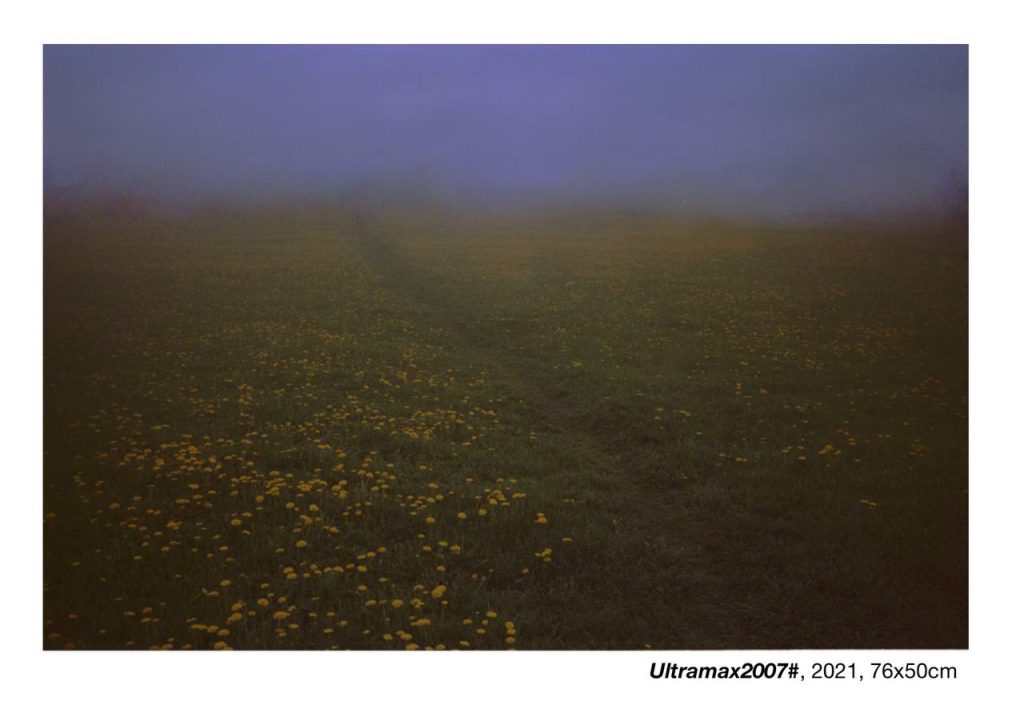
“Aux portes de la mémoire” is the project that explores the dialogue between past and present offering a unique reflection on today’s world through the unity of diverse perspectives. By using expired film and manual photo processing, Bulat enriches the project with warmth and sincerity that feels authentic. His artwork reveals how the past interweaves with the present, highlights the power of art to transport us back to specific memories, and depicts how the past, though sometimes unseen, remains a constant presence. The photographs on this film, like the flowers they symbolize joy and sorrow – emotions that are resonate across generations.
Contemporary art offers a powerful tool for reimagining old ideas in new forms, making them relevant for a modern audience. This is particularly important in our time, where history is often twisted into a battleground for political agendas, trapping us in endless cycles of repetition. Art, however, invites us to view the past not through ideological lenses but through the lens of personal experiences and emotions. Ultimately, we are all human beings sharing common values and needs. I want viewers to not only witness history but to feel it, to understand its influence on the present, and to contemplate the future, and the legacy we leave behind.
Gucci has deeply shaped my approach to storytelling. Witnessing the brand’s heritage firsthand, I learned how the past can be integral part of the future. It’s a powerful reminder that development is not solely about moving forward but also about preserving and reimagining our legacy, ensuring its continued relevance. History provides an opportunity to learn, grow, and find common ground with others, transcending time and context.
You are known for your ability to build genuine relationships and diverse teams. Can you share how fostering these connections has impacted your work and the overall success of the projects you’ve managed?
Early in my career, I found myself drawn to both the world of art and the world of business. At 20 years old, I took on leadership roles, fortunate to be surrounded by mentors —individuals who believed in me and fueled my ambition to grow. Their support was invaluable, shaping my early path.
Through my corporate way, I pushed my limits, refined processes, and learned to actively listen and understand those around me. I strive to share my knowledge and empower those around me. While not everyone is ready to embrace new perspectives, I’ve learned to instill confidence and determination in others, helping them achieve their goals and live more fulfilling lives. Distance is no barrier; our connections remain strong, and I’m always open to collaborating, regardless of location.
For me, a successful project hinges on trust and mutual respect within the team. When everyone feels heard and valued, a powerful creative energy emerges. Diverse teams allow for unique perspectives and unconventional solutions, driving us toward exceptional results.
Building genuine connections has always been a priority. In “Aux portes de la mémoire,” the project came to life through the power of human connection. Bulat and I built the project on a foundation of trust, allowing us to work seamlessly and bring our vision to fruition. When a team feels invested in a shared purpose, the project flourishes with depth and meaning. I strive to recognize and nurture the unique talents of each individual, believing that together, we can create something more profound and impactful.
Looking forward, what future aspirations do you have for your career in the creative industry? Are there specific themes, initiatives, or collaborative projects you’re eager to pursue that blend artistic innovation with social impact?
I see my future in the creative industry as a space for both experimentation and social impact. My background spans from project management to consulting, allowing me to approach challenges from multiple angles. I’m currently diving deep into fashion, photography and filmmaking, and I’m excited about the collaborative projects brewing in these spaces.
Beyond that, I have ambitious plans, like launching a business initiative in Paris and consulting of a burgeoning jewelry brand. This willingness to embrace new opportunities stems from my diverse experiences and fuels a sense of boundless creative freedom.
My work is deeply rooted in the pursuit of sustainable development and cultural preservation. Faced with ecological and identity challenges, I believe art holds the key to impactful projects that benefit communities and inspire action. By uniting people around shared values, art can shape a sustainable future.
I’m passionate about international collaboration, seeking opportunities to work with artists and cultural workers globally. Together, we can preserve collective memory and build bridges across cultures.
I have a wealth of ideas for future exhibitions, where I plan to collaborate with photographers, artists, and other creative individuals. Each project aims to create a unique, memorable experience that leaves a lasting impact and contributes to a brighter future.
Finally, I strive to bridge the gap between art and commerce. By collaborating with brands, I envision innovative solutions that drive development and prosperity. Every project I undertake is an opportunity to create something meaningful that acts as a catalyst for positive change in our world.