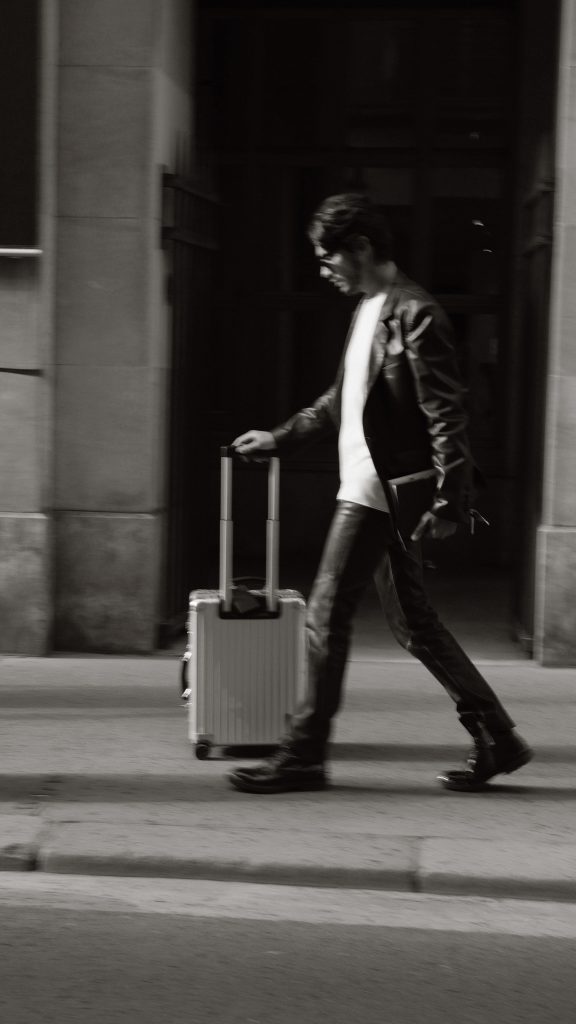
«L’arte non è la rappresentazione dei fatti reali, è l’evocazione dei sentimenti che avvolgono i fatti»
In 1911, the Italian critic Ricciotto Canudo defined cinema as such in his manifesto The Birth of the Sixth Art (he later added dance as a sixth precursor, a third rhythmic art with music and poetry, making cinema the seventh art), predicting that cinematography would synthesise the extension of space and the dimension of time.
Today, the protagonist of our interview started out as an actor and through the art of acting he discovered a passion for artistic direction: from being in front of the camera he moved on to being behind the camera.
He is Victor Boccard, a young Parisian photographer and director, a passionate perfectionist who enhances the value of imperfection with modernity.
Victor is a traveler and a dreamer.
He is passionate about pictorial art and constantly finds greater inspiration in pictorial art.
His approach to work is surgical, meticulously Japanese (whose culture he appreciates enormously).
Victor seeks umami in his personal wabi-sabi (vibrant and fiery).
We met him few weeks ago and that’s what he told us.
Hi Victor! How are you?
According to you, what’s photography today?
I’m good, thanks!
What’s photography today? It’s a way of sharing your vision to the rest of the world.
And what’s fashion?
How do you talk about fashion through your camera?
For me fashion is a way to express who you are to the rest of the world (as photography is) through an external display of your taste and your personality. And my way of showing it in my photography is trying to be incorporated in fashion but still not follow any trends regarding the garments, the brands but also the style of photography.
Maybe that’s why all my inspirations are coming from old photographers and usually something I don’t see on the Internet.
How could you describe your style?
My style would be a never ending search for what I call umami in Japanese.
I’m constantly looking for something that is appealing to the eyes, something purely aesthetic and beautiful.
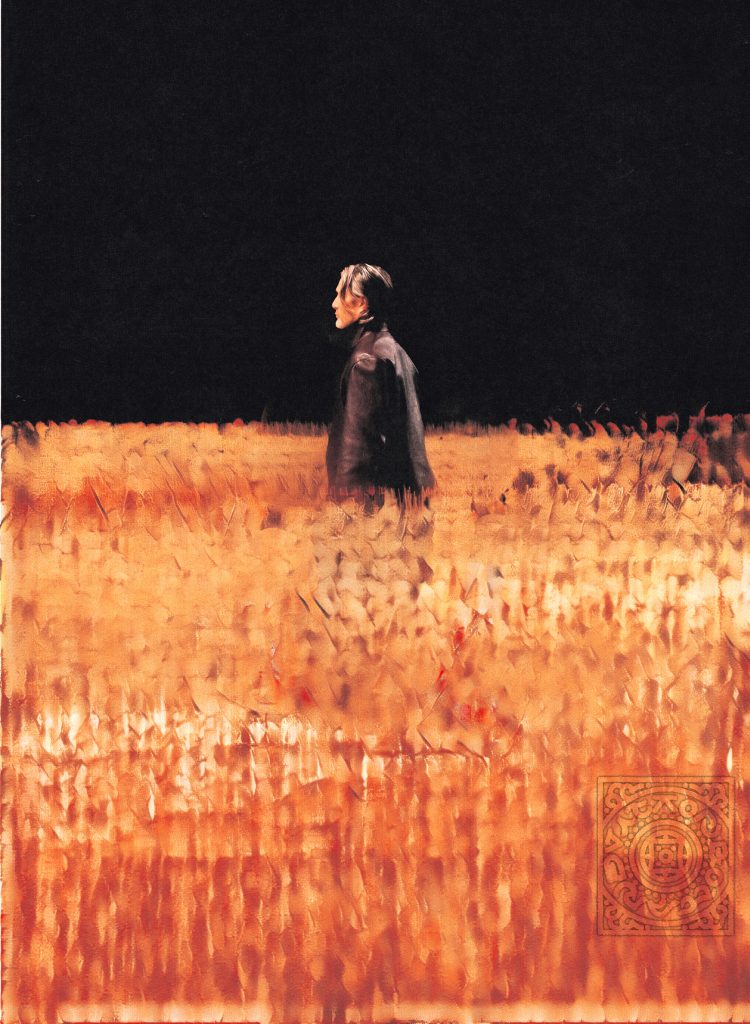
I’m very much inspired by the paintings and tapestries.
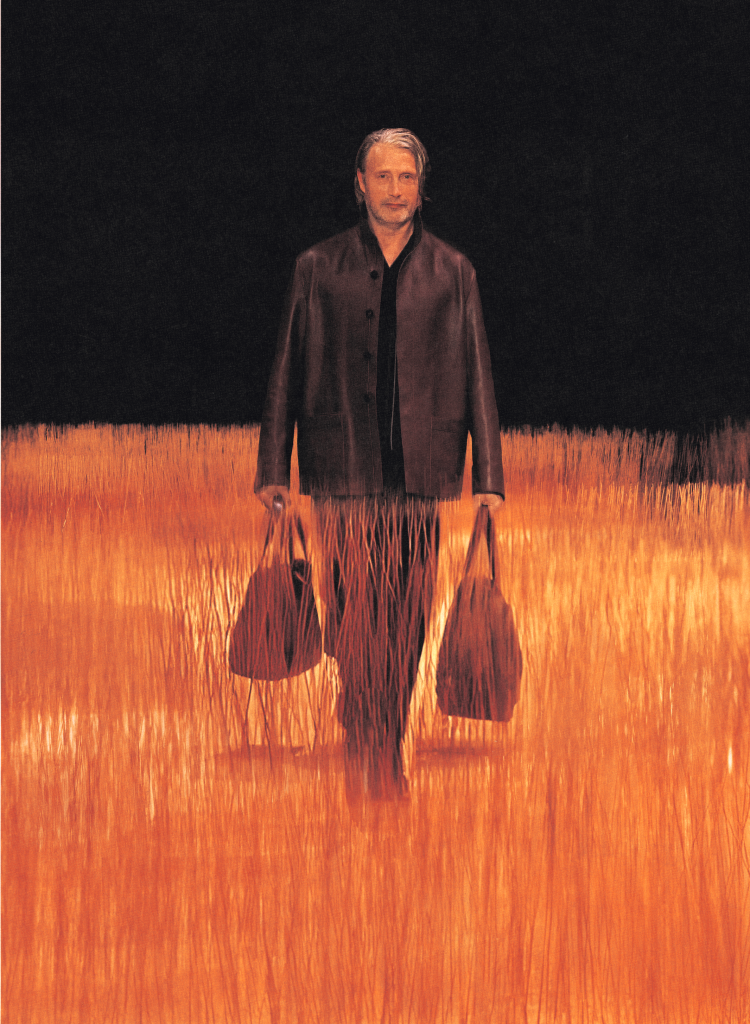
My style is very simple.It’s frontal. And I would say that I’m trying it to be an ode to history of art.
Do you have your own reference director, videographer, photographer?
A lot of my inspirations come from cinema.
So I guess my approach to storytelling is the same when I’m directing or photographing.
I have two favorite directors, Ridley Scott, who comes from a commercial background, and Michael Mann.
Those are two artists which I deeply respect and they both truly inspire me.
As for photography, as I said, I’m more inspired by paintings, like Renaissance paintings, etc.
But Asian scenario, in general, is my number one source of inspiration.
Leslie Zhang is my favorite contemporary photographer who also does a lot of fashion.
Let’s talk about the series you’re sharing with our audience today.
Is it a compendium of different works?
Exactly.
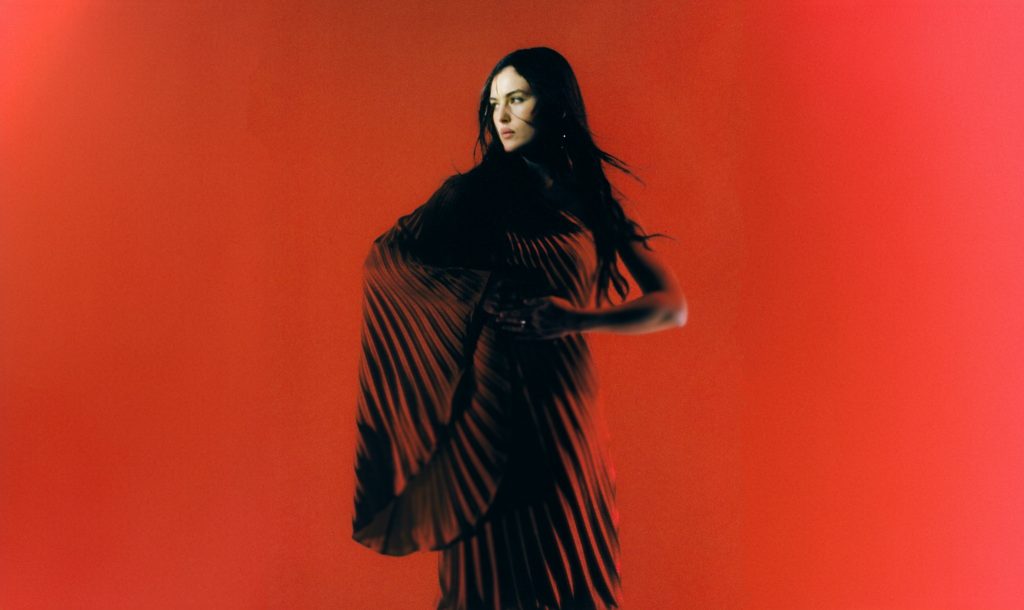
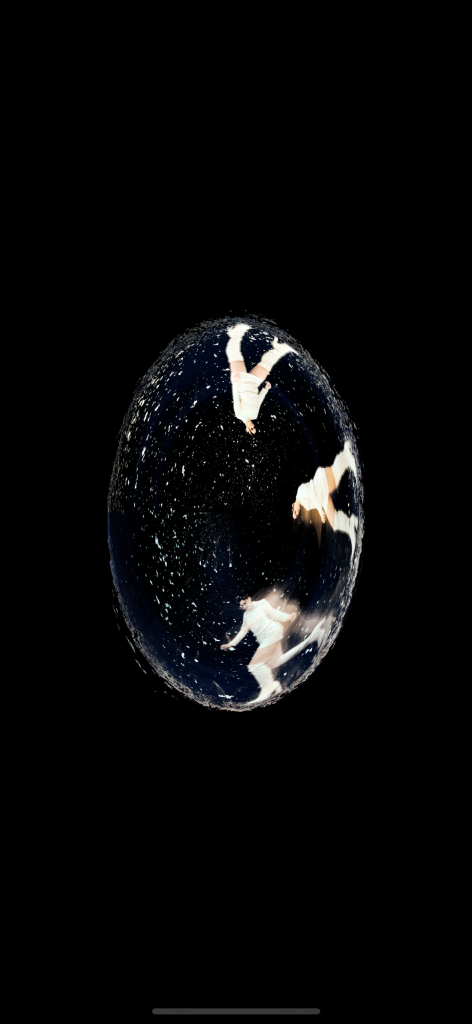
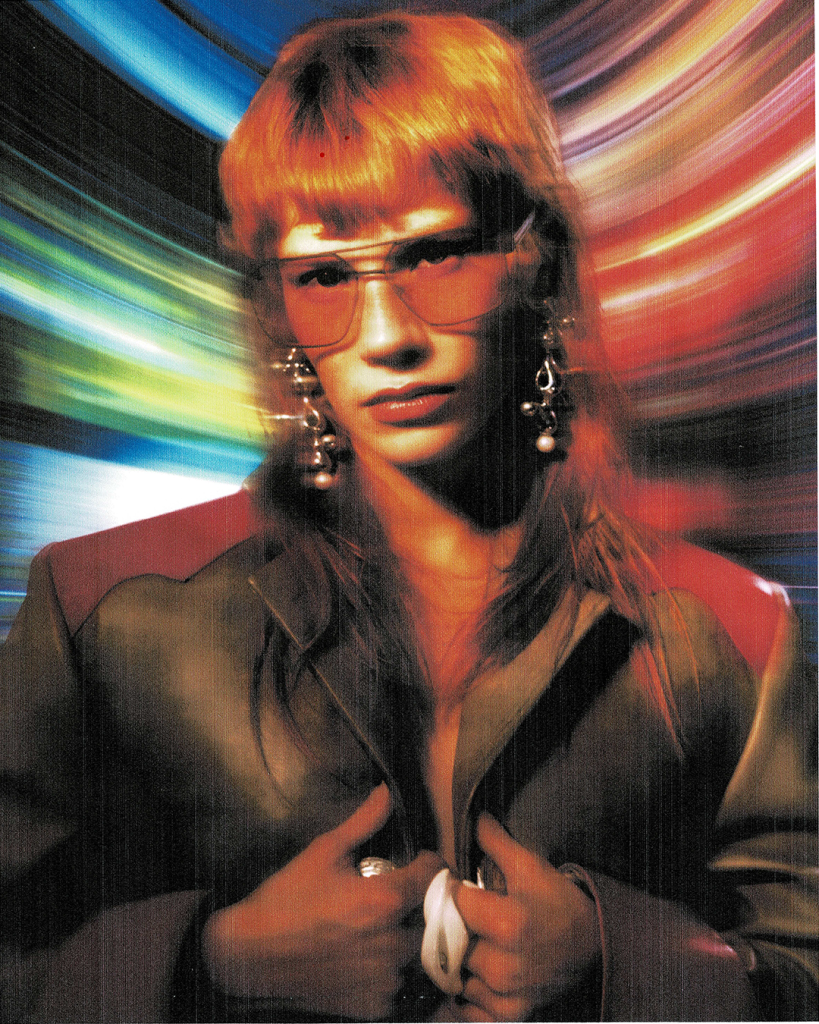
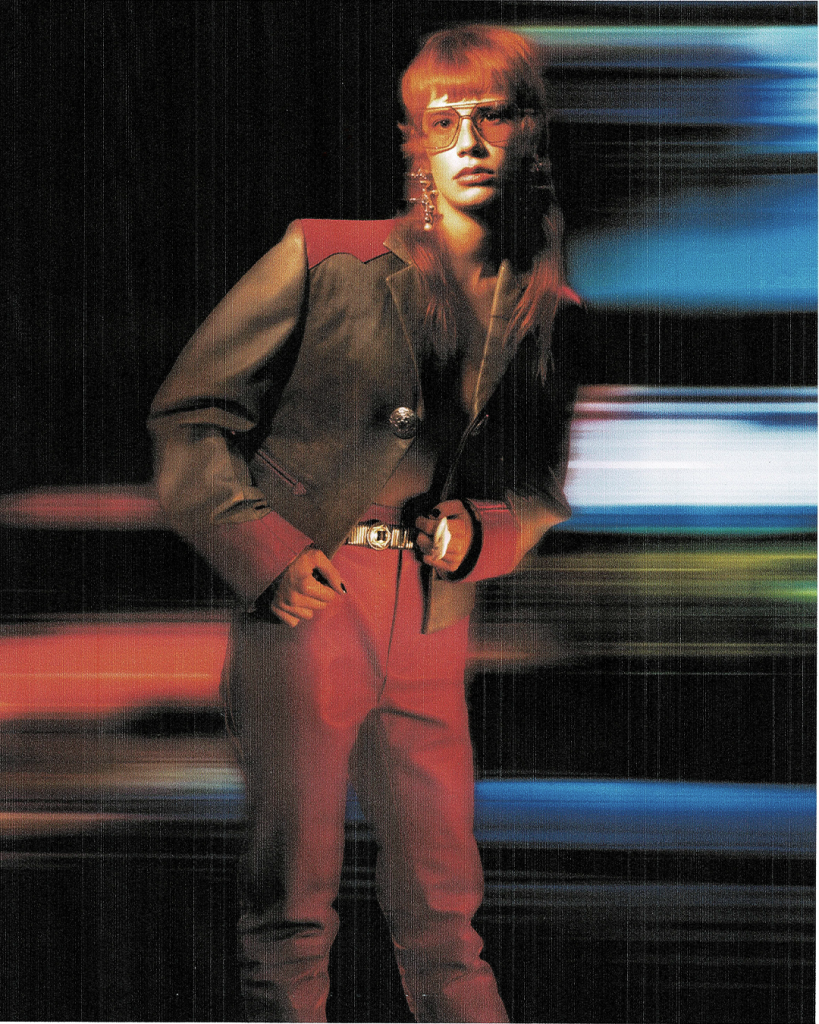
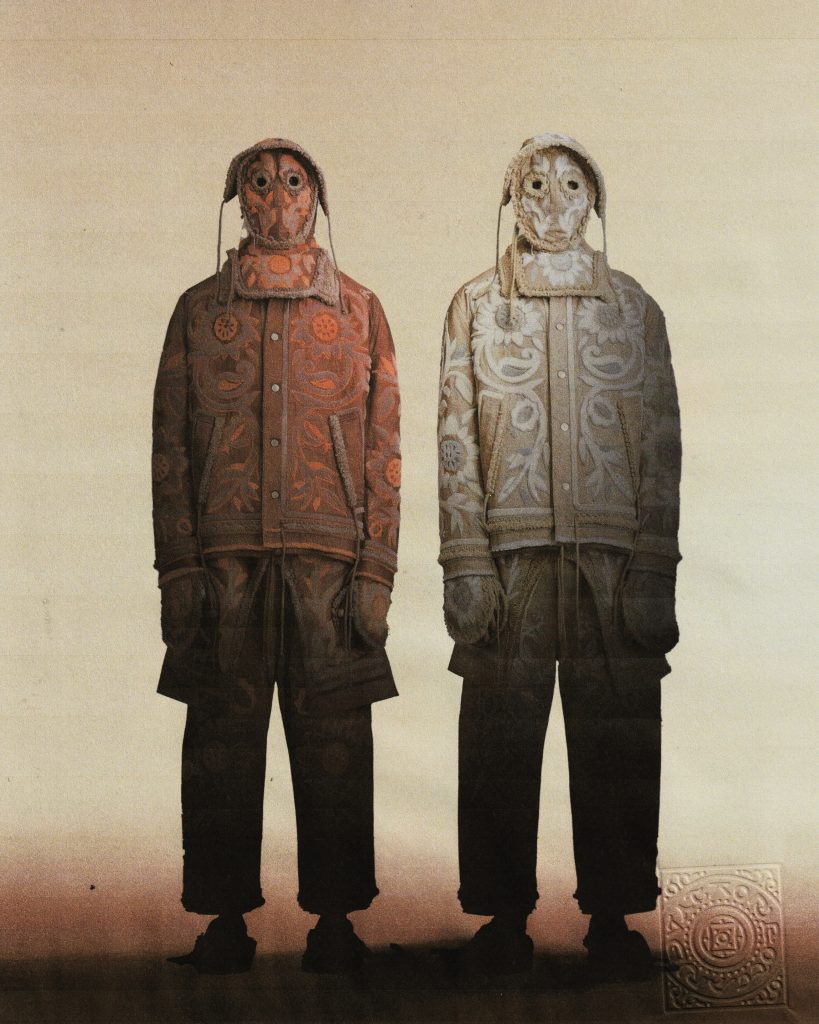
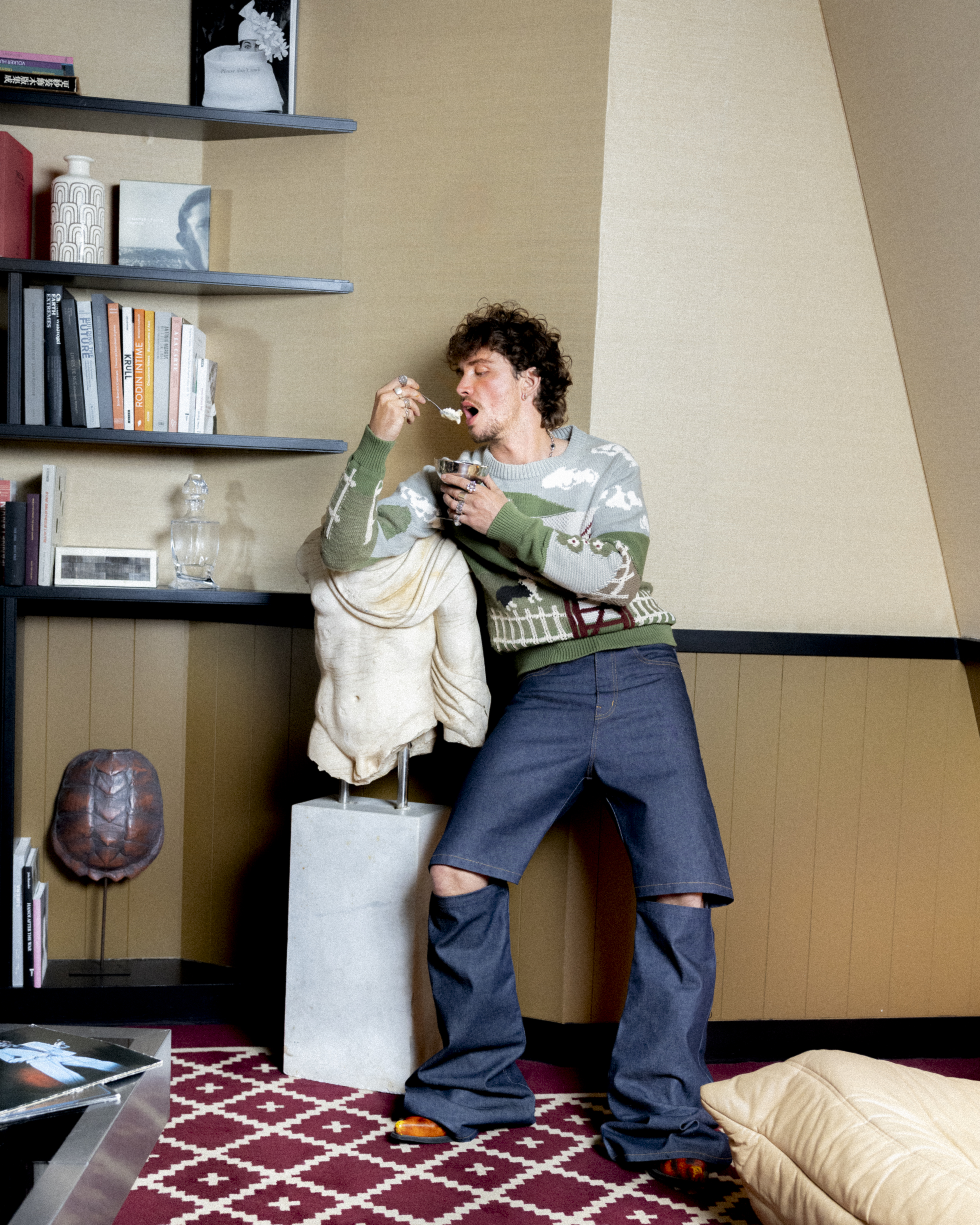
What I sent you is very important to me because I’ve been a fashion photographer for only two years.
And I can say it’s a curation of what I prefer.
Looking back on those two years was a way for me to recollect what shoots I liked more, which works I already forgot, and summing all this up into a personal curation.
Curation is a very important word for me in my life, in my work, etc.
And curating it gave me a strong sense of the direction I want to go by showing me what I did. And before doing this, the unity of my work was not so obvious to me.
It was a way for finding le fil rouge, and a clear direction exploring my DNA.
Do you have any favorite shot from the series?
Yeah, absolutely.
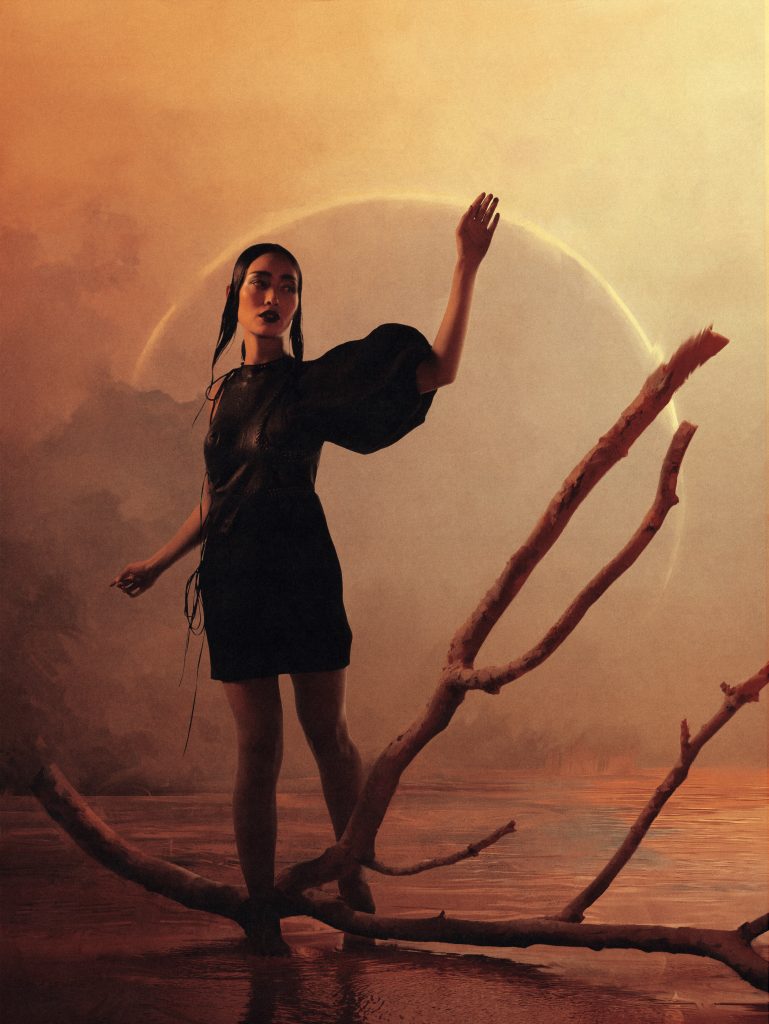
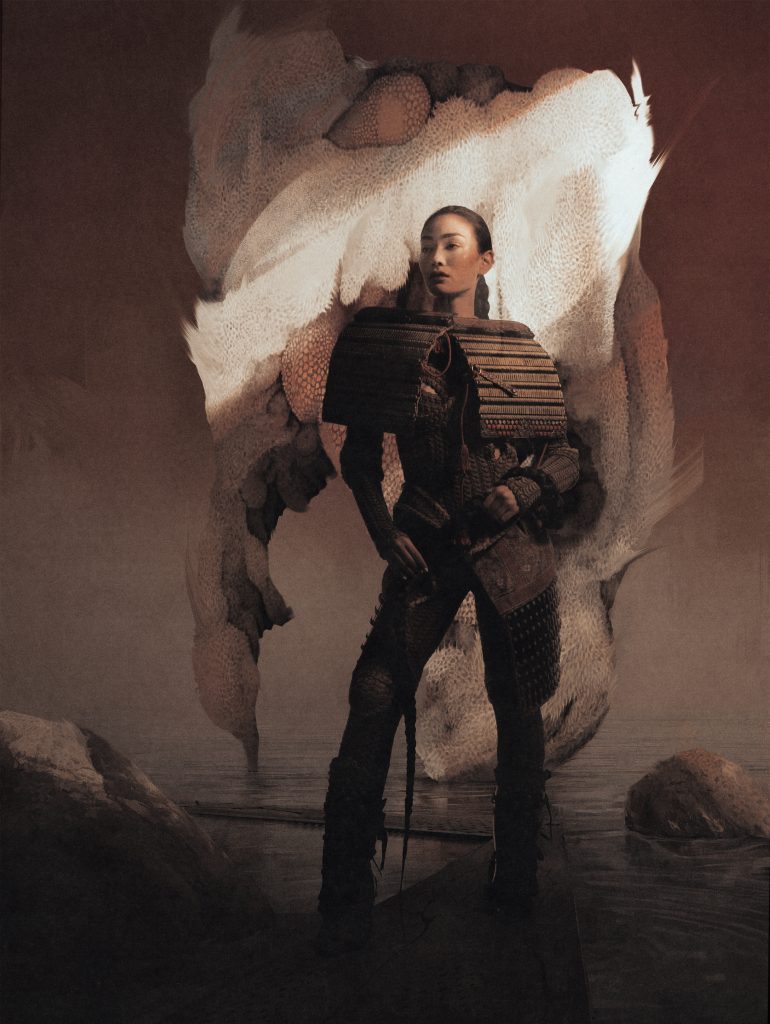
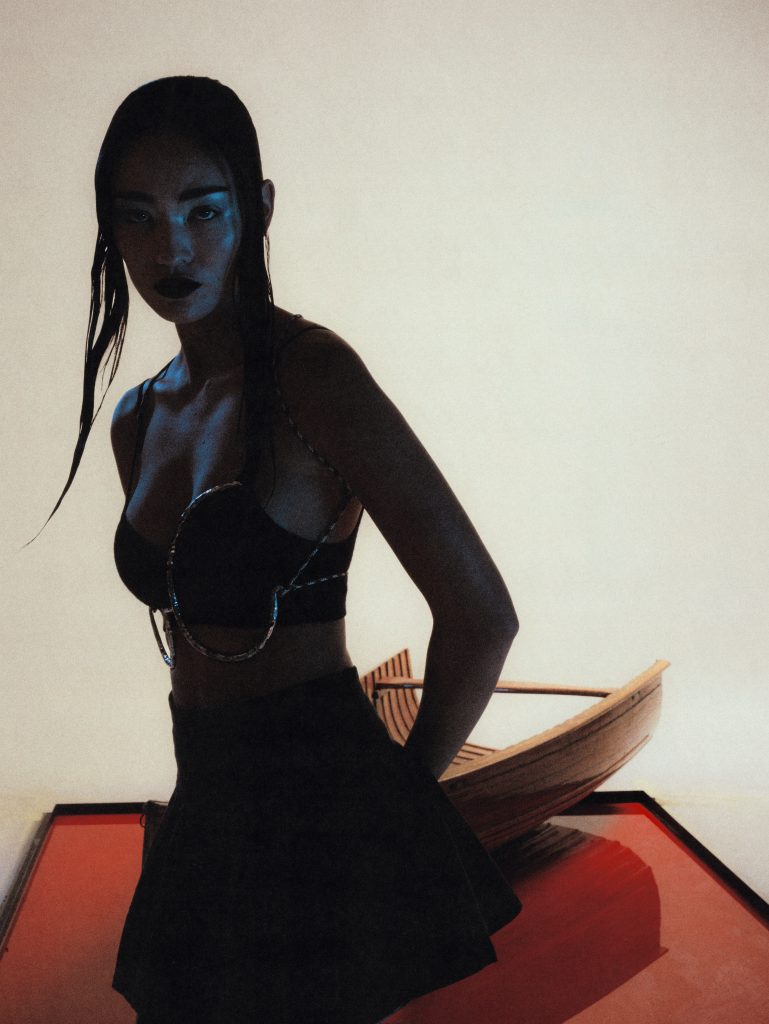
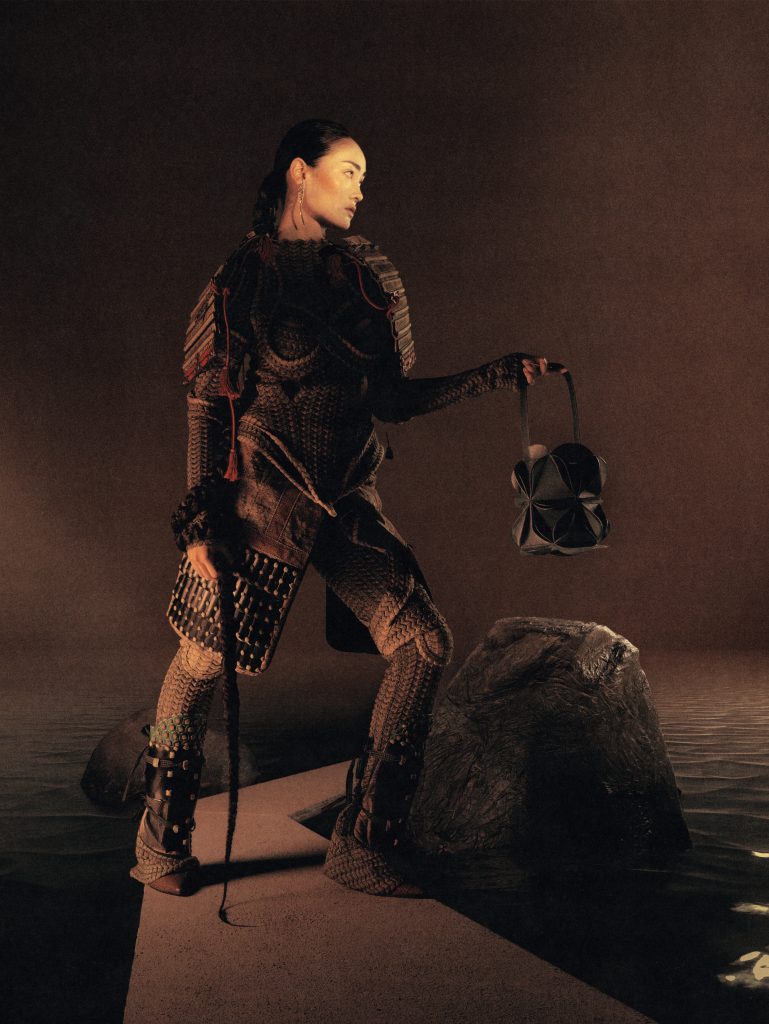
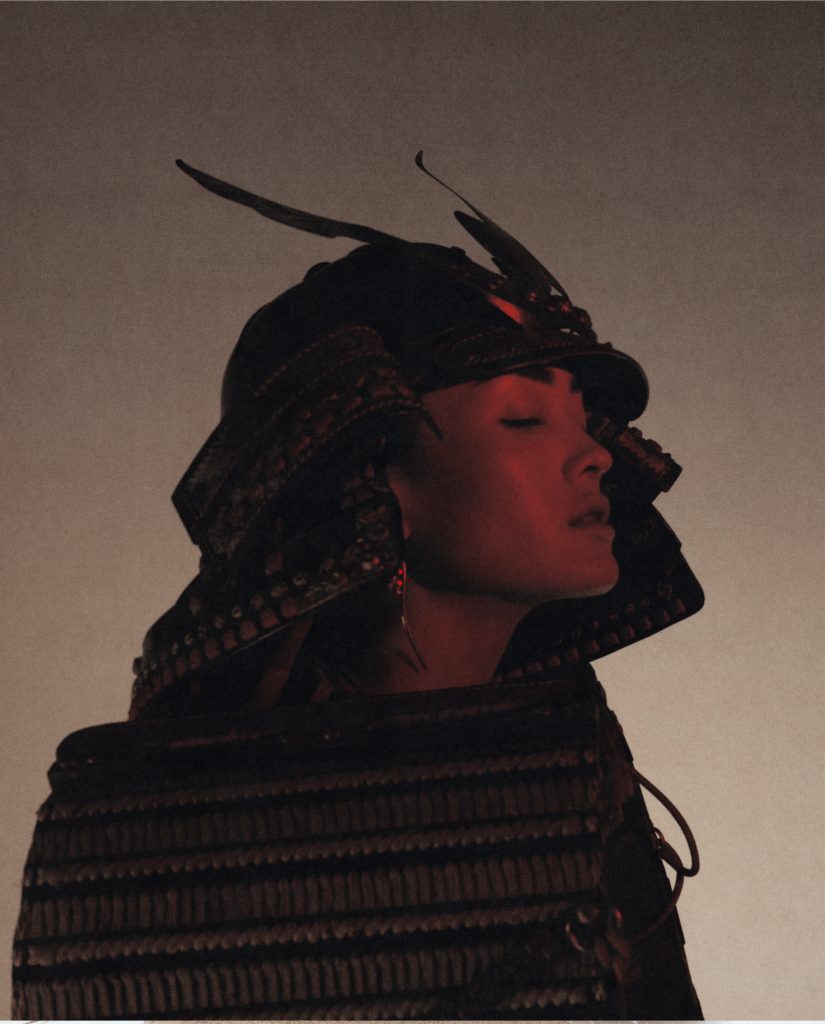
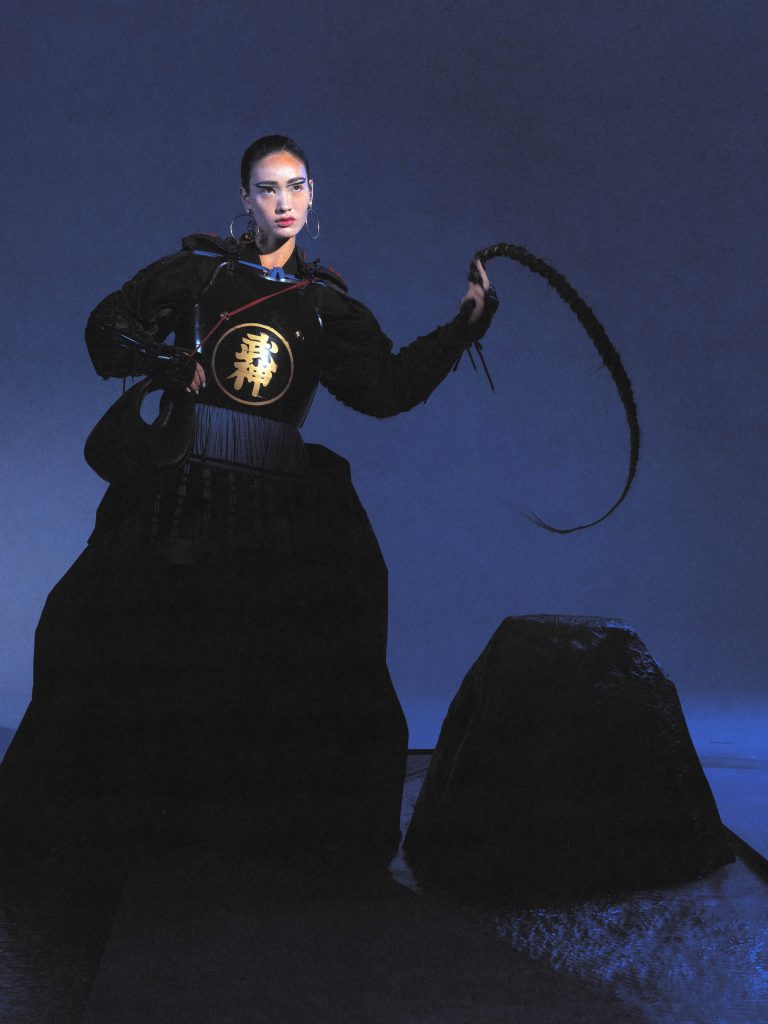
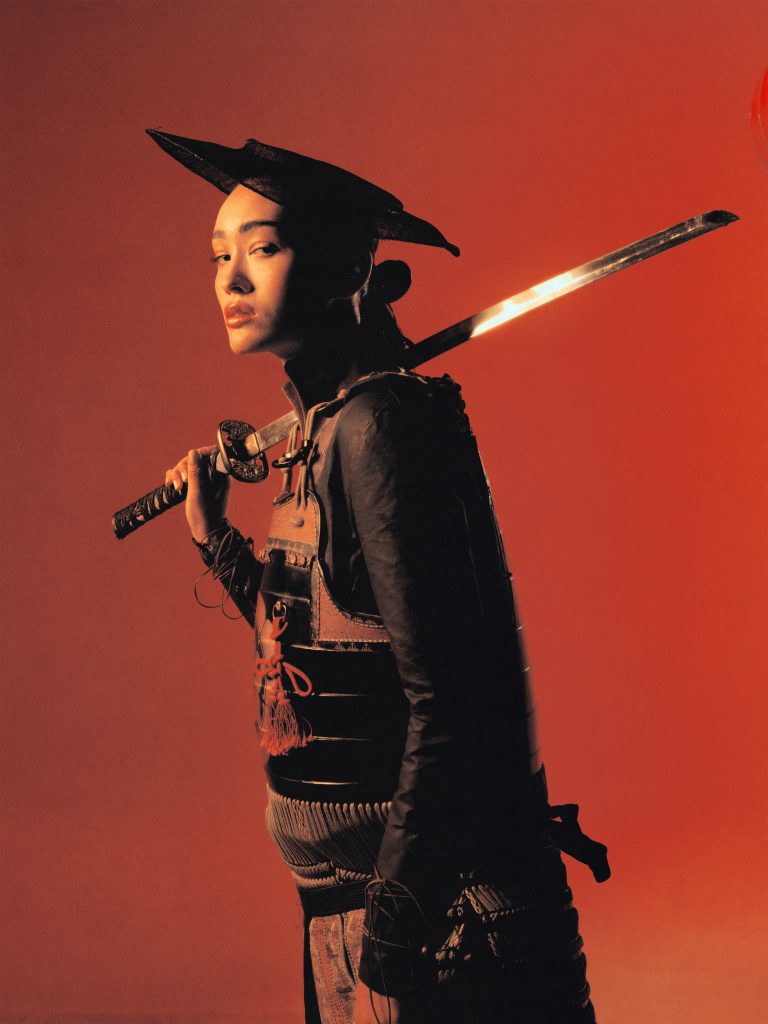
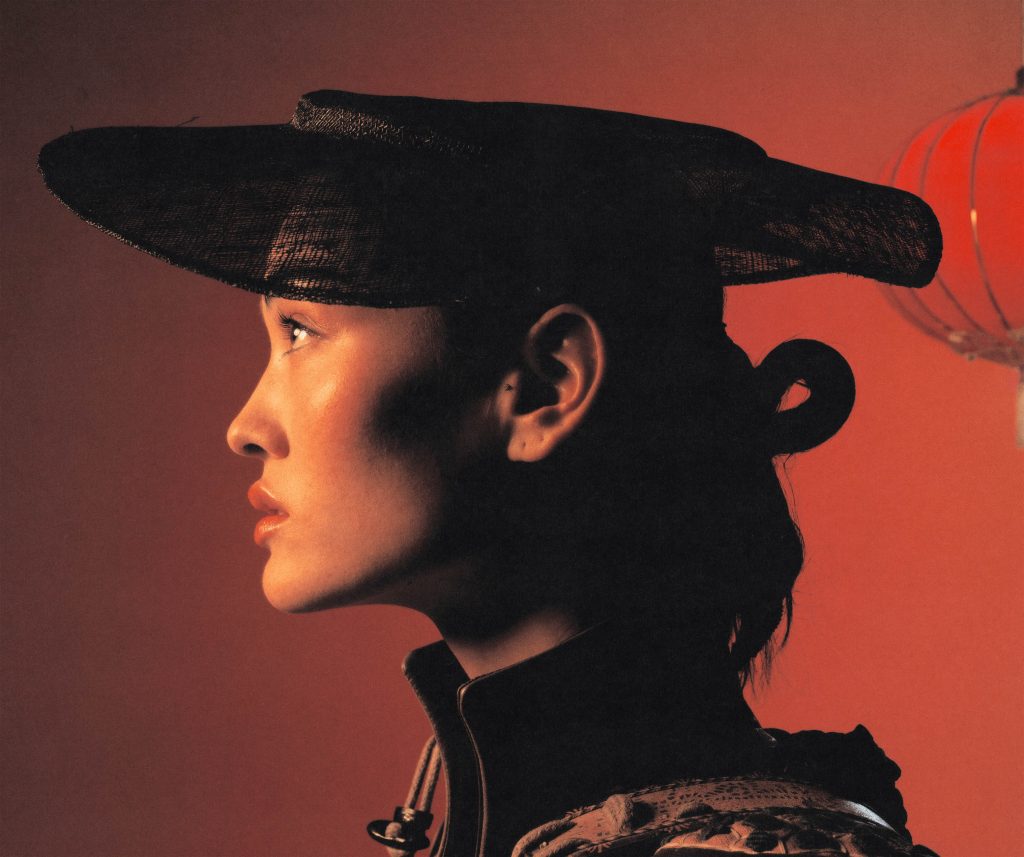
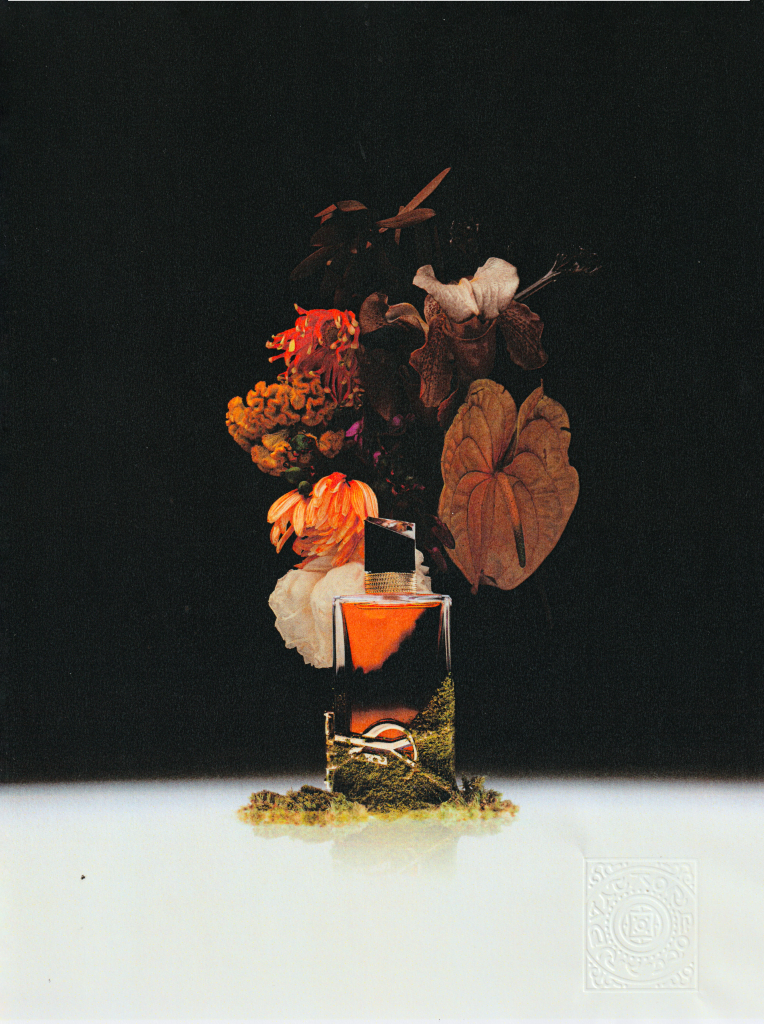
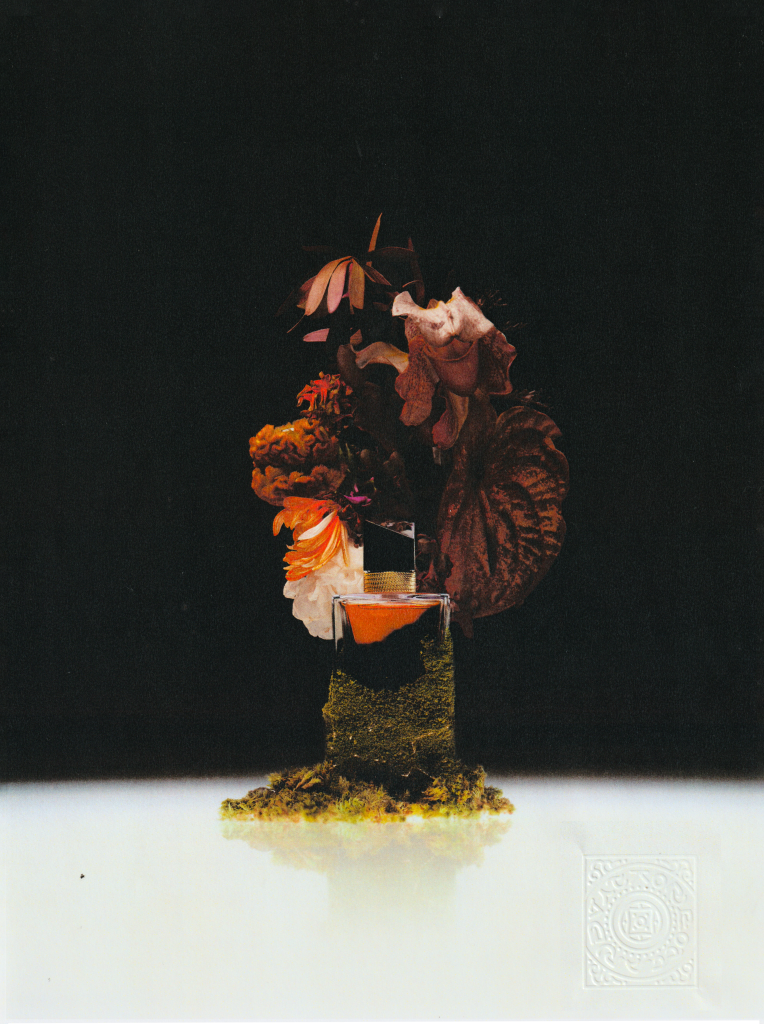
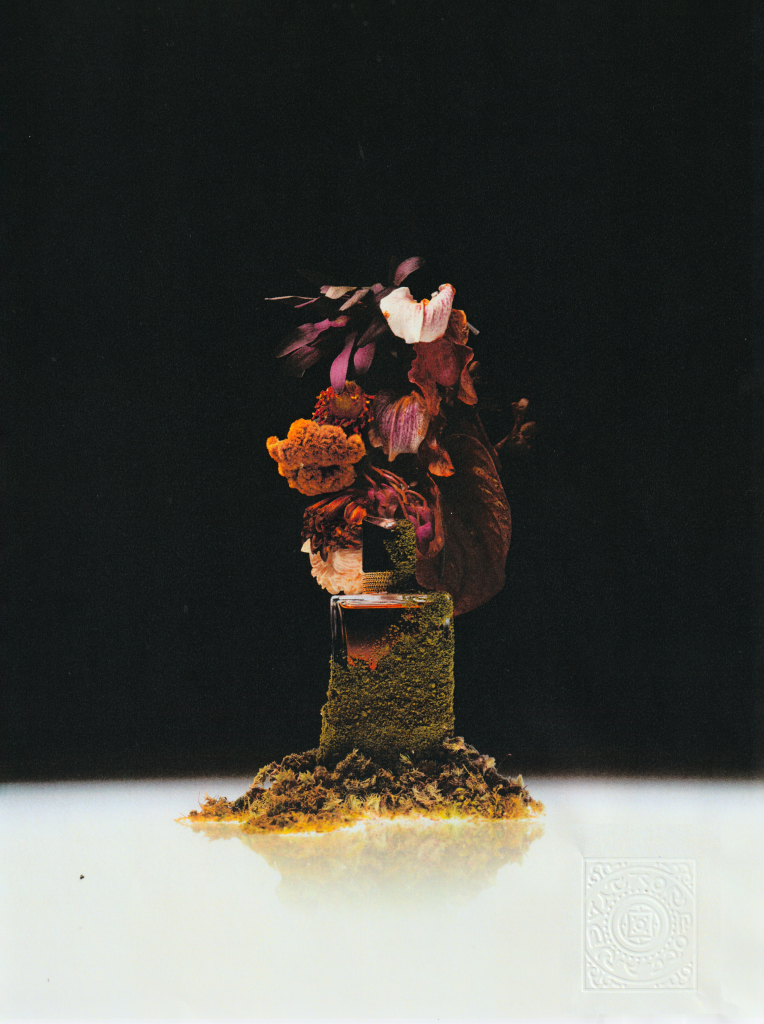
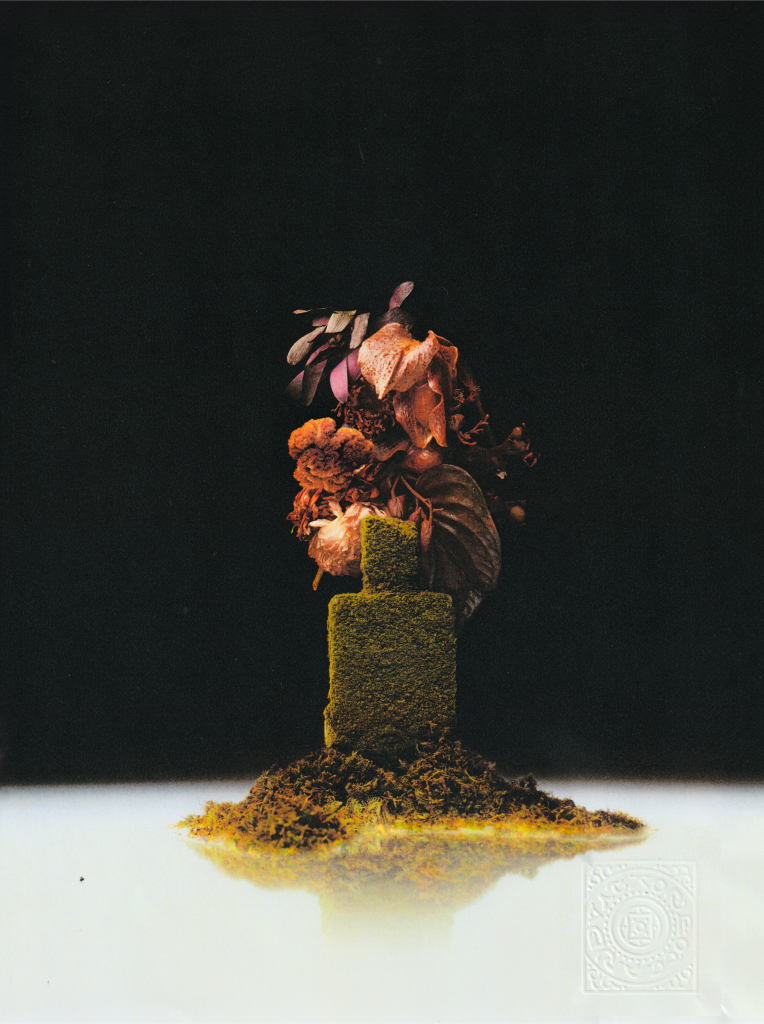
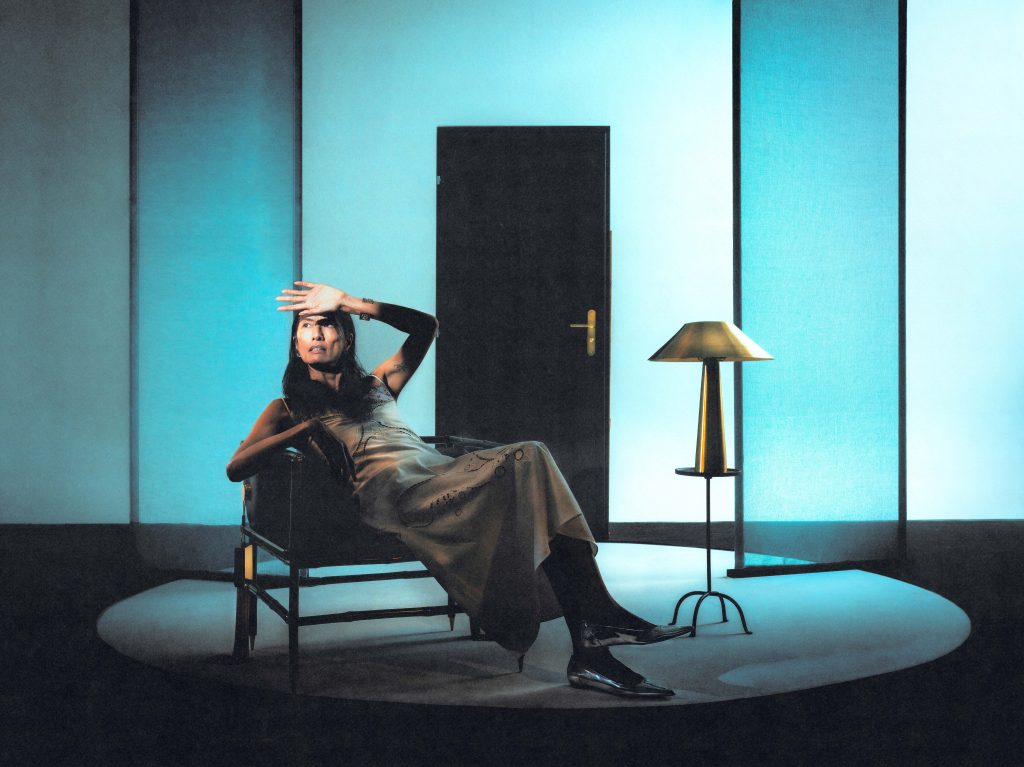
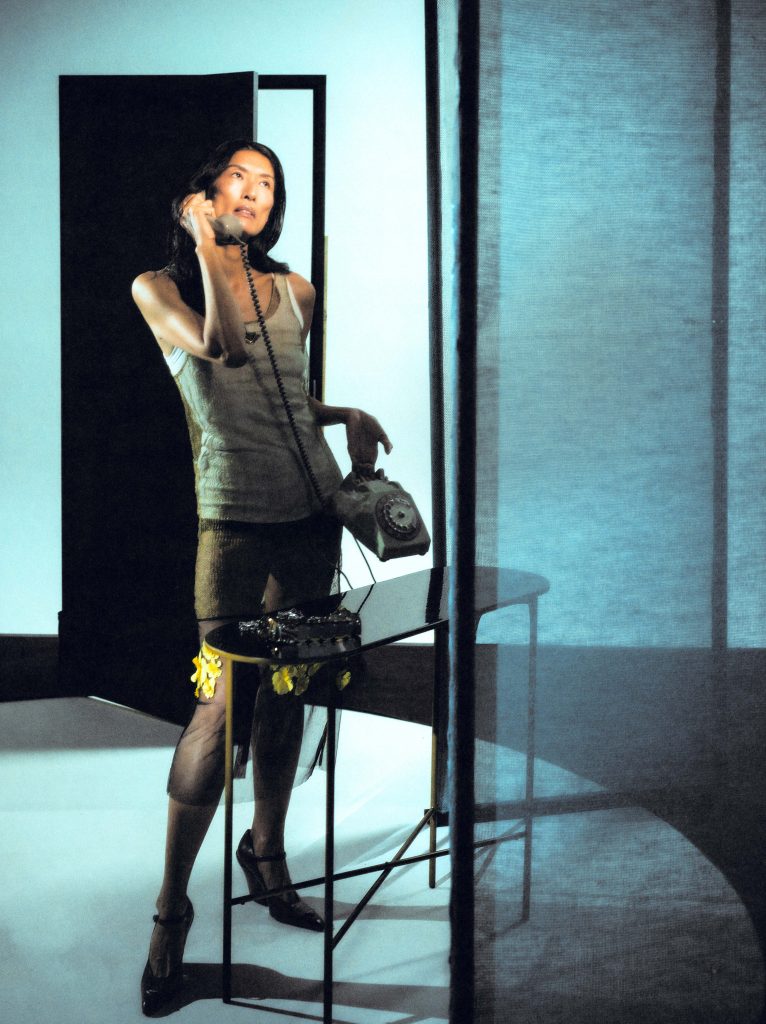
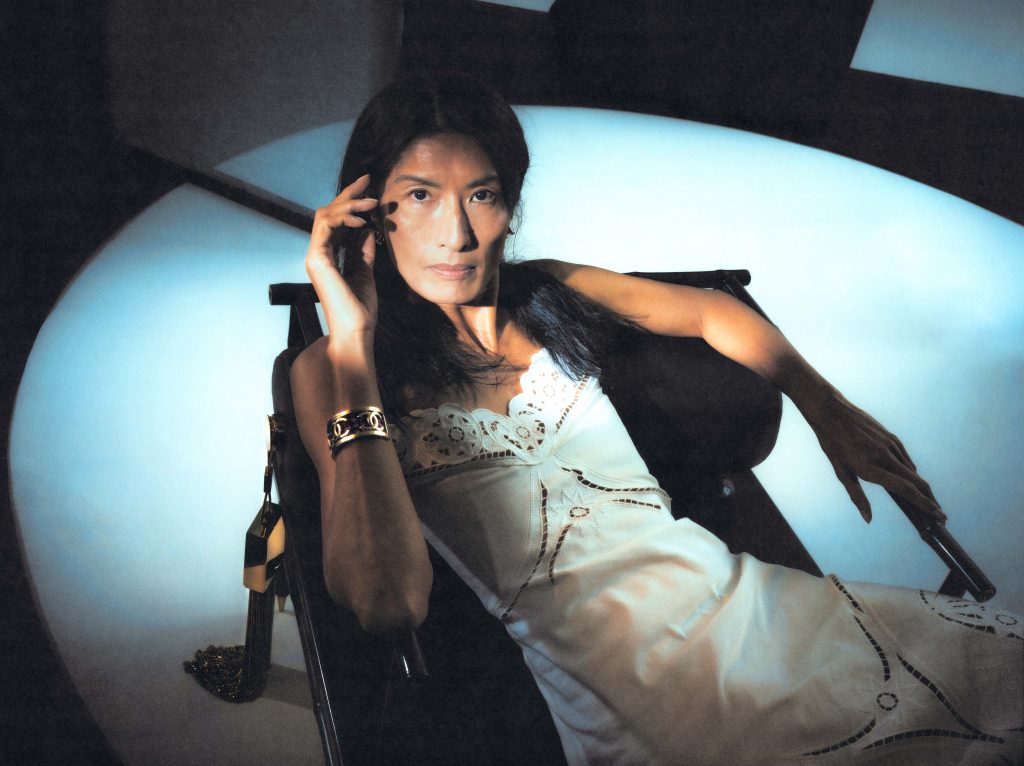
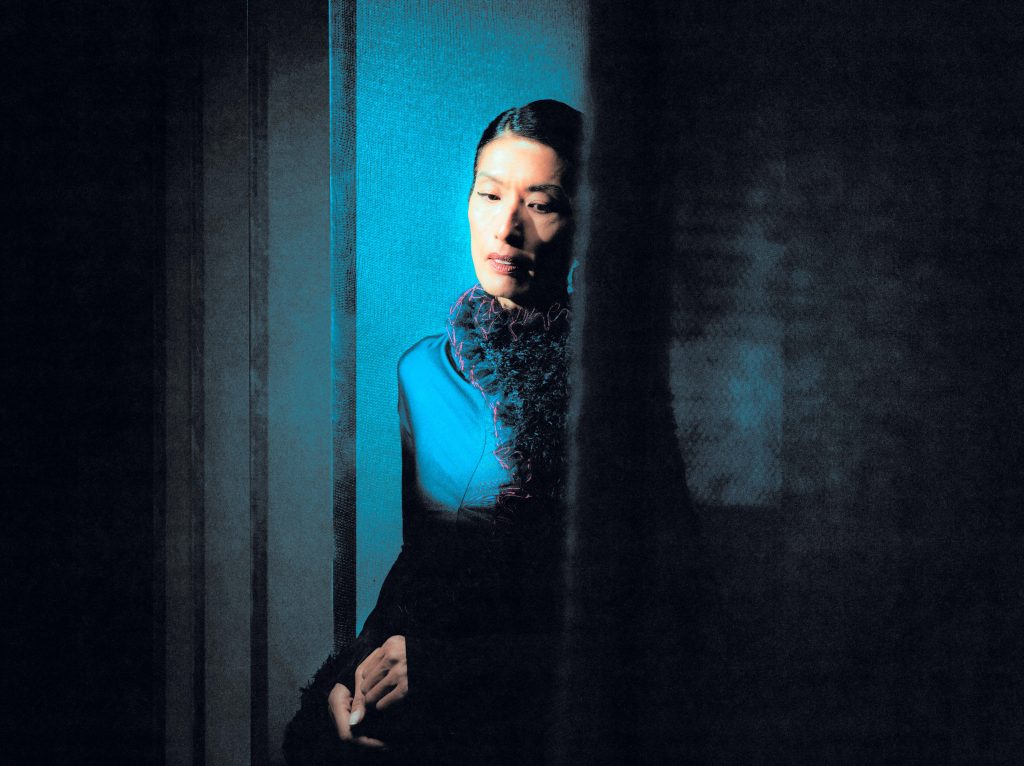
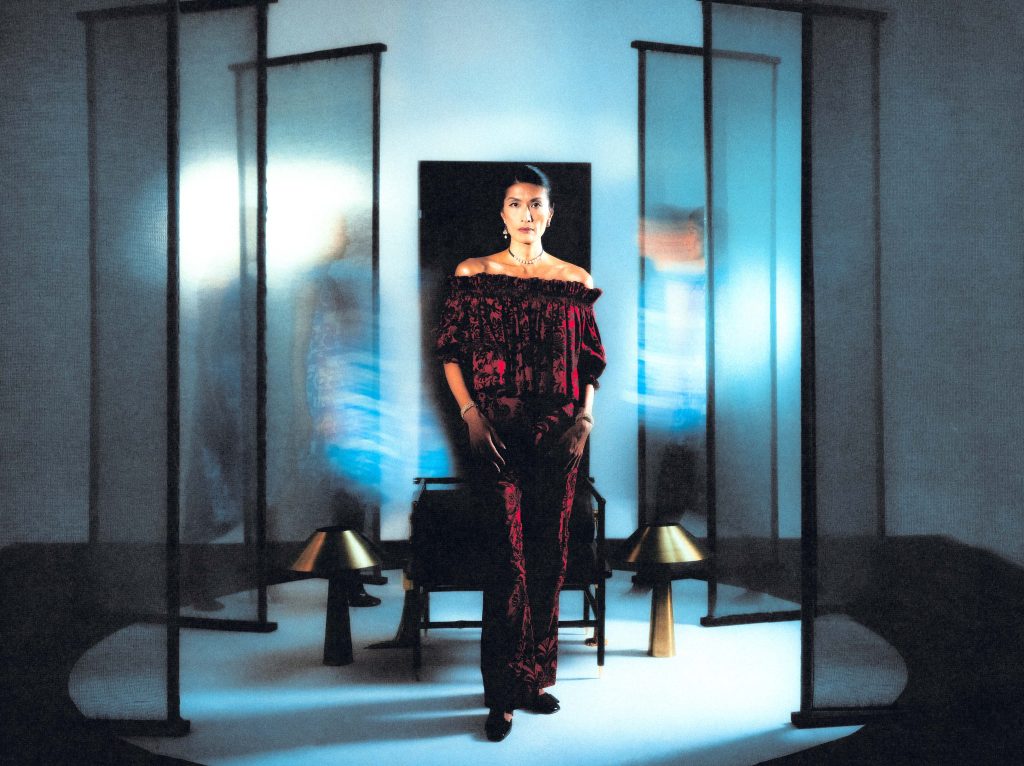
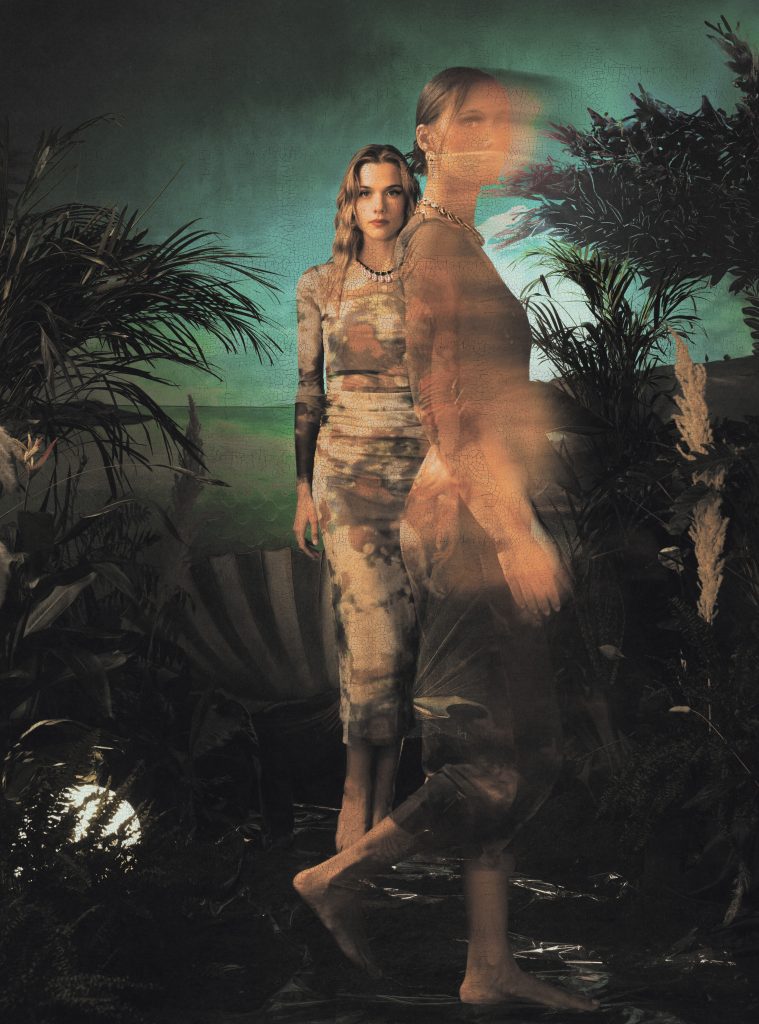
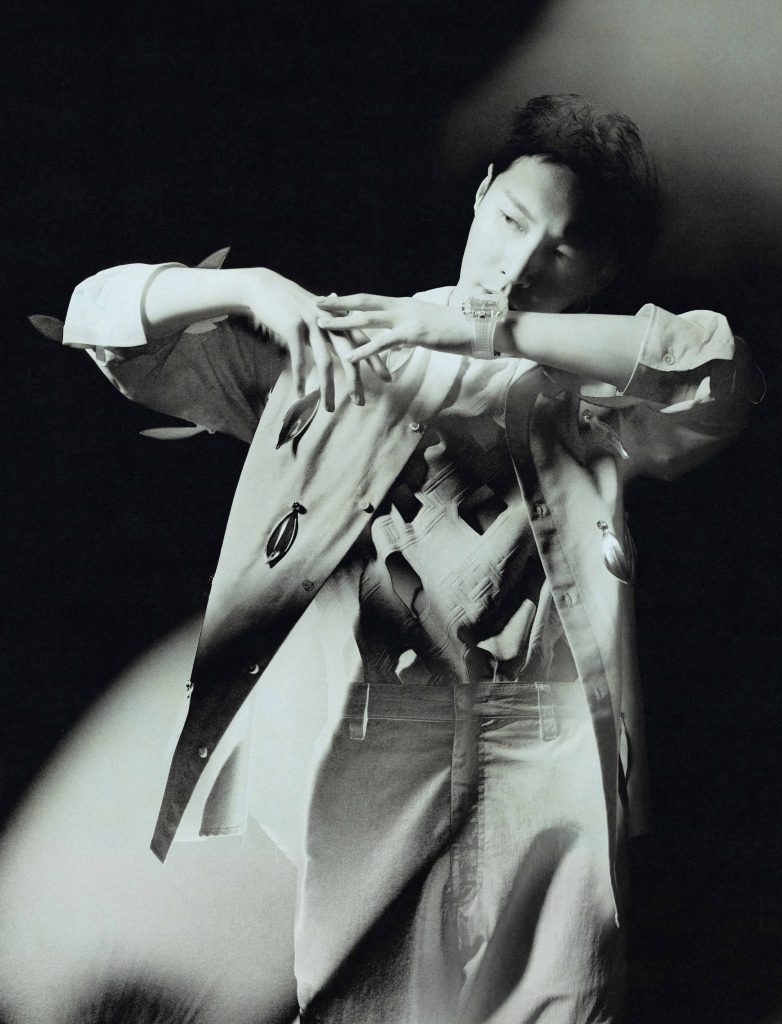
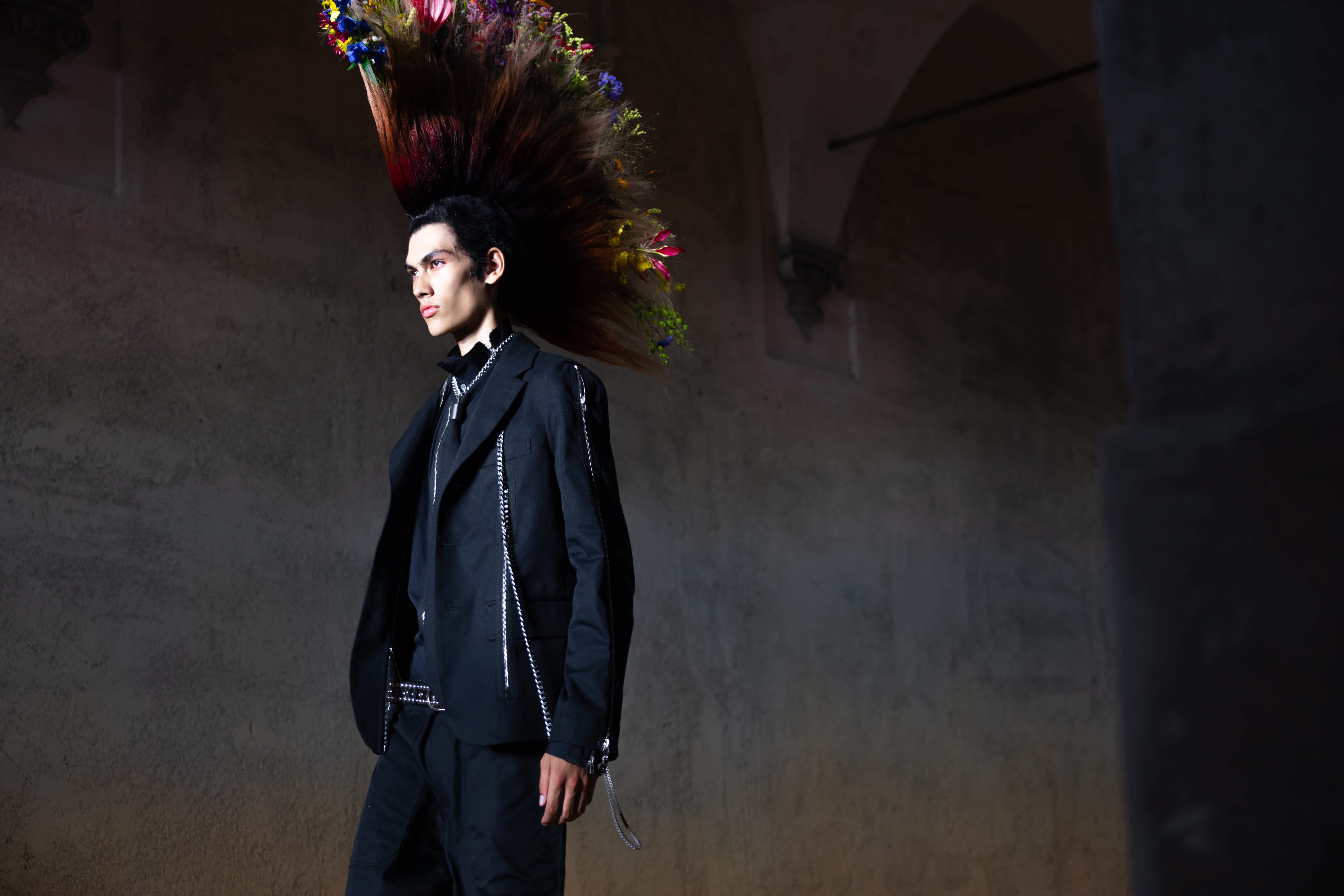
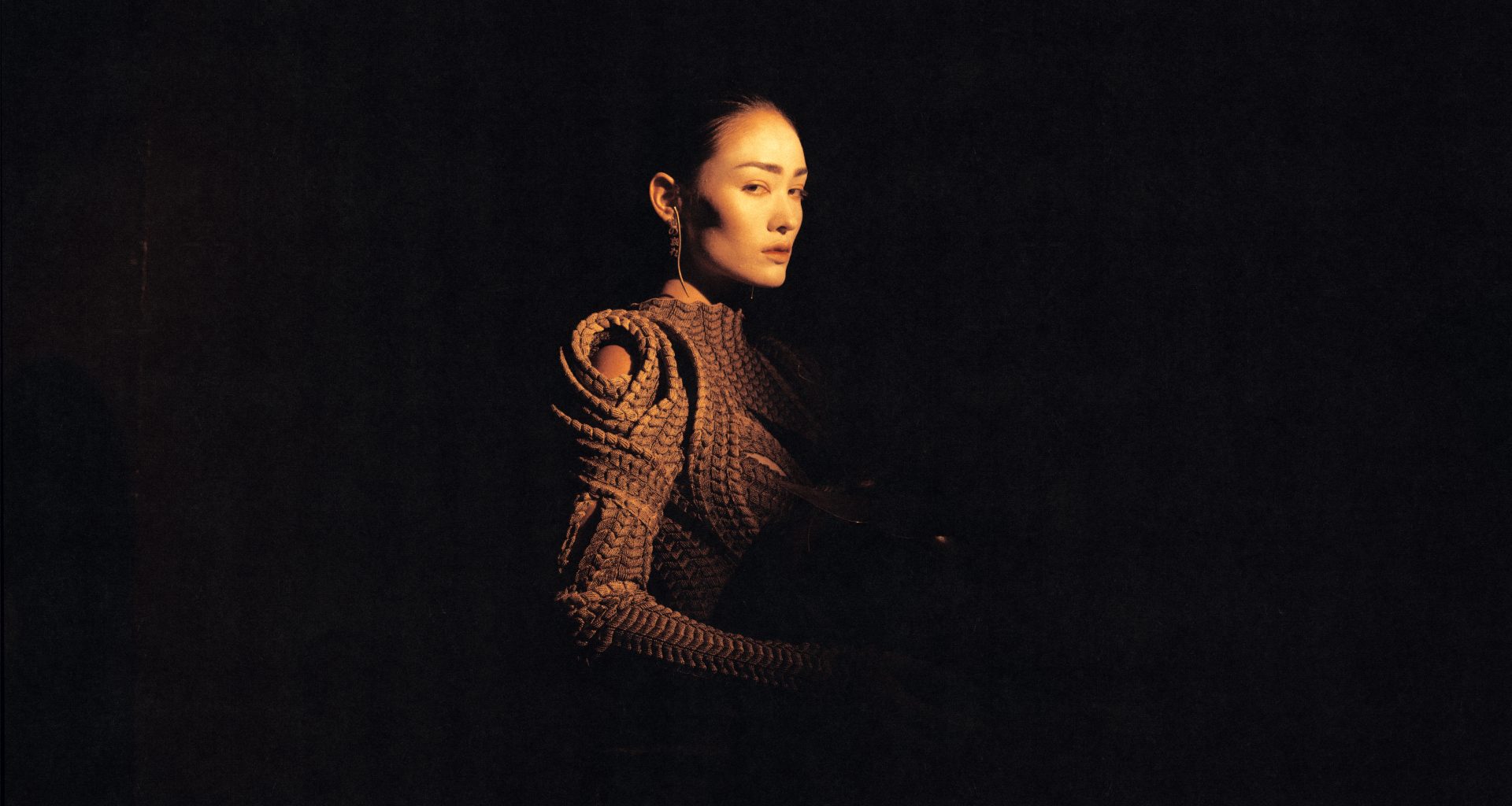
The first ones because they are all from the series called Necessary Shell. And there’s a crazy backstory to that shoot.
That’s my first shoot and I invested in it. There were a lot of emotions and I had a lot of adventures. And it’s also one of the shoots where there was no client, no magazine at first.
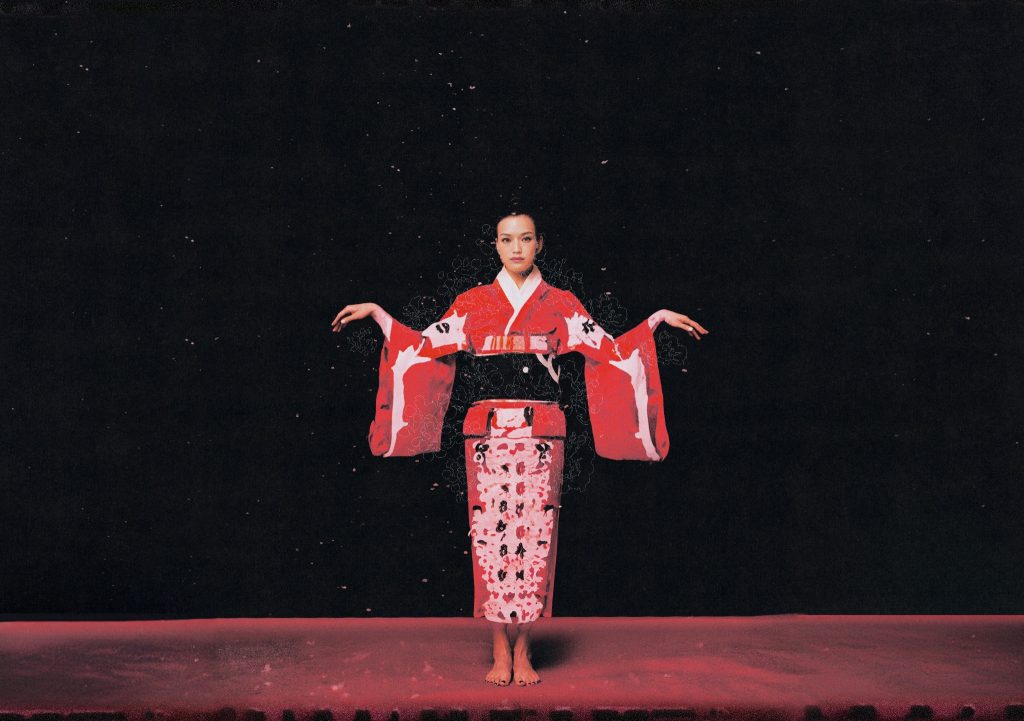
I had total creative freedom. So I think it’s like 100% me. And it also delves into the Japanese and the Samurai aesthetic, which I love so much.
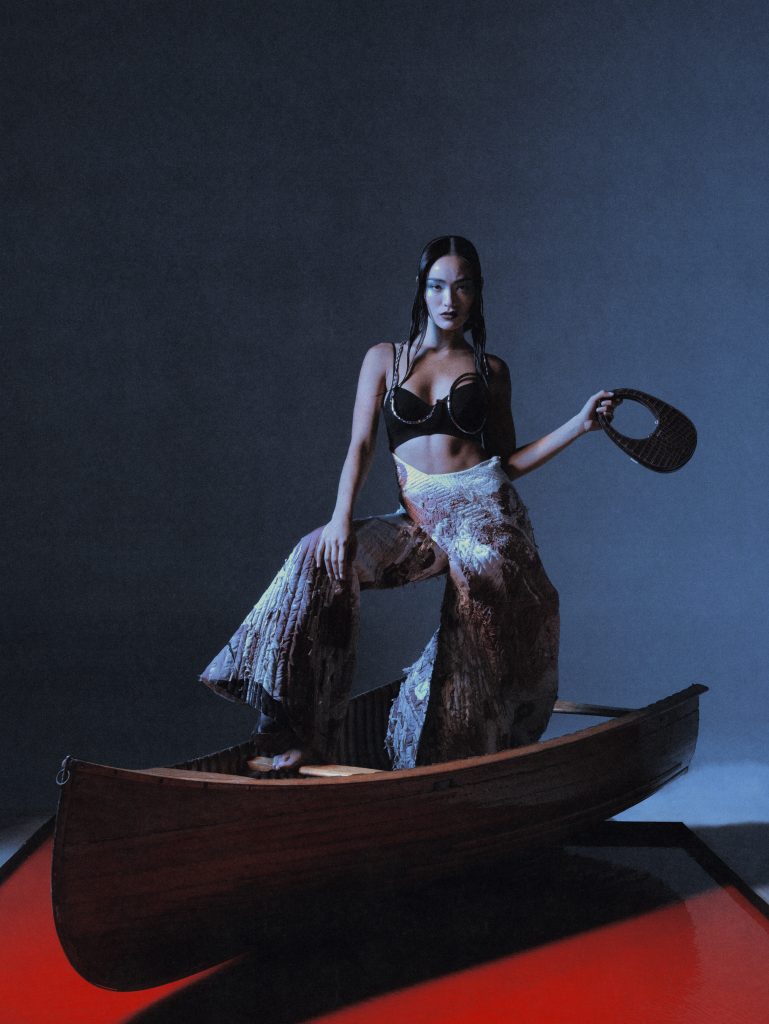
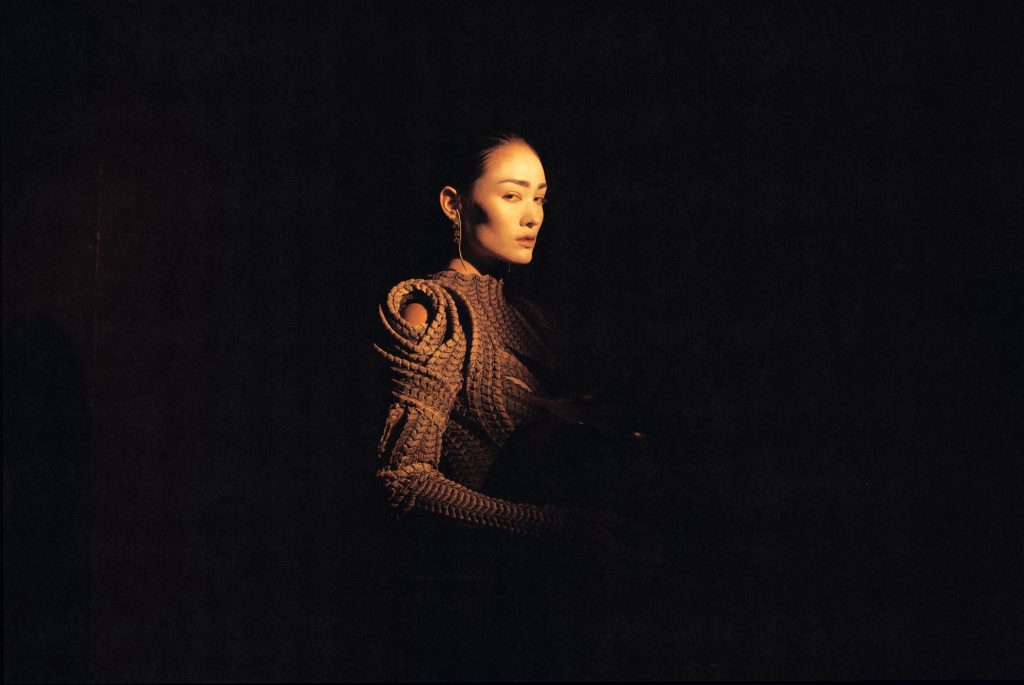
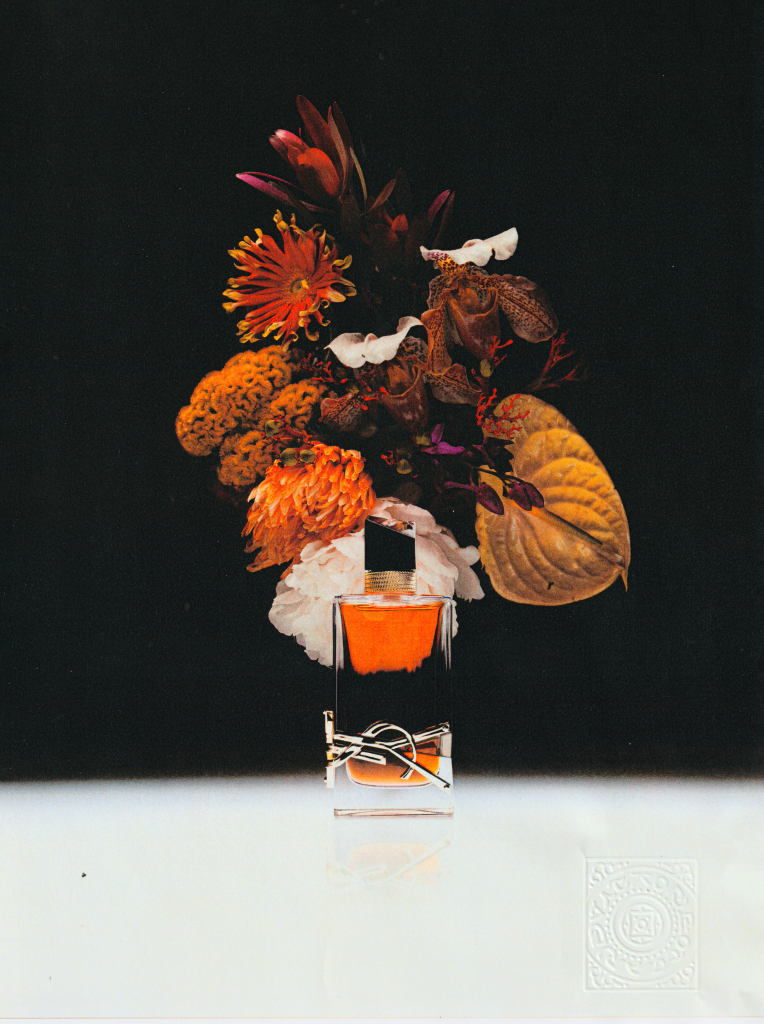
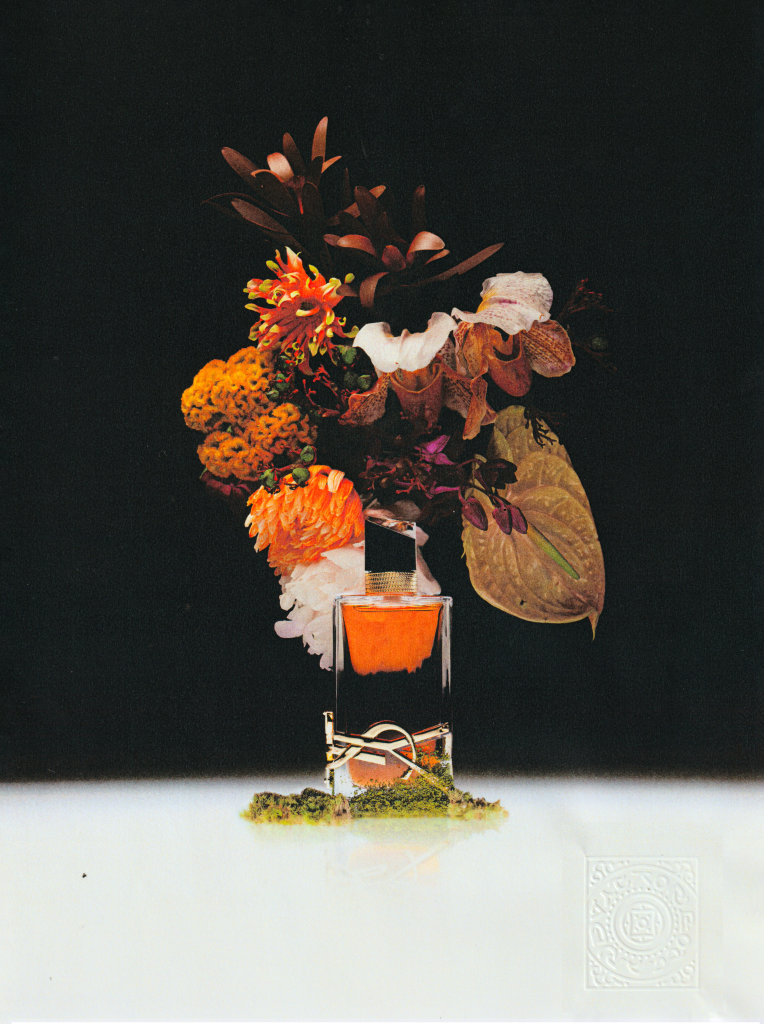
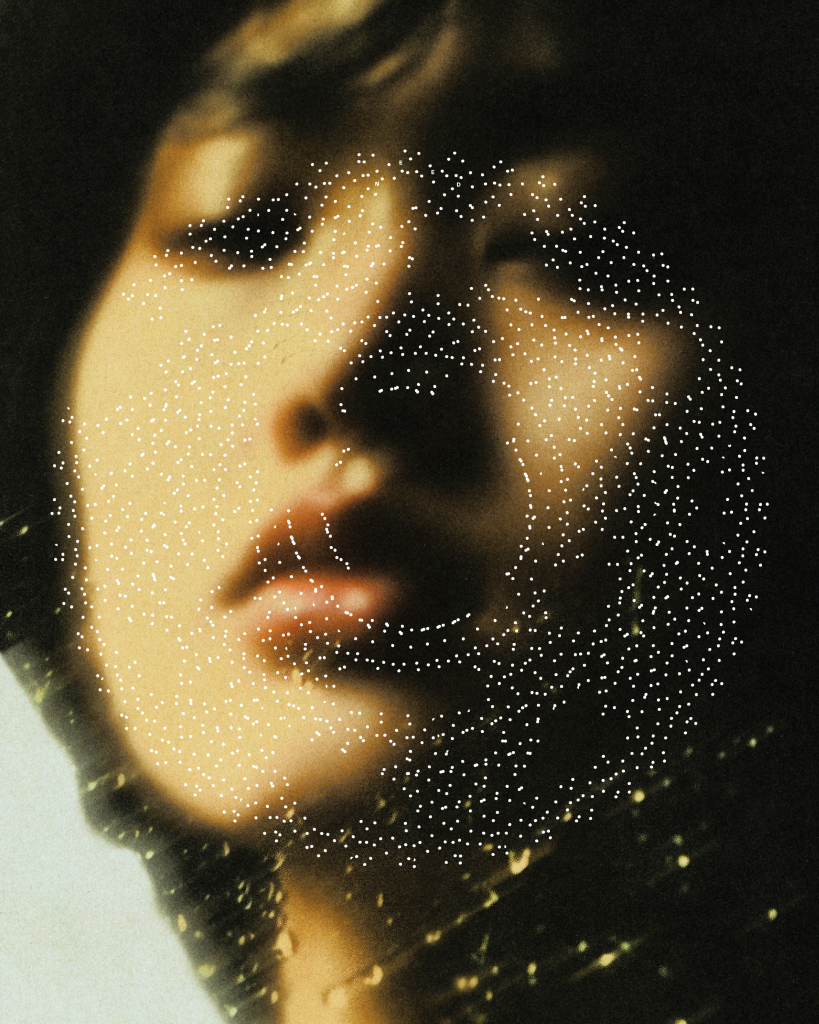
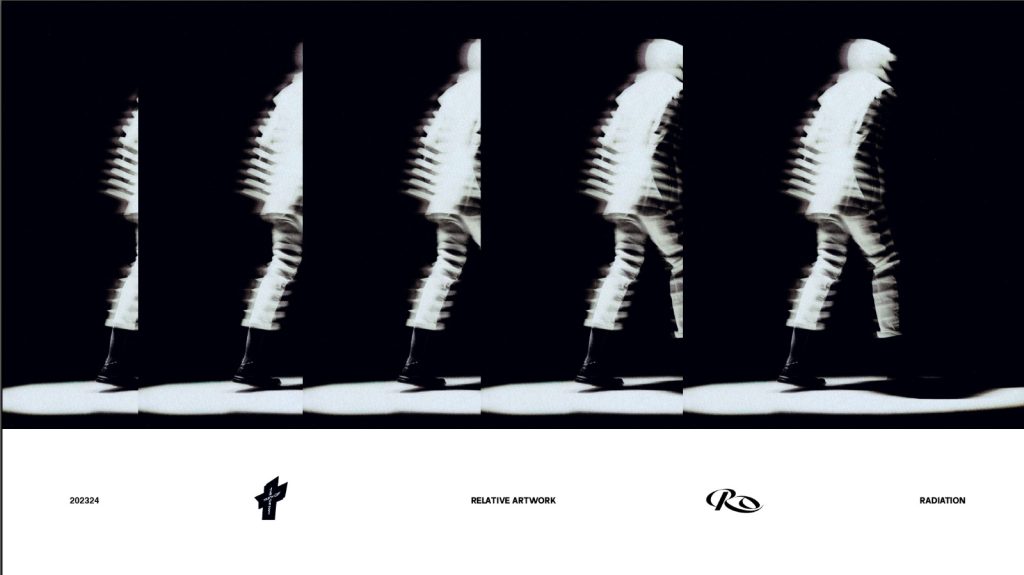
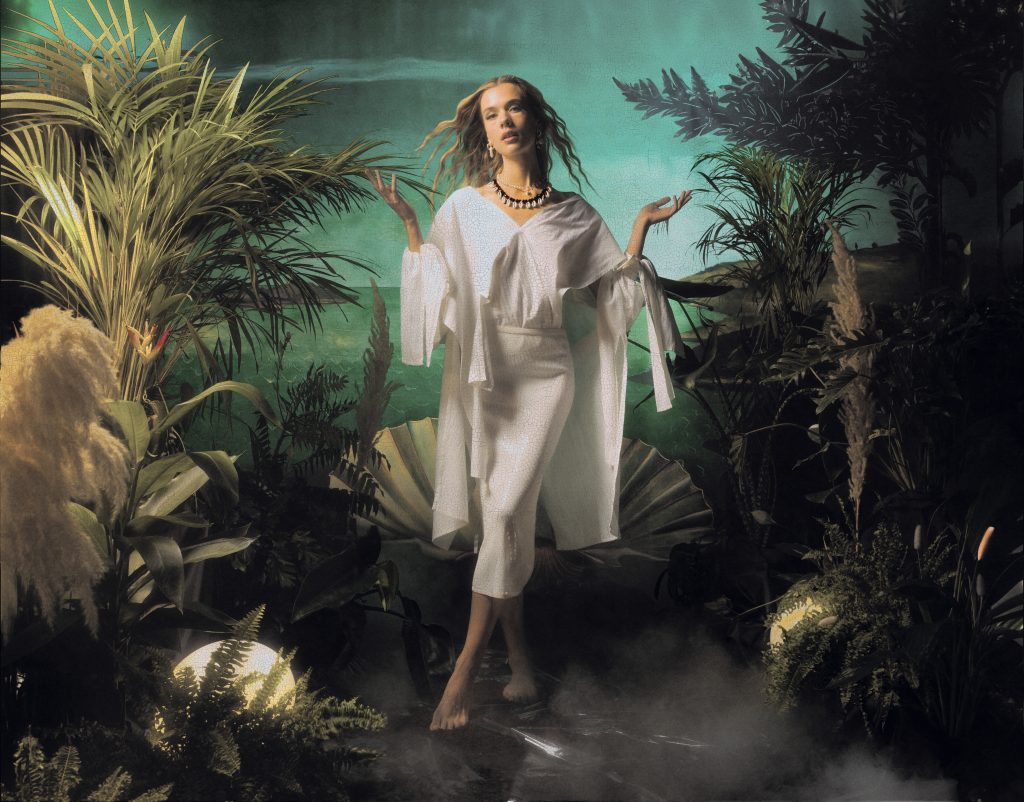
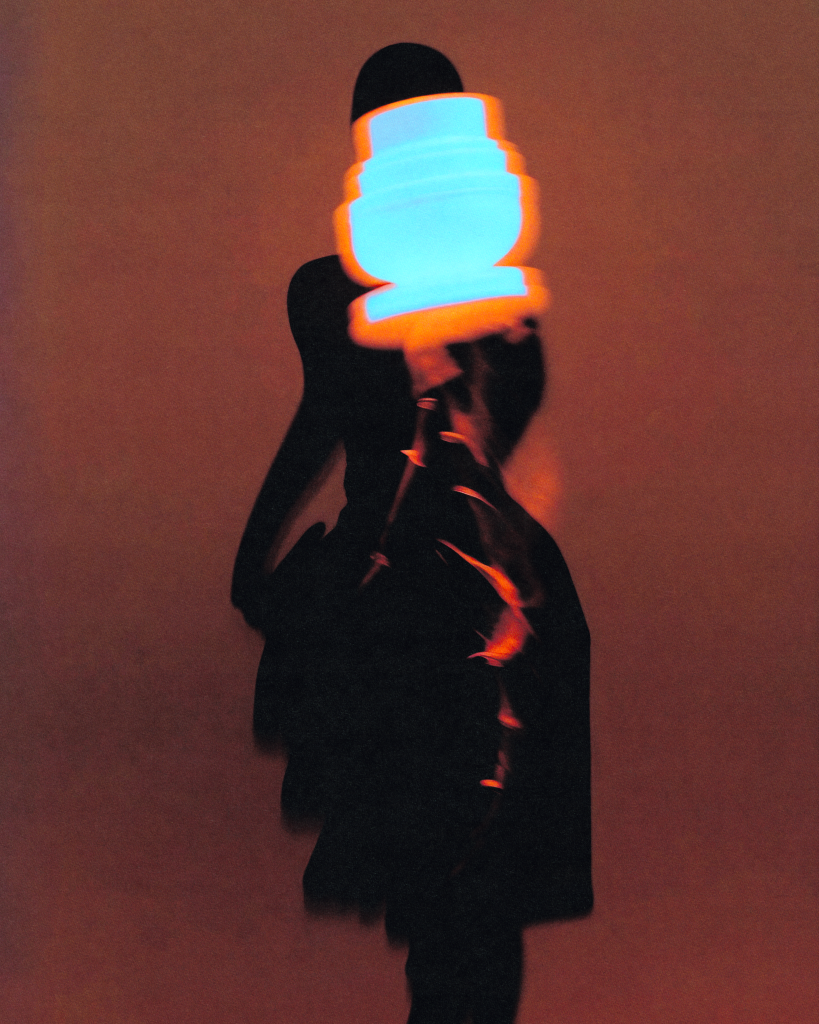
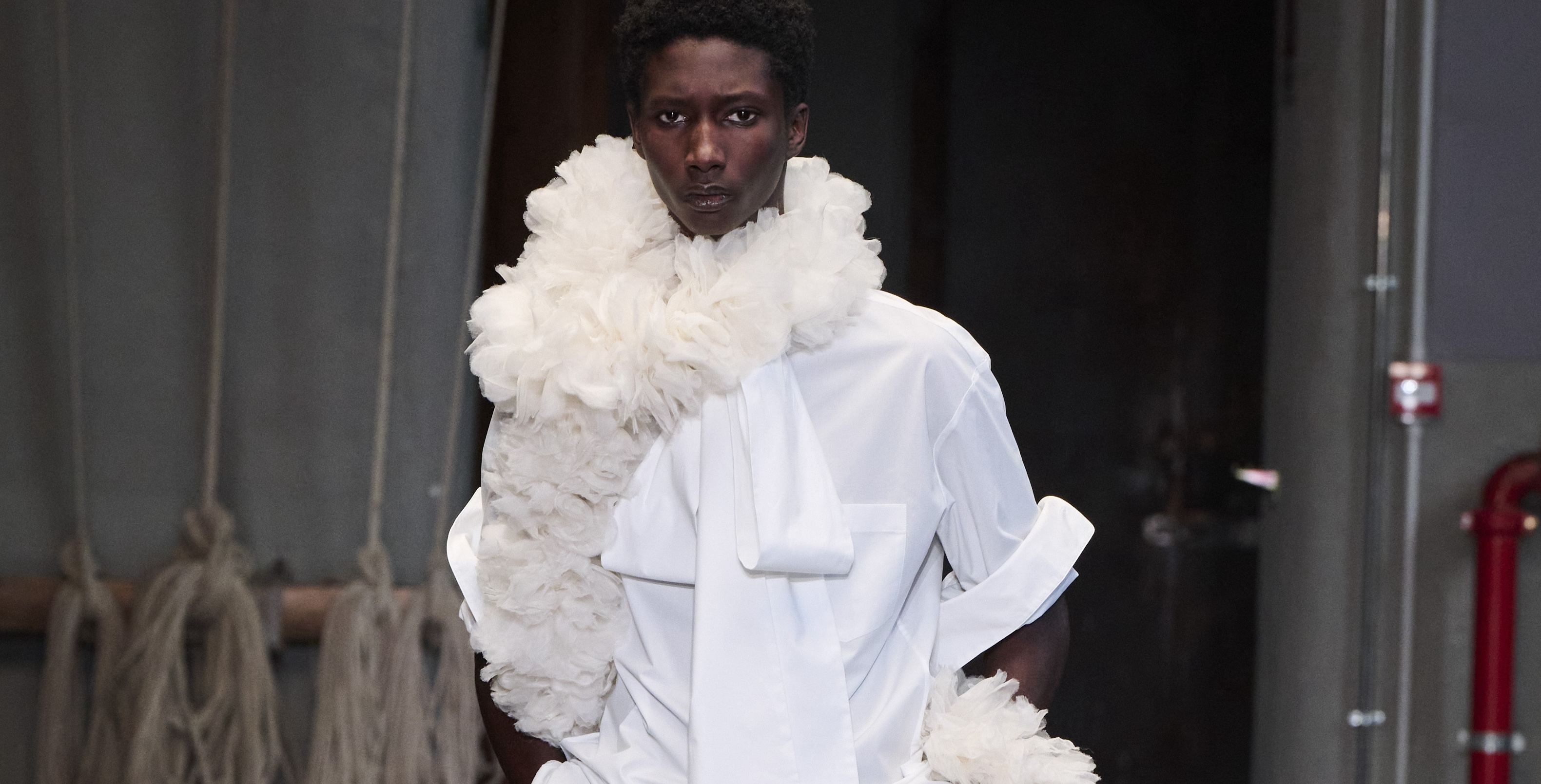
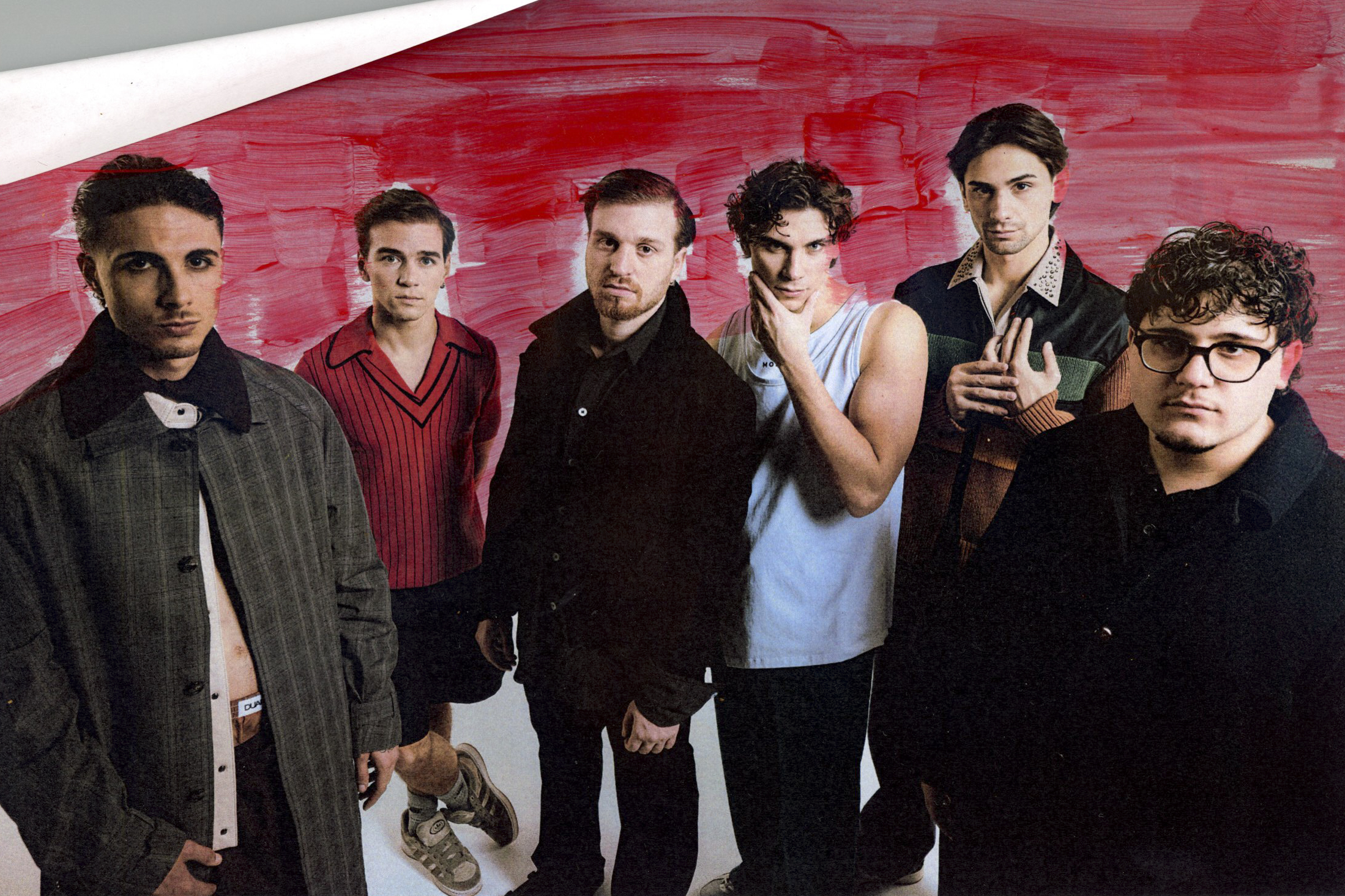
I included some personal works, some editorials, some commercials in the series. And I found it interesting that in the end, we don’t know which is which. And that might be the most important thing for me.
And tell me why you love a lot these Asian aesthetics.
It has always been so fascinating to me. Because it sounds kind of cliche, but the wabi-sabi, the art of imperfection, is something I’m feeling deeply attracted together.
It’s not perfect because it’s not symmetrical. There’s something a little bit off but splendid.
And it’s so hard to find this.
For example, what I love to do is prepare so much a shoot. Everything is set and done before to start: moodboard, colors, lights, etc.
I’ve rechecked with the stylist a thousand times. So everything is fully prepared. And I do the same in cinema.
But still, there’s always a little factor of improvisation during the shoot. And most of the time, it is this tiny improvisation that gives this off feeling, the wabi-sabi. Like, oh, I didn’t expect that.
And that’s usually from where the soul of the shoot comes out.
What’s your background?
My background is pretty weird for what I’m doing now.
I used to be an actor when I was younger. And that’s how I opened my first doors into the cinema industry.
And then I kind of became a director, first shooting a lot of short films.
Later, I discovered my passion and I became artistic director for commercials.
That’s where I really discovered fashion industry and fashion films of course.
I totally fell in love. For me, it was the perfect blend of selling something, because you’re selling the image of the brand. But still adding the creativity and the terrain to express myself with music.
I also love music videos and stuff like that so it was definitely the perfect blend. That’s how I became like fashion director and photographer.
«Photography is more than a medium for factual communication of ideas. It is a creative art», Ansel Adams said one day.
Is photography a form of contemporary art? How can you contextualize it in 2024?
That’s a tough one. I would say that it’s the best work of art that an artist could aspire to.
Because I think when you’ve reached the point when your abstract work brings a world of its own, you’ve made it.
Being figurative is pretty easy. That’s why I’m a little bit against doing all this photography with iPhones.
Because even though it’s a great, great tool, it becomes too easy. So being figurative is more easy, I think. But conveying feelings with abstract work should be a goal for a lot of artists, I think.
And again, it reaches my point of going for painting, going for tapestry. Those are mediums that go throughout the ages. And I think maybe this kind of work has a total right place in a museum and to go through the different ages.
If you imagine your work as part of your heart, the only goal you should have is to be evergreen. You should be able to create something that is forever, like a Caravaggio.
Exactly, exactly. I know it is ambitious, but if you are not ambitious… But you have a duty for yourself, is to be ambitious. I think someone who is not ambitious is kind of not paying enough respect to the work.
For me, it is sacred.
A letter to your future self.
It’s difficult, a letter to my future self…
Of course, I would say, don’t give up!
I would say that I hope you’re able to be even more picky, to keep on your own taste and not being influenced too much.
Trying to conserve a child’s soul on fire, even though the way to the top is so long. And it can be so tiring.
On the way, you can lose your fire and you can lose what makes you an artist.
Be strong, don’t lose it. Yeah, don’t lose it.