

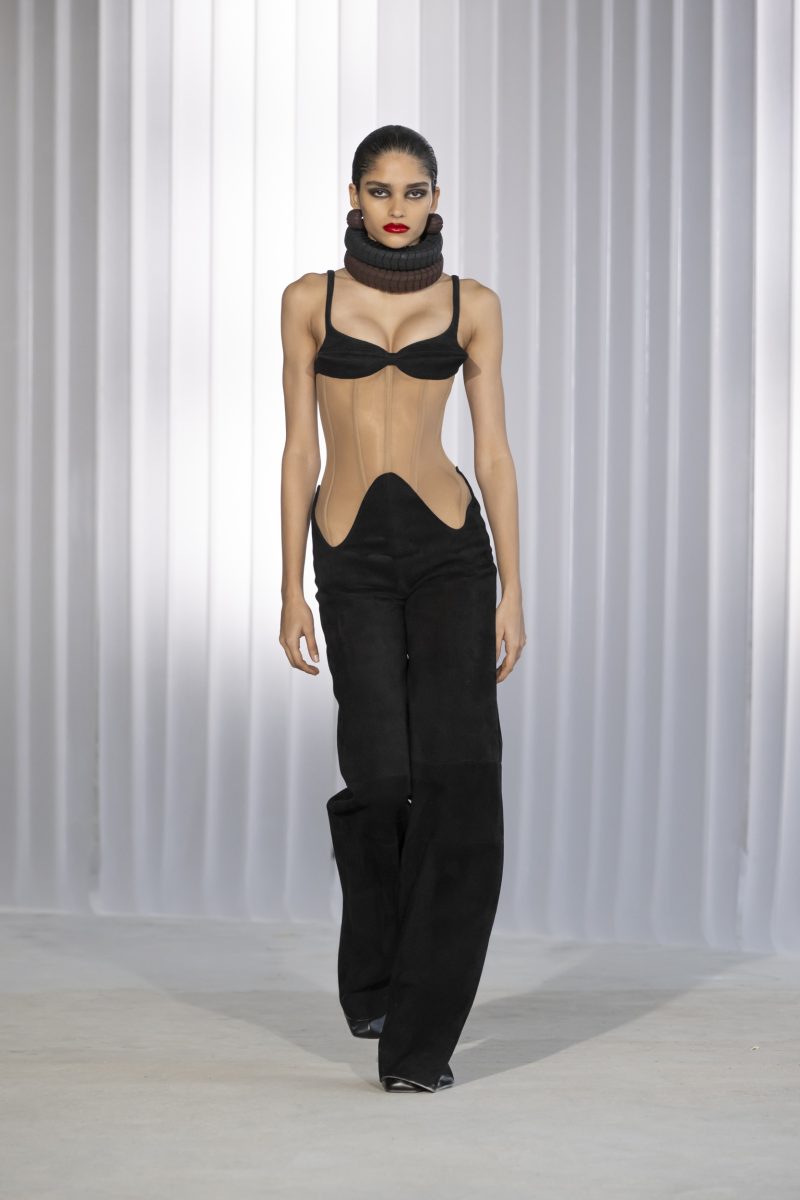
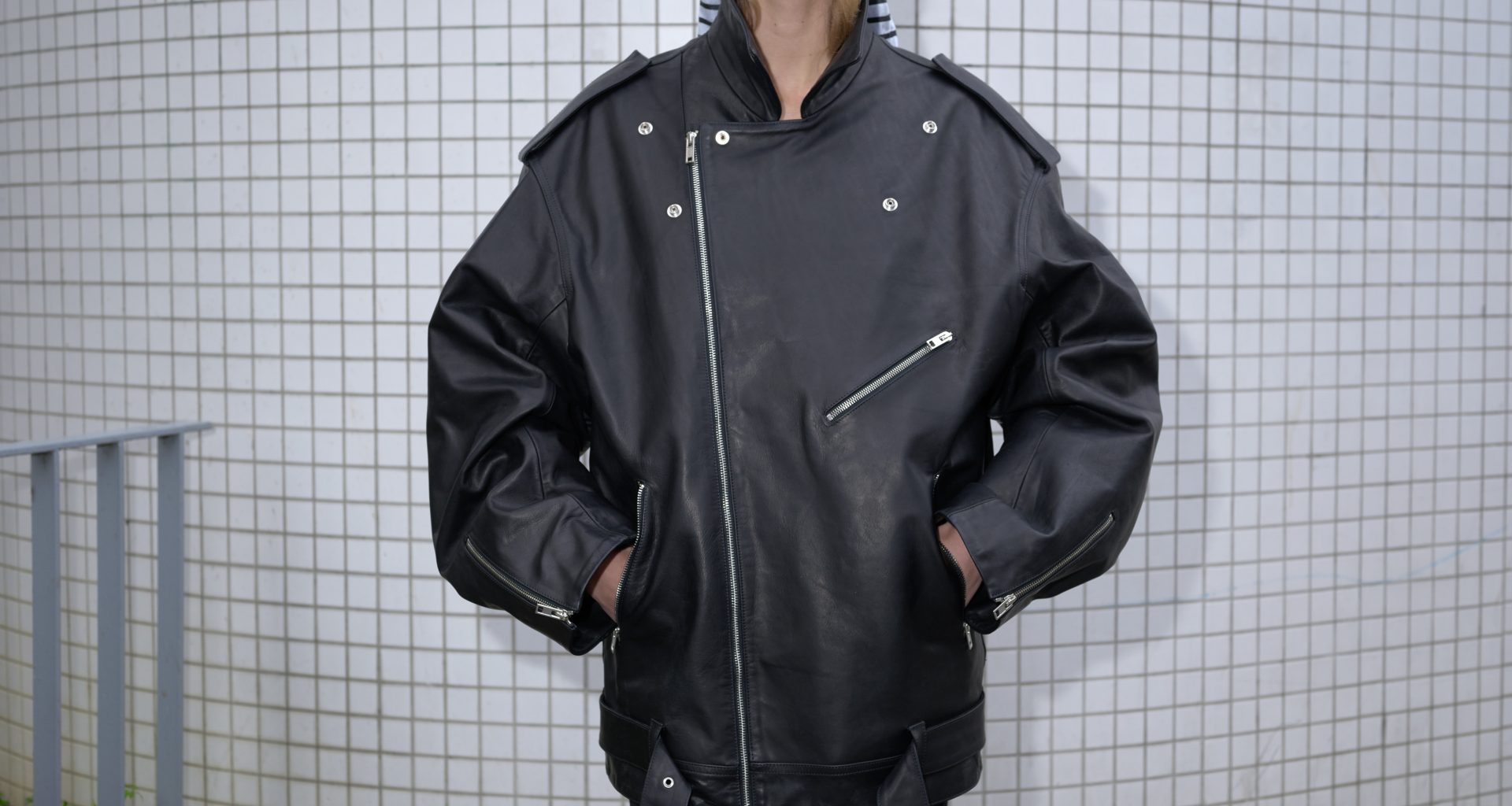
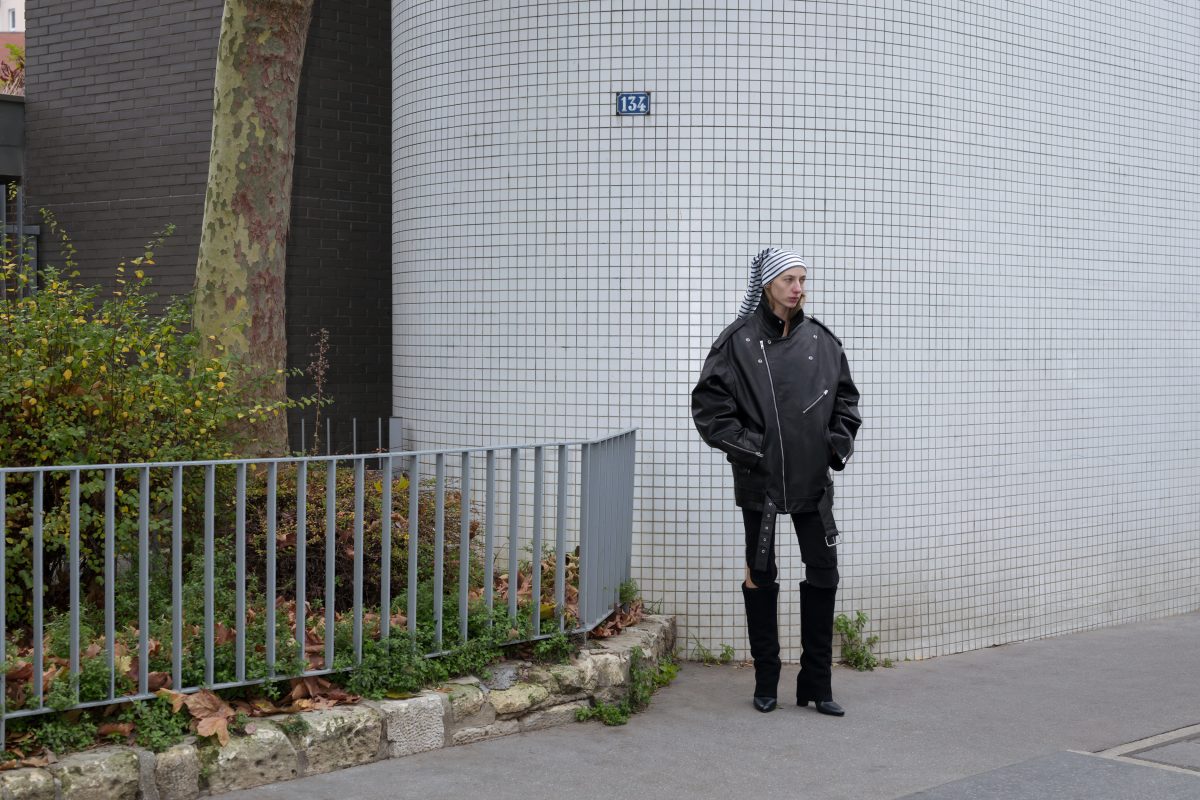
In a fashion industry obsessed with speed, image, and perfection, Seconda Paris operates on a different rhythm. Founded by Andrea Bertazzon and Marco Marino, the brand explores the tension between structure and unpredictability, strategy and intuition, failure and rebirth. With their latest collection, FORTUNA, they reveal a universe where outerwear becomes a vessel for second chances, slowness is a radical act, and every choice carries cultural meaning.
We spoke with Andrea and Marco about what it takes to build a brand — or perhaps, a belief system — that dares to move differently.
ANDREA BERTOZZON
You’ve worked inside two very distinct fashion languages — from the poetic precision of Lemaire to the cultural layering of Wales Bonner. What did you have to unlearn in order to build Seconda Paris?
From Lemaire, I learned the importance of the single product and its utility in everyday life. From Wales Bonner, I learned the importance of coherent, honest storytelling. With Seconda, holding both approaches in mind, we wanted to propose meaningful pieces: archetypes remembered and reinterpreted through a contemporary lens. The concept adds an invisible layer to the garment’s construction, not as decoration, but as structure. And finally, there is the quality of Made in Italy, with the awareness that in modern times a fashion product alone is not enough. The most responsible way to waste less is to make garments that can last, materially and emotionally, over the long term.
Outerwear is about protection, structure, control — yet FORTUNA embraces unpredictability. How do you design garments that hold tension without resolving it?
Outerwear is the perfect place to stage that contradiction, because it’s the most “authoritative” category: it frames the body, defines silhouette, signals intent. If FORTUNA is the acceptance of what you can’t fully steer, then the design task isn’t to make chaos look pretty, it’s to build a garment that admits contingency and still feels deliberate. The “brand” isn’t the moodboard, it’s how you respond when the sample comes back wrong, when trims are unavailable, when the factory interprets a line differently, when a material behaves in a way your mind didn’t predict. That’s what Seconda means to us: doing things a symbolic second time, not to resolve the tension, but to give it form.
In a system addicted to acceleration, choosing to release one collection per year feels almost radical. Is slowness your form of rebellion?
Slowness is not nostalgia for us, and it’s not a luxury pose. It’s a way to protect intention. Seconda is about not stopping at the first attempt, but insisting on the second time, the second meaning. Working with deadstock, existing objects, fabrics that already carry a history means you can’t force the process, you have to listen to what’s available, what’s missing, what resists. That inevitably takes time. So slowness isn’t a romantic statement, it’s the condition that makes our method possible. It allows the product to arrive at a real balance between concept, utility, and fashion. If we accelerated, we’d lose the point: the piece wouldn’t have to negotiate anything, it would just be an image. We prefer to give it time to make sense.
Seconda Paris speaks about second chances and deviation. Have you ever experienced a “failure” that later became formative in your creative process?
A4. Isn’t that the definition of design? All day, every day. Design is a continuous relationship with failure: ideas that don’t translate, materials that don’t behave, proportions that don’t work, decisions that feel right in your head and then fall apart in reality. That friction, that gap, is the work. If I had to name one failure that became truly formative, it’s learning how to choose the right people to collaborate with. Early on, you think the concept is enough and that talent will automatically align. But the wrong collaborations can distort the entire process: timelines slip, communication breaks down, and all your energy goes into managing tension instead of turning it into product. It taught me that “Seconda” isn’t only in the garment — it’s also in the structure around it, and in the people who helped build it and keep building it. The second chance is knowing when to step back, reframe, and rebuild the team, so the work can deviate in the right direction.
If you were to write a letter to your future self ten years from now — beyond the hype, beyond the noise — what would you hope Seconda Paris has protected, and what would you be afraid it might have compromised?
I’d hope Seconda has protected the reasons we started: the freedom to deviate, the patience to do things twice, and a way of working that keeps the relationship with makers, materials, and friends intact. I’d hope we protected the integrity of the product, that each piece still carries a real balance between concept, utility, and fashion, and that we never built for volume at the expense of meaning. I’d be afraid of losing the human structure around it — the trust, the care, the attention. Because if that goes, even if the brand looks successful, it wouldn’t feel like Seconda anymore.
Marco Marino
Q1. You operate between strategy, image-making, and academia. How does understanding the machinery of fashion influence the way you choose to disrupt it?
A1. I constantly tell those who approach this sector that you can subvert and be radical only if you know everything: its mechanisms, its history, the socio-political dynamics that move cities and people. Only at that point can you begin to question this world. I started working in factories by day and studying by night, preparing for classes I would soon teach. To invent new traditions, you must perfectly know the old ones. Knowing the mechanisms of fashion allows me to stand precisely at the center, constantly negotiating balances that can satisfy capital while moving toward an ecosophic path.
Q2. As Head of Press and Image, you know how narratives are constructed and consumed. With Seconda Paris, are you building a brand — or are you building a belief system?
A2. In our experience, even if brief given our age, we are able to read a brand. The challenge is to create a world capable of producing long-term cultural value. We are not sure of anything, not even what may happen tomorrow — the contemporary teaches us this every day. The creation of a world of meaning can help confront a near future in which we might not have the possibility to physically develop our products within a wide merchandise framework. Perhaps the next collection could focus on a single object, minimizing both physical and material movements. We choose the most difficult path: creating values rather than simply products.
Q3. FORTUNA deals with luck and unpredictability. In an industry obsessed with control and positioning, do you think success is ever truly strategic?
A3. What do we mean by success? Its image? Real profitability? Paying all collaborators fairly? For FORTUNA, success is first of all to exist and to have come into the world, also thanks to luck. To have been appreciated by the buyers we wanted and distributed. Success lies in existing and not falling back into the toxic languages and soft power we have always been accustomed to. If you define it by reposts or VIPs wearing our objects, that is not success. Success is paying our suppliers on time.
Q4. You move between theory and practice — teaching, developing accessories, shaping visual identity. How do you balance intellectual rigor with instinct?
A4. Forging objects and forging thoughts are dictated by the knowledge and discipline that regulate our hands, our language, and our thinking. Intellectual rigor and instinct go hand in hand, and the nature of the project itself forces them to move together. I always try to read, even if it means giving up a deadline. Learning allows instinct to develop because it becomes a constructed instinct. Every choice is supported by a memory I carry from past readings, from concepts I borrow and debate, from writers who constantly support me even if they come from past centuries.
Q5. If you were to write a letter to your future self ten years from now — beyond the hype, beyond the noise — what would you hope Seconda Paris has protected, and what would you be afraid it might have compromised?
MARCO MARINO
You operate between strategy, image-making, and academia.
How does understanding the machinery of fashion influence the way you choose to disrupt it?
I constantly tell those who approach this sector that you can subvert and be radical only if you know everything: its mechanisms, its history, the socio-political dynamics that move cities and people. Only at that point can you begin to question this world. I started working in factories by day and studying by night, preparing for classes I would soon teach. To invent new traditions, you must perfectly know the old ones. Knowing the mechanisms of fashion allows me to stand precisely at the center, constantly negotiating balances that can satisfy capital while moving toward an ecosophic path.
As Head of Press and Image, you know how narratives are constructed and consumed. With Seconda Paris, are you building a brand — or are you building a belief system?
In our experience, even if brief given our age, we are able to read a brand. The challenge is to create a world capable of producing long-term cultural value. We are not sure of anything, not even what may happen tomorrow — the contemporary teaches us this every day. The creation of a world of meaning can help confront a near future in which we might not have the possibility to physically develop our products within a wide merchandise framework. Perhaps the next collection could focus on a single object, minimizing both physical and material movements. We choose the most difficult path: creating values rather than simply products.
FORTUNA deals with luck and unpredictability. In an industry obsessed with control and positioning, do you think success is ever truly strategic?
What do we mean by success? Its image? Real profitability? Paying all collaborators fairly? For FORTUNA, success is first of all to exist and to have come into the world, also thanks to luck. To have been appreciated by the buyers we wanted and distributed. Success lies in existing and not falling back into the toxic languages and soft power we have always been accustomed to. If you define it by reposts or VIPs wearing our objects, that is not success. Success is paying our suppliers on time.
You move between theory and practice — teaching, developing accessories, shaping visual identity. How do you balance intellectual rigor with instinct?
Forging objects and forging thoughts are dictated by the knowledge and discipline that regulate our hands, our language, and our thinking. Intellectual rigor and instinct go hand in hand, and the nature of the project itself forces them to move together. I always try to read, even if it means giving up a deadline. Learning allows instinct to develop because it becomes a constructed instinct. Every choice is supported by a memory I carry from past readings, from concepts I borrow and debate, from writers who constantly support me even if they come from past centuries.
If you were to write a letter to your future self ten years from now — beyond the hype, beyond the noise — what would you hope Seconda Paris has protected, and what would you be afraid it might have compromised?
My first fear is ruining or altering the relationship with Andrea, who is not only the founder but also my best friend. Business and friendship are not supposed to go together, yet this bond defines Seconda. I hope that in ten years, the message we tried to communicate will come across clearly: that rigorous, radical conceptual weight can coexist with a cool, desirable collection. That realization — that you can reflect, experiment, and still deliver — is what we want people to grasp immediately, and we aim to get better at making that clarity evident.
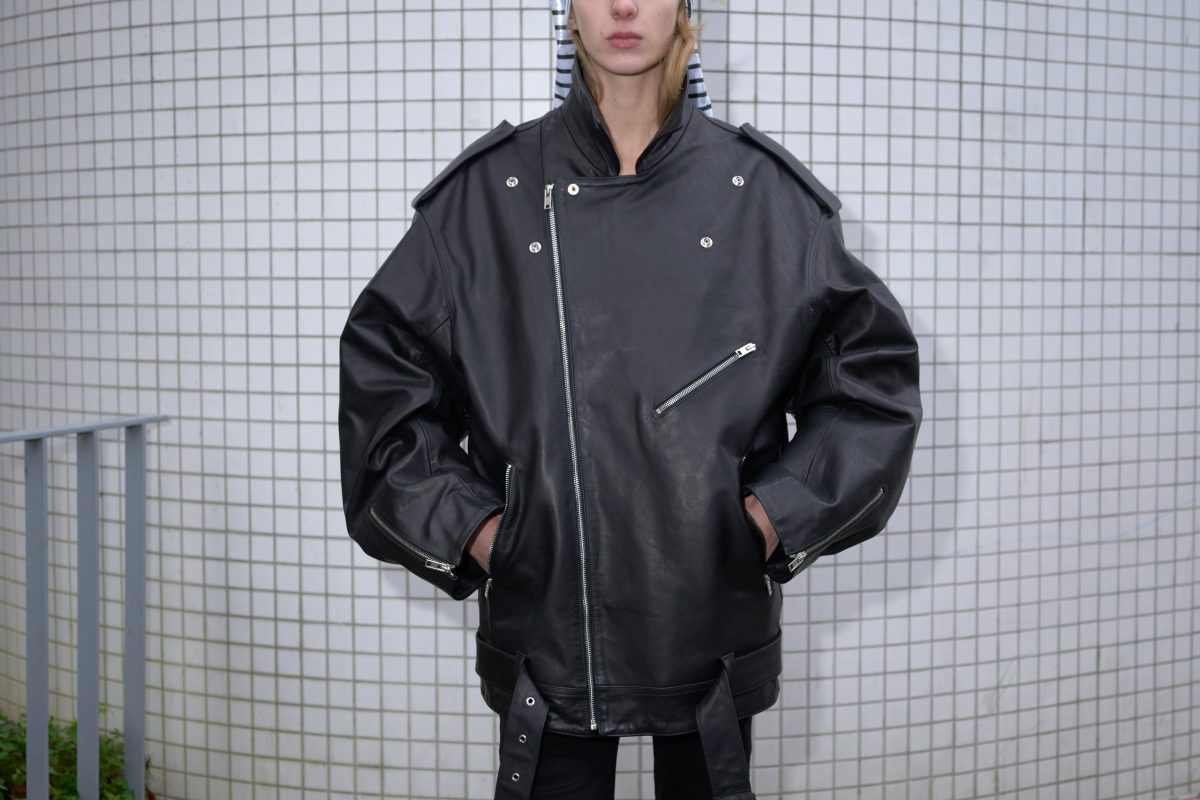
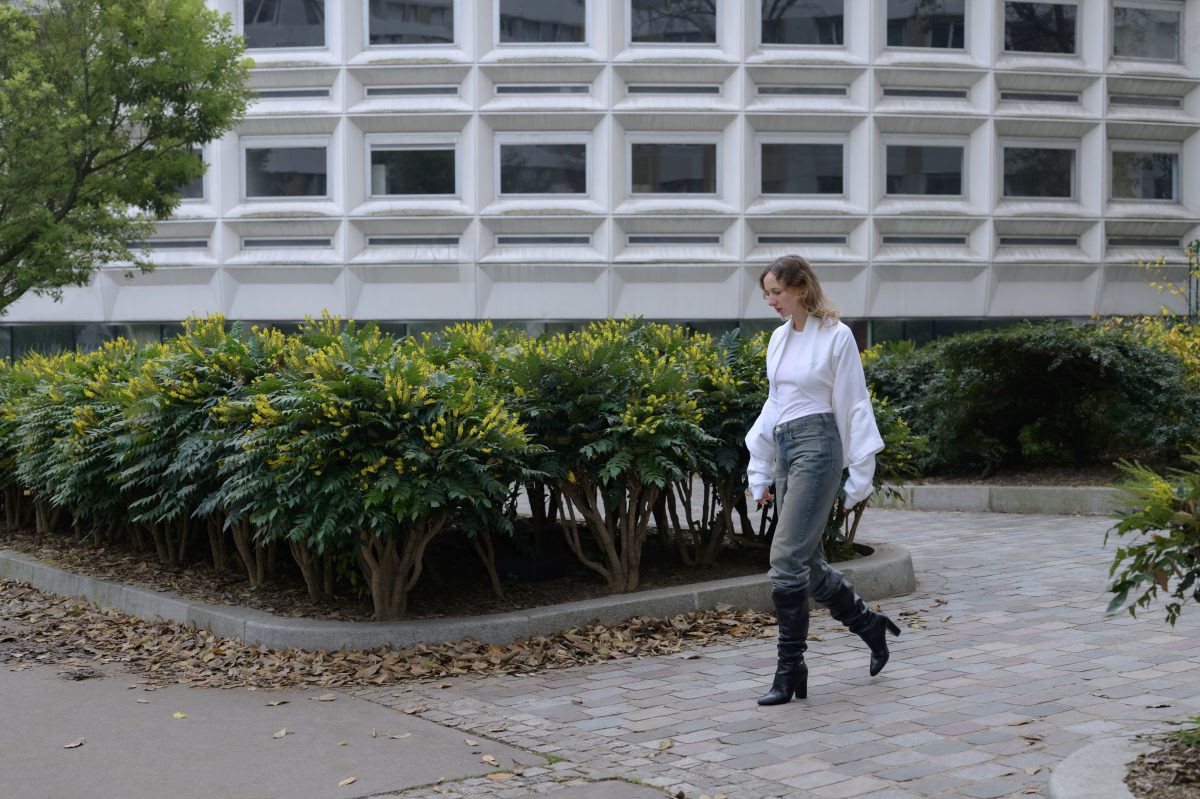
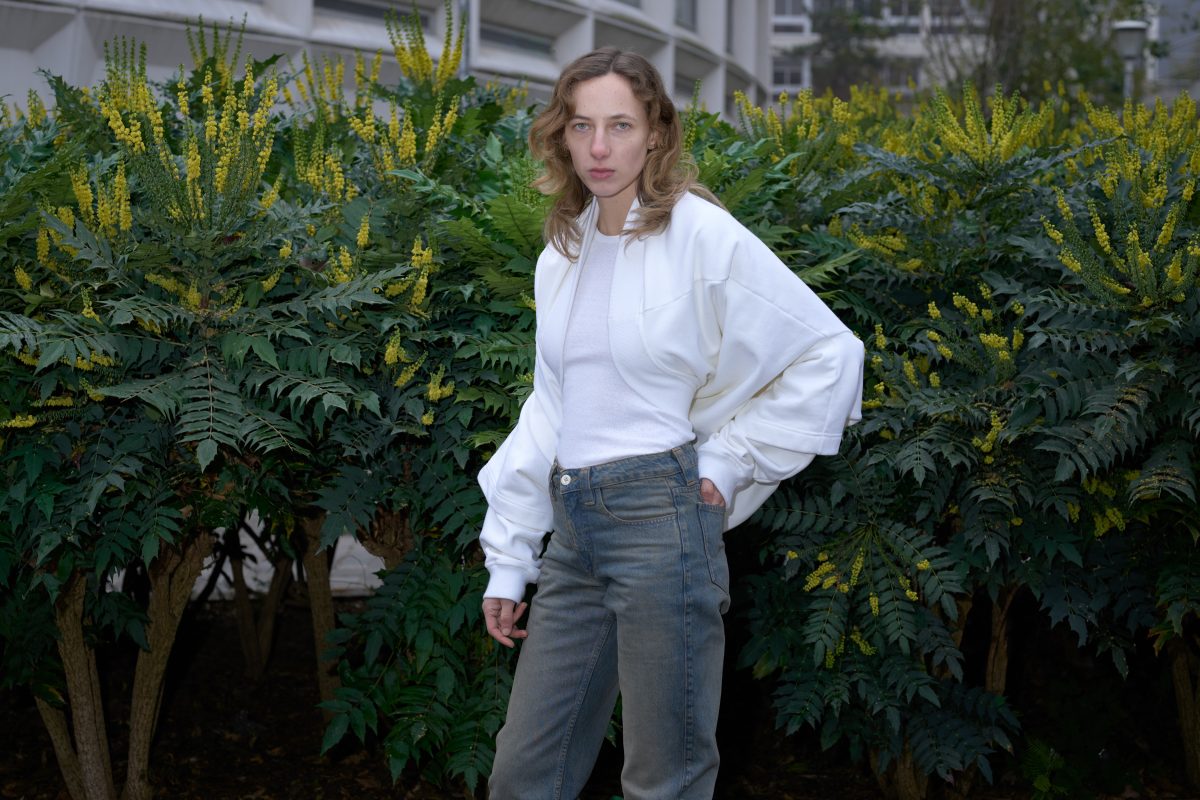
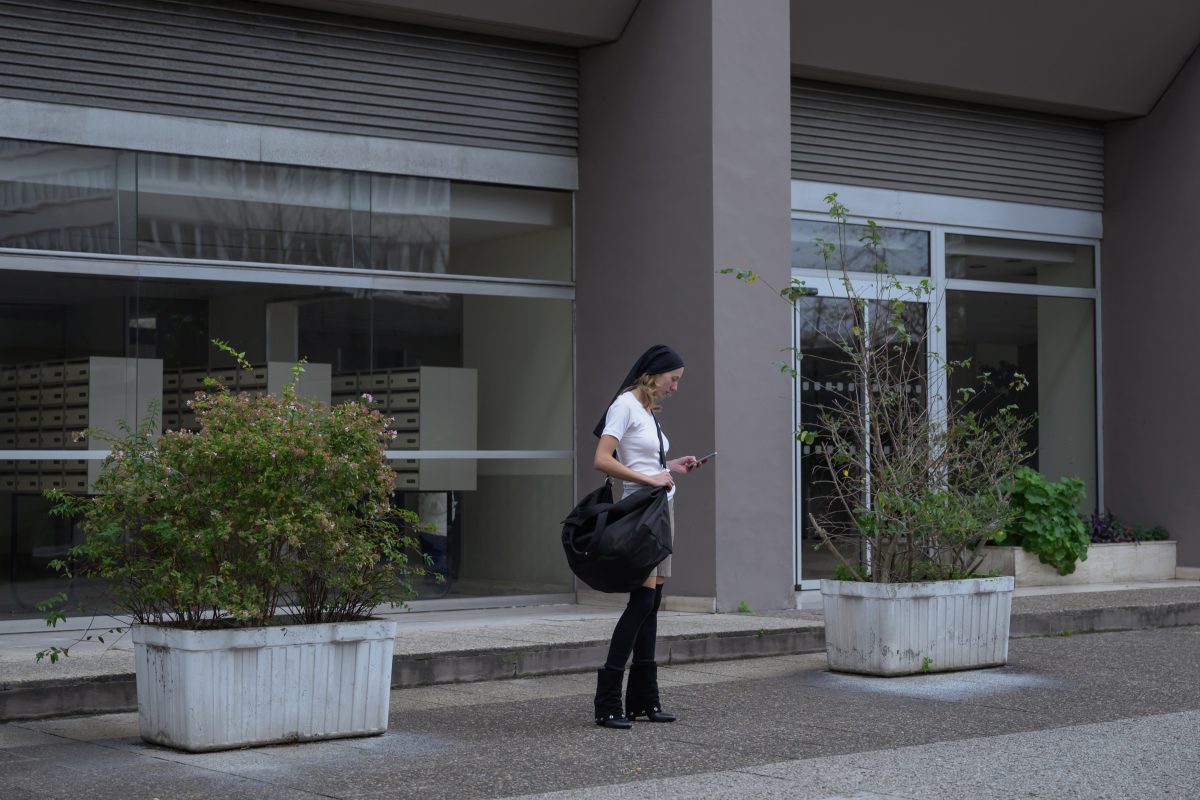
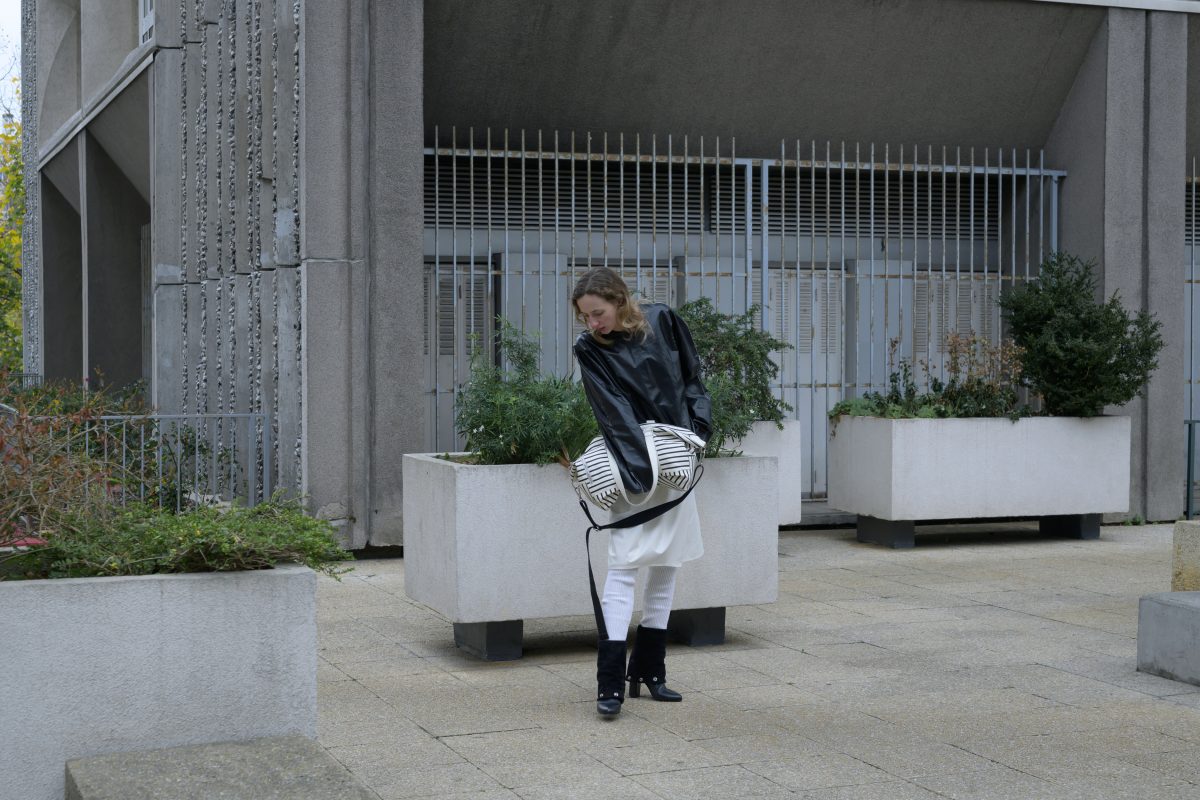
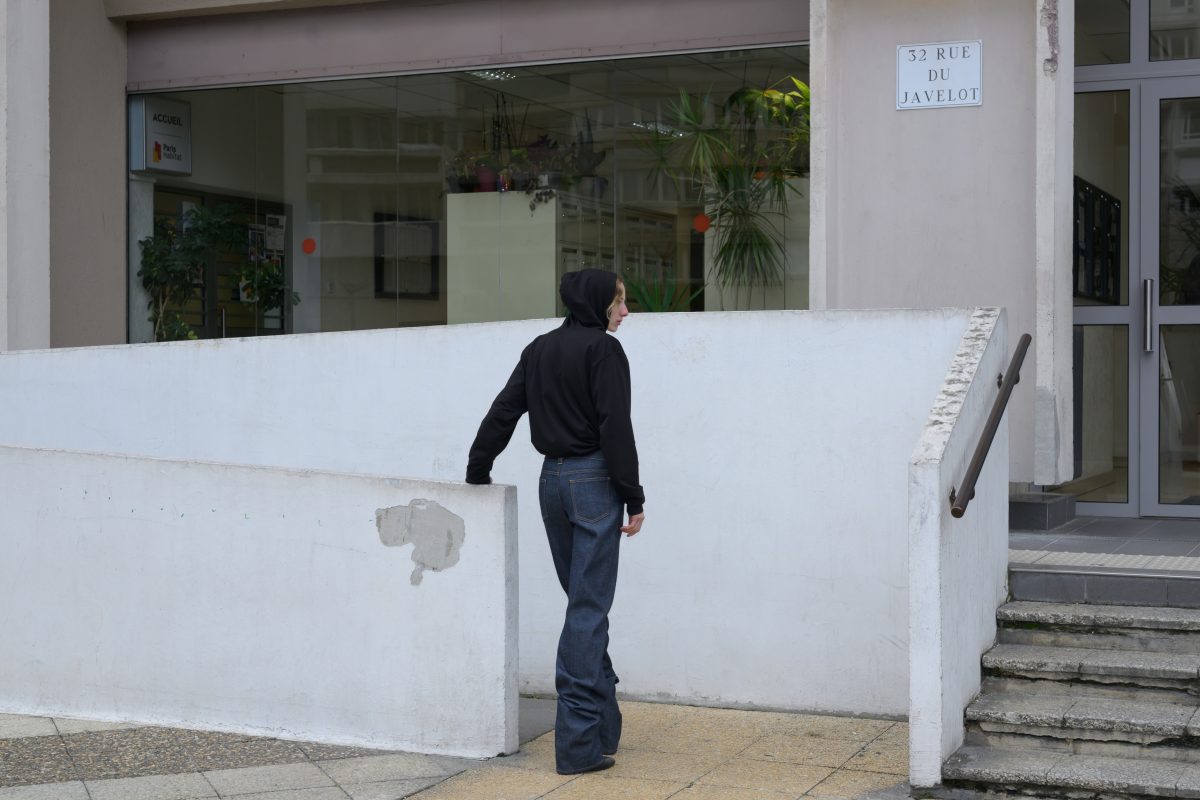
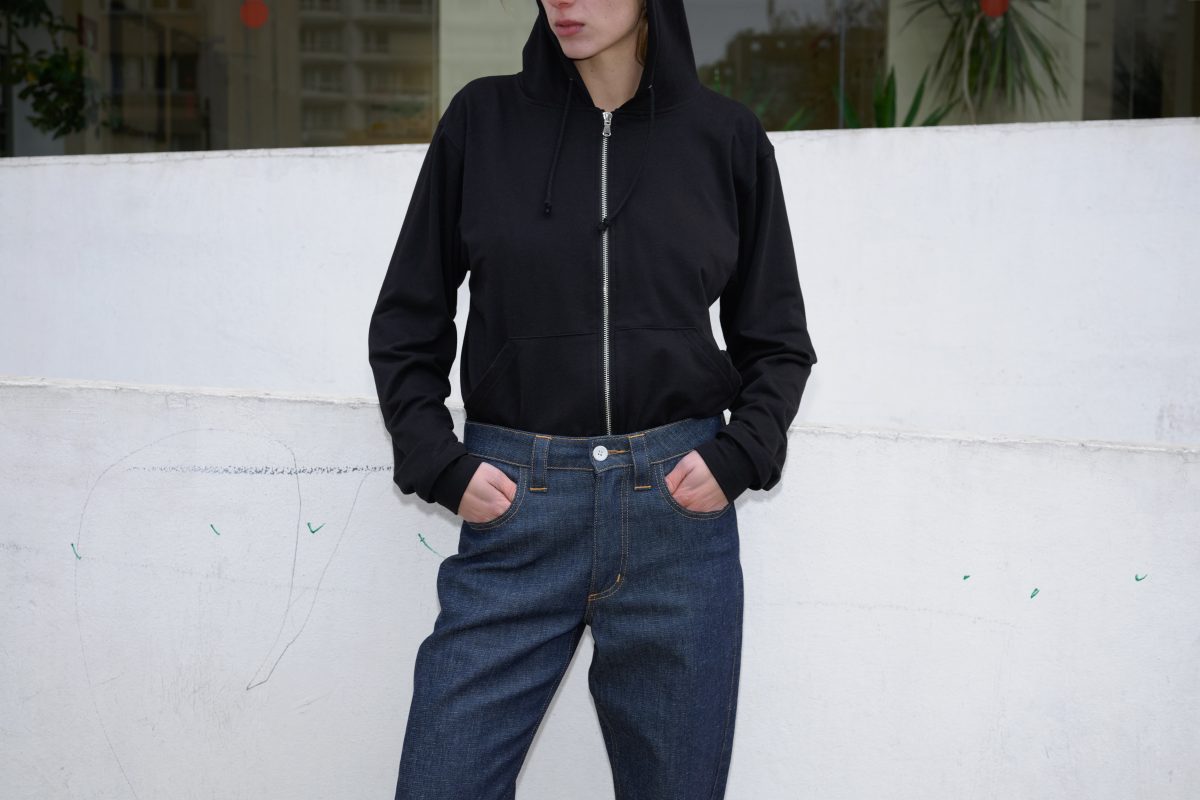
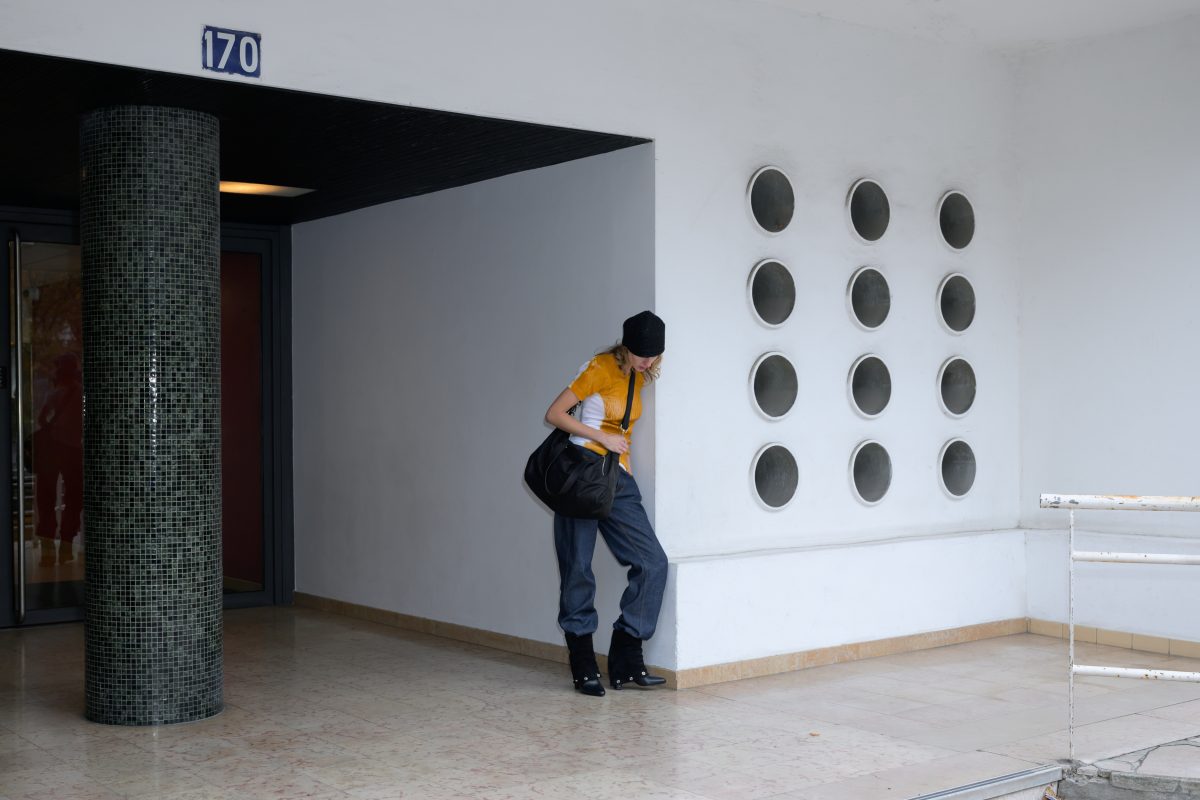
CAMPAIGN CREDITS
Photos: Federico Torra
Model: Carlota Cosi
Styling: Matilda Sadeghi
Hair: Joséphine Brignon
Production: Rebeca Solana
Production Assistant: Samuele Crotti
Photo Assistant: Naomi Homs