By Giorgia Cantarini
The 2026 edition of Salone del Mobile Milano opens today in Milan, marking the beginning of one of the most influential moments in the global design calendar. Milano Design Week 2026 opens from April 21 to April 26, the design’s fair once again transforms the city into a dynamic hub where design, culture, and innovation converge.
The main exhibition takes place at Fiera Milano Rho, the official venue located just outside the city center and easily accessible via the M1 metro line. This is where leading international brands, emerging designers, and industry professionals gather to present new visions of contemporary living—ranging from furniture and interiors to experimental materials and technological innovation.
While Salone del Mobile remains primarily a trade-focused event, access is not limited exclusively to industry insiders. The fair opens to the general public during the final weekend (April 25–26), allowing a wider audience to experience the exhibitions firsthand. Visitors are required to register in advance through the official website, selecting their preferred date of attendance.
As part of Milan Design Week, the fair exists within a broader ecosystem of events and installations spread across the city, reinforcing Milan’s role as a global capital of design for the entire week.
DESIGN WEEK 2026 FUORI SALONE GUIDE (all the events and pop ups happening in the city
Fuorisalone 2026: A City as a Curated Experience
Fuorisalone is no longer a satellite—it is the narrative counterpart to the fair. This year, the strongest thread is a shift from product to experience, where installations become emotional environments and design overlaps with storytelling, performance, and ritual.
Historic Milan, Reimagined
In the city center, heritage locations once again become immersive stages.
At Palazzo Serbelloni, Louis Vuitton’s Objets Nomades continues its exploration of collectible design, reinforcing the dialogue between craftsmanship and contemporary luxury. Nearby, Fornasetti transforms its flagship into a layered, almost theatrical environment—less exhibition, more atmosphere.
The Università Statale hosts INTERNI MATERIAE, one of the week’s central exhibitions, where large-scale installations reflect on materiality not just as a physical condition, but as a conceptual one—bridging sustainability, research, and architecture.
Equally compelling is the activation of Piscina Romano by 6:AM Glassworks: a site-specific intervention that uses repetition, transparency, and light to dissolve the boundary between structure and perception.
Between Domestic Space and Narrative Design
A recurring theme across this edition is the reinterpretation of the domestic environment.
Projects like La Casa Magica by Nilufar and L’Appartamento by Artemest reframe interiors as emotional landscapes—spaces that speak of memory, ritual, and identity rather than function alone.
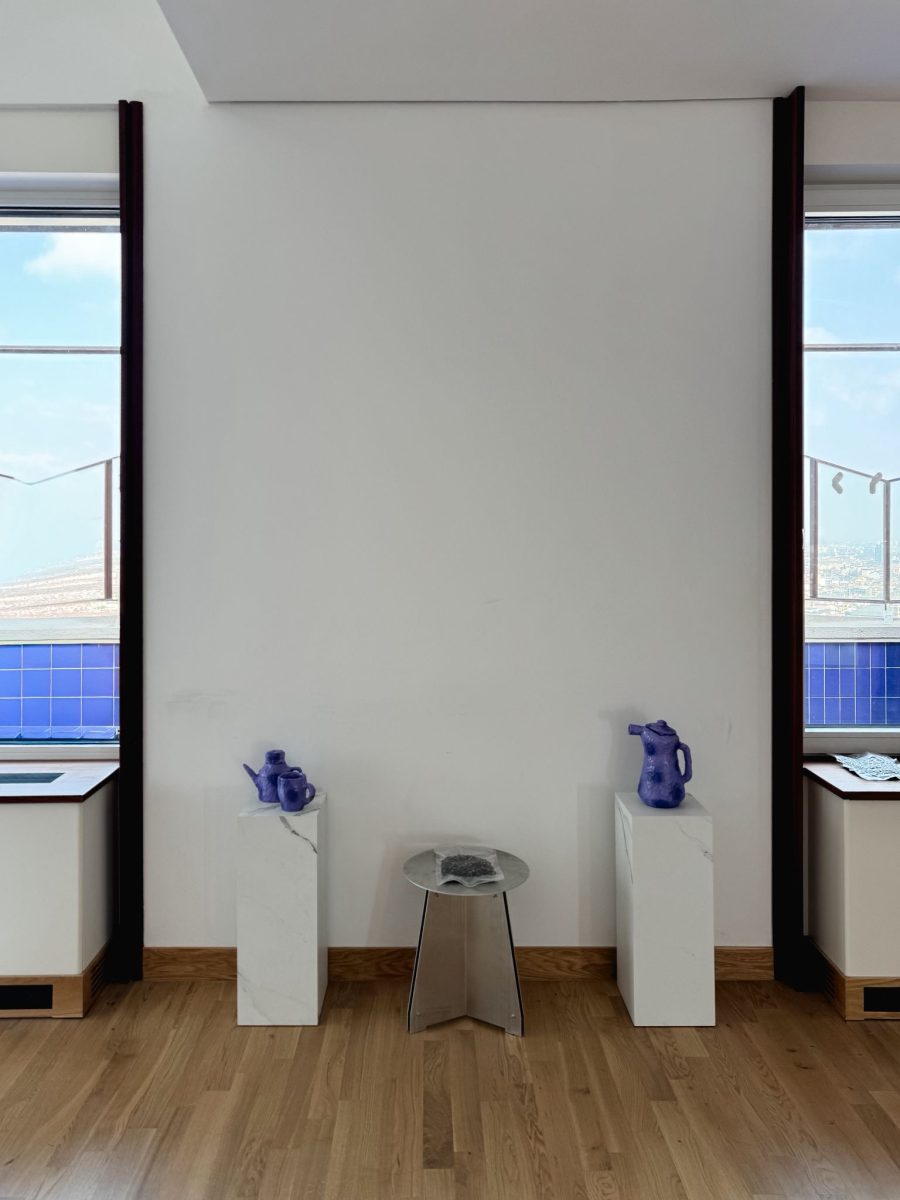
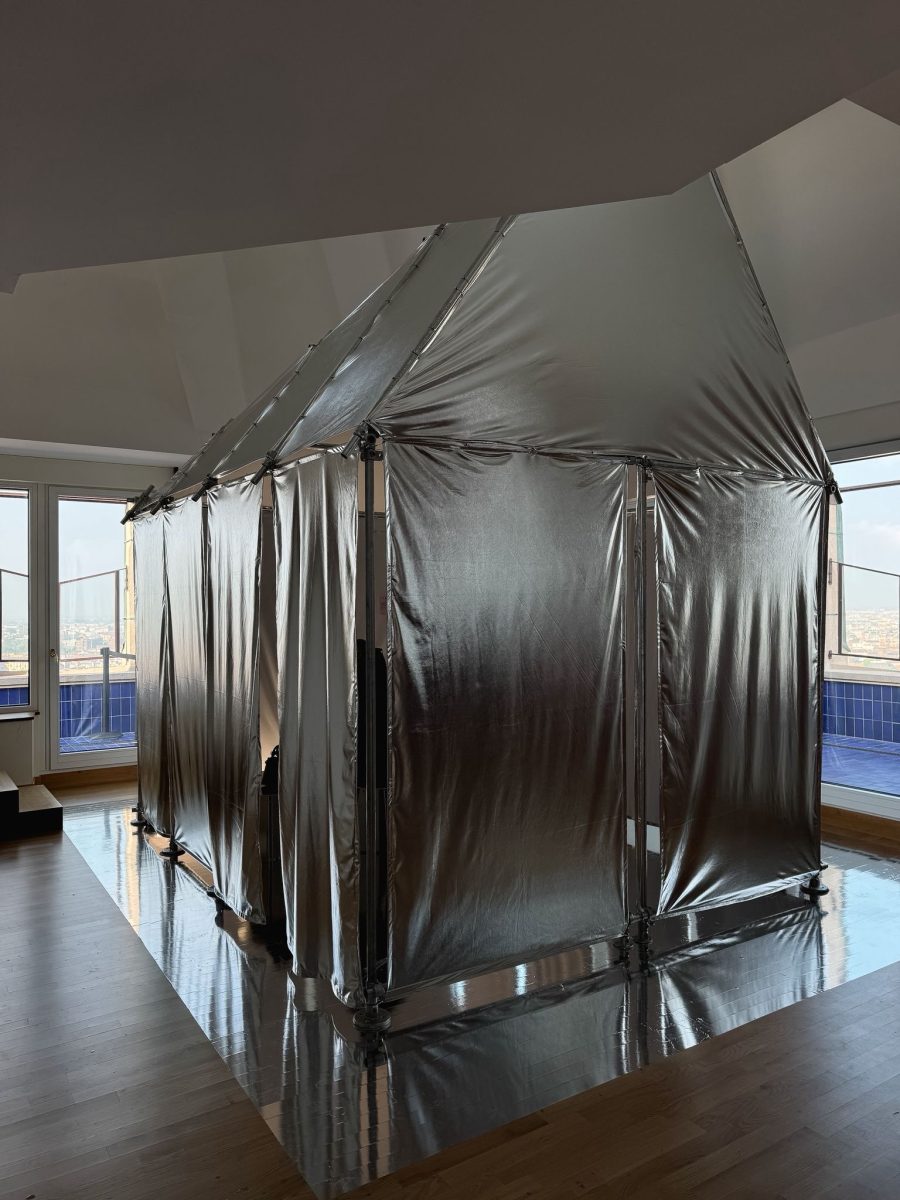
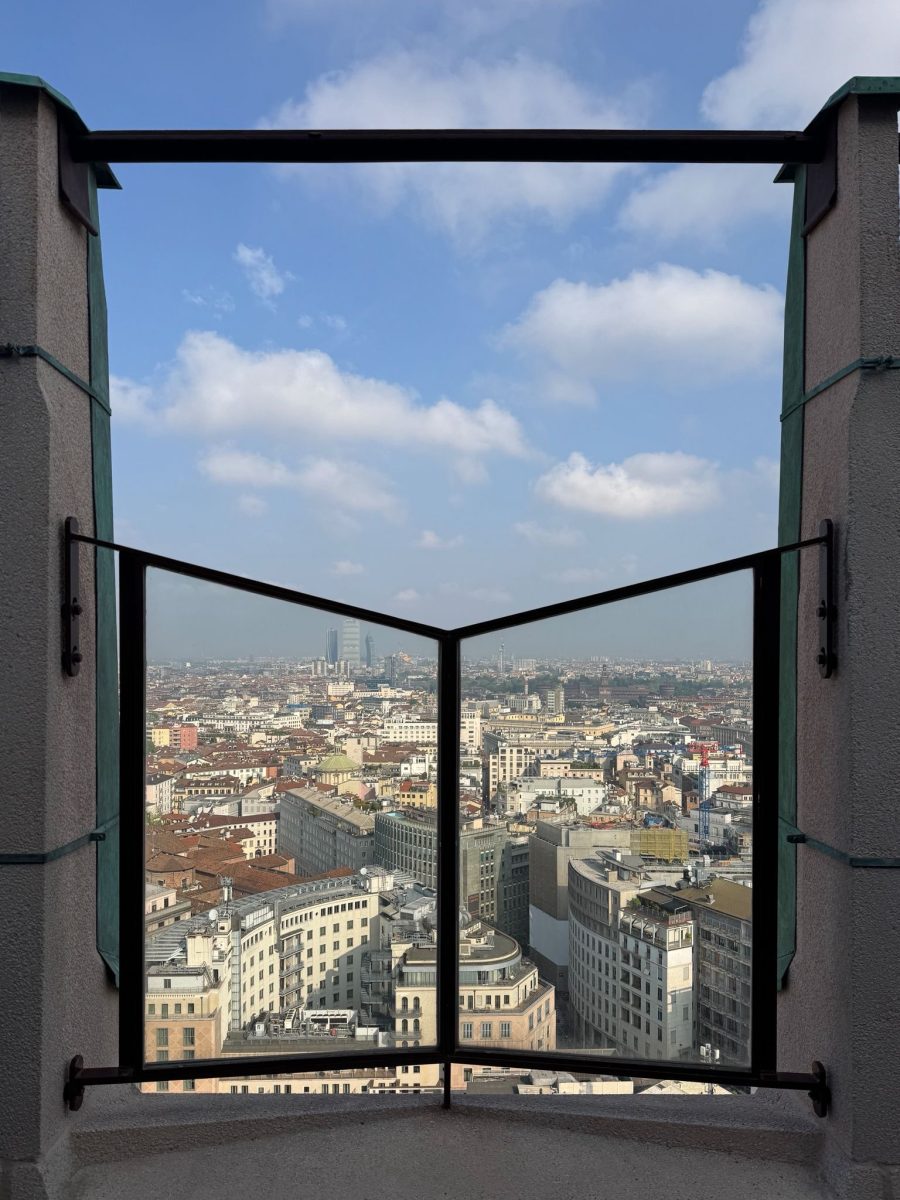
At Torre Velasca, the layering is literal: exhibitions dedicated to modernism coexist with a temporary rooftop tea room called Cromo by design duo Objects Are by (Phil America and Jenny Pham), turning the building into a vertical narrative of past and present.
Meanwhile, Casa Ornella and the Cavallerizze push this idea further, transforming domesticity into something fluid and relational—less about space, more about interaction.
Brera: Where Fashion and Design Converge
In Brera, the dialogue between fashion houses and design becomes particularly evident.
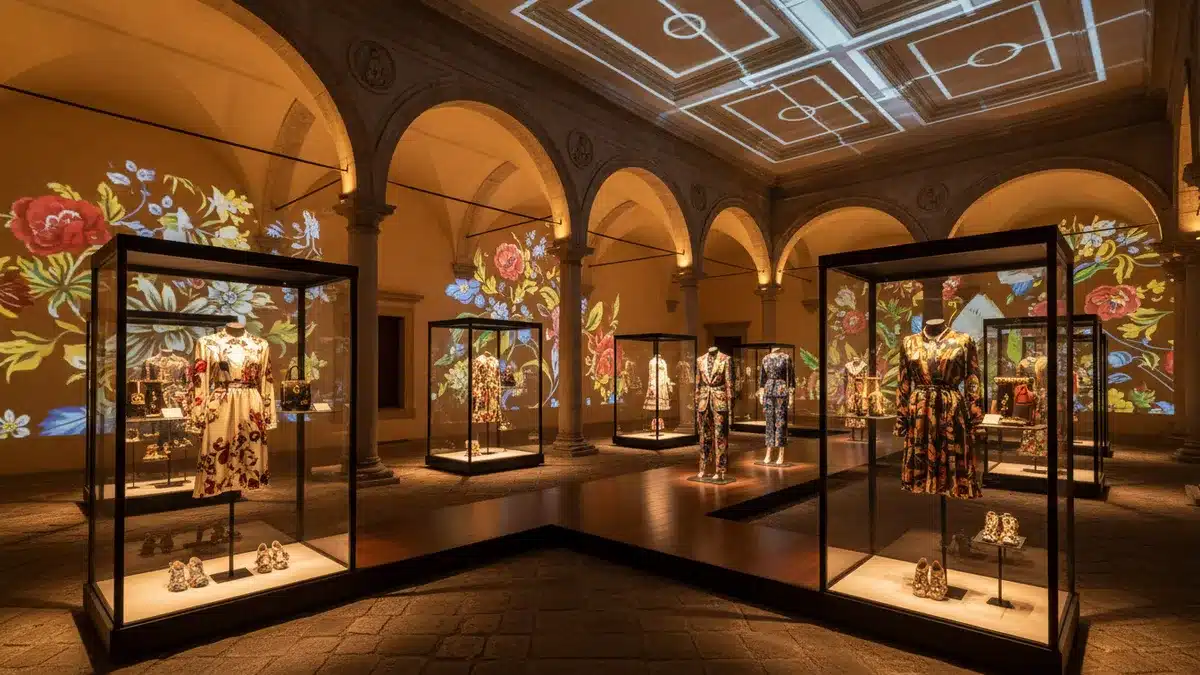
Installations by brands such as Gucci and Hermès move beyond branding into spatial storytelling, creating environments that sit somewhere between exhibition and scenography.
Loro Piana’s collaboration with Dimoremilano stands out for its understated elegance—a suspended domestic setting where material, texture, and light define the experience.
At the same time, more conceptual projects—such as Jil Sander’s Reference Library—offer a counterpoint: quiet, minimal, almost meditative spaces that invite visitors to slow down.
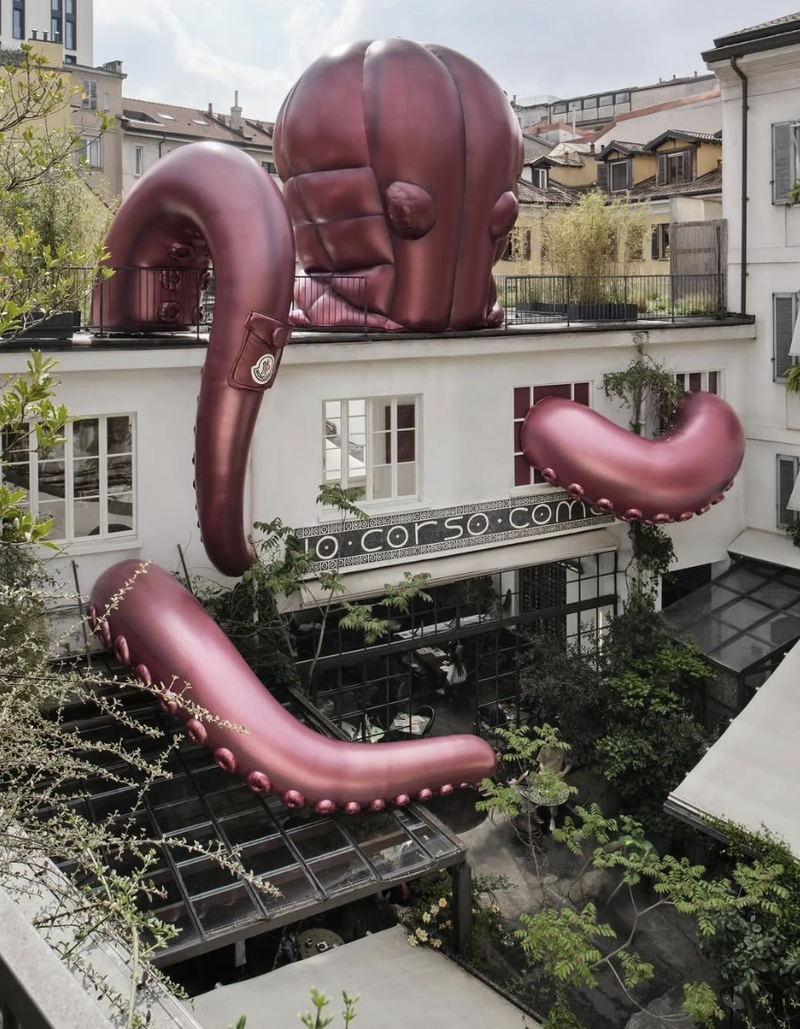
At 10 Corso Como Moncler wraps the historical building with a giant octopus. Moncler — Puffy Summer (10 Corso Como, Milan | April 16–28, 2026)
An immersive pop-up presented during Milan Design Week, Moncler Puffy Summer unveils the brand’s summer collection through a giant inflatable octopus wraps around the façade of 10 Corso Como, reinterpreting Moncler’s signature “puffy” aesthetic in a lighter, seasonal key. Inside, the installation showcases 24 looks, transforming the space into a surreal, tactile environment that blurs the line between fashion and design.
New Geographies: From Industrial to Experimental
Away from the historic center, the geography of Fuorisalone expands.
In Tortona, installations remain highly scenographic, with Moooi and Archiproducts continuing to define the district’s visual identity. Isola, celebrating its 10th anniversary, leans further into research, with a strong focus on materials, upcycling, and emerging designers.
But one of the most significant shifts comes from projects like Alcova.
Alcova — Villa Pestarini + Ex Ospedale Militare di Baggio
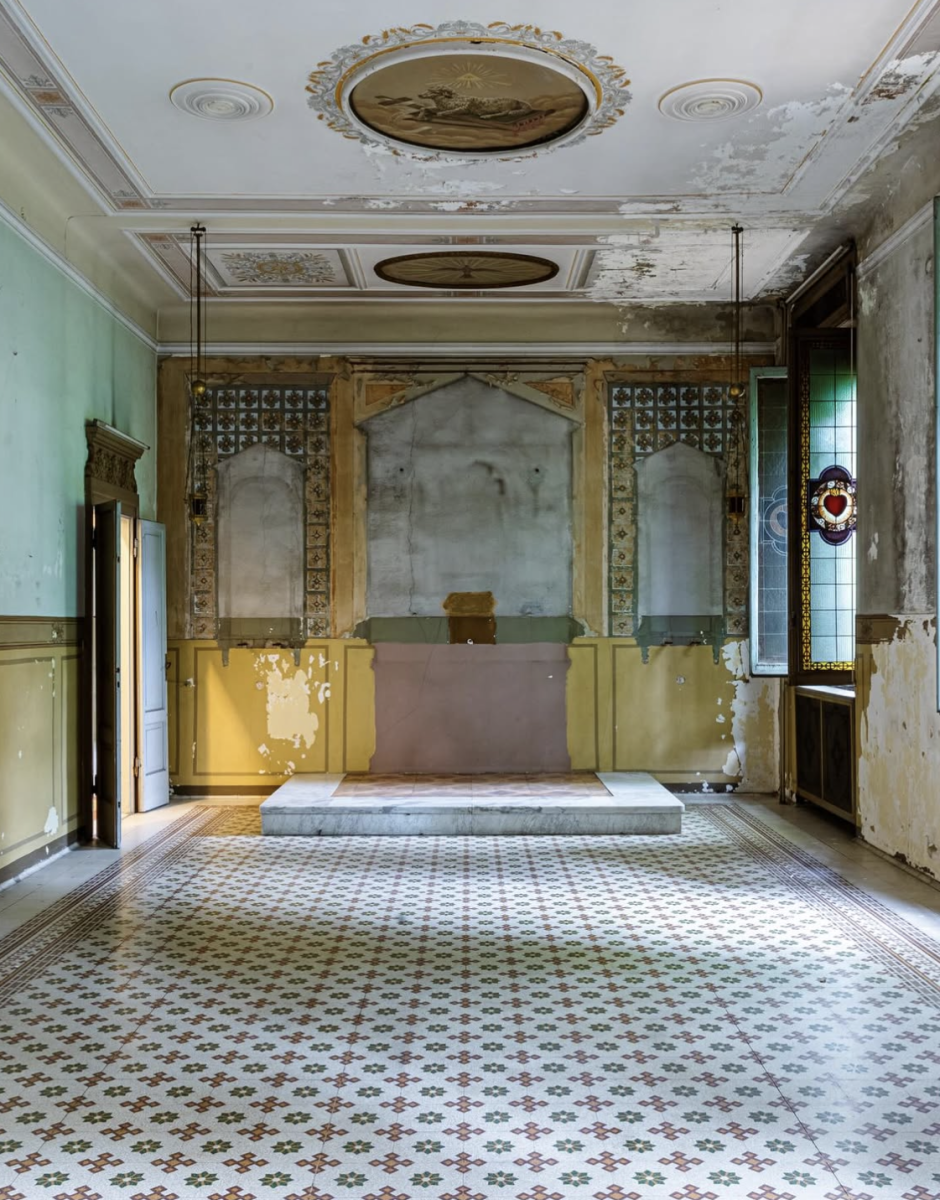
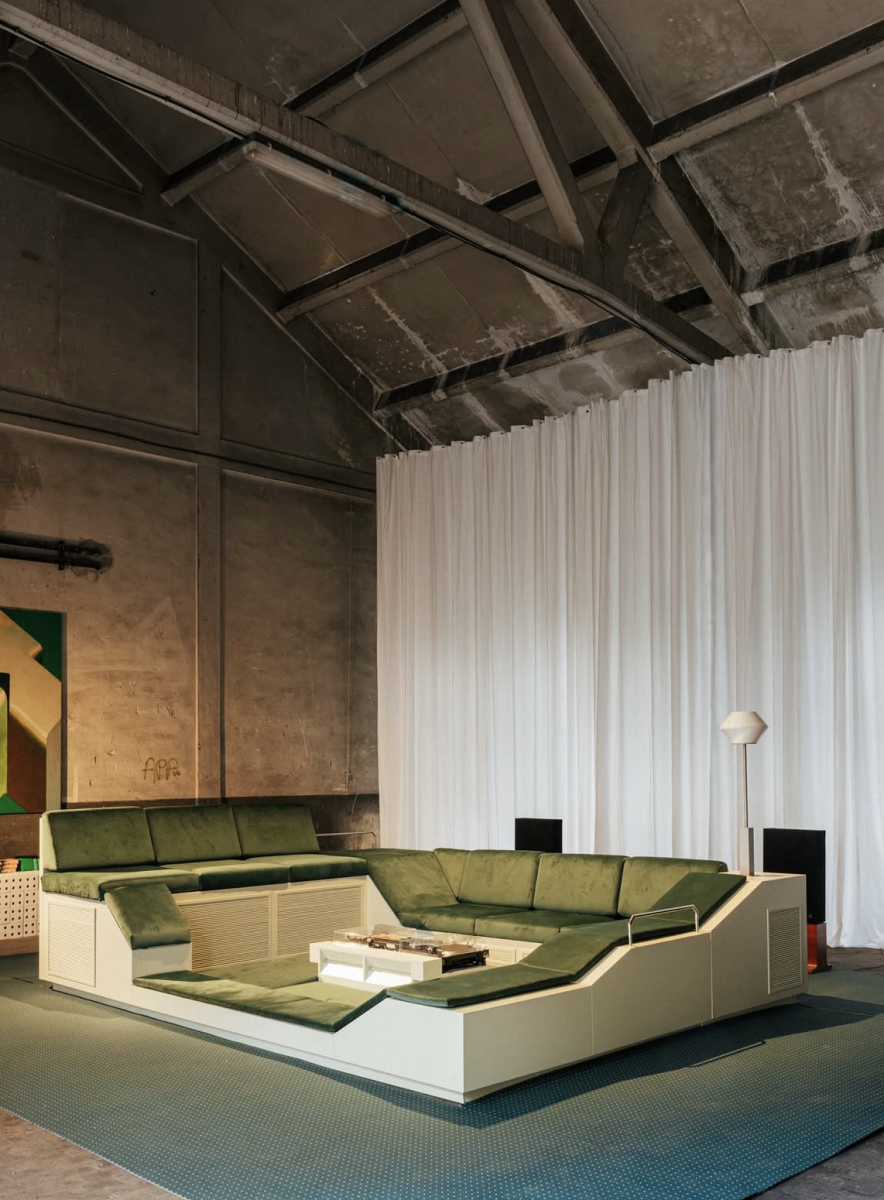
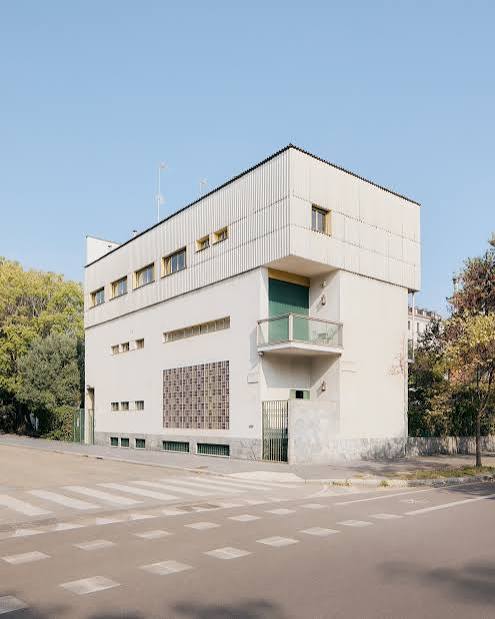
Now established as one of the most influential platforms for experimental design, Alcova returns with two radically different locations. Villa Pestarini—designed by Franco Albini and opened to the public for the first time—offers a rare encounter with modernist domestic architecture. In contrast, the former military hospital in Baggio becomes a raw, immersive landscape for site-specific installations, where design is presented in its most research-driven and speculative form.
Design as Social Space
Another defining aspect of this year’s Fuorisalone is the increasing overlap between design and hospitality.
Projects like Bar Pieno at Piscina Romano or CasaBuri in Porta Nuova transform food and conviviality into part of the design experience. These are not just places to stop—they are extensions of the narrative, where interaction becomes central.
Night-time formats such as VOCLA at Alcova or The Meanwhile Club further blur the boundaries between design, music, and nightlife, reinforcing a shift toward more hybrid cultural formats.
THE MILAN DESIGN WEEK GUIDE IN SHORT: ADDRESSES AND TIMETABLE
Most Fuorisalone events are open from approximately 10:00 AM to 7:00 PM, with some installations extending into the evening. Times may vary depending on the venue.
tea room, perfect for a suspended break above the city.
Perfetto — ti ho integrato tutti gli indirizzi mantenendo il tuo layout pulito e pronto da impaginare 👇
CITY CENTER
Louis Vuitton – Objets Nomades (Palazzo Serbelloni)
📍 Corso Venezia 16, Milano
Among the most anticipated installations, set within one of Milan’s most iconic historic residences.
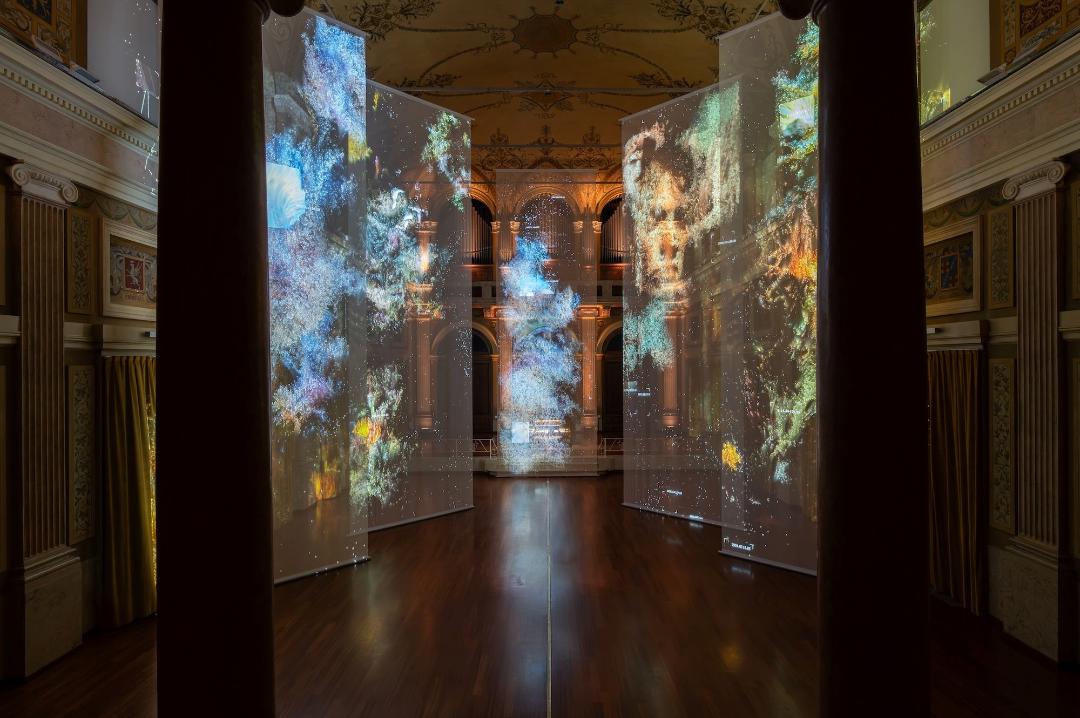
Anima Mundi – dotdotdot studio @ Istituto dei Ciechi
📍 Via Vivaio 7, Milano
An immersive and poetic installation exploring perception beyond sight, where light, sound, and material create a multisensory journey. A project that invites visitors to slow down and experience space in a more intuitive and emotional way.
Forever Fornasetti. New Encounters (Fornasetti Flagship)
📍 Corso Venezia 21, Milano
An immersive journey reinterpreting the brand’s visual universe through objects, surfaces, and atmosphere, enriched by the Fornasetti Fiori flower shop.
INTERNI MATERIAE – Università Statale
📍 Via Festa del Perdono 7, Milano
The major exhibition-event of Design Week, featuring monumental installations and reflections on materiality.
Masterly – The Dutch in Milano (Palazzo Giureconsulti)
📍 Piazza dei Mercanti 2, Milano
A collective exhibition blending Dutch design, craftsmanship, and art.
La Casa Magica (Nilufar Spiga)
📍 Via della Spiga 32, Milano
An intimate and symbolic journey dedicated to domestic rituals, where design becomes atmosphere, memory, and imagination.
Torre Velasca
📍 Piazza Velasca 3/5, Milano
Three experiences in one location: two exhibitions on modernism on the 16th floor, and a temporary tea room on the rooftop.
L’Appartamento by Artel (Palazzo Donizetti)
📍 Via Gaetano Donizetti 48, Milano
Historic interiors reinterpreted by international designers through refined, contemporary perspectives.
Buccellati – Aquae Mirabiles
📍 Piazza Tomasi di Lampedusa, Milano (installazione)
A contemporary nymphaeum combining jewelry, water, and myth in a visually striking installation.
Le Cavallerizze (via Olona)
📍 Via Olona 6, Milano
The most experimental heart of the district: installations, material research, and projects to explore at a slower pace.
Casa Ornella – Animale Sociale
📍 Via Conca del Naviglio 10, Milano (circa)
A domestic space transformed into a fluid, immersive experience exploring relationships and new ways of living.
Prada Frames: In Transit / In Sight @ Santa Maria delle Grazie
📍 Piazza di Santa Maria delle Grazie 2, Milano
A thought-provoking symposium and exhibition curated by Formafantasma, exploring the role of images, infrastructure, and perception in contemporary society.
Variations – Palazzo Litta
📍 Corso Magenta 24, Milano
One of the most scenographic exhibitions of 5Vie, where installations and architecture intertwine in an immersive journey on metamorphosis.
Convey 2026 – via San Senatore
📍 Via San Senatore 10, Milano
An entire building in the heart of Milan transformed into a new Design Week destination.
BRERA
Serotonin: The Chemistry of Happiness – Sara Ricciardi (Accademia di Brera)
📍 Via Brera 28, Milano
Blooming Imperfection – Portanuova
📍 Piazza Gae Aulenti, Milano
Gucci – Gucci Memoria (Chiostri di San Simpliciano)
📍 Piazza Paolo VI 6, Milano
Hermès — La Pelota
📍 Via Palermo 10, Milano
When Apricots Blossom – Palazzo Citterio
📍 Via Brera 12, Milano
Loro Piana x Dimoremilano – Cortile della Seta
📍 Via della Moscova 33, Milano
Albori — Stark (Castello Sforzesco, Sala dei Pilastri)
📍 Piazza Castello, Milano
Reference Library — Jil Sander (Showroom)
📍 Via Luca Beltrami 5, Milano
Moncler x 10 Corso Como @ 10 Corso Como
📍 Corso Como 10, Milano
A hybrid experience between fashion, installation, and retail.
TORTONA
Fòco – Archiproducts (Opificio 31)
📍 Via Tortona 31, Milano
All’Origine / Eye in the Sky — Studio Otto (Opificio 31)
📍 Via Tortona 31, Milano
Corpografia – Sara Ricciardi (Torneria Tortona)
📍 Via Tortona 32, Milano
Moooi – Superstudio Più
📍 Via Tortona 27, Milano
POP-UPS
Living Light – ISDIN @ Edicola Brera
📍 Via Brera 28, Milano
Valentino Beauty Pop-Up @ Portanuova (Spazio Capelli)
📍 Piazza Gae Aulenti, Milano
Il Chioschetto – Acqua di Parma
📍 Piazza XXV Aprile, Milano (circa)
Miu Miu Literary Club @ Circolo Filologico
📍 Via Clerici 10, Milano
The Meanwhile Club – Park x Le Cannibale @ Park Hub
📍 Via Ambrogio Binda 30, Milano
Valerie_Objects Goes Underground @ MM Rovereto
📍 Stazione MM Rovereto (Linea M1), Milano
MUST SEE EVENTS AROUND THE CITY
Alcova @ Villa Pestarini + Ex Ospedale Militare di Baggio
📍 Via Simone Saint Bon 1, Milano (Baggio)
Dropcity – Via Sammartini
📍 Via Giovanni Battista Sammartini 38–60, Milano
Deoron – Factory Eleven (Via Padova)
📍 Via Padova 38, Milano
Sarpi – Milano China Design Center
📍 Via Paolo Sarpi, Milano (distretto diffuso)
Nilufar Grand Hotel @ Nilufar Depot
📍 Viale Vincenzo Lancetti 34, Milano
TOILETPAPER @ TOILETPAPER Studio
📍 Via Giuseppe Balzaretti 4, Milano
Isola District (Fabbrica Sassetti / Stecca3 / Fondazione Catella)
📍 Via Gaetano de Castillia 28, Milano (area principale)
FOOD & NIGHT
Bar Pieno — 6:AM Glasswork (Piscina Romano)
📍 Via Giuseppe Zanoia 2, Milano
CasaBuri – Portanuova
📍 Piazza Gae Aulenti, Milano
Bar Altra Vista – Cavallerizze
📍 Via Olona 6, Milano
VOCLA – Alcova
📍 Via Simone Saint Bon 1, Milano
Secret Rooftop by CROMO – Torre Velasca
📍 Piazza Velasca 3/5, Milano