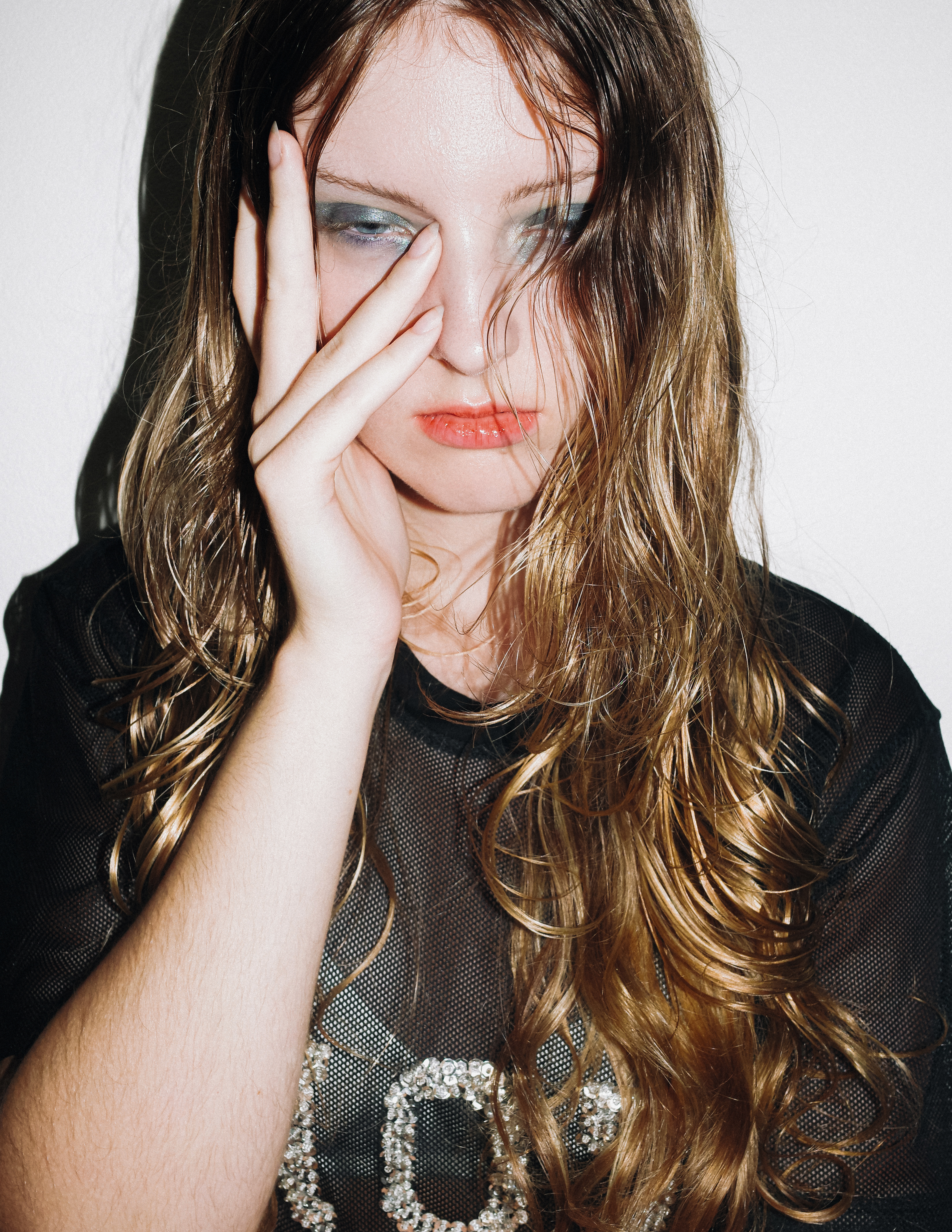

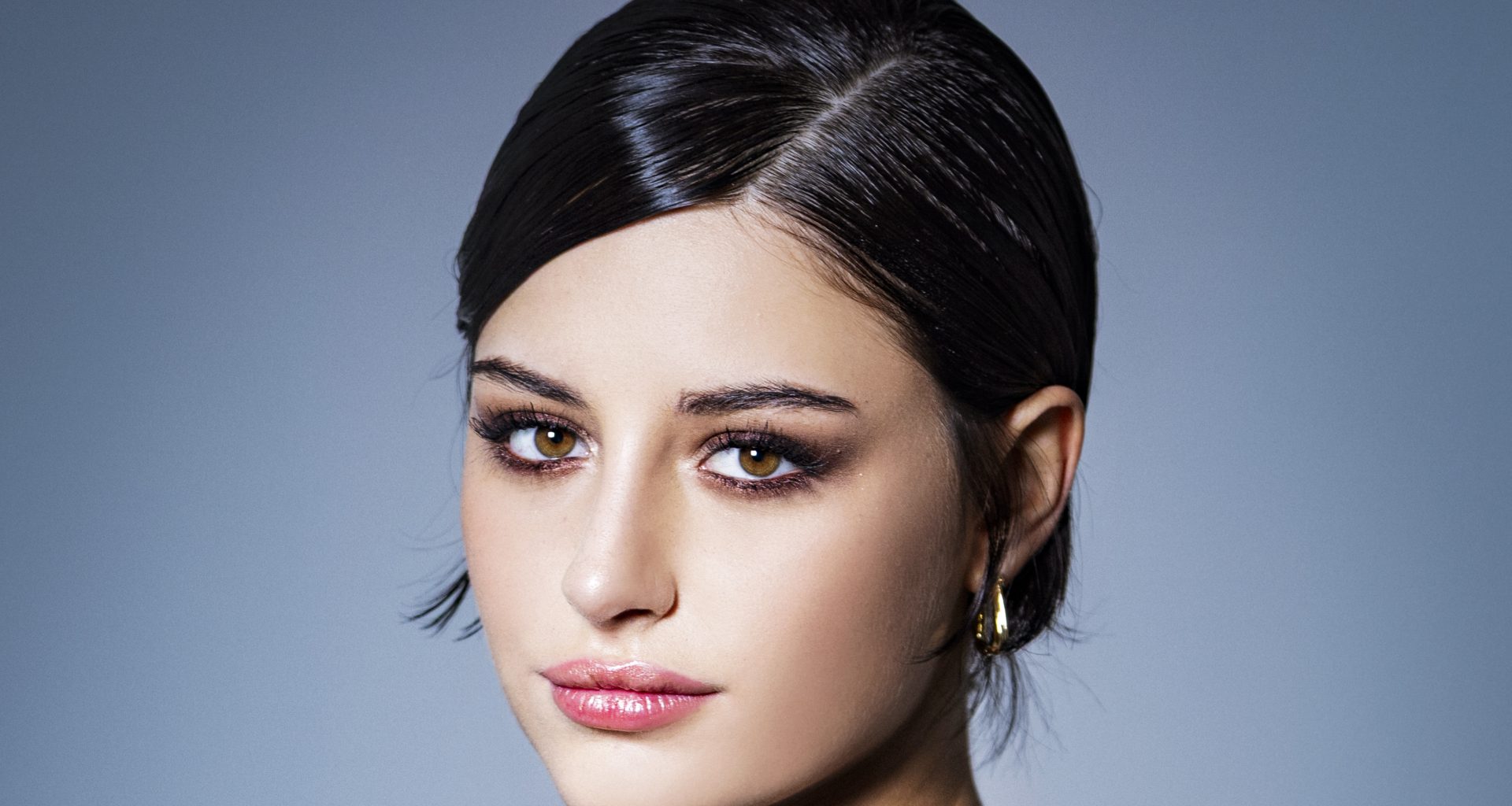
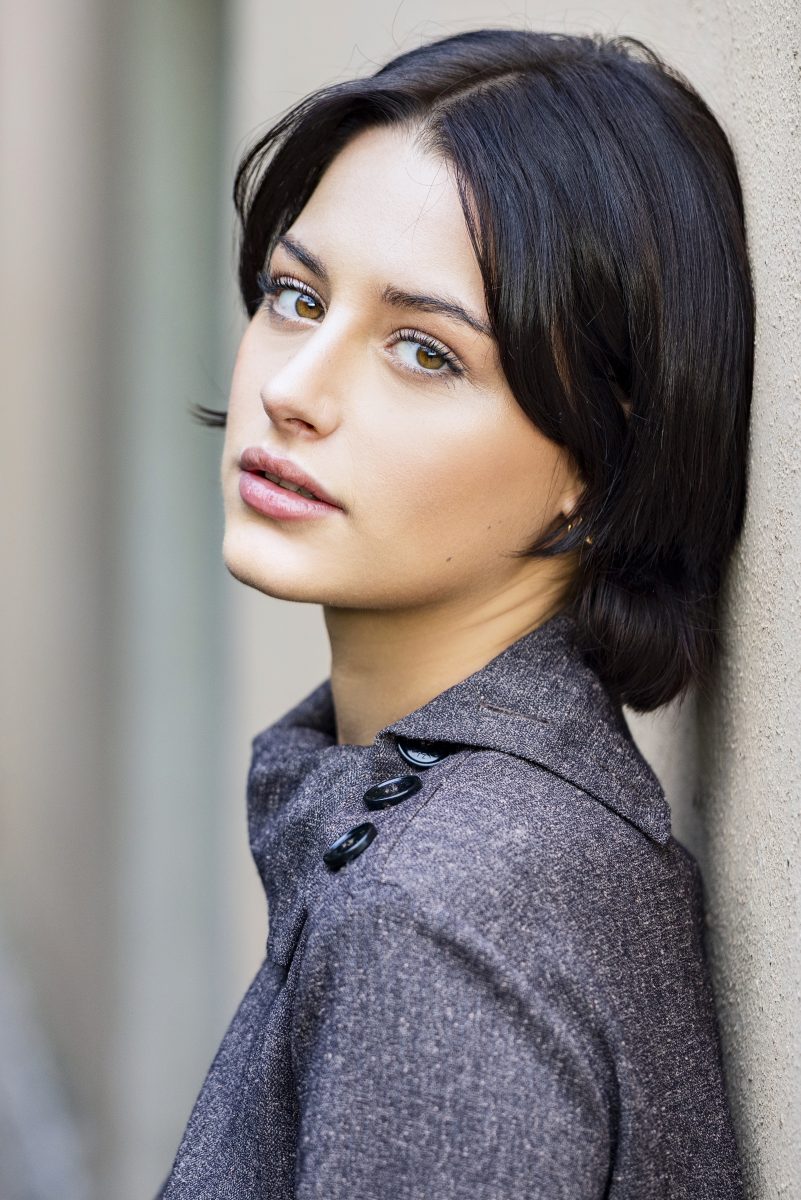
Stepping into a beloved series like I Cesaroni is never just another role—it’s an emotional inheritance. With its return, the iconic Italian family drama introduces a new generation of characters, among them Marta, played by rising talent Valentina Bivona.
Daughter of Marco and Eva, Marta enters the narrative carrying both legacy and disruption. Raised in New York and suddenly immersed in Roman family life, she embodies a cultural and emotional in-between—restless, instinctive, and unapologetically modern. Through Bivona’s performance, Marta becomes more than a continuation: she is a real presence, just because her character was just a kid when the tv series was on in 2014.
In this conversation, Valentina Bivona reflects on the responsibility of joining such an iconic series, her process in shaping Marta’s identity, and the delicate balance between instinct and construction that defines her approach to acting.
What was your relationship with I Cesaroni before playing Marta? Did you already feel part of that world, or was it all new to you?
I Cesaroni has always brought warmth and lightness into Italian homes, including mine. I remember evenings on the sofa with my mother, laughing together in front of the TV, watching that extended family that felt so real and imperfect. That sense of warmth only certain stories can give. In a way, I already felt part of that world. But I never imagined I would one day cross to the other side of the screen and find myself sitting at that same table.
Marta is introduced at a very symbolic moment in the series. How did you build her character today, giving her your own identity?
To prepare for Marta, I started with a meticulous rewatch of previous seasons. I wanted to create a personality that carried elements of both her parents, but with a disruptive, contradictory identity of her own—sometimes uncomfortable. That’s where she becomes real. She’s not trying to please anyone, but to express herself, bringing a modernity that breaks away from the classic “girl next door.”
If you had to describe her in three words?
Impulsive, because she acts with her heart before her head. Authentic, because she has no filters. And surprising—she’s a whirlwind of emotions that overwhelms everyone around her.
Did you create a personal backstory beyond the script?
Absolutely. I imagined her life in New York in detail: the laughter and arguments with her mother Eva, the streets, school, friendships—even her playlists. That helped me give her a real emotional memory, something she carries with her to Rome, where her story truly begins.
Marta comes from New York, so she inevitably brings a different perspective. Did you focus more on her sense of belonging or her sense of distance?
At first, distance prevails. She misses New York, and you can see it in her mindset, her behavior, even in how she dresses. Initially, she feels out of place, almost “in translation” within a new reality made of unfamiliar people and rules. But the beauty of her journey lies in how that sense of estrangement धीरे transforms into a new and unexpected sense of belonging.
Does she feel more Italian-American or deeply Italian? And is her return a homecoming or a new beginning?
At first, she’s somewhere in between. From America, she brings a sense of freedom and a certain boldness that allows her to be fearless. But it’s in Rome that she discovers her roots. It’s not a nostalgic return—it’s a courageous new beginning, the moment she finally chooses who she wants to become. She will grow a lot, especially in learning how to connect with a father she needs to rediscover.
Does the new chapter of I Cesaroni speak to your generation?
I think it does, but without forcing it. The themes are all there: friendship, identity, belonging, the need to be truly seen, and all those “first times.” It’s everything that makes up the beautiful chaos of adolescence.
Were there themes you particularly appreciated in the storytelling?
I really loved how difficulties and mistakes are portrayed—not as failures, but as essential spaces for growth. Without judgment. That’s the true “Cesaroni method”: learning that you can fall, but there will always be a family ready to help you get back up stronger.
What was it like working with Claudio Amendola?
Working with Claudio Amendola was an incredible privilege. Having him both as an actor and director was amazing—he knows exactly how to approach actors because he’s been there himself. He makes you feel at ease. He’s a wonderful person, incredibly kind, and he brings a sense of calm that makes you feel safe, like you’re truly at home. The atmosphere on set was so warm and joyful that it didn’t even feel like work—it felt like family.
Is there a moment on set that stayed with you?
There are so many, but if I had to choose one, it would be the final take. The applause at the end of shooting, the hugs, and the awareness of having shared such intense months with people who had become home—that’s something I’ll always carry with me.
You started very young. What has growing up on set taught you?
From a young age, I understood that this world isn’t just about lights—it’s also about a lot of hard work. It taught me above all how to listen: to other actors, to the director, but most importantly to myself. And patience—the ability to stay focused even during long waits. It taught me humility and to never stop learning. Every set is a new school of life.
Was there a moment when you realized this would be your path?
Yes, when I was a child. Watching films with my mother, I was completely captivated. That’s when I decided, with all the determination I had in my small body, that I wanted to be part of that world.
How do you prepare for a role? Are you more instinctive or methodical?
I always start instinctively, letting my first impressions guide me. But then I feel the need to dig deeper, to fully understand the character so that, in the end, I can let go and allow them to live freely on set.
How much space do you leave for improvisation?
Improvisation is very important to me, but it only works when there’s a solid structure underneath. With Marta, sometimes reactions would come in the moment—and those were often the most truthful ones.
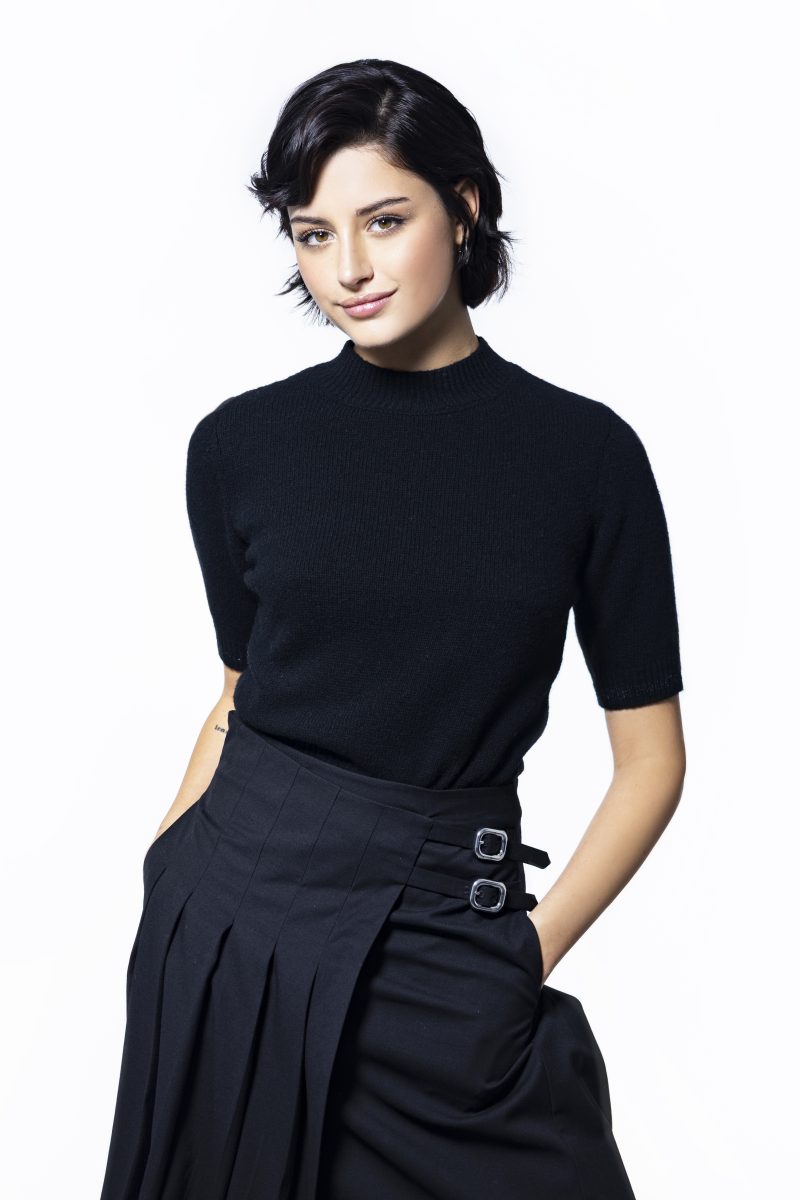
Does Marta have a defined visual identity? How important is fashion in telling her story?
Her style is fundamental. Marta expresses who she is through what she wears: unexpected combinations, vintage pieces, colors that may seem disconnected but actually say a lot. It’s as if she rebuilds herself every day, without wanting to conform to a fixed image.
Can we see New York’s influence in her style?
Absolutely. There’s that freedom to mix, to not ask for permission. Her look—and even her haircut—comes from detailed research into contemporary New York trends, challenging the stereotype of the Italian girl and making her truly unique.
And your personal style, off set?
I don’t really follow trends. I focus more on comfort—I love oversized clothing. And like Marta, I enjoy vintage markets. We also both love stripes.
After this project, what kind of roles would you like to explore?
The variety of roles is the greatest gift of this job. But if I had to choose, I’d love to explore more dramatic roles—psychological thrillers or historical films. I’m drawn to stories that aren’t afraid of strong emotions.
Do you see yourself more in cinema, series, or other formats?
I don’t set limits. Cinema is pure magic—it takes your breath away. But series are incredible because they allow you to truly inhabit a character. Marta, for example, grew on me day by day. Honestly, I see myself wherever there’s a story that makes my heart beat.
What do you hope audiences will take away from Marta—and from you as an actress?
I hope the audience embraces Marta with the same affection I had for her. I hope her strength in being unapologetically different stands out, but also her tenderness—in rediscovering her father, in allowing herself to feel. Lowering your defenses isn’t weakness—it’s the only way to truly love.
And from me, I hope they feel the sincerity and love I poured into this role. I stepped into this iconic family with deep respect, knowing I had received something truly special. I gave it everything I had.
Foto: Andrea Ciccalè
Styling: Stefania Sciortino
Make up: Eleonora Mantovani Represented by Simone Belli Agency