
By Julia Radovich

📍 March 7, 2025, Lisbon
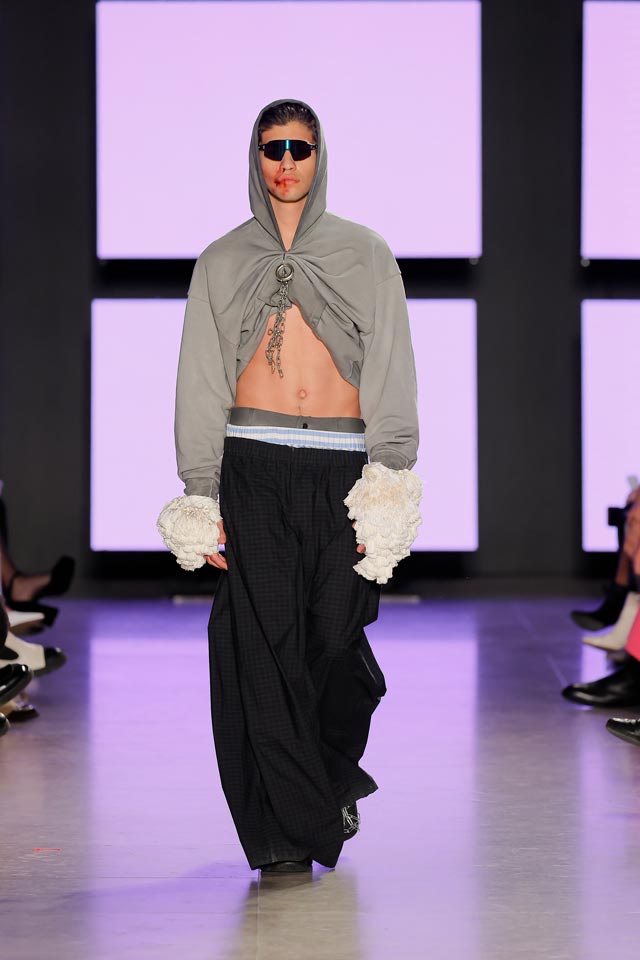
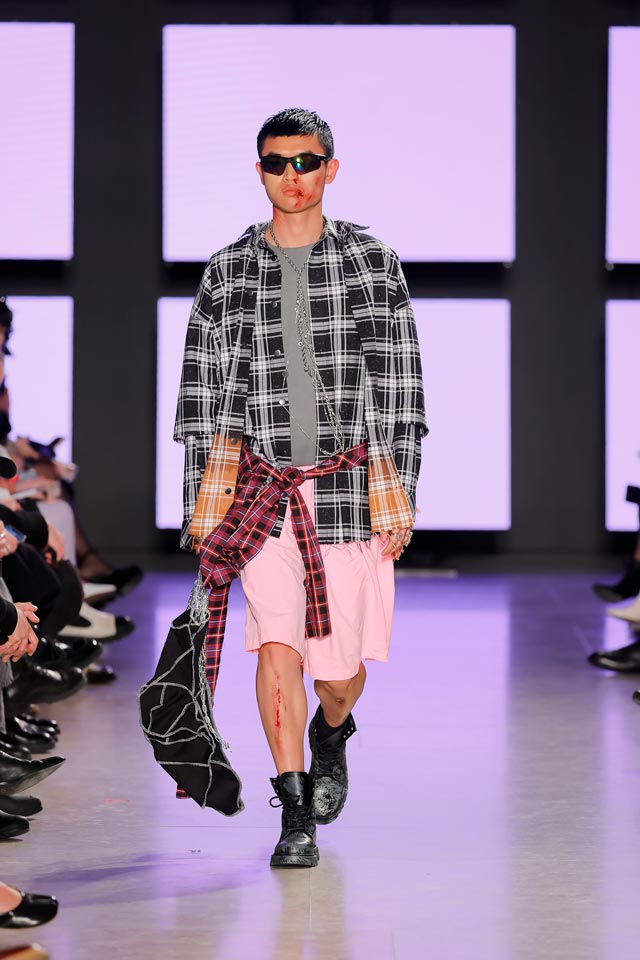
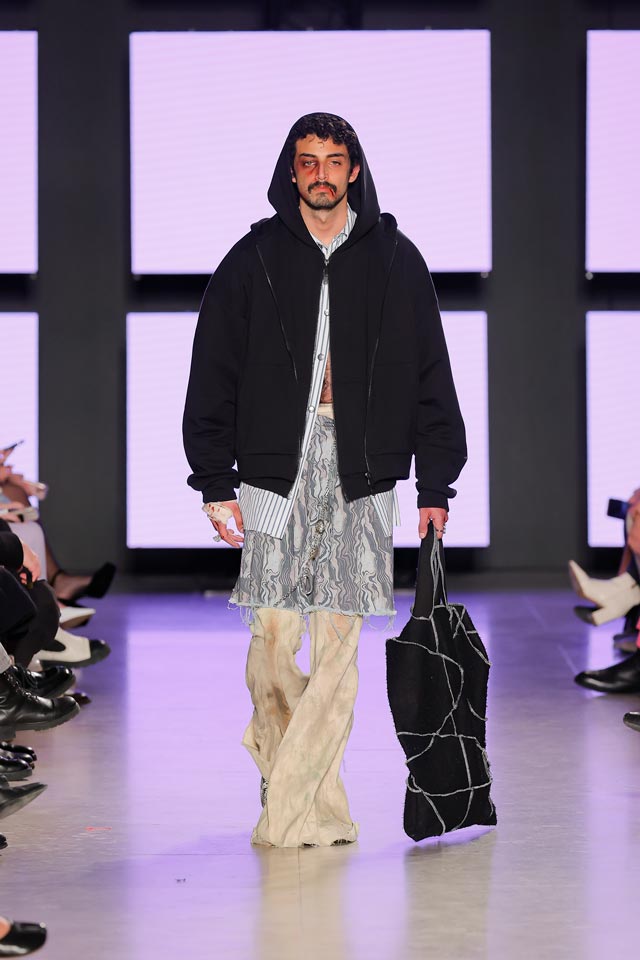
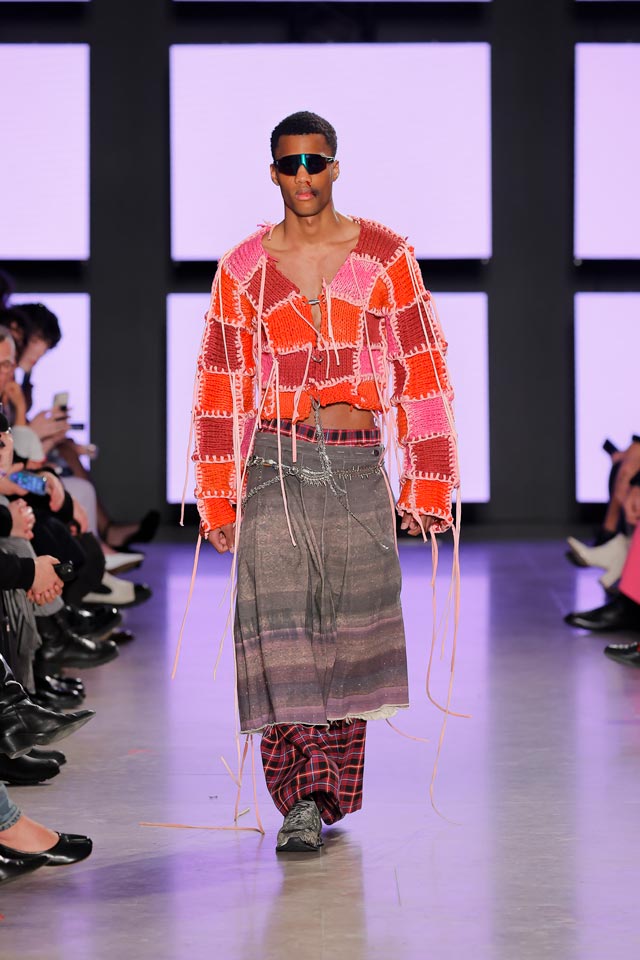
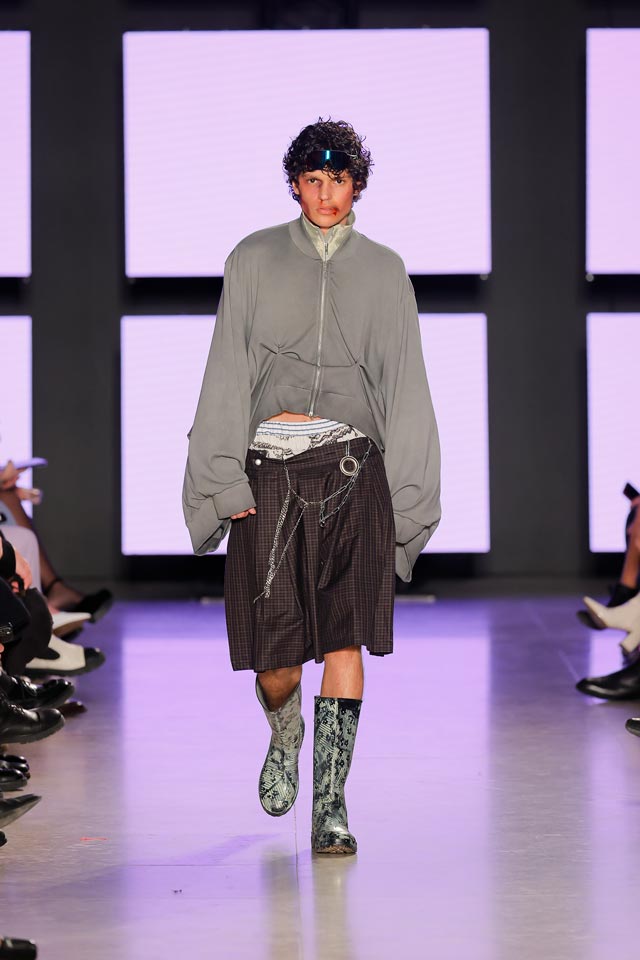
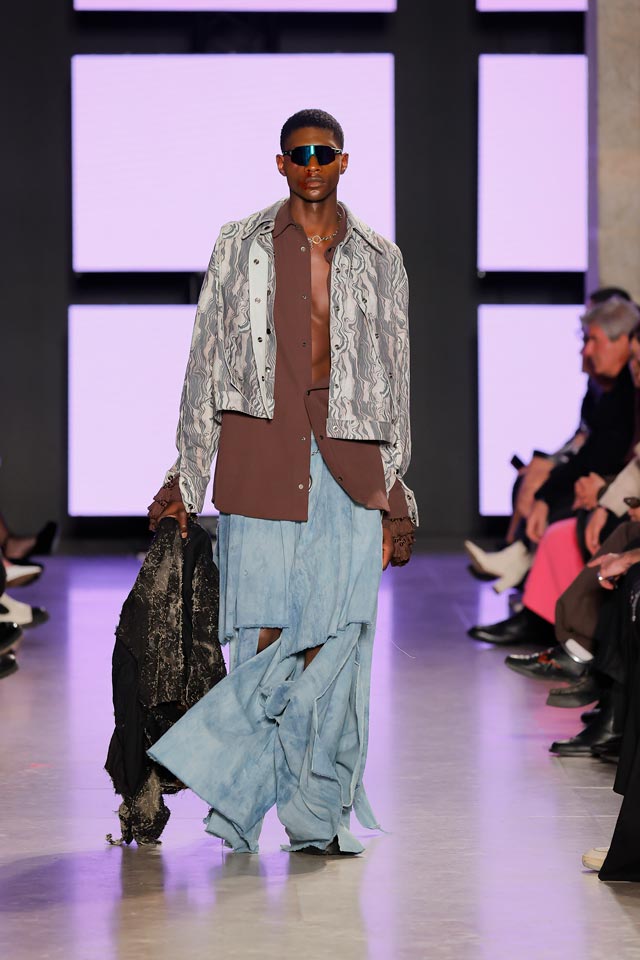
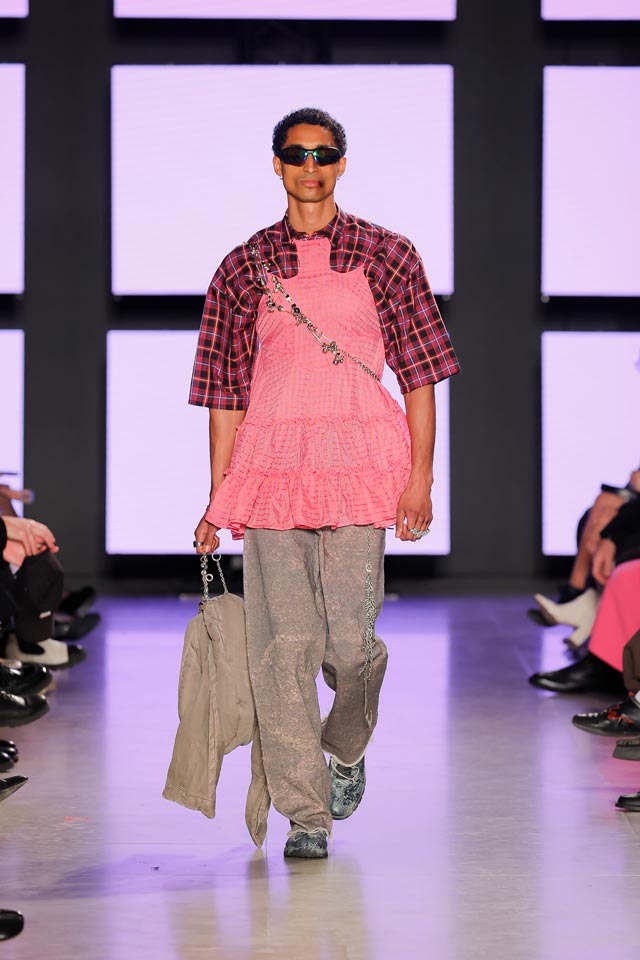
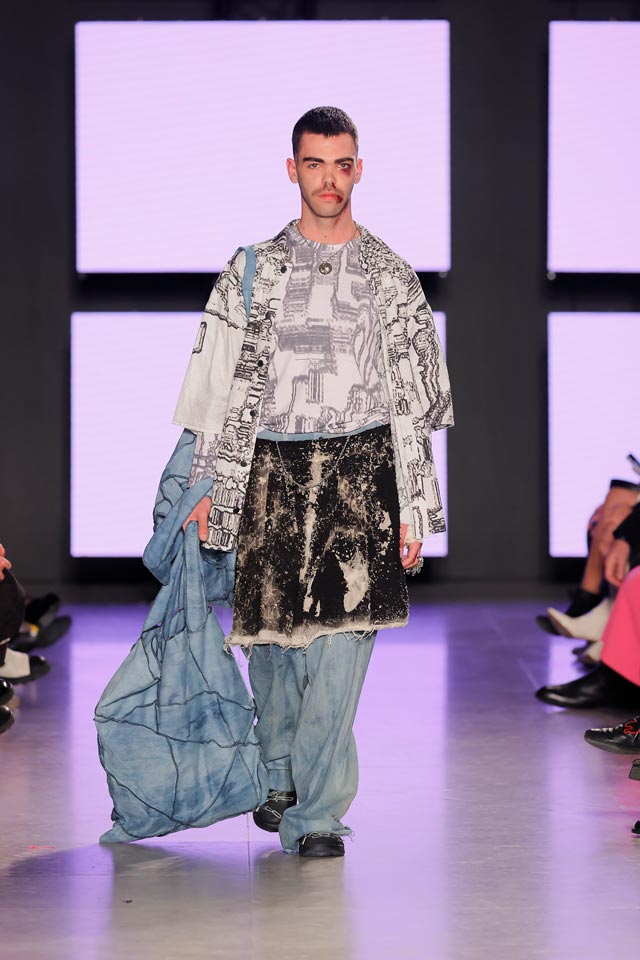
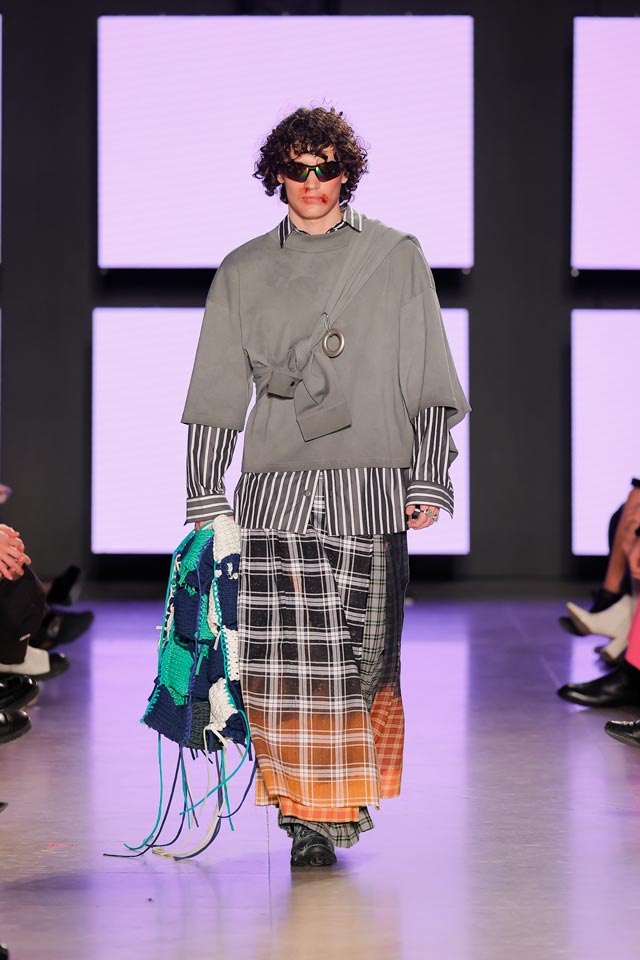
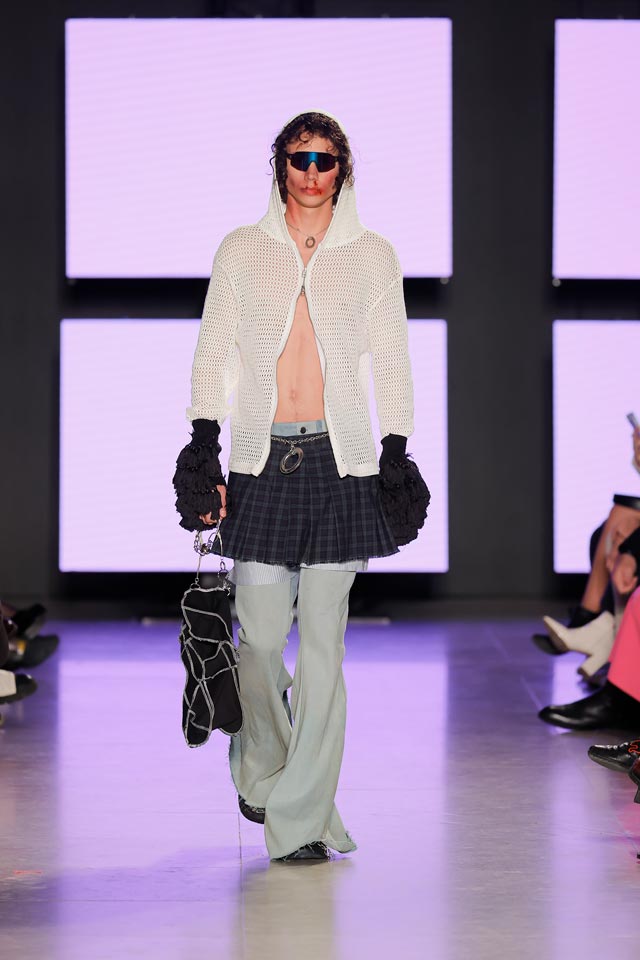
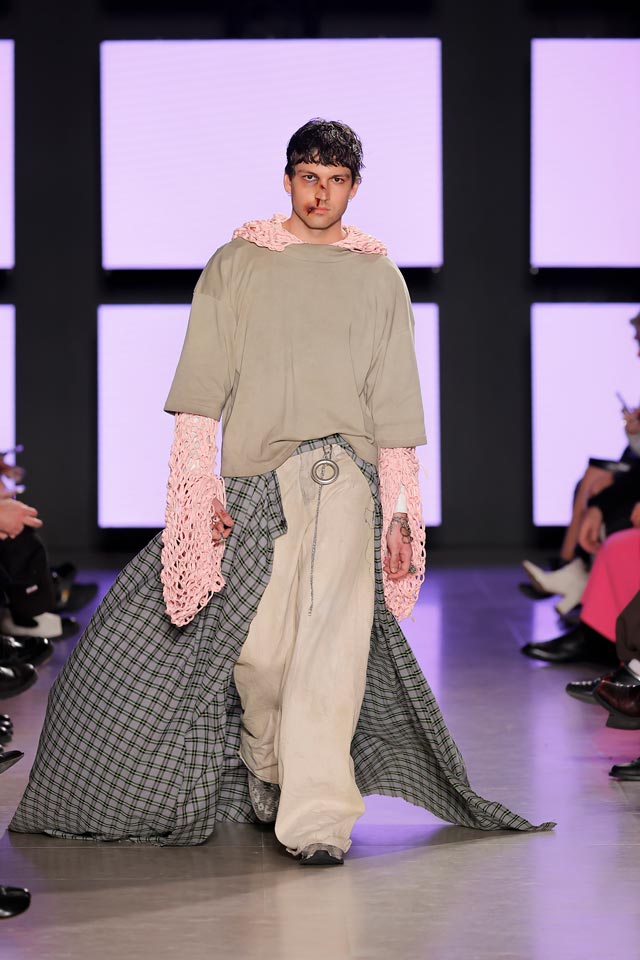
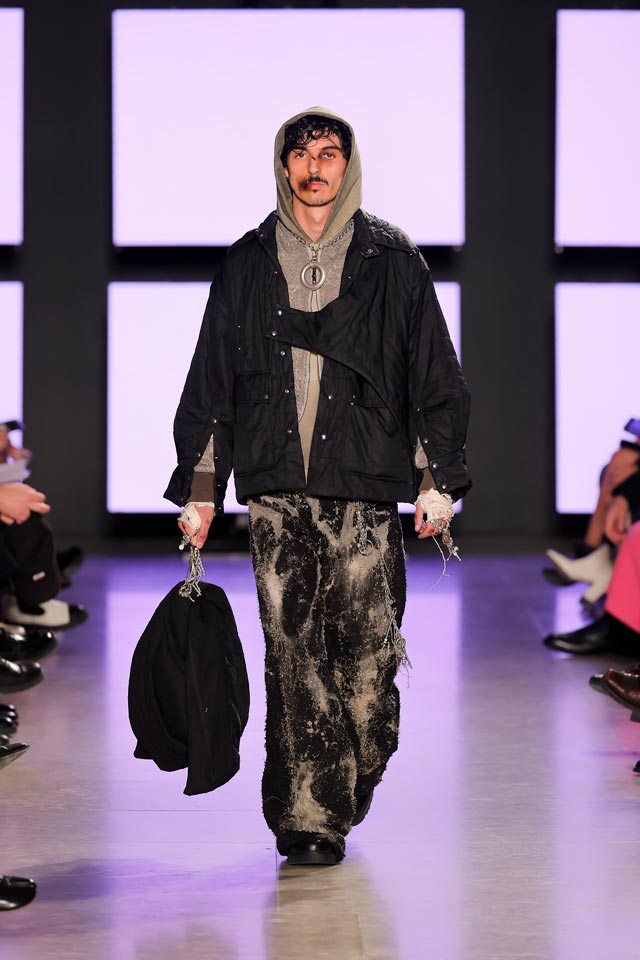
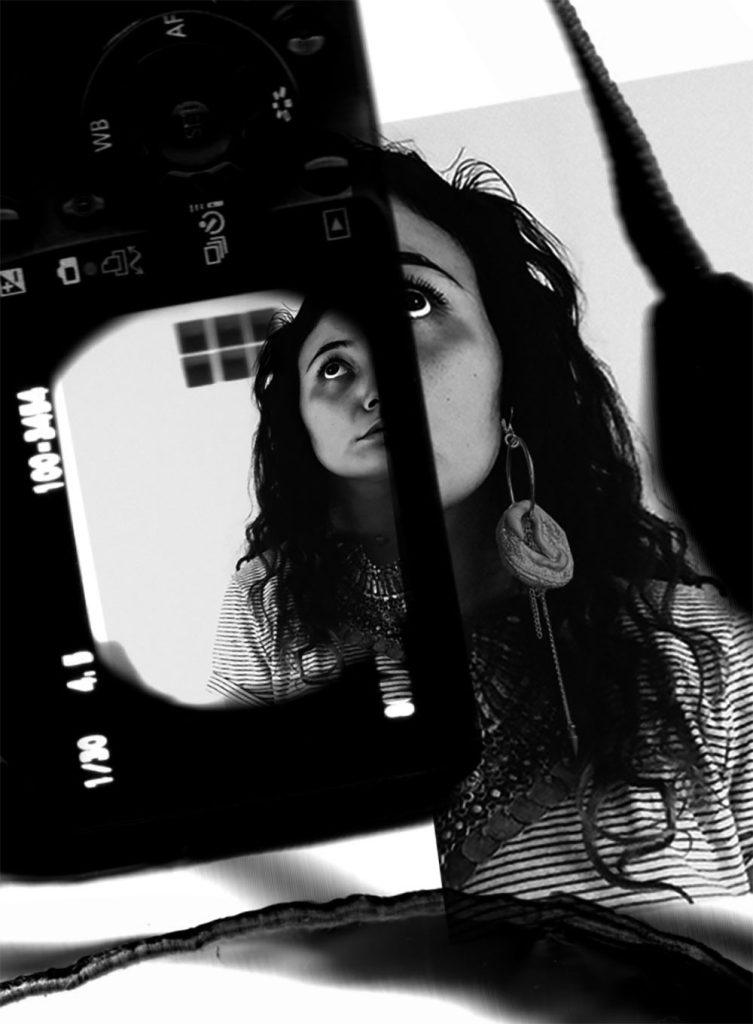
In a world where reality is becoming more absurd by the day, fashion turns into a mirror of our time. Bárbara Atanásio is a designer who fearlessly embraces chaos and contrasts, reflecting them through her creations. Her new collection, “Prophecy of the Present”, is a statement on how we survive in this mad era—caught between digital escapism, irony, and the search for meaning. We spoke with Bárbara about her inspiration, creative process, and the future of Portuguese fashion.
How did your love for fashion begin, and what inspired you to become a designer?
My love for fashion started like any other girls, dressing Barbie dolls for the picnic party at the beach. Then I grew, and it only grew with me. I tried to ignore it and study something else, but I was always drawn to the arts. It became clear that I had two choices: make this my life or keep it as a hobby. I started studying History, pursuing a more steady and socially accepted career, but even then, I was always more excited to come home and upcycle clothes or take sewing classes.
I eventually had to accept that I’m an artist, and fashion is my craft and the way I express myself.
Where do you draw inspiration for your collections? What influences your themes and ideas for each new collection?
We are clearly influenced by the world around us. My concepts come from ordinary life: daily tasks, going to the supermarket, my family, the news, and so on. I like to create new worlds that explore the story I want to tell in each collection. The idea of a dystopic alternative world really resonates with me. One of the things that inspire me the most is streetstyle photography, as well as magazines like Fruits Magazine and Tune Magazine, which are brought to us through the amazing perspective of Shoichi Aoki. The way people style classic pieces in a thousand different ways is truly inspiring.
How do you approach creating a collection? What is your process, from concept to finished product?
I tend to start with the step that draws me in at the time. If I’m inspired by materials, I begin with fabrics. If I’m drawn to a certain palette, I start with colors. If I’m in a storytelling mood, I’ll research my concept. I think it’s really important to listen to your creative flow. Ideally, I develop a concept alongside the materials and colors. I’ve tried various methods, and this is what works for me.
Next, I work on shape and fit, trying to understand what type of pieces I need to tell my story. As a History graduate, research is very important to me, and I always try to connect the dots and justify (even if only to myself) the choices I make. Once my illustrator brain map is complete, I start mixing and matching fabrics with the pieces and colors, creating an ultimate mini collection roadmap with colored tech drawings.
It’s like my cheat sheet.
After this step, the real hard work begins: patterns, cutting, sewing, and finalizing the pieces. The last step, and for me the most crucial, is the styling. This is where the collection comes to life, where I see if anything is missing from the story, where accessories enter the picture, and where I first see my vision in front of me.
What materials and techniques do you enjoy using your collections, and why?
I really like to explore, both materials and techniques, so each season various, but one steady staple is natural material, deadstock materials and upcycled ones. The denims are a must in every collection and the hand knits as well. As for techniques the attention to detail is crucial and the mix of patterns as well so coloring techniques like tie&dye are my go to and I’m always experimenting new ways of dying.
I really like to explore both materials and techniques, so each season varies, but one steady staple is sustainable materials: natural materials, deadstock fabrics, and upcycled ones. I love the idea of giving new life to existing materials. Denims are a must in every collection, as are hand knits. As for techniques, attention to detail is crucial. The mix of patterns is also a key element for me, I often experiment with coloring techniques, and tie-dye has become one of my go-to methods for adding unique textures and hues to my pieces. I’m always exploring new ways of dyeing, whether it’s through unconventional methods or new materials, to create something one-of-a-kind. I really like new challenges, which is why I’m always pushing myself to try something new.
What was your first collection like, and how did it help shape your
creative approach?
My first real collection was my graduate collection. It was a moment of trying
everything, exploring to the max, and for the first time, presenting my own vision. It was
truly a freeing moment, a “spread your wings” type of feeling. It helped shape my creative approach in the sense that now I do what I want, with no rules.
You presented a new Fall/Winter 2025 collection. What message did you want to convey through this show?
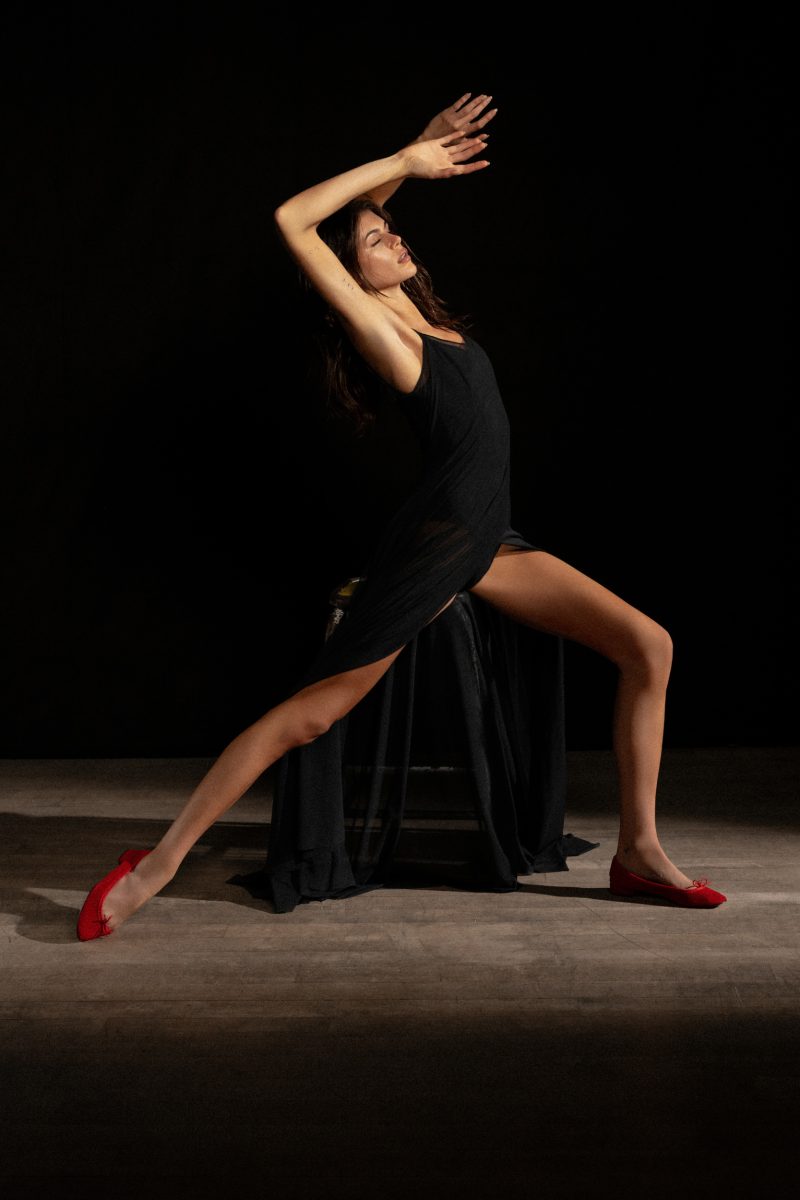
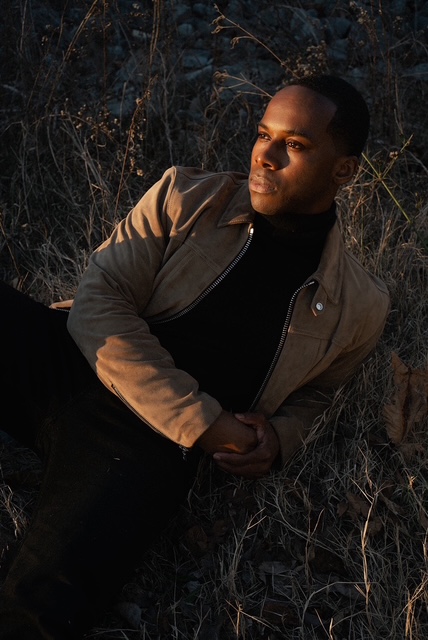
“Prophecy of the Present” is what we are living. We are surviving in this crazy world, beaten down every day by reality and this hallucinatory time. I wanted to tell the story of today, where we are witnessing the globalization of stupidity, living with nonsense, and trying to rationalize the impossible. So, we turn to technology, to humor, to everything that distracts us from reality. It is truly the delusional survivalist’s way of living.
Where can people buy your clothing— is it available online, or only in stores?
It’s always available at the Pl’a Arte Creative Room, and soon online. But anyone can always send me a DM!
Which designers or brands would you like to collaborate with in the future?
Portuguese baby designers, because they are my community, and we are stronger together. I believe in the power of collaboration and the creative energy we can generate as a collective. It’s all about supporting each other and pushing boundaries. I would love to take on massive projects that challenge me to the max, like collaborating with streetwear pillars such as Stüssy or Evisu, or designers like Emma Chopova and Laura Lowena. The chance to merge my perspective with theirs would be such an exciting opportunity.
I would also really love to collaborate with non-fashion brands; it would definitely be a challenge, but I’m drawn to the idea of mixing disciplines and creating something unique.
What goals have you set for yourself and your brand in the coming years?
Keeping growing, as a person, as a designer and as a brand. I never really saw myself having a brand so my goal is navigating what makes sense to me as a one and what it’s not really my scene. Understanding that are many ways to do this and study the way to go that allows me to continue doing something that I love and keep loving it is vital.
How do you see the development of the Portuguese fashion industry?
What do you think could help young designers become more recognized, both nationally and internationally?
Young creators are going to bring fresh blood to the industry. Portugal is a great manufacturer of materials and clothing, and connecting the industry with designers is a key element in fostering innovation. With the right support, young designers can enter the market with high-quality, sustainable products that speak for themselves and capture the attention of a global audience.
We are in the eyes of the world, Portugal is gaining popularity, and this is the perfect moment to leverage our unique identity and craft. We need to ride this wave, creating not only products but stories and experiences that resonate with people. There’s so much talent here, and we need to ensure that young designers are given the platform and resources to thrive. We are tiny, but we are really good, and together, we can prove that Portugal is a force to be reckoned with.