By Julia Radovich
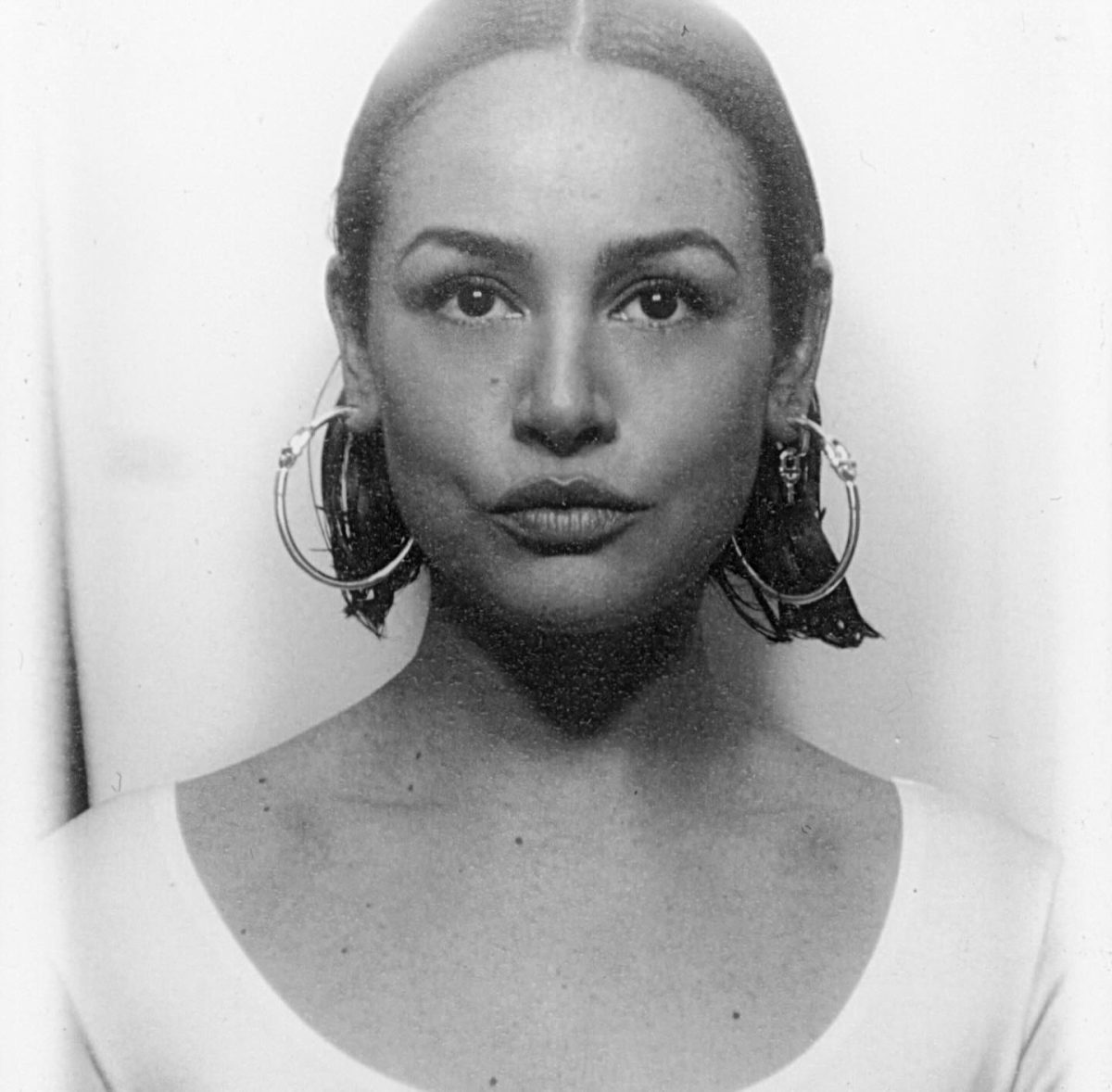
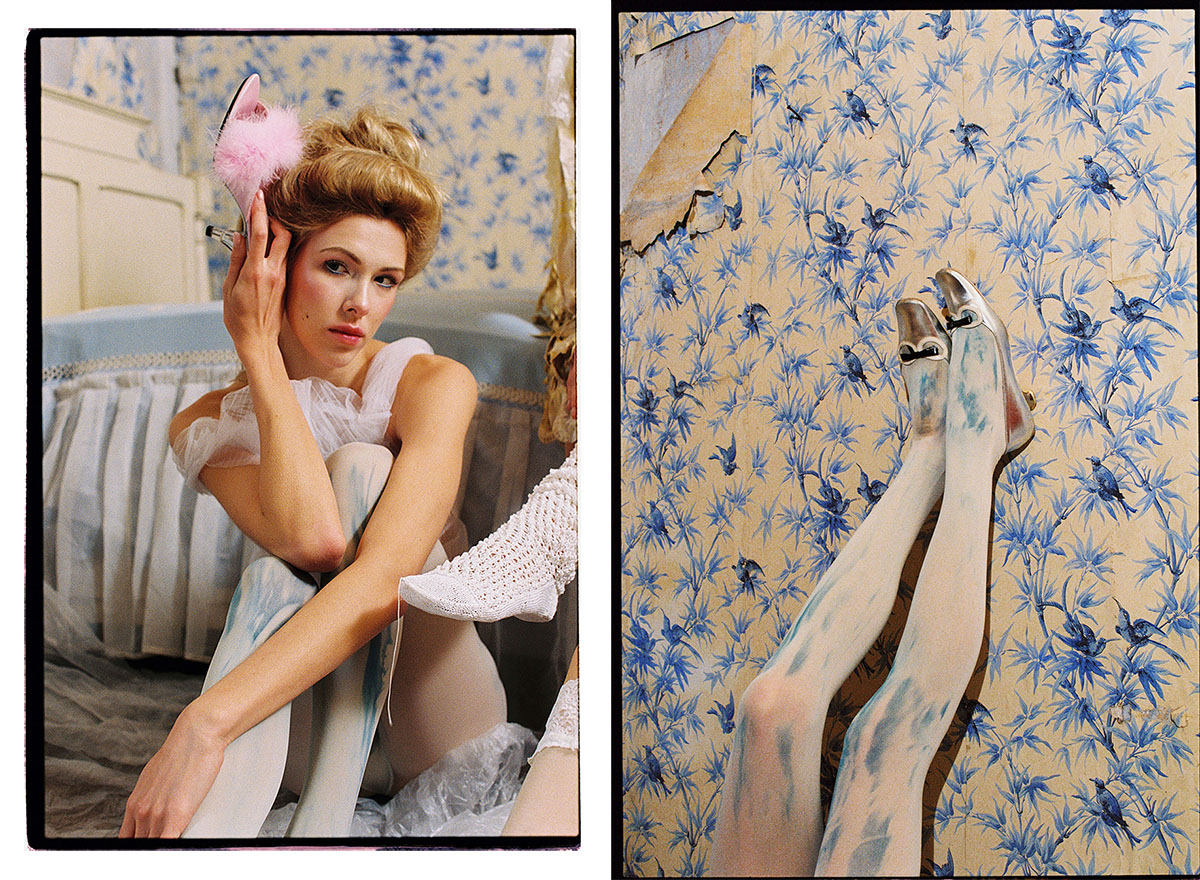
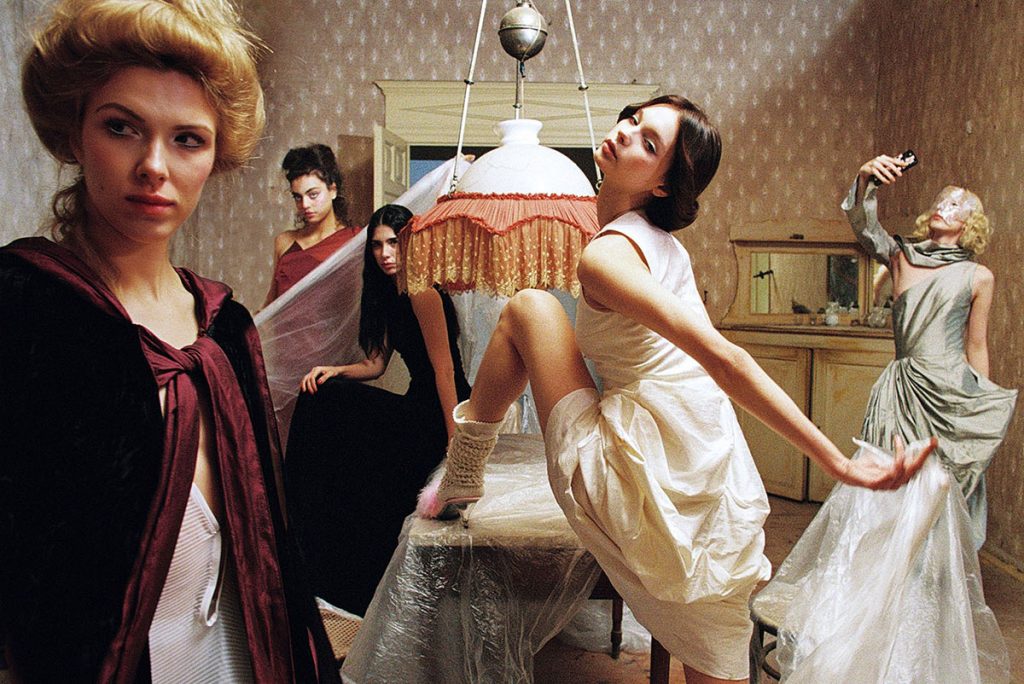
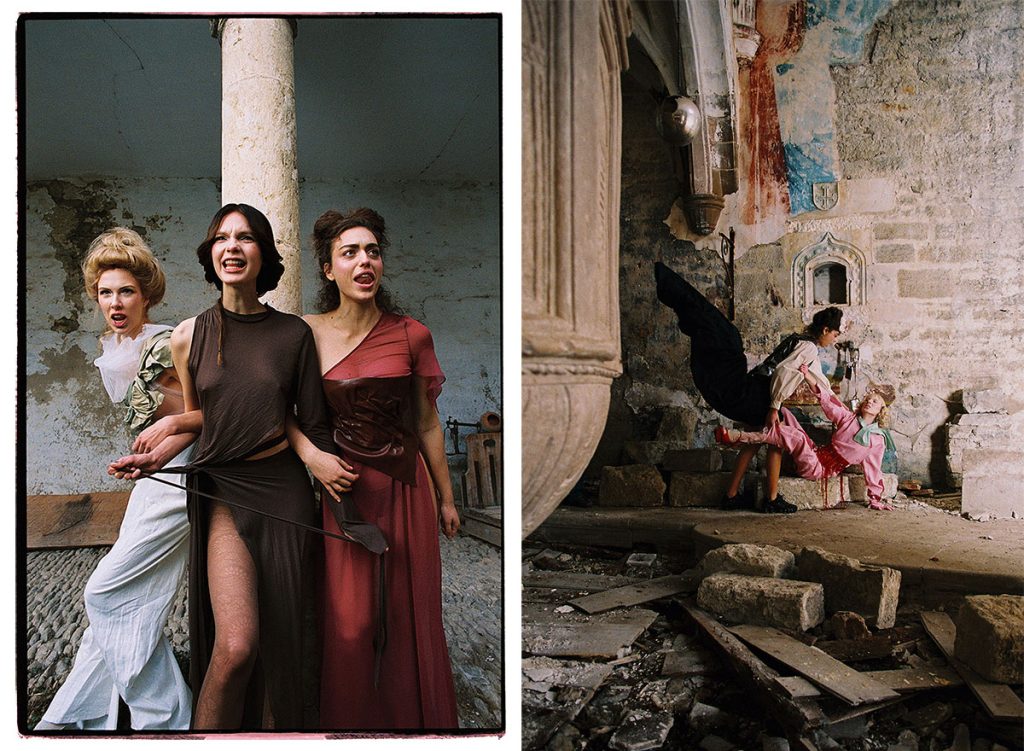
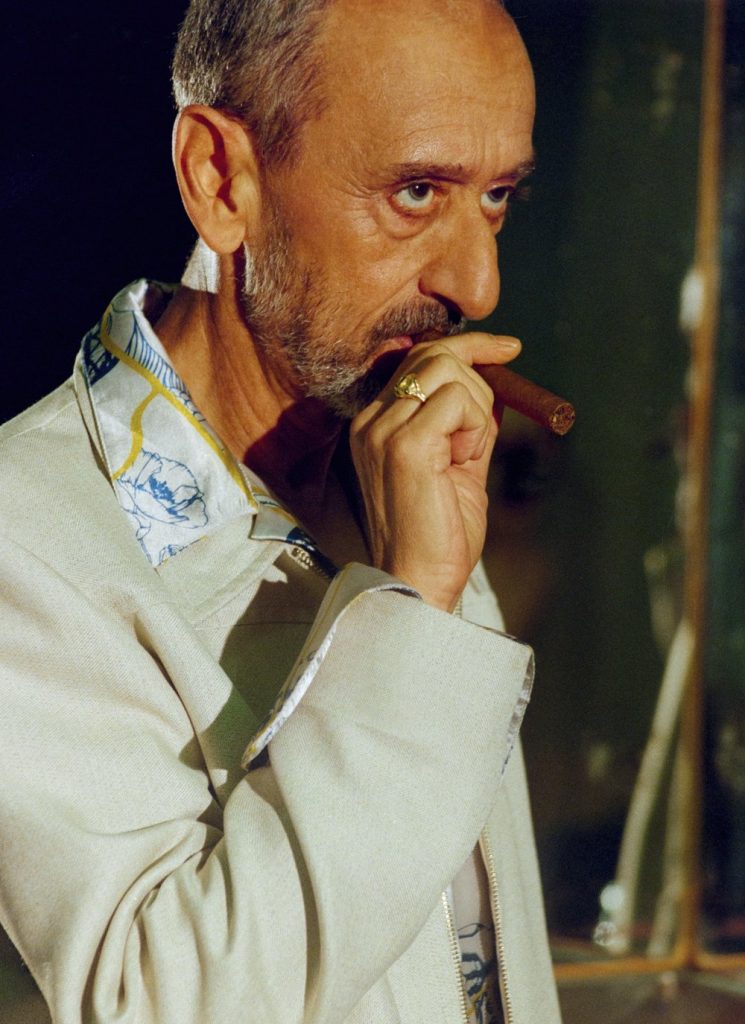
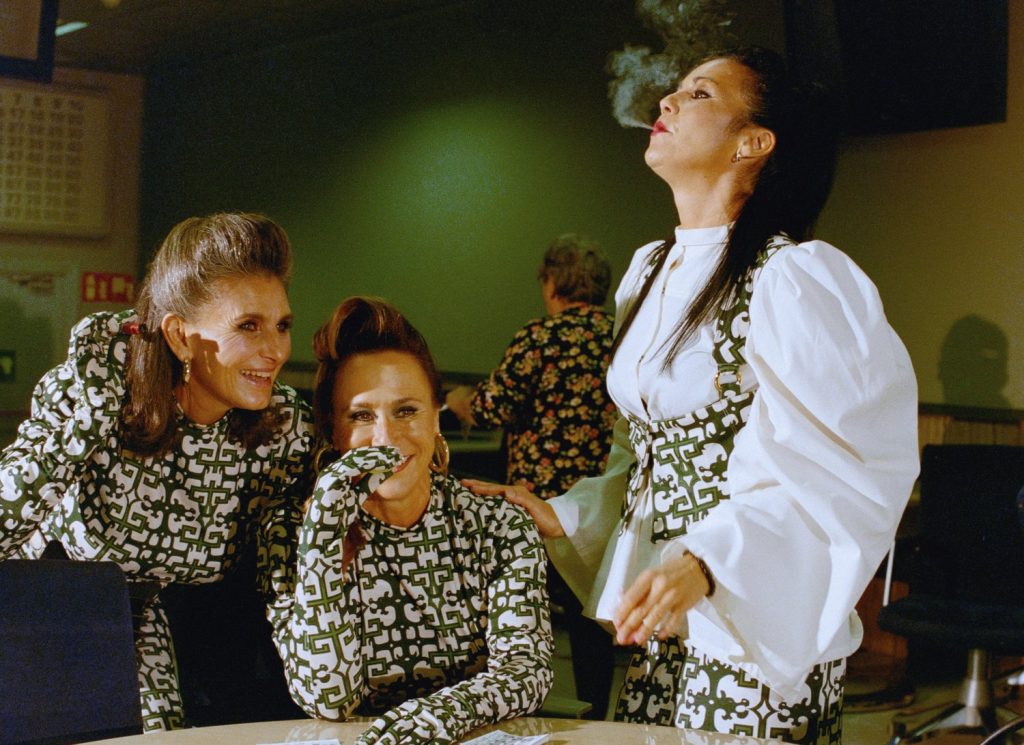
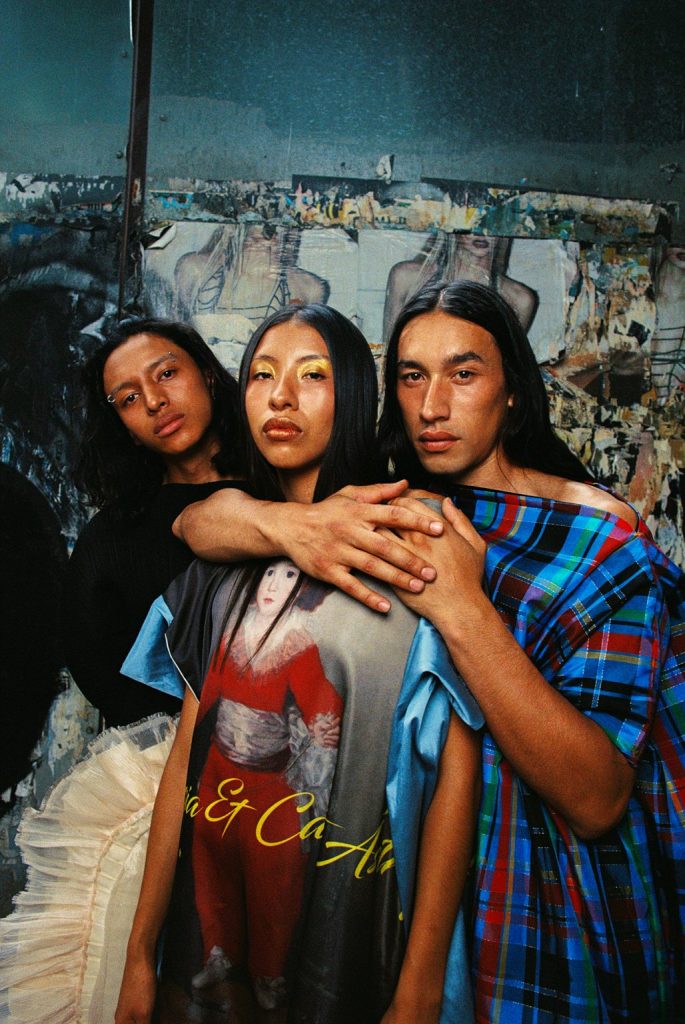
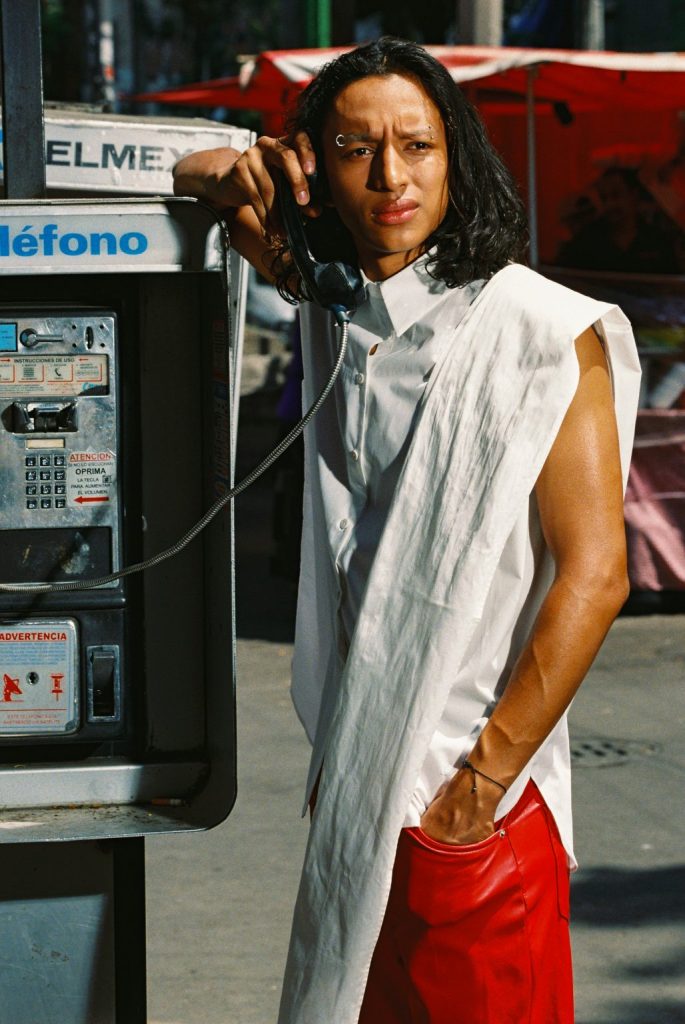
From the small town of Concepción, Chile, to global magazines like Vogue and Forbes, Rocío Aguirre Venegas’s journey is one of cinematic romance and analog charm. With an eye for 70s American cinema and a deep passion for unconventional subjects, Rocío captures a unique blend of nostalgia, culture, and creativity in every frame. Here, she shares how her Chilean roots and love of cinema inspire her artistic projects, blending the worlds of art, culture, and fashion into images that feel at once timeless and deeply personal.
What drew you to photography initially, and why did you choose to work with analog photography?
What got me hooked on photography was being able to physically create those universes that only lived in my head. I grew up in Concepción, a small city in Chile, where art and photography were not a priority; only musicians stood out there. I needed a medium to get all those ideas and thoughts out, and photography was the perfect way to do it.
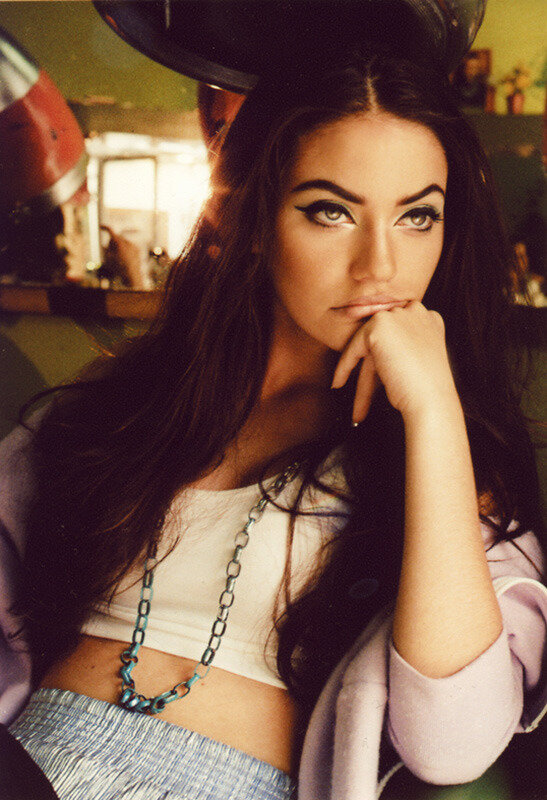
I always say that it was analog photography that chose me, not the other way around. When I wanted to take photos seriously, just before I entered college, I didn’t have the money for a digital camera. A friend lent me his analog camera, and since film and film development were cheap back then, I started experimenting with it. When I finally considered doing digital editorial, I had already fallen in love with the colors and texture of analog. So I decided that would be my label.
Now, it’s true that for some professional work I use digital because it’s more immediate, but personally, my projects are still analog.
Growing up in Chile, what aspects of your background have influenced your visual style or choice of themes?
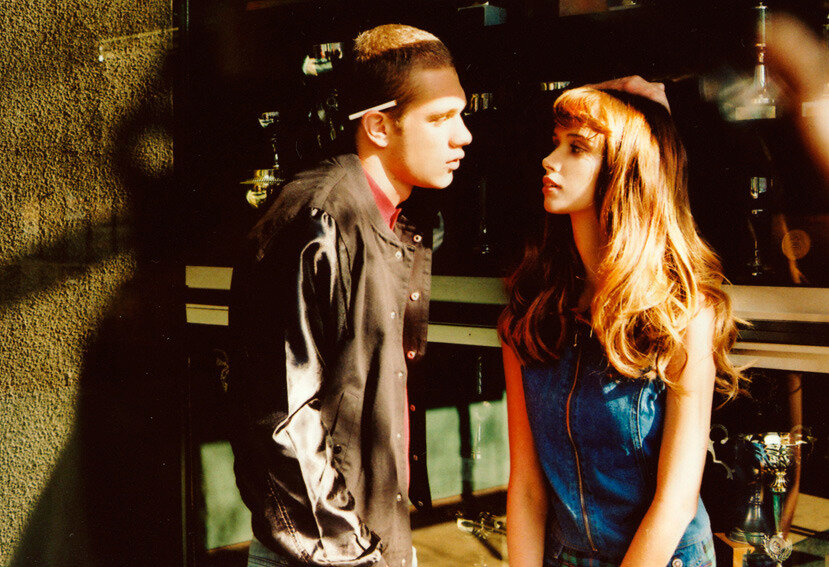
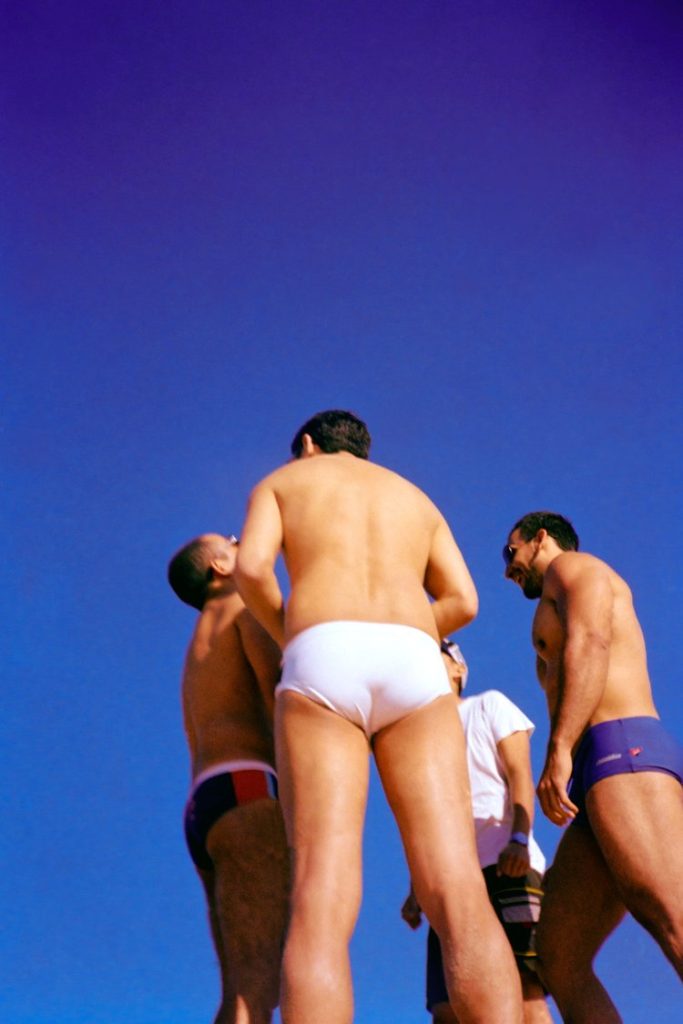
I think Chile has been very influenced by U.S. culture, especially since the dictatorship. My generation grew up with a strong desire to be part of that culture, which has always seemed curious to me, considering that we are such a small and distant country. Although it’s not so common anymore, in my youth I was fascinated by creating images that emulated the American cinema of the 1970s and the independent films of Sofia Coppola. However, what I ended up achieving was a peculiar mixture, a reality that didn’t really exist.
Are there any specific artists or movements that inspire you?
I am inspired by many different things. I admire Martin Parr’s vision and Scorsese’s cinema. I also find Renaissance painting and Contemporary art fascinating. I’m drawn to 1950s furniture, music, and nature, especially the sea and the rainforest. And, of course, women have always been an important source of inspiration in my work.
You’ve mentioned about the “double balance life” of working in both commercial and artistic photography. How do you navigate between these two worlds, and what do you enjoy about each?
The commercial world is what gives me the money to be able to afford my more artistic projects. But it also helps me to stay disciplined and to keep polishing the way I see things. Sometimes it can be a challenge to move between the two, but I really enjoy it. The commercial side forces me to think more strategically and adapt to what the client is looking for, while in the artistic side I have total freedom to experiment and work on things I’m really passionate about, without restrictions.
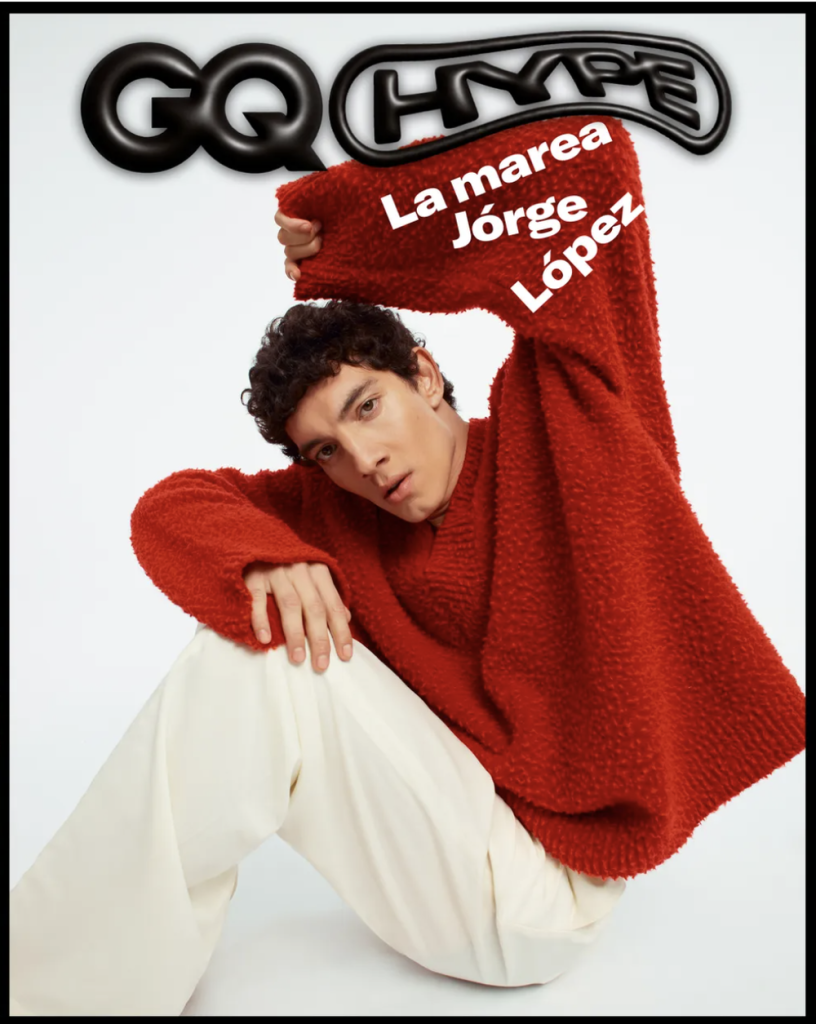
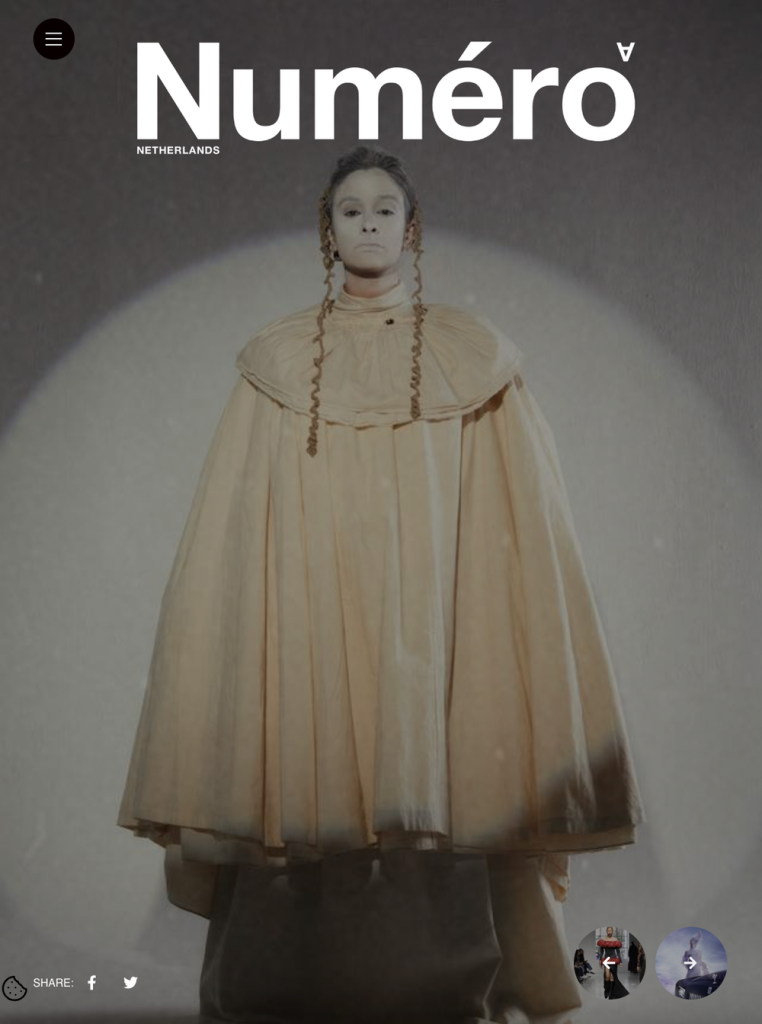
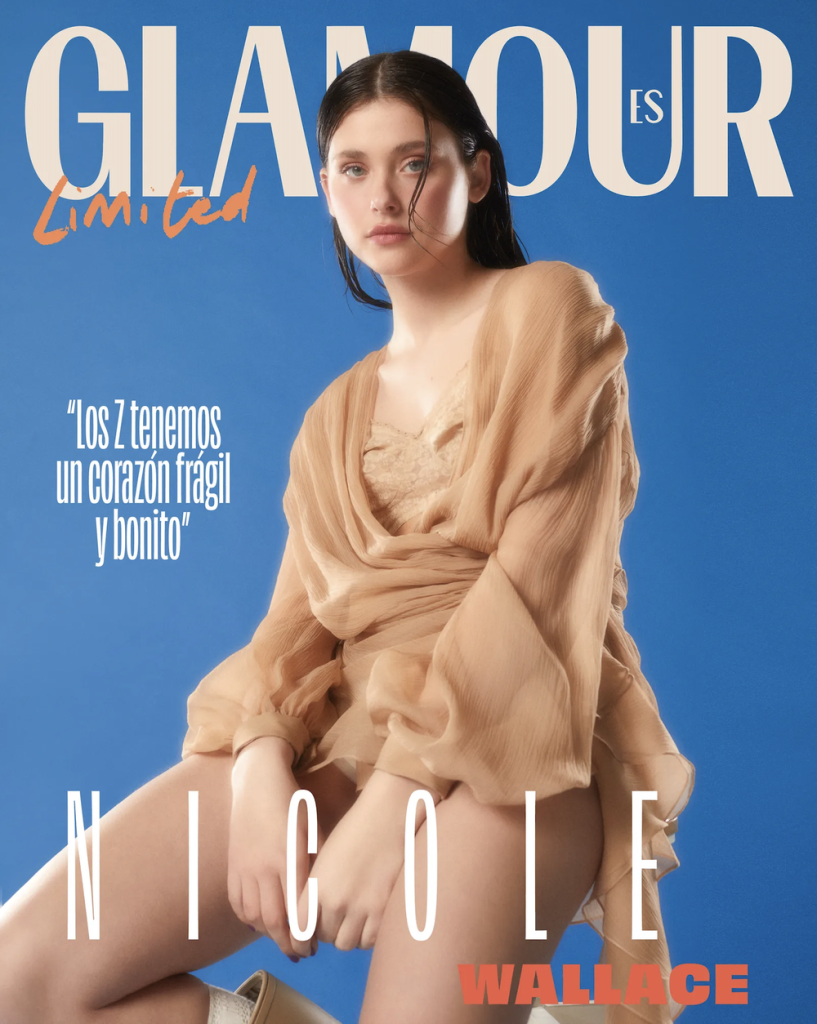
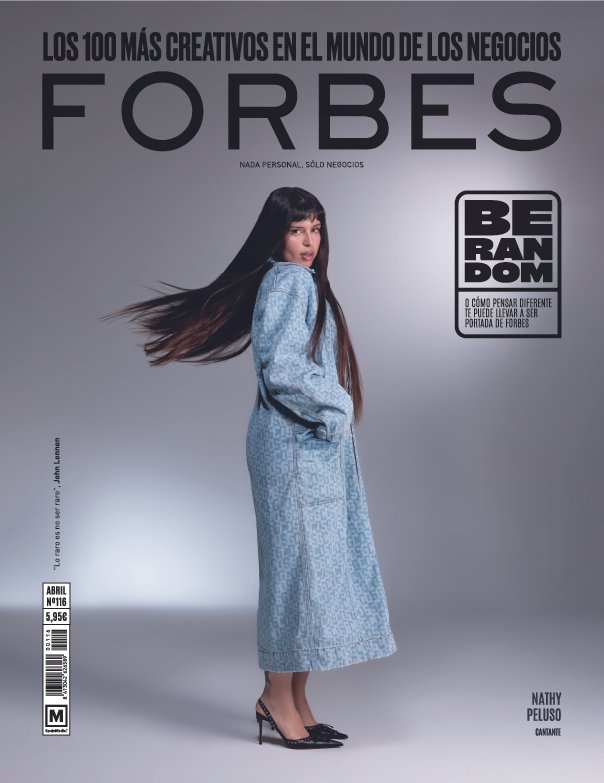
You’ve worked with prestigious publications like ID, Forbes, Vogue, and Vice. How has this exposure shaped your perspective on fashion and photography?
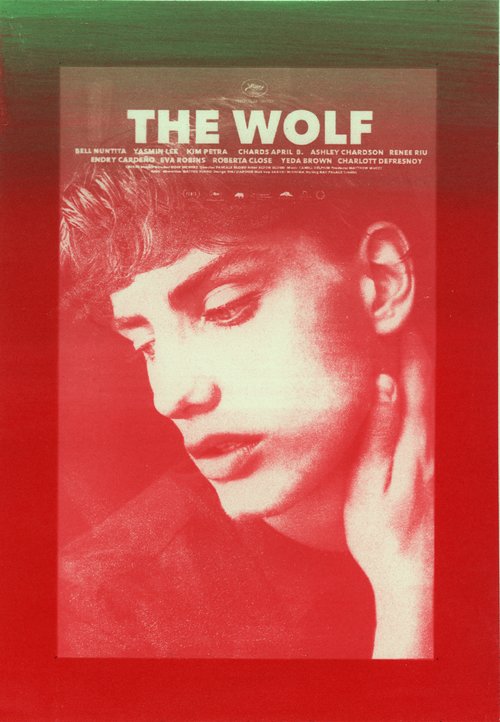
I love the editorial world, and I have a real weakness for printed paper. Although I know that editorial is like a middle ground between art and commercial photography -because, let’s be honest, we don’t have total creative freedom-, I defend it to death. I don’t want that showcase we have as photographers to disappear. There’s something special about seeing our work on physical pages, in a tangible format that still has a unique power in the digital era.
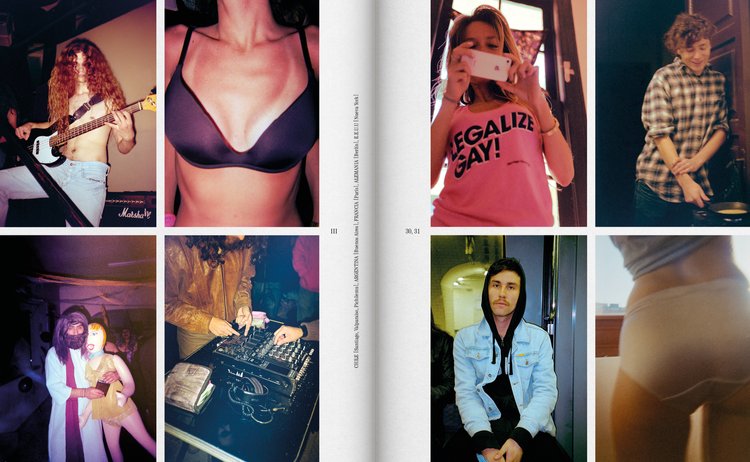
Rocio [2008–2022] captures over a decade of personal memories. Could you describe what inspired this project and what it means to you?
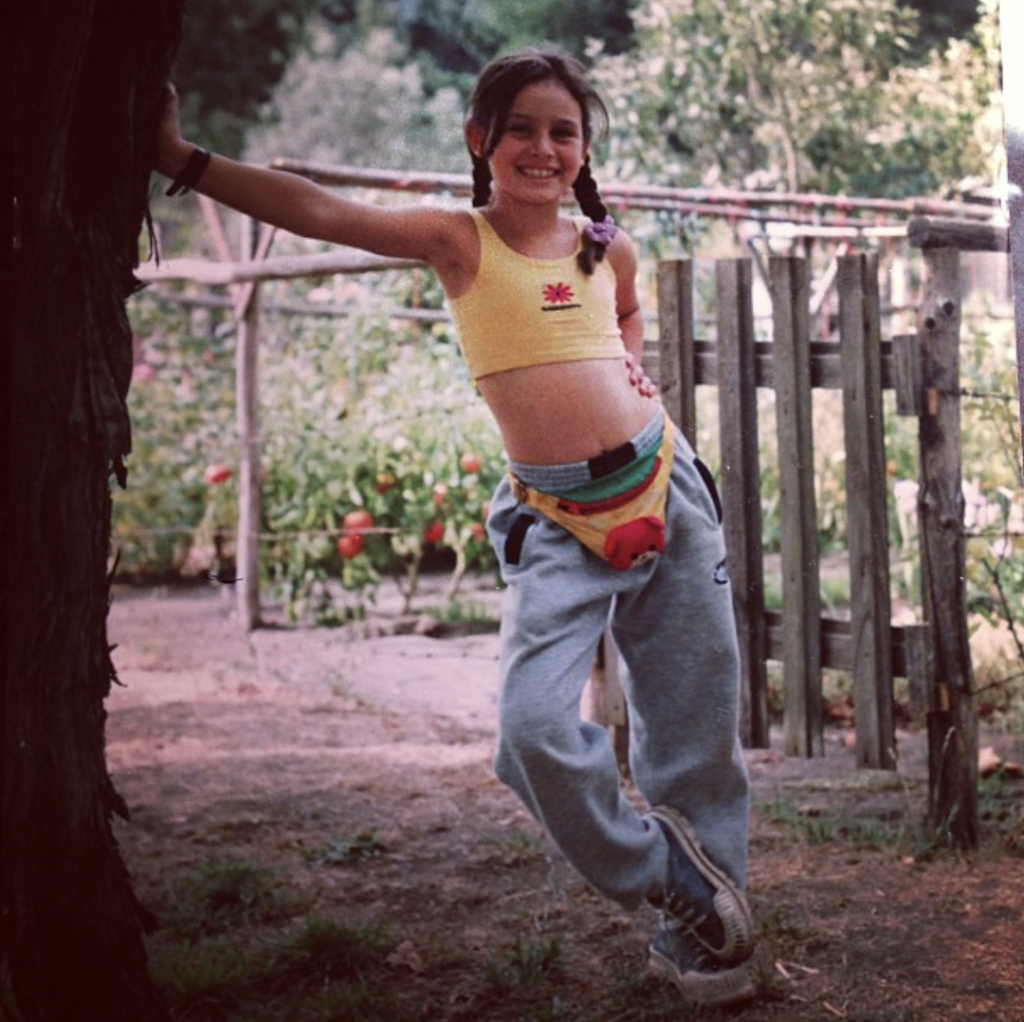
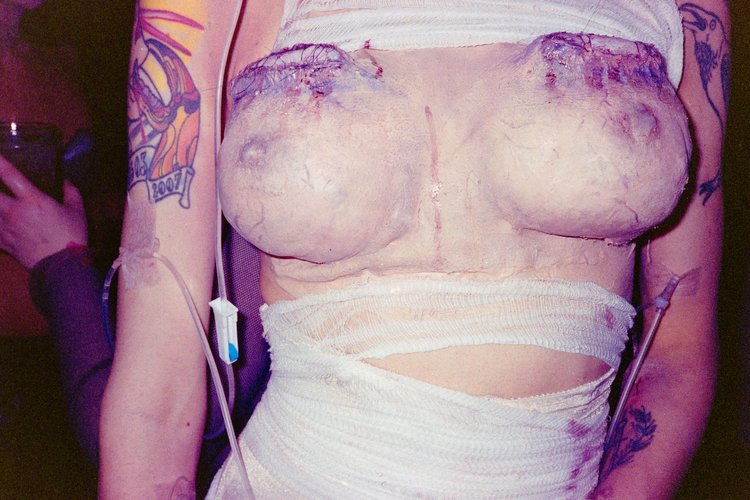
This project is very personal for me, as it gathers 14 years of intimate photography, of my environment and my life. It began as a need to give a space to those images that did not fit in my usual work, that had no place on the internet or in editorial publications, but still felt they deserved to exist. The funny thing is that something that started with no major pretensions has been so successful that I decided to go ahead with it. Nowadays, every time an idea takes shape in my head, I carry it out, because the real success is simply that these projects exist.
How did you approach selecting the images for the book?
It was a process that extended over several years. I would take it up again and put it aside at different times, as often happens with life circumstances. But there came a point where, feeling more stable, I finally decided to do it. I called my best friend, someone who doesn’t judge me, who knows me like no one else and with whom I would never feel attacked for his opinion. I asked him for help in shaping what was only a skeleton of an idea, and in three months we had it ready.
Your work often reflects a sense of nostalgia and intimacy. How do you decide which moments to capture?
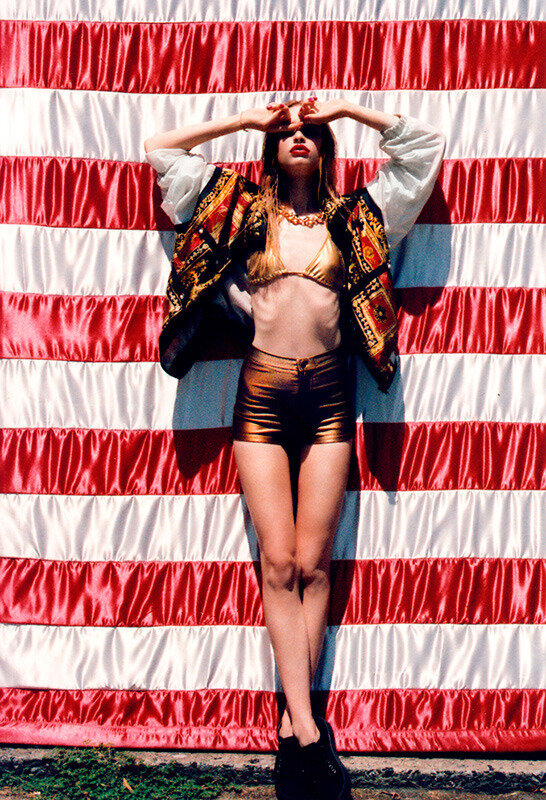
Before each shoot, especially for editorials, I always try to make a previous research of what I want to photograph. I like to think about what I want to reflect and the visual elements that appeal to me. Then, during the shooting, I let myself be inspired by what is happening at the moment: how the light hits, how emotions develop. Even though there is some planning behind it, I try to keep myself open and let myself be carried away by the spontaneity of the moment.
You collaborated with notable figures like Martin Parr and Yvonne Venegas. How did their perspectives influence the project?
It was all pure luck. When I decided to do the book, I felt that my photos were so personal that explaining them by myself seemed like an unnecessary ego-trip. I thought then that three people could look at the images and give them their own interpretation. I wanted a Latina woman photographer, someone who could connect with my vision. My designer recommended Yvonne Venegas, who in addition to being a great photographer, has an approach very close to mine. She had worked with my designer on a book and, knowing her work, her vision and sensibility seemed perfect for this project. Then I thought of Martin Parr, the photographer I admire most in the world, and decided to contact him directly through the email on his website, almost as if I were flipping a coin and making a wish. A week later, I received an email from his personal address, with his characteristic ironic tone. He made some comments and said: ‘If you want, you can use this phrase in the book’. That detail was the final touch I needed to conclude it.
Could you share any particular challenges or memorable moments from creating Rocío [2008–2022]?
I will never forget a very peculiar moment in the process of creating my book, I had the photos printed and pasted on a large wall in my living room so I could easily change the order before deciding on the final design. As the book contains moments of nudity and intimacy, I decided to cover those images with a sheet of paper in case unexpected visitors came. It was a strange feeling, especially when I thought that in a couple of months, there would be 500 copies of the book circulating around the world.
What’s your favorite range of cameras, and how do you think these choices impact the story your images tell?
I love to try different types of cameras, as I have never thought that a camera makes the photographer. For me, they are all valid. However, I have a special affection for 35mm cameras, especially the Canon AE1 Program that I used at the beginning. I also always take pocket cameras with me when I travel, as they help me remember moments, even after many years. In Rocío [2008-2022], you can see an improvement towards the end, as I started to use cameras with a higher sharpness, but, in the end, I think that necessity is what makes the artist; having to invent resources to be able to express what he wants.
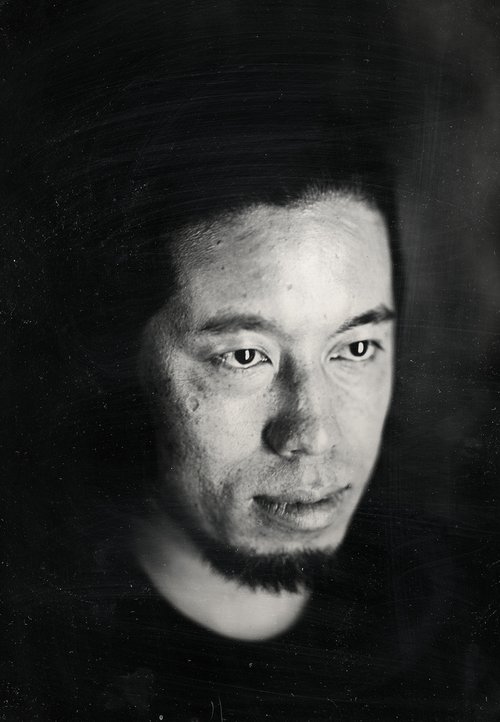
In 2017, you specialized in alternative techniques like wet collodion at New York’s Penumbra Foundation. What led you to experiment with these methods, and how have they influenced your artistic style?
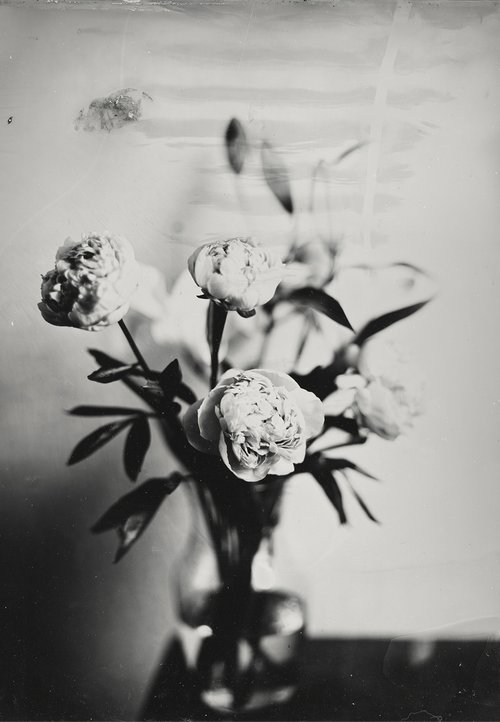
At that time I had been working in advertising for several years and I was not proud of my work. I felt disconnected, as if what I felt for photography had been reduced to just a job. It was then that I decided to travel to New York and study at Penumbra Foundation, an academy that taught obsolete techniques such as wet collodion. What attracted me to these techniques was that you could create the photograph from scratch, even the plates, with your own hands. That experience brought back my passion for photography and taught me that whenever I felt that disconnect, these kinds of manual processes would help me reconnect with what really excites me about this art.
How do you think photography as an art can address or reflect cultural issues, especially for Latin American youth?
I have always embraced the multiculturalism that exists in the world. Although colonization had devastating effects and subdued many identities, I believe that the mixing of cultures can enrich peoples. When cultures meet in a respectful and natural way, as happens with immigration, a unique cultural richness emerges that has the power to transform and strengthen societies. I myself have lived this experience when I immigrated to Spain.
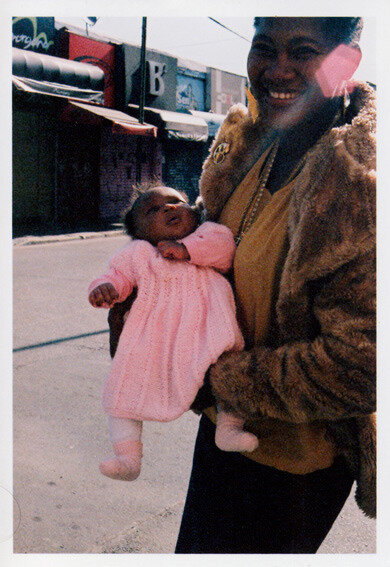
As a Chilean teenager in 2008, I was completely obsessed with American art and culture, although I did not see much connection to it in my environment. I remember that one of my first editorials reflected a bit of that mix of cultures I’m talking about. I was inspired by Jamel Shabazz’s portraits and photographed the first Haitian immigrants in Chile, right in the center of the capital, a rather crazy mix but one that reflects the above.
Are there any new projects or themes you’re interested in exploring in the future?
I’m in the process of creating a new project, although I don’t know how long it will take me, since it’s something so personal, you never know where it will take you. However, I’m very excited because it would be a sort of pre-sequel to the book, inspired by the life journals I wrote before I started taking photos.
Are there any creative fields or mediums outside of photography that you’re interested in pursuing?
Yes! I’m looking forward to learning more about art history and colorimetry, areas that may not be directly related to photography, but are always interesting to me. I’ve also been taking piano lessons for a couple of years now, just for pleasure, and I love it.
If you could write a letter to your future self, what would you say? What hopes or aspirations would you want to remind yourself of as you continue your artistic journey?
If I could write a letter to my future self, I would ask for help to stay focused and strong with the projects I have in mind, especially when things get complicated, and also an ‘I told you it would be okay’, as a reminder of what I have already accomplished, to keep me moving forward.