

A Colombian fever dream takes over the Opéra.
BAOBAB was never built to behave. Born from 150 swimsuits sold on Instagram, the brand grew by following instinct rather than instructions: turning color, movement, nature and unapologetic joy into a universe of its own.
For Resort 2027, that universe lands at the Opéra Garnier.
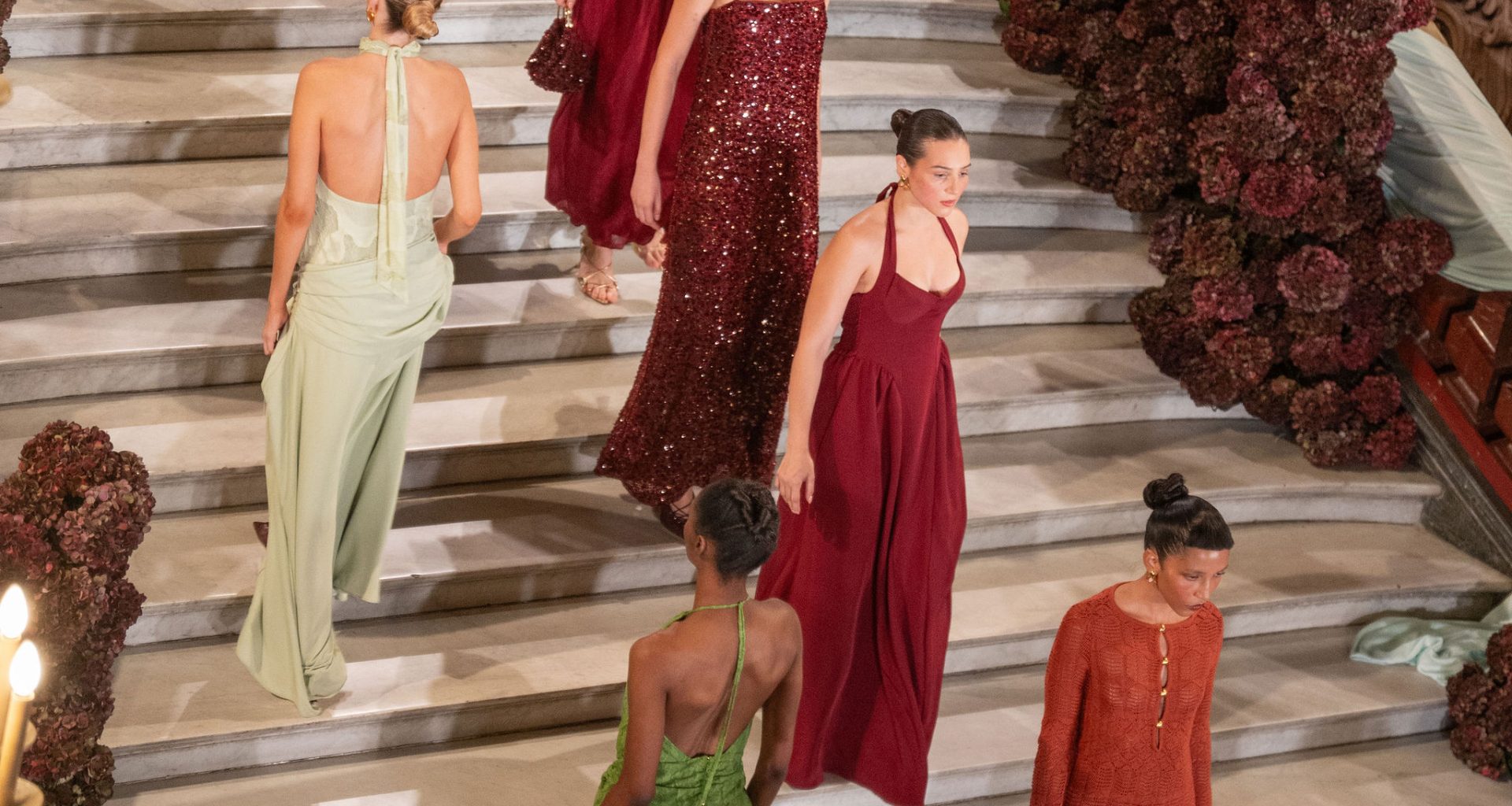
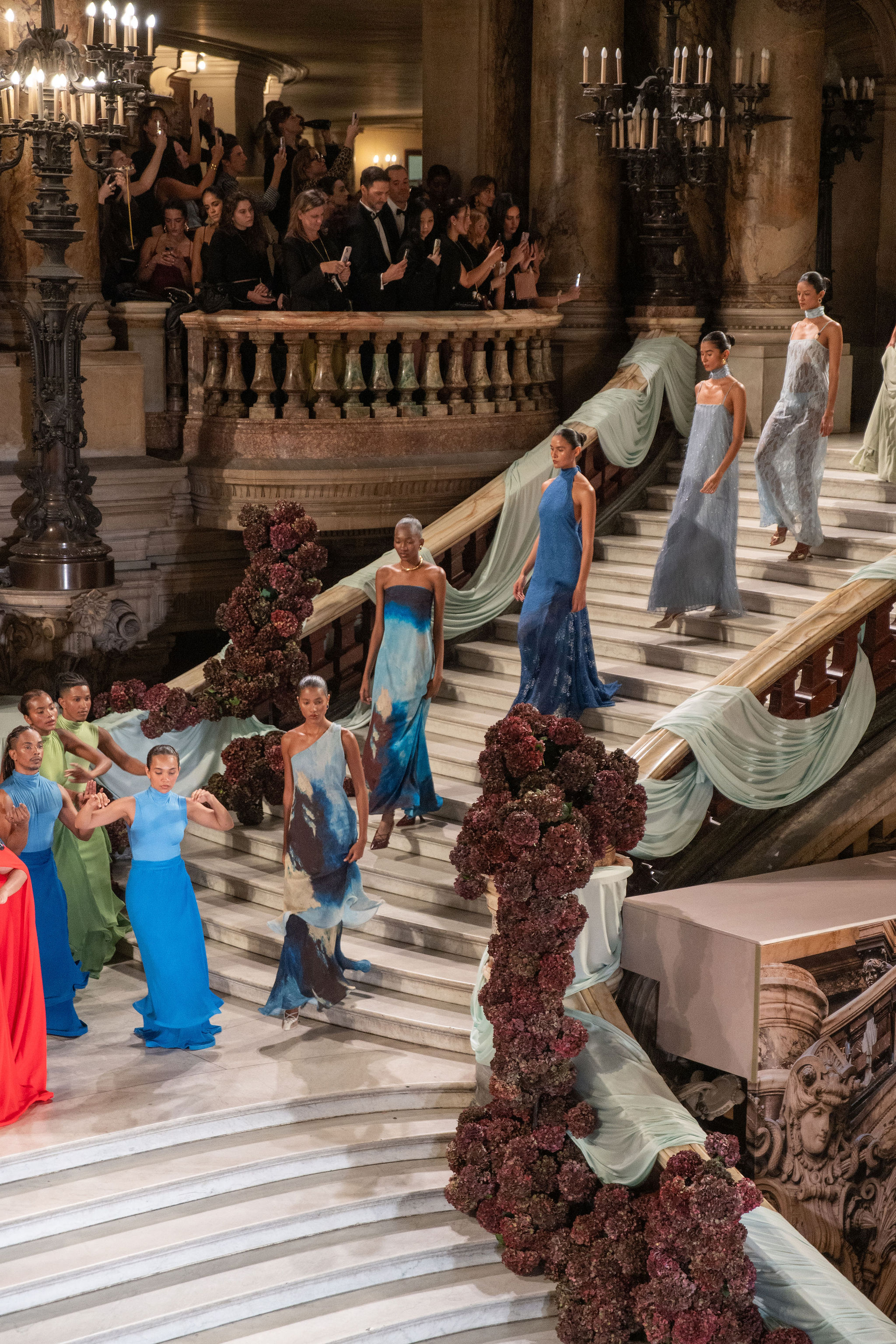
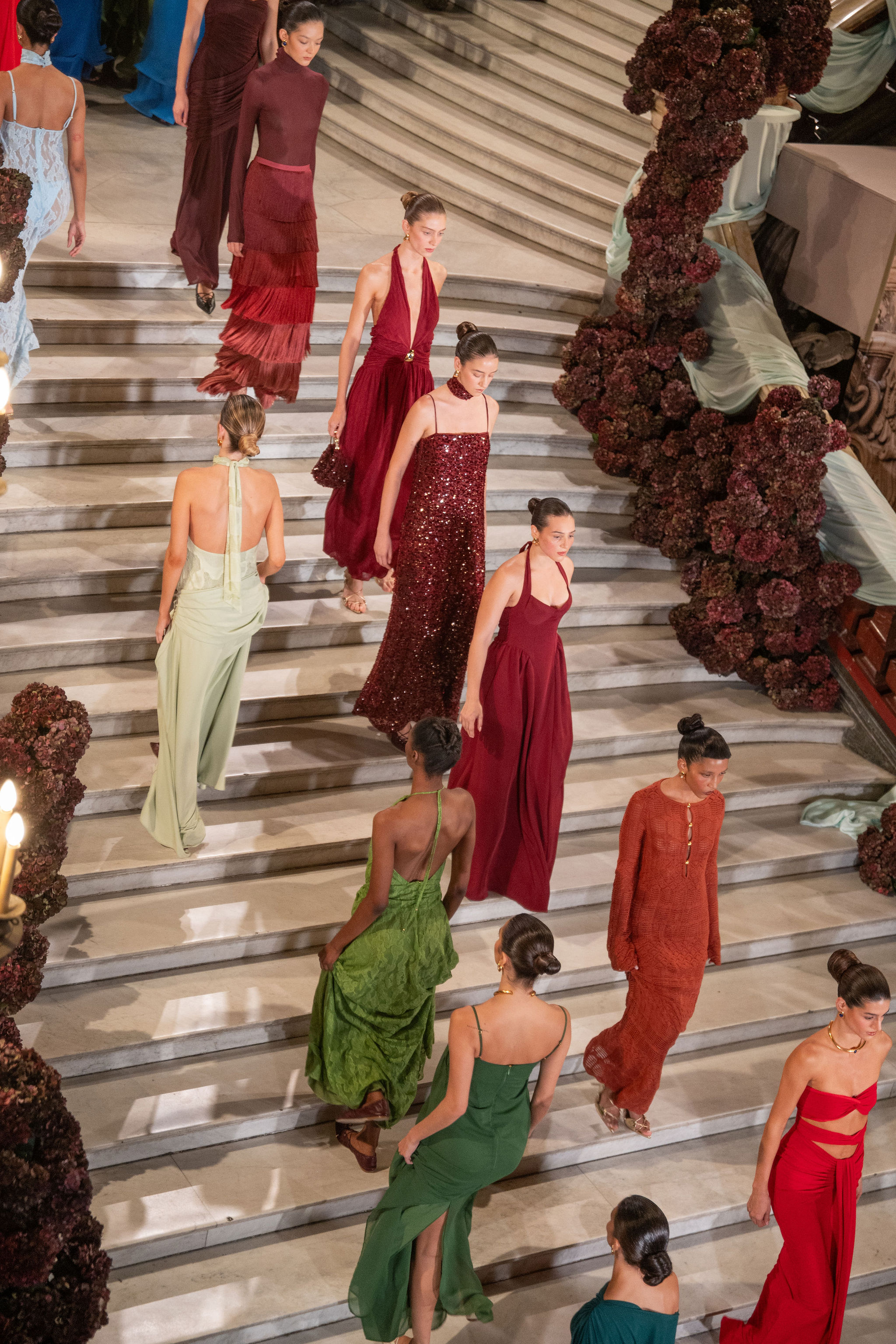
Three centuries of Parisian grandeur meet the wild pulse of Colombia: lace gets tropical, silhouettes get unruly, dance replaces the traditional runway, and the gilded architecture becomes the backdrop for something that was never supposed to be there.
This is BAOBAB at its most audacious: not escaping into fantasy, but making fantasy the new reality.
We talk to its founder Isabella Espinosa about breaking rules before knowing they existed, building worlds instead of garments, and the improbable journey from Instagram swimsuits to the grandest stage in Paris.
You entered fashion as an outsider, without a traditional design background, and built BAOBAB from 150 swimsuits sold on Instagram into a global resortwear brand. Do you think being an outsider gave you the freedom to imagine a different fashion system, before you even knew there was a system to follow?
Absolutely. Not knowing the rules gave me the freedom to break them before I even knew they existed. I think that same instinct is what eventually brought BAOBAB to the Opéra de Paris. On paper, a young Colombian brand and a three-century-old Parisian institution may seem like two completely different worlds. To me, bringing them together felt like part of our story.
You often speak about BAOBAB as a brand that wants to “build worlds, not garments.” What does that world look like in your imagination when there is no collection, no campaign and no product in the room?
BAOBAB has always been about building a feeling around the clothes: color, movement, music, nature, freedom. At the Opéra de Paris, that philosophy became real. The clothes were only one part of the story. Colombia arrived through dance, music, art and celebration. For one night, we built our world inside theirs.
The baobab is a symbol of resilience, longevity and life, but BAOBAB has also become a very contemporary, international fashion language. How do you protect the soul of something deeply rooted in nature and Colombia while allowing it to keep evolving into something that belongs everywhere?
The more global BAOBAB becomes, the more important our roots become. Colombia is not something we need to constantly explain or illustrate. It lives in the way we use color, celebrate the body, embrace nature and approach life with a certain intensity. The language can evolve, but the soul stays the same.
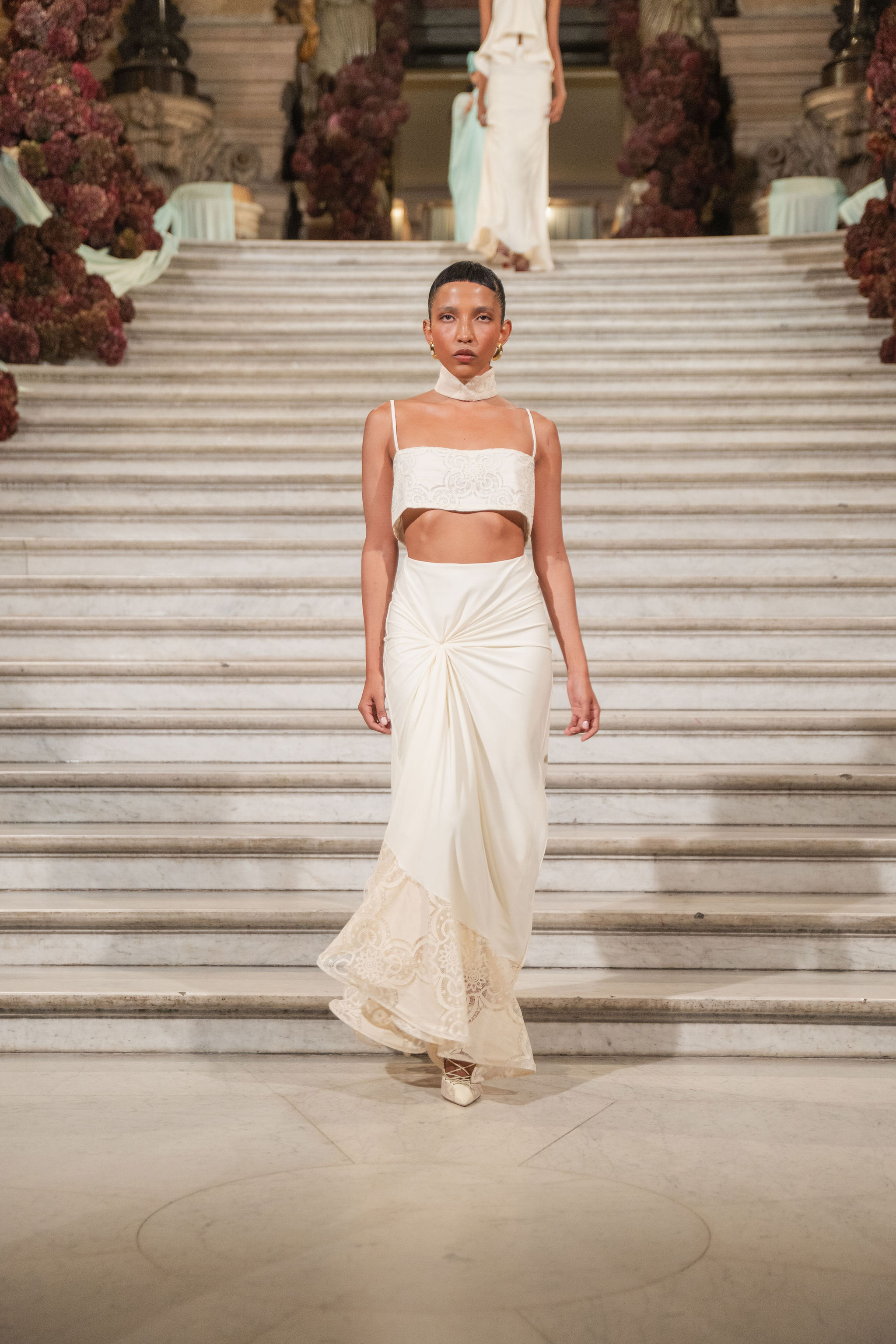
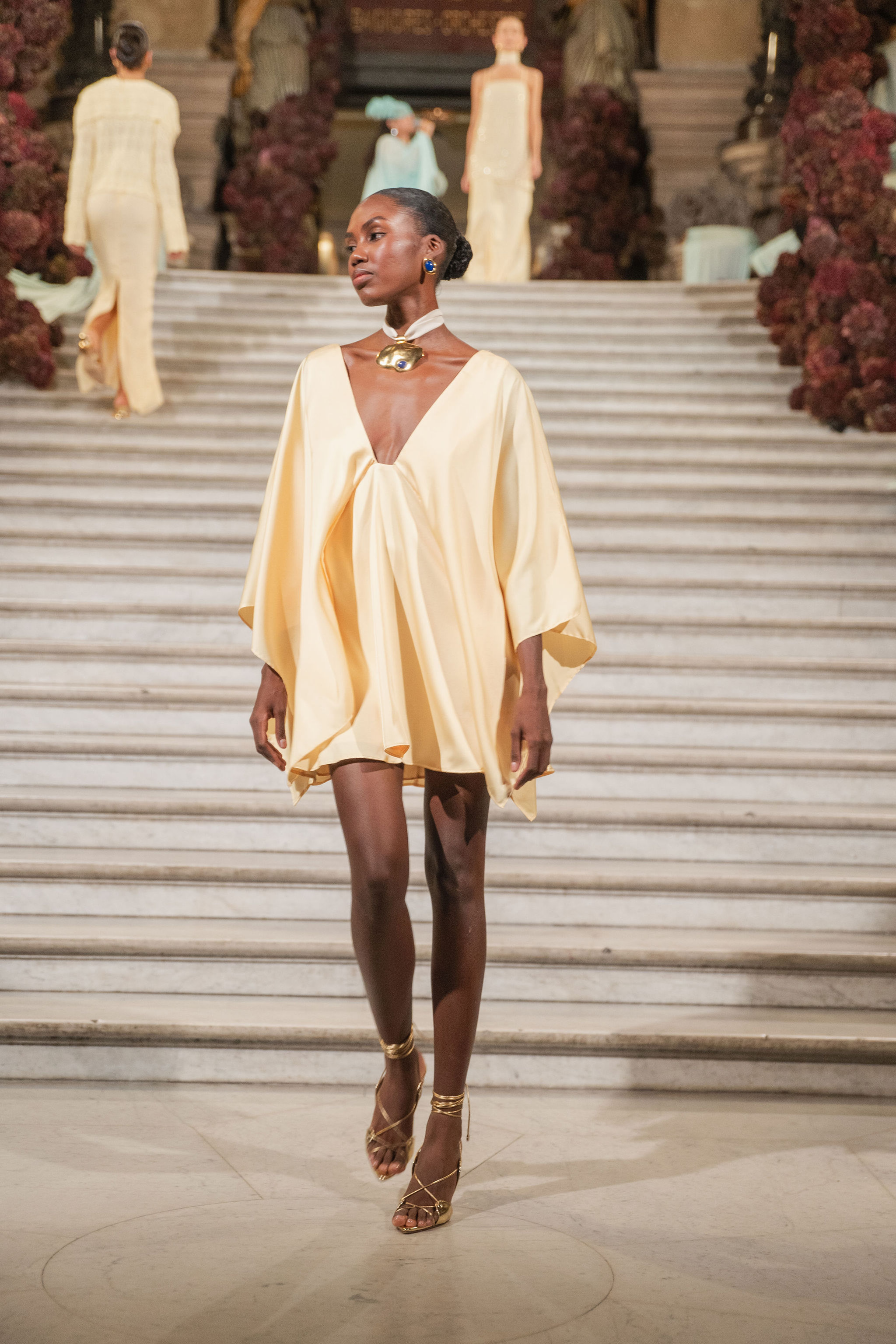
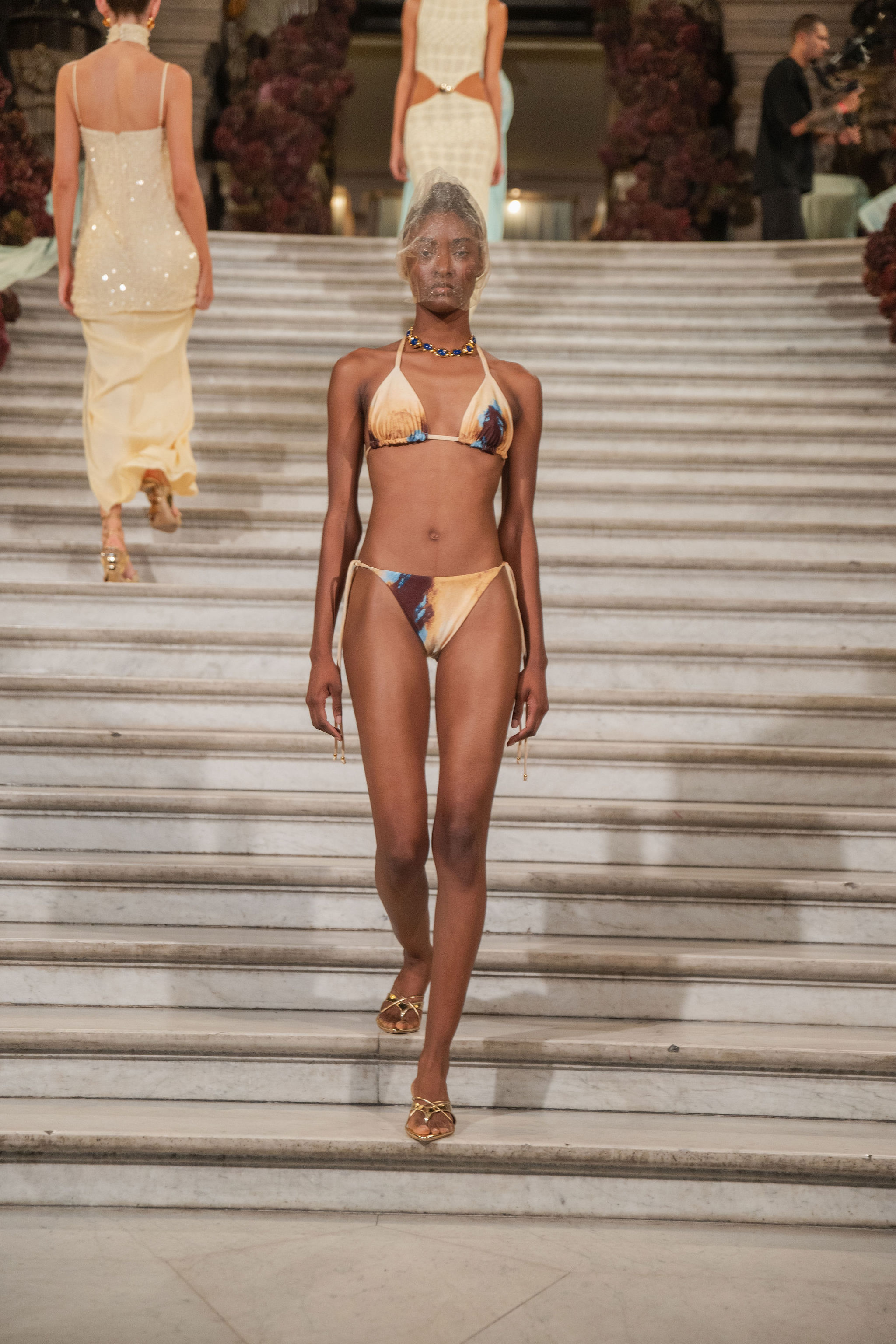
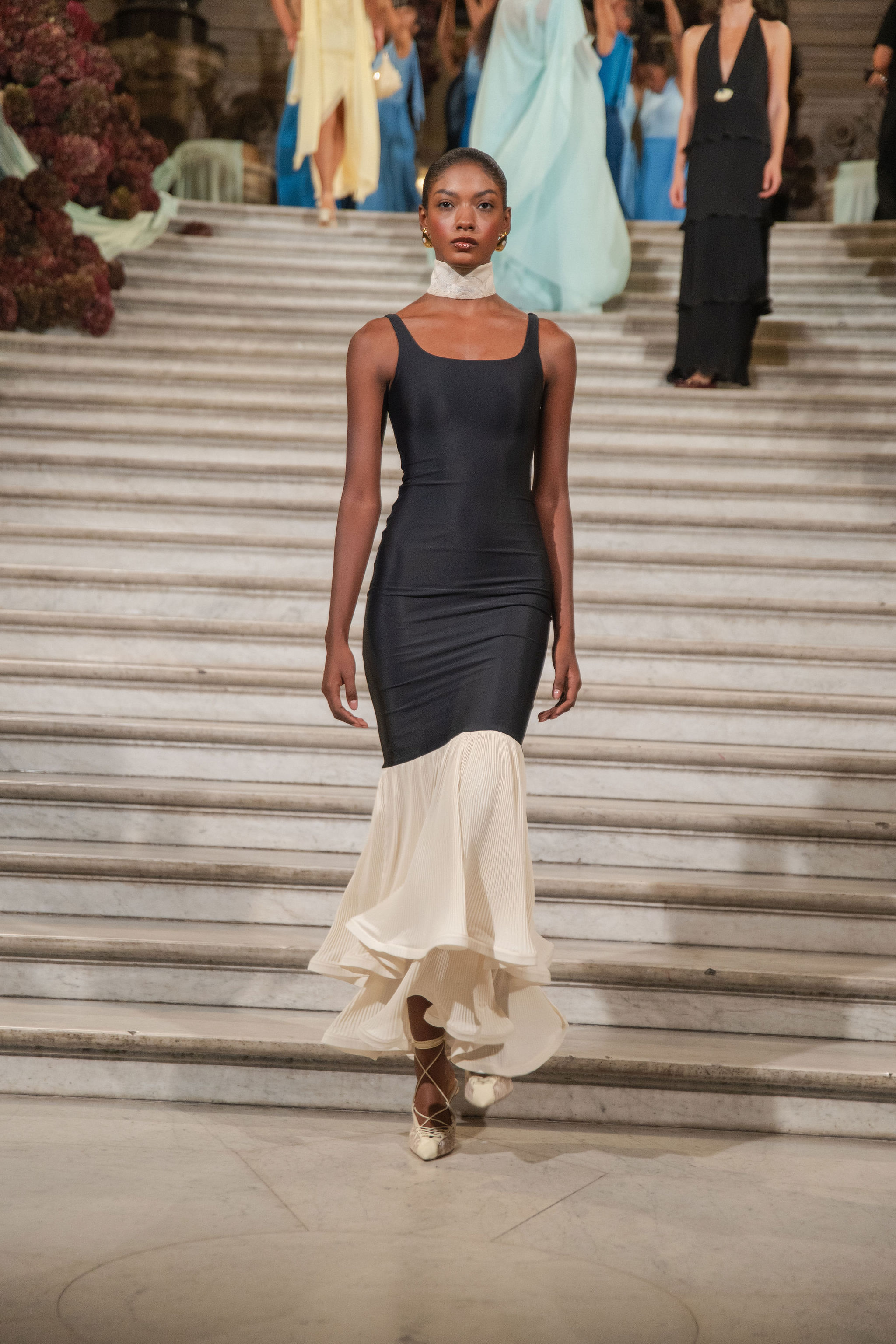
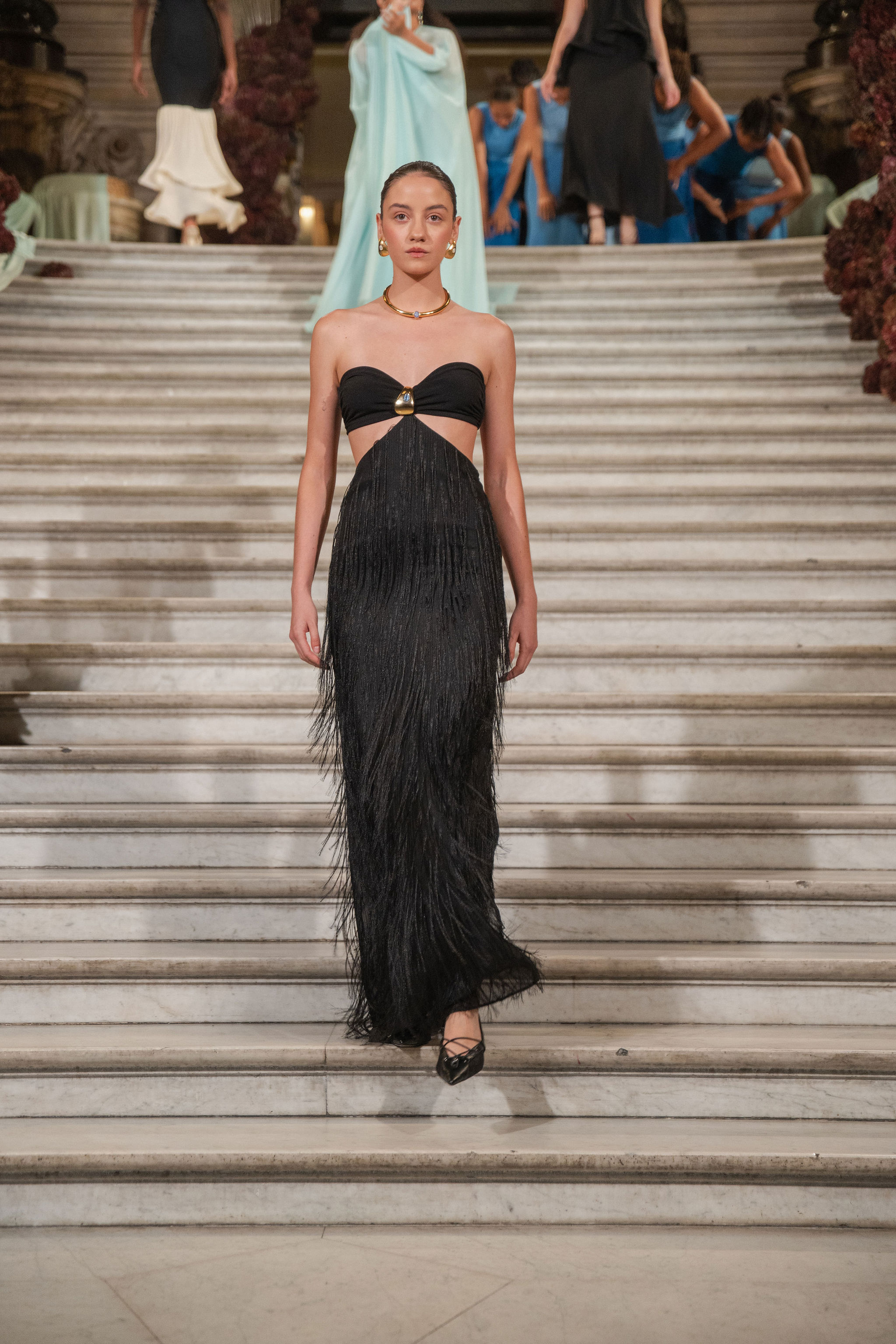
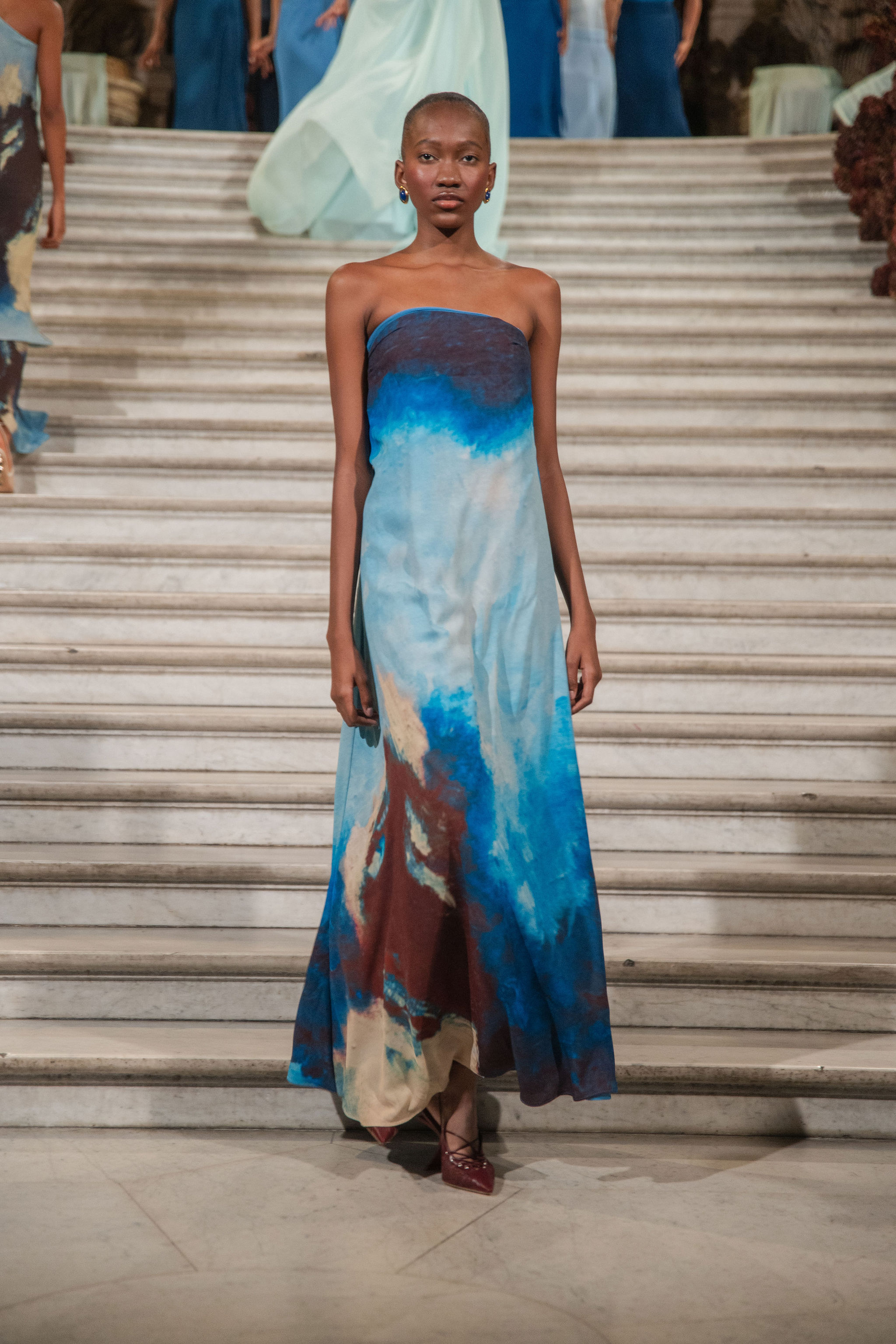
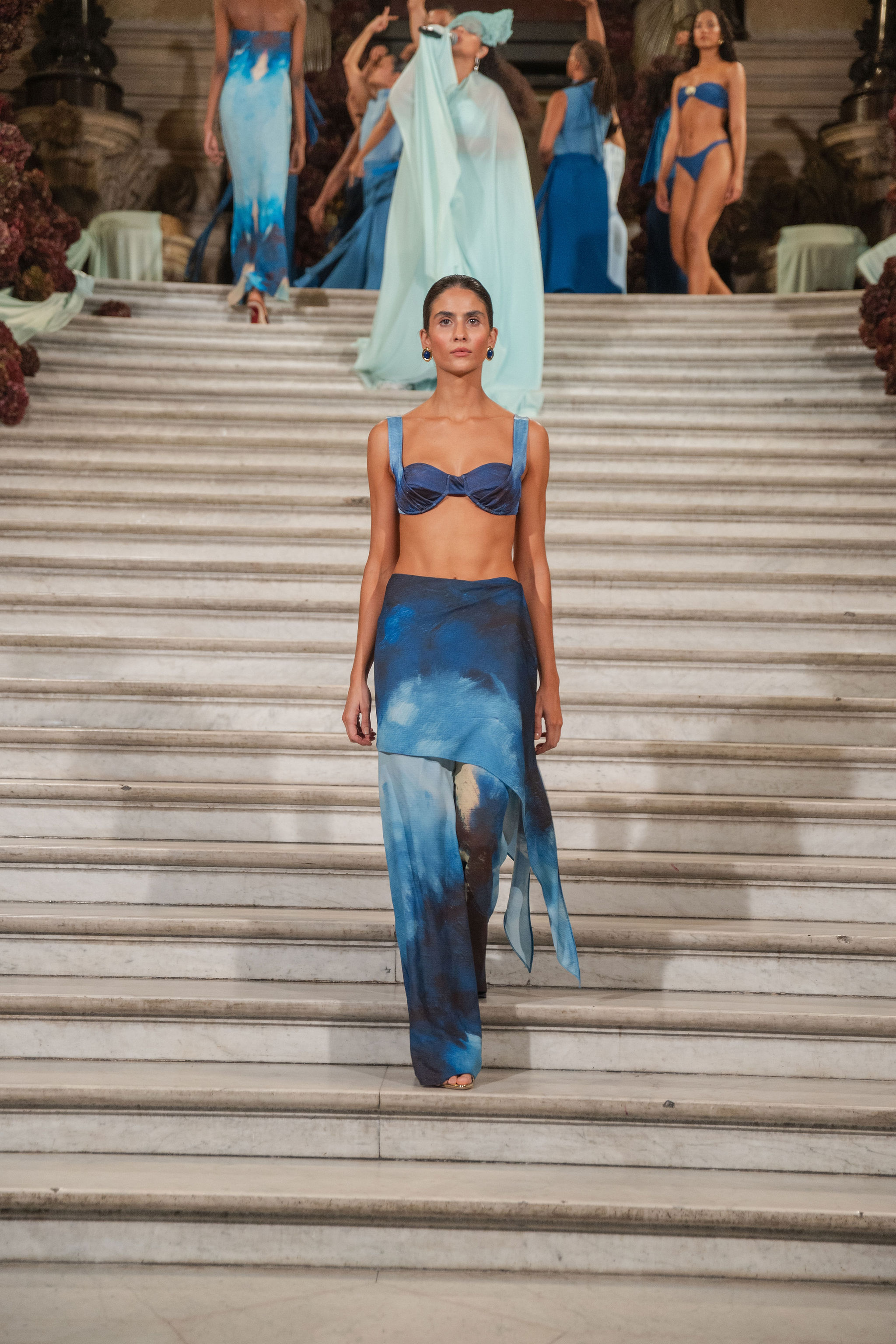
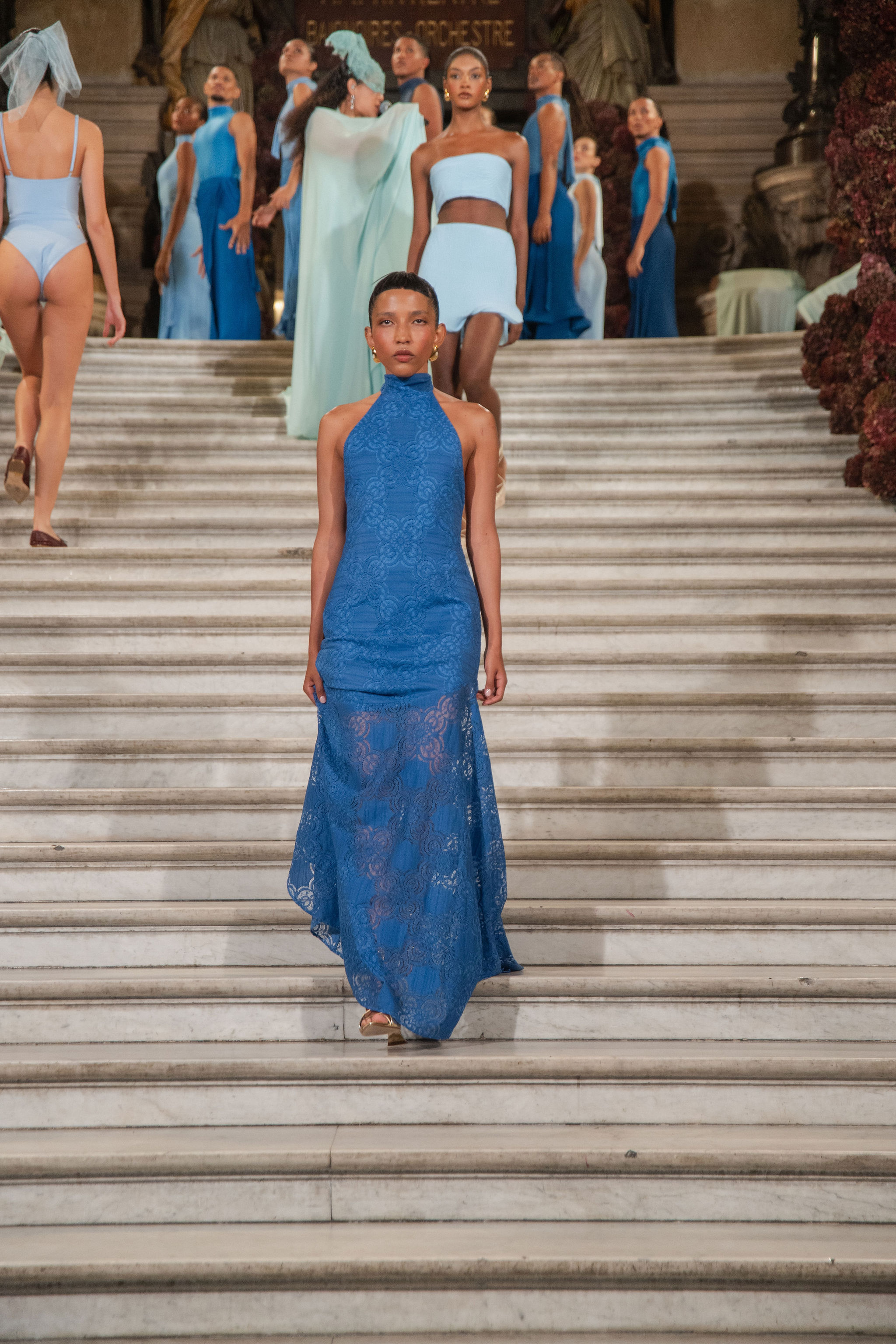
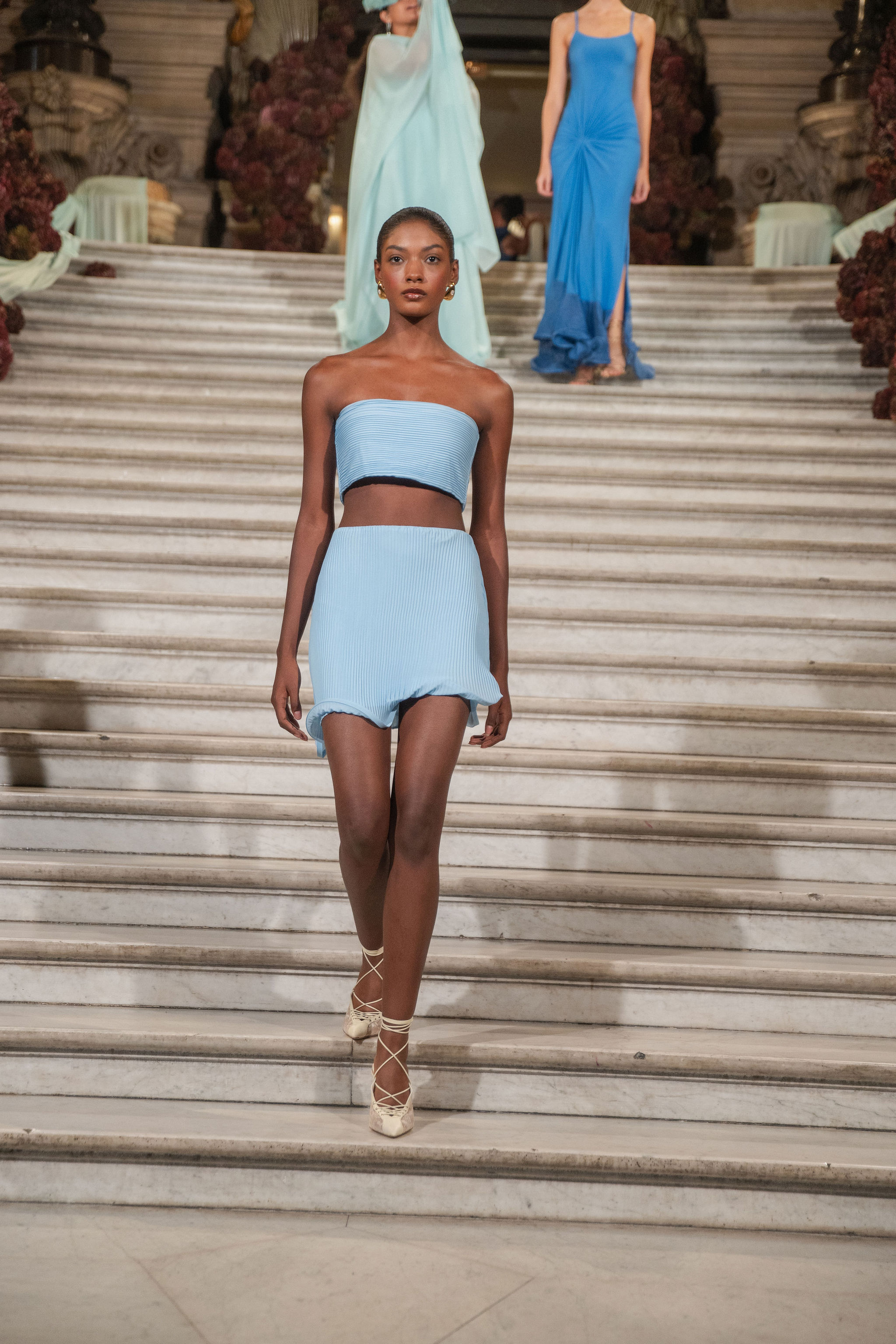
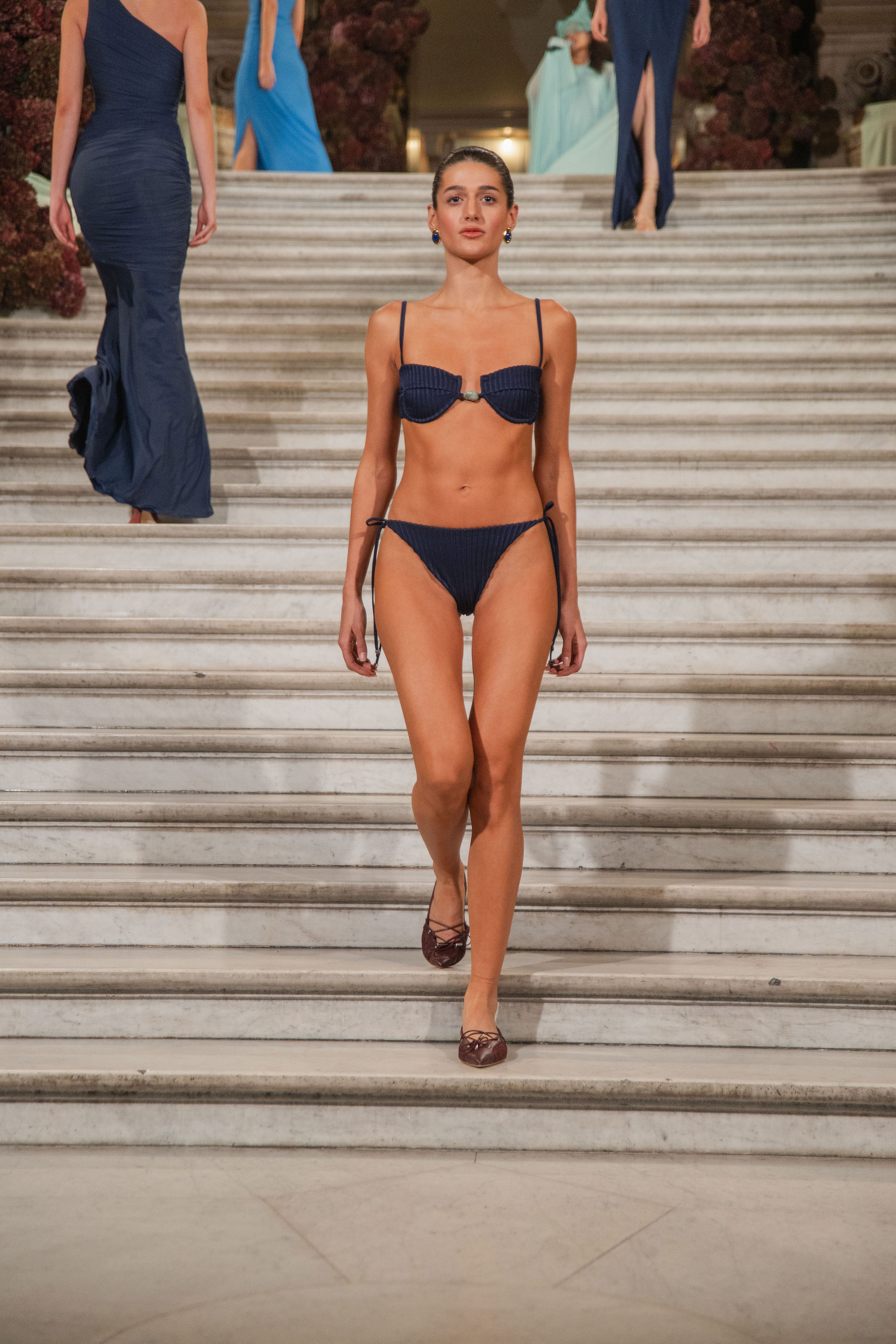
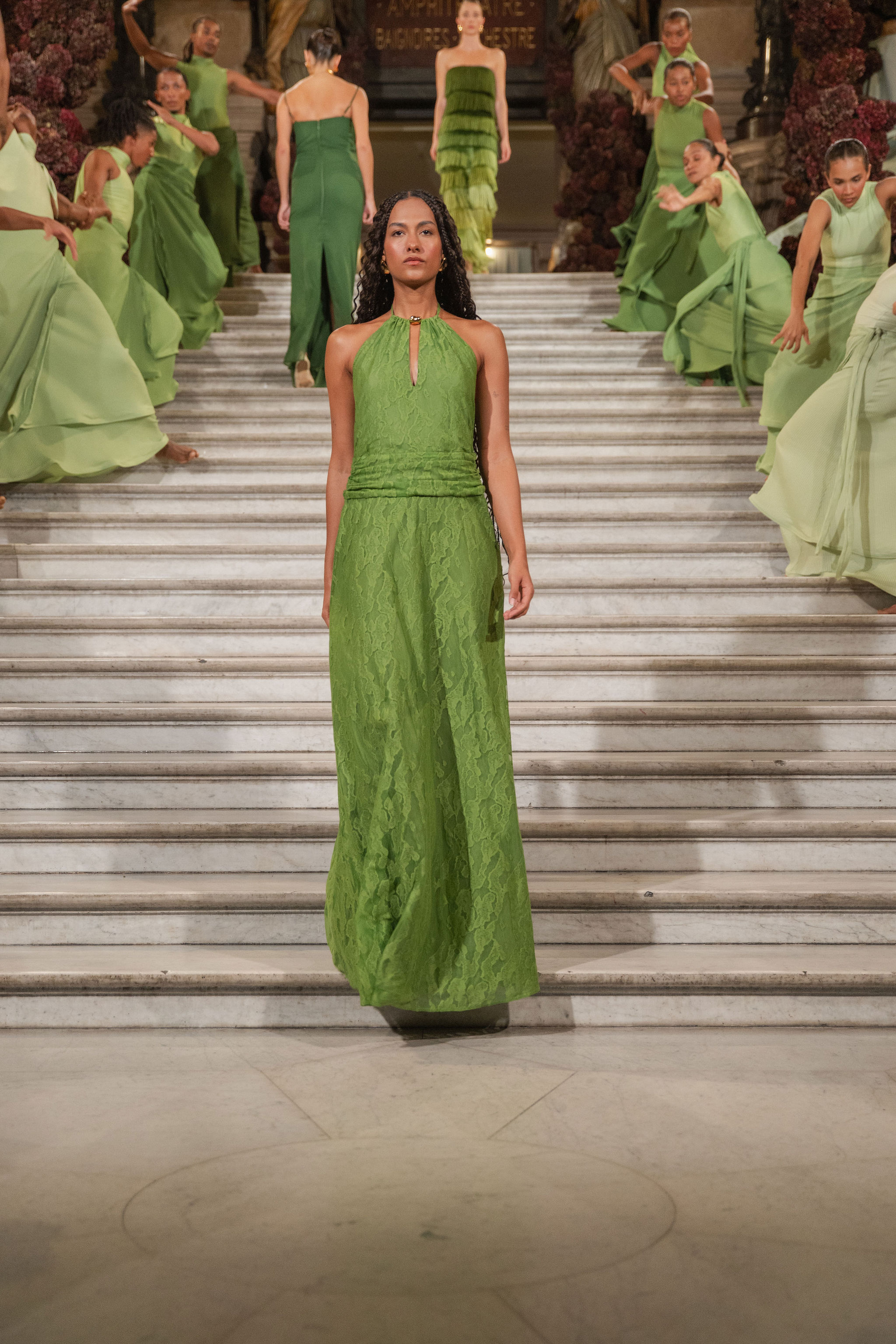
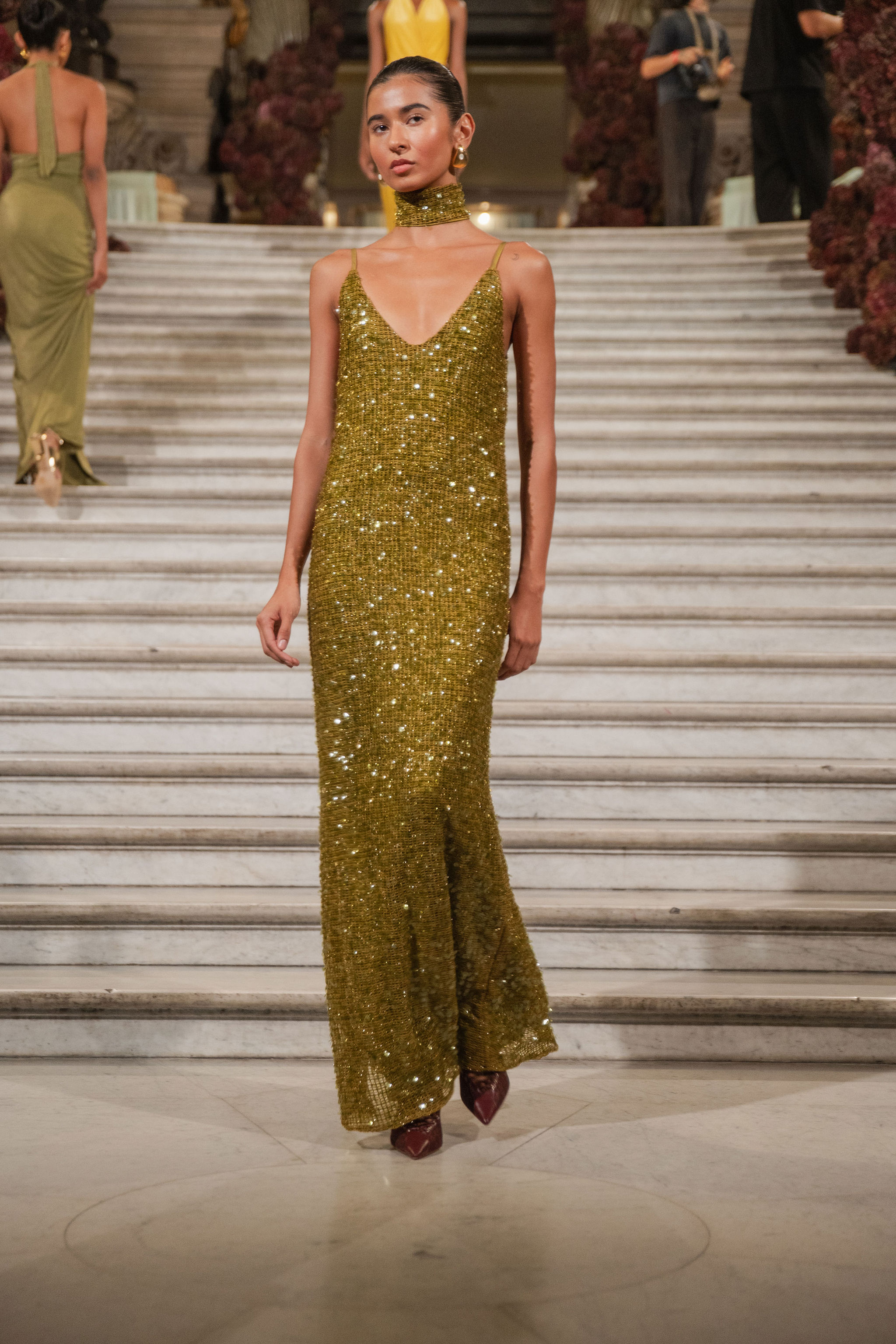
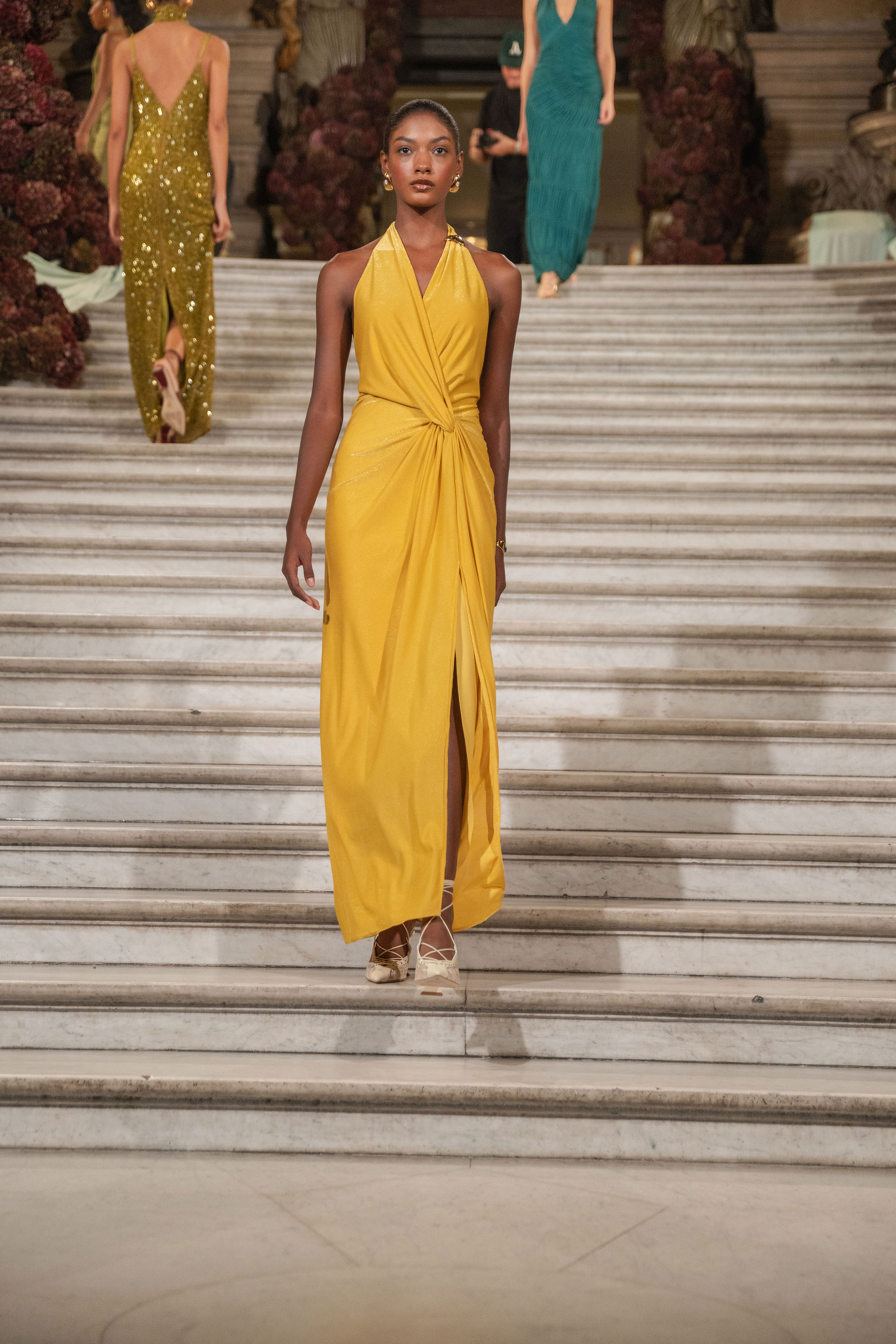
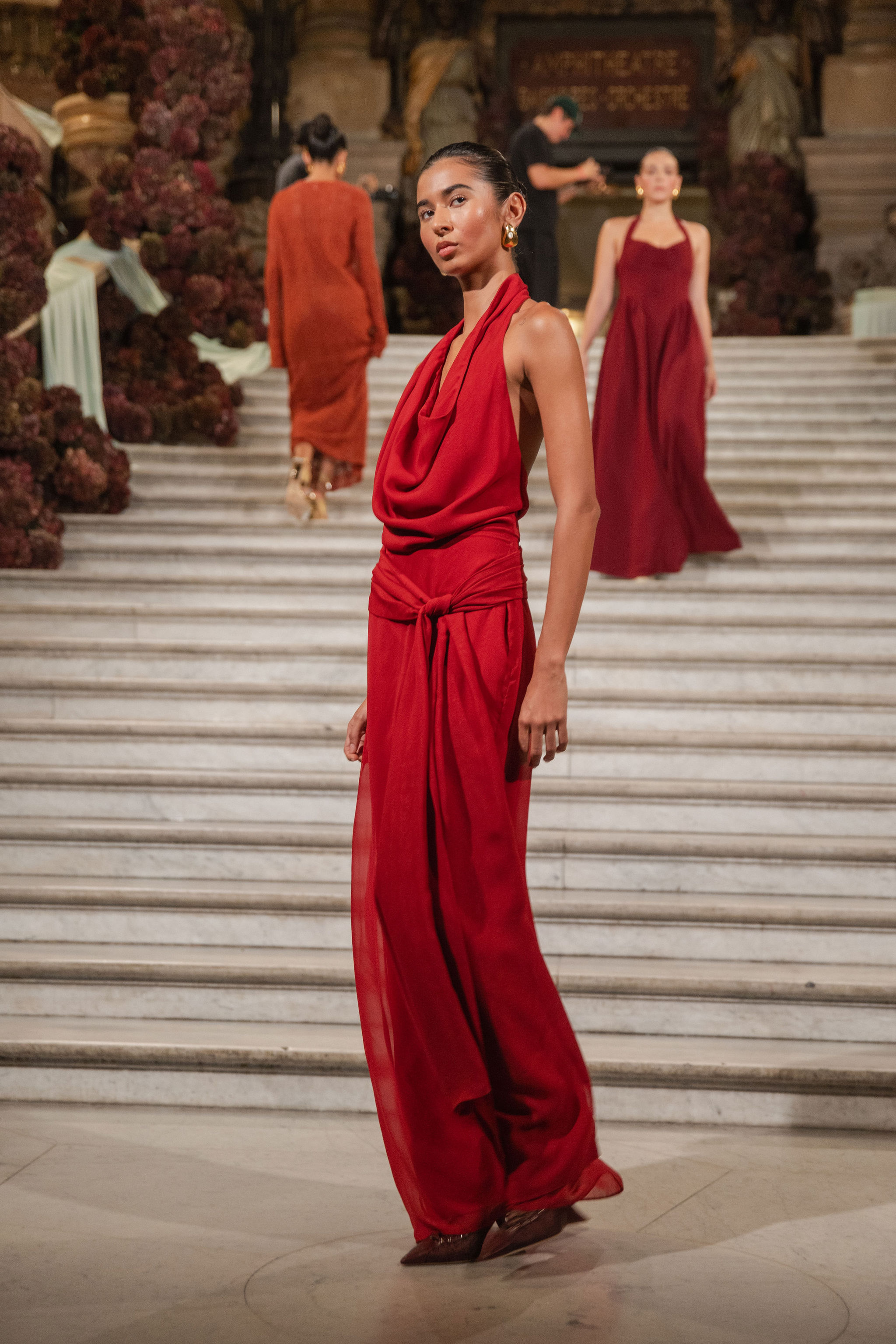
For Resort 2027, you are bringing BAOBAB to the Opéra Garnier in Paris. What happens when a brand born from the idea of the tropical landscape enters a place so charged with European history, architecture and spectacle? Is the location part of the collection’s language, or does the collection transform the meaning of the place?
The contrast was exactly the point. The Opéra gave us three centuries of history, architecture and tradition, and we brought the energy of contemporary Colombia into it. Fashion, dance, art and the rhythms of our country took over those spaces for one night. We didn’t want to change the Opéra. We wanted to show what could happen when two completely different worlds collide.
Resortwear has traditionally been about escape: another climate, another body, another version of yourself. Could RS27 be asking a more contemporary question: what if fashion is no longer about escaping reality, but about creating a reality of your own?
For me, RST27 was about making the impossible feel real. A Colombian-born brand bringing its universe into the Opéra de Paris sounds almost fictional, until you are standing on those stairs watching it happen. Maybe fashion today is less about escaping reality and more about having the audacity to create a new one.
You have taken BAOBAB to the Seine, the Dubai desert, the Swiss Alps, Madagascar and even imagined a runway through AI. Now you are bringing it to the Opéra Garnier. Are you ultimately designing clothes, or are you designing the places and fantasies in which we want to imagine ourselves?
I think we design reasons to dream, and clothes are how we make those dreams tangible. The Seine, Madagascar, the desert, the Alps and now the Opéra de Paris were never just locations. Each one expanded what BAOBAB could be. But the Opéra was different. It made me realize that sometimes you don’t design the fantasy first. You dream big enough, and one day you find yourself standing inside it.