By Julia Radovich
Some brands chase trends.
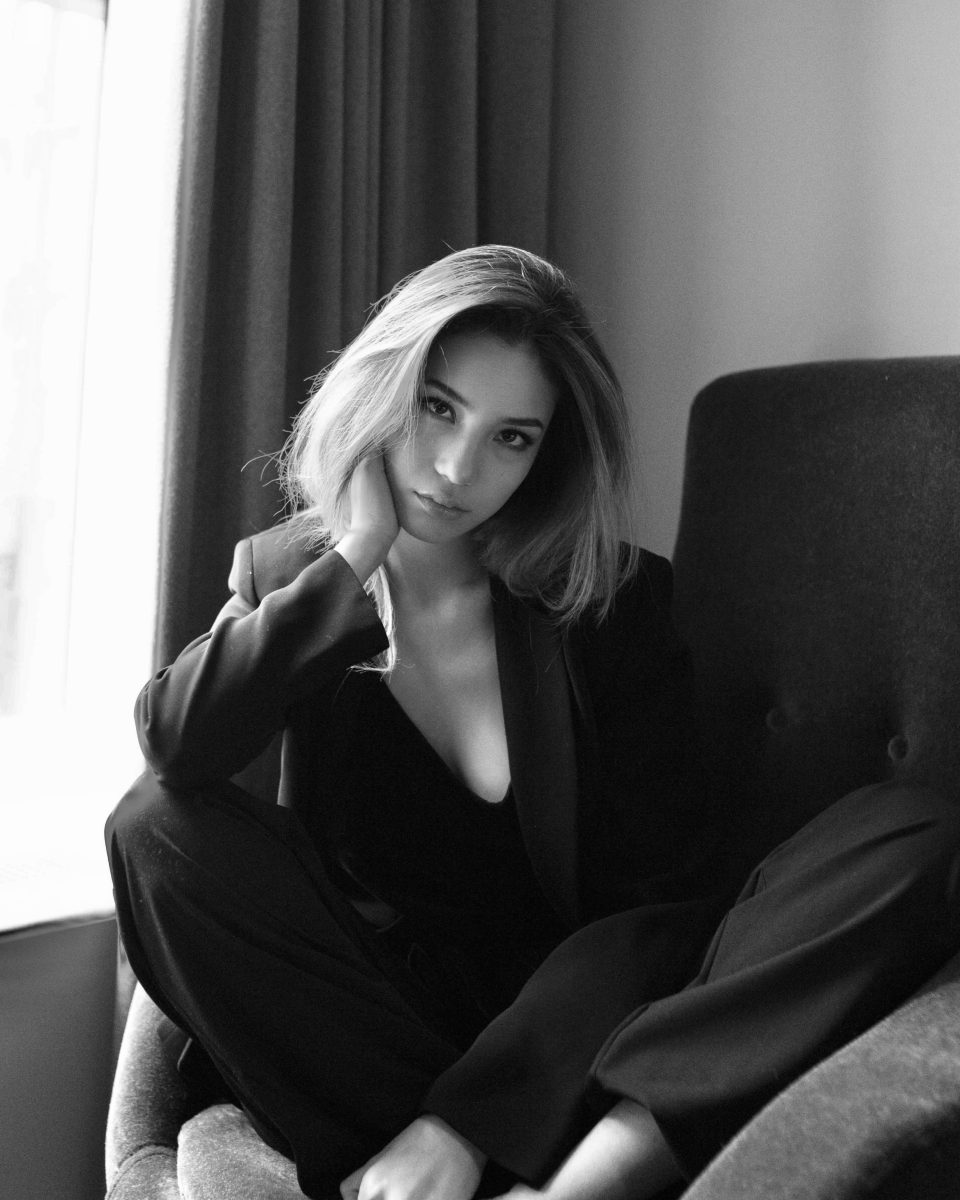
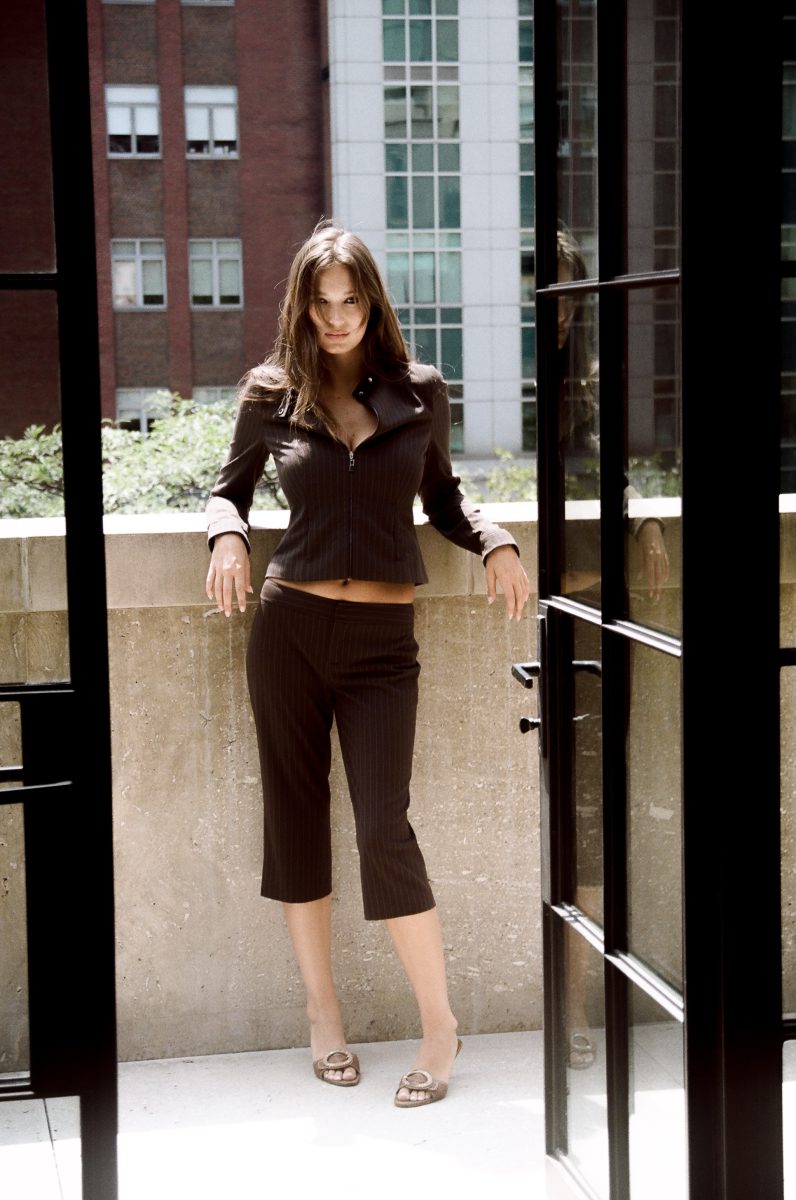
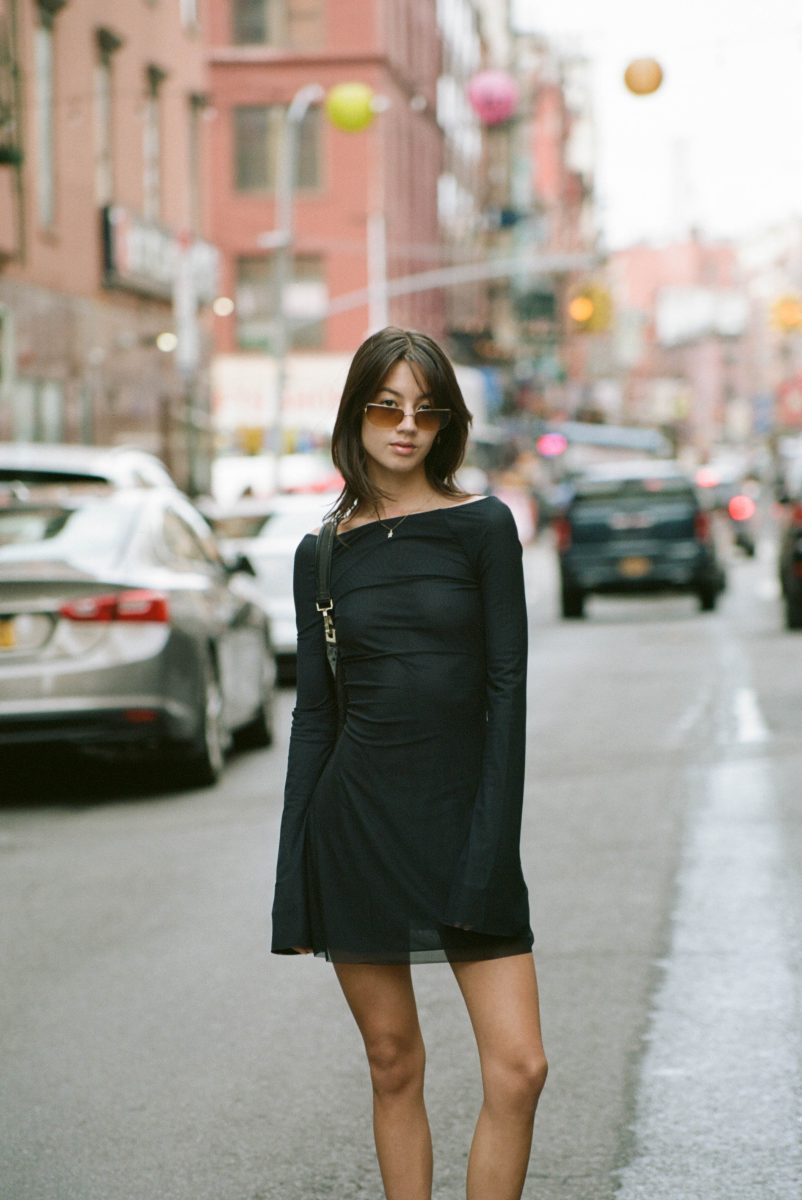
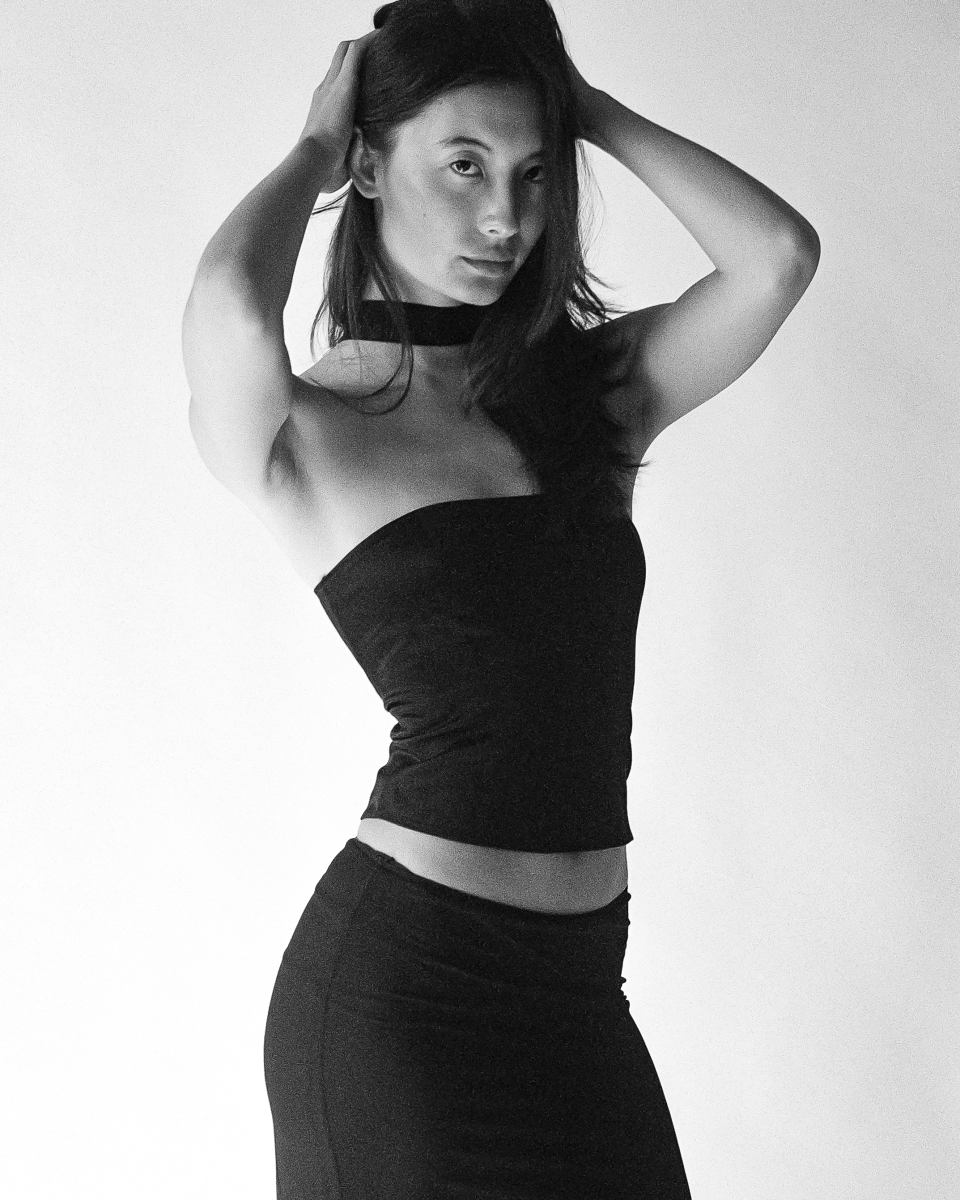
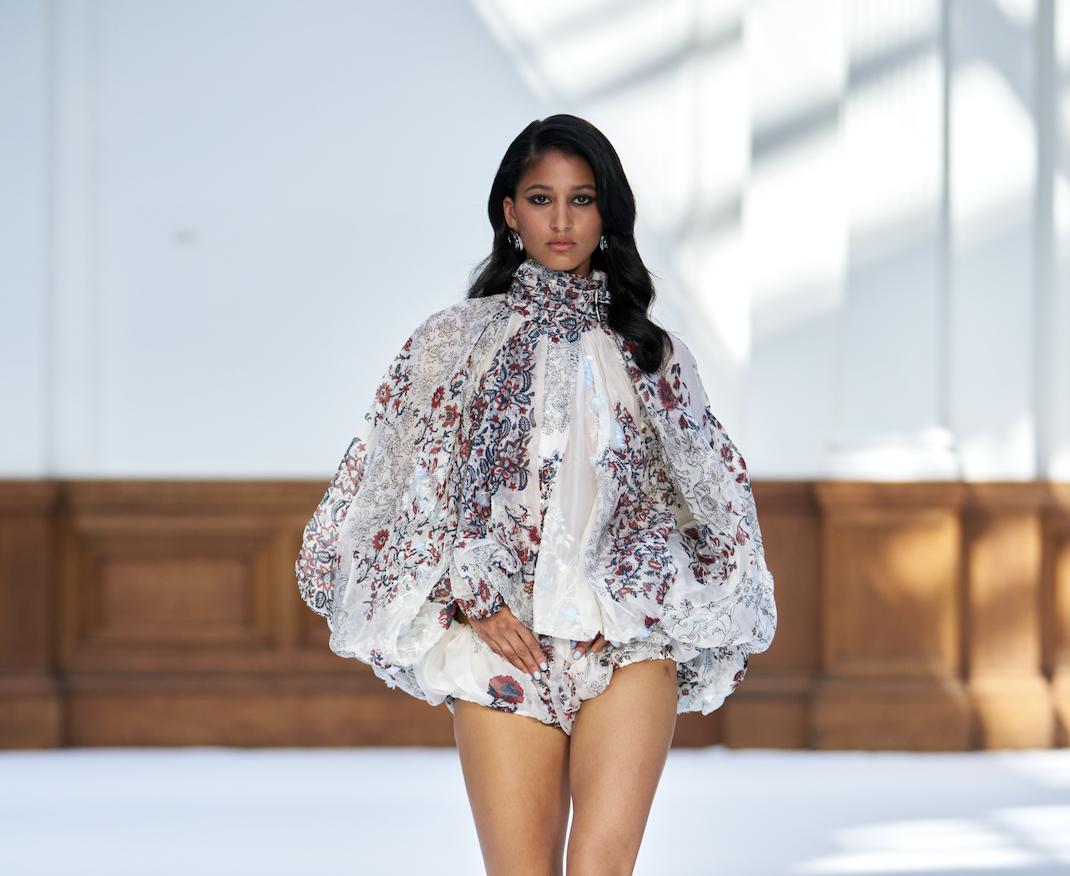
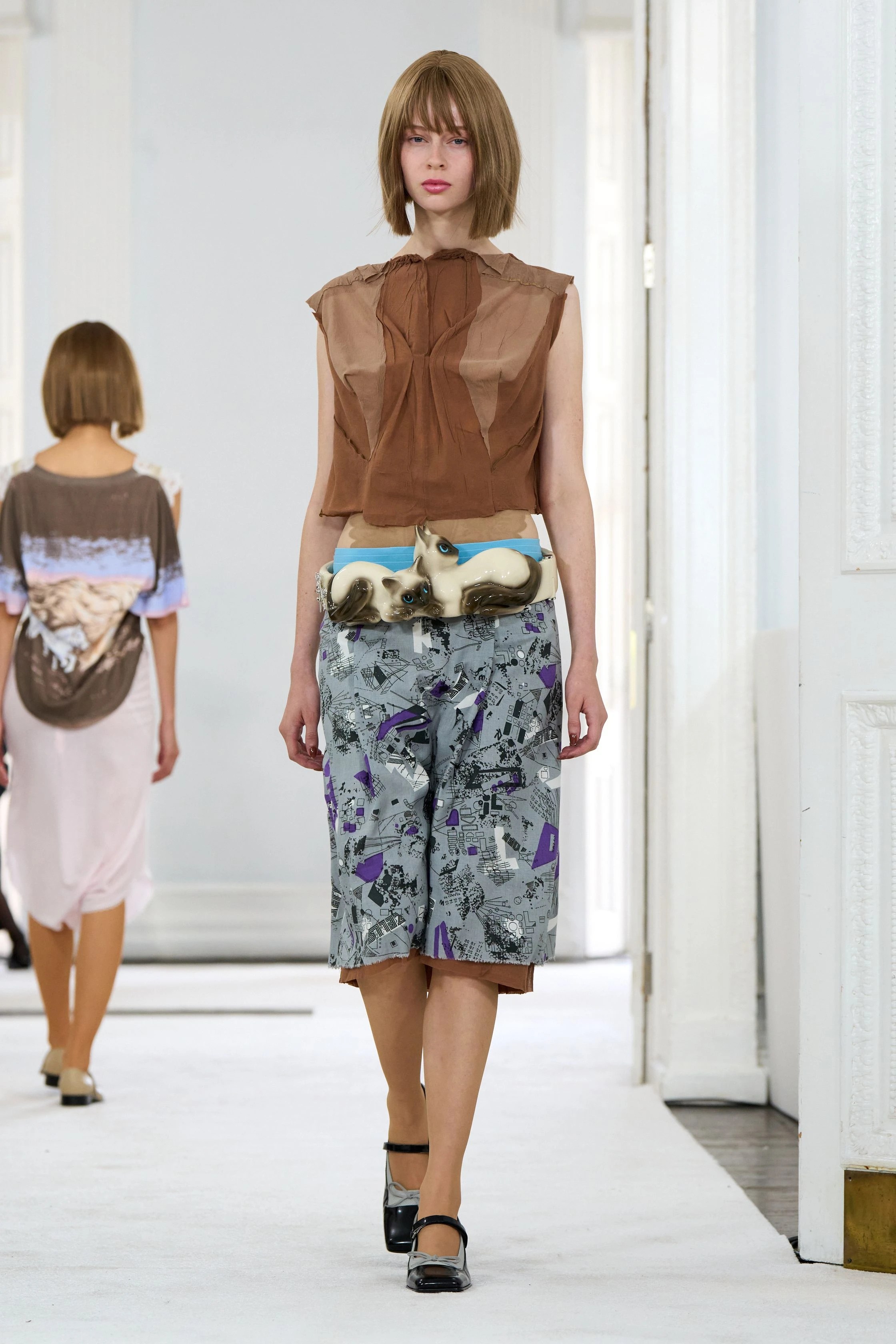
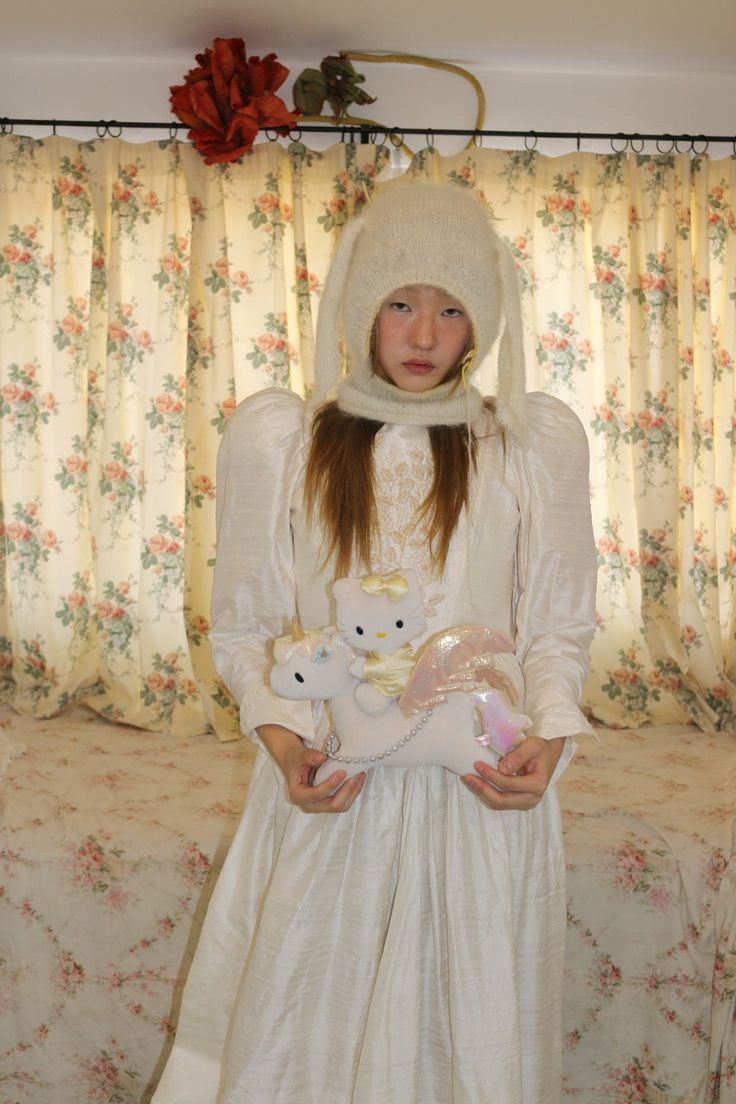
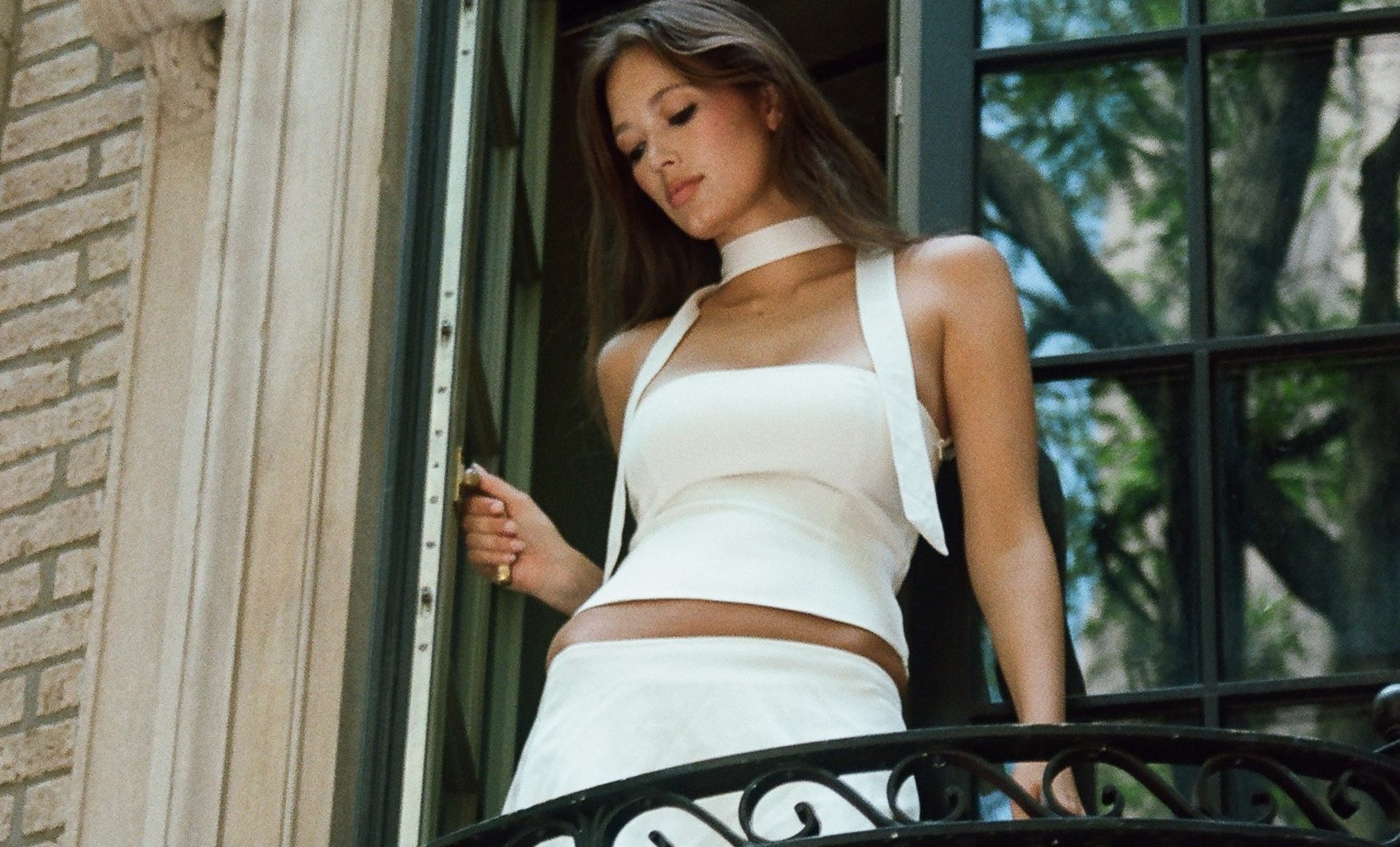
Amoy New York creates a girl — and builds a world around her.
Founded by Bella Chan and Katie Xue, two third-culture creatives who grew up between China and America, Amoy New York isn’t just about clothes — it’s about belonging, memory, and dreaming yourself into existence.
Inspired by vintage closets, after-hours conversations, and the feeling of owning who you are (even when you don’t fully know it yet), their brand stands for slow fashion, crafted identity, and effortless confidence.
In this interview, Bella and Katie talk about building a brand in the age of hyper-visibility, honoring the nostalgia stitched into every piece, and why sometimes the coolest girl in the room is the one ordering takeout and chasing art dreams on a Friday night.
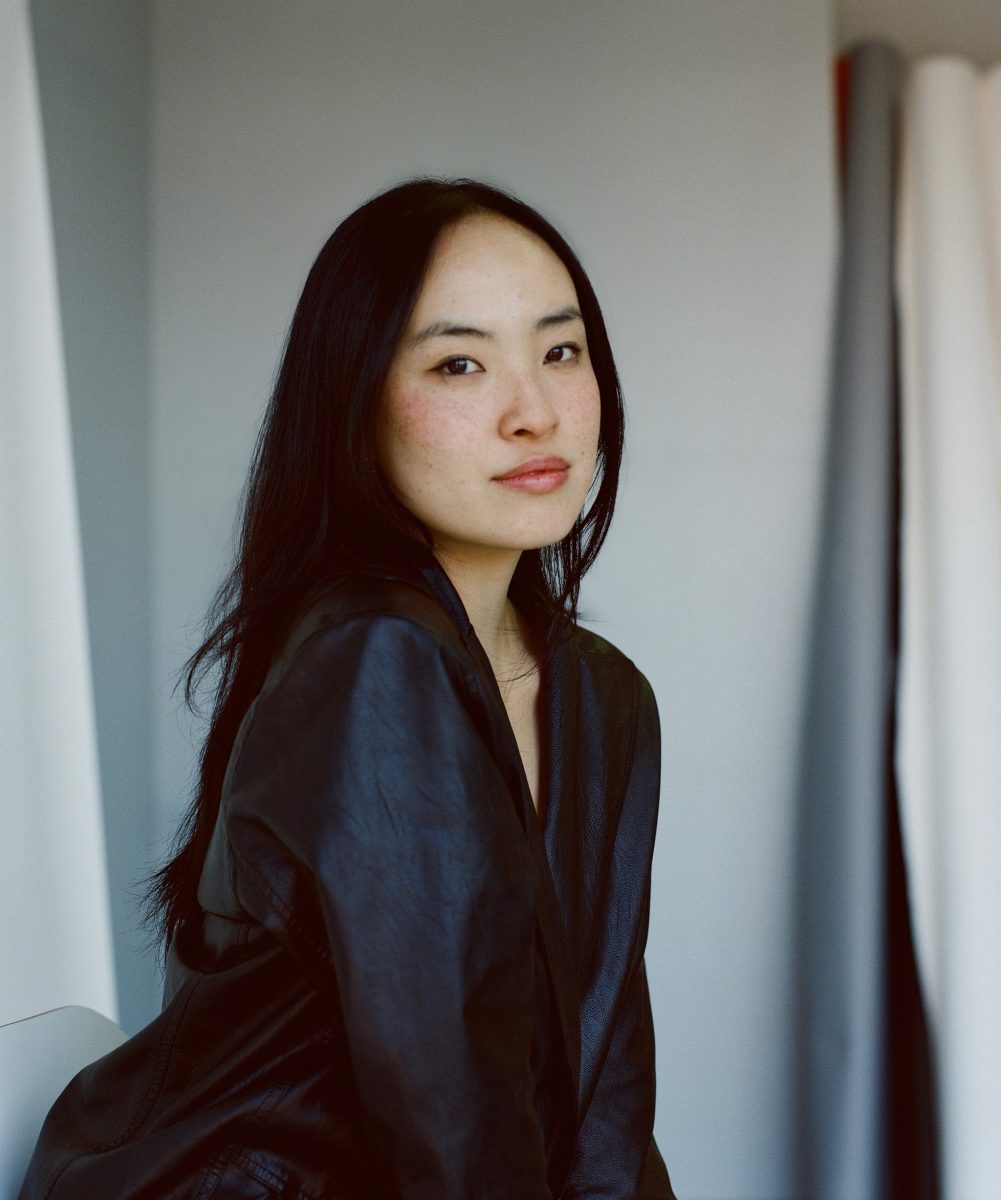
Hi Bella, hi Katie! You both come from different parts of the world, yet found common ground in New York. When did you first realize that your shared identity could become a brand – and what did that moment feel like?
I don’t think it was a specific moment. We always talk about how meeting feels like kismet. It was luck in my eyes. We have very similar backgrounds, but different perspectives. When it came time to create a brand, we were very lucky to be aligned vision wise. — Katie Xue
When I think back to the time me and Katie first met and became friends, I was in a very “antsy” headspace. It was about a year into COVID, I was going into Sophomore year of college and with both of those things added up, I was itching to start planting some creative seeds.
Throughout COVID I was constantly thinking about fun projects to do and investing into new skills to support these projects. I made at-home short films, wrote poetry, painted, and took photographs. I had this eagerness to make my creative career happen in one way or another, and when Katie and I had our first friend-date, I immediately recognized that she was also looking for the same thing. We bonded over our love of fashion, our knowledge of niche influencers, gossiping about the latest downtown artist. There was a world that both Katie and I spent time looking in from the outside, I realized we had similar aspirations and there was an energy we could harness together to make these aspirations happen. — Isabella Chan
You often speak about being third-culture women. How does that experience shape the way you approach design, beauty, and the idea of belonging?
I think it’s really informed our design process and speaks to the reasons why a lot of our customer base is international. I think we speak a lot about being third culture women because identity wise it often feels like we are navigating this in between space. At least for me personally, I don’t necessarily identify with Asian-American culture as a whole. I didn’t have those formative experiences of growing up in Asian-American communities, but rather this international asian community. Being third culture women, for me means this shared experience of moving around.
Not really being sure of where I stand as an American or a Chinese person. Design wise it means being inspired by the different places where I am from. — Katie Xue
I think being a “third-culture” woman means constantly navigating the in-between – between cultures, communities, and ways of being. You’re part of many spaces, but not fully rooted in any one. For a lot of multicultural people, that in-between feeling becomes second nature.
Over time, it teaches you how to universalize yourself, how to find balance between who you are and where you are. That adaptability deeply informs how we approach design. At its core, design is universal.
No matter who your customer is, understanding shared values, beauty, comfort, identity, can bridge the gap. It’s that blend of specificity and universality that lets a brand truly resonate. – Isabella Chan
Amoy New York stands for sustainability – not only as a practice, but also as a philosophy. What does it mean to create fashion with a conscience today, when the industry is still moving so fast?
I think for us it means moving with intention rather than by seasons or rushed timelines. We want to make sure that pieces we create feel authentic to the brand and our mission and our values. I am very excited for our upcoming collection. Design wise, it feels like we’ve really honed in on creating pieces that we feel speak to us, while working within the framework of sustainability. We’ve always felt that sustainability was a requirement and not a trend within the industry. – Katie Xue
Your pieces are made in Xiamen, Bella’s hometown. What does that place mean to you both, and how is it reflected in the textures, colors, or spirit of the collections?
It’s probably more impactful for Bella seeing as she grew up there, but I like having a base in China in a place where we are familiar and comfortable. We know the factory and the people working there so it really feels like this hands-on process. For me it gives me a sense of community away from home and being able to control the design process from beginning to end. We also keep producing in China to challenge some of the assumptions in America. That we can create high quality pieces of clothing ethically and sustainably – that Chinese products aren’t synonymous with cheaply made. — Katie Xue
Our production in Xiamen is intrinsically connected to the identity of our brand. Obviously in the name, as Amoy is the historical name for the main island, but also in our identities as Chinese. We are proud of our connection ethnically but also culturally. For me, growing up in China – growing up in Xiamen – is a huge part of who I am. It’s a hot, lively, beautiful place and such an exemplification of Southern Chinese culture.
It’s also surprisingly diverse and has this really cosmopolitan side. The island of Gu Lang Yu has amazing food and beaches, and has such a crazy rich history. When I came to the states, it felt like my old life disappeared. It’s not a particularly glamorous home, so no one here really understands the true magic of it. I think taking Xiamen and, kind-of, injecting it into the veins and heart of our brand was something that was a no-brainer. – Isabella Chan
You talk about designing for all women. What does representation look like to you – not only in casting or visuals, but in silhouette, feeling, and presence?
I think that’s why comfort was such an important role in our design process. As girls/women we know what it feels like to be uncomfortable in a piece of clothing, so we wanted to create pieces that made girls/women feel beautiful. I feel like comfort is such an important piece of that. So often, do I personally know what it feels like to be uncomfortable in a piece of clothing. When you’re wearing something that’s comfortable, well fitted, it just enhances your aura? Kind of hard to describe, but Bella and I often talk about aura when you go out. I think aura for us just means that feeling of confidence in yourself and what you’re wearing is such a big part of that. – Katie Xue
We want to exist in a space that can transcend both location and time.
It’s really important for us, especially as a brand that did find support and community through social media, that we don’t view ourselves as a “social media brand.” It’s really easy to fall into trend cycles and limit your brand ideologically because you might make more sales catering to the current moment. We’ve learned that hammering hard on our core values carves out really a genuine and rewarding space for our brand. — Isabella Chan
What role does nostalgia play in your creative process? Are there specific memories, family stories, or images that shape the way you imagine each piece?
My mom is such a big influence in my personal style and design choices.
It’s kind of funny looking at myself as a grown adult and realizing how much of an impact she made on my choices as a designer. Growing up she was definitely a shopaholic and to this day her closet is filled with Roberto Cavalli and vintage Gucci. I feel like a kid in a candy store, when I get to go home and steal from her closet. She was also a working woman when I was growing up, she wore the classic black flared work pants that she would buy from The Limited. I think that’s why some of our workwear is inspired by 2000’s silhouettes made modern. — Katie Xue
How do you balance creative intuition with the realities of building i rand in a very competitive and very visible landscape?
I think it’s very difficult. We are sort of always balancing creativity with the merchandising side of the business. As designers, I think we try to remember that we are designing for the Amoy girl and asking ourselves who she is and what she wears and that sort of grounds the creative side with the brand building side. – Katie Xue
It’s hard for sure. Success in business can often be directly in opposition to what feels creatively inspiring. It’s a hard truth and as a creative, it’s something to come to terms with. I have some moments where I feel stuck, and in those times I realize that something does have to be revived. The core of our brand is something we always have to stay true to, however finding ways to hearten and vivify the energy of who we are is necessary, not only to myself as a creative but also for the evolution and growth of the brand. – Isabella Chan
Your design have been seen on names like Olivia Jade, Lila Moss, and Amelia Gray. What does it mean for you to be part of how the new generation expresses identity through fashion?
It’s extremely exciting to have people with these big audiences be willing to wear our garments. It’s absolutely validating to know that someone with a brand is happy to align themselves with us. It tells us that we’re doing something right. Watching the fashion world move the way it has in the past, it’s always been so exciting but also so exclusive. With this new generation of not only designers but also models, influencers and journalists, fashion has opened up in a way it’s never had before. The fact that the industry pays more attention to fashion via social media than Vogue is something that 10 years ago would’ve been ridiculous. – Isabella Chan
If Amoy New York were a short film, what would the opening scene look like? A letter to your future selves.
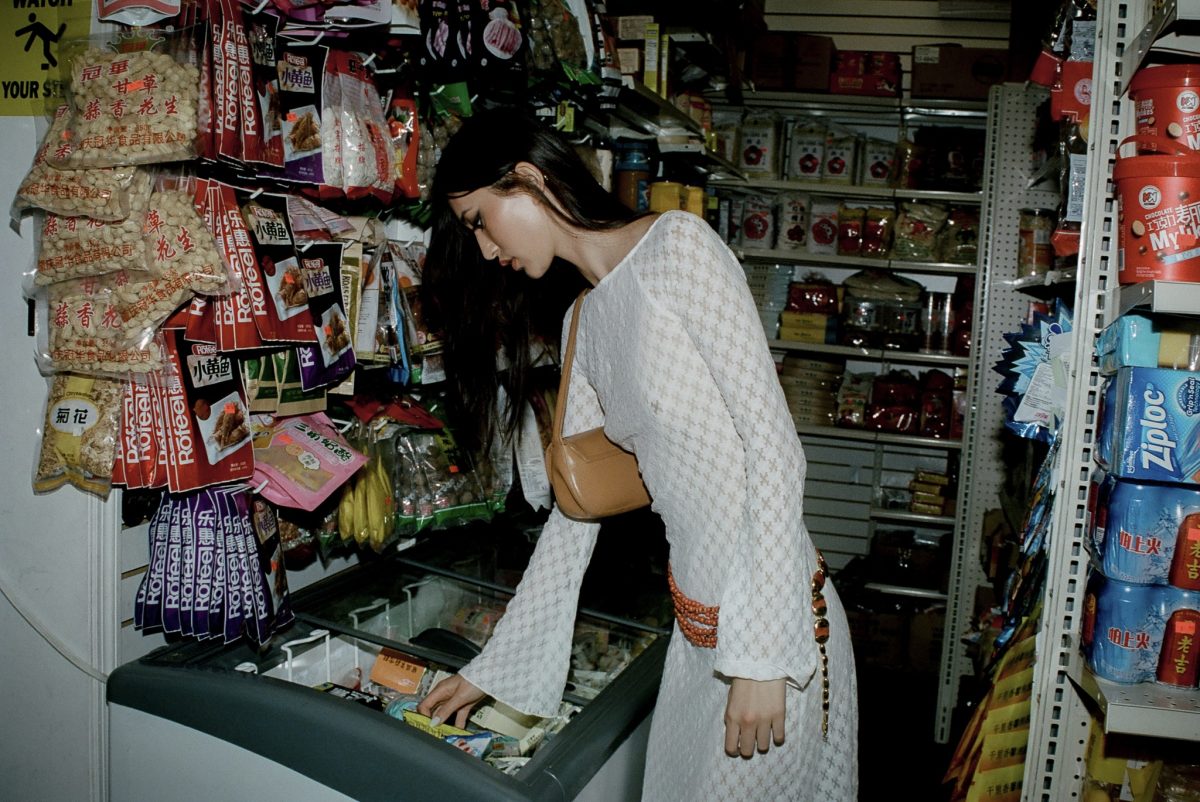
I think if Amoy New York were a short film, it would center around the world of this very specific girl. When we conceived of the brand, we spent a lot of time thinking about our girl and what she was like. We basically created, like, this main character for us, that’s based on us and what we find aspirational. You know, she’s asian and multicultural, maybe grew up abroad and talks in that vague, international accent. She has the most amazing vintage archive collection but still probably only wears black 90% of the time. On a Friday night, she’s ordering takeout and going to a friend’s art opening. She’s us but way cooler. Her life is the movie we want to live. – Isabella Chan