“We are celebrating everything that time leaves behind.”
Vintage preserves history. Tattoos make it permanent. Somewhere between the two, fashion stops being something you wear and becomes something you carry.
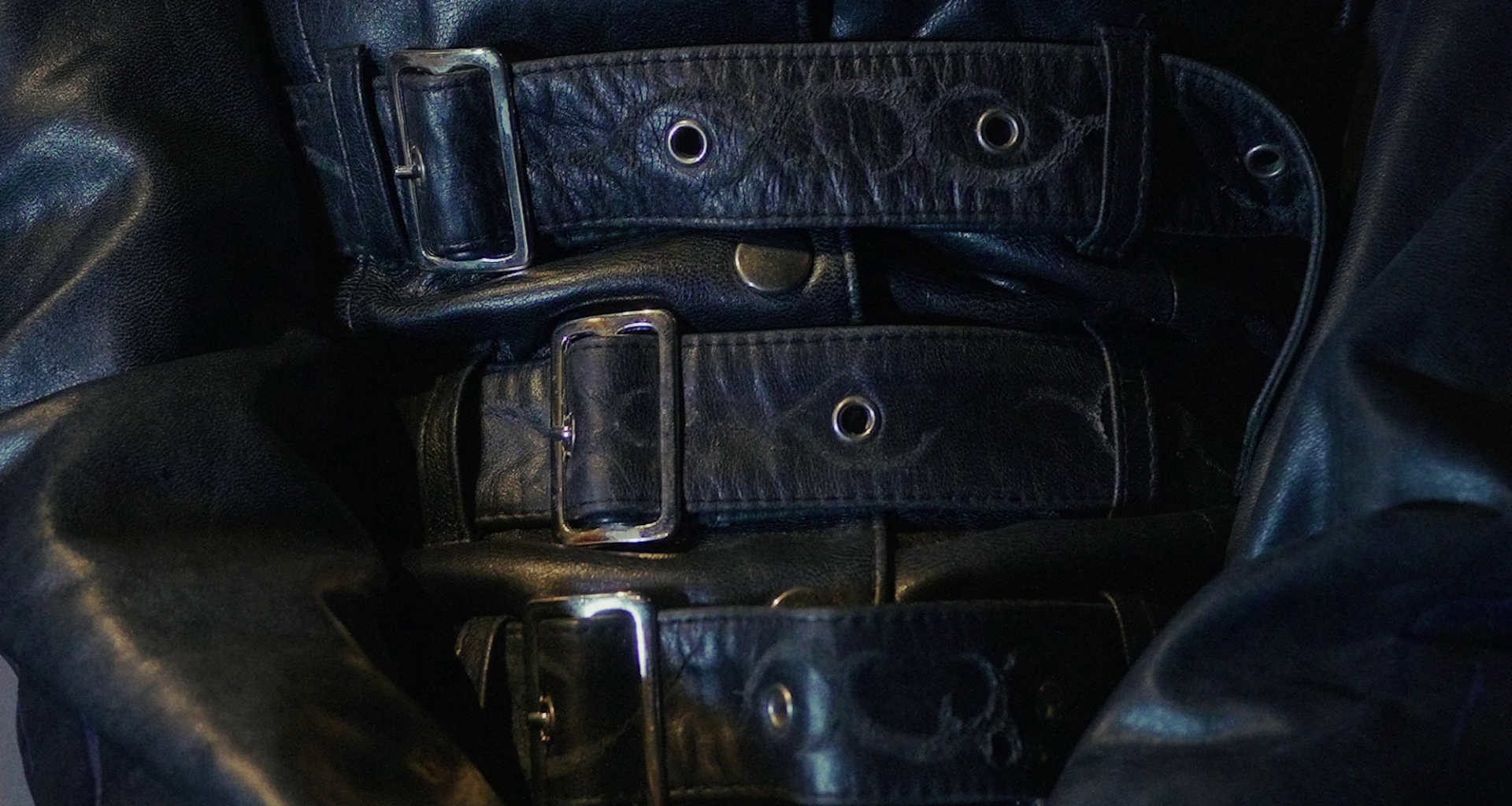
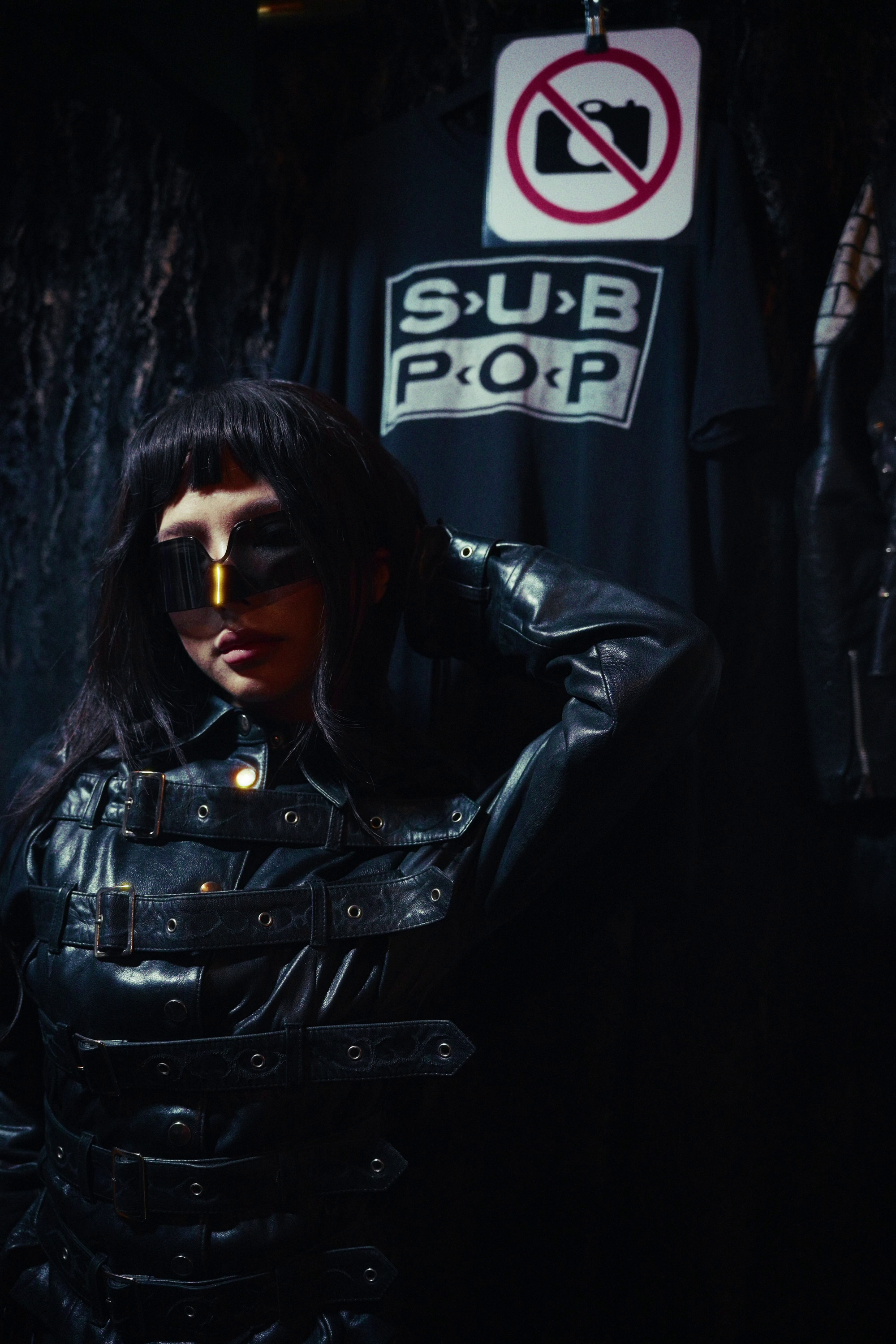
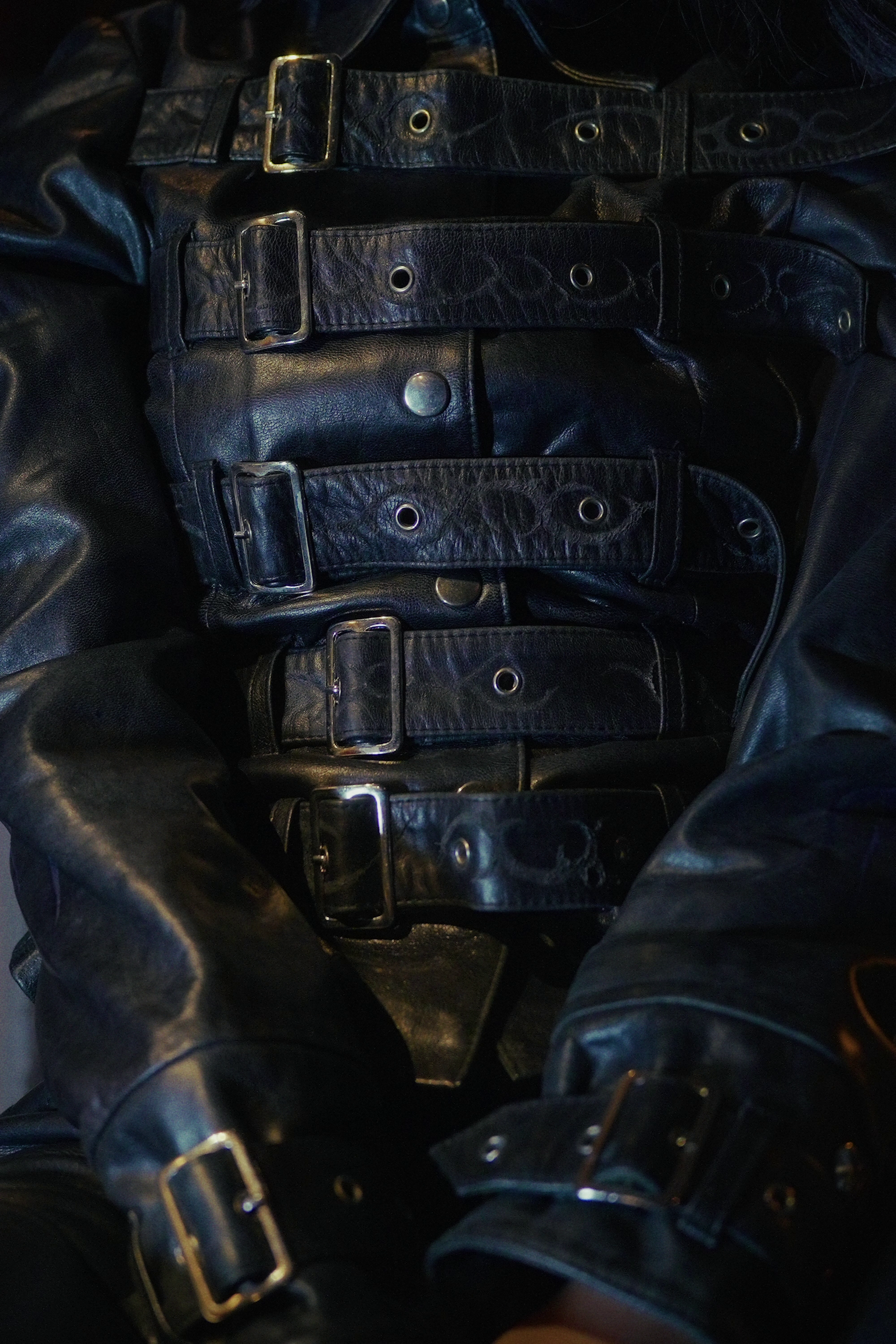
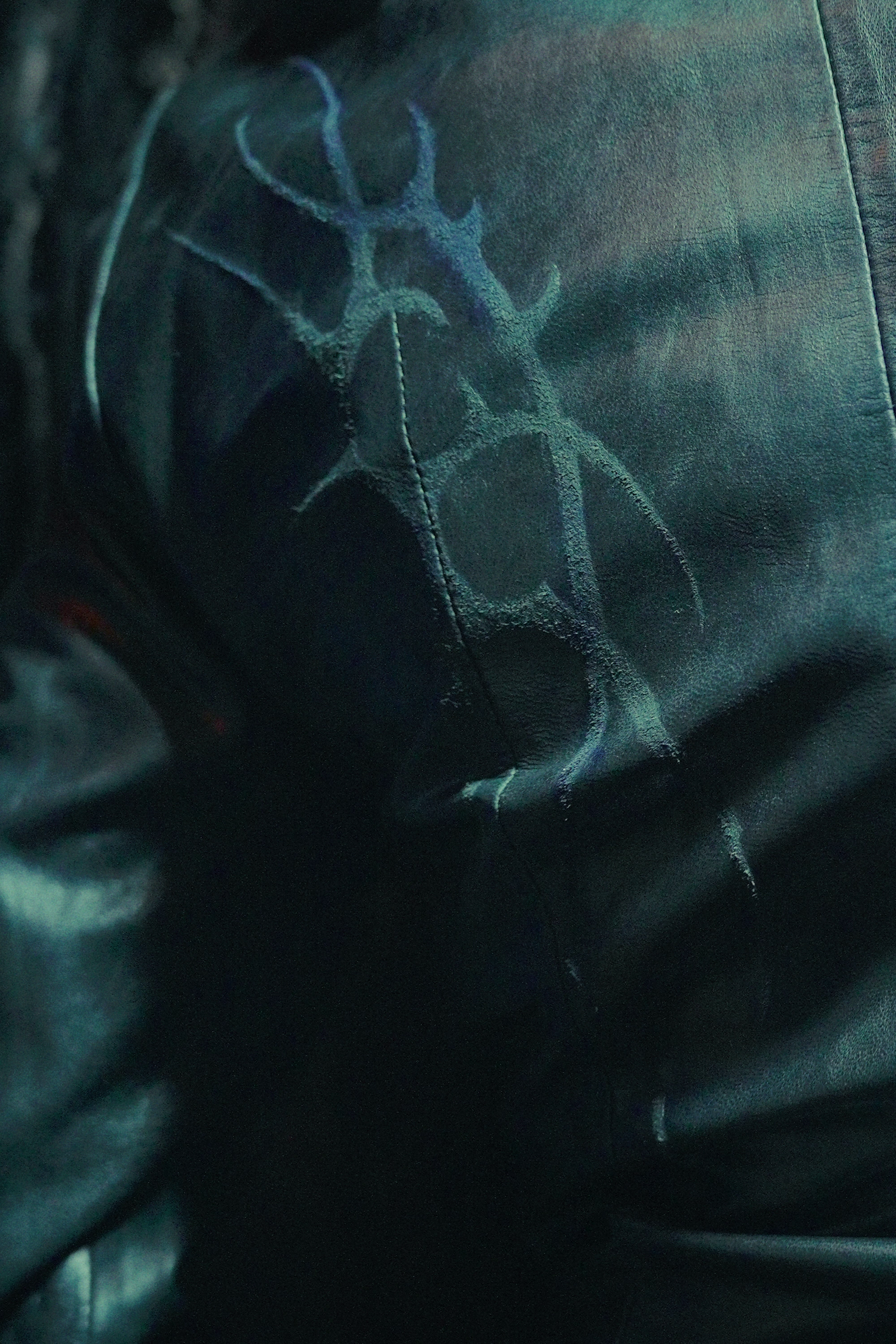
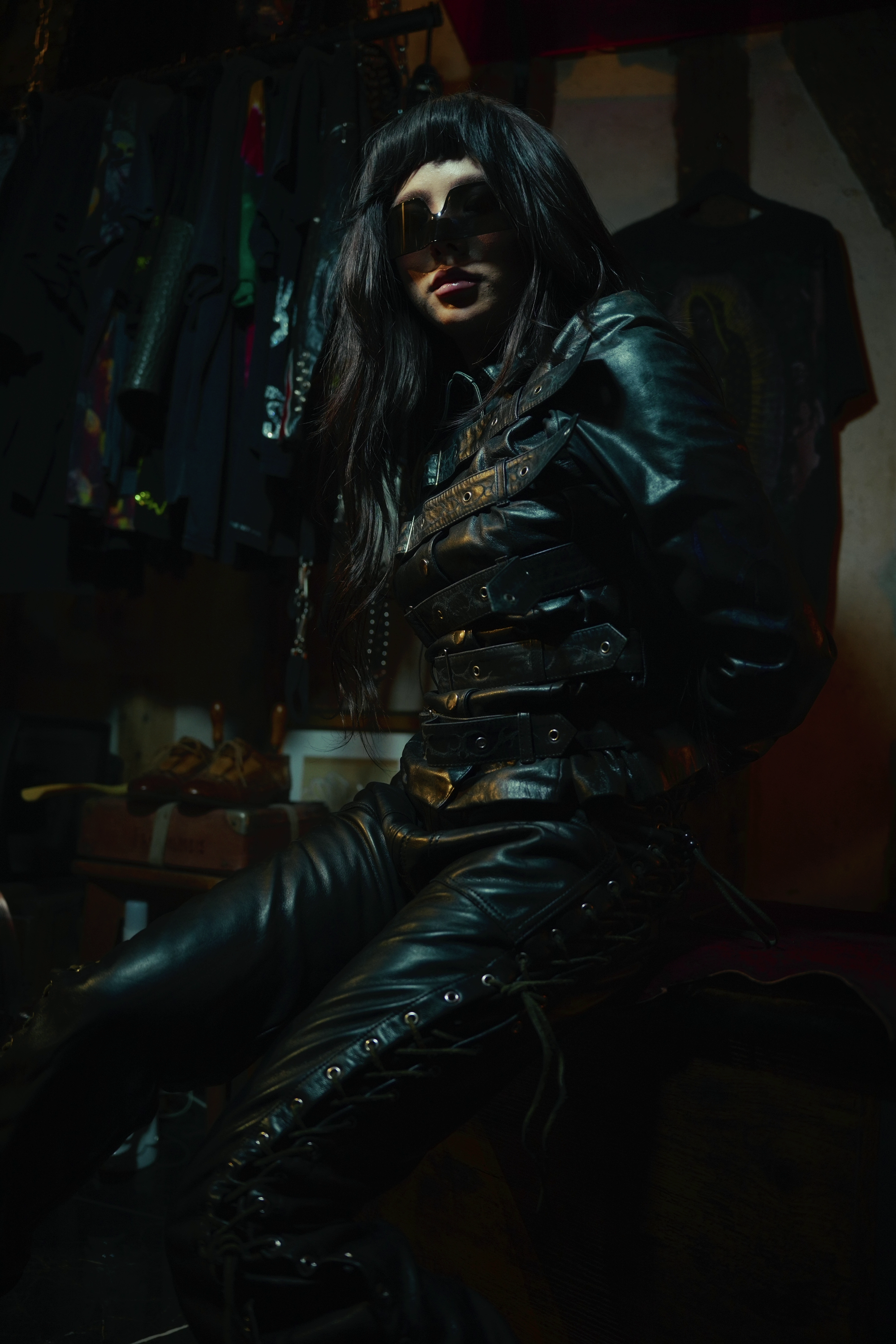
With their latest collaboration, Paris-based vintage boutique Pretty Box and German tattoo collective MOMMY I’M SORRY erase the line between garment and skin, transforming archival leather pieces into one-of-a-kind works marked by ink, memory, and time. It’s not customization, it’s a second life. Each jacket bears the scars of its past before receiving a permanent new identity, challenging conventional ideas of luxury, craftsmanship, and permanence.
In an era obsessed with novelty, this collaboration argues for something rarer: objects that age, evolve, and remember. We sat down with AJ, founder of MOMMY I’M SORRY, and Nico, founder of Pretty Box, to discuss tattooing as cultural language, vintage as living archive, and why the future of fashion may lie not in creating something new, but in rewriting what already exists
In Conversation with AJ – Founder of MOMMY I’M SORRY
How has tattoo culture evolved from a subcultural practice into an aesthetic language that influences luxury and vintage fashion?
Every subculture that ends up shaping the mainstream starts the same way. It resonates with a few, it sparks curiosity, it stands out from the ordinary. And there is almost nothing that stood out like tattoo culture, especially fifty years ago.
We are talking about a practice that goes back around 8,000 years, present in some form in every era of humanity—religious, medical, cultural. In the early days of professional tattooing, being heavily tattooed meant separating yourself from normal society by choice. A face tattoo meant you could no longer move through an average life. Hand tattoos had to be earned. In the Russian and American prison systems of the 1980s and 1990s, specific tattoos worked like insignia. They told your story, marked your allegiance, and sometimes they were forced on you to brand you for life.
A culture carrying that much story was never going to stay locked in its own corner. The question was never whether it would influence fashion. The question was when. Today it has become a visual language, and luxury reads it fluently.
In what ways do tattoos, like vintage clothing, tell personal stories and contribute to the construction of a unique visual identity?
Getting tattooed is like designing your own character. Which armor do you put on? Which style do you choose? That decision already says everything about who you are, and you make it visible to the world.
People collect tattoos for every reason imaginable: as souvenirs of a journey, purely for the art, for mourning, for therapy, for celebration, for victory. Each choice is a sentence in a longer story. Take Mike Tyson’s face tattoo. You could show that design to anyone on earth and they would know it, and it fits him so completely that the man and the mark have become inseparable. That is the point where a tattoo stops being decoration and becomes identity.
Vintage works the same way. A worn piece carries the proof that someone lived in it. Both are personal archives you wear in public.
Why do the worlds of tattooing and fashion share common values such as self-expression, craftsmanship, and exclusivity?
Aren’t these the same values behind everything great that humans have made? There is no revolution without self-expression. No pursuit of perfection without craftsmanship. Nothing worth protecting without exclusivity. Tattooing and fashion simply catalyze the same instinct in different materials.
There is also a pressure in tattooing that almost no other craft carries. Imagine a musician writing a song and performing it only once. Every show, a completely new setlist. That sounds insane, but it is exactly how the best tattoo artists work. One shot, one moment, on skin, every single day, while building a name. That discipline produces a kind of artist fashion has always been drawn to.
How can a collaboration between a luxury vintage boutique and a tattoo studio redefine traditional notions of elegance and contemporary style?
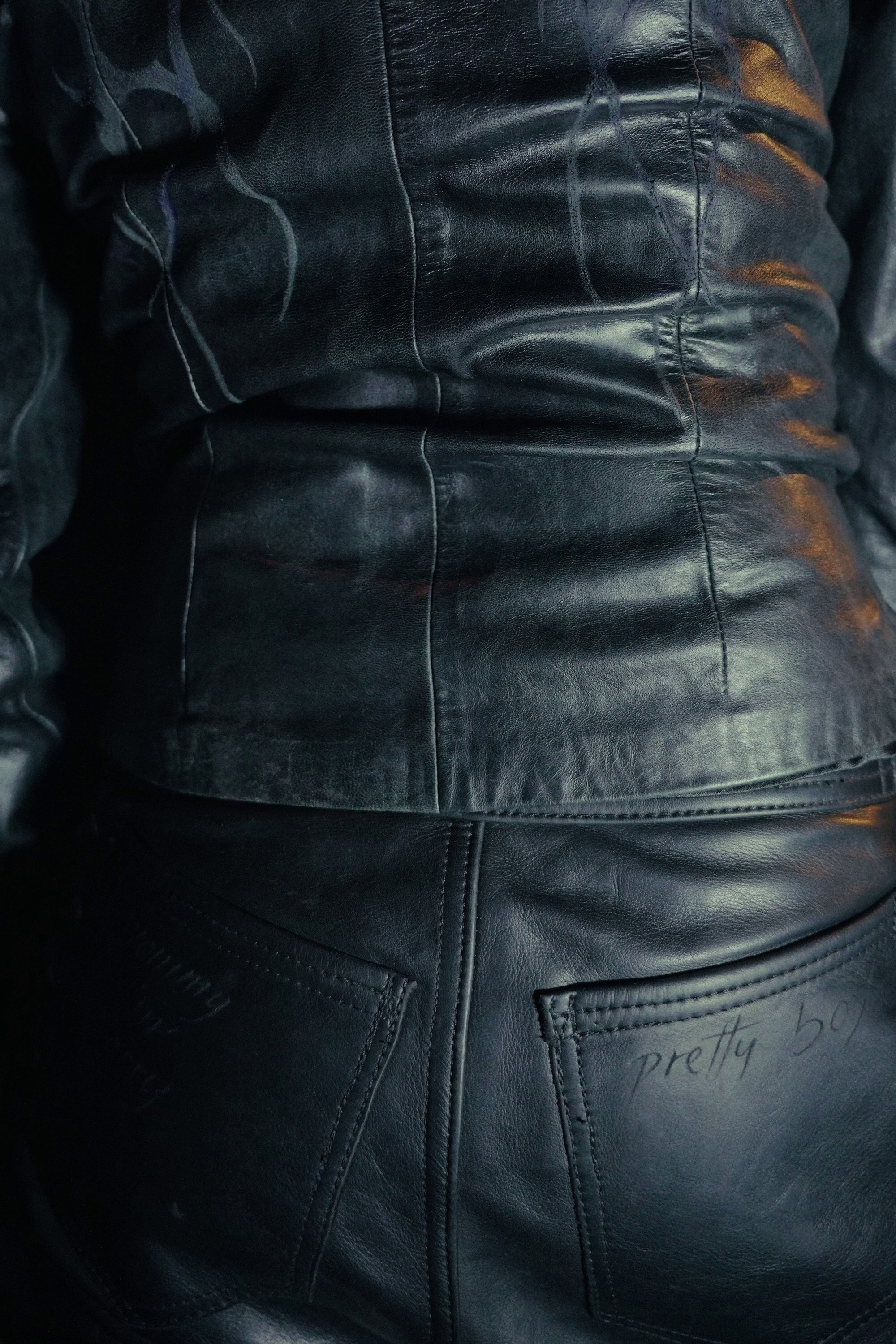
This is the part I find most exciting, because we just lived it. We worked with Pretty Box, a vintage store in Paris, on leather pieces—jackets and trousers—they gave us, and we tattooed them.
Think about what that means. The leather already had a life before it reached us. It carried wear, history, the marks of whoever owned it first. Then the needle adds a second life that can never be removed. Leather and skin both take ink, both age, both remember. Elegance in that context stops being something clean and untouched. It becomes something marked, something with a past that is now permanent.
That is the crossover at its best. Not a tattoo printed onto a garment, but a real garment carrying a real tattoo. Jean Paul Gaultier pointed at this idea in 1994, when he went to a tattoo convention in the UK and built an entire collection, Les Tatouages, around trompe-l’œil tattoo prints. Vogue later named it one of the defining shows of the decade. He faked the tattoo on the fabric. With Pretty Box, we made it real.
How do the interactions between tattoo culture and fashion reshape our perception of the body as a space for artistic and stylistic expression?
For most of the last century, a heavily tattooed body read as a statement of distance from society. Today the same body can walk a runway or front a campaign. The mark did not change. Our reading of it did.
That shift is the real story. Once fashion started treating the tattooed body as desirable rather than dangerous, the body stopped being a surface you cover and became a canvas you compose. Clothing is just armor you can take off. A tattoo is the one layer that stays, the most intimate form of art there is—a sacred exchange between client and artist that you carry to the grave.
And like the best vintage, it is made to stay. I love old tattoos, even the ones from the ‘80s, when the technology wasn’t there and they didn’t age well. They have their own character, their own identity. I wouldn’t tattoo them that way today, but as a reference, with a modern twist and the signature of the artist creating it, it becomes a beautiful thing.
We are entering a moment where anyone can create anything. When that happens, the most important position is the curator: the one with the experience, the emotional read on the mood of the time, and a real understanding of craftsmanship. That instinct is what I am building MOMMY I’M SORRY around. Less a place you go to, more a culture you recognize. I have spent over two decades inside this culture. Long enough to know that the work that lasts is never the work that chases the moment. It is the work made to outlive it.
In Conversation with Nico – Founder of Pretty Box
How has tattoo culture evolved from a subcultural practice into an aesthetic language that influences luxury and vintage fashion?
I believe tattoo culture and vintage fashion naturally speak the same language because they both celebrate permanence.
In a world driven by constant change, they remind us of the value of time. A tattoo is created to accompany someone for a lifetime, while a true vintage garment has already proven its ability to endure through decades through exceptional craftsmanship, quality materials, and timeless design.
This shared philosophy resonates deeply with today’s idea of luxury. Luxury is no longer defined only by rarity or exclusivity, but by authenticity, longevity, and meaning.
For me, this is why the dialogue between tattooing and vintage feels so natural. Both transform the passage of time into something beautiful. One preserves memories on the body, the other preserves history through garments. In both cases, time is not something to overcome—it is part of the creation itself.
In what ways do tattoos, like vintage clothing, tell personal stories and contribute to the construction of a unique visual identity?
Every vintage piece carries a history. It reflects the craftsmanship, culture, and creative spirit of another era. A tattoo, on the other hand, begins its story with the person who chooses it and continues evolving throughout a lifetime.
One preserves the memory of the past. The other becomes the memory of the future.
That is what makes the connection between vintage and tattooing so compelling. Together, they create an identity that cannot be replicated because it is not manufactured—it is built over time.
Every mark, every faded detail, every line of ink becomes part of a personal narrative that grows richer with age.
Why do the worlds of tattooing and fashion share common values such as self-expression, craftsmanship, and exclusivity?
For me, they are united above all by craftsmanship.
Nothing designed to last is ever created carelessly.
The vintage leather pieces we select were made with exceptional materials and remarkable attention to detail. Tattooing follows the same philosophy, requiring precision, patience, technical mastery, and artistic sensitivity because the work is intended to accompany someone for life.
Exclusivity is not the objective—it is the natural result. Every vintage garment is unique. Every tattoo is unique. Together, they become a singular piece that can never truly be reproduced.
How can a collaboration between a luxury vintage boutique and a tattoo studio redefine traditional notions of elegance and contemporary style?
The dialogue between the vintage piece and the tattoo artist creates something deeply personal: an object that preserves its heritage while becoming entirely unique. It is a collaboration built on transmission rather than transformation.
We never wanted to simply decorate vintage garments. We wanted to continue their story.
Each piece already carries decades of history, character, and craftsmanship. The tattoo does not erase that past—it adds another chapter.
To me, this represents a new definition of luxury. Luxury is not about making something appear new. It is about respecting what already exists while giving it a meaningful future.
How do the interactions between tattoo culture and fashion reshape our perception of the body as a space for artistic and stylistic expression?
I have always felt that vintage clothing and tattoos share the same relationship with time.
A tattoo evolves with the body that carries it. A vintage garment evolves with every person who wears it.
Neither becomes less beautiful because it ages. On the contrary, time gives both depth, character, and authenticity.
That is why this collaboration feels so natural. Skin, fabric, and ink become living surfaces that collect memories rather than conceal them.
Ultimately, we are not celebrating perfection.
We are celebrating everything that time leaves behind.
CREDITS:
Collaboration: MOMMY I’M SORRY & Pretty Box
Photography: Stefan Kern
Video: kino.exp
Styling: Youth of Paris
Production: THE FEAR GENERATION
Models: :Lim Feng & Ilian Khoury
Location: STUTTGART / PARIS
Tattoo on leathers Pieces: Mary Rain