
A disco album, twelve nights at Wembley, and a wardrobe of suits and ties. How Harry Lambert dresses the sound and the moment of Harry Styles’ new era.
By Alegria Haro
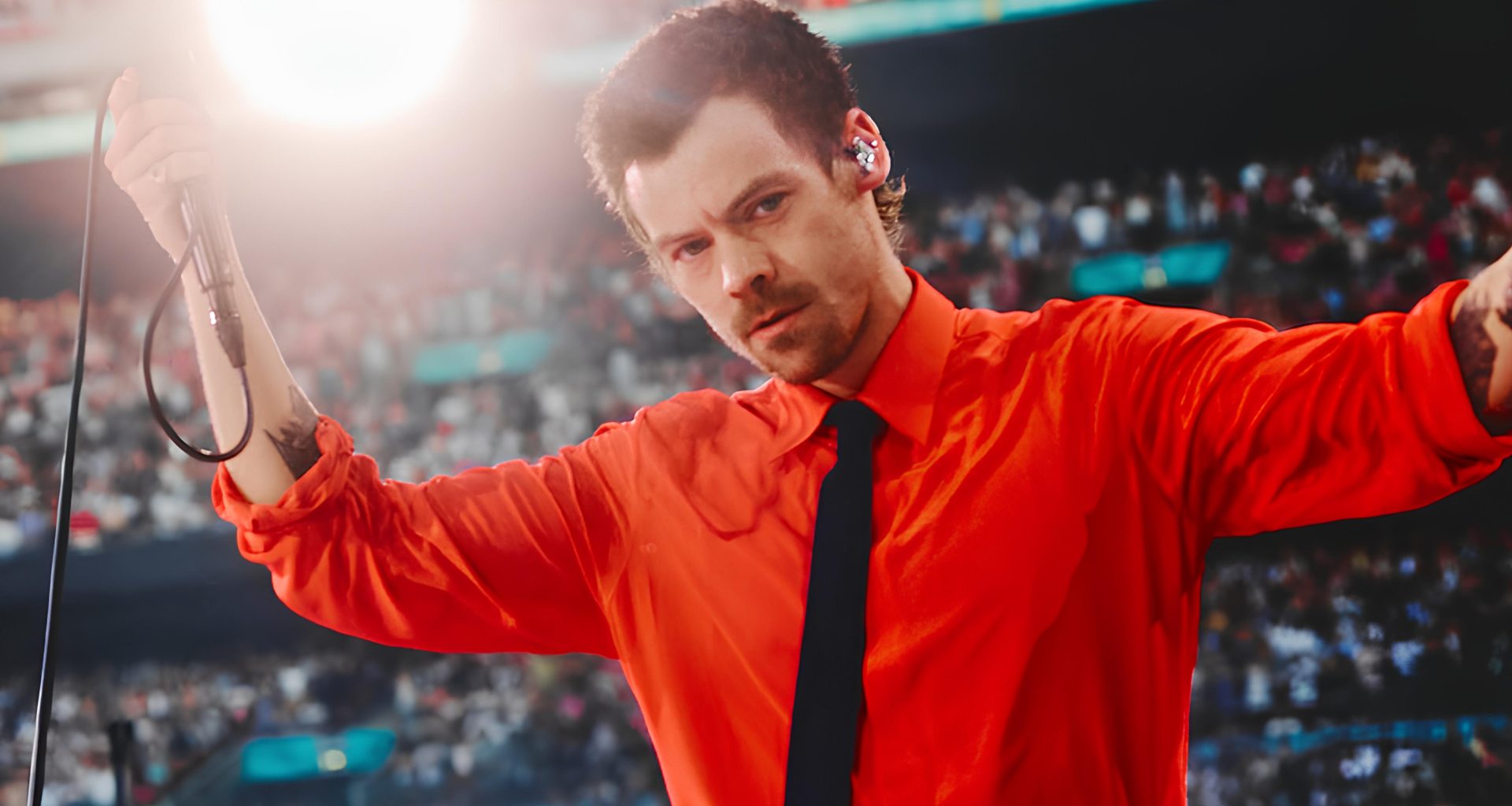
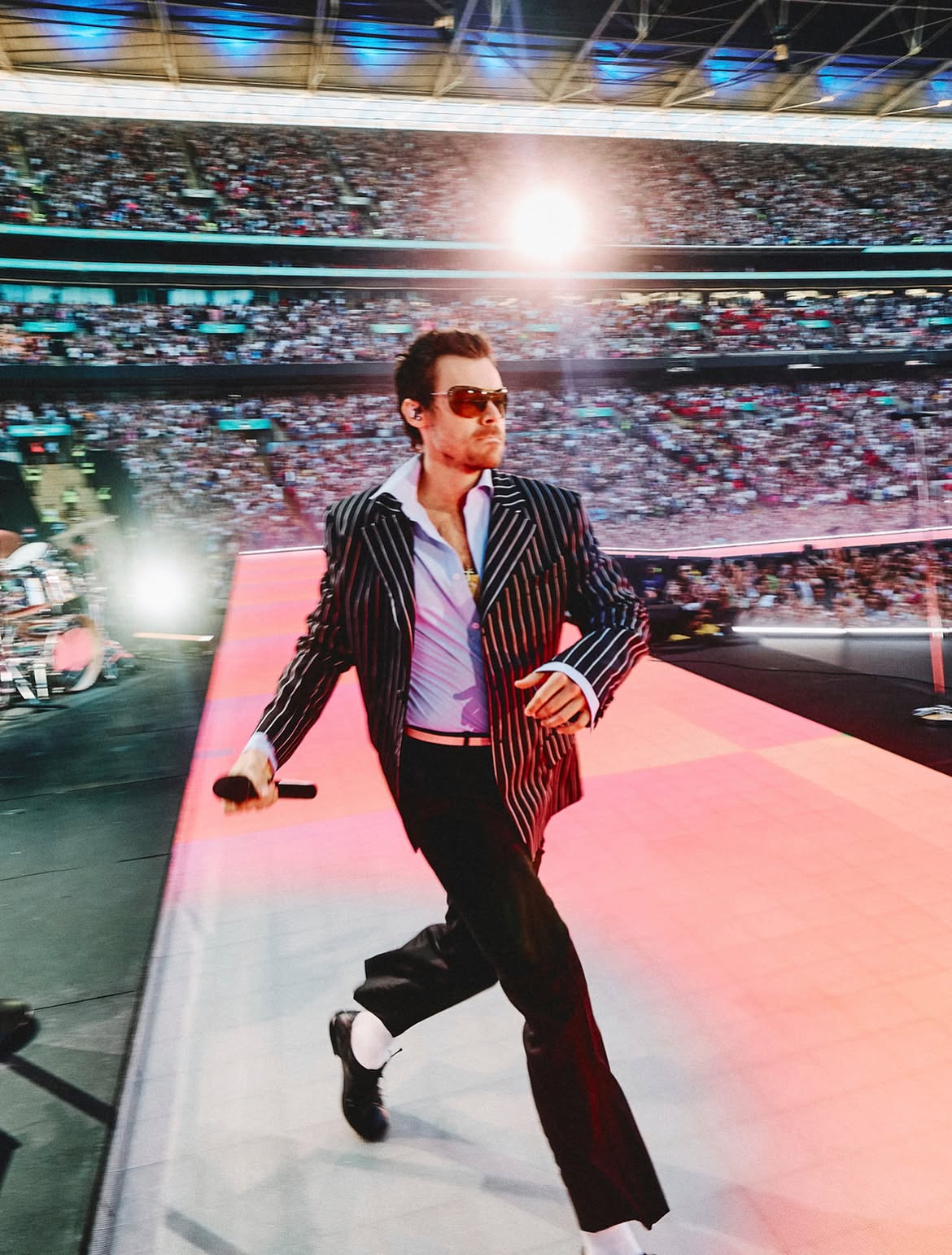
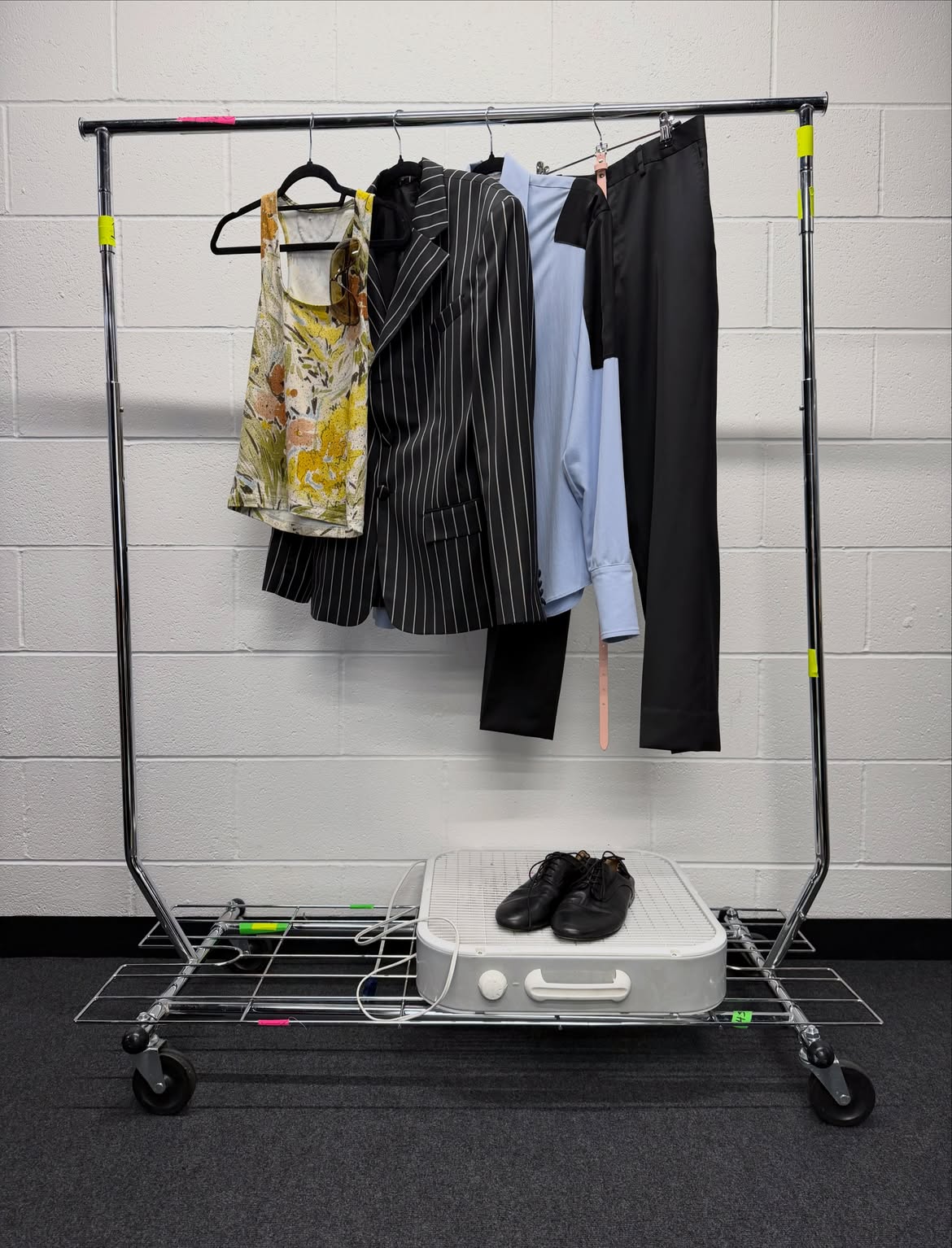
When Harry Styles launched the Together, Together tour in Amsterdam this spring, the visual language of the era was already established: pinstripe suits, open shirts, ties and tinted sunglasses. After years of pearls, gowns and feather boas, Styles entered a new chapter through tailoring — a shift that transformed one of menswear’s most familiar silhouettes into the defining image of a record whose title is a way to live: kiss all the time, disco occasionally.
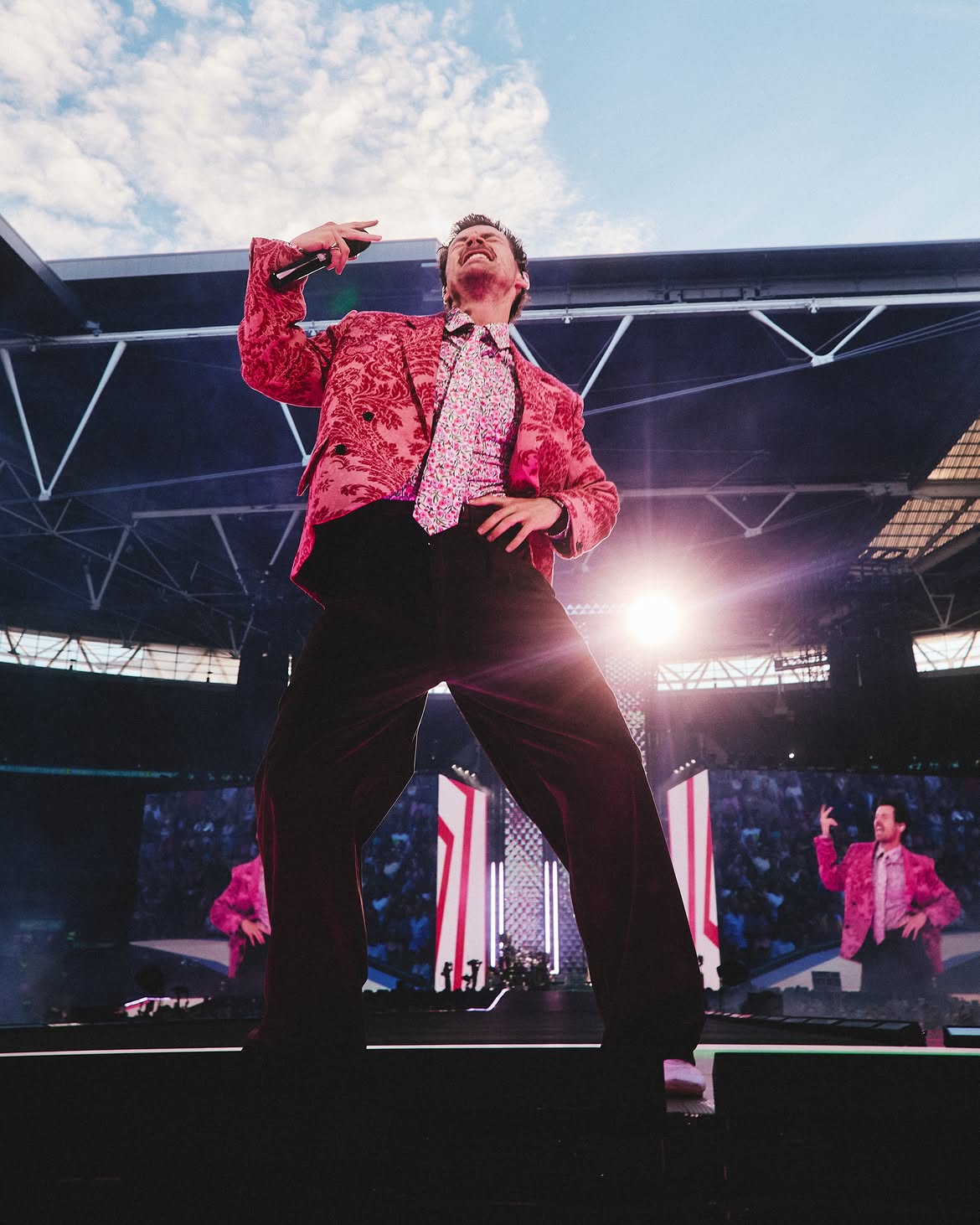
By the time the tour arrived at Wembley, the idea had grown into something larger than a stage costume. The twelve-night London residency, which concluded on 4 July, earned Harry Styles a Guinness World Record for the longest single-artist residency Wembley has held, surpassing Coldplay’s ten nights and Taylor Swift’s eight. The extended run offered a rare opportunity to see a pop wardrobe develop in real time: repeated, refined and transformed into its own visual narrative.
A Disco Record, Dressed for the Office
Kiss All the Time. Disco, Occasionally. is, by Styles’ own account, a mantra rather than a genre. He told Hits Radio in January that you can’t be at the disco all the time — that moving through life with love, and taking a break now and then for fun, is a good way to live. Love is the constant. The night is the treat. The clothes translate that through the language of tailoring — striped shirts, structured separates and an almost scholarly collection of square-ended ties.
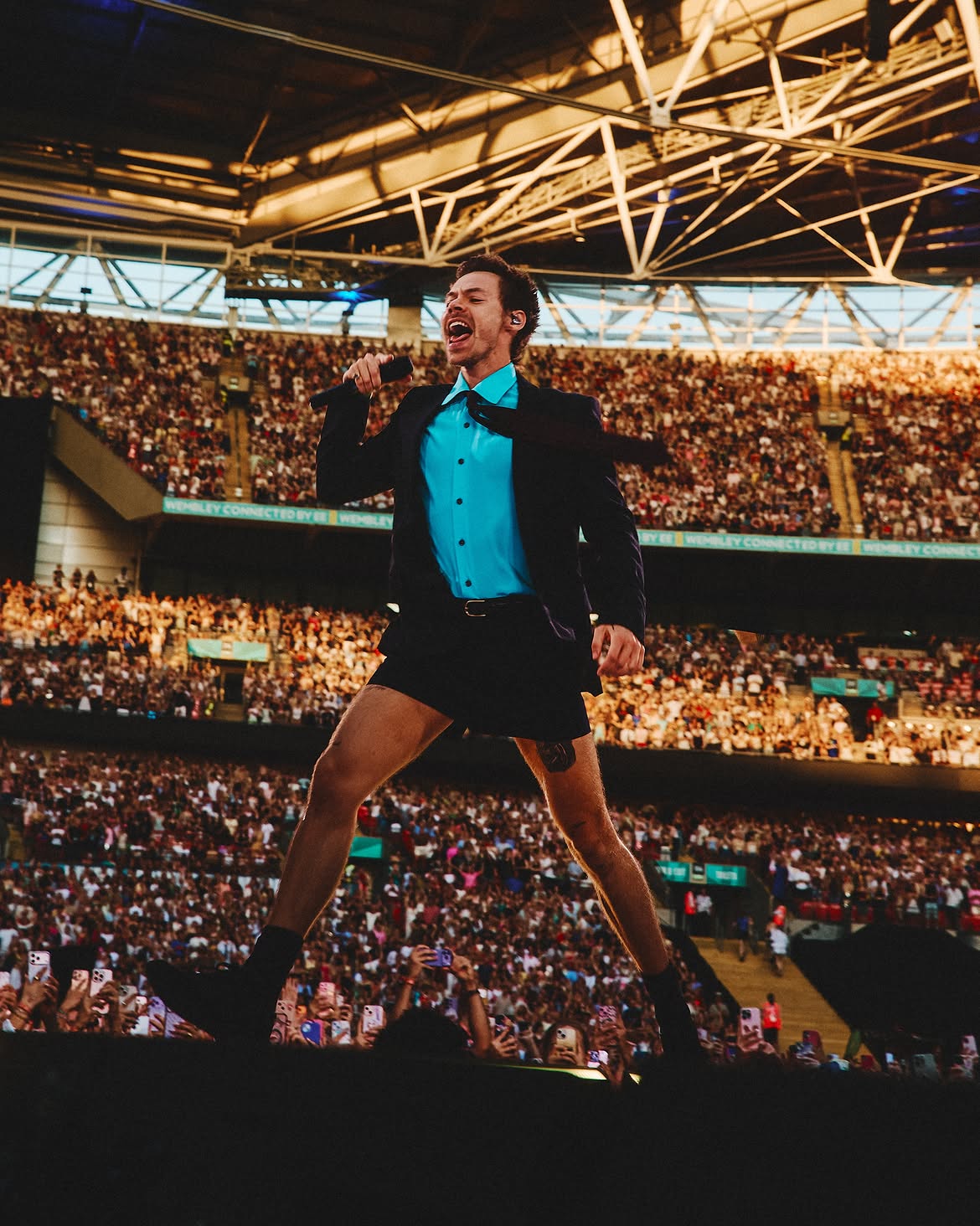
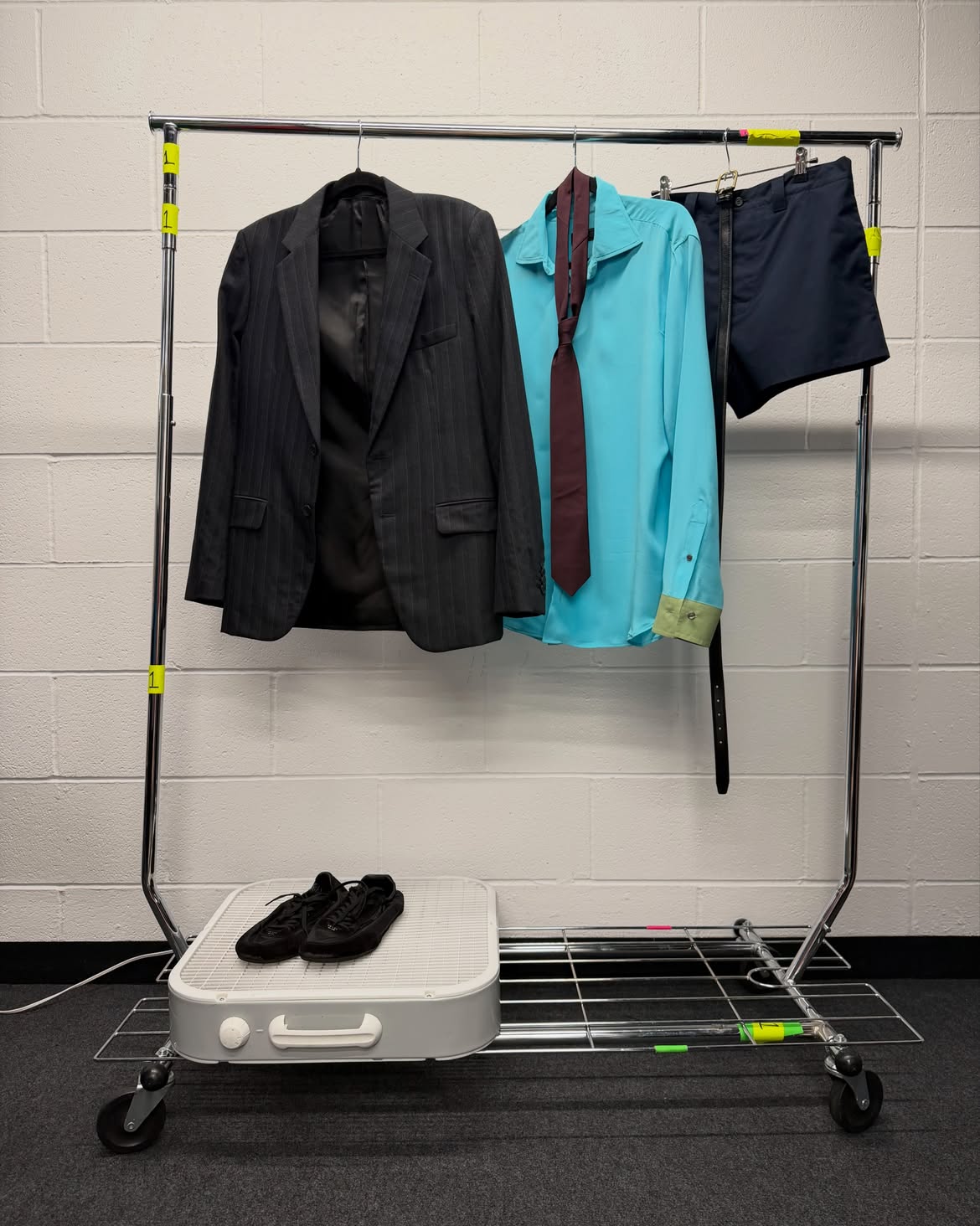
Lambert dressed the mantra. The suit is the all the time — the ordinary held steady. Night seven is the sentence, worn: a pinstripe blazer and maroon tie up top, tailored shorts below.
Lambert has always worked this way. Across a decade of collaboration, the stylist has built a visual vocabulary around contrast, memory and reinvention — finding new possibilities in garments that already carry cultural meaning.
Harry Styles and the Corpcore Moment
Lambert’s approach arrives at a moment when workplace dressing has entered fashion’s imagination. The rise of corpcore and the office siren aesthetic has transformed familiar professional codes into objects of fascination: ties become accessories, lanyards become styling devices, and corporate references move from the office into nightlife and performance.
Within this context, the Wembley wardrobe reads as commentary. The suit carries decades of associations — ambition, discipline, professionalism — and arrives in front of a generation that expects none of them. Lambert dresses him in the last century’s emblem of security at the moment it secures nothing. That is a more pointed thing for a pop star to wear than another jumpsuit.
Subversion Gone Mainstream
For years, Harry Styles’ image was inseparable from the visual language of his Gucci era: pearls, gowns, feather boas and a renewed conversation around masculinity in fashion. Those clothes arrived during a cultural moment when menswear was expanding its boundaries, and Styles became one of the most visible figures in that transformation. The significance was never only the garments themselves; it was the way those garments changed what audiences expected from a male pop star.
David Bowie, Prince and Mick Jagger had explored similar territory decades earlier, using clothing as a form of performance and disruption. Their wardrobes challenged the limits of their respective eras, and over time those once-provocative gestures became part of popular culture’s shared vocabulary. The pattern is older than this tour: Bowie spent the seventies using costume to unsettle people, and by 1983 — the commercial peak, the first stadium rooms — he was performing Let’s Dance in well-cut suits, a deliberate break from the androgyny that made his name. The suit tends to arrive after the argument has been won.
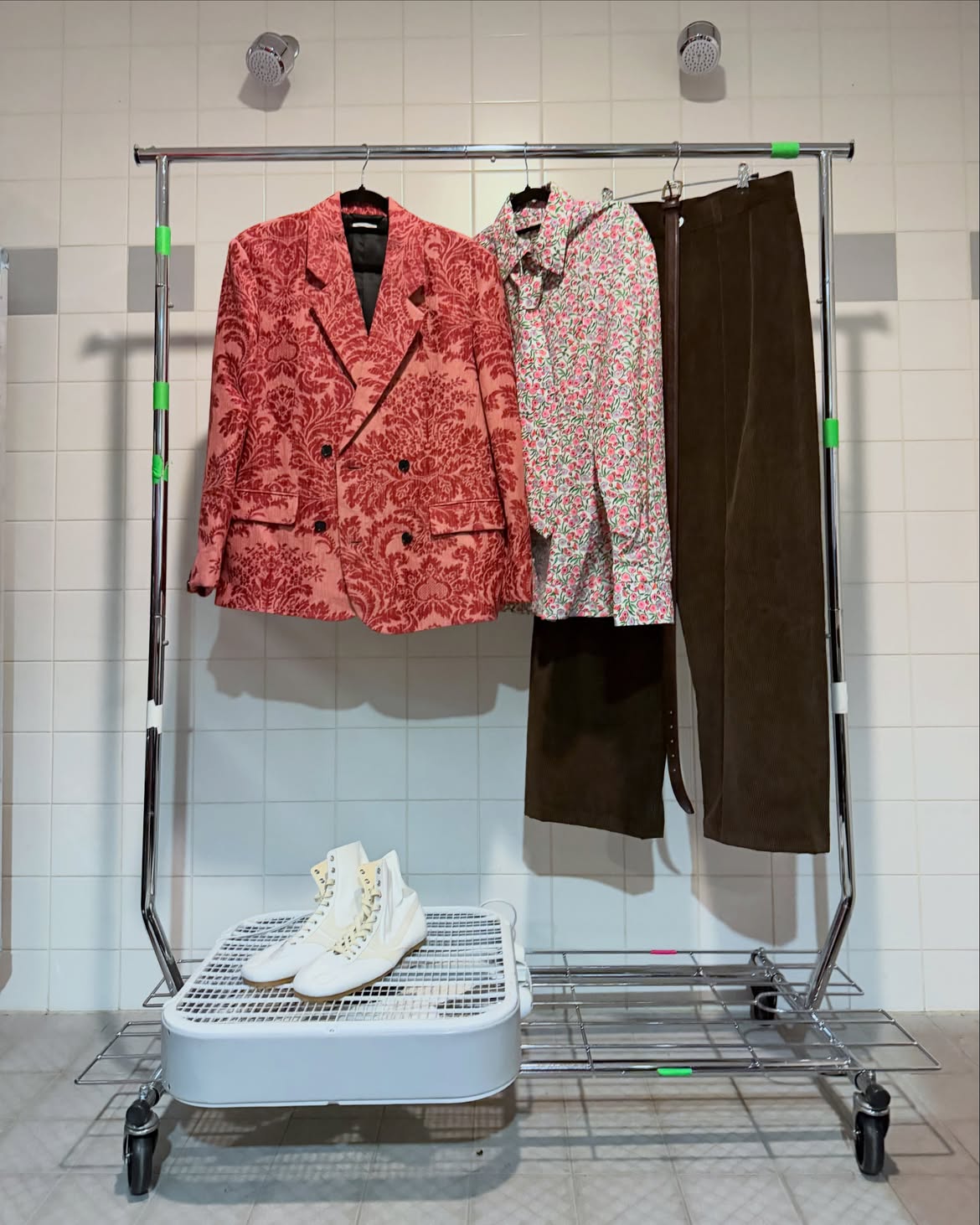
Styles’ argument has been won. A man in a dress now sells fragrance, and there is no transgression left in the wardrobe to reach for. What’s left is tailoring, and what Lambert does with it is the interesting part. Charles Jeffrey LOVERBOY, describing the suiting jacket and sports-shorts look they built with him for night four, called it finding the extraordinary in the everyday. That is the album title in different words: the ordinary held all the time, the disco found inside it. Lambert read that in the music before he built it into the clothes.
The Era in a Suit and Tie
The achievement of the Harry Lambert and Harry Styles partnership has always been its ability to evolve without losing a sense of identity. Across a decade, Lambert has treated clothing as a visual language — one capable of reflecting an artist’s changing relationship with culture, performance and self-expression.
The success of the collaboration exists in the space between stylist and performer. Lambert constructs the world; Styles brings it to life through movement, personality and the unpredictability of the stage.
The dresses, pearls and gowns captured one cultural moment. The suits capture another: a period learning to hold the ordinary and take the night when it comes.
The Together, Together tour continues through Brazil, with four nights at Estádio MorumBIS in São Paulo beginning 17 July, followed by Mexico City and a thirty-night residency at Madison Square Garden. The looks will change again. On the evidence of Wembley, they will keep telling you what the record is about before you hear a note of it.