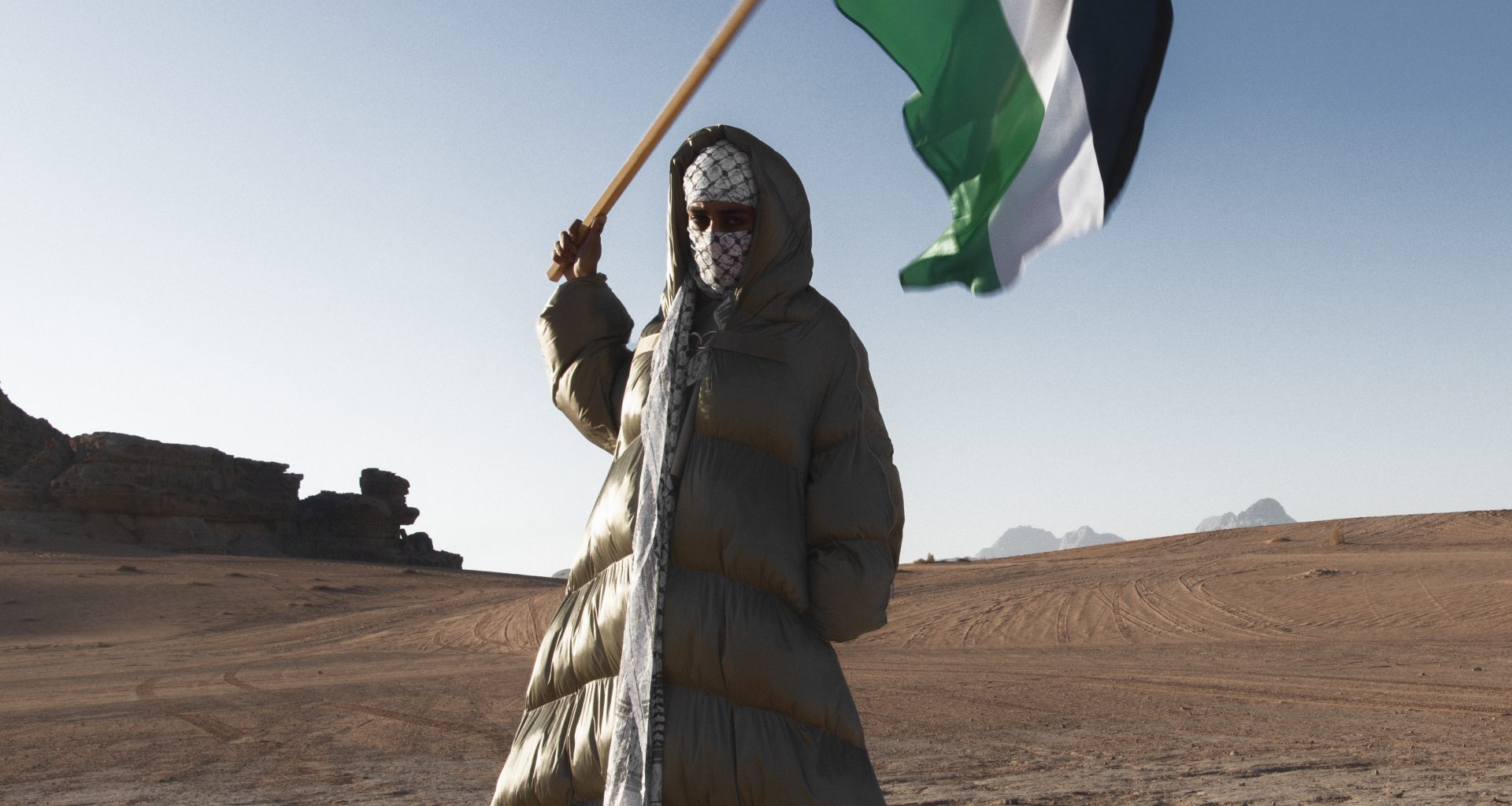
By Mira Postolache
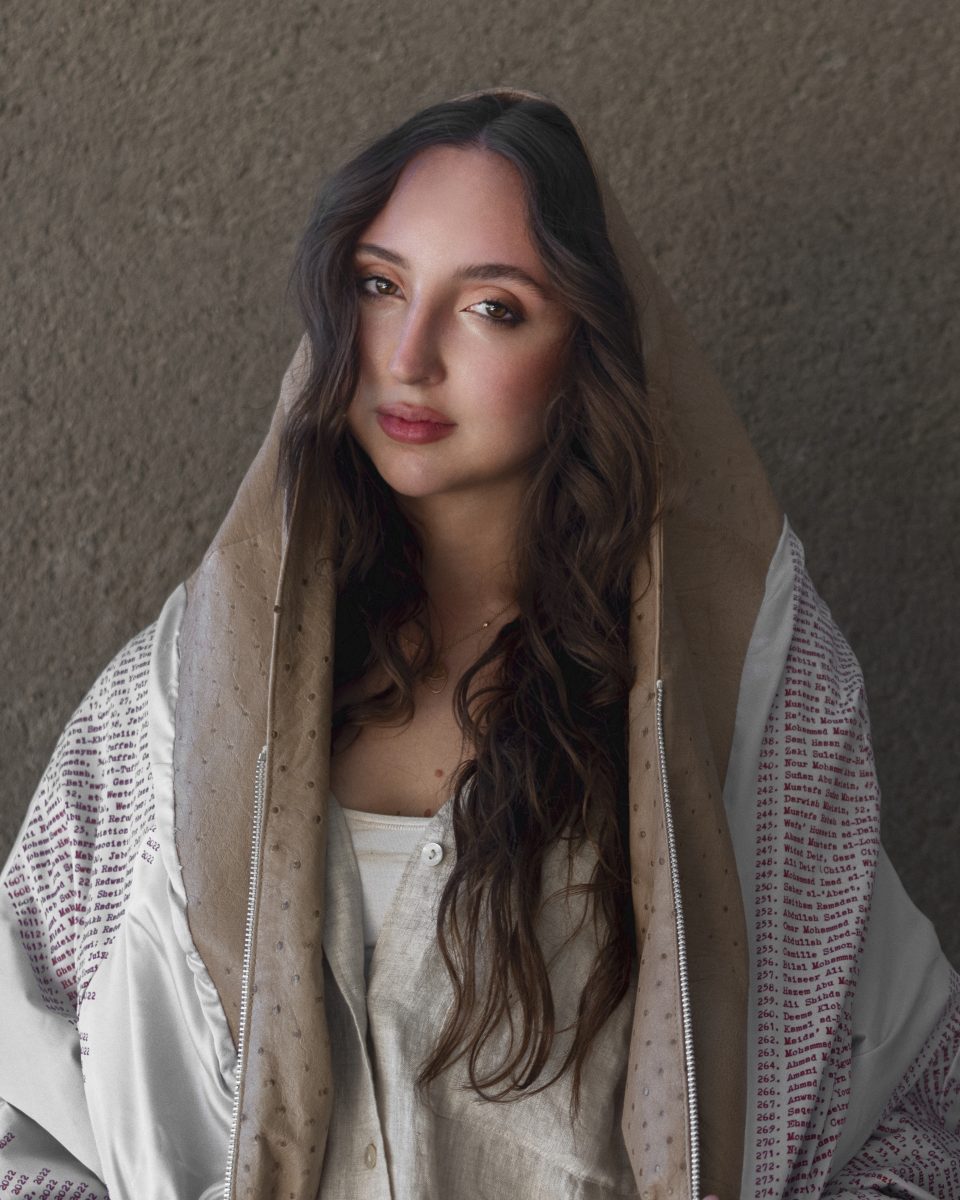
We’re all living in a complex socio-political landscape, and right now our mission to support the creative voices of Palestine is more crucial than ever. The world finds itself at a crossroads, grappling with the consequences of long-standing injustices against marginalized communities. Within this context, the creative expressions of Palestinian artists and designers undeniably deserve our attention and admiration. Their work not only embodies individual stories but also serves as a collective narrative of resilience, identity, and hope.
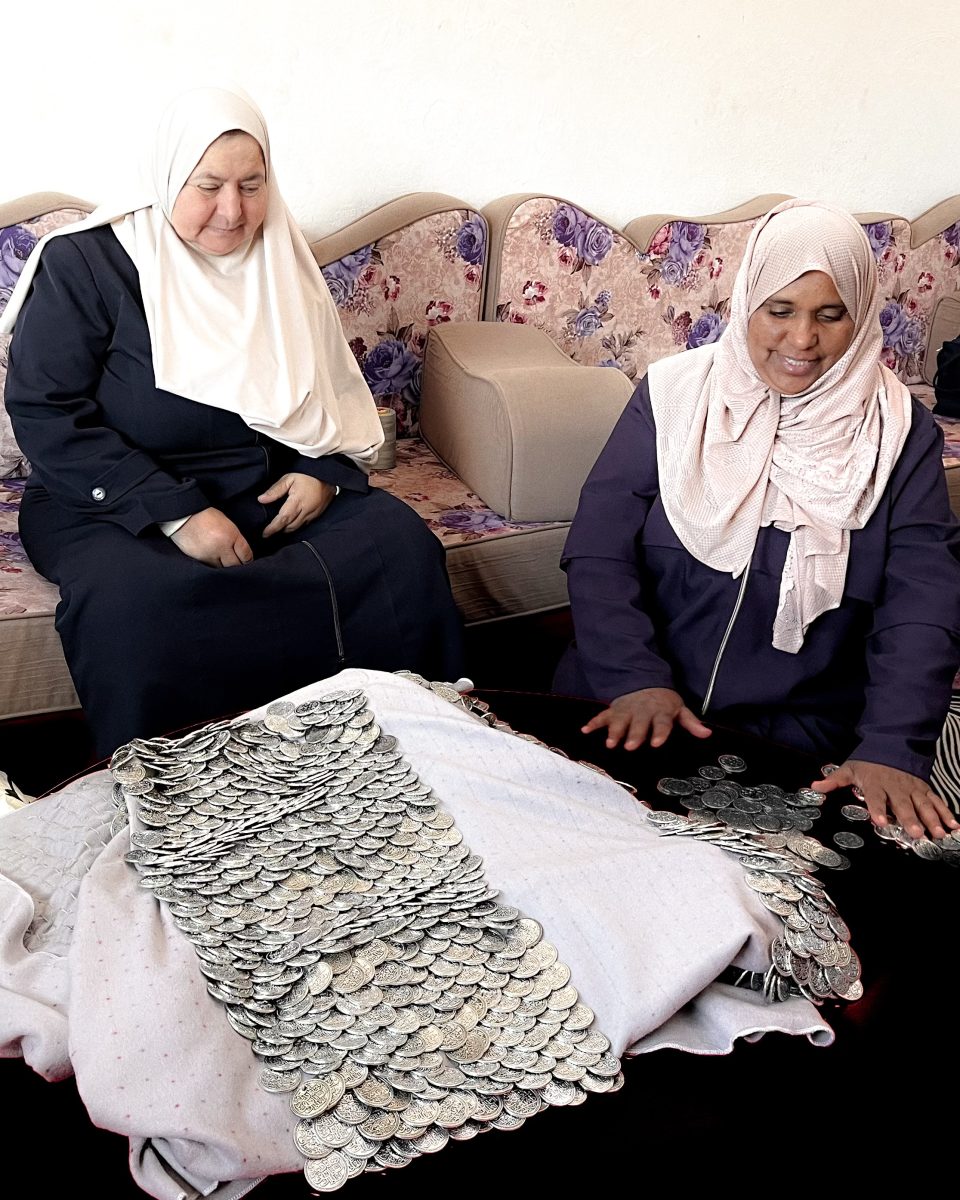
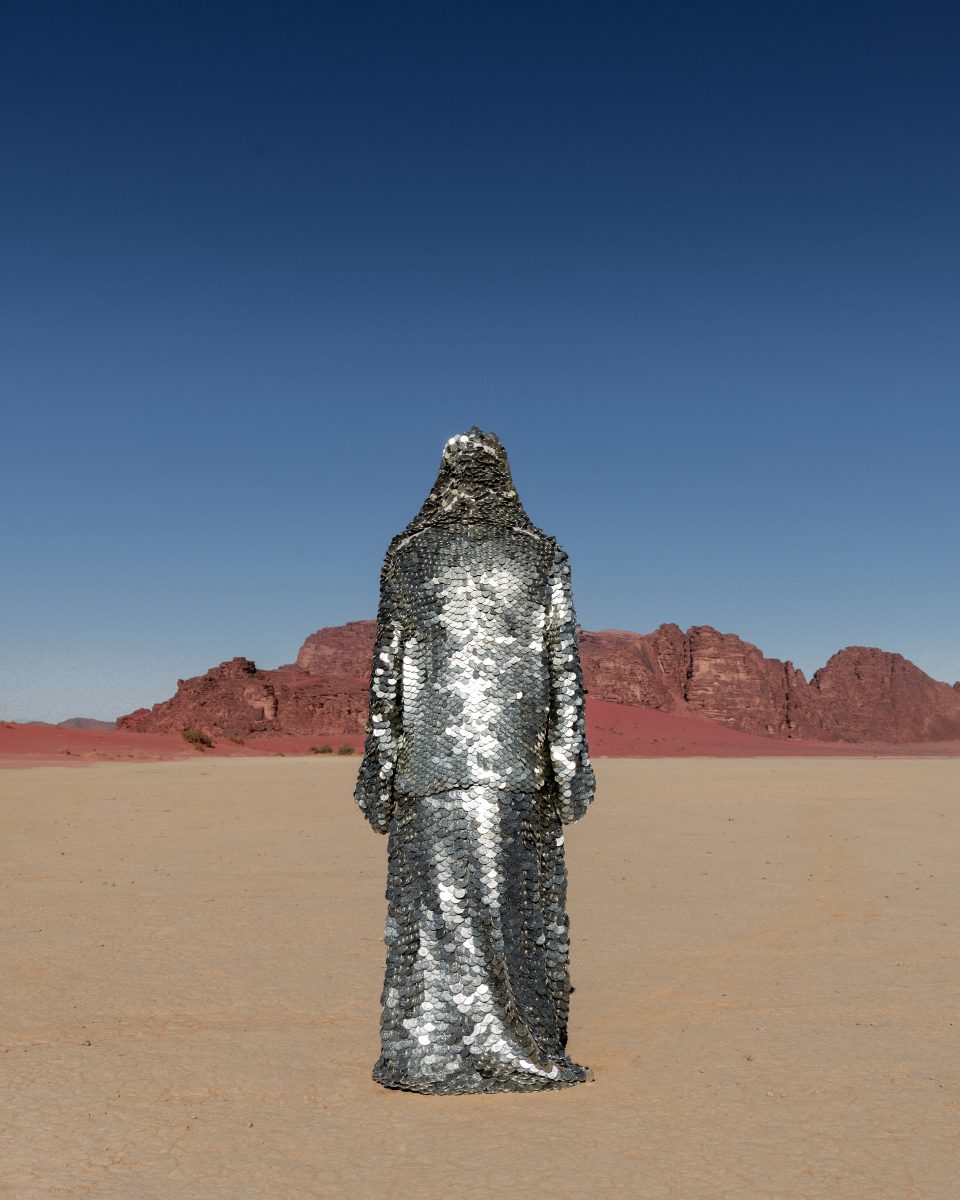
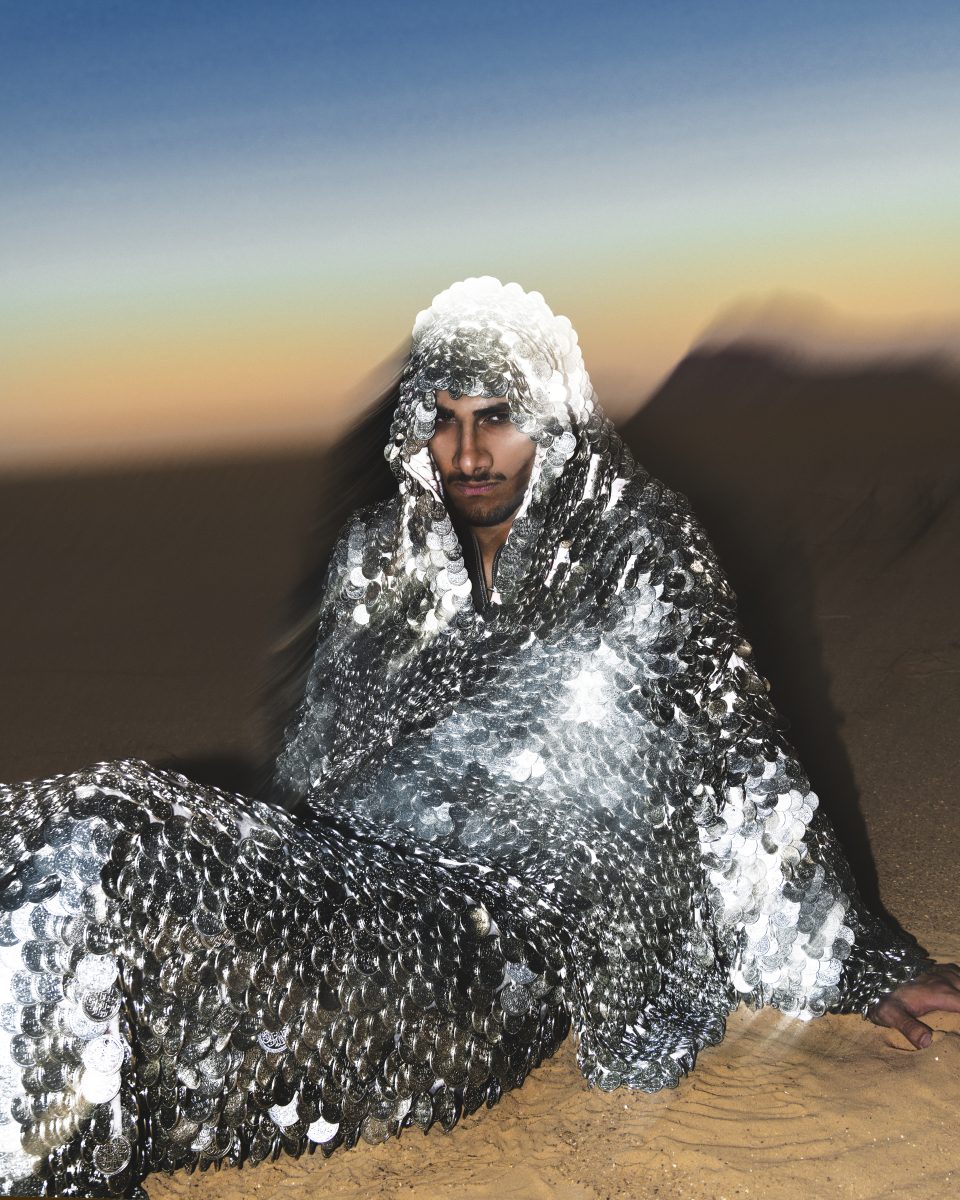
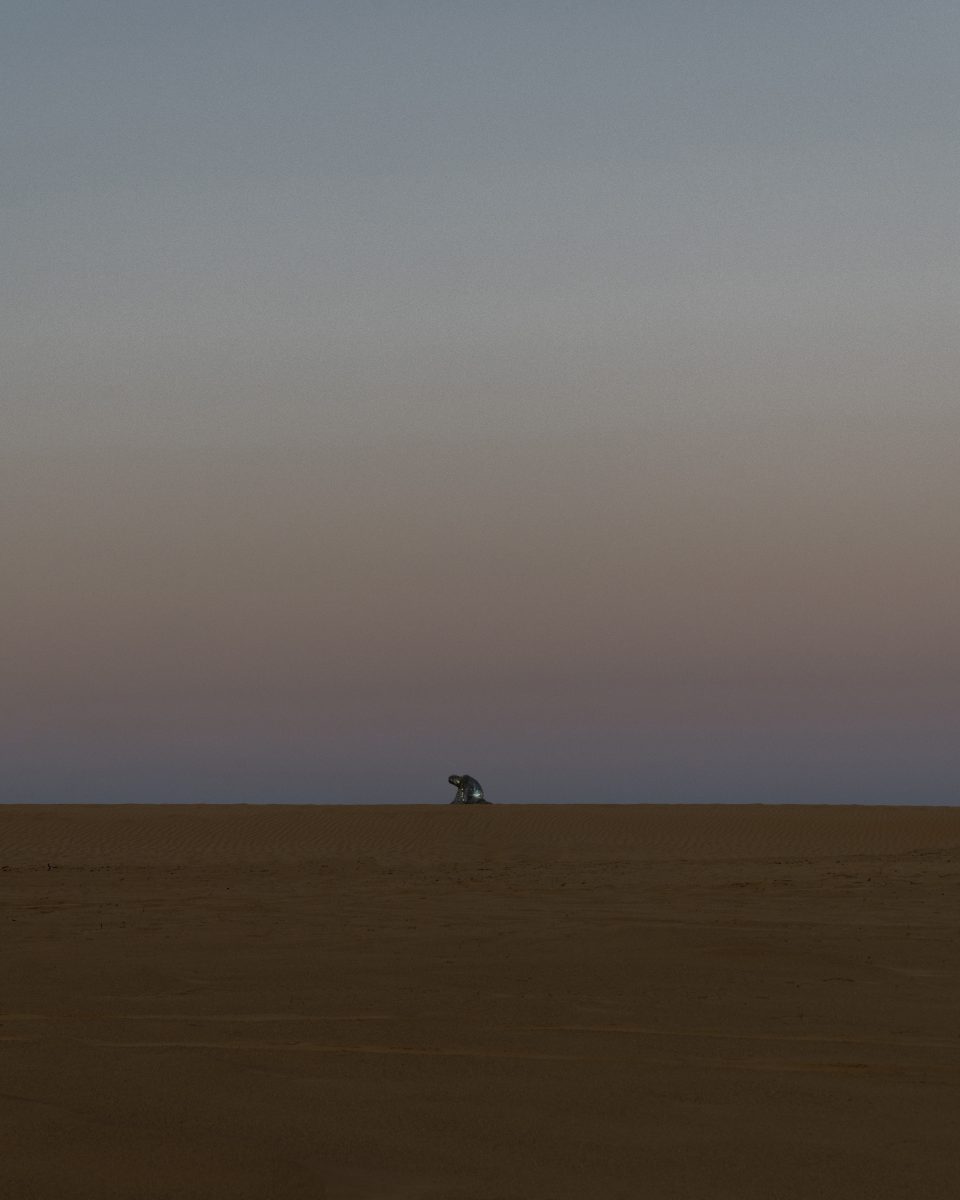
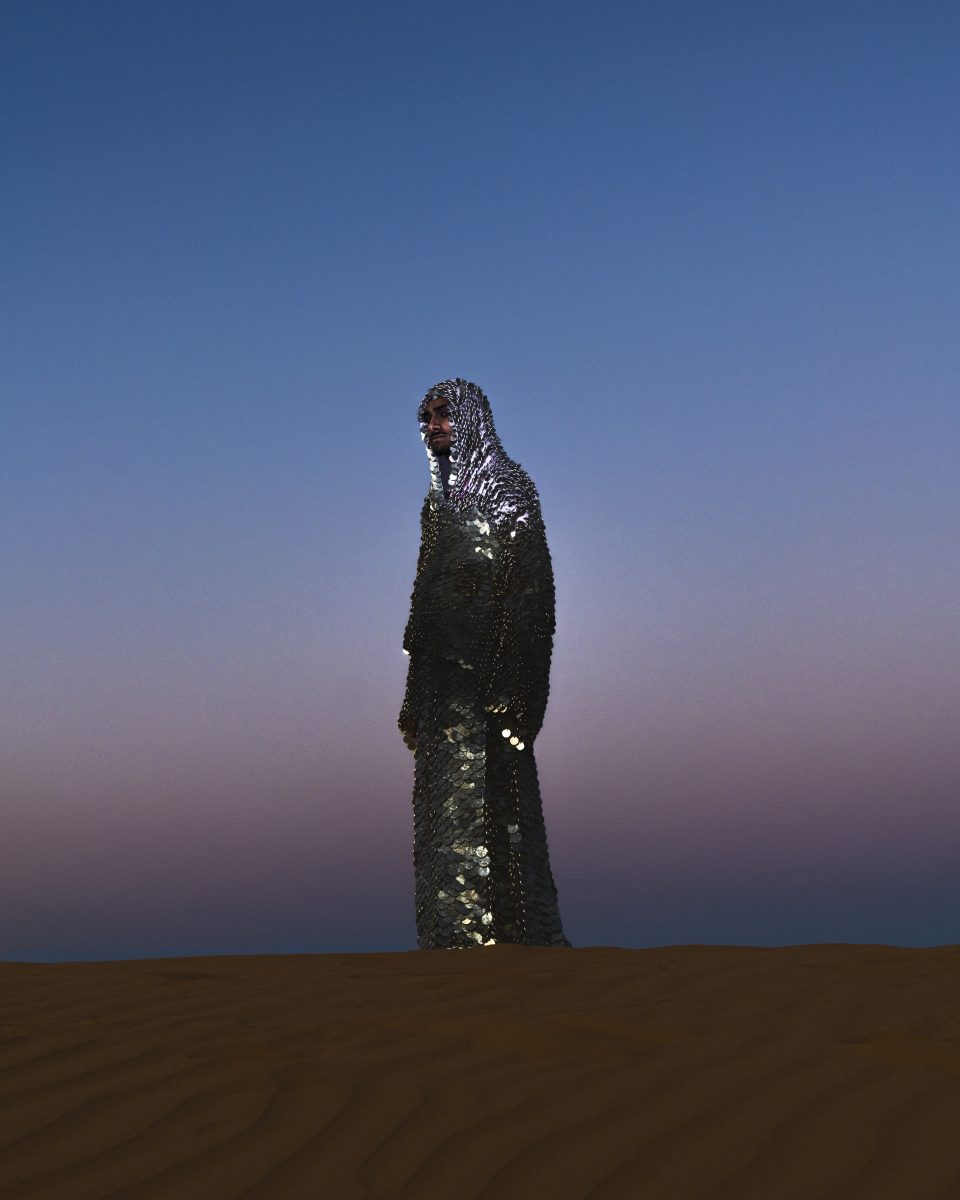
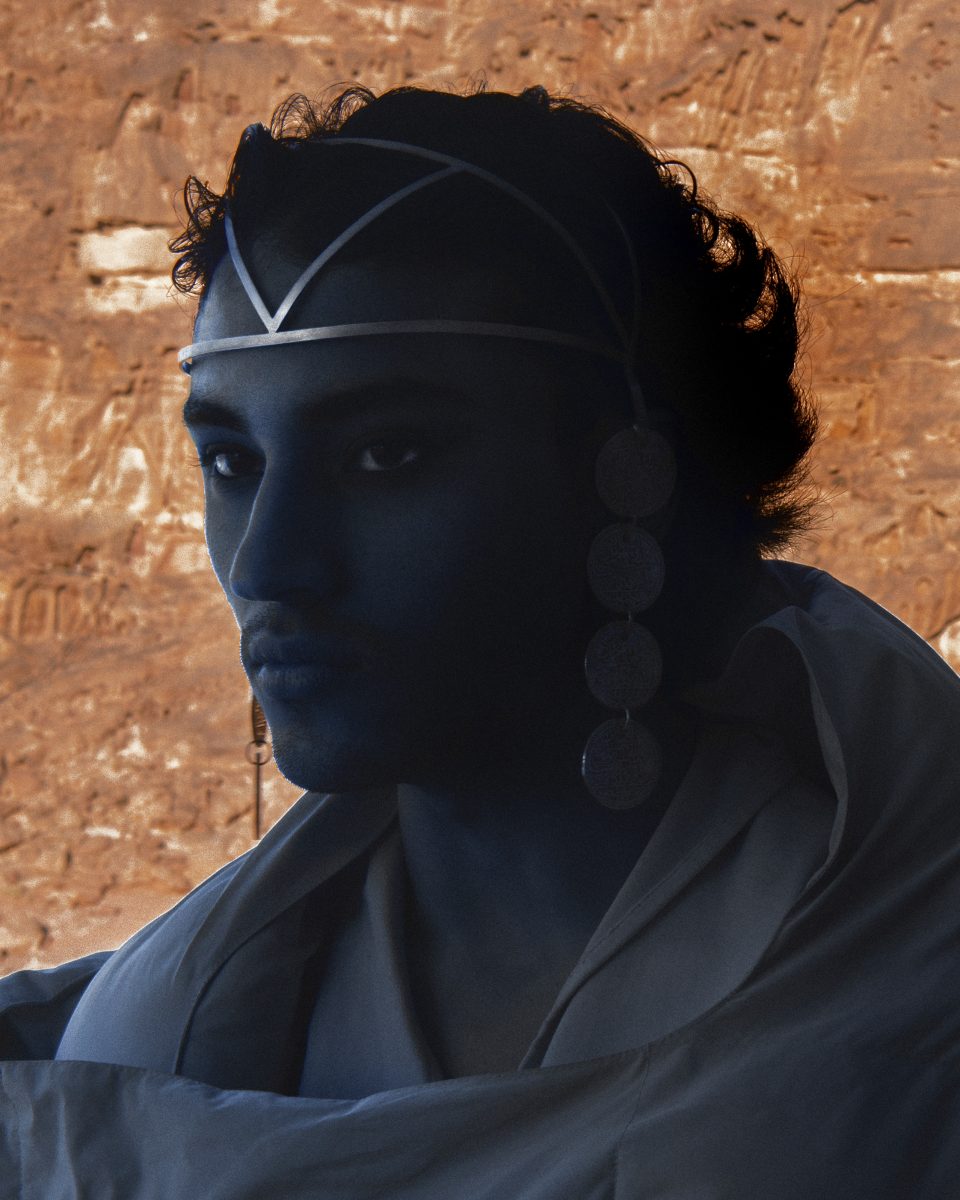
A captivating piece, creation of 72 kilograms of Palestinian coins—10,000 coins, all meticulously hand-sewn by refugee women was conceived by the visionary Palestinian designer Sylwia Nazzal, and has not only captured significant attention on social media but has also enthralled prominent figures such as artist
Michele Lamy. Such a visually impressive and profoundly symbolic work transcends mere aesthetics. It is designed to protect the wearer from the ‘evil eye’ and embodies a powerful message: the hope that Palestine will ultimately achieve liberation and self-determination. Each stitch and detail incorporates the craftsmanship and spirit of the women who labored to create it, transforming an everyday object into a
powerful statement of cultural identity.
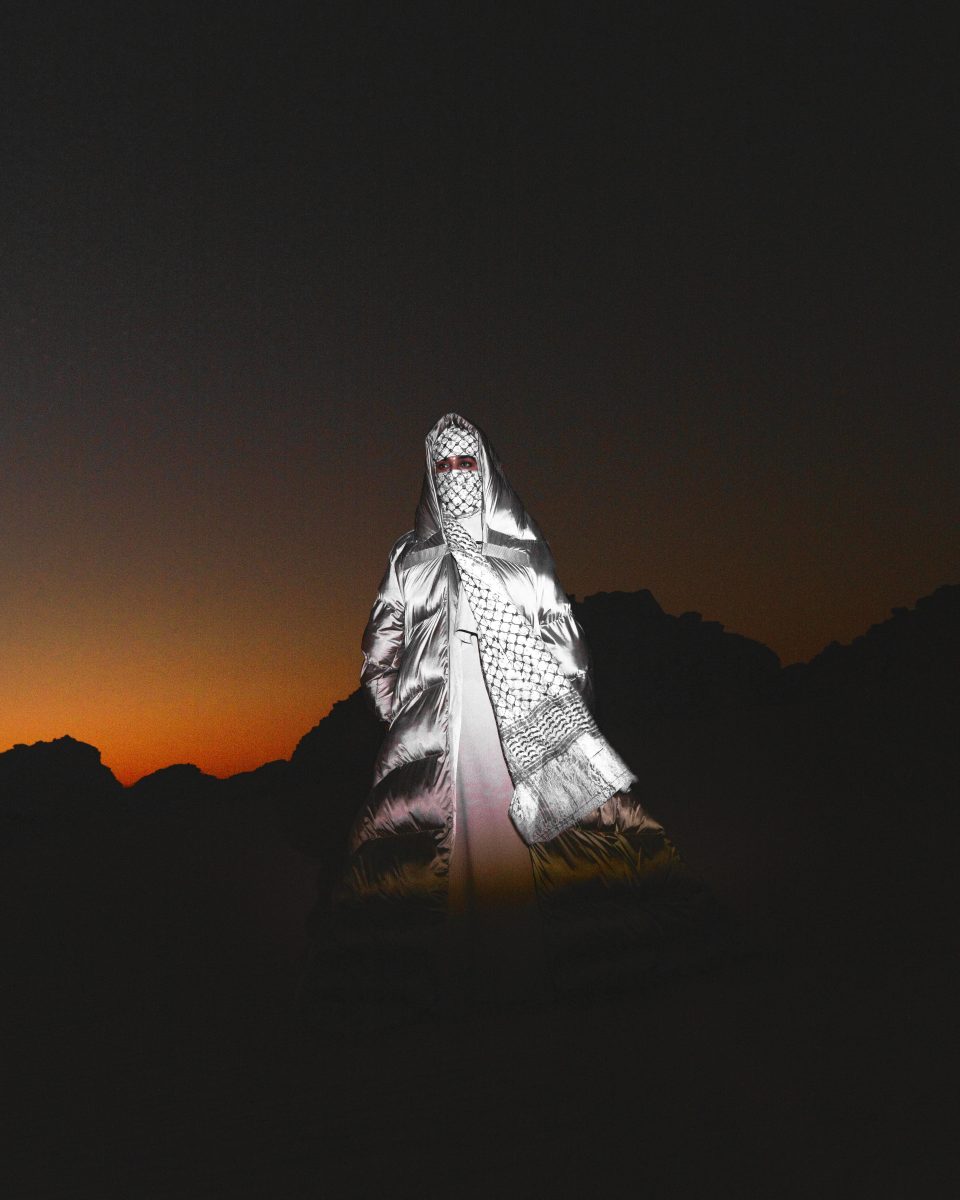
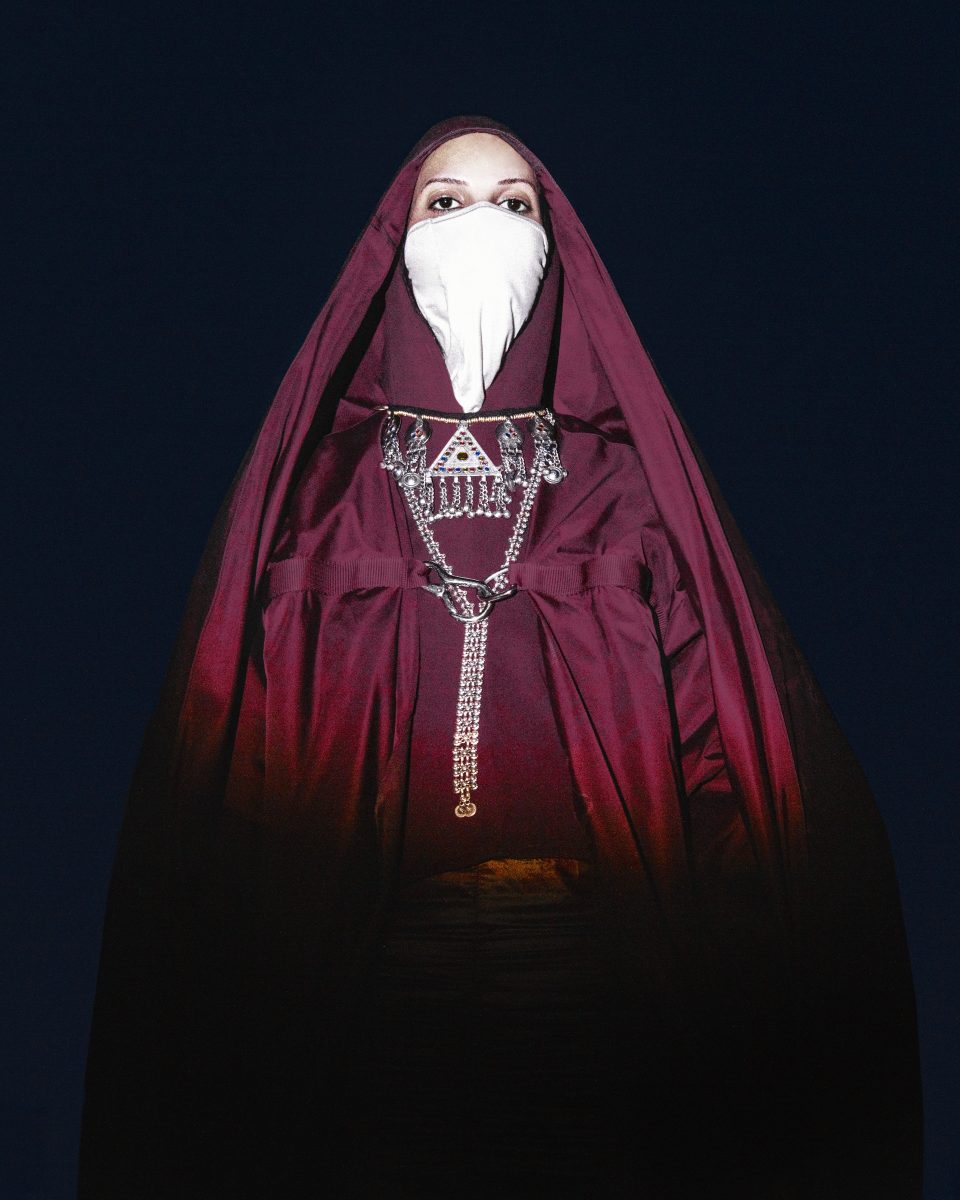
Nazzal Studio was founded by Sylwia Nazzal during her university years, epitomizes the intersection of fashion, ethics, and activism. The brand is deeply rooted in Palestinian heritage and resistance, infusing every creation with a sense of purpose and empowerment. Nazzal’s work is a testament to the strength of Palestinian identity, with a mission that prioritizes community engagement over mass production. This
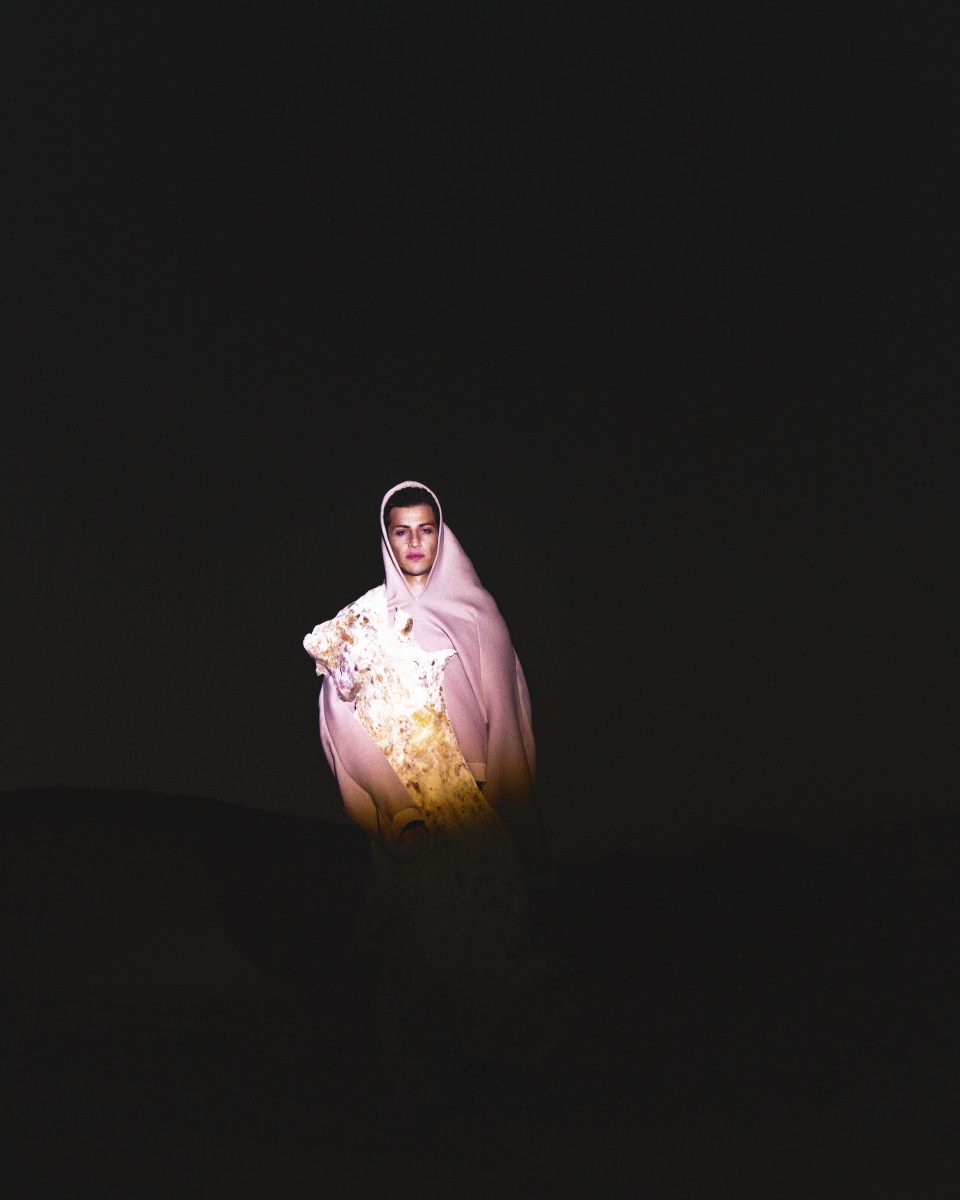
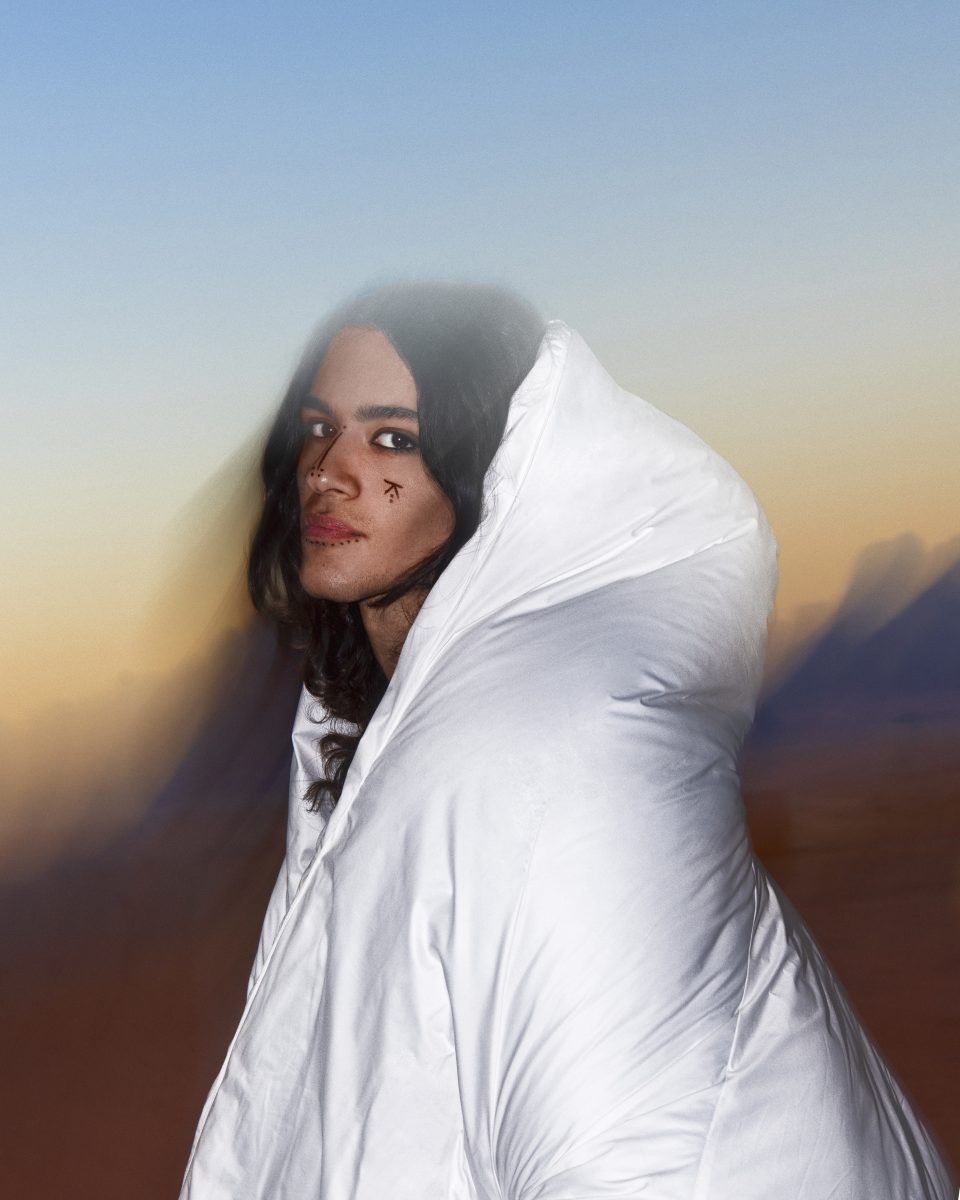
commitment is evident in her graduate thesis collection, “What Should Have Been Home,” produced in 2022-2023. Following the tragic events in Palestine, this collection gained global recognition, highlighting the urgency for art that serves as a platform for marginalized voices and sheds light on the Palestinian
experience.
The role of organizations dedicated to uplifting and promoting such talents cannot be overstated. By providing platforms for Palestinian artists and designers, they validate their creative endeavors while showcasing the richness and diversity of Palestinian culture to a global audience. This visibility is crucial
for challenging entrenched stereotypes and fostering a deeper understanding of the Palestinian narrative.
It allows for the exploration of themes that resonate with wider issues of justice, resistance, and the power of community. Moreover, fashion as an art form offers a unique lens through which to view the
complexities of identity and resistance. The hand-sewn coins and exquisite garments created by these artists serve as symbolic artifacts that transcend the functions of clothing. They narrate stories of loss and
reconciliation, beauty and struggle, all while serving as statements of defiance against adversity. By embracing their roles as creators, these artists challenge conventional fashion norms and push the boundaries of what art can represent.
Supporting Palestinian emerging talents is not merely an act of appreciation for art; it is an
acknowledgment of the profound narratives embedded within each piece. In this light, every dress, every accessory, and every artistic endeavor becomes an iconic symbol of hope, creativity, and resilience. The works produced by artists like Sylwia Nazzal challenge us to reframe our understanding of fashion not
just as a means of personal expression, but as a vehicle for community empowerment and social change.
In this contemporary art landscape, we must rally around these creators, amplifying their voices and celebrating their contributions to global culture. By doing so, we participate in a collective effort to elevate Palestinian identity and underscore the importance of art as a form of resistance. Through collaboration,
ethical practices, and cultural appreciation, we can ensure that the rich artistic heritage of Palestine is not only preserved but flourishes, resonating with audiences around the world as a testament to the indomitable spirit of its people. Find below our exclusive interview with Sylwia Nazzal for Vanity Teen:
Dear Sylwia, we are so glad to have you on board with Vanity Teen. Nazzal Studio positions itself at the intersection of fashion and activism. Can you discuss how your personal experiences with cultural oppression have shaped your commitment to using fashion as a medium for resistance?
I see myself more as an artist than a fashion designer, clothes are just my medium. Growing up Palestinian meant constantly being reminded that I am Palestinian and what our people have went through, With that I have also always grown up so privileged. For starters, I never have tow worry about
losing my home, I always had food to eat and a roof over my head. That bare minimum of safety is a huge privilege many Palestinian’s cannot face today. With that privilege of being Palestinian but living in safety I have always felt this immense responsibility to do everything I can to help Palestinians. My
personal experiences with cultural oppression have taught me that silence protects the oppressor. So I use my work to speak very loudly, politically, and unapologetically. And it makes me laugh when people
think I am “bold”.
Your collection, “What Should Have Been Home,” serves as a profound commentary on
Palestinian identity and resilience. How do you envision your designs challenging not only cultural boundaries but also the societal norms that dictate narratives around oppression?
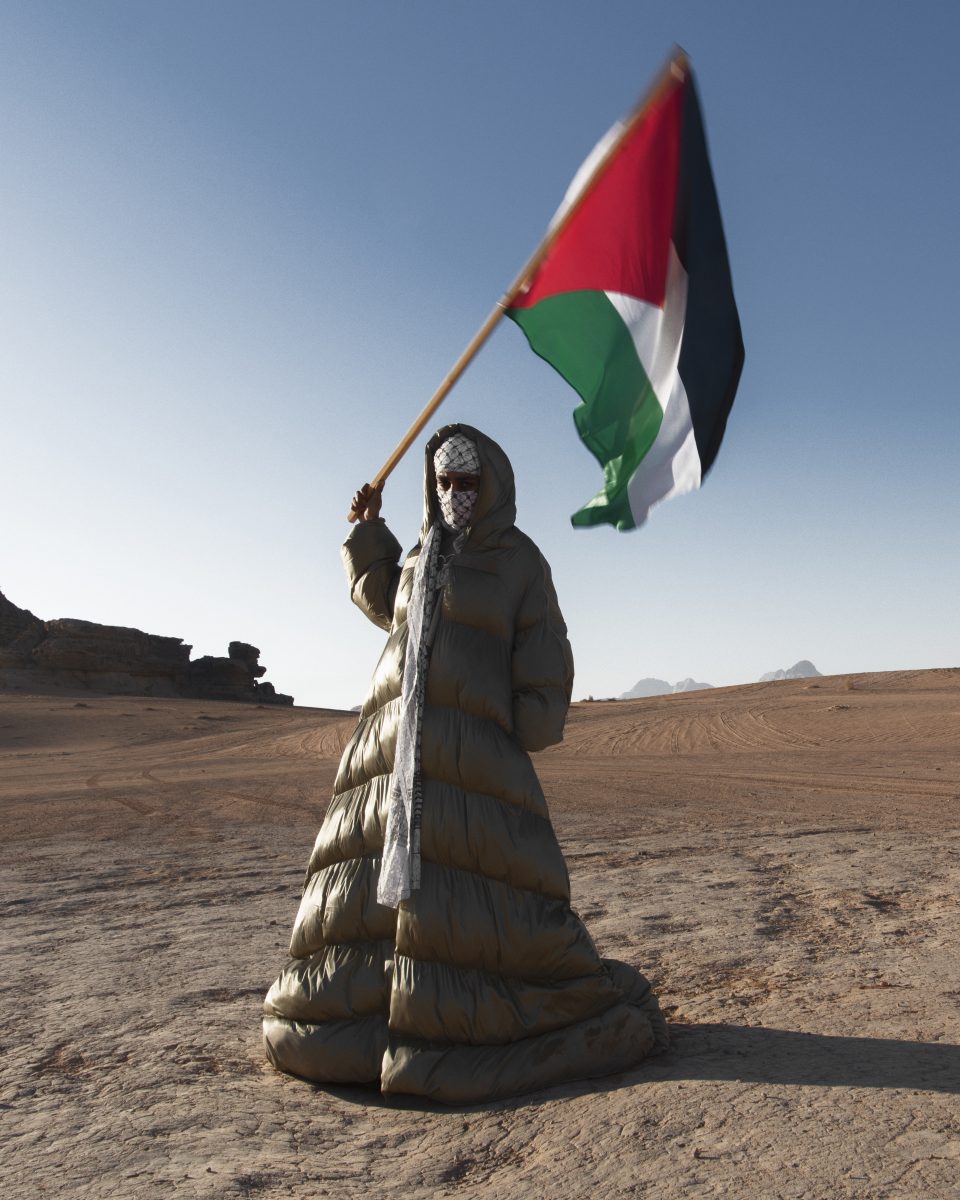
This collection exists to question who gets to tell our stories. For decades, Palestinian identity has been reduced, misrepresented, or erased. “What Should Have Been Home” resists that and it reclaims imagery, symbols, and emotion that were never meant to be aestheticized, and places them at the center of high fashion. It challenges the Western narrative that does not see Palestinian life. In my opinion,
Zionists have not learned how to combat art, because it makes you feel something. Maybe that’s why my work is deemed so controversial, not because of the opinion but because it makes you feel something.
Collaboration with refugee women is a central aspect of your work. How do these collaborations transcend traditional notions of fashion, and in what ways do they empower individuals to participate in the narrative of resistance against cultural and political oppression?
The women I collaborate with are not workers; they’re co-creators, their skill set and talent is something passed down by generations, not taught in a classroom, it’s tradition. I work with refugee women because I do not believe in mass production, I would rather take more time explaining my work, going through the
tedious process of creating than mass production. At the end of the day, it gives back to my community and it empowers these women to have their own jobs in an environment that celebrates them and gives
them a fair income. Their personal stories are quite literally sewn into each garment. It’s not about producing clothes; it’s about producing meaning. These collaborations give visibility to women whose labor has often been invisible, transforming production into an act of solidarity and resistance. Each piece becomes a form of economic and cultural empowerment, proof that artistry can sustain dignity. Maybe not in today’s fashion world but it will not be inconsistent in mine.
In your view, what role does fashion play in activism, particularly in the context of marginalized communities? How can clothing serve as a vehicle for raising awareness about political issues and challenging systemic barriers?
Fashion can become a protest you wear. It’s one of the most visible tools we have. Clothing carries identity; it marks belonging. It has always reflected culture, tradition, politics and most importantly, history.
You see it when women started working in the United States and switched to trousers for the very first time. When I design, I’m not creating for a market, I’m creating for a message. Fashion can humanize statistics, visualizing what oppression feels like while celebrating what resilience looks like. It can break
the silence simply by being seen. And honestly, it is a craft I love and I know it reaches the audience that needs to hear it, the west.
The choice of textiles in your collection reflects both Palestinian culture and the realities of oppression. Can you elaborate on how you select materials that symbolize resistance and resilience, and how these choices reinforce the message of your work?
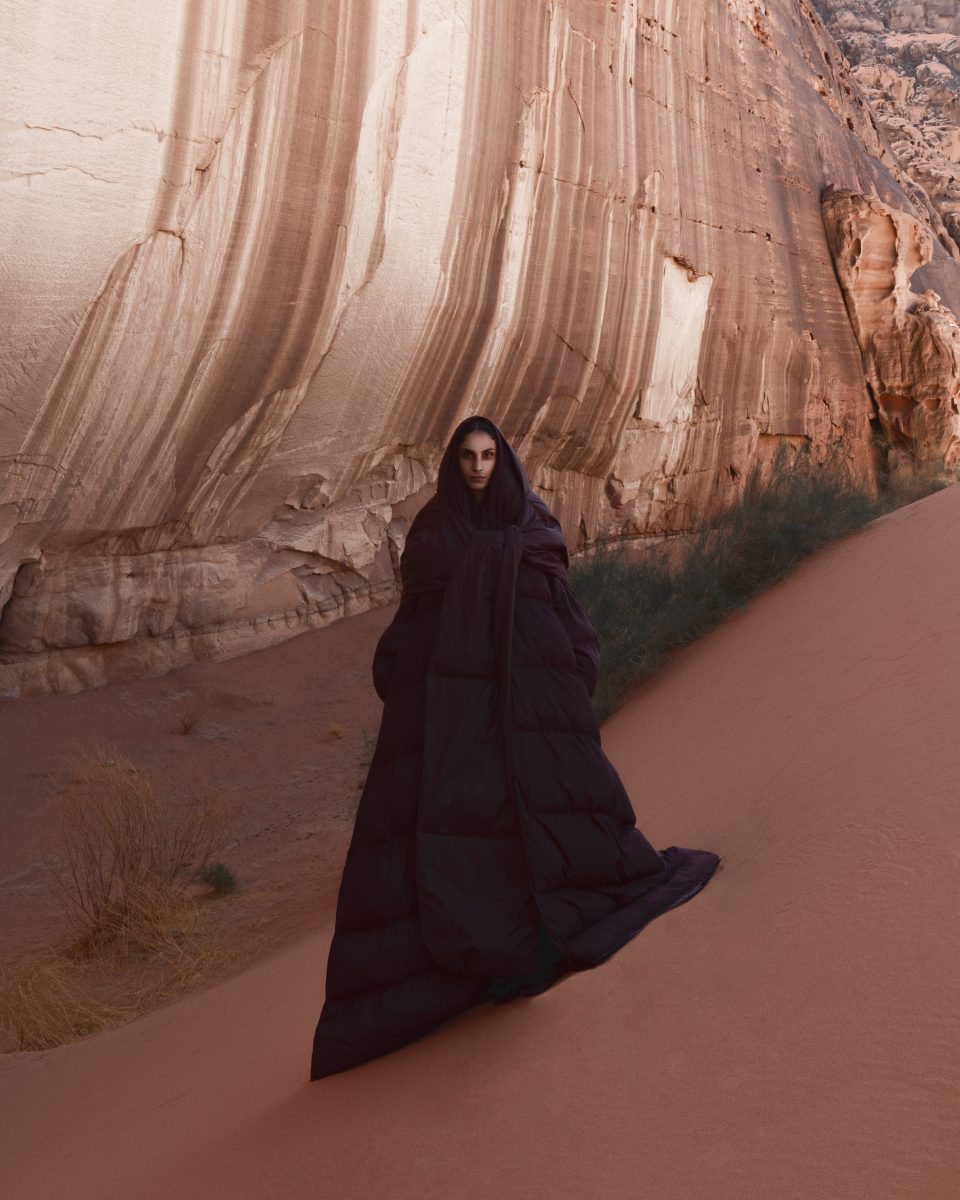
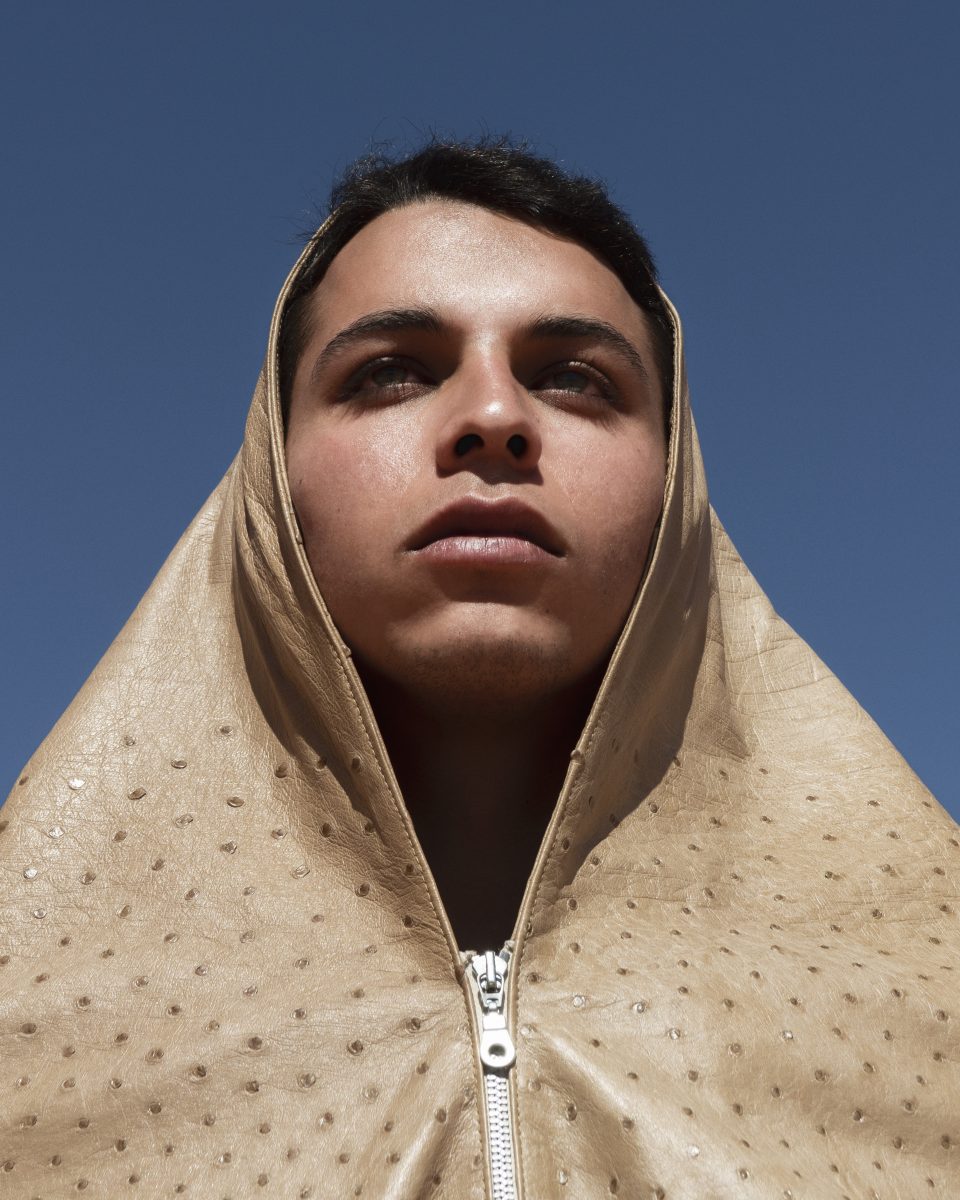
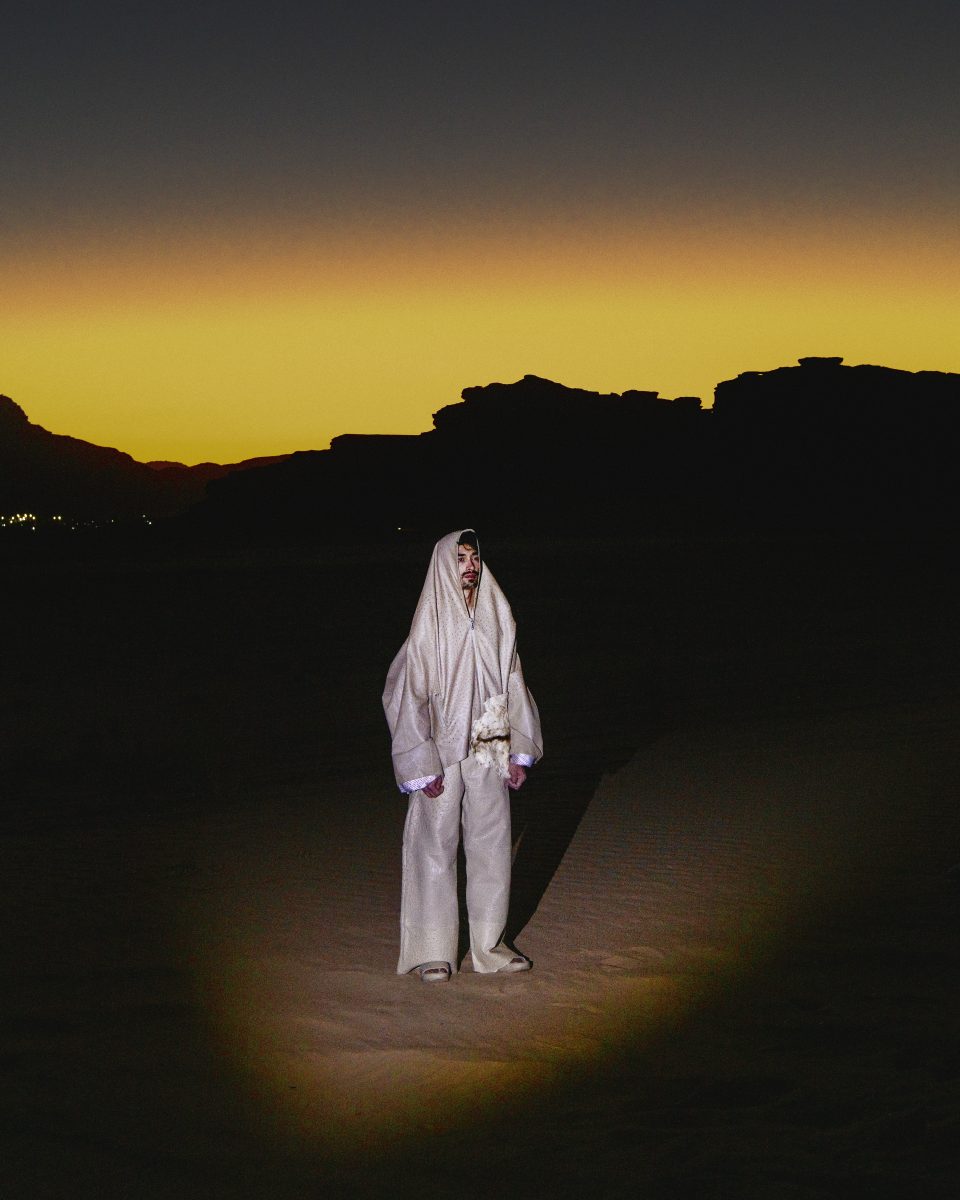
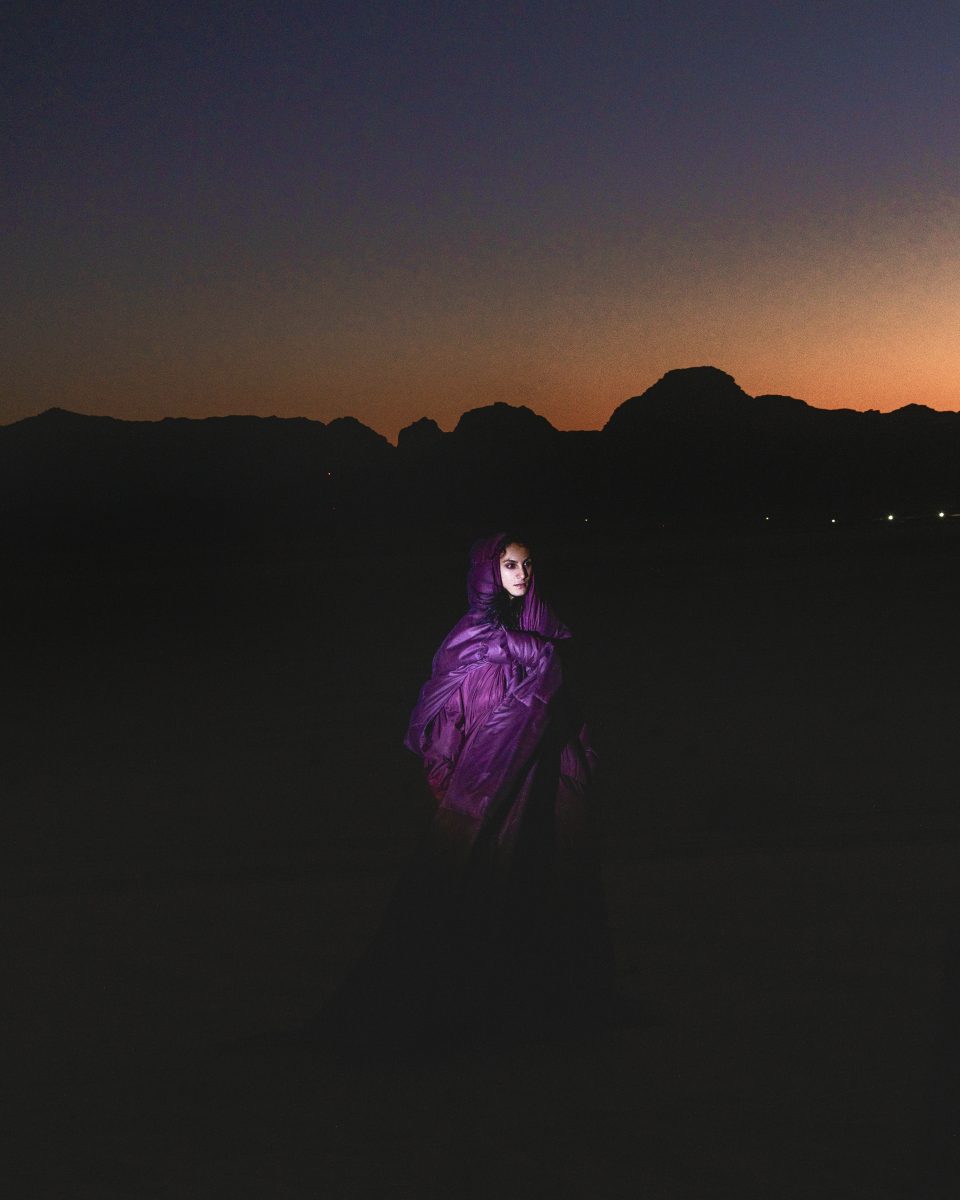
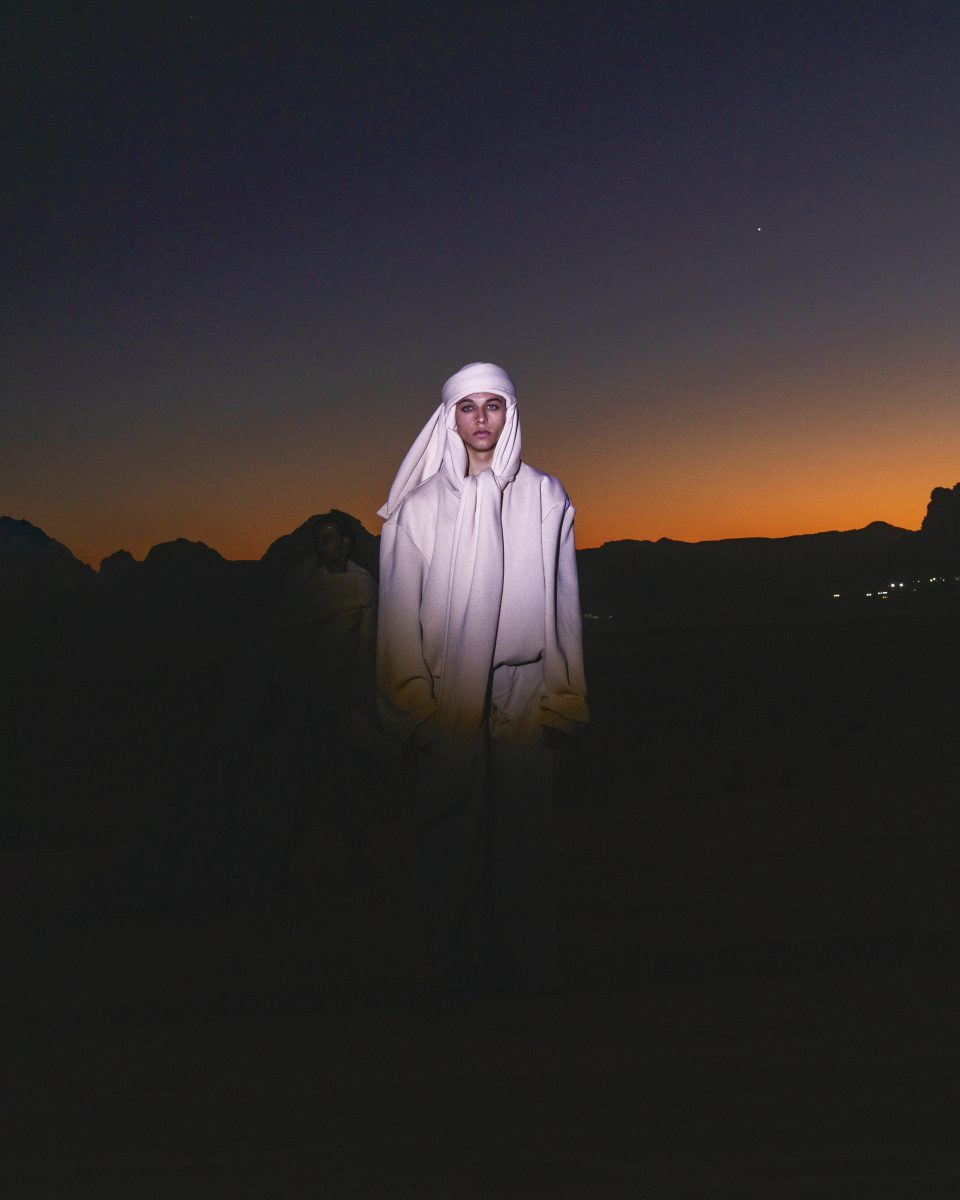
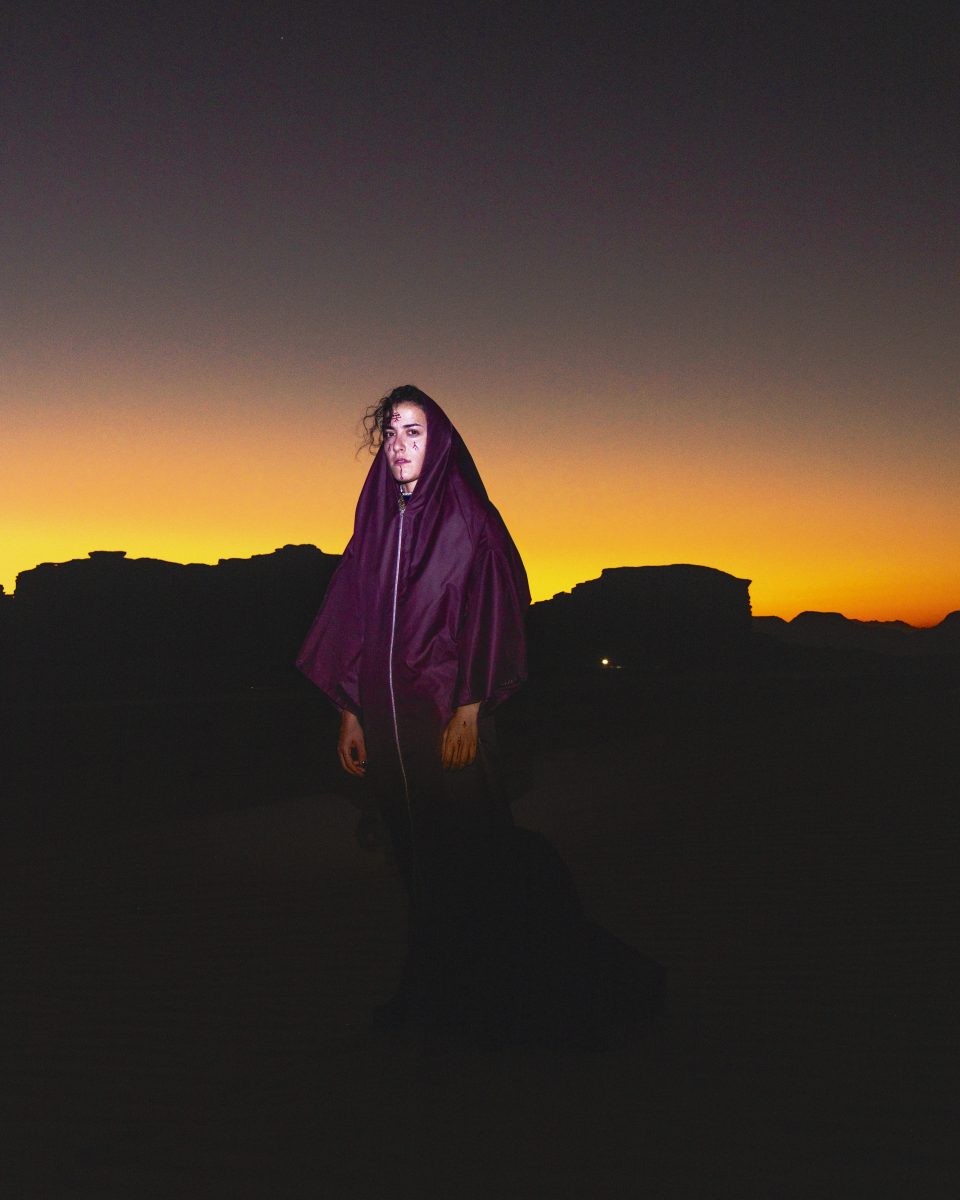
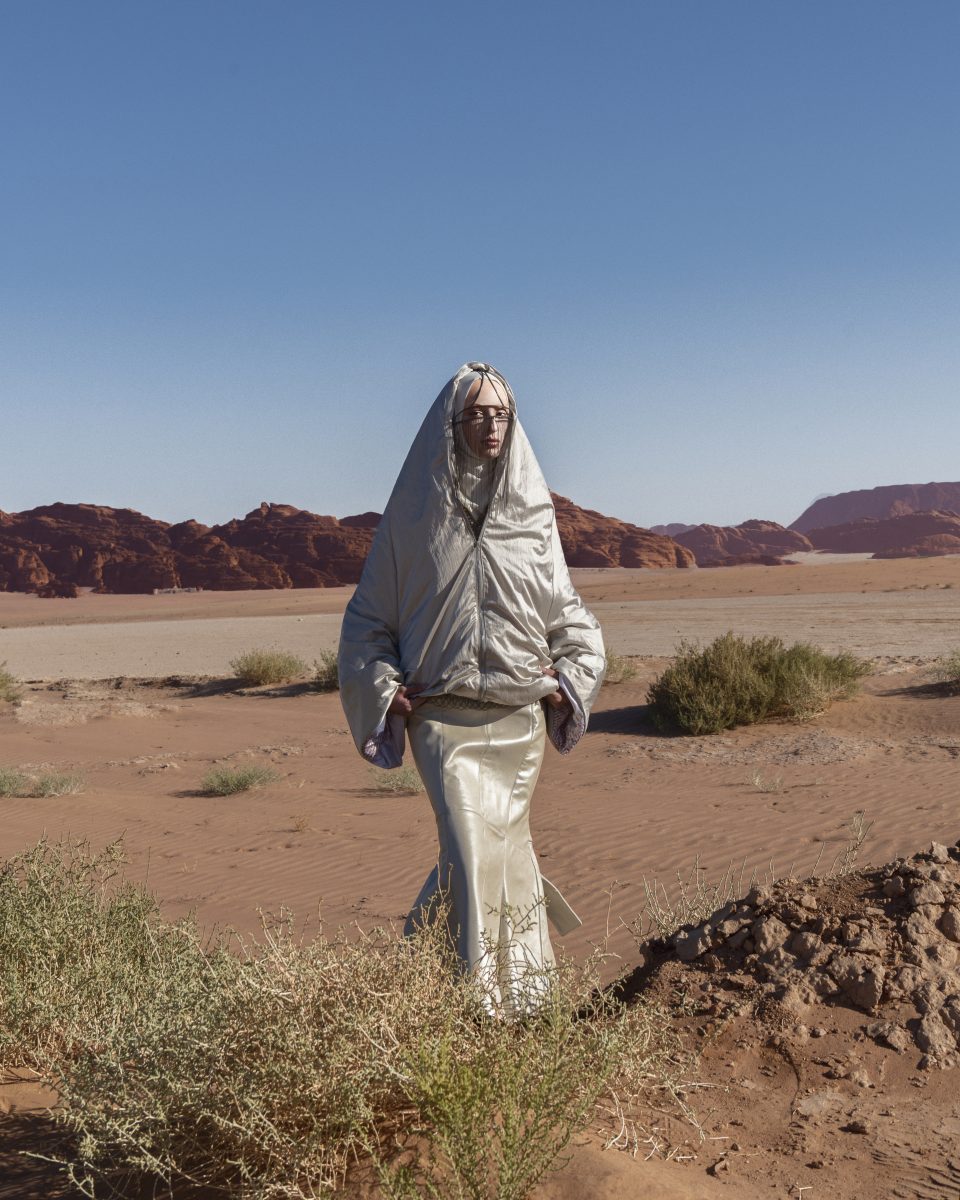
That image shaped everything. I was drawn to nylon, leather, and heavy cotton, looking at protective materials to sustain and then organic traditional materials to celebrate. Some materials that endure, that can weather harshness, stand in contrast to delicate laces, traditional handwoven fabrics, and soft jerseys. This tension between protection and fragility mirrors the Palestinian experience: always enduring, yet deeply human. Every textile I use is purposeful, but it is always, always, recycled fabric or dead stock (I really believe in sustainability).
Your collection evokes strong emotions related to the Palestinian experience. How do you incorporate the feelings of loss and longing into your designs, and what impact do you want these emotional elements to have on observers regarding activism and awareness?
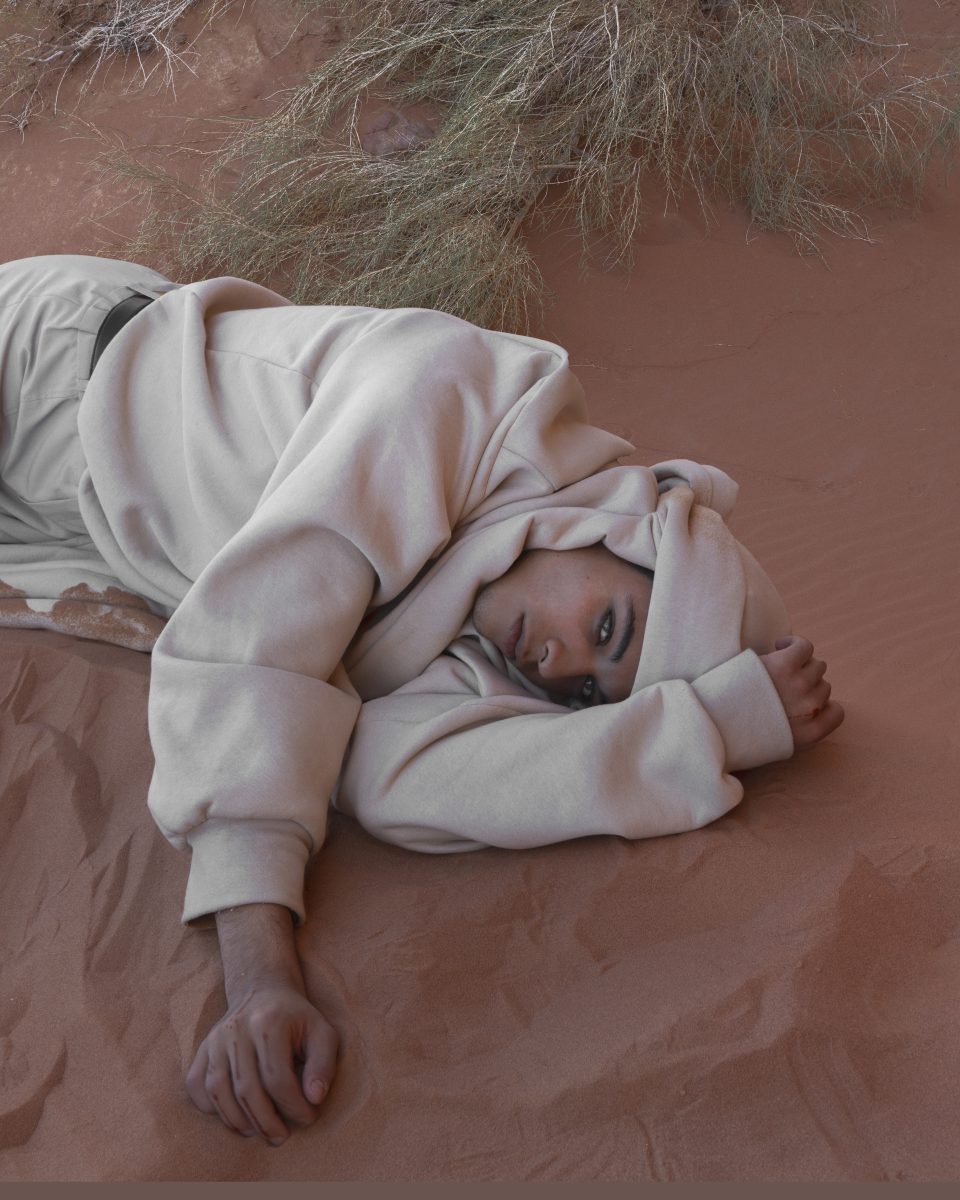
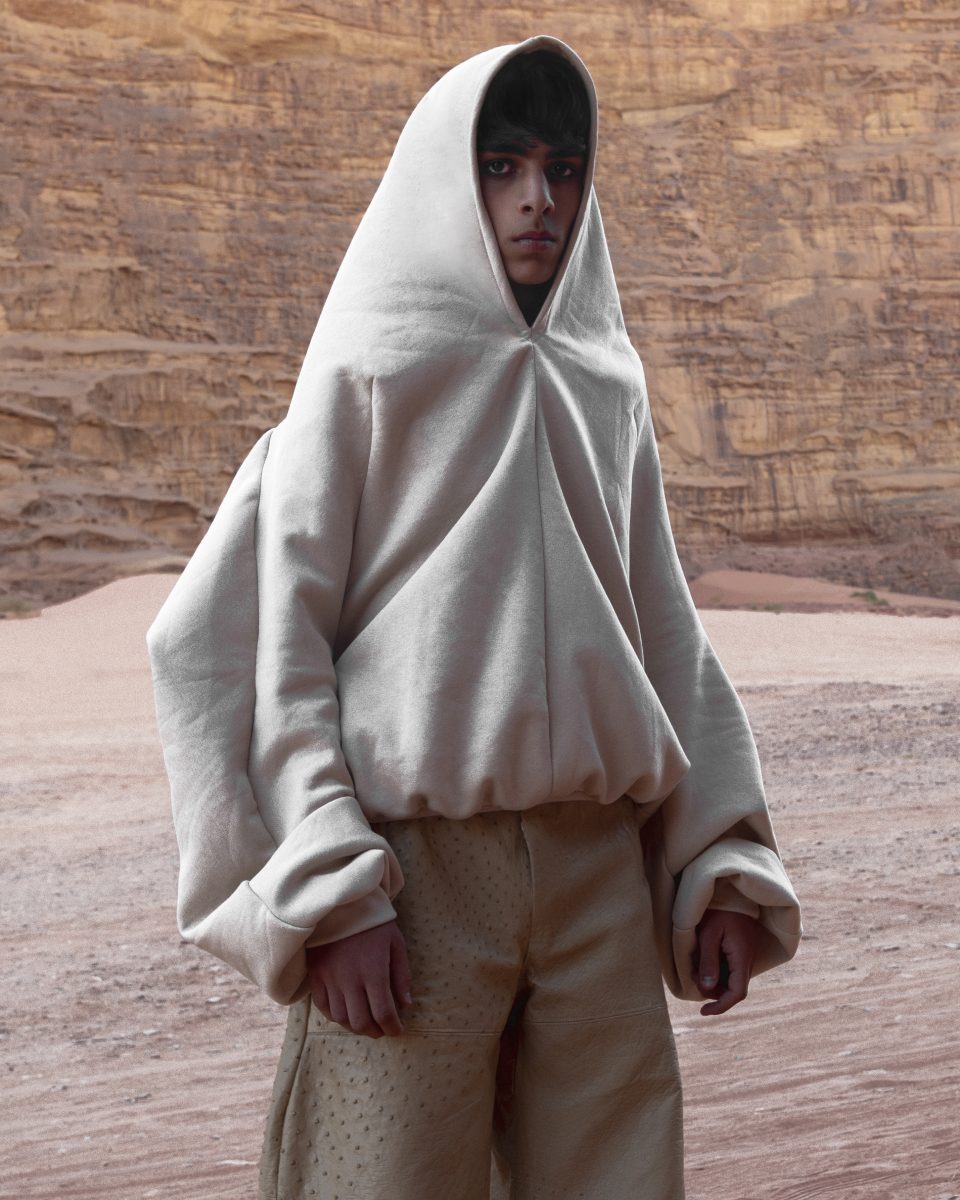
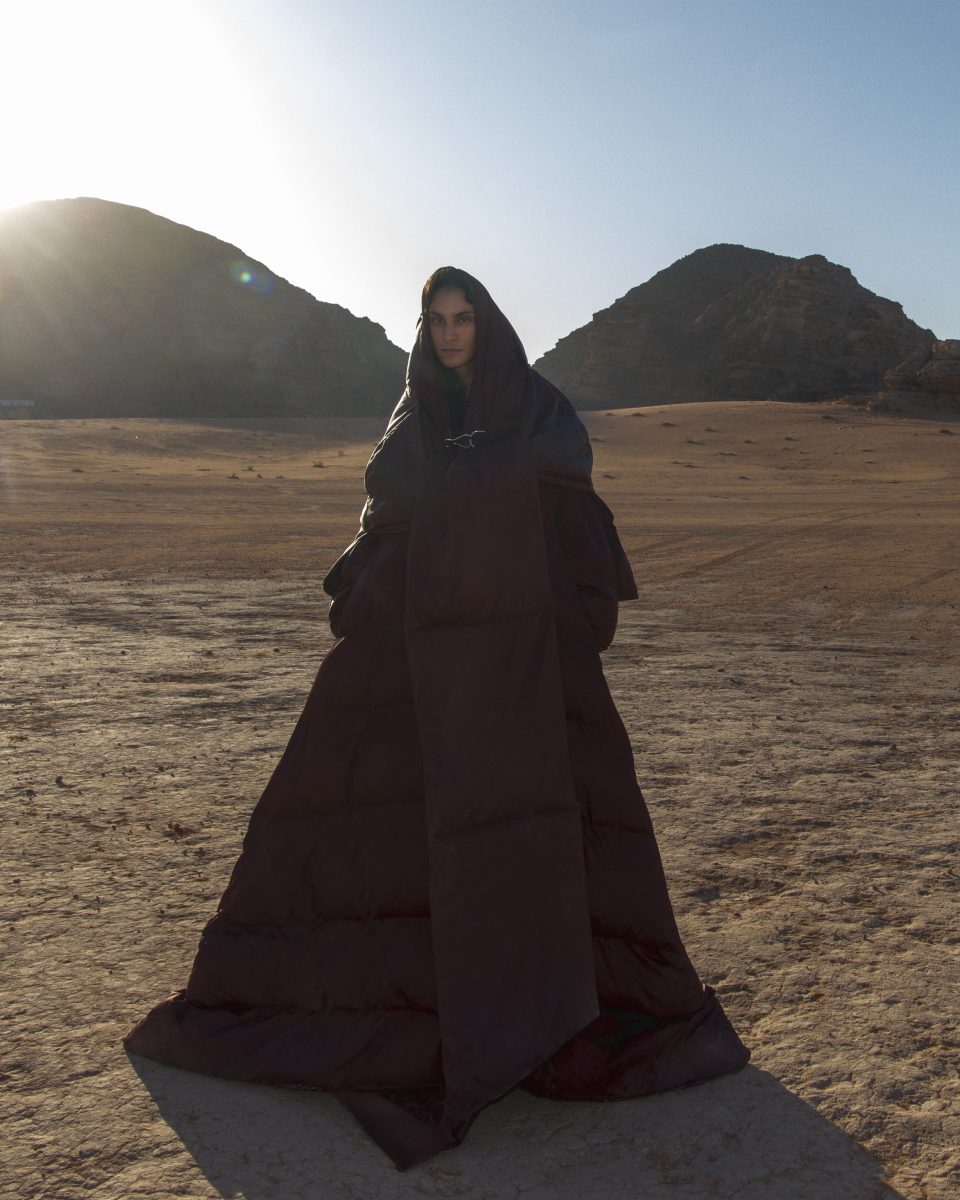
Loss is part of every Palestinian story, not because it is chosen, but because it’s inherited. I don’t design it intentionally; it simply exists in the work. The silhouettes often feel heavy, structured, as if protecting something fragile inside. I use a lot of references and somehow add them together to preserve a moment
in time. My hope is that those emotions move people beyond sympathy to awareness. Art should not just be beautiful; it should be felt. When people feel, they remember, and remembering is resistance.
The fashion industry often grapples with issues of cultural appropriation. How do you navigate this sensitive terrain while ensuring that your work authentically represents Palestinian culture and the struggles associated with it?
The issue with cultural appropriation isn’t sharing; it’s erasure. My work comes from a place of authorship, not observation. I collaborate directly with Palestinian artisans and refugee women, ensuring that every symbol, stitch, and motif comes from within the community it represents. Authenticity comes through transparency and credit. The goal isn’t to preserve culture in nostalgia, but to let it evolve with ownership and pride.
In what ways do you believe that your collection can create dialogue around the concept of “home”? How does the idea of a “lost home” resonate with broader themes of displacement and resilience within oppressed communities?
Home, for me, is something I was raised knowing that my family lost, the constant affirmation of ‘do not forget where you come from!’ “What Should Have Been Home” is about the home that exists in memory, the one you can’t return to but can never forget. Through the collection, I was aiming to capture moments in time so they stay alive, they almost become metaphors for shelter, for protection, for the weight we carry when home is no longer a location but a story we retell to survive.
Art and fashion are often seen as separate from political movements. How do you integrate activism into your creative process, and what message do you hope to convey through your work to bridge this gap?
For me, there’s no separation between art and activism. My creative process begins with research, lived experience, and dialogue with my community. It’s rooted in what’s happening around us. I see every collection as both an archive and an act of resilience, when the world does not see us Arabs the way we
deserve to be looked at. The message is that fashion can be revolutionary when it’s intentional. It can educate, provoke, and connect people across boundaries. And honestly, fashion in itself IS political.
Looking forward, what are your aspirations for Nazzal Studio in terms of advocating for social
justice and cultural awareness? How do you plan to expand the reach of your message while continuing to challenge the barriers imposed by oppression?
My vision for Nazzal Studio is to remain an ethical and cultural platform that prioritizes integrity over scale. I want it to grow, but to grow meaningfully through collaborations, educational projects, and exhibitions that amplify marginalized voices. I see the studio as an evolving archive of resistance, preserving what history tries to erase. My goal is not just to sell garments, but to build a movement
around them. One that continues to challenge silence and reimagine what art can do for justice.
Community engagement is vital for fostering activism. How do you envision the role of Nazzal Studio in building alliances with other activist movements, and what collaborative efforts do you see as crucial for amplifying your message on a larger scale?
Community has always been at the heart of my work. Nazzal Studio is not just a brand, it’s a collective space. I see a lot of work for the future that gives back to the community as much as I can. Whether through workshops with refugee artisans, partnerships with ethical collectives, or cross-disciplinary projects in art and film, resistance is strongest when it’s collective.
A note to your future self.
Keep speaking to people, keep learning, and keep creating.
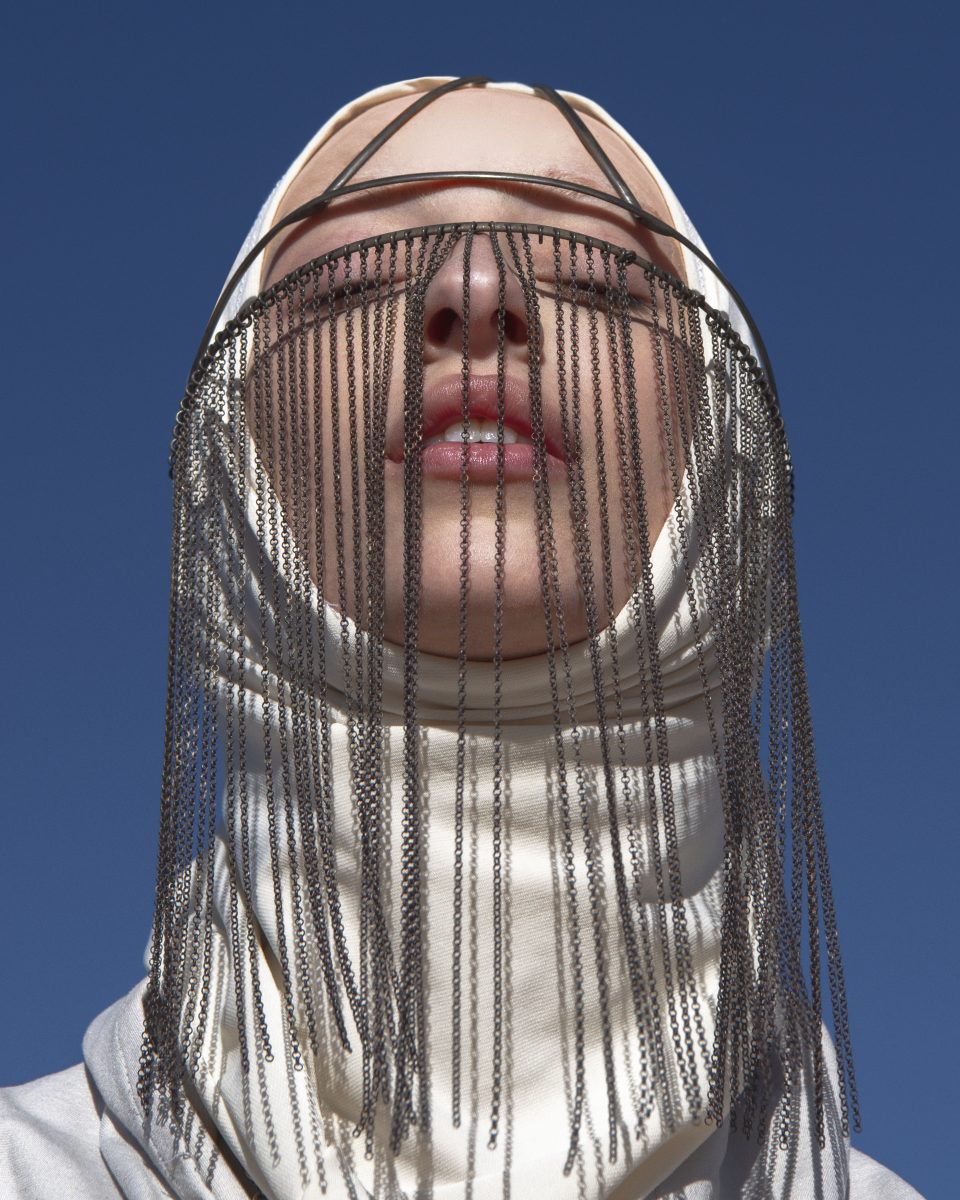

Photos by Zaid Al-Lozi