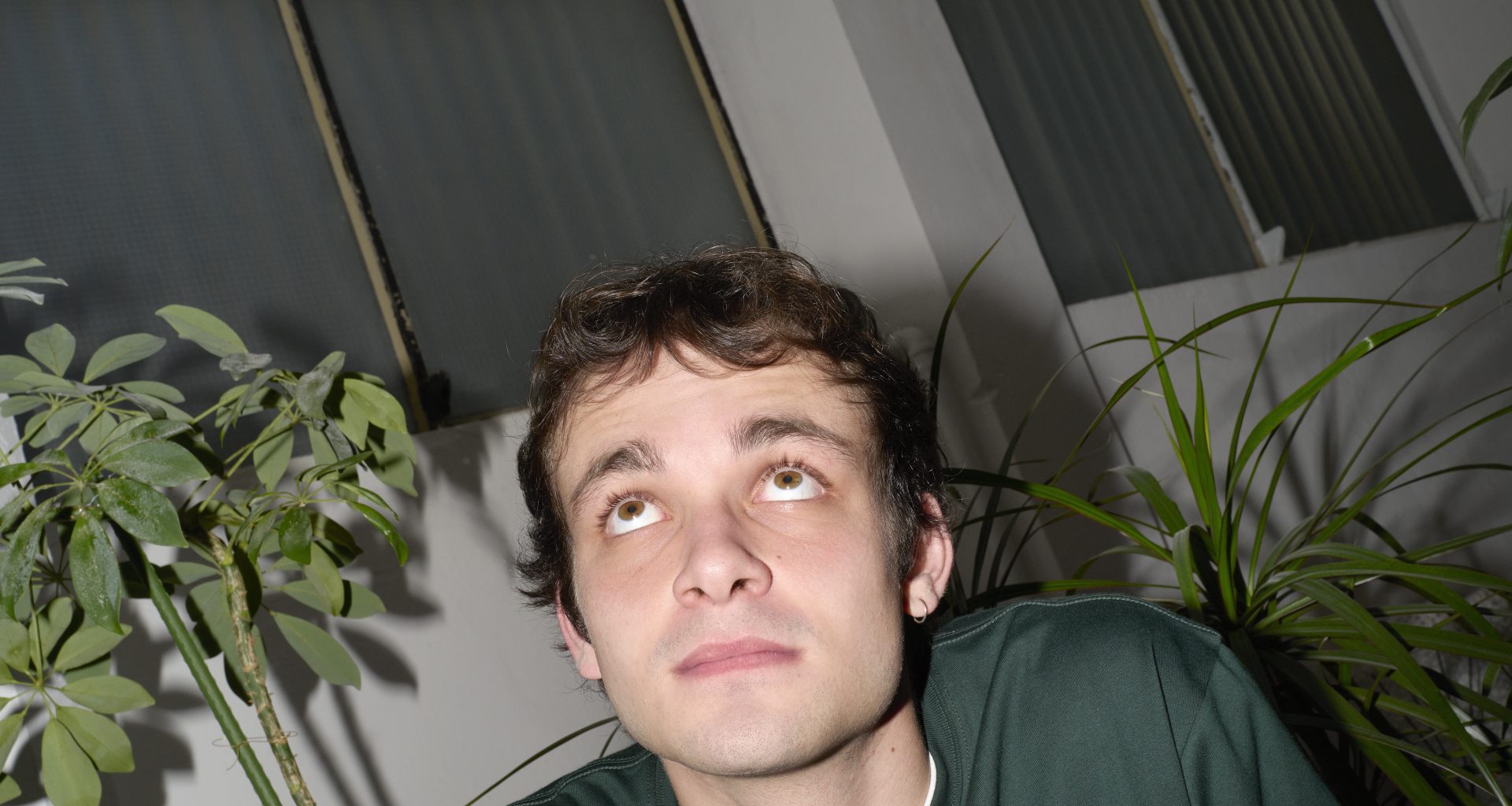
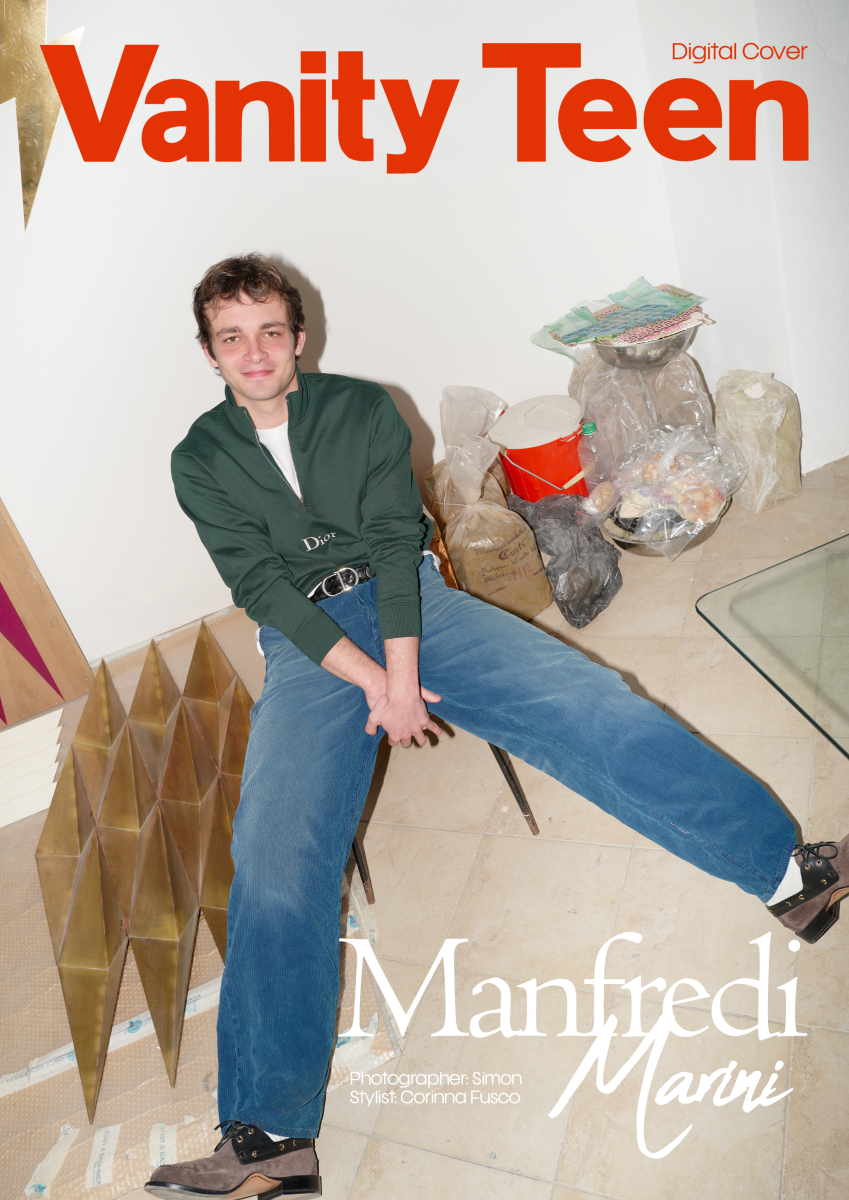
Some actors spend years studying how to disappear into a character. Others arrive on screen already carrying the kind of raw, magnetic presence that can’t be taught. Manfredi Marini belongs firmly to the latter.
Born and raised in Palermo, the twenty-year-old actor entered cinema almost by accident — discovered while still in high school and cast in Diciannove, the debut feature by Giovanni Tortorici and produced by Luca Guadagnino.
What followed was anything but accidental. Marini’s performance as the restless Leonardo — a young man drifting between cities, identities, and obsessions — quickly marked him as one of the most compelling new faces of his generation, earning him international recognition and the Best Actor award at the Festival de la Nouvelles Vagues de Biarritz.
But behind the sudden spotlight is something far more fragile and fascinating: a teenager still navigating school corridors and self-doubt while discovering the hypnotic pull of acting. Marini doesn’t perform confidence; he dissects vulnerability. He talks about obsession, insecurity, instinct — the emotional architecture of someone who understands that art often begins where certainty ends.
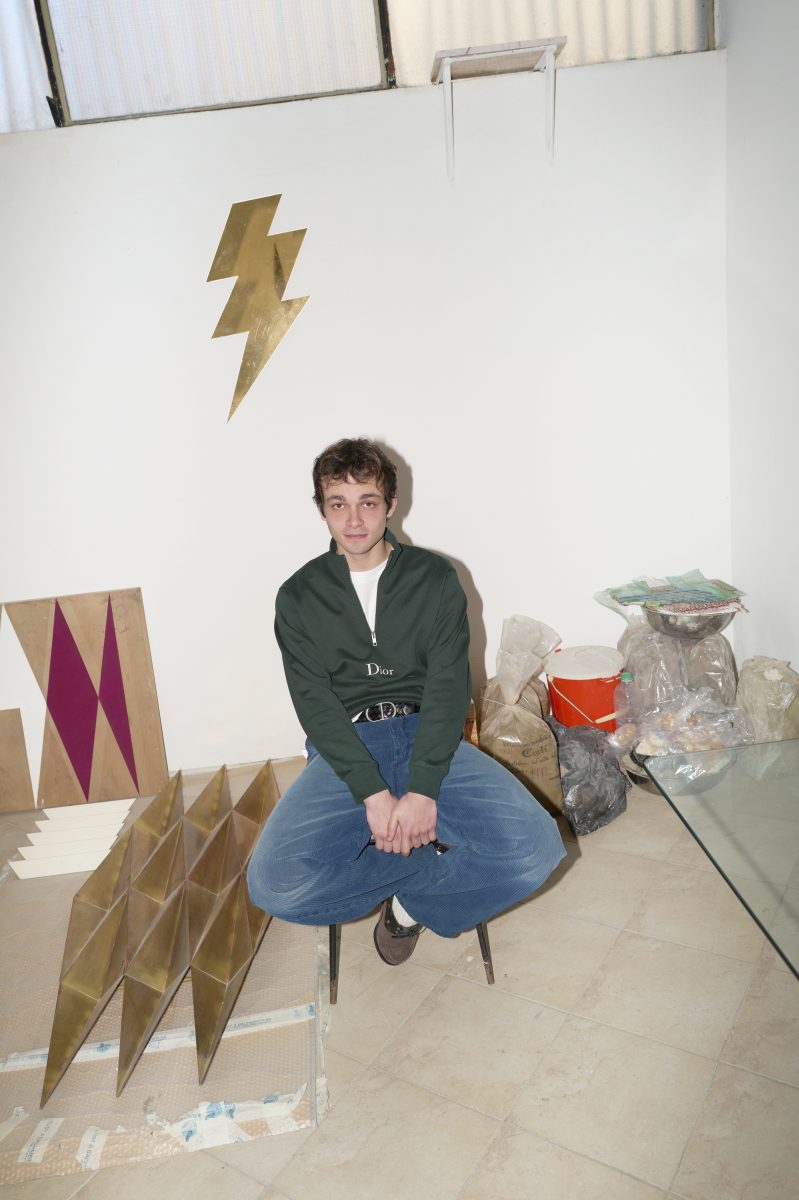
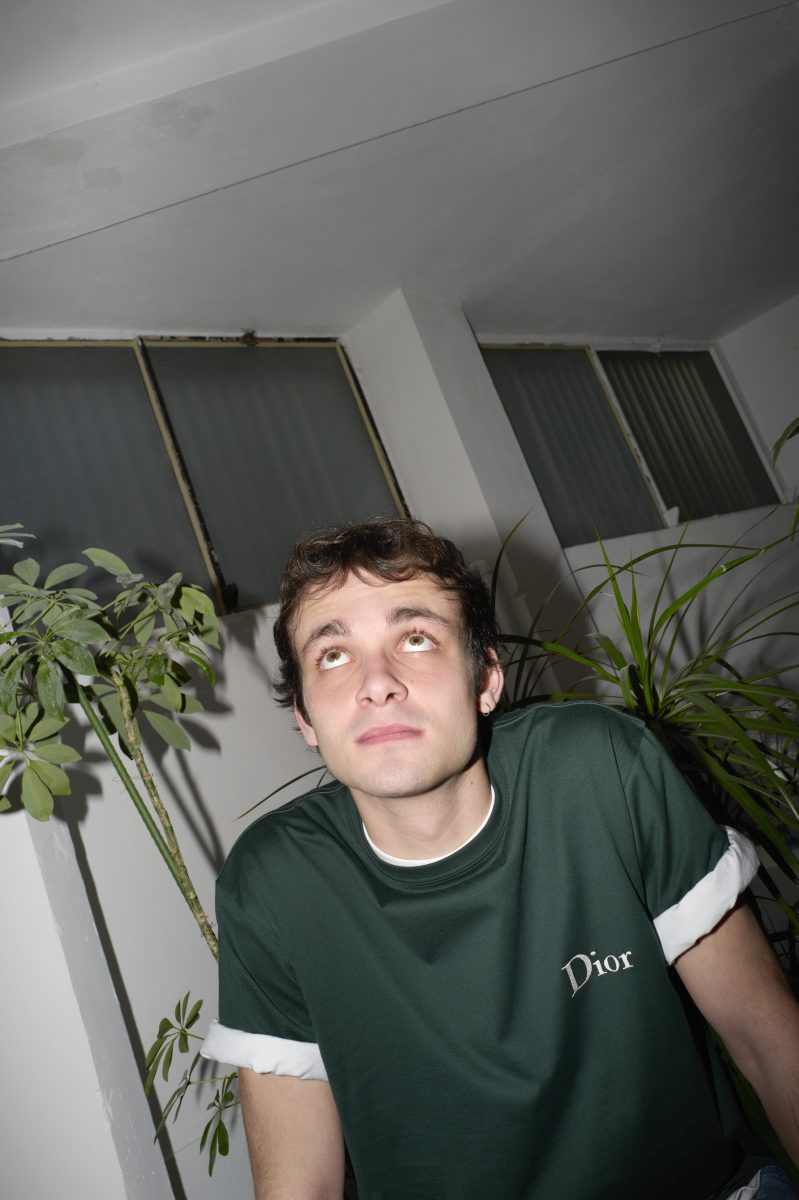
For the March Digital Cover of Vanity Teen, we meet Marini in the middle of that transformation — between adolescence and authorship, instinct and ambition, private life and public image. What emerges is the portrait of an actor who isn’t interested in playing a role for the world, but in understanding what it means to become one.
In conversation, Marini reflects on his sudden rise, the emotional intensity of his debut film, the strange relationship between fame and youth, and the quiet obsessions that shape the way he moves through cinema, fashion, and the world itself.
Because sometimes the most interesting actors aren’t the ones who already know who they are — but the ones still searching.
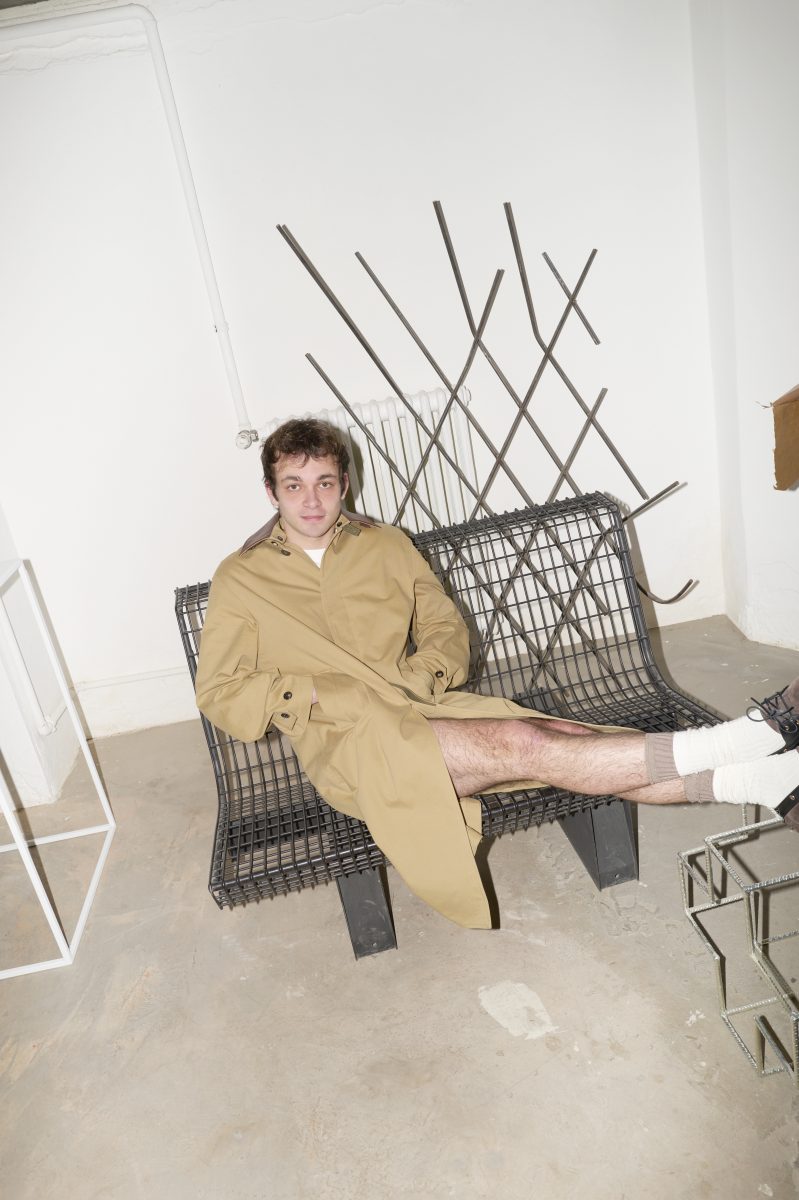
At just twenty, you already won an international award for your debut in Diciannove.
How did you handle the pressure of such an intense first experience?
I definitely experienced it — and I still experience it — as an absolute privilege. The whole crew always made me feel very comfortable, and my relationship with Giovanni, the director, helped me a lot. I felt very protected and supported in a role that I believe is quite vulnerable. When you have that kind of support, I think it becomes easier to handle the pressure.
The film tells a journey of self-discovery.
How much of Leonardo, your character, is really you?
I think I relate to Leonardo mainly in terms of obsession. Let me explain: Leonardo has an obsessive approach to his passions, and the same applies to me. However, I wouldn’t say we share the same passions. I consider myself more obsessed with music, films, and narrative literature, and they make up a large part of my life.
How does fame feel when you’re still in high school and suddenly starring in a feature film?
I have to say I didn’t notice any major differences. Of course, suddenly I became a “lifelong friend” to many acquaintances in Palermo, but aside from that, all the people I truly care about haven’t changed their attitude toward me at all, thankfully. And I’m genuinely grateful for that.
You were awarded at the Biarritz Festival without formal acting training: what did you learn about instinct and naturalness in front of the camera?
I’ve learned that we are all incredibly interesting, beautiful, and capable when we are spontaneous. Of course, it’s not easy to be that way in front of a crew — to share intense emotions, to share them with everyone, with yourself, with the character, and with the people around you. You can’t imagine how many emotions I’ve discovered through acting; it’s an ongoing and wonderful exploration.
Cinema has already brought you international attention.
How do you approach the world of fashion, from attending Dior shows to front-row appearances?
I believe fashion shows can be a wonderful moment of sharing and a perfect space for observation. It’s beautiful to know that I’m part, even in a very small way, of the journey of someone as extraordinary and talented as Jonathan. Ultimately, I would define it as a privilege.
How do you choose your artistic projects?
Do you follow instinct, collaborations, or the ones that challenge you the most?
Well, it depends a lot. Instinctively, knowing myself, I would choose the most difficult challenges because so far I’ve always responded better to the more complex ones — the ones with greater pressure. However, I’m still young, so at this stage of my career I don’t want to rule anything out.
Looking back at your career, which moment made you realize the actor you are today was taking shape?
I think it was when acting prevailed over major moments of personal difficulty. Being on set sometimes creates a kind of amnesia for me, making me forget about my external life and personal problems, and that made me understand the power of acting. So yes — when the strength of acting surpassed my personal life.
Do you have a clear vision of the stories you want to tell, or do you enjoy being surprised by roles you never imagined?
I definitely have a clear vision, but I believe the beauty of this work lies in sharing — sharing ideas and engaging with other incredible artists. For that reason, if necessary, I also like to change my perspective. I also think that playing someone you never imagined you would play is a wonderful feeling of discovery.
Social media is inevitable for a young emerging actor: how do you navigate the gap between your real life and your public image?
I simply try to stay true to who I believe I am, without building an image, trying to remain genuine. In short, I try to present myself as I think I am in real life, with spontaneity. I don’t particularly love social media, but I like using it as a sort of digital diary — it’s more something I do for myself.
If you had to describe yourself today in three unexpected words, what would they be and why?
“Obsessed” because, as I mentioned about Leonardo, I feel that I live in function of what I love, including my passions. I often believe that without obsession it’s almost impossible to pursue your own vision, while still staying open to other people’s ideas and seeking constant dialogue.
“Insecure” because I don’t like performing outside of the set; I prefer to show my weaknesses rather than pretend. Insecurity, on the other hand, pushes me into continuous exploration — a constant search that helps me grow and improve, keeping me curious.
“Humanitarian” because I feel it’s an obligation, and I don’t think it needs further explanation.
A letter to your future self.
Hi Manfri,
How are you?
Is the flame still there? Yes, come on, I’m sure it’s part of your essence.
You haven’t lost that constant drive to create, have you? To think about and carry forward those projects you love so much and live for.
If both answers are yes, then I know you’re doing well, and know that all our efforts have been worth it and that today’s struggles have had meaning.
A hug,
Manfri
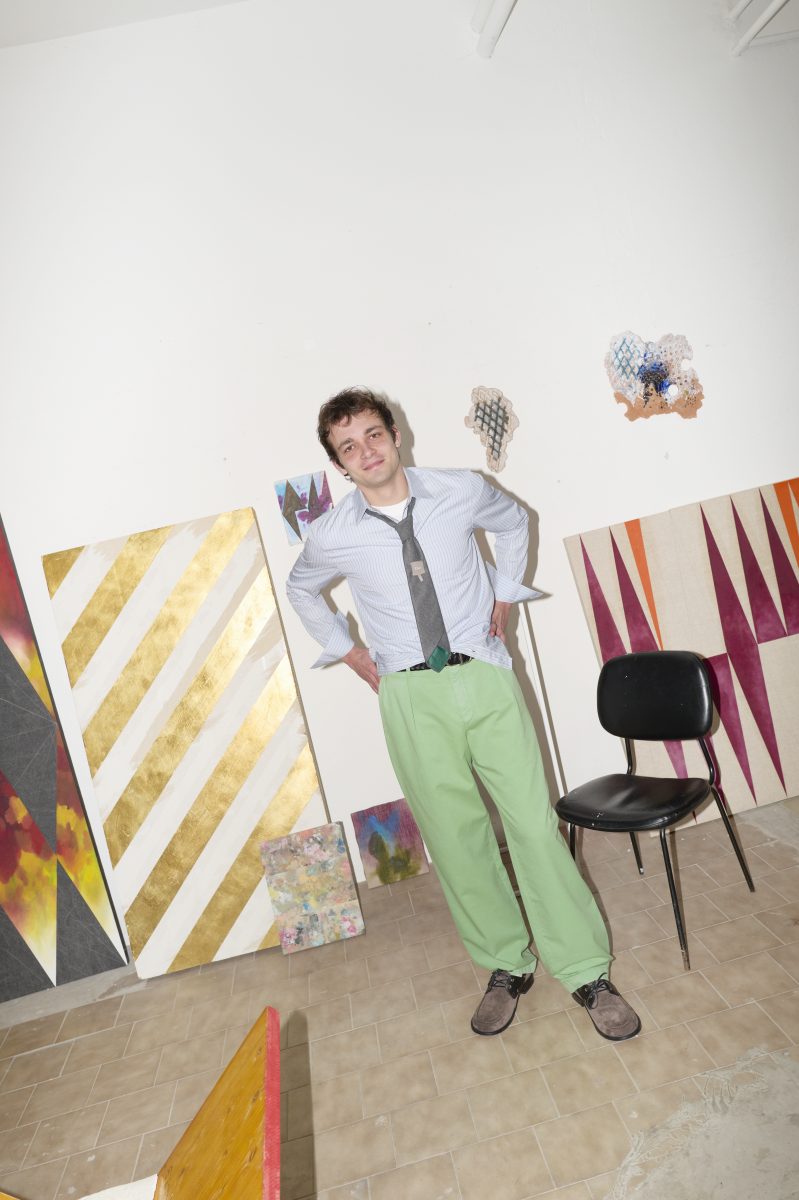
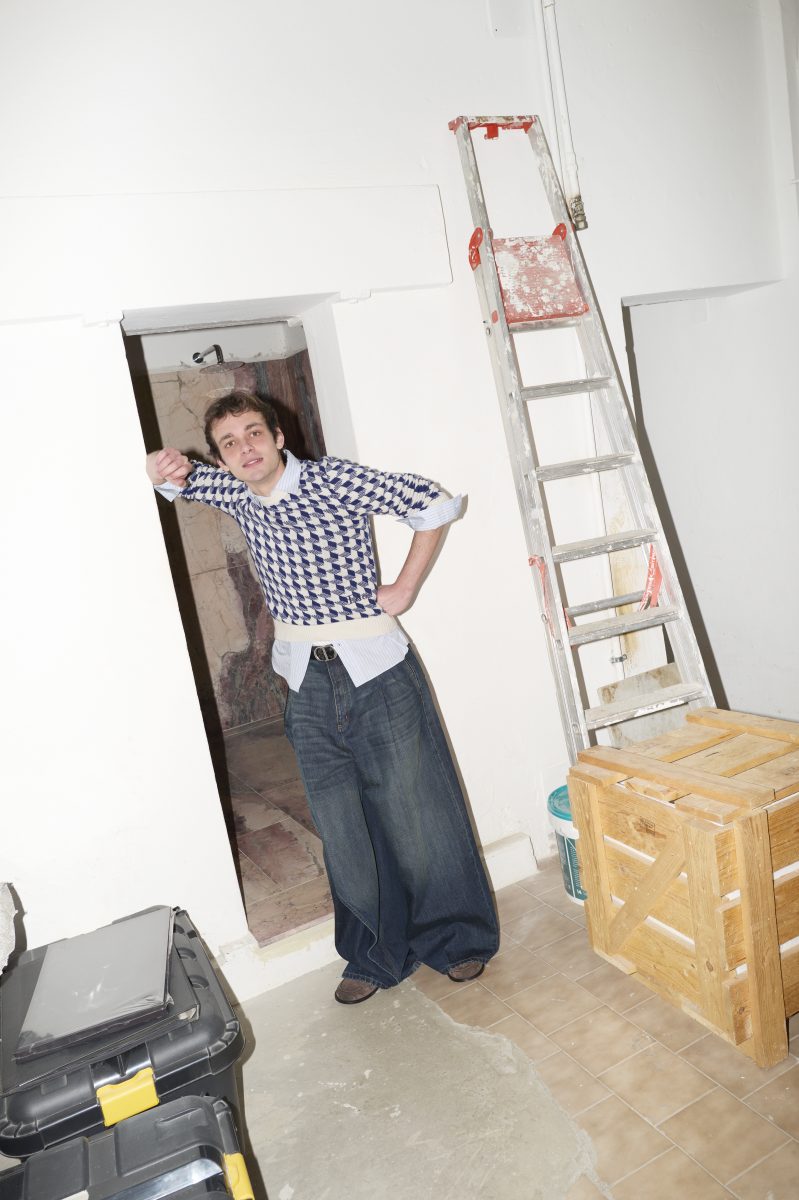
CREDITS:
Talent: Manfredi Marini
Publicist & Pr: MPunto Comunicazione
Photographer: Simon
Creative Partner: Simona Pavan
Fashion Editor: Corinna Fusco
Cover Designer: Davide Caruso
Grooming: Chiara Marinosci at The Green Apple Italia
Fashion Assistants: Daniel Feuchtgruber & Fabiana Iacolare
EIC + Interview: Luca Imbimbo
Special thanks to Paolo Gonzato
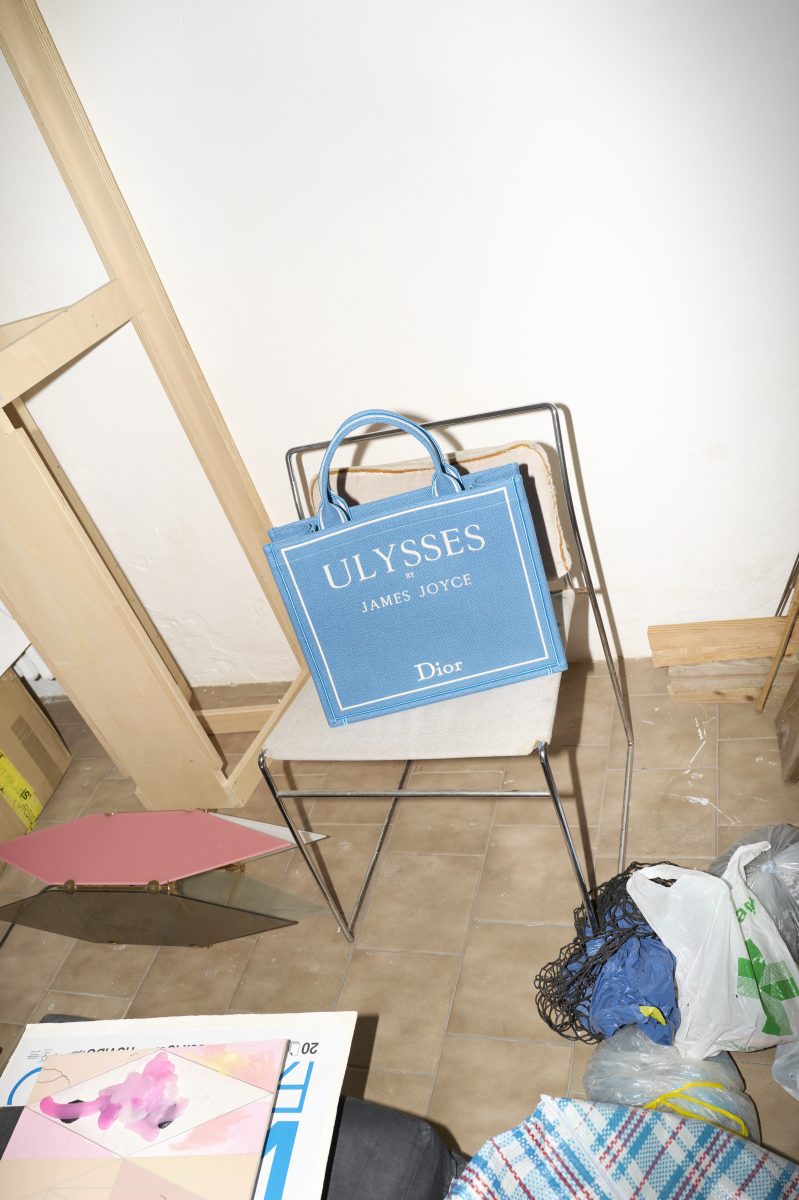
ALL LOOKS BY DIOR HOMME BY JONATHAN ANDERSON