
By Alessio Nesi
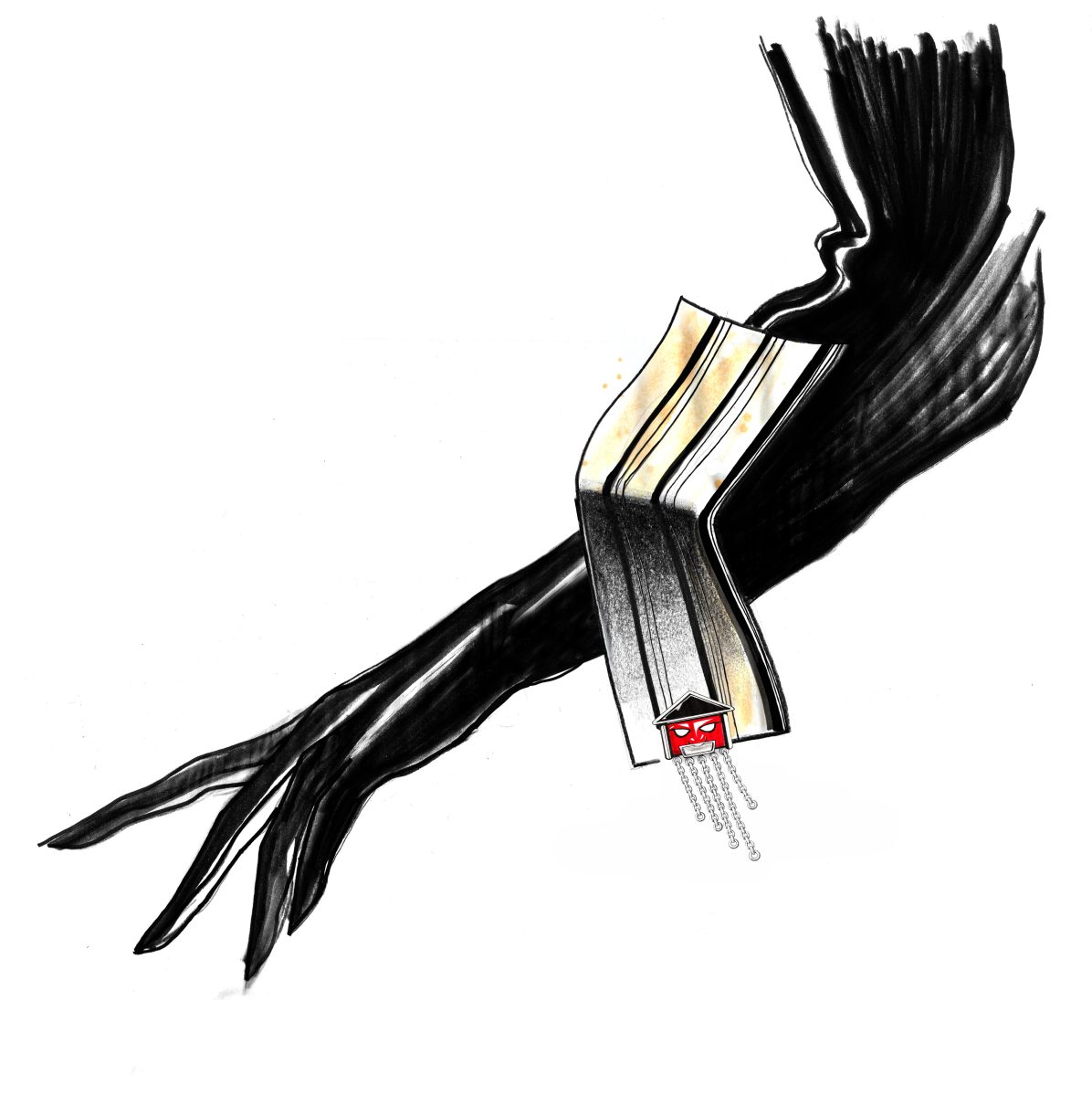
“To be elegant, one must not be noticed.” — Beau Brummell
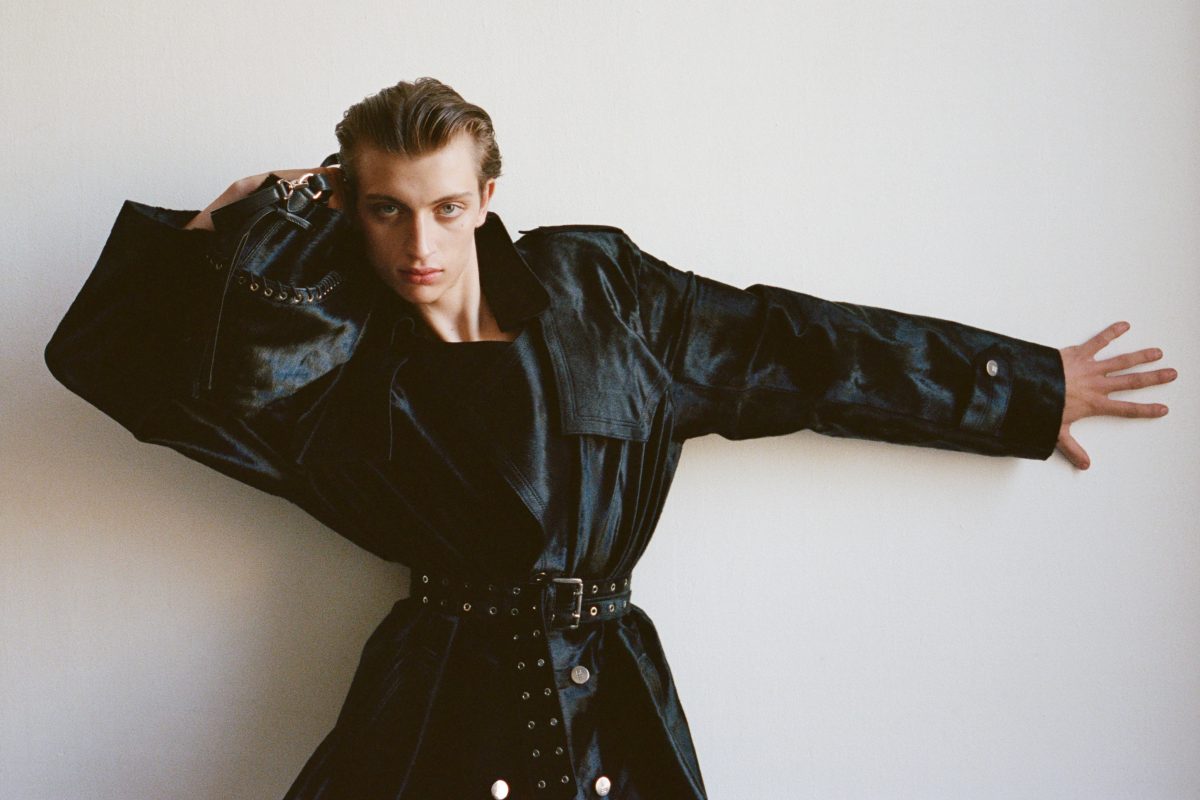
Between editorials and international collections, contemporary menswear returns to a fundamental principle: subtraction. In a system dominated by visual excess, elegance is redefined as an exercise in control—a rigorous construction of the gaze, where every element is calibrated and nothing is superfluous.
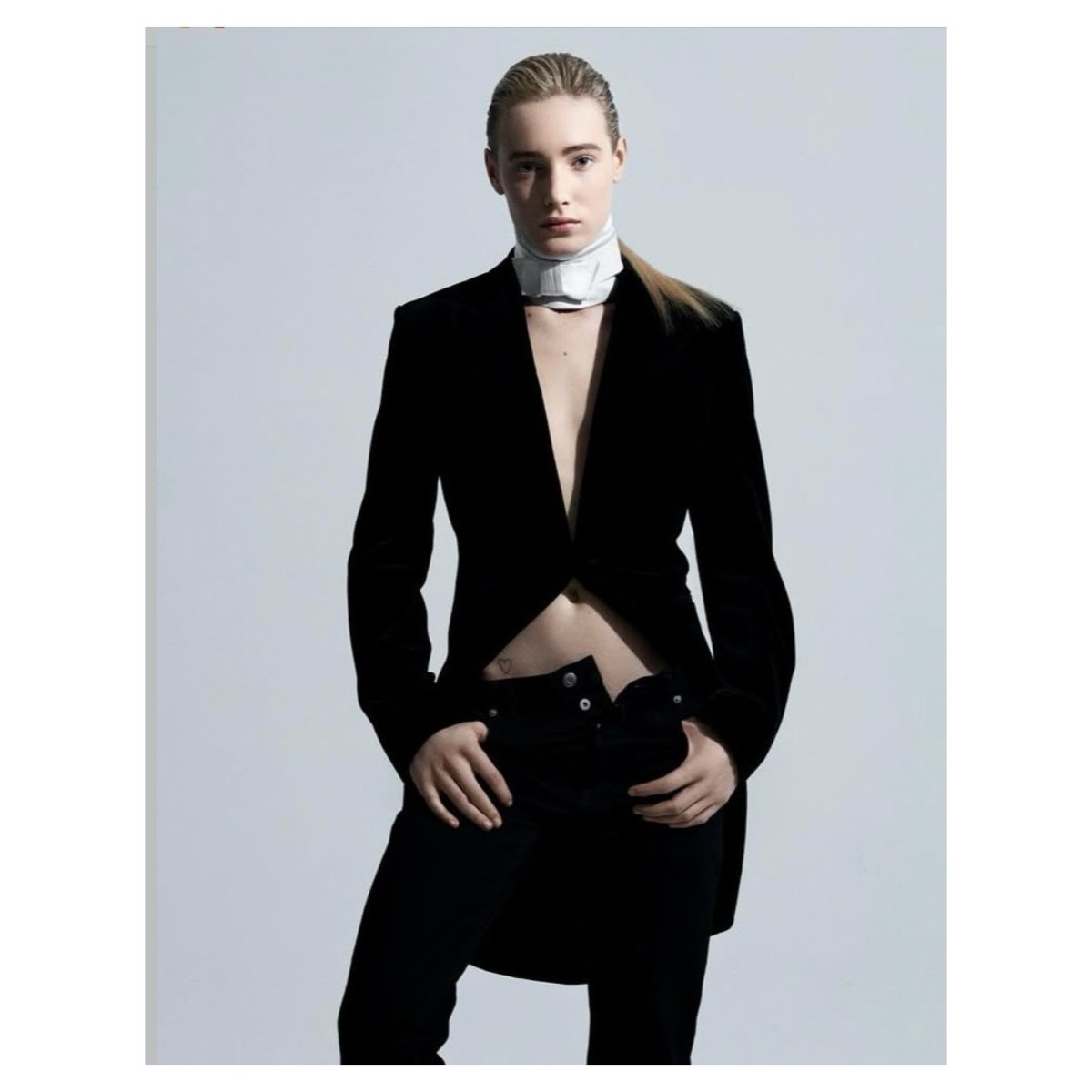
This direction first emerges in editorials. In the recent Numéro Magazine, in the editorial by Charles Varenne and photographed by Jean-Baptiste Mondino, the body ceases to be an image and becomes structure. The Dior Homme tuxedo already appears reduced to its essence: sharp, devoid of emphasis, constructed through line rather than gesture.
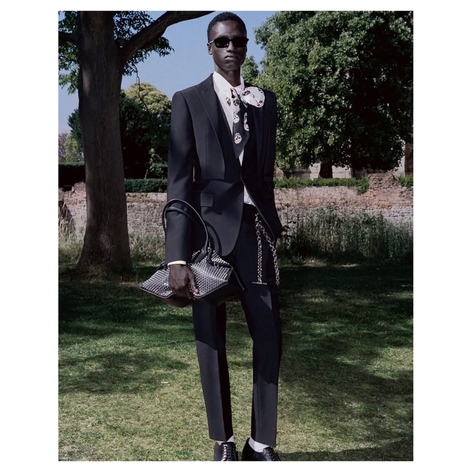
With Alexander McQueen SS26, this tension expands: silhouettes elongate, the line cuts across the body, and detail functions as punctuation—not decoration, but a statement.
It is in the Fall/Winter 2026 collections that this attitude fully settles. At Celine, where Michael Rider works through subtraction with almost didactic rigor, and at Tom Ford under the direction of Haider Ackermann, where black becomes a compact surface and the body is held in continuous tension, tailoring narrows and becomes language. At Saint Laurent, this line stiffens further: elongated proportions, taut shoulders, authority without emphasis.
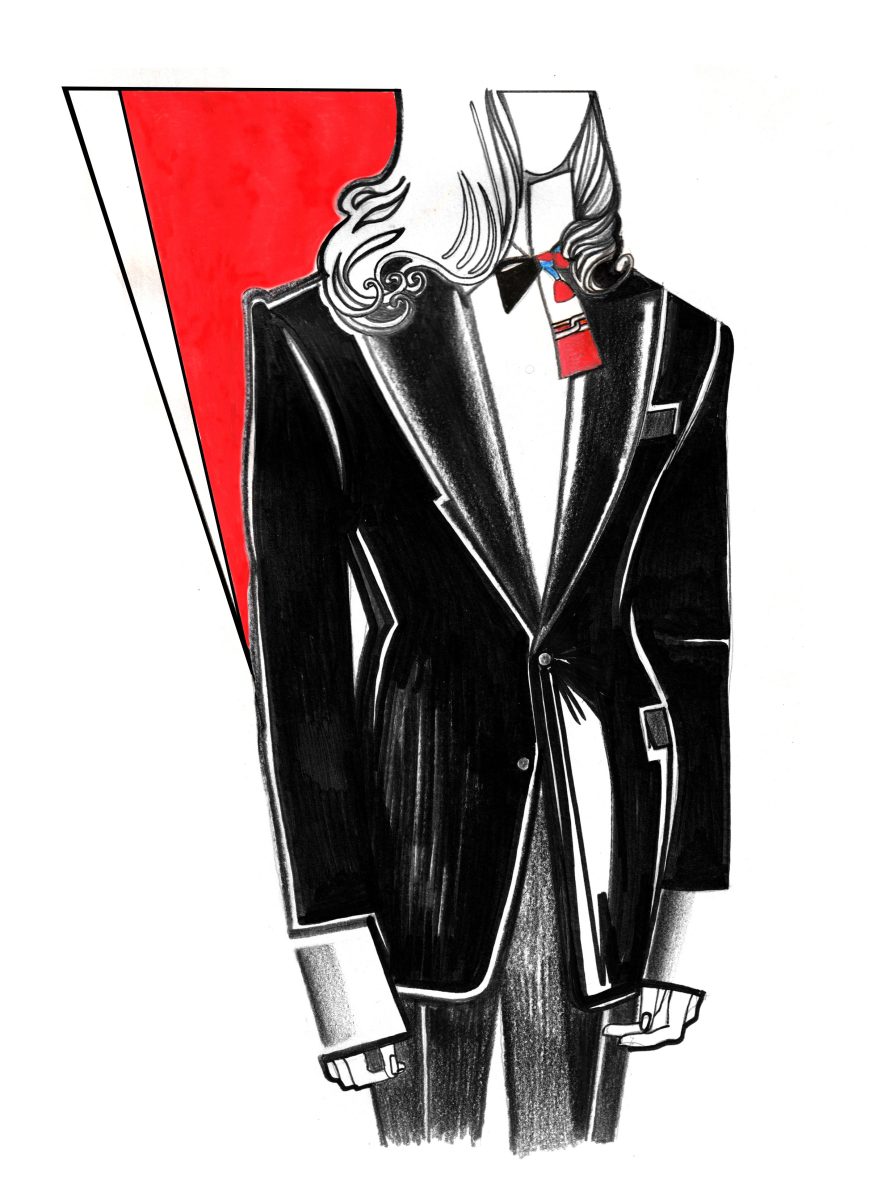
In Prada Menswear FW26, the construction grows more severe, almost monastic, yet it is interrupted by minimal deviations—marks, imperfections, flashes of light—that break continuity and redefine its rhythm.
Elsewhere, the code is challenged: Dior Homme FW26 empties and ritualizes it, Sacai fragments it, Soshiotsuki diverts it. In every case, it is detail that becomes the critical gesture.
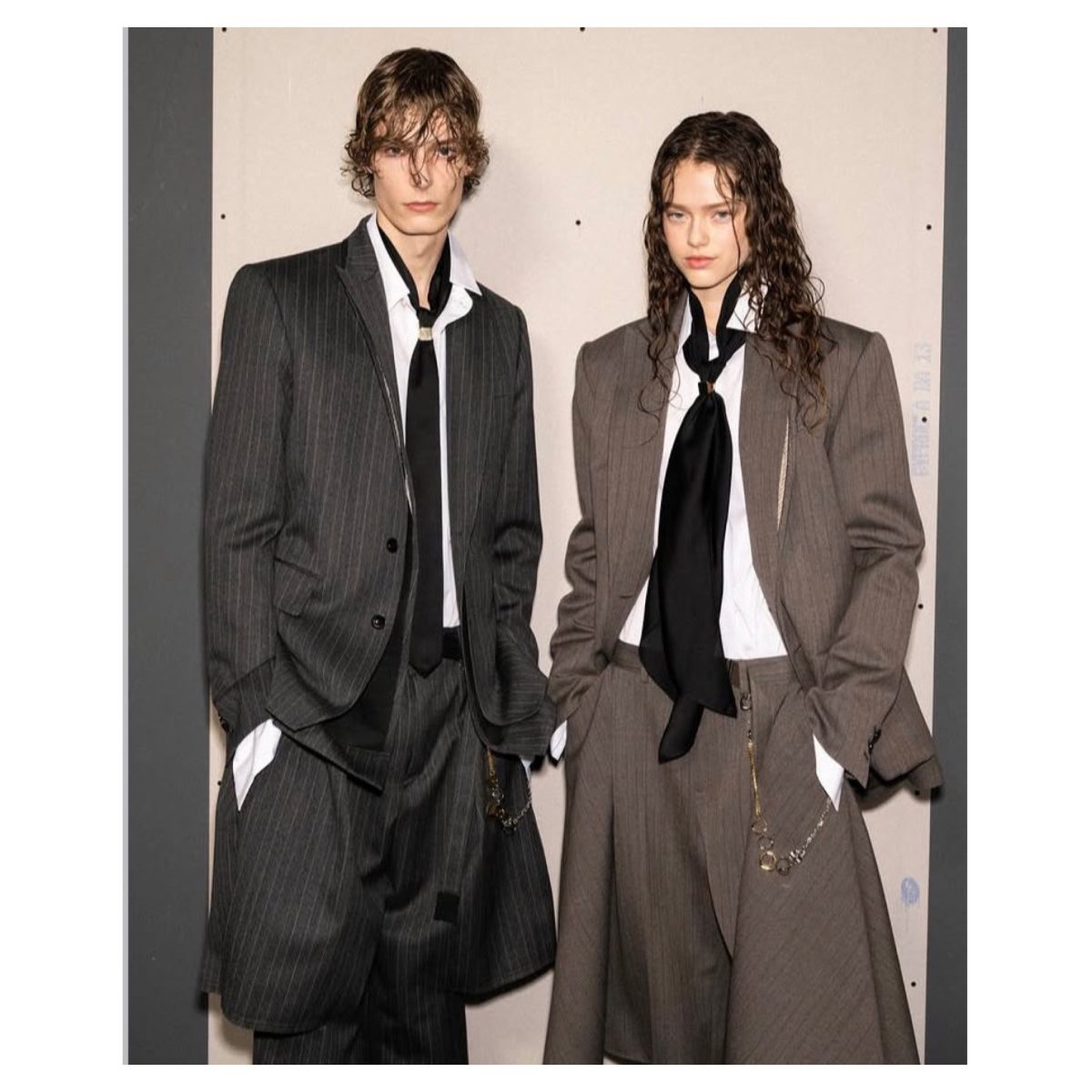
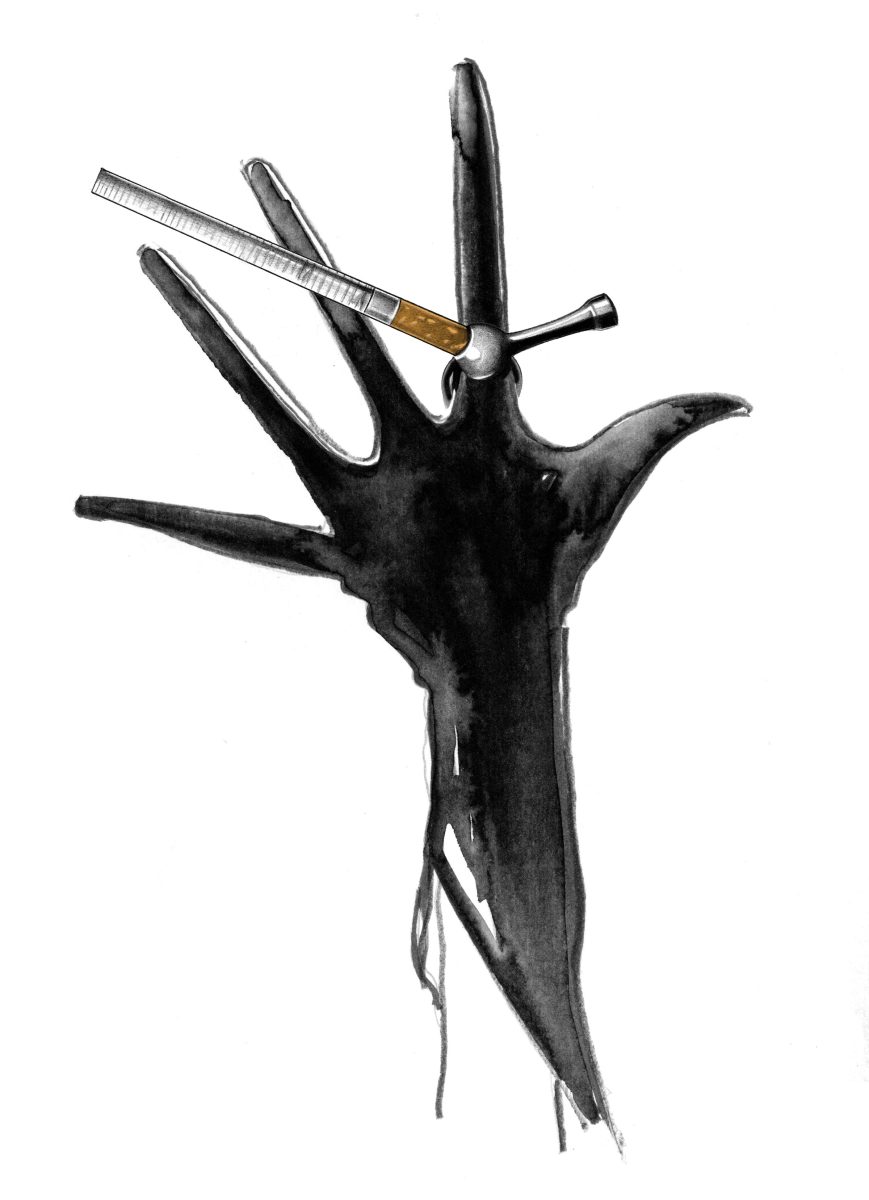
It is no longer about appearing, but about control. Fashion does not seduce—it defines.