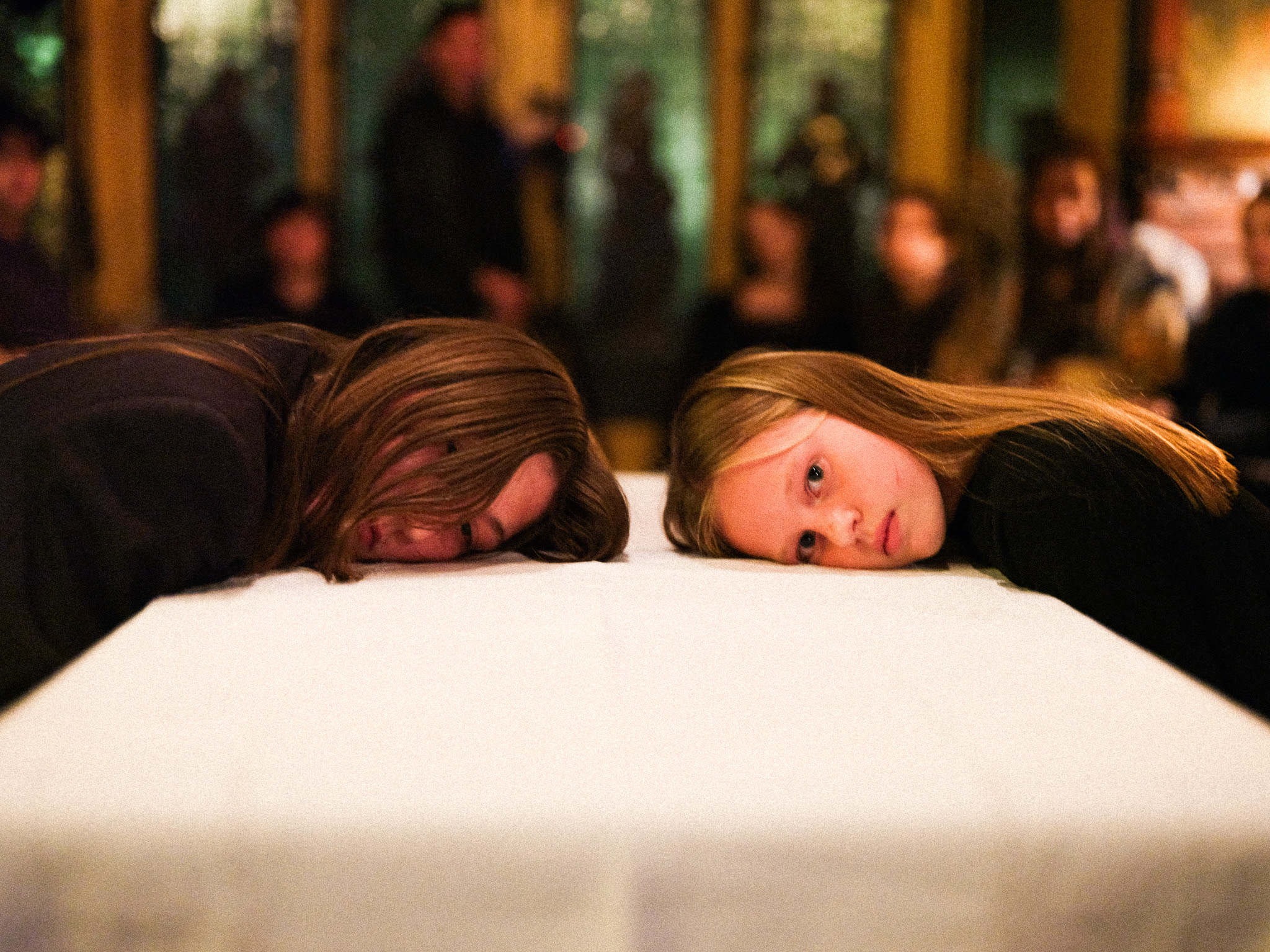
Paris’s Most Notorious Haunted Mansion Opens Its Doors to Contemporary Art
“I looked upon the mere house […] upon the vacant eye-like windows.”
— Edgar Allan Poe, The Fall of the House of Usher (1839)
At 1 Avenue Frochot, where Gothic architecture meets an unsettling Parisian legend, curator Raphaël Giannesini turns a house haunted by its own mythology into a stage for contemporary art, invisible histories, and the ghosts we choose not to bury.
There are houses that shelter the living, and others that seem to belong to the dead. Edgar Allan Poe knew that architecture could be more than a backdrop: it could breathe, remember, conceal, and eventually reveal everything its inhabitants had tried to forget. At 1 Avenue Frochot, in the shadowy folds of Pigalle, that distinction becomes deliciously difficult to maintain.
Hidden behind the discreet gates of one of Paris’s most secluded private lanes, a Neo-Gothic mansion built in 1838 has long occupied a peculiar place in the city’s imagination. Its stained-glass windows, painted wood paneling, trompe-l’œil interiors, and theatrical staircase seem to belong to another century, perhaps another reality altogether. Known as one of Paris’s most enigmatic haunted houses, the residence is finally opening its doors to the public for something far more intriguing than a ghost story: contemporary art.
Curated by Raphaël Giannesini, A Haunted House brings together six artists: Anna Franceschini, Camille Brée, Sarah-Anaïs Desbenoit, Winny Mo Rielly, Mélanie Courtinat, and Jean-Jacques Giraud, the house’s current owner, painter, and composer. Rather than treating the mansion as a conventional exhibition venue, the project approaches it as a living archive, where architecture, memory, and artistic imagination collide. The result is a conversation between the visible and the invisible, the historical and the fictional, the material world and everything that might exist just beyond it.
The house, however, comes with a past that refuses to stay quiet.
According to local legend, a maid who had allegedly been promised the inheritance of the property disappeared on its staircase. Her story, passed down through generations, became the foundation of the mansion’s haunted reputation. No definitive historical evidence has established the alleged crime, but the legend has endured, gathering new layers with every retelling. In Giannesini’s curatorial vision, the ghost becomes more than a supernatural presence: she embodies the women history has repeatedly pushed into the margins — domestic workers, the institutionalized, the misunderstood, and those whose voices were silenced by the structures of their time.
Here, haunting takes on a distinctly political dimension. The ghost is no longer simply someone who refuses to leave. She is someone who was never properly allowed to exist in the first place.
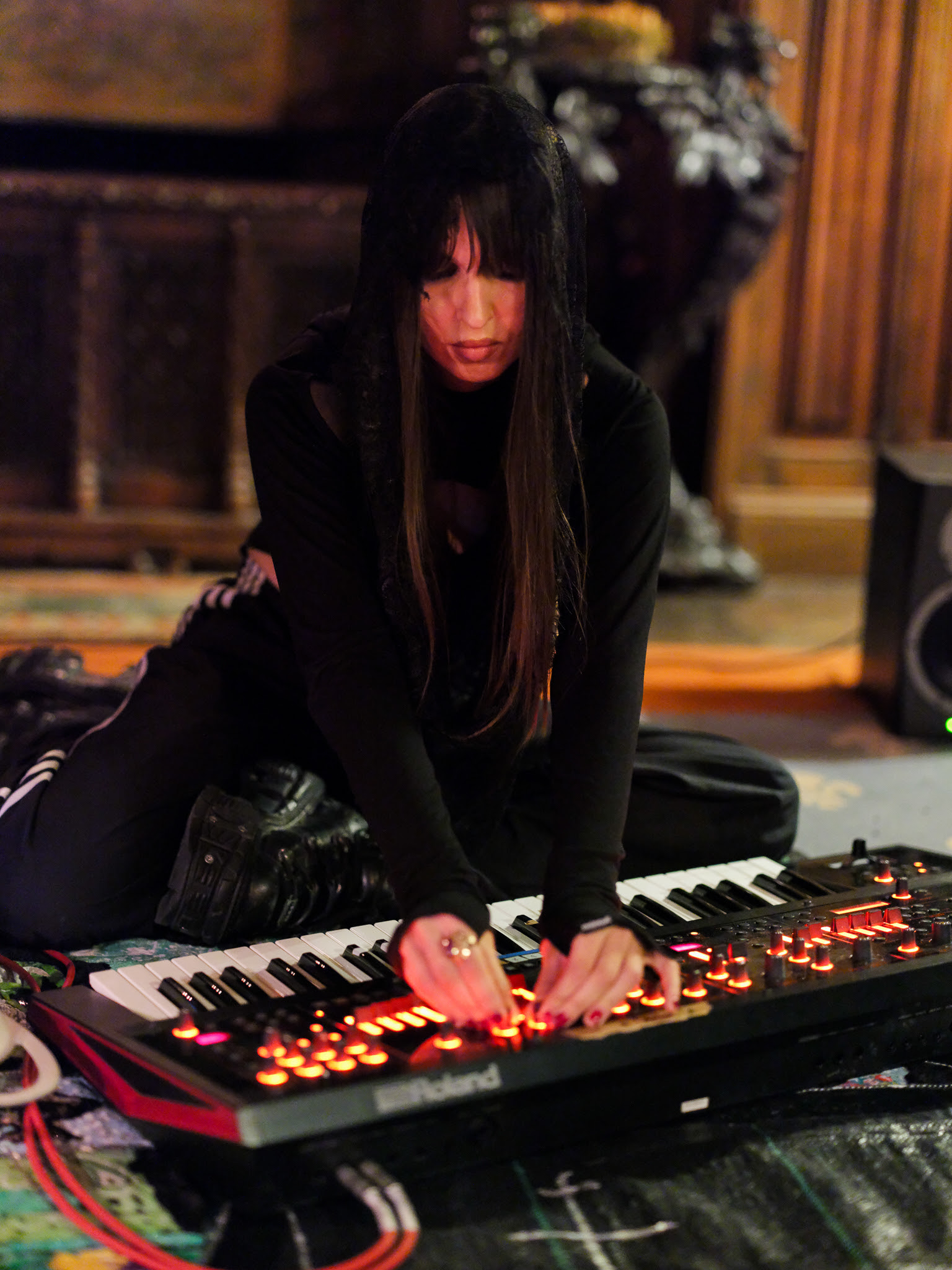
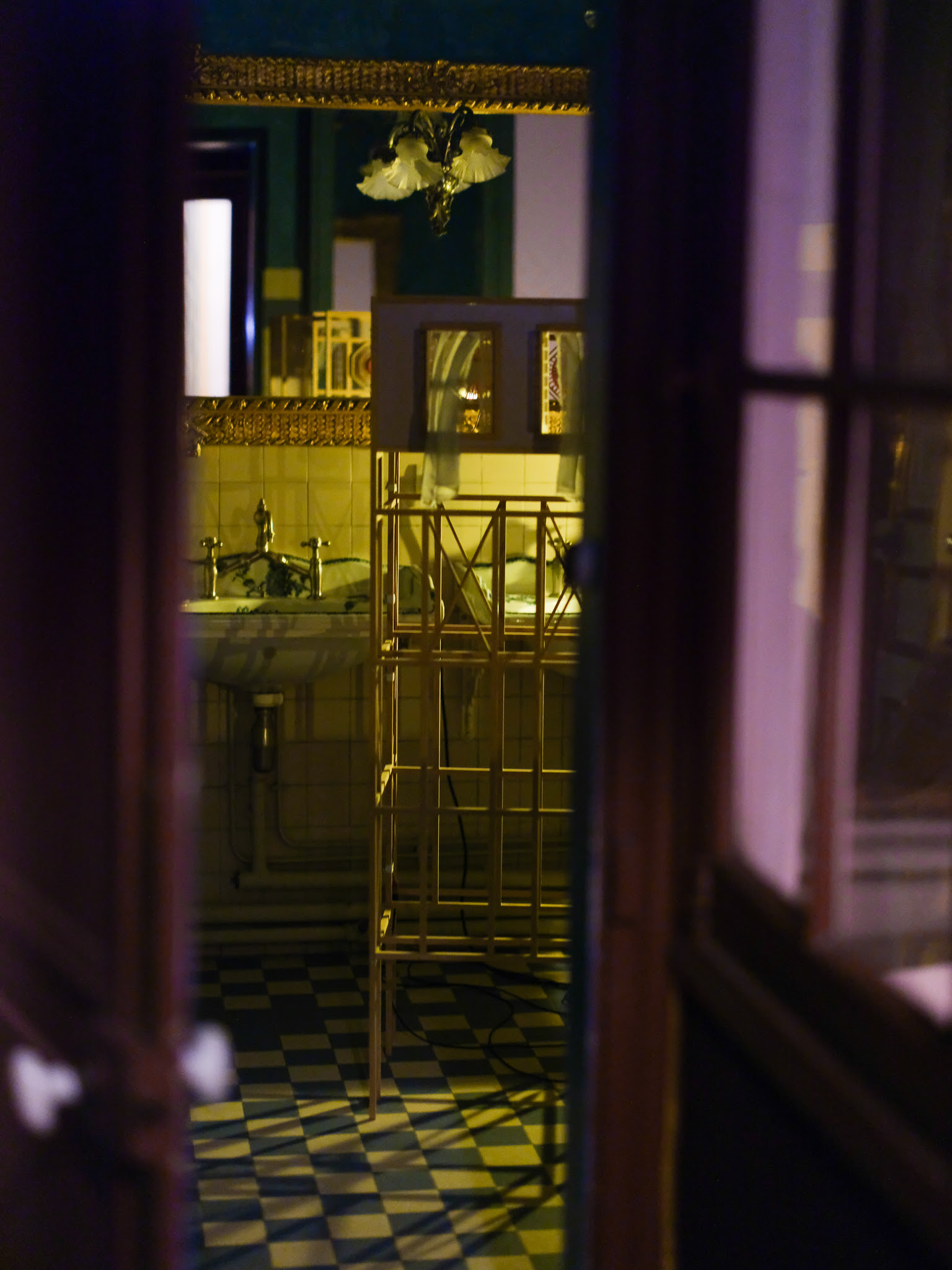
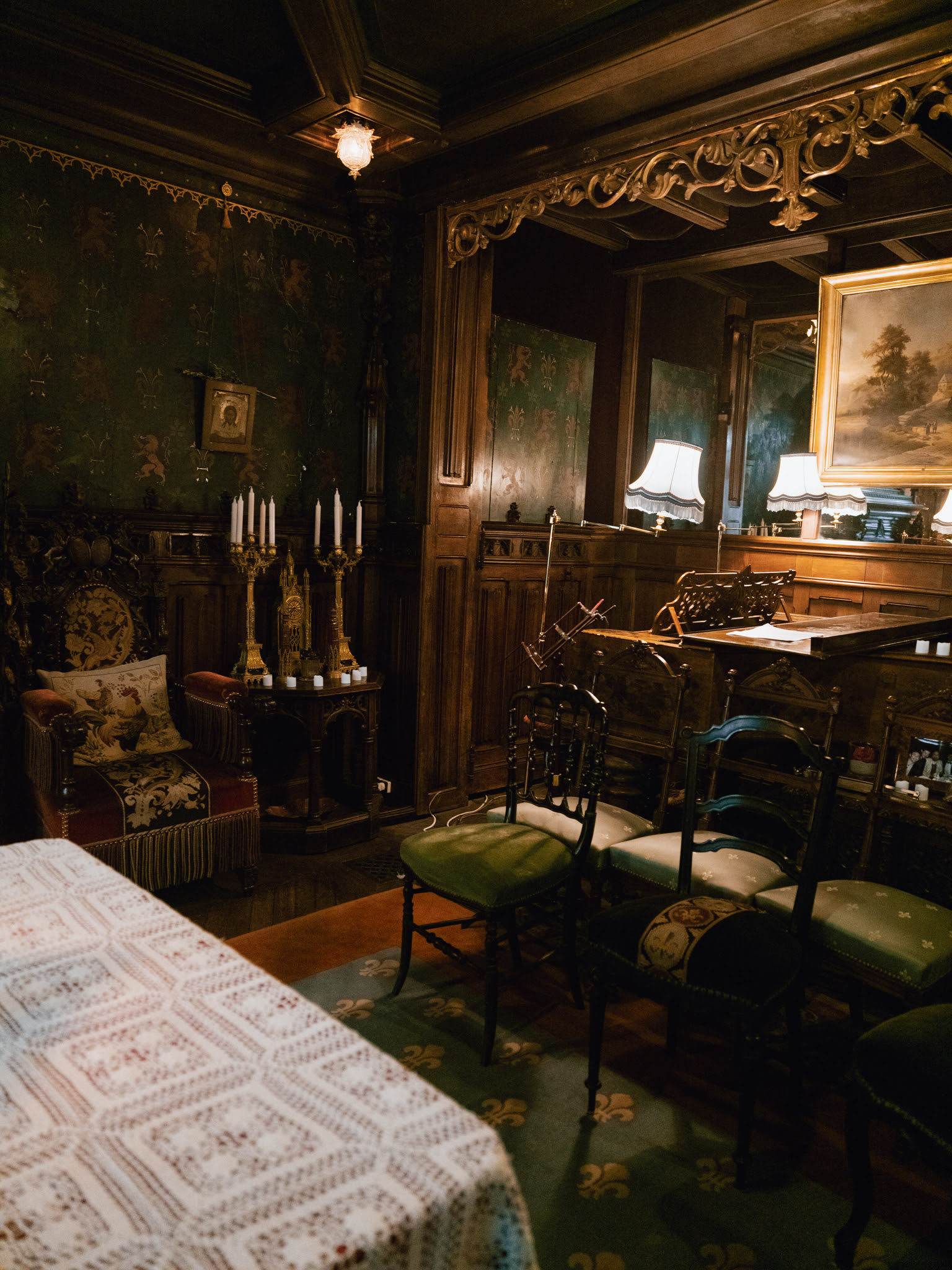
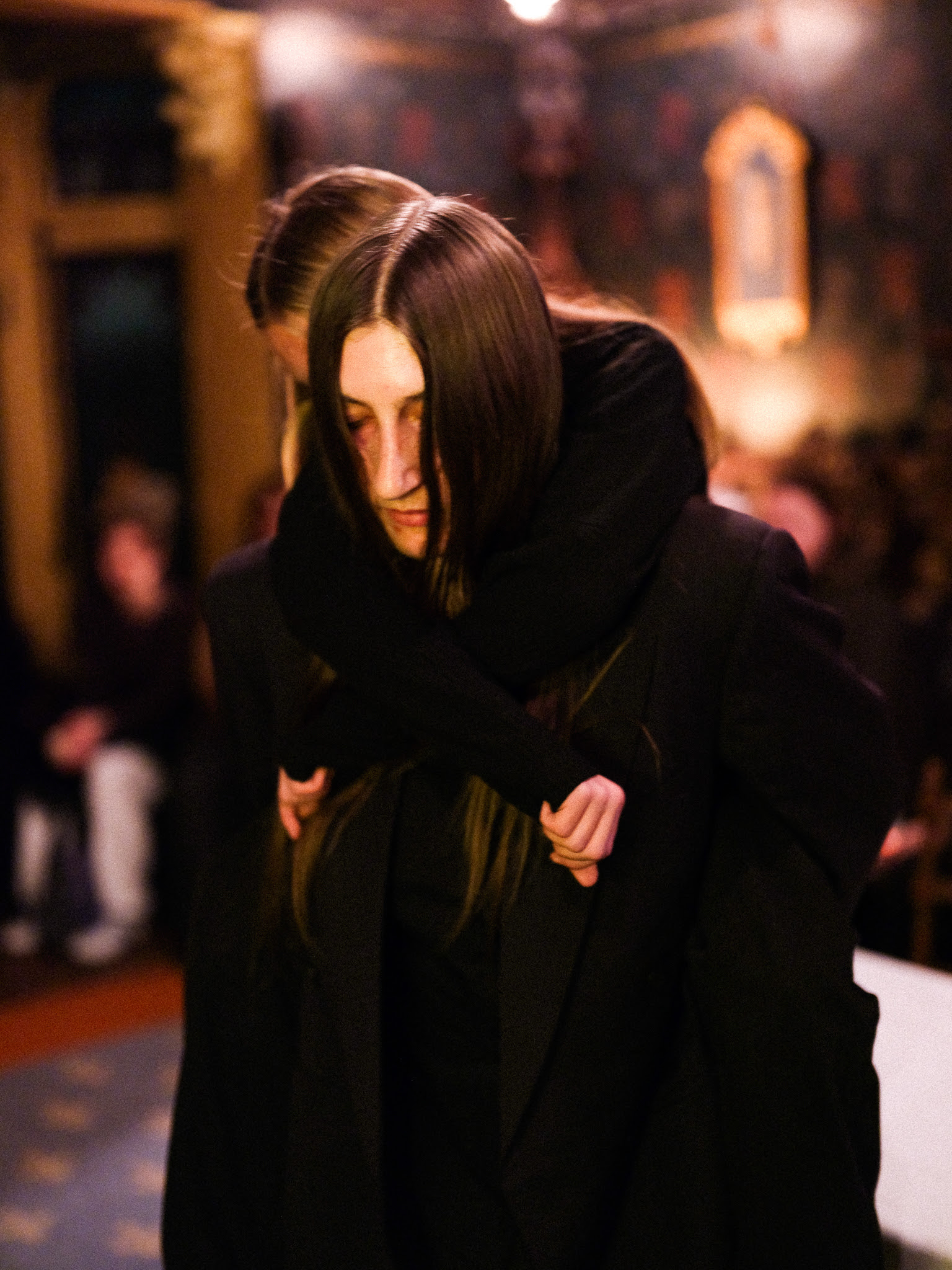
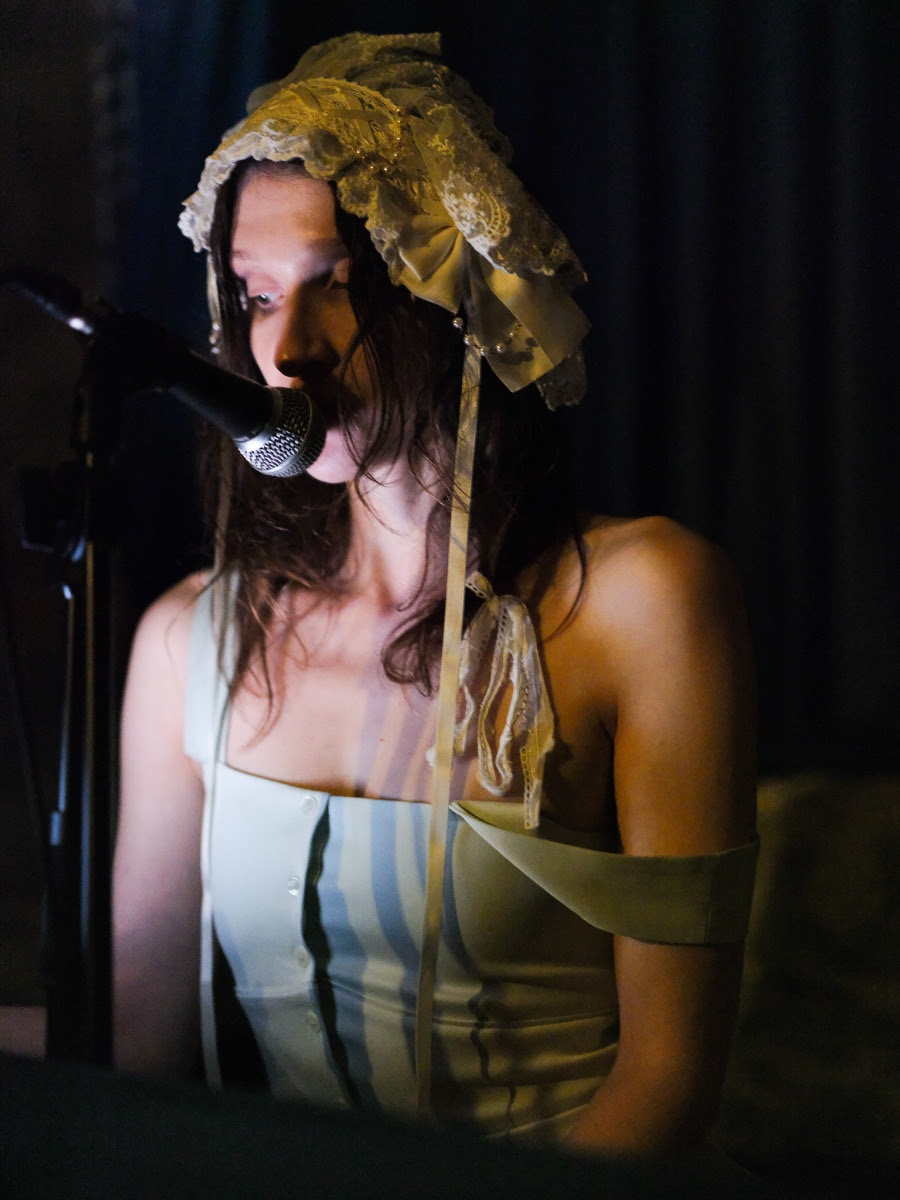
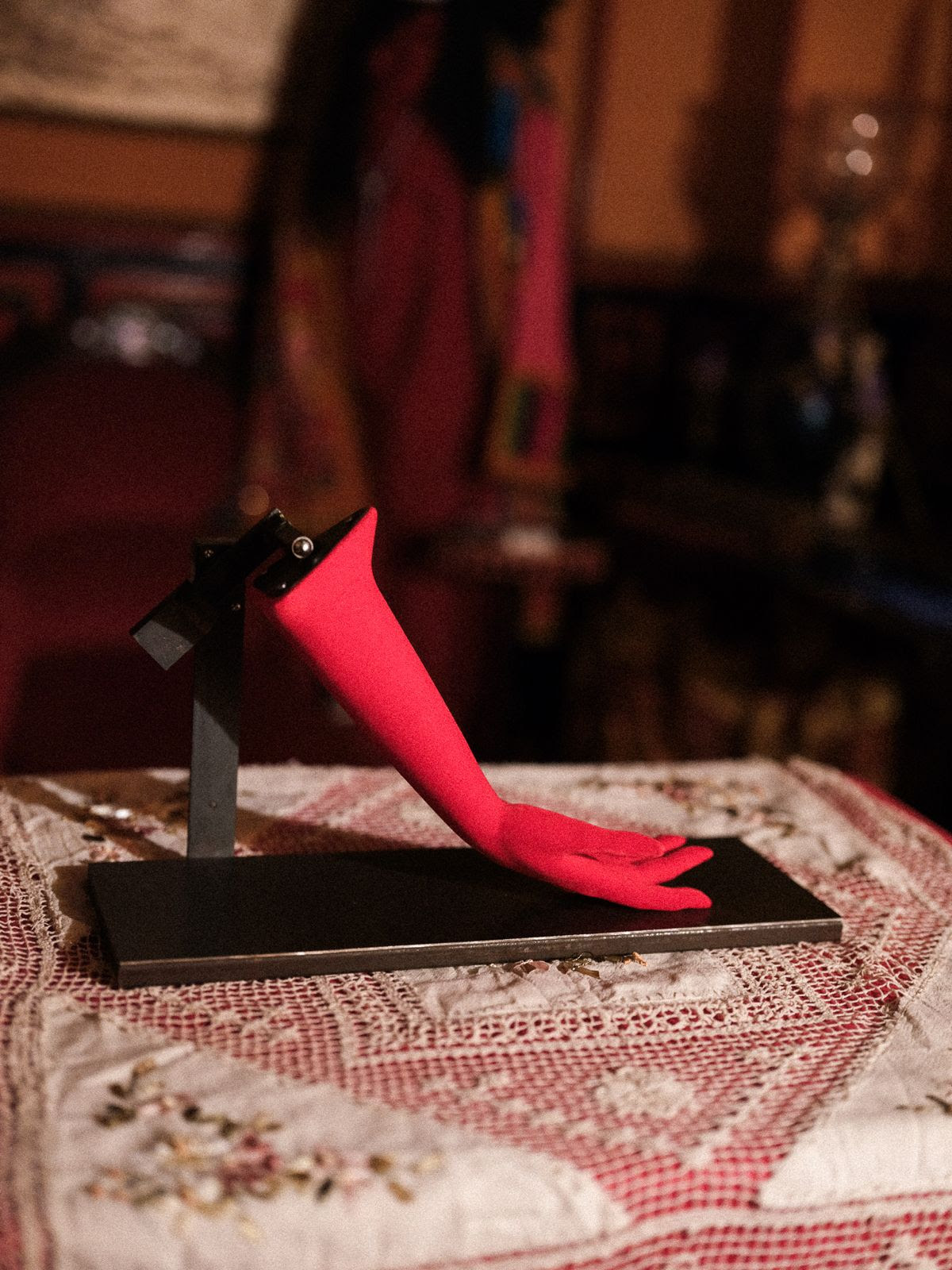
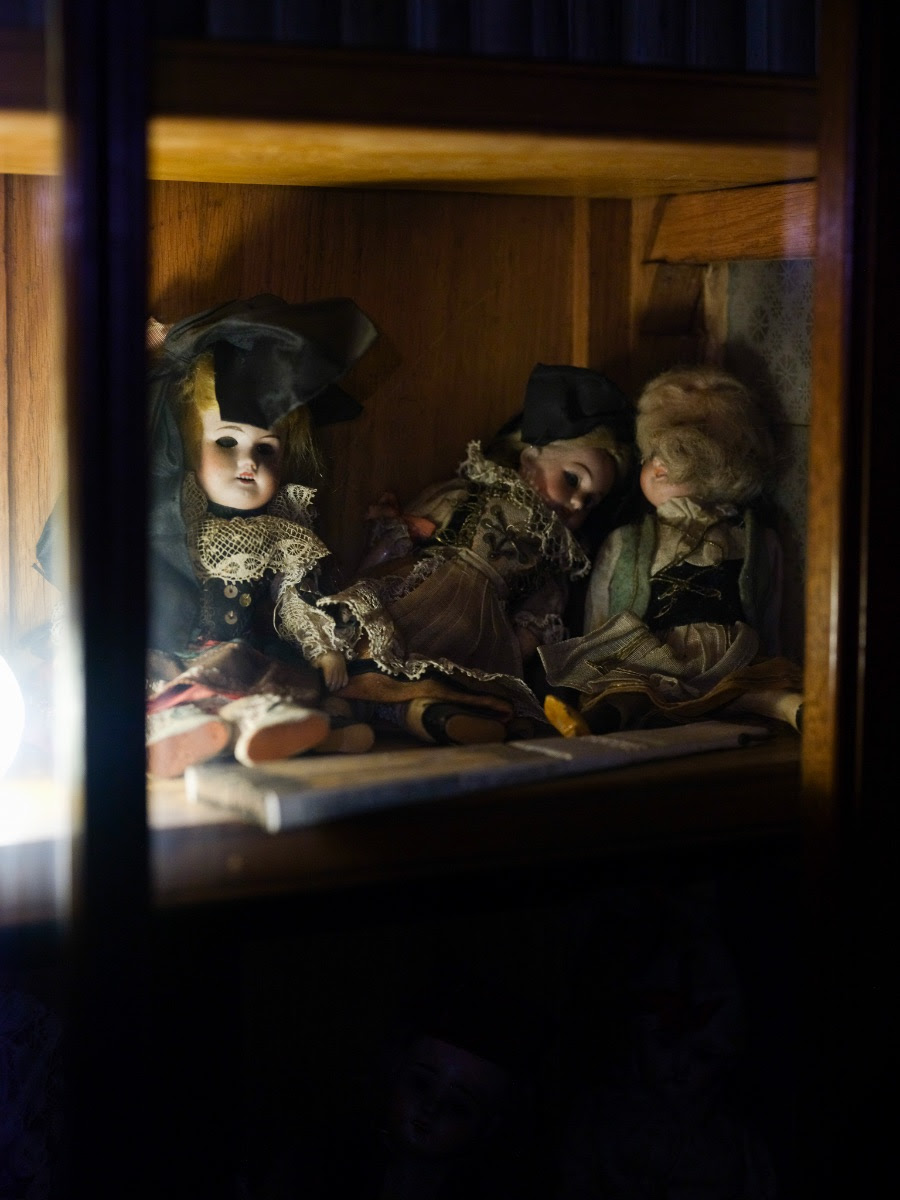
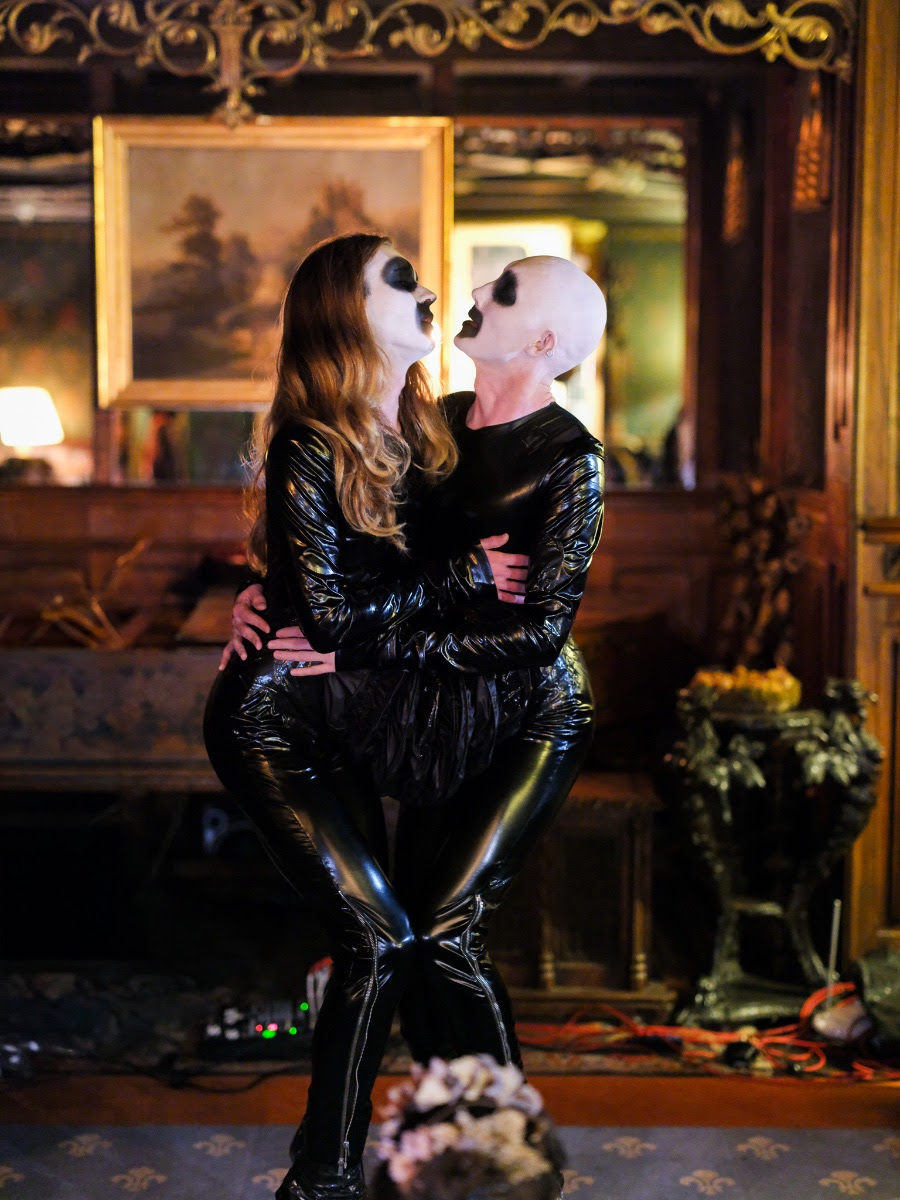
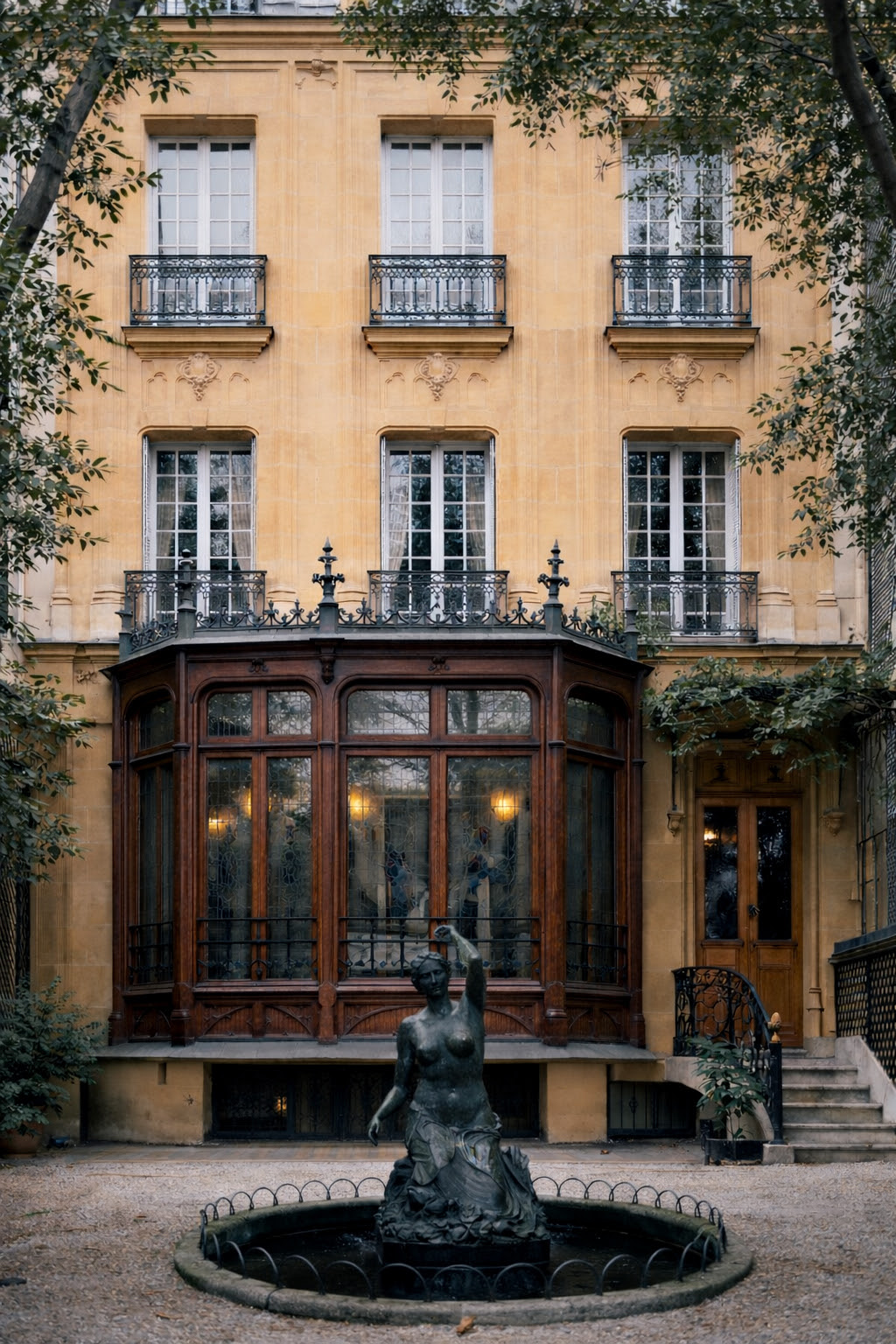
This tension between disappearance and remembrance runs through the exhibition’s very DNA. Every room becomes part of a larger narrative, every architectural detail a potential witness. The mansion’s peculiar theatricality lends itself to an atmosphere in which art does not merely occupy space; it enters into a dialogue with the stories already embedded within it. The past is not reconstructed as a nostalgic spectacle, but reopened as something unresolved, restless, and very much alive.
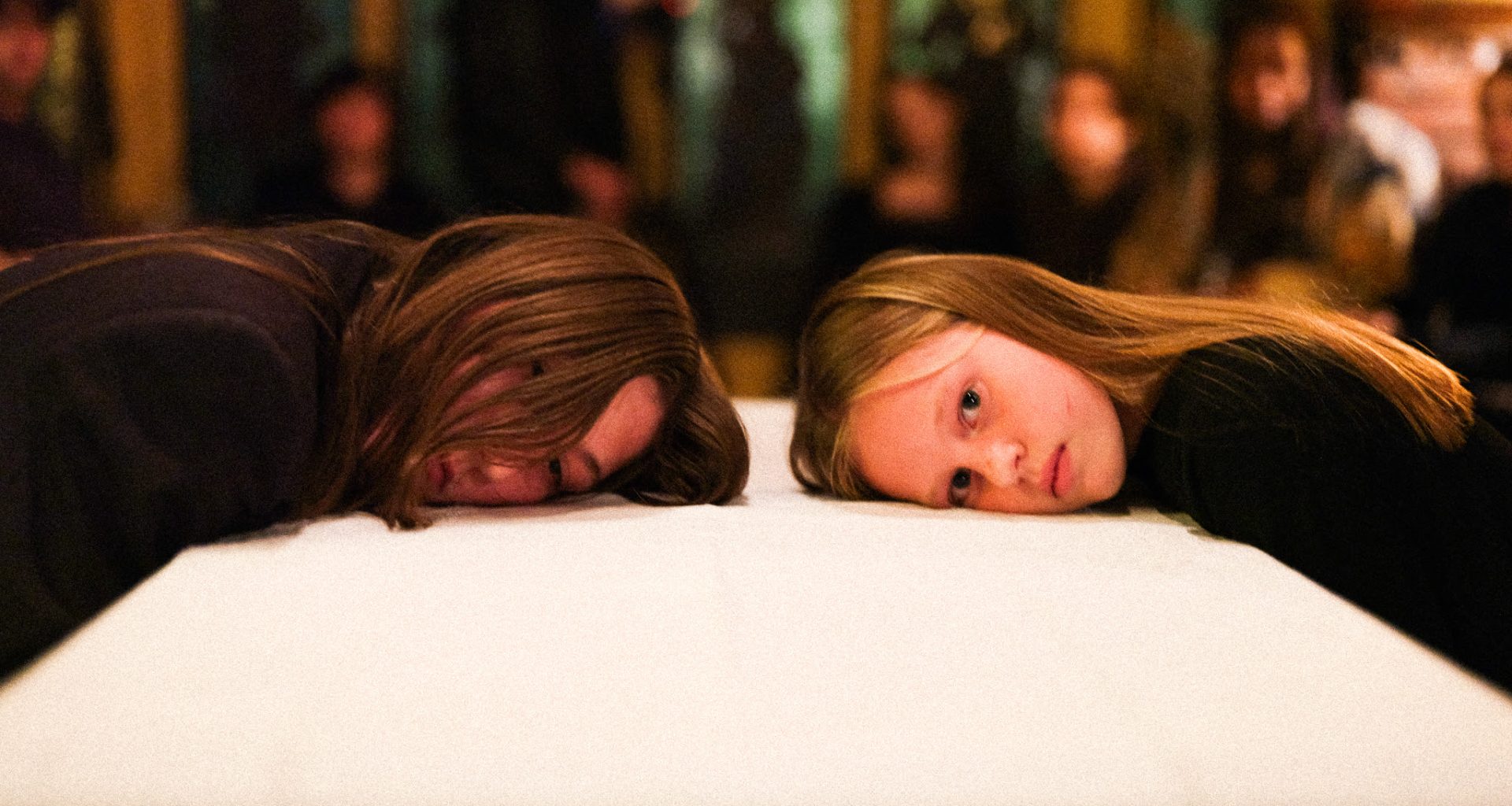
The Halloween weekend brought this invisible world into sharper focus through a series of performances by Jenna Marvin, Tata Jaxon, and Lina Filipovich. Their interventions sought to summon the unseen and establish contact with the house’s elusive female presence, turning the residence into a meeting point between performance, ritual, and contemporary artistic expression. Less a séance than an encounter with the architecture of collective memory, the performances pushed the exhibition beyond the traditional boundaries of the gallery.
The project also belongs to a broader curatorial investigation by Giannesini, whose multidisciplinary practice moves between art, architecture, fashion, and design. Through SAGA, his traveling curatorial platform, spaces with strong architectural identities and histories become the starting point for new artistic narratives. At Frochot, that approach finds an especially compelling setting: a house whose own mythology is already stranger than fiction.
Perhaps the most unsettling thing about 1 Avenue Frochot is not the possibility that a ghost still walks its staircase. It is the possibility that she has been waiting all along for someone to finally listen.
A Haunted House remains open by appointment through November 25, 2026, at 1 Avenue Frochot, Paris.
If a house could remember everything, whose story would it choose to tell; and whose would it still refuse to let go?
Photos by Laurent Giannesini