

Milan Fashion Week is obviously about Prada, Gucci, Bottega Veneta, Fendi and all the other names that make the city go slightly insane every season. But beyond the big houses, there are plenty of designers bringing completely different references into the Milanese fashion system.
For SS27, I picked six — from Mexican-Ecuadorian craftsmanship and Ghanaian denim to Turkish textile traditions, solarpunk and surreal upcycling.
Here’s what caught my eye.
01 – NEITHAN HERBERT
MEXICAN–ECUADORIAN ROOTS · CRAFTSMANSHIP · TEXTILE TRADITION
26.09.2026
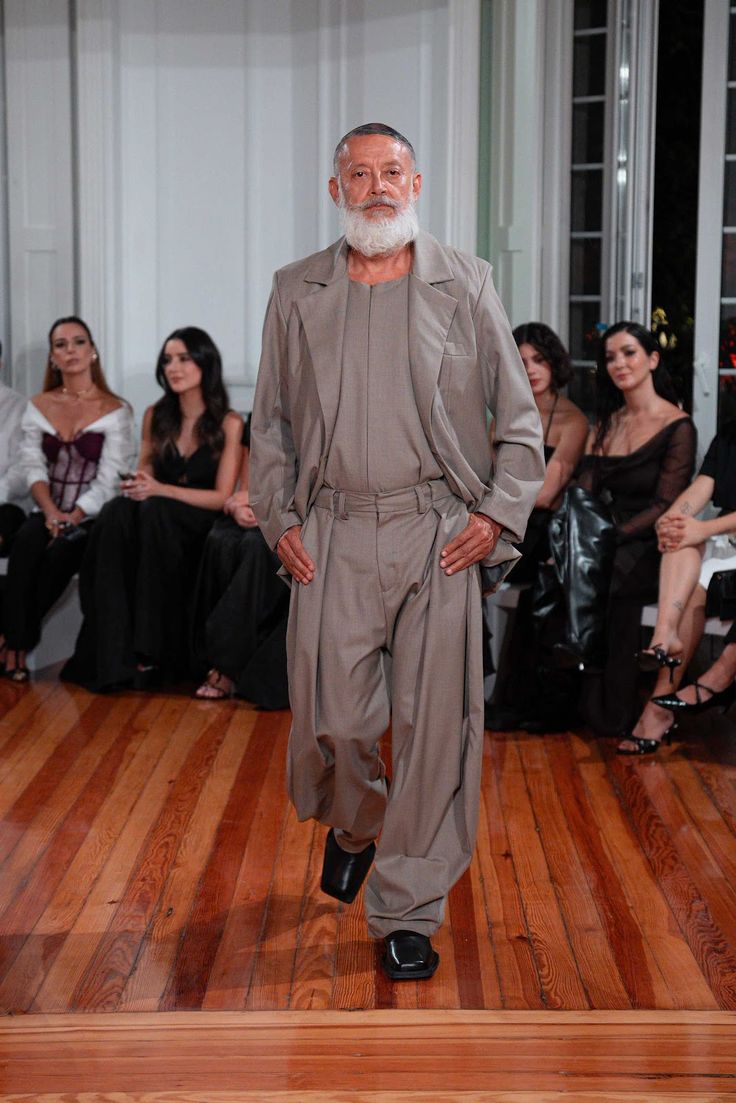
Before we learned to walk, we knew the world on someone else’s body.
Mexican-Ecuadorian designer Neithan Herbert grew up around traditional textiles through his mother, originally from Otavalo, Ecuador, who sold traditional fabrics and clothing. At 18, he moved to Milan to study at IED, where he came into contact with Italian tailoring.
After the pandemic, he returned to Mexico and established his atelier in San Miguel de Allende, working with local artisans and a predominantly female team.
Now he’s coming back to Milan, bringing Mexican and Ecuadorian craft into the Milan fashion system.
02 – VICTOR-HART
GHANAIAN HERITAGE · DENIM · MODERN WORKWEAR
26.09.2026
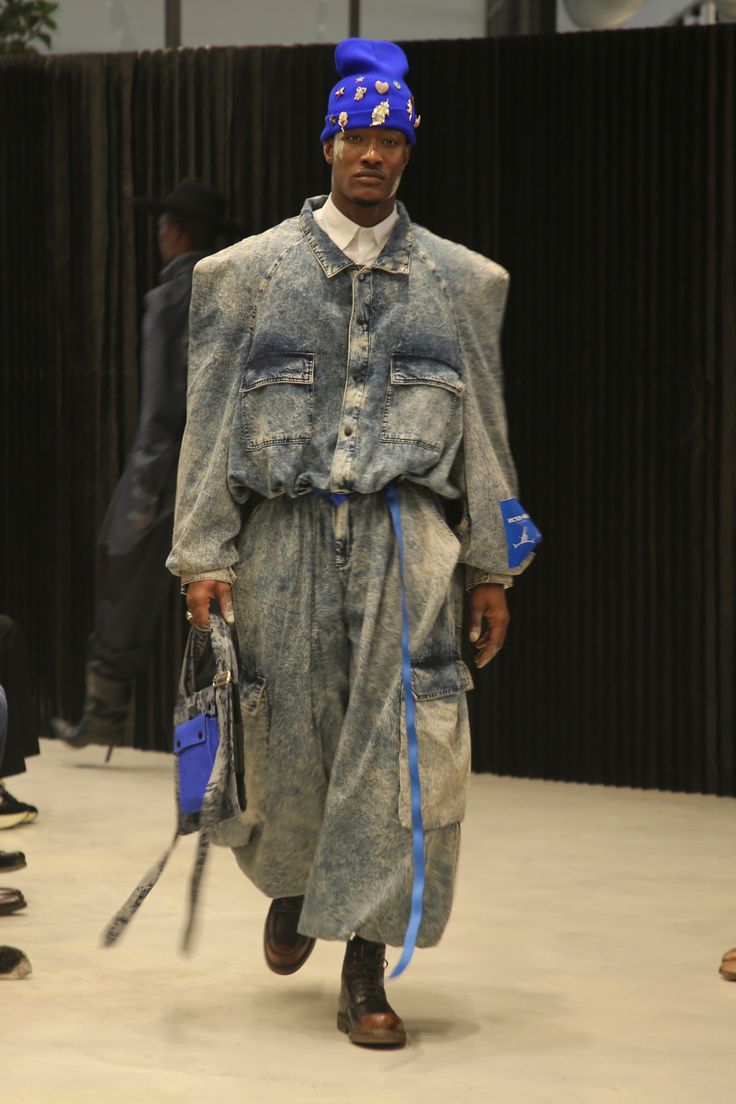
Denim patchwork has entered high fashion with sustainability, but it doesn’t have to look recycled.
Ghanaian designer Victor Reginald Bob Abbey-Hart studied in Milan, worked with Calvin Klein, H&M and American Eagle, and founded his own label in 2020. His work mixes Ghanaian references, Italian tailoring and upcycled/deadstock denim.
His SS27 collection, Denim Diplomacy, brings that combination directly to Milan, with the collection presented in collaboration with the Embassy of Ghana and Afro Fashion Association.
Ghana meets Milan. Denim gets diplomatic.
03 – LUG VON SIGA
TURKISH CRAFT · CONSCIOUS WOMAN · PATTERNS
23.09.2026
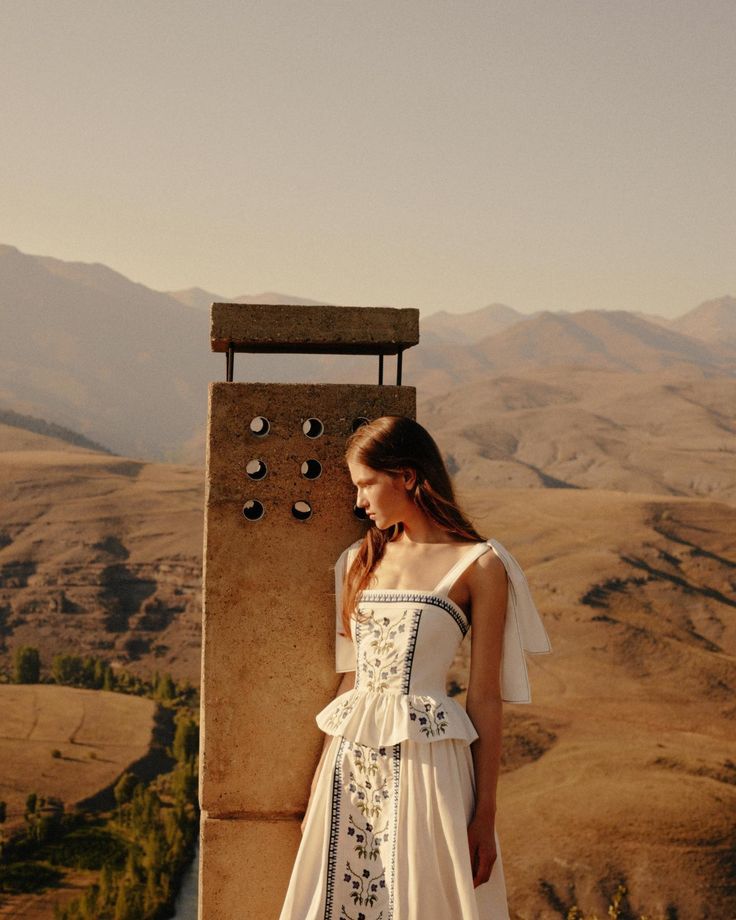
Gül Ağış founded Lug Von Siga in 2010, so she’s hardly a new name. But this season marks the brand’s first Milan Fashion Week appearance.
Ağış studied and worked in Milan for around ten years before returning to Turkey and building Lug Von Siga around Anatolian heritage, embroidery, textile manipulation and craft.
Her SS27 collection, Il Silenzio, continues the brand’s focus on a conscious woman and responsible production.
She studied in Milan, left, built her own identity around Turkish craft — and now she’s coming back.
04 – FLORANIA
GENDERLESS · HANDMADE TEXTILES · SOLARPUNK
24.09.2026
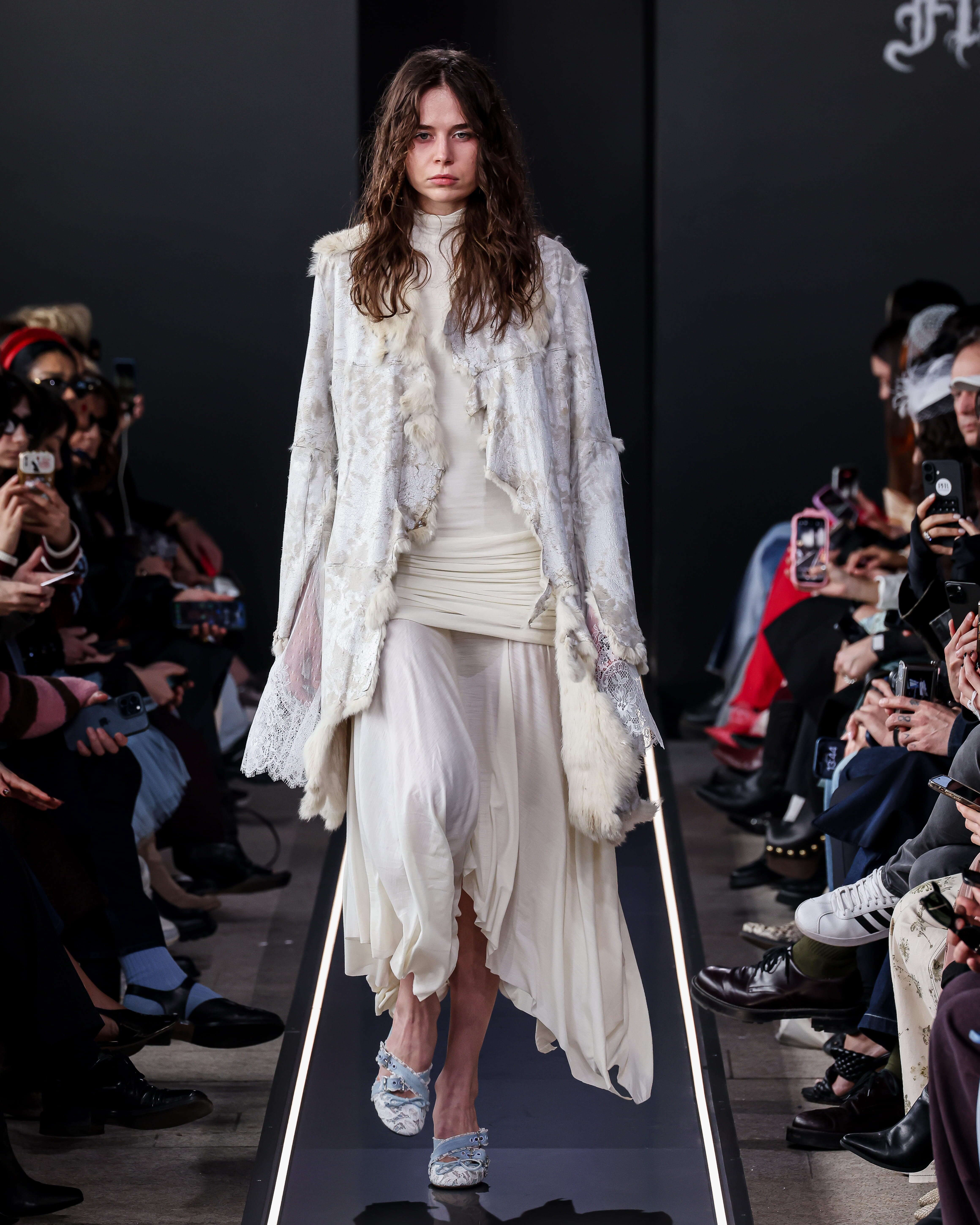
Solarpunk: close to punk in its deconstruction and refusal of rules, but solar in its optimism toward the future, people and technology.
Flora Rabitti founded Florania in 2021 after working at Prada and Alberta Ferretti. The label is built around circularity, deadstock and waste, artisanal production and genderless, no-season clothing.
The brand is also founded and directed by women, with an approach that treats sustainability less as a restriction and more as a way of imagining what fashion could become.
05 – SIMON CRACKER
UPCYCLING · DEADSTOCK · DECONSTRUCTION
25.09.2026
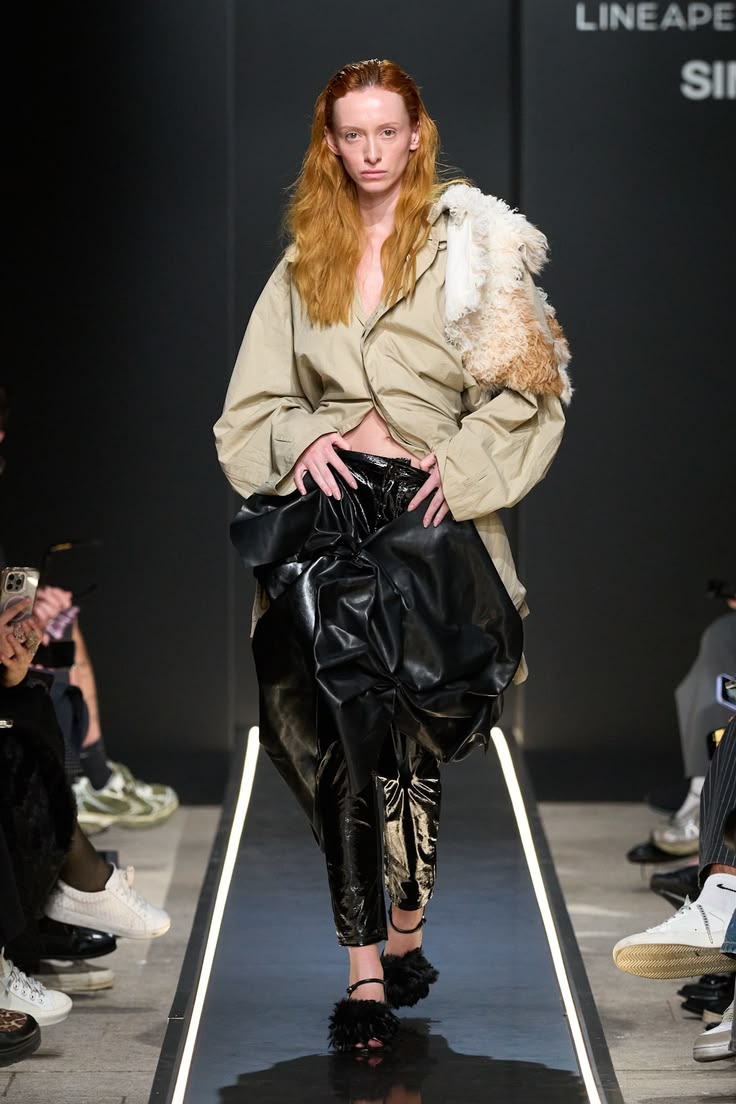
Upcycling has become a buzzword. Simon Cracker has been doing it for years.
Founded by Simone Botte in 2010, the Italian label takes forgotten garments, deadstock and discarded materials apart and turns them into something new.
The important part is that the recycled material isn’t an extra detail added to make a collection look sustainable. It’s the starting point.
Previous collections have used deconstructed vintage garments, damaged stock and unexpected materials, giving old pieces completely different lives.
Simon Cracker has been making fashion out of other people’s leftovers since long before upcycling became cool.
06 – BE NINA
SURREAL · SUSTAINABLE · ARTISANAL
23.09.2026

What happens when your grandmother’s linen cupboard becomes your fashion archive?
For Be Nina, apparently quite a lot.
Sabrina Bonatesta’s Puglian label transforms old embroidered doilies, sheets, tablecloths and towels into clothing, mixing them with childhood memories, Japanese subcultures, toys and children’s clothes.
It’s sustainable and artisanal, but also completely surreal. The old textiles don’t feel preserved or precious — they’re cut up, reshaped and turned into something that looks like it came from a very strange childhood dream.
And visually, that’s probably why Be Nina caught my eye in the first place.