By Alegria Haro
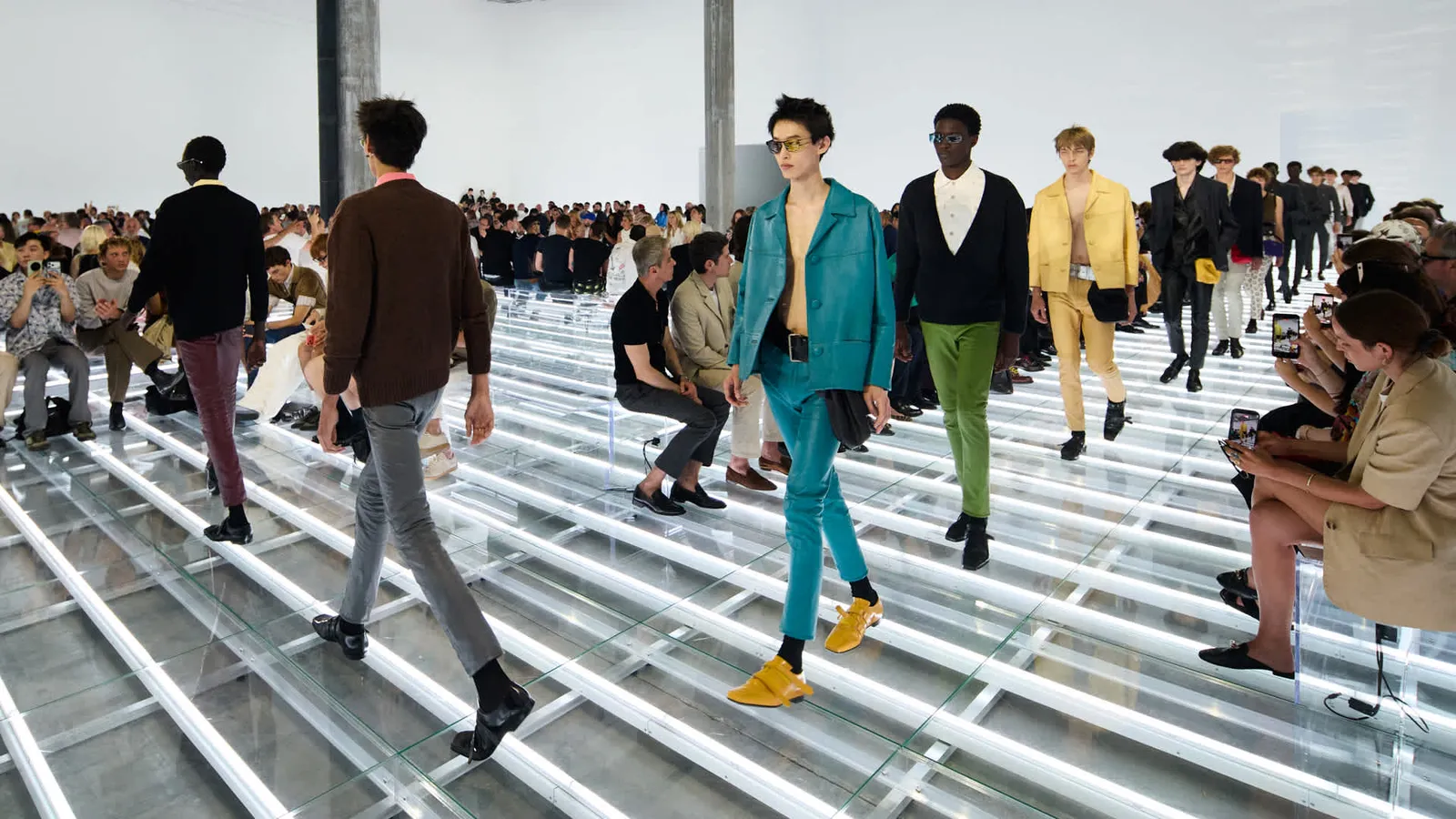
At Milan Men’s Fashion Week, Miuccia Prada and Raf Simons turned jeans, T-shirts and practical accessories into one of the first clear signals of Spring/Summer 2027.
Every season needs its first image. Before the full fashion calendar unfolds, before Paris closes the conversation and before womenswear arrives in September, certain shows begin to define the mood. At Milan Men’s Fashion Week, Prada offered one of those early signals.
For Spring/Summer 2027, Miuccia Prada and Raf Simons returned to the most familiar pieces in a wardrobe: jeans, T-shirts, jackets, belts and bags. These are garments that already belong to everyday life, pieces that men wear without thinking too much about them. Prada made them worth looking at again.
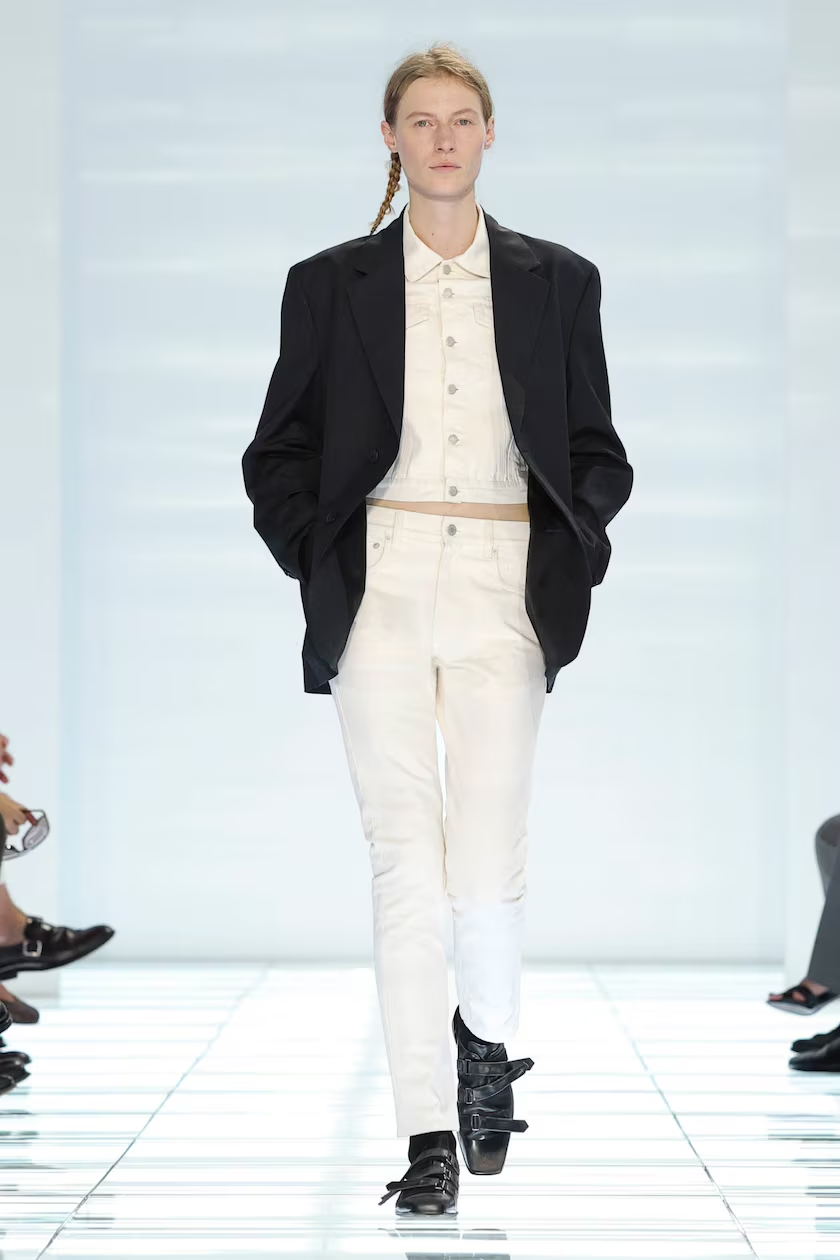
The collection was built around clarity. In the show notes, the designers described a rejection of excess, complex materials and “useless design.” That idea shaped the entire presentation. Rather than relying on dramatic decoration or obvious spectacle, the collection focused on proportion, repetition and precision. The result was a wardrobe that looked simple at first, then became stranger and sharper the longer it was observed.
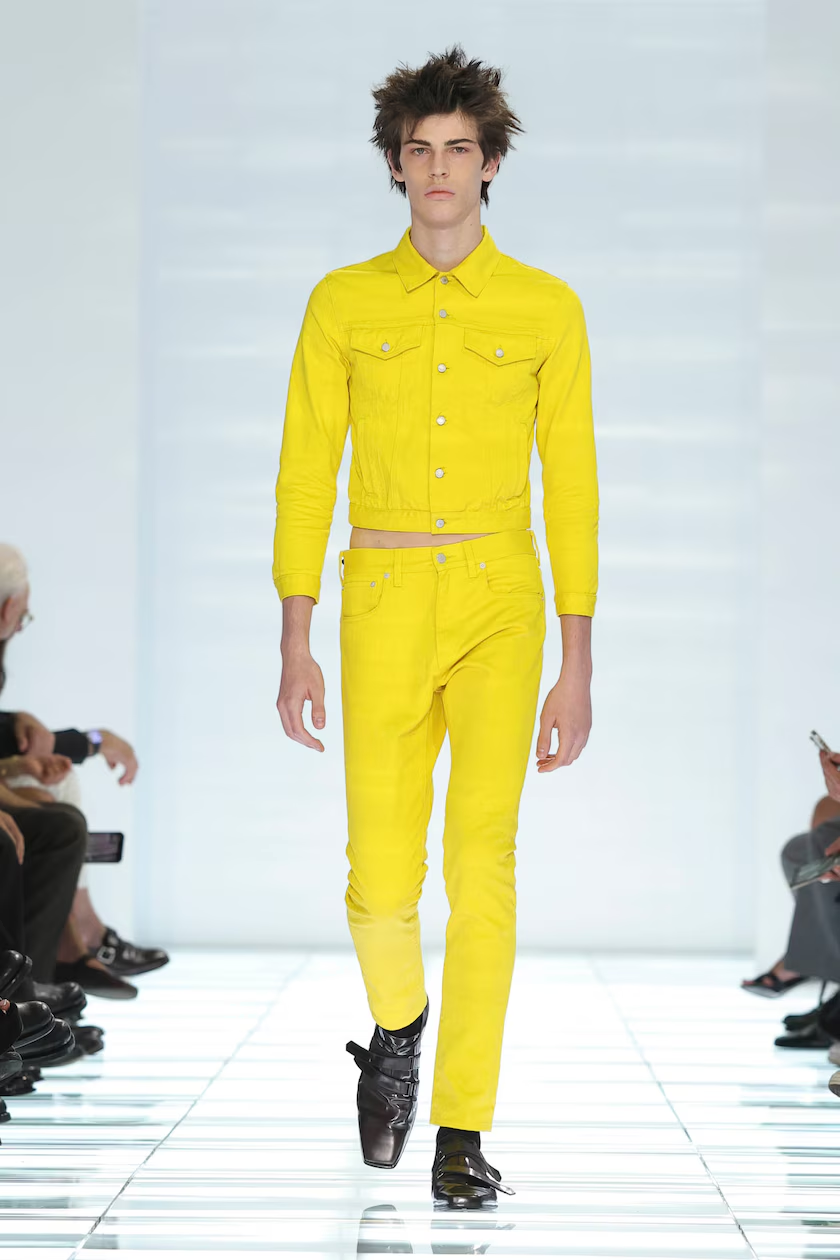
Jeans became the foundation of the show. Prada treated them less as a casual basic and more as an idea that could be reworked again and again. They appeared in denim, leather, wool and sheer fabrics, shifting between the familiar and the unexpected. Some came in bright shades of yellow, pink and purple, moving the garment away from its usual blue uniform. Others were cut close to the body, giving the collection a controlled, almost graphic silhouette.
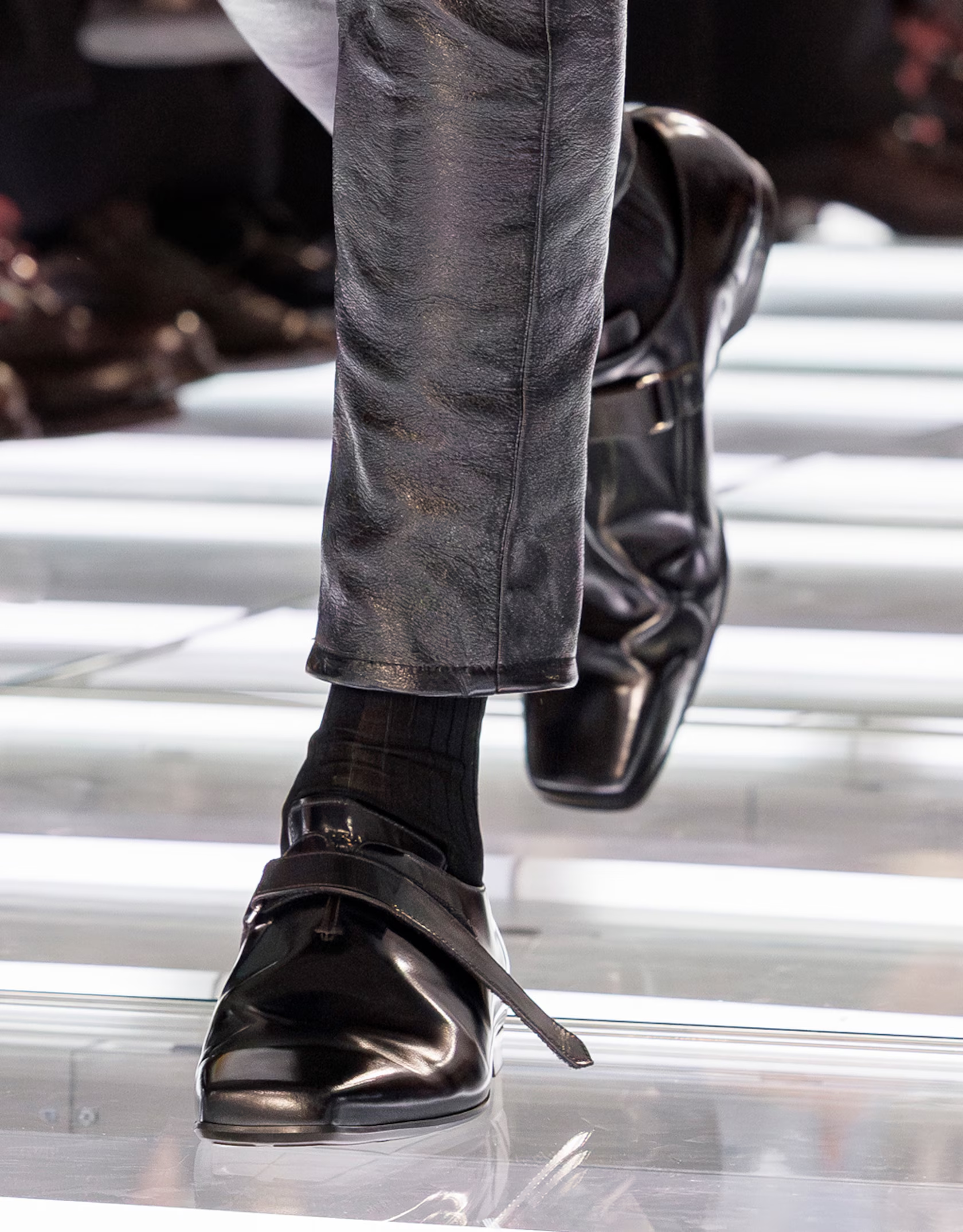
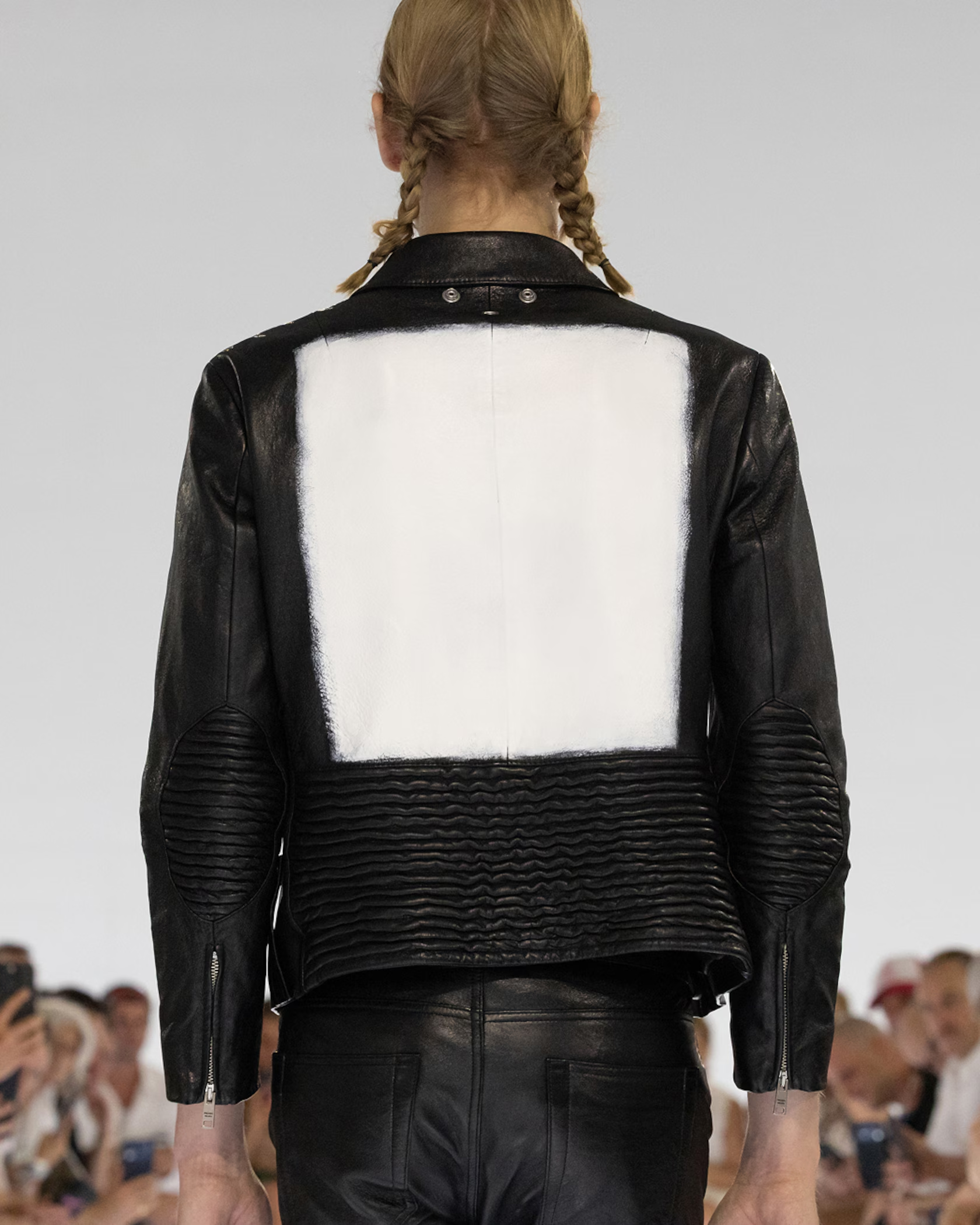
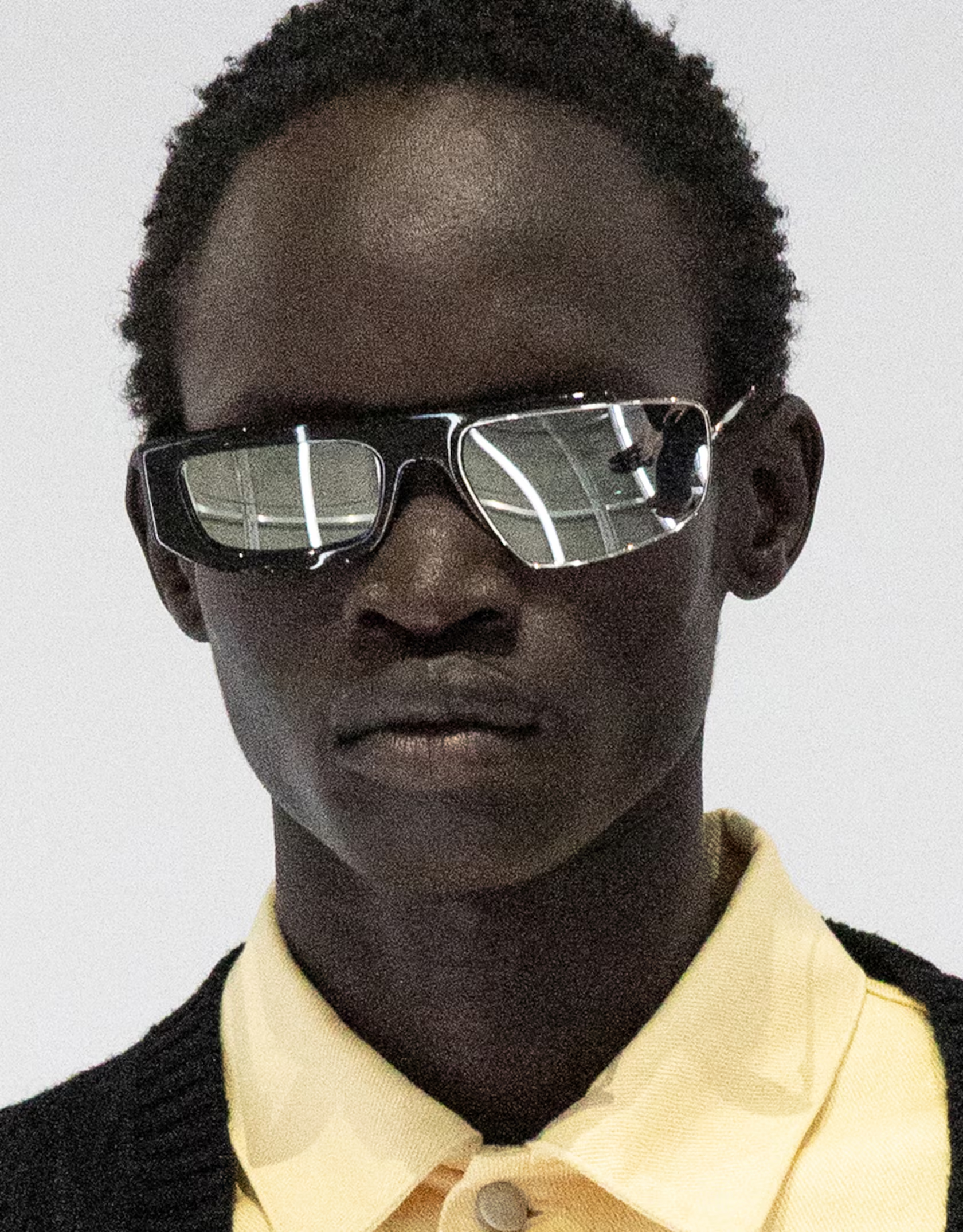
After years of oversized menswear dominating the runway and street style, Prada proposed something slimmer and more direct. Jackets were cropped, trousers hugged the leg, and some looks exposed a small strip of skin between the top and waistband. The effect felt young, slightly retro and quietly rebellious. There were echoes of early 2000s dressing, but the collection avoided becoming nostalgic. Instead, the skinny fit returned through Prada’s language of discipline and restraint.
The simplicity of the clothes gave the accessories room to speak. Belt bags and small nylon pouches appeared attached to trousers or hanging from the hip, turning practicality into one of the collection’s clearest visual ideas. These were not the sporty waist bags often associated with festivals or travel. Styled with blazers, slim trousers and cropped jackets, they felt more polished and intentional. Prada made the practical bag feel like part of the outfit rather than an afterthought.
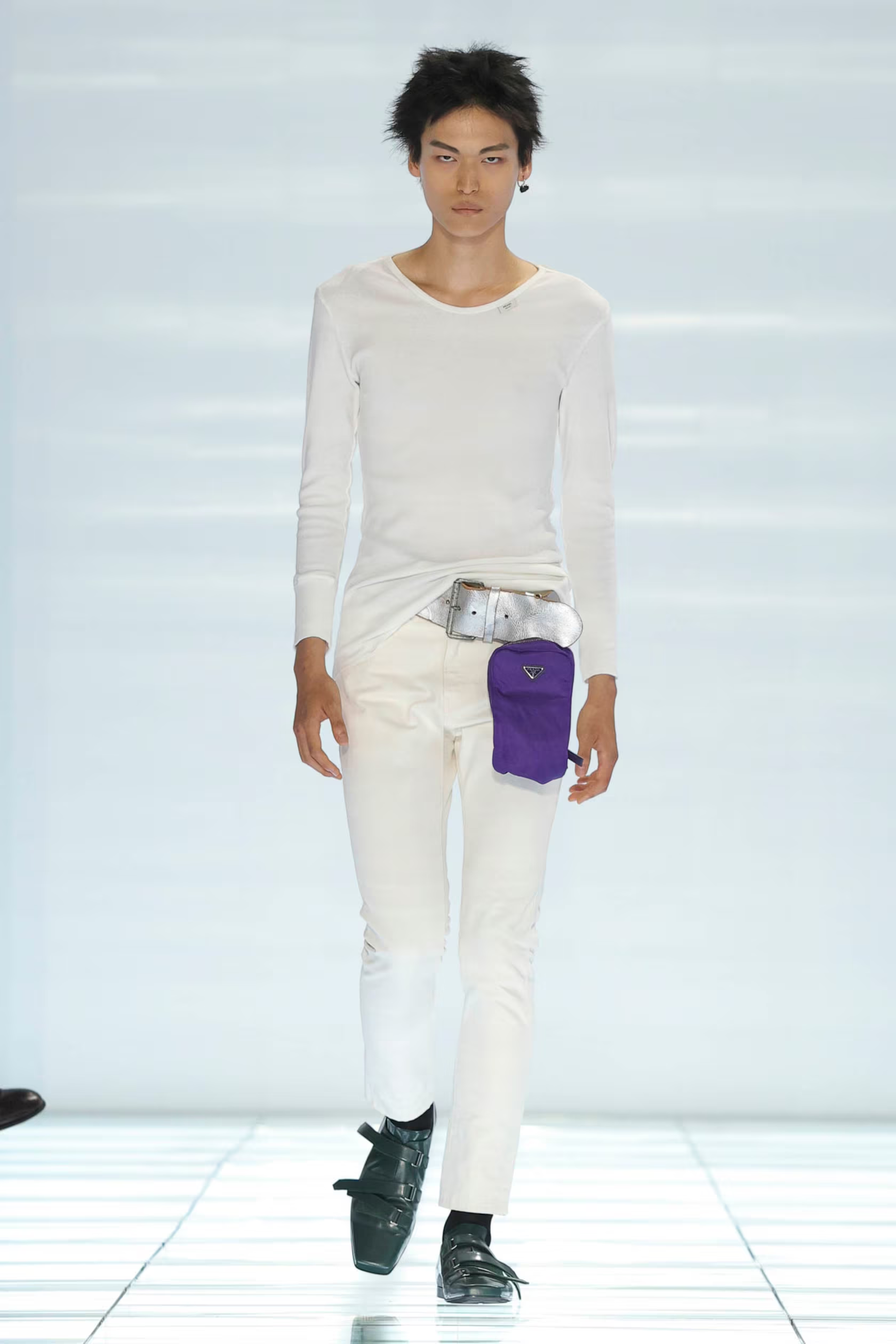
Men’s bags have become one of the most visible shifts in contemporary style. Actors, musicians and footballers now use accessories as part of the image, from leather totes to crossbody bags and small pouches. Prada’s waist-worn versions sharpen that shift. They are useful, but they also change the attitude of a look. They add color, alter the line of the body and make functionality feel styled.
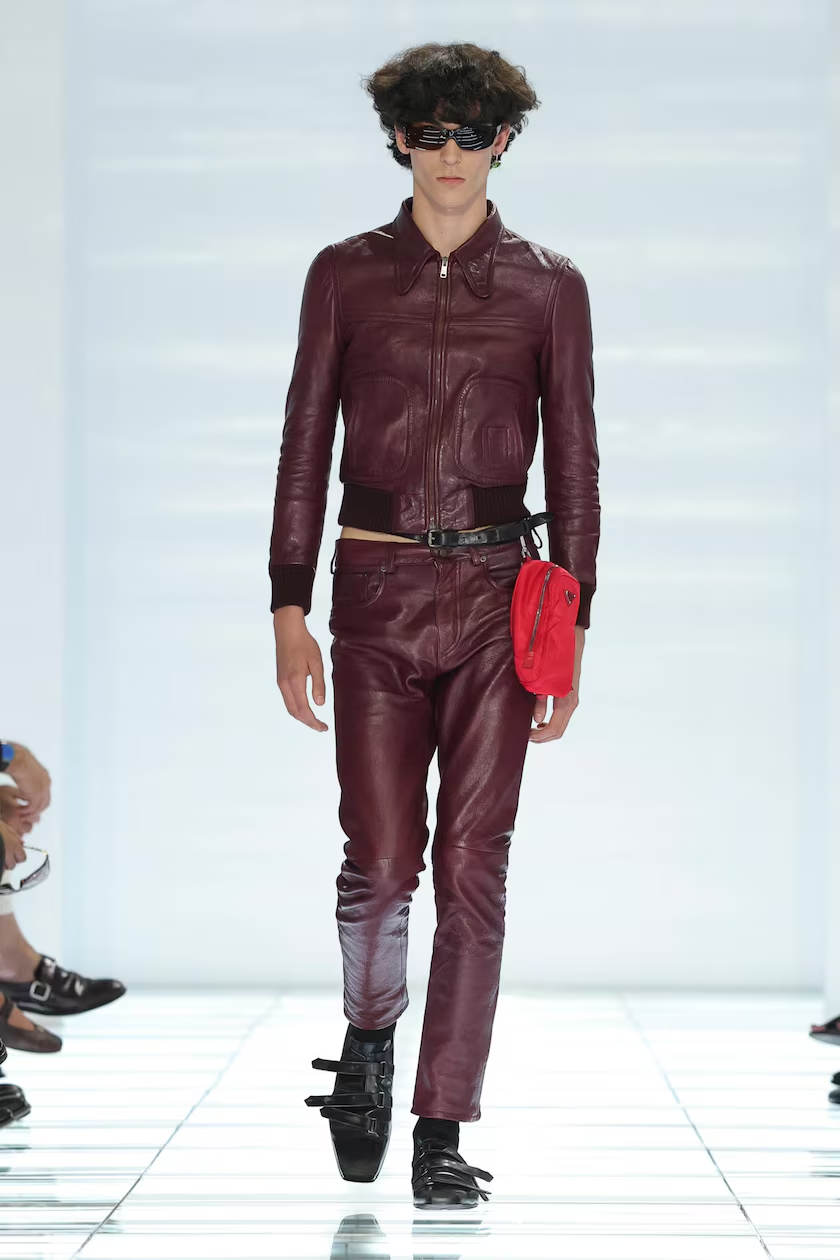
The show continued Prada’s ability to make ordinary clothes feel slightly unfamiliar. A T-shirt was no longer just a T-shirt. A denim jacket was cut with the sharpness of a shirt. A belt became a place for color, movement and function. Even the sunglasses carried a strange humor, appearing with mismatched frames that gave the looks a subtle eccentricity. Prada’s minimalism was present, but it was never empty.
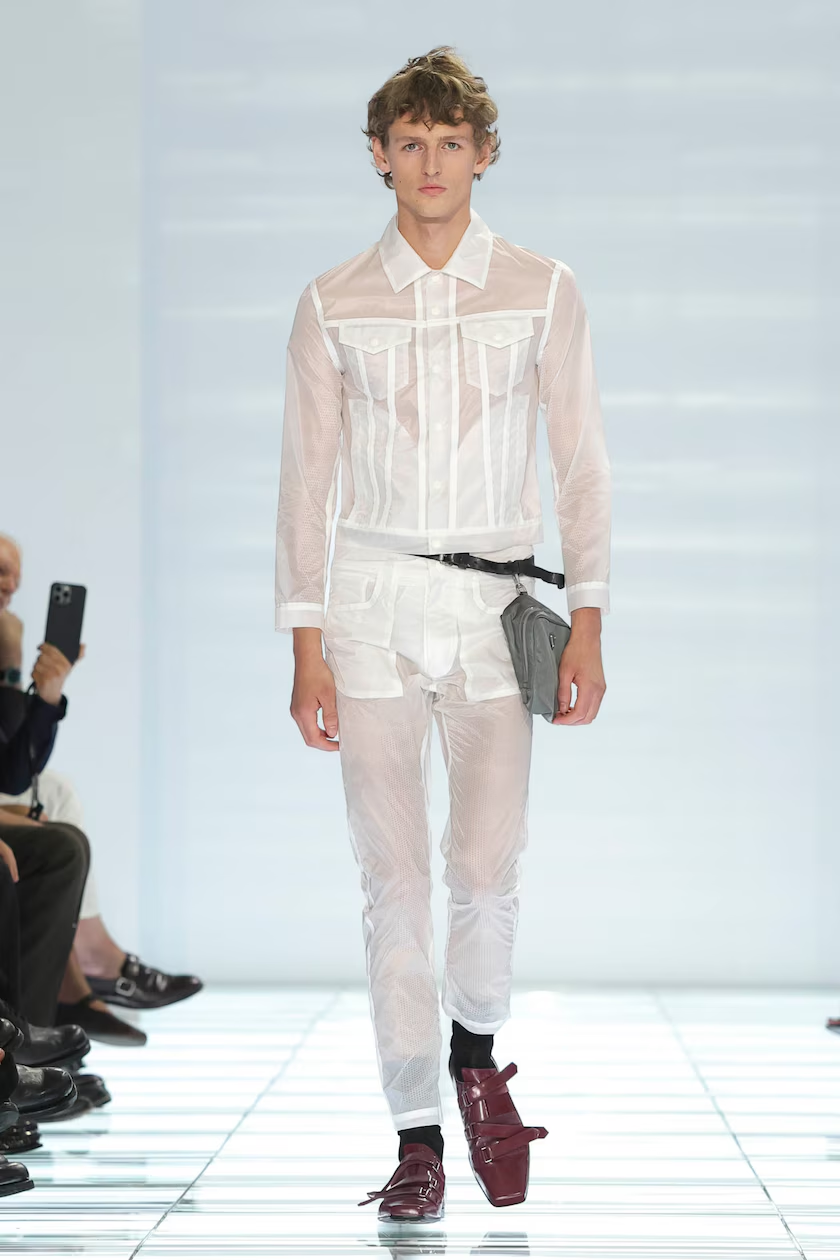
Repetition gave the collection its rhythm. Slim jeans, cropped jackets, simple tops, practical bags and flashes of odd color appeared again and again, each time slightly altered. The familiar wardrobe became a system of small disruptions. Nothing felt overdesigned, yet nothing looked casual by accident.
Menswear has spent several seasons moving between spectacle, nostalgia and celebrity-driven styling. Prada took another route. Its impact came from attention: looking again at the garments people usually stop noticing. The collection asked how much can change when the clothes remain familiar, but the proportions, materials and styling become more precise.
Prada’s menswear presentations often introduce the first version of a seasonal mood before the house develops or transforms those ideas in womenswear. The set, atmosphere, silhouettes and styling choices can become early clues. For Spring/Summer 2027, the first image is one of clarity: fewer distractions, sharper basics, closer proportions and accessories with purpose.
The collection does not suggest that fashion needs to abandon experimentation. It shows that experimentation can begin with what is already there: a pair of jeans, a white T-shirt, a belt, a small bag, a jacket cut slightly shorter than expected. Prada took the pieces people return to every day and made them feel newly charged.
The future of menswear may begin with the clothes we already own, seen through a sharper eye.