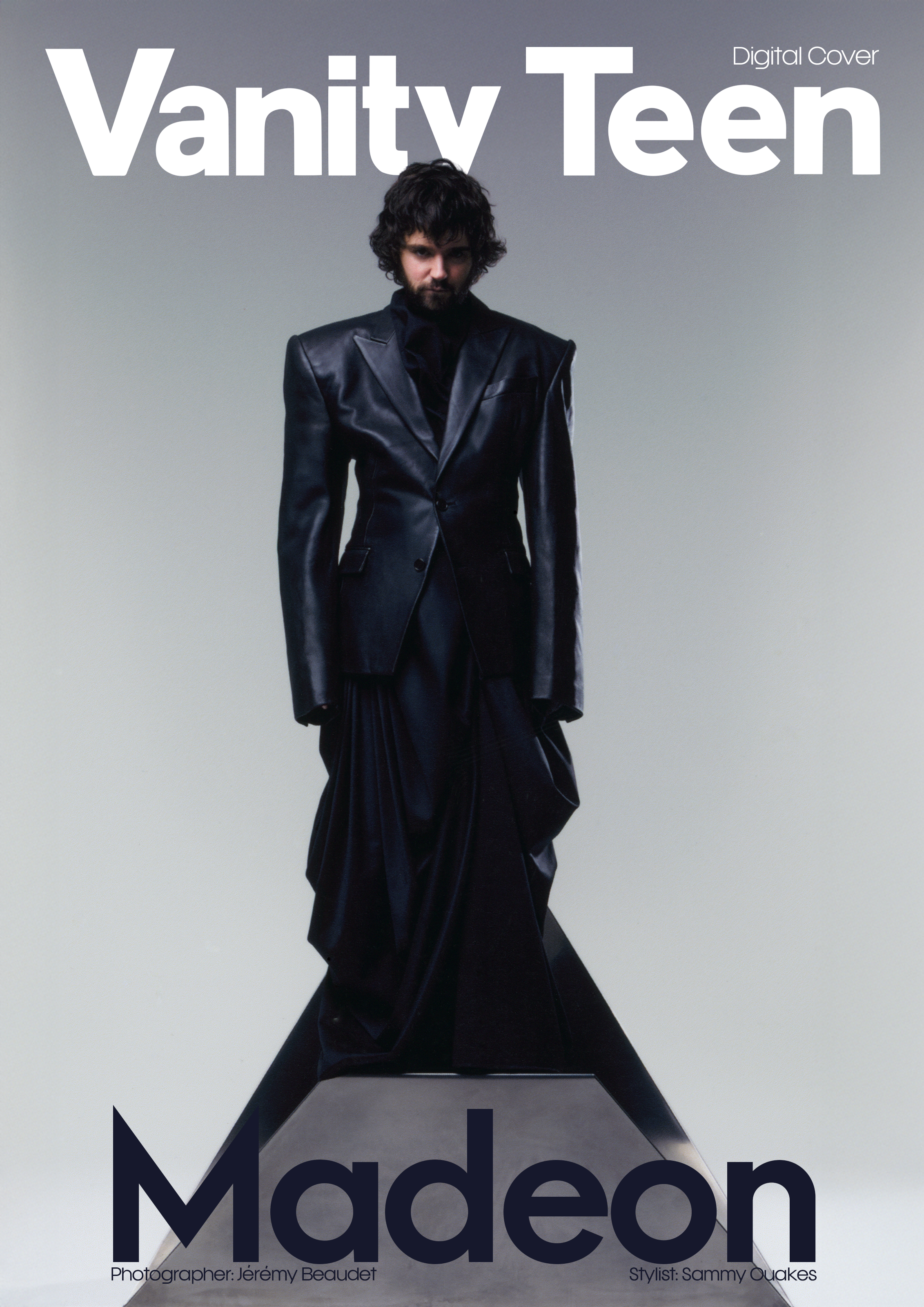
Vanity Teen’s exclusive July Digital Cover doesn’t celebrate victory: it questions it.
Seven years after Good Faith, Madeon returns with Victory, an album that turns heartbreak into architecture, vulnerability into spectacle, and reinvention into a creative discipline.
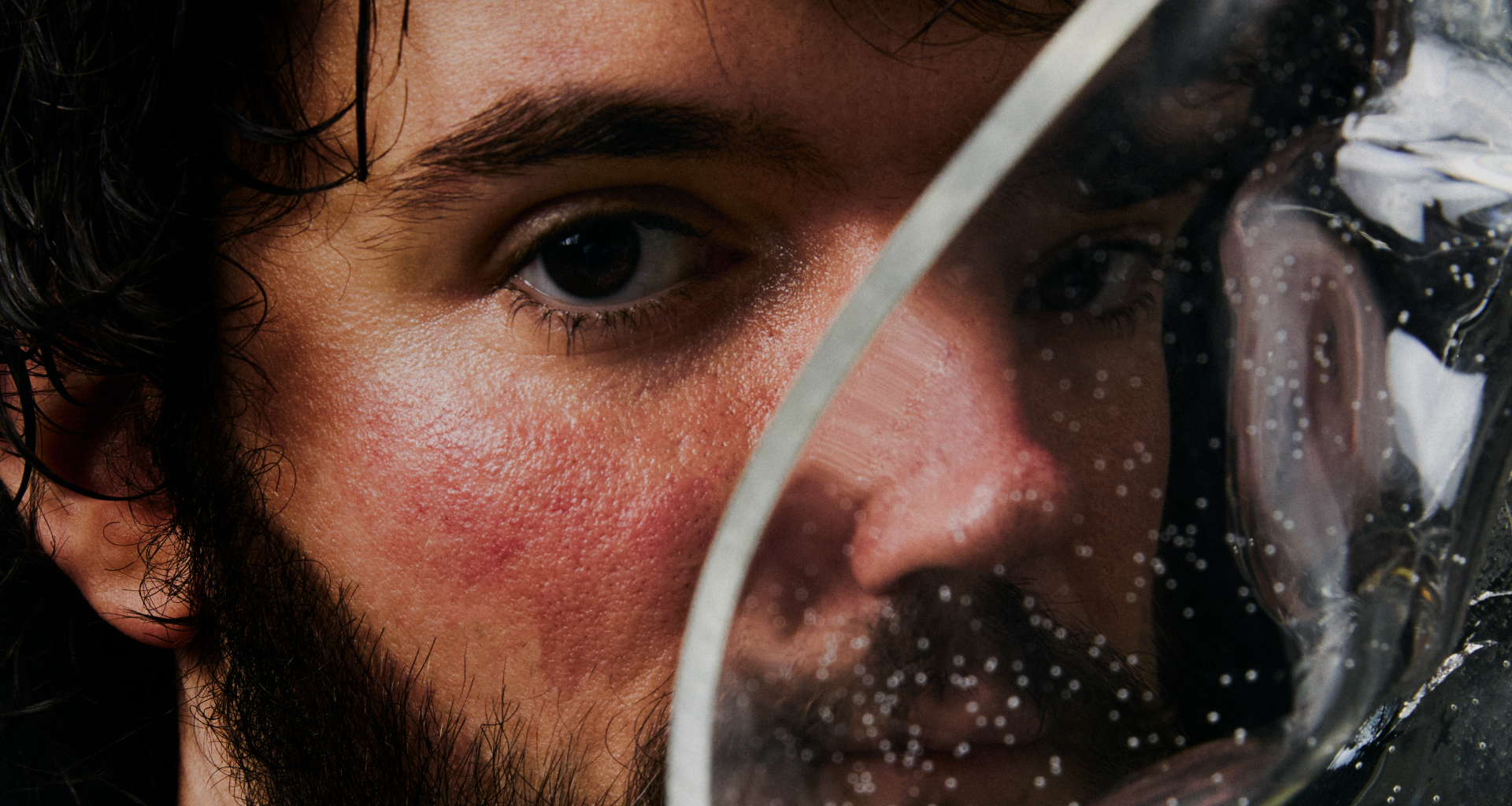
Music, fashion, performance, graphic design and illusion collapse into a single universe where every image carries the weight of a confession, and every song becomes another attempt to make Madeon catch up with Hugo Leclercq.
For our July Digital Cover, the French artist reflects on identity as performance, the freedom hidden inside risk, the beauty of building worlds instead of simply making records, and why perhaps the greatest victory isn’t winning at all, it’s refusing to accept defeat.
Victory feels born from rupture and reinvention. If this era is a “victory,” what exactly are you winning against: a person, an idea of yourself, or the industry surrounding you?
The original inspiration was heartbreak, the desperation to win a breakup, but I think that idea is universal: denying defeat.
In your recent work, identity feels increasingly performative, almost like a mask that can be worn, removed, and rebuilt. How much of Madeon is still Hugo Leclercq, and how much has become a character you’ve learned to direct?
You’re right, but I think the mask is easy to see through. Nobody is falling for it. In a way, seeing through the mask people are trying to conceal themselves behind is even more revealing than transparency.
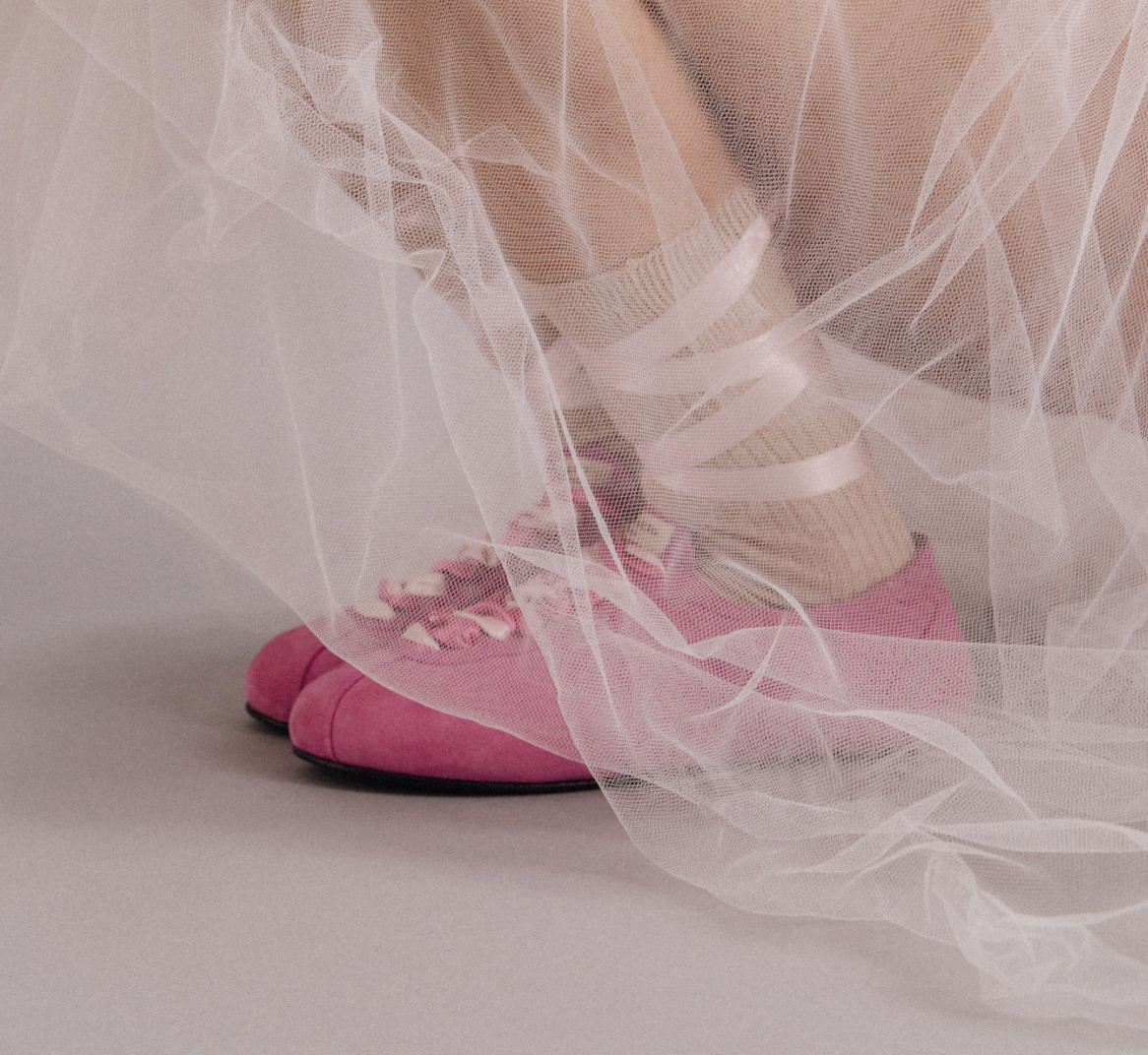
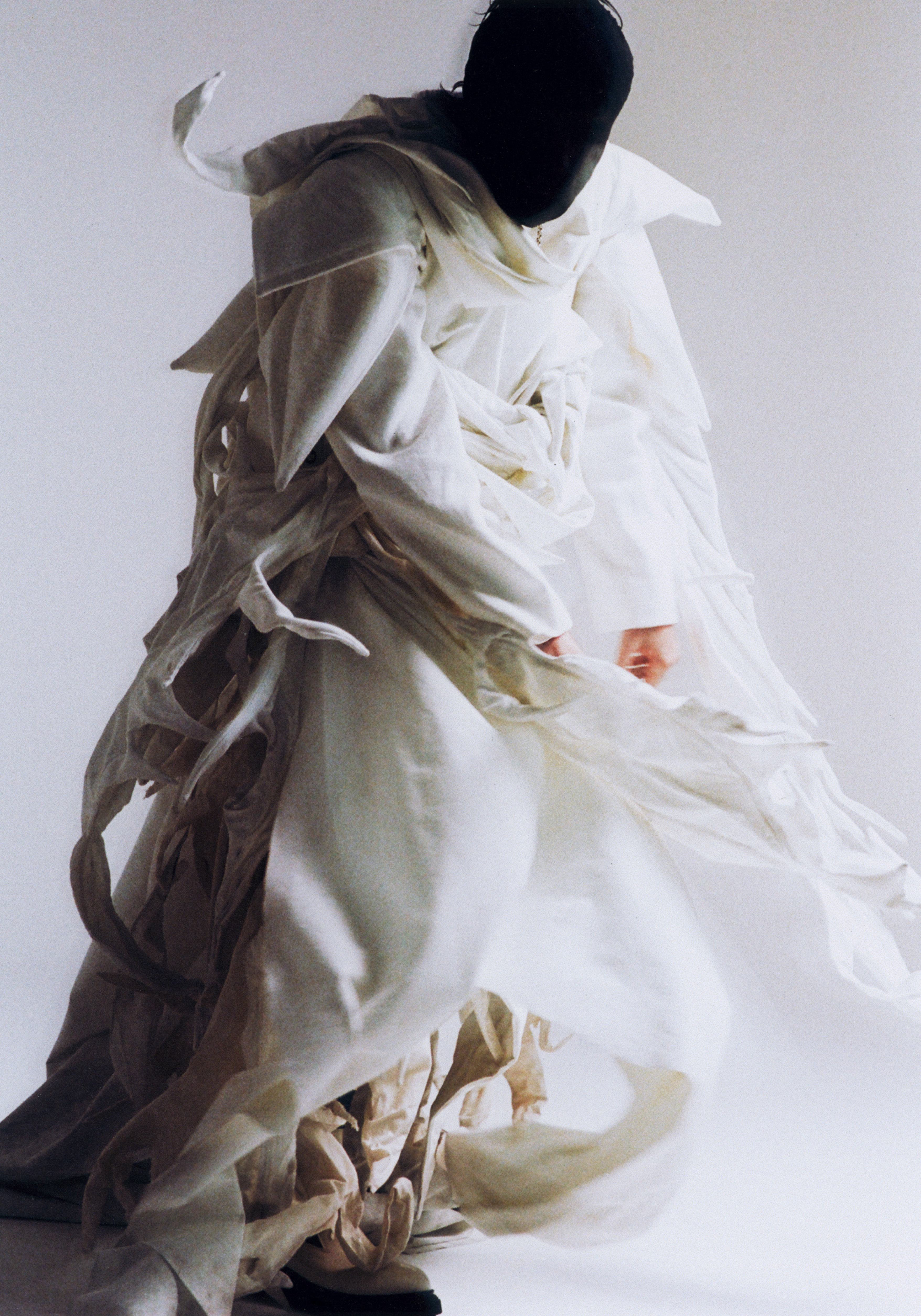
In Victory, fashion and costume seem to carry as much narrative weight as the music itself. If you removed the sound entirely and left only the imagery, would the project still exist, and what story would it tell?
That’s a really cool question. When I started shooting the photos for the project with Jeremy Baudet and Sam Souakes, I intentionally decided not to play them any of the music. I wanted to describe my vision with words rather than let their interpretation of the sound shape their decisions. I was worried that if they heard the rock guitars, they would naturally gravitate toward a certain punk aesthetic, and that wasn’t what I had in mind. So I think that, even though everything begins with the music, I was able to build part of that world without it.
You’ve described parts of this music as feeling “forbidden.” What makes an idea dangerous to you today: its emotional honesty, its form, or the possibility of losing control over it?
In a concrete sense, part of the danger was the risk of losing it all, of hurting my career by making music that isn’t what people naturally expect from me. It felt exhilarating, but occasionally strangely vertiginous. That same fear also applies to the writing and its naked honesty in songs like Lonely Space Age.
The visual universe of Victory introduces clones, doubles, and alternate versions of yourself. Which version of Hugo are you trying to leave behind, and which version are you fighting to protect?
I think artists are always trying to leave a version of themselves behind while chasing another possibility. For me, the engine of every new album or era is the eagerness to make Madeon catch up with Hugo. As my taste evolves, I want the art to evolve with it. Someday my taste will change again, and I’ll once again be desperate to move forward.
You’ve built a career where music, technology, design and visual storytelling are inseparable. Do you feel closer to being a musician or an architect of digital worlds, and when did those identities become one?
Since childhood I’ve been a tinkerer. I’ve always been curious about different creative paths, from music to magic, graphic design and animation. I see Madeon as the culmination of all those interests. To me, these worlds are fundamental. Some days I feel that music allows me to create worlds; other days it feels like those worlds are what allow me to create music.
You once described your online creative life as a secret second existence. In today’s hyper-visible culture, where does your creative intimacy still live?
It used to feel like that when I first started, but as an adult those things completely overlap. I’ve been Madeon for most of my life now—for my entire adulthood. I still create in private, but I’m always aware that what I’m making might eventually be shared. I actually feel good about that. I think not having an audience to speak to would discourage me.
Victory constantly moves between euphoria and emotional collapse, confidence and vulnerability. Are you still interested in representing happiness, or does it now feel more honest to explore what happens immediately after it disappears?
Over time, I want to represent everything that matters. I like that Victory exists in a completely different world from my previous albums; it captures a very specific moment in my life. Ten years from now, I’ll be able to listen to it and immediately return to exactly where I was when I made it.
You’ve collaborated with some of the most influential artists of your generation and performed on the world’s biggest stages. When you strip away the collaborations, the festivals, the visuals and the streaming numbers, what remains at the core of who you are as an artist?
I think I’m curious, and I’m a maker. I think I’m a brain trying to make sense of a heart.
Finally, imagine writing a letter to your future self ten years from now. What do you hope you will have forgotten, what do you hope you will have understood, and what do you hope you will never betray about the person you are today?
I think about this constantly. I hope I won’t forget too much. I hope I’ll conquer new parts of the human experience. I want to have kids eventually. Above all, I hope I’ll stay curious—and free.
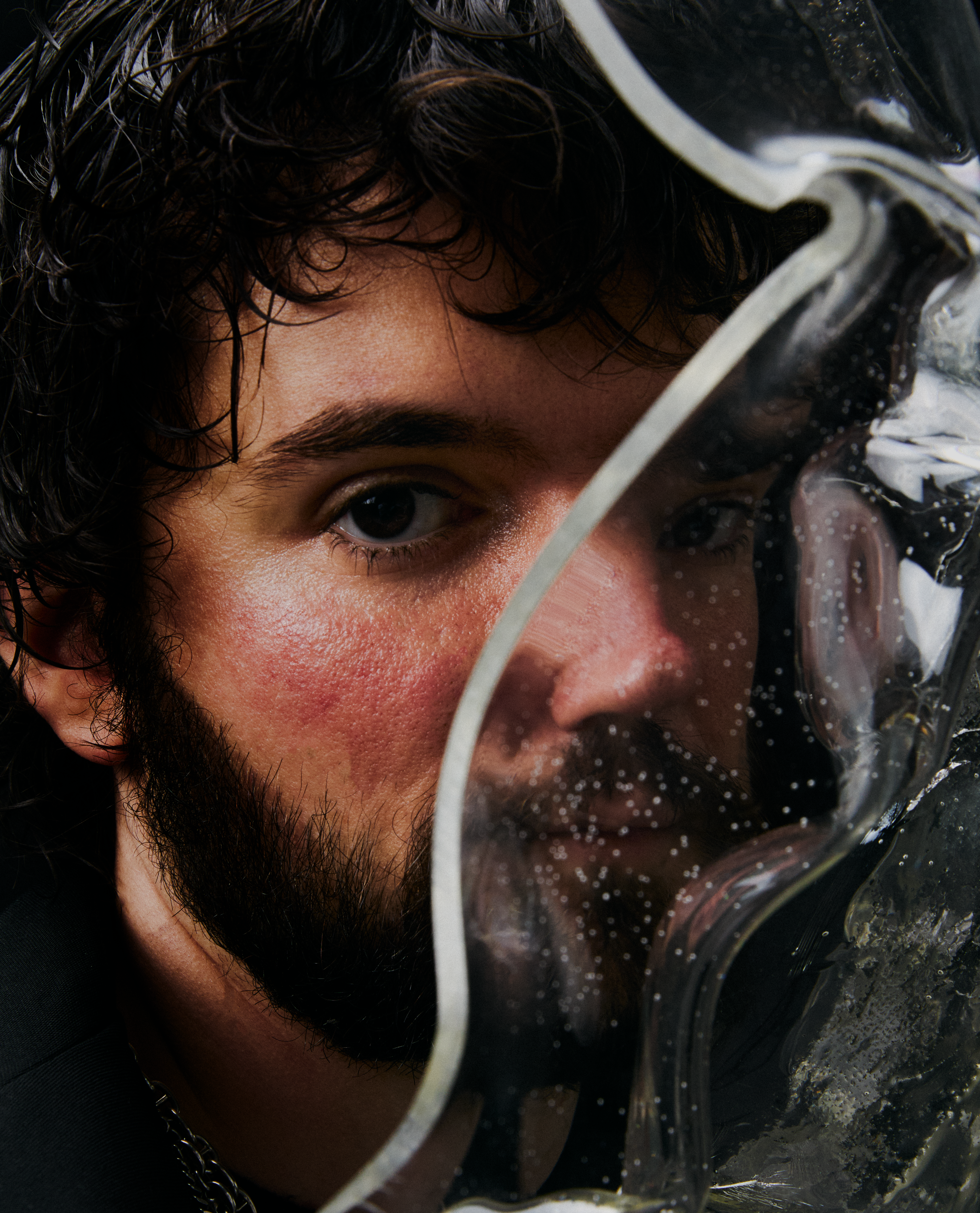
CREDITS
Talent: Madeon
Photographer: Jérémy Beaudet
Stylist: Sammy Ouakes
Artistic Director: Rose Zhang
Cover Designer: Davide Caruso
Lighting: Maxime Hemery & Quentin Aussant
Styling Assistants: Yelena Rihan & Yuri Lelong
MC: Claire Villard