There are exhibitions that ask to be seen, and then there are those that ask to be felt.
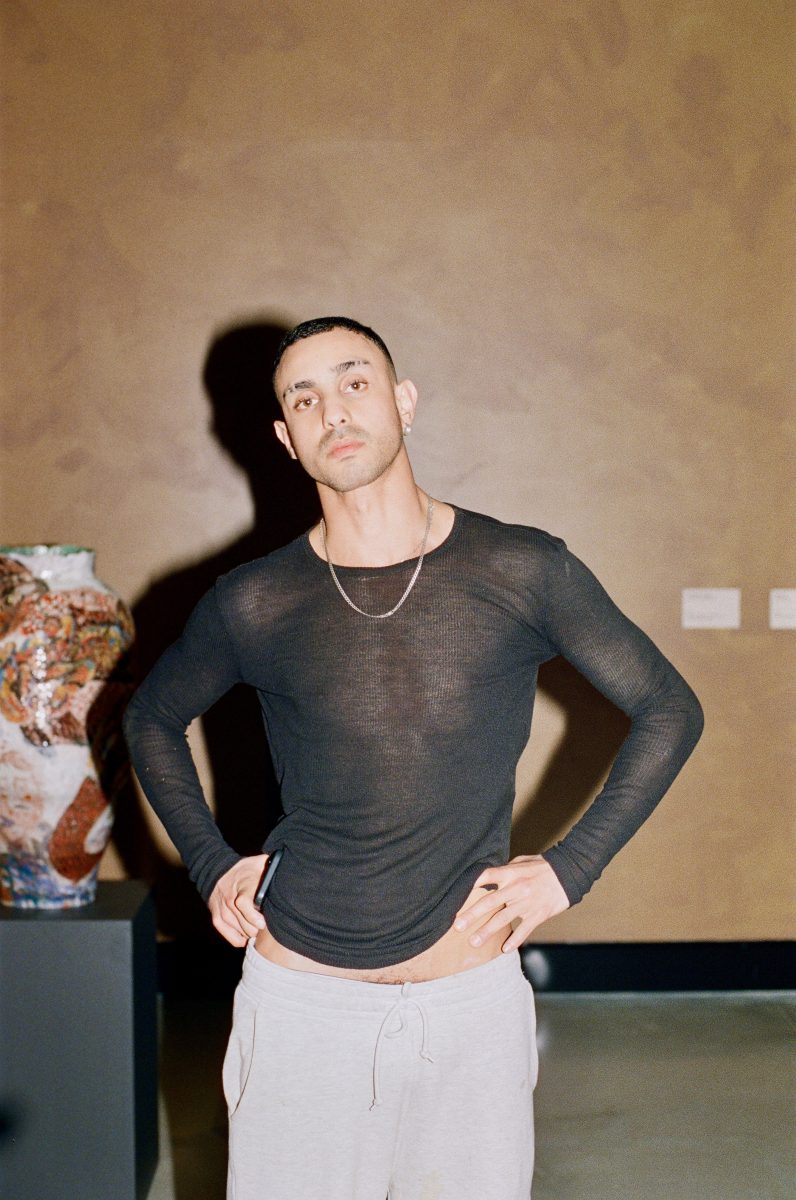
With Rites of Affection, his first museum solo exhibition at Lahti Museum of Visual Arts Malva, Karim Boumjimar offers the latter: an immersive meditation on the body, time, and the fragile architectures of human intimacy.
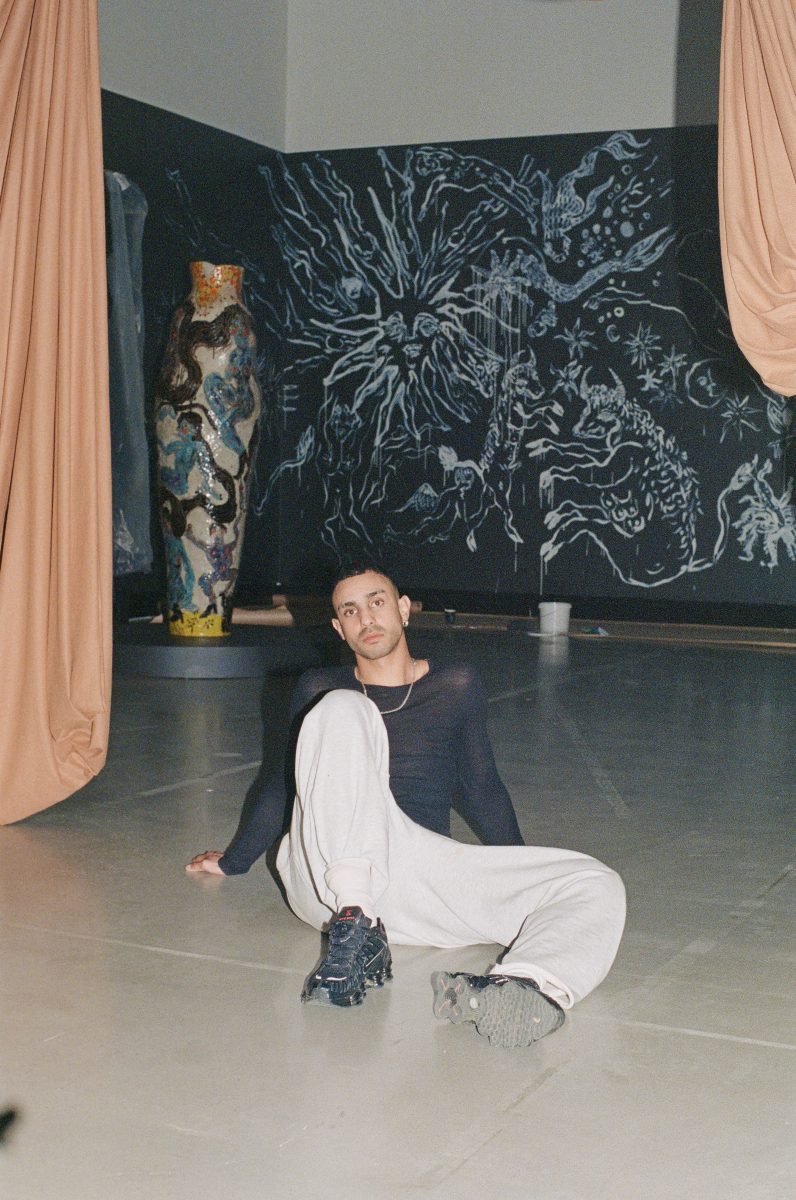
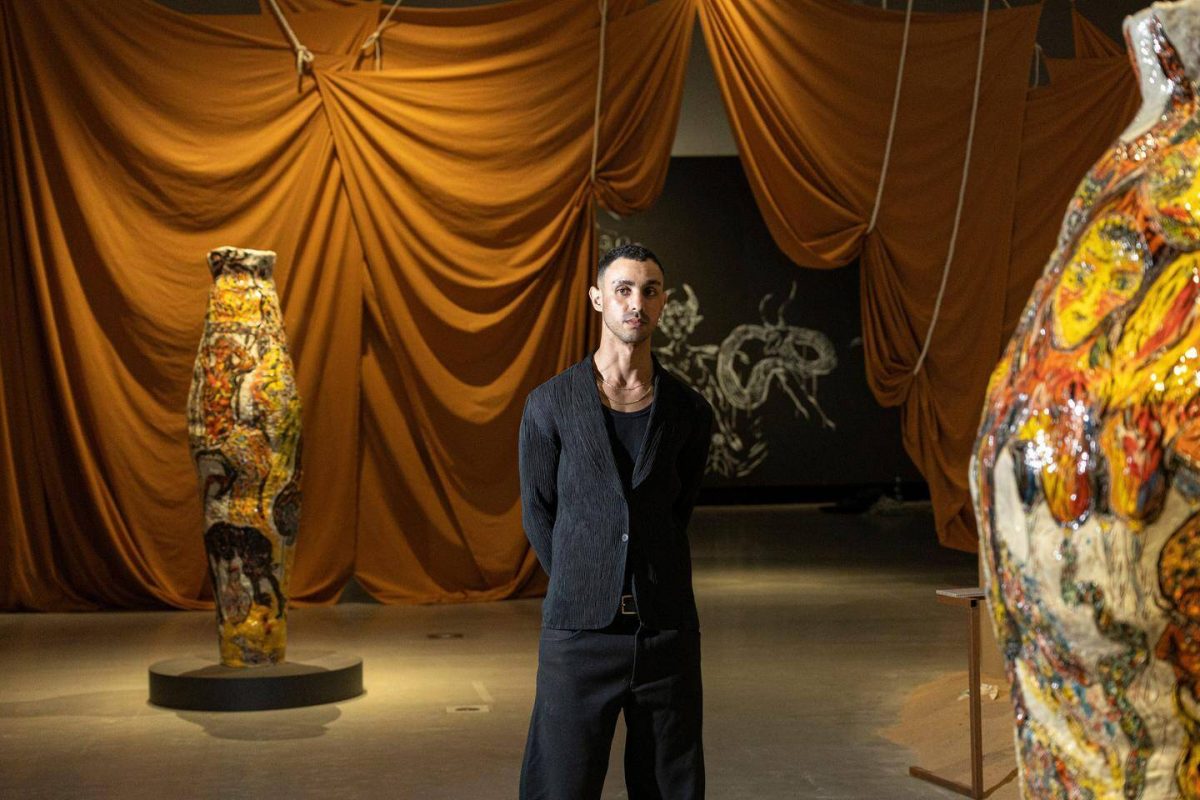
Installed on the third floor of Malva and running from 10 April to 13 September 2026, the exhibition unfolds less like a conventional survey and more like a lived passage through memory.
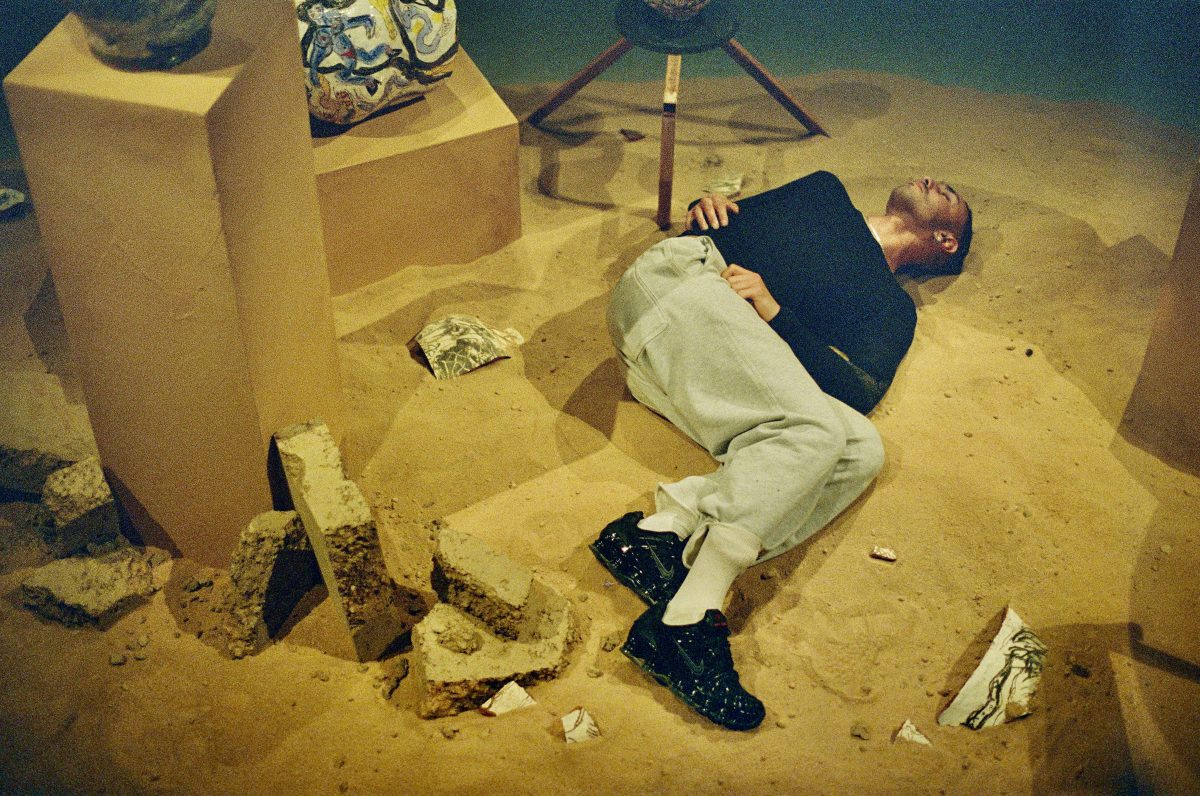
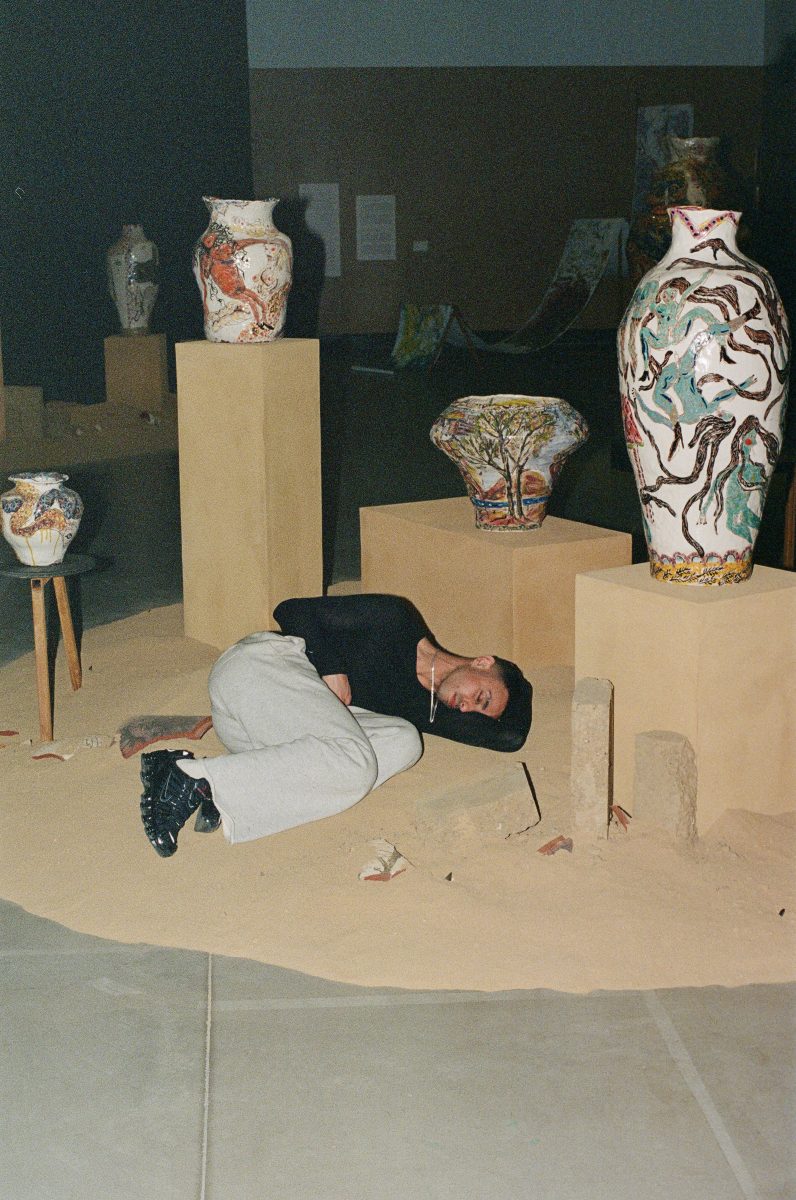
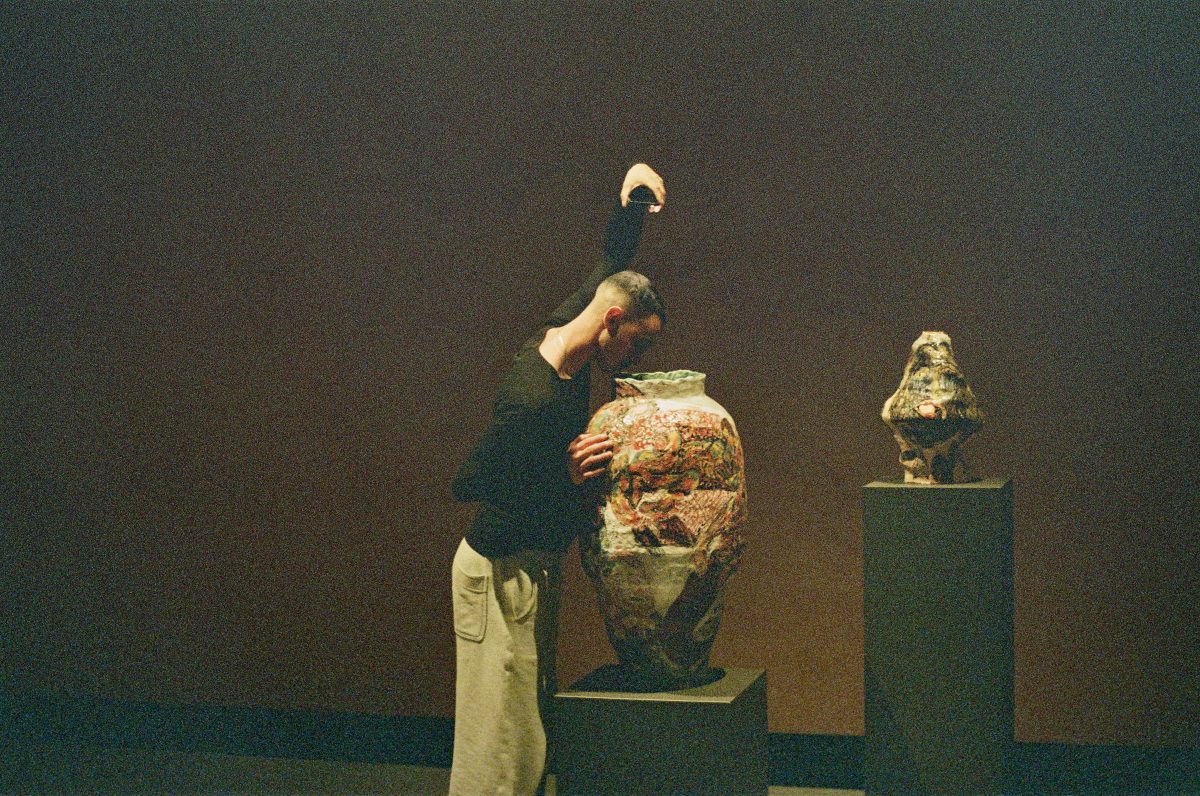
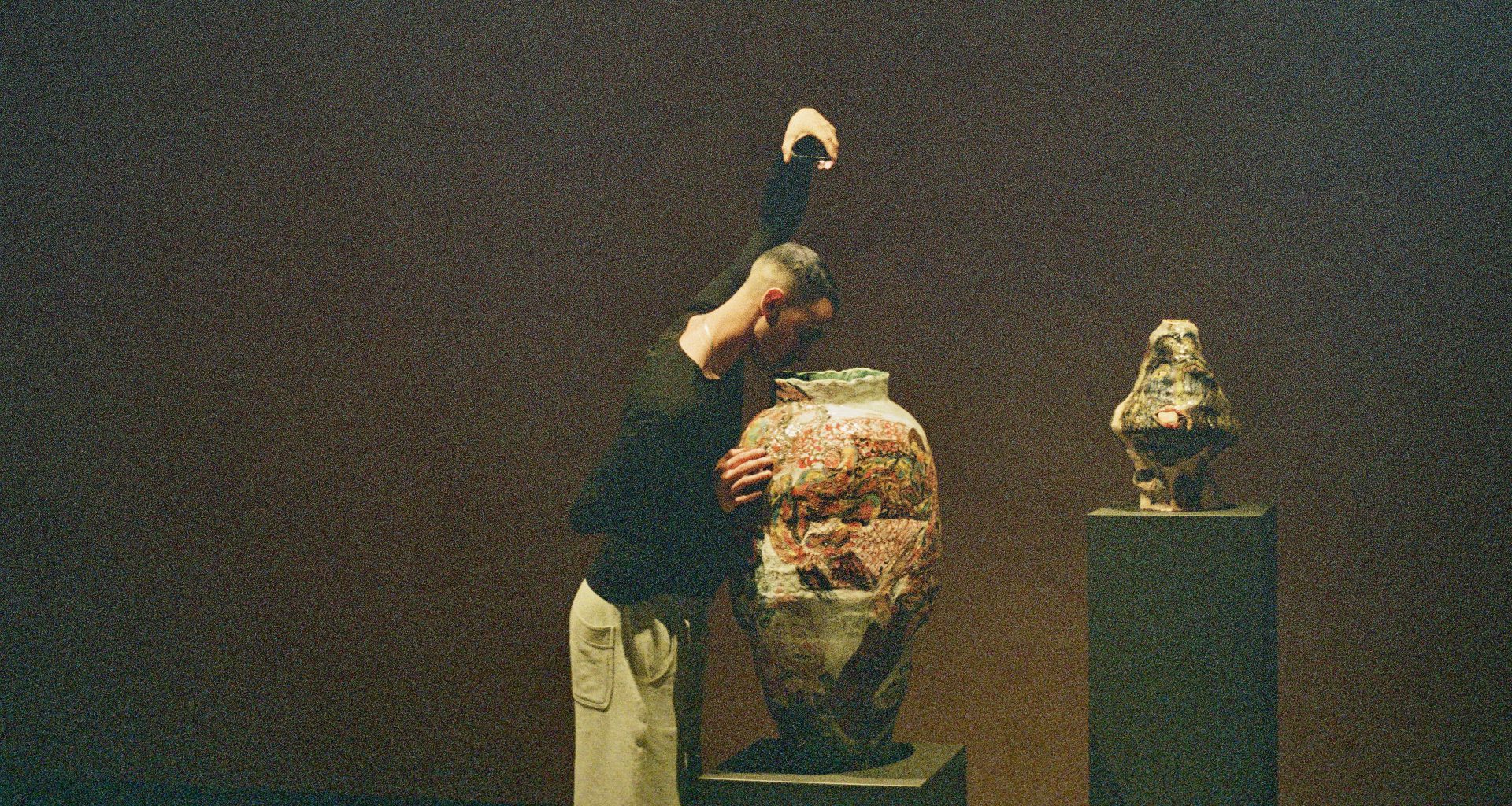
Monumental vessels, some weighing up to 400 kilos, sit in the space like relics from another existence, their mass almost geological in presence.
The floor appears fractured, almost ruined, as though time itself has pressed its weight into the room. What emerges is not destruction for its own sake, but a landscape marked by endurance — a terrain where erosion becomes a language.
This dialogue between permanence and disappearance lies at the heart of Boumjimar’s practice.
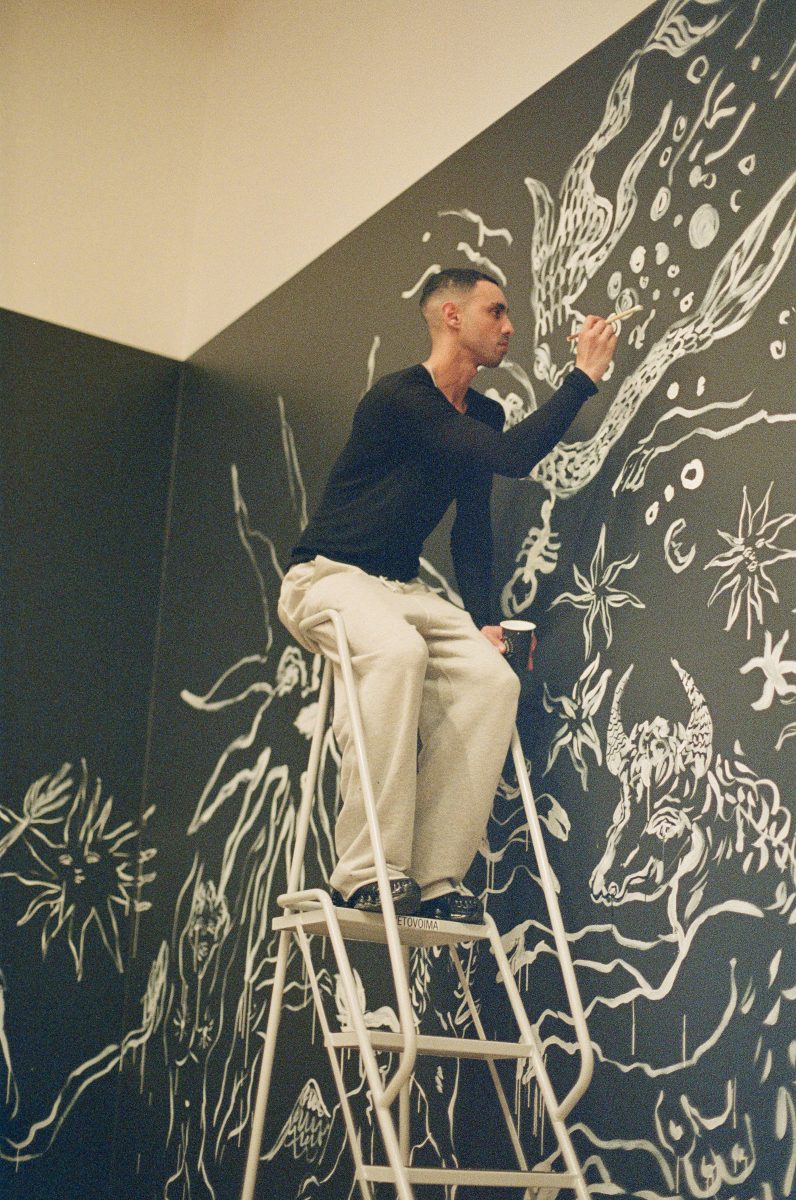
Across the canvases and sculptural interventions, bodies appear fragmented, dissolving into sweeping brushstrokes that recall the gestural intensity of Shodō, Japanese calligraphy. Limbs seem to drift in and out of focus; torsos dissolve into atmosphere; gestures remain suspended between movement and stillness.
The effect is strikingly fluid, as though the figures are caught in the very act of becoming.
Here, existence is never fixed.
Gender, in Boumjimar’s world, resists categorisation. The body becomes a porous site where identity moves freely, stripped of hierarchy and released from inherited structures of power.
Masculine and feminine codes blur into one another, not as a statement of ambiguity alone, but as an insistence on emotional truth over social construction.
These are bodies rendered with extraordinary vulnerability.
They drag, dance, collapse, and confront one another.
They are imperfect, exposed, and insistently human.
In many works, naked figures entwine with mythical animals and natural forms, creating dense compositions that feel almost primordial in their emotional force.
Flesh and foliage, instinct and ritual, tenderness and violence merge into what can only be described as a single, exquisite mess.
It is precisely in this messiness that Rites of Affection finds its power.
Affection, here, is not sentimental. It is ritualistic, corporeal, sometimes bruised. Boumjimar seems interested in the ways love and pain inhabit the same gesture — the same touch, the same movement of a hand across skin, canvas, or stone.
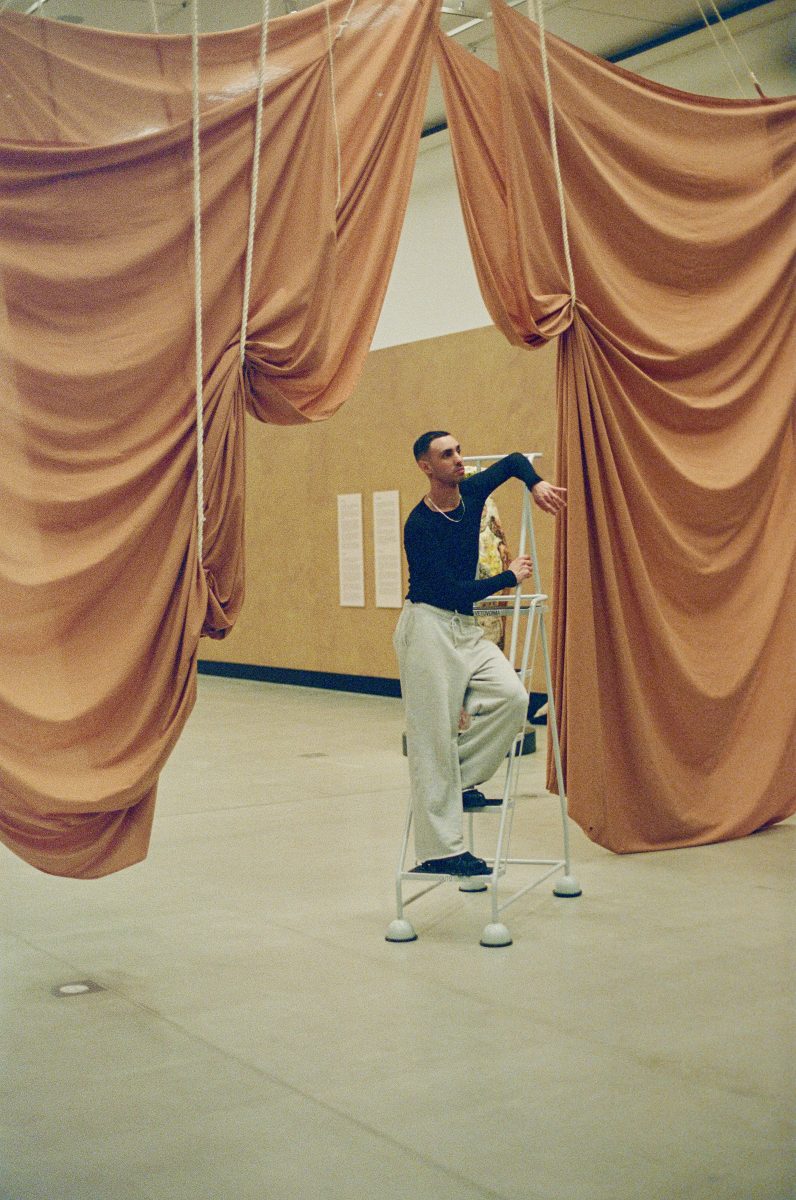
The exhibition expands further with the premiere of his film Traces of Spring, nestled within a softly theatrical environment of worn curtains and time-eroded benches.
The installation is almost haunting in its intimacy.
The soundtrack seeps through the space rather than simply accompanying the image, bleeding into the surrounding works and dissolving the boundary between cinema and architecture.
You do not merely watch the film; you inhabit its atmosphere.
There is a palpable humidity to the room, an almost mist-like presence that lingers at the edge of perception, as though memory itself had condensed into air. It is a rare kind of sensory choreography, one that invites slowness and rewards surrender.
What Boumjimar has created at Malva is not just an exhibition, but an emotional topography: a place where bodies fracture and reform, where time ruins and reveals, where affection becomes both rite and residue.
Long after leaving the gallery, the feeling remains.