Are young people getting tired of expensive clubs, inaccessible guest lists and nights spent filming themselves? And what are they looking for instead?
Nightlife has always changed with the generations. The music changes, the dress codes change, and eventually the places everyone once wanted to get into become the places the next generation wants to avoid. But something about going out in the 2020s feels particularly exhausting. The prices keep climbing, the guest lists get harder to access, and even a night that’s supposed to be about letting go can start to feel like another performance.
So, are we witnessing the death of the night out, or are we just waiting for a better version of it?
When the Night Was All Access
The history of nightlife is also a history of artificial light. As lighting technologies developed across Europe in the seventeenth and eighteenth centuries, urban life could stretch further into the evening. Cafés, theatres, taverns and other gathering places helped establish the night as a time for social life beyond the home.
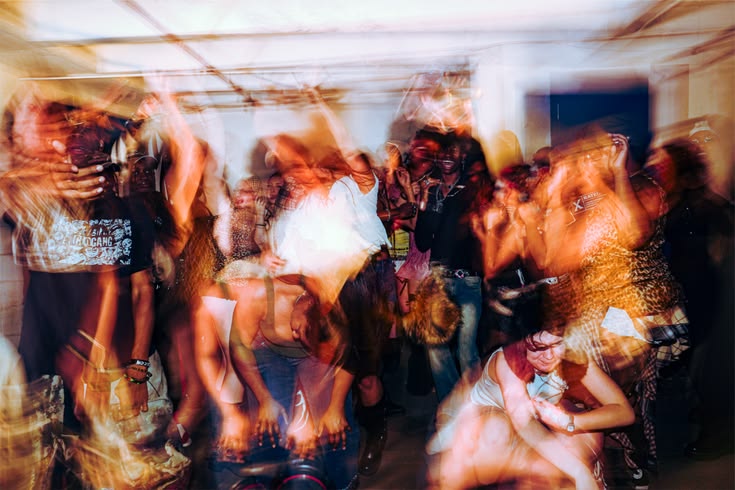
Over time, nightlife became about more than staying awake after dark. It created room for encounters that rarely happened during the working day: meeting strangers, flirting, dancing, experimenting with appearance and finding people who understood you.
For queer communities and other marginalised groups, particular bars, clubs and dance floors have also offered something more important than entertainment: the chance to exist outside the expectations imposed elsewhere. Disco, underground parties and rave culture each developed their own ways of bringing people together, with music, fashion and movement becoming tools for expression.
The night outs offered a temporary escape from ordinary life. You could arrive as one version of yourself and leave feeling like another.
The Price of Letting Go
For young people managing rent, food and everything else that seems to cost more every year, clubbing can become an occasional luxury rather than a regular part of life. You might save up for a concert every few months or spend money on one big festival each summer, hoping the experience will make up for all the nights you stayed home.
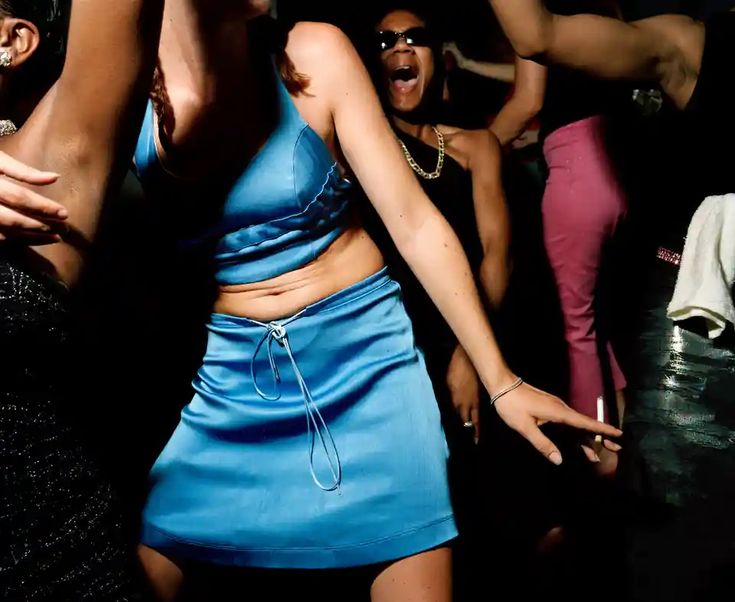
Sometimes it does. Sometimes you spend half the night queuing, overpaying for drinks and wondering why you bothered.
And yet, the things we’re paying for are not entirely replaceable. A night out can mean meeting someone new, finding a community, hearing music that changes your mood, flirting without knowing where it will lead, or simply dancing until you stop thinking about everything waiting for you the next morning.
GIRLS JUST WANNA HAVE FUN. And so does everyone else. Having fun shouldn’t feel like a financial decision that requires a spreadsheet.
When the Club Becomes a Product
The problem isn’t just the price of entry. It’s also what the experience has become.
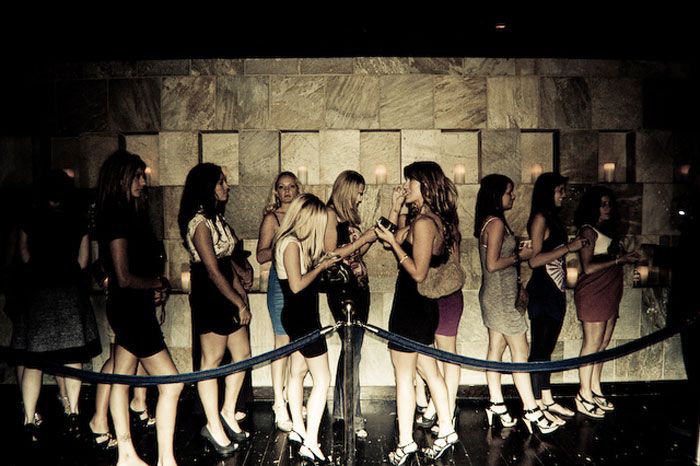
When every detail is curated for maximum visibility, the dance floor starts to feel like another stage. The DJ becomes part of the branding, the crowd becomes part of the visual identity, and the night itself becomes content. Social media isn’t the sole reason for this shift, of course. People have always dressed to impress, and clubs have always sold fantasies. But constant documentation adds another layer of self-awareness to an experience that is supposed to let you forget yourself for a while.
There is also a contradiction in how nightlife sells inclusivity. A venue can promote itself as a safe space while keeping entry expensive and exclusive, or advertise openness while the same social hierarchies remain on the dance floor. A rainbow flag or a carefully worded statement cannot, on its own, create a genuinely welcoming environment.
The Search for Another Kind of Night Out
Gen Z hasn’t necessarily stopped wanting to socialize. The alternatives suggest that the desire for collective experiences is still there. Daytime parties in parks, outdoor DJ sets and informal gatherings offer a different entry point. You can meet friends, listen to music and spend time with strangers without committing to an expensive evening indoors. They can feel more relaxed and accessible, although the weather is not always on your side, and once a format becomes popular, commercialisation often follows.
Another possibility is the return of the third place: somewhere that isn’t home or work, where you can spend time without having to buy an expensive ticket or commit to an entire evening. Cafés, community spaces, small bars, listening rooms and informal creative gatherings can all serve this purpose.
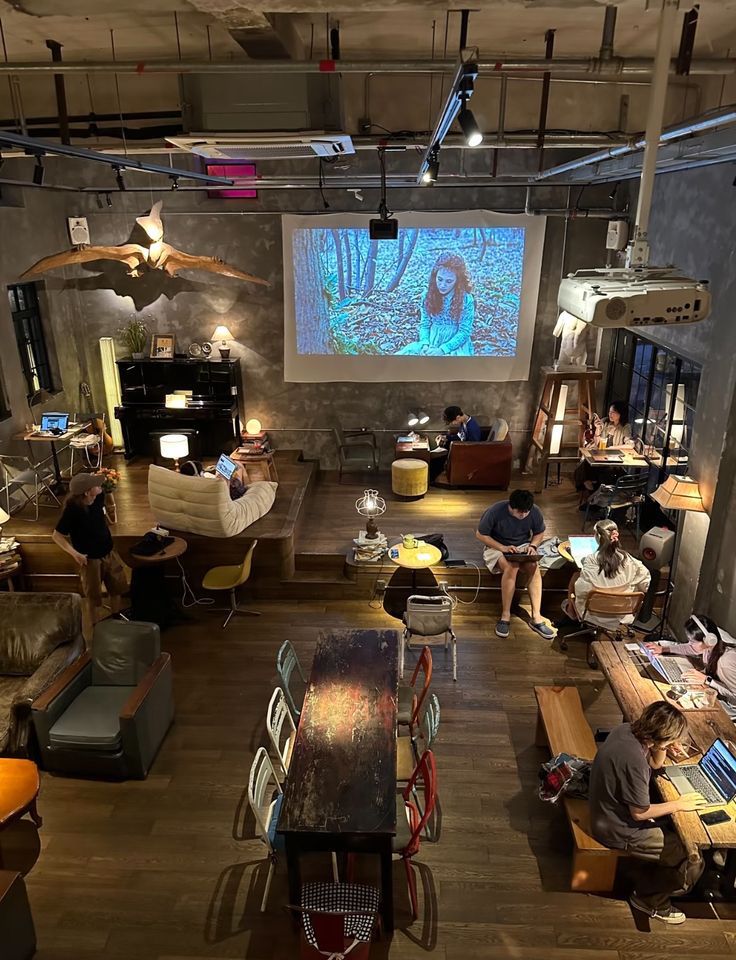
But these places don’t necessarily offer the same thing as a night out. A coffee shop might give you somewhere to meet a friend, but it doesn’t always provide the collective release of dancing in a packed room. A daytime event can be fun, but it might not offer the strange freedom of being out at 2 a.m., surrounded by people you have never met.
We need different kinds of spaces, not necessarily one replacement for the club.
Wellness Is Great, But Can We Dance Too?
There’s a growing appeal in activities that promise to make us feel better: running clubs, Pilates classes, creative workshops and hobbies that give structure to the week. Some of these genuinely build community, and there’s nothing wrong with choosing a morning run over a late night.
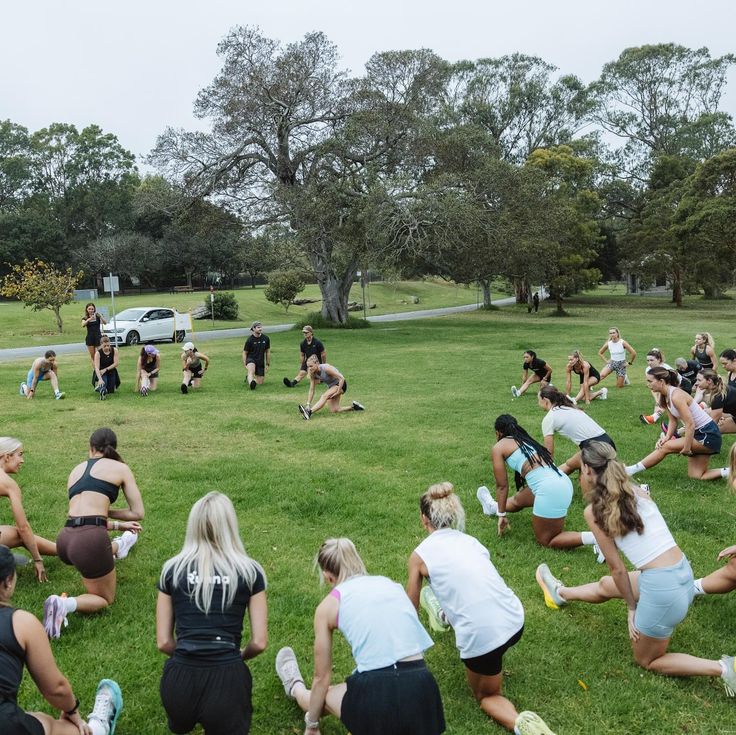
But there’s a difference between feeling good because you’ve taken care of yourself and feeling free because you’ve temporarily stopped trying to optimise yourself.
Even leisure can become another project. You pick a hobby, develop an aesthetic around it, document your progress and turn it into part of your identity.
A night out can be gloriously unproductive. You can dance badly, talk nonsense, meet someone unexpected and come home with nothing to show for it except a memory. Not everything needs to improve your health, build your network or become a new interest.
Maybe that’s part of what we’re missing: a space where the point isn’t to become a better version of yourself.
So, Is the Night Out Dead?
The desire to lose ourselves on a dance floor hasn’t disappeared. Despite all the statistics about Gen Z drinking less than Millennials did at the same age, I genuinely believe we’re still down to lose it every once in a while. We just don’t want to hear Rihanna’s Umbrella for the hundredth time at a club. We love the song, obviously, but if the only options are overcommercialised venues, tacky vibes, overpriced drinks and sticky floors, then yeah, we’d rather stay home. Also, we have had enough nostalgia.
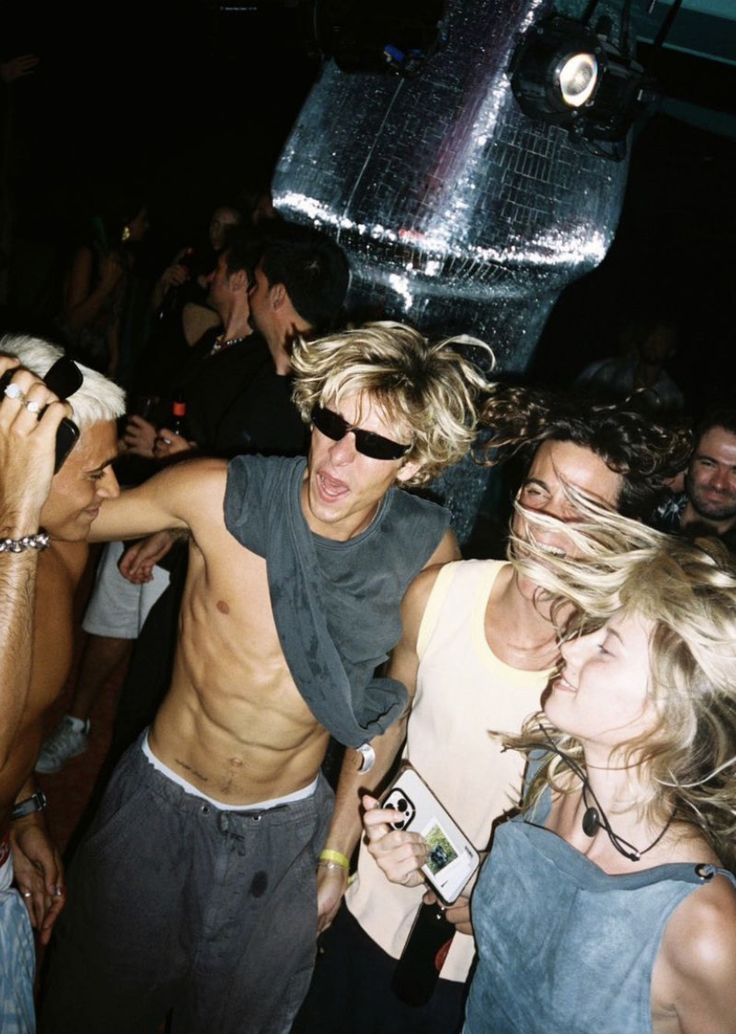
Maybe we just want places that don’t try so hard. Places that feel open to everyone, aren’t built around an impossible guest list, and actually understand what makes a night enjoyable. You don’t need to make a venue the most unreachable place on earth to make it feel special. Sometimes a good DJ, a crowd that actually wants to be there and the freedom to be a little embarrassing are enough.
The night out isn’t dead. Maybe we’re just tired of paying so much for an experience that promises freedom and leaves us disappointed instead.