


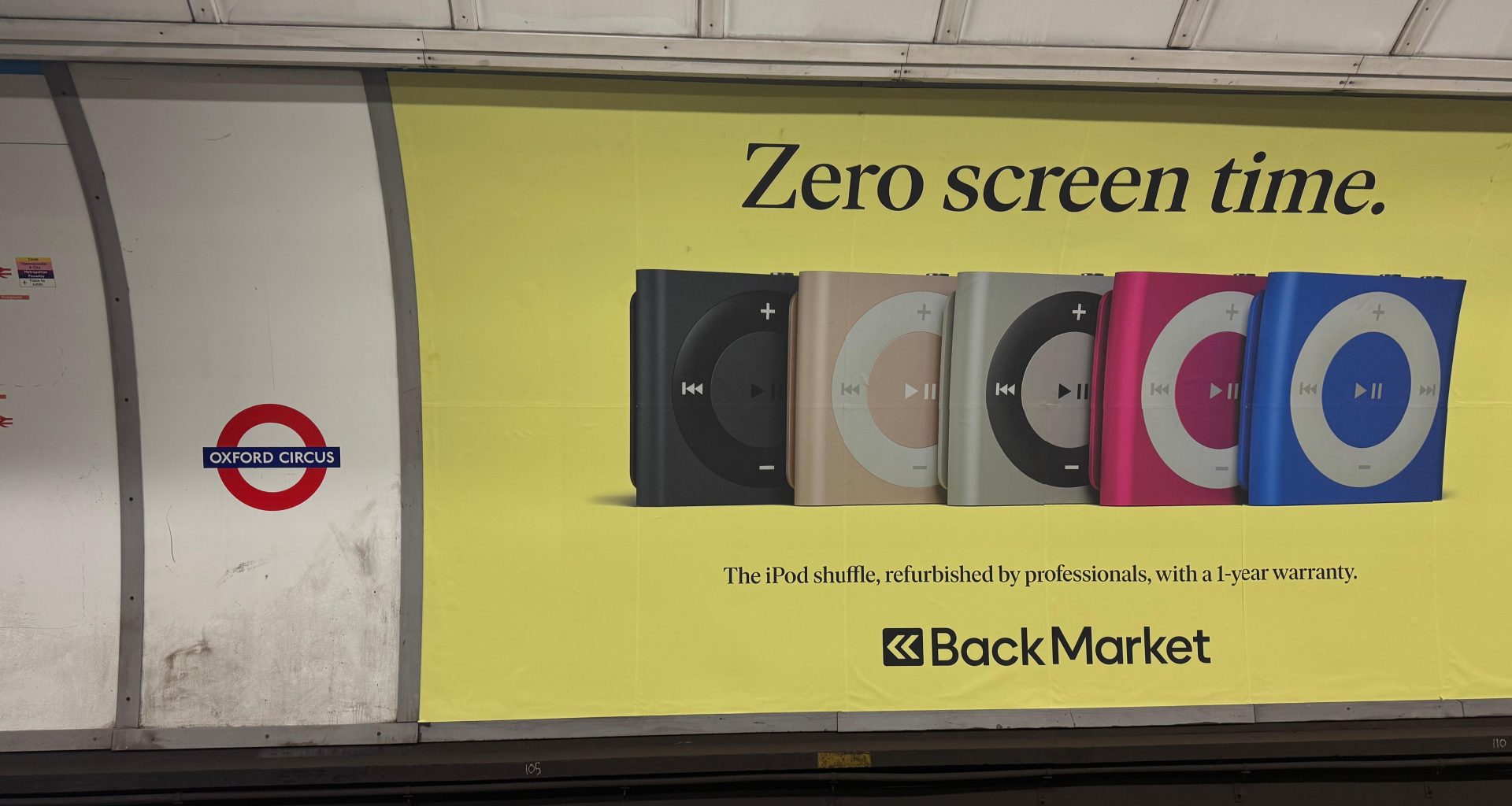
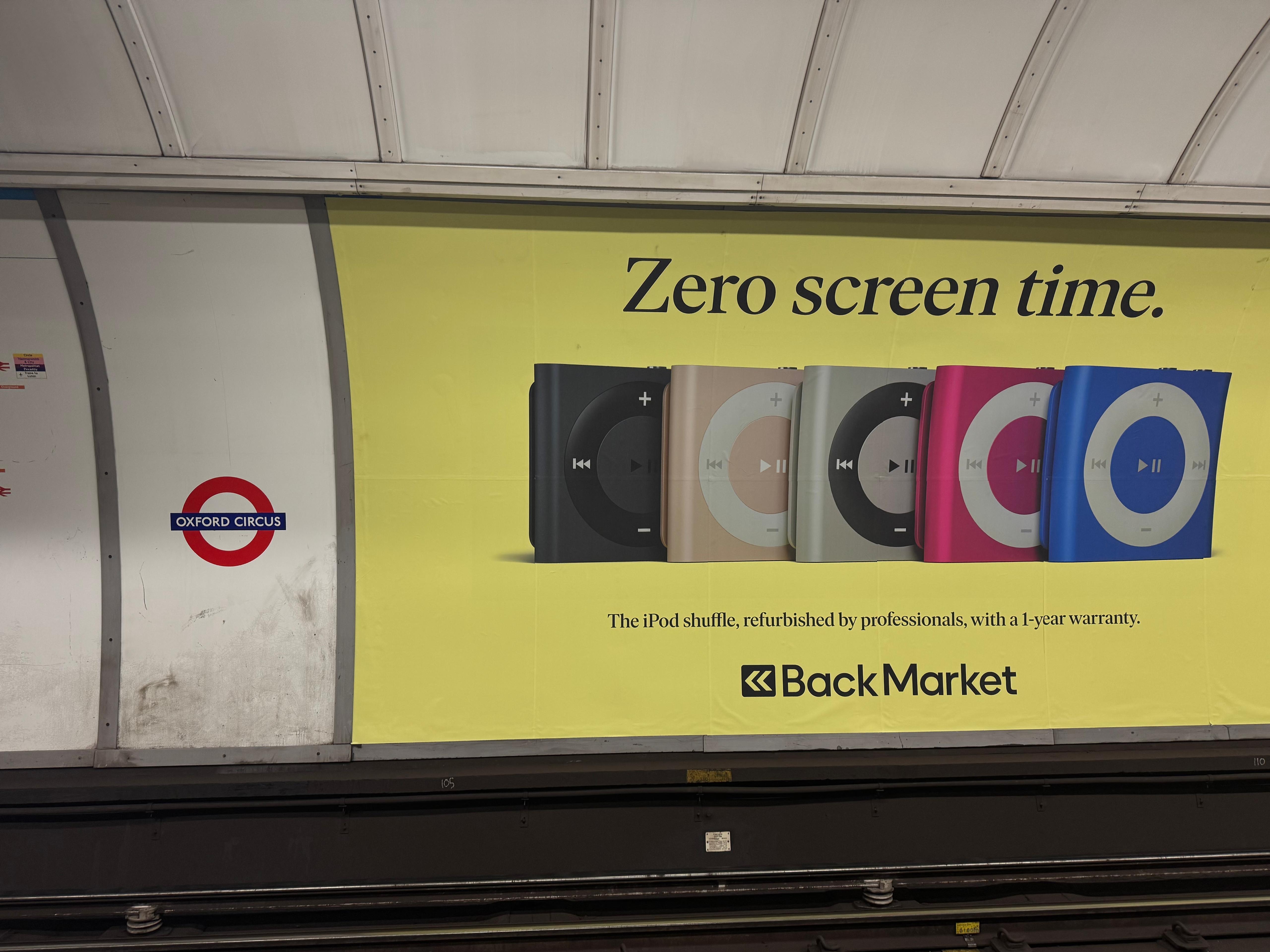
Nostalgia is everywhere: we’ve spent the last few years dragging everything “back” — wired headphones, iPods, low-rise jeans, CDs, old films, dead websites. The funny thing? Most of us weren’t even there the first time.
Call it escapism. Call it the cultural pendulum doing what it always does. Or maybe, after a childhood spent inside a machine built to update, optimize and replace everything instantly, nostalgia has started to feel like its own kind of luxury.
So why are we nostalgic for a life we never actually lived?
We don’t miss the ’90s and 2000s. We miss the idea of them.
The wired headphones. The scratched-up vinyl. The digital camera flash that ruined every other photo. The magazines, the grain, the clothes that were never designed with an algorithm watching. None of it was built for engagement — and that’s exactly why it feels like relief. It’s a slower, more physical world, borrowed from a decade we’re rebuilding from the aesthetic up.
We kept the parts that photograph well and quietly dropped the rest. We skipped the inconvenience and kept the mood board. That might be the strangest thing about nostalgia: we get to choose exactly what we remember.
And the brands and creators paying attention have clocked it too — repackaging old objects and references for a generation meeting them for the first time.
The hunt is half the addiction.
Vintage has become an answer to fast fashion pricing itself out of the “fast” part. It takes time — and that’s the appeal. Finding one piece you actually love hits differently than three-clicking a beige shirt into your cart. You had to dig. You had to sort through everything that wasn’t for you before you found the thing that was. That’s a small win built into the shopping itself.
You’ll forget what you ordered from some random site by the time it turns up. You won’t forget the thing you spent two hours hunting for.
Shopping stops being a chore and turns into a game — and Gen Z will always take the version that makes you work for it, especially when the prize is something nobody else owns.
Maybe we’re not collecting clothes. Maybe we’re collecting stories.
That’s the real difference between vintage and new. A label, a cut, a fabric can tell you where a piece came from — but the real pull is knowing it had a life before you did. A pair of ’90s heels isn’t just shoes anymore; it’s a whole imagined history you get to step into and extend.
Your flat starts looking less like a pile of purchases and more like a pile of finds.
Maybe that’s what’s underneath all this nostalgia — not the CDs or the headphones themselves, but the feeling that things used to have a life before they reached us.
Y2K got nostalgic for itself before we even finished living it.
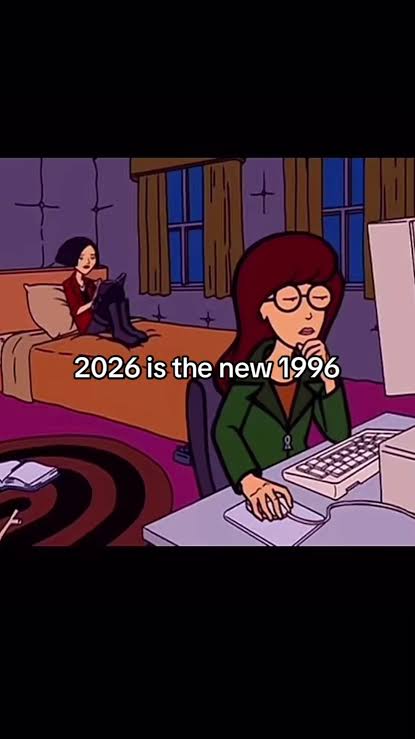
Most of us weren’t old enough to remember it properly the first time, and we’re already remixing it and selling it back to ourselves. Low-rise jeans, micro bags, rhinestones, Juicy Couture — pieces of an era, resurrected on repeat.
But maybe we’re not actually trying to rebuild the past. We’re rebuilding the version of it that exists in our heads.
And that’s where nostalgia becomes something slightly different. We can romanticise the grainy photos without remembering the bad cameras, wear the vintage clothes without knowing who owned them before us, and put on wired headphones without remembering a time when wireless ones didn’t exist.
Maybe the past isn’t what we want back. Maybe we just want something to stay.