NO MOOD BOARD. JUST INSTINCT.
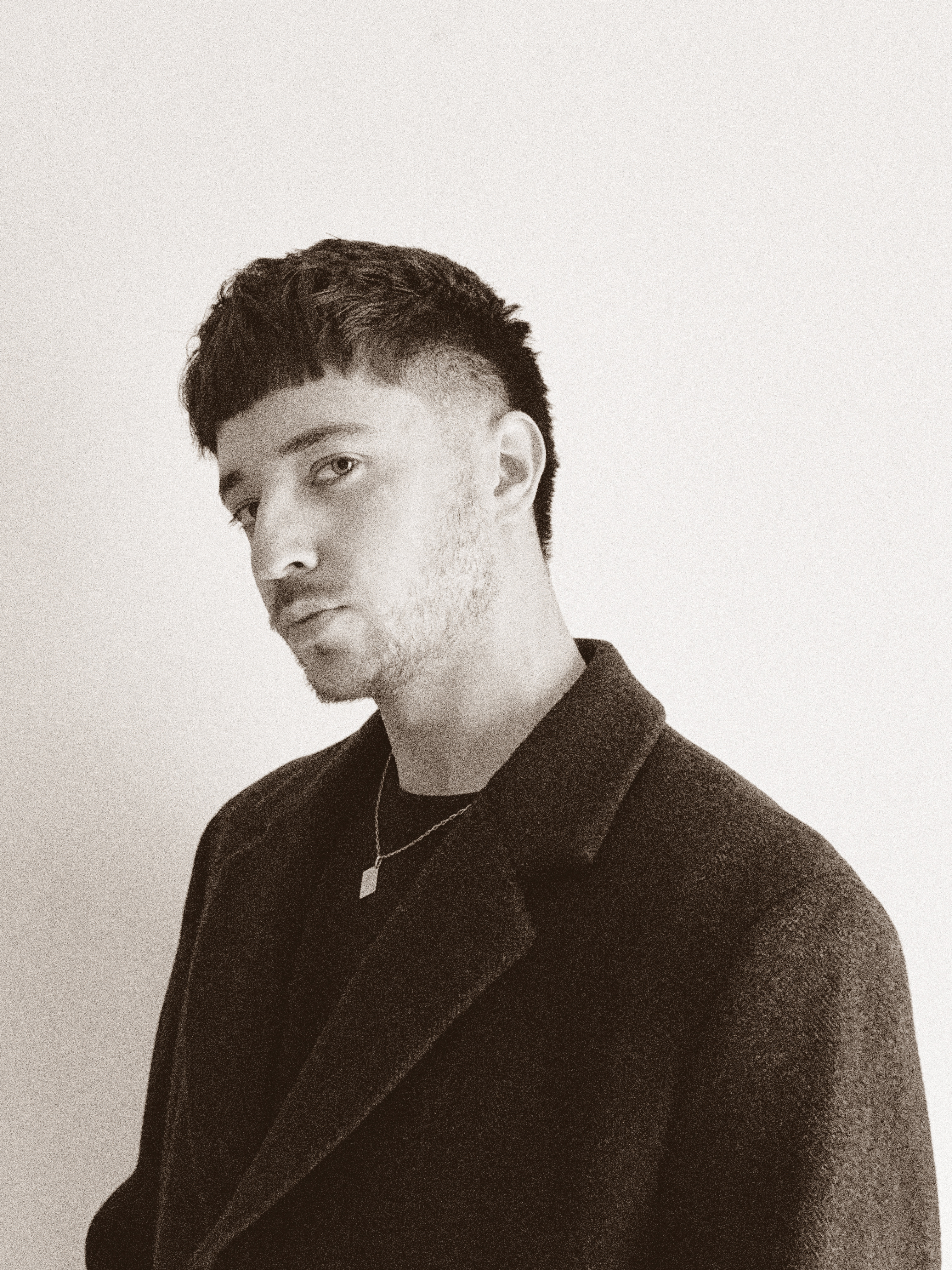
Forget the perfect shot. Theo Ox is more interested in what happens when things don’t go according to plan.
Raised between Bordeaux and the Atlantic coastline of Cap Ferret, and now based in Paris, the photographer Theo Ox found his way into image-making through sunrises, sunsets, and the kind of light you can’t quite explain. What began as an instinct to capture beauty has evolved into a visual language that moves between fashion, portraiture, and personal documentation.
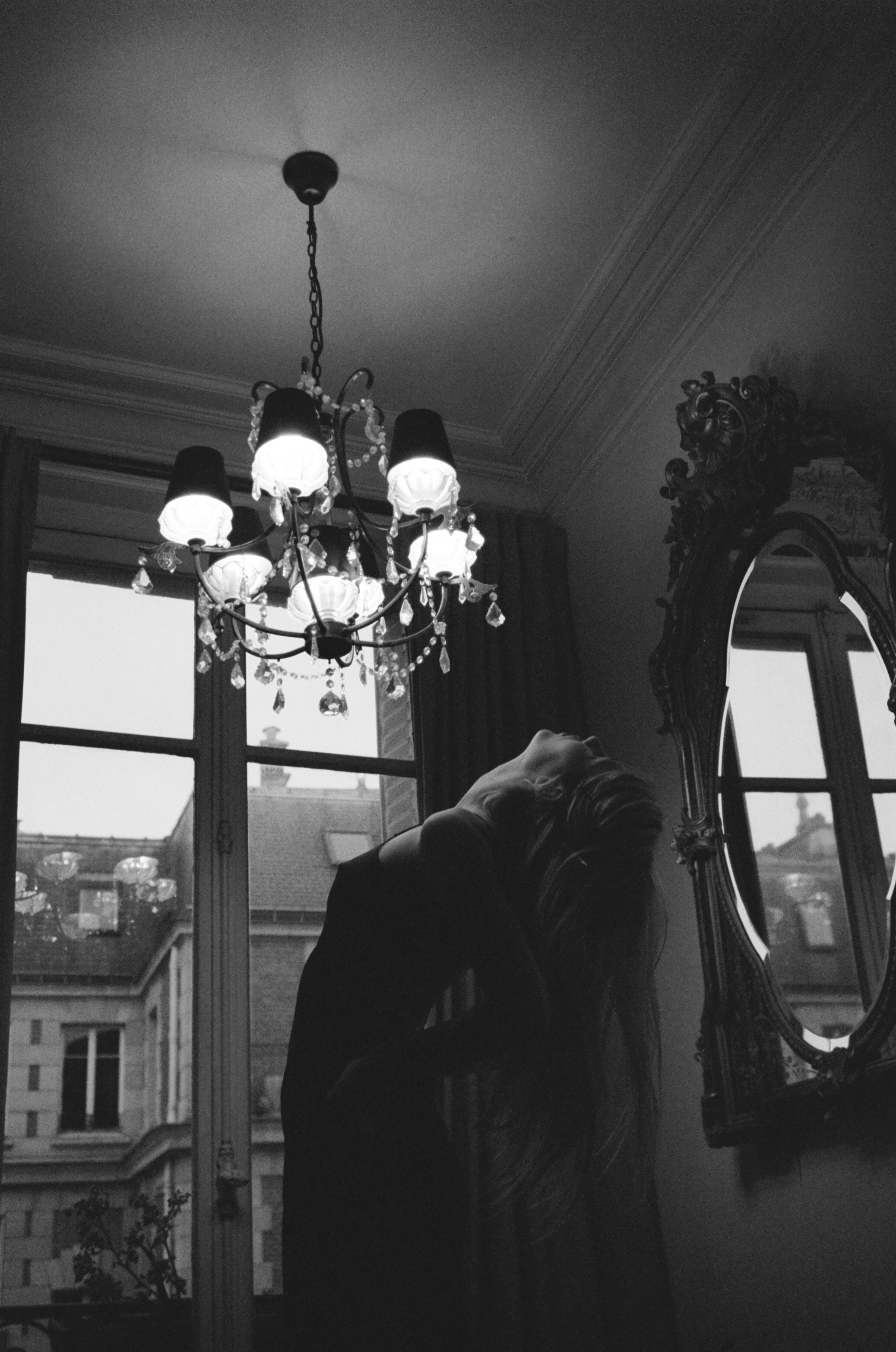
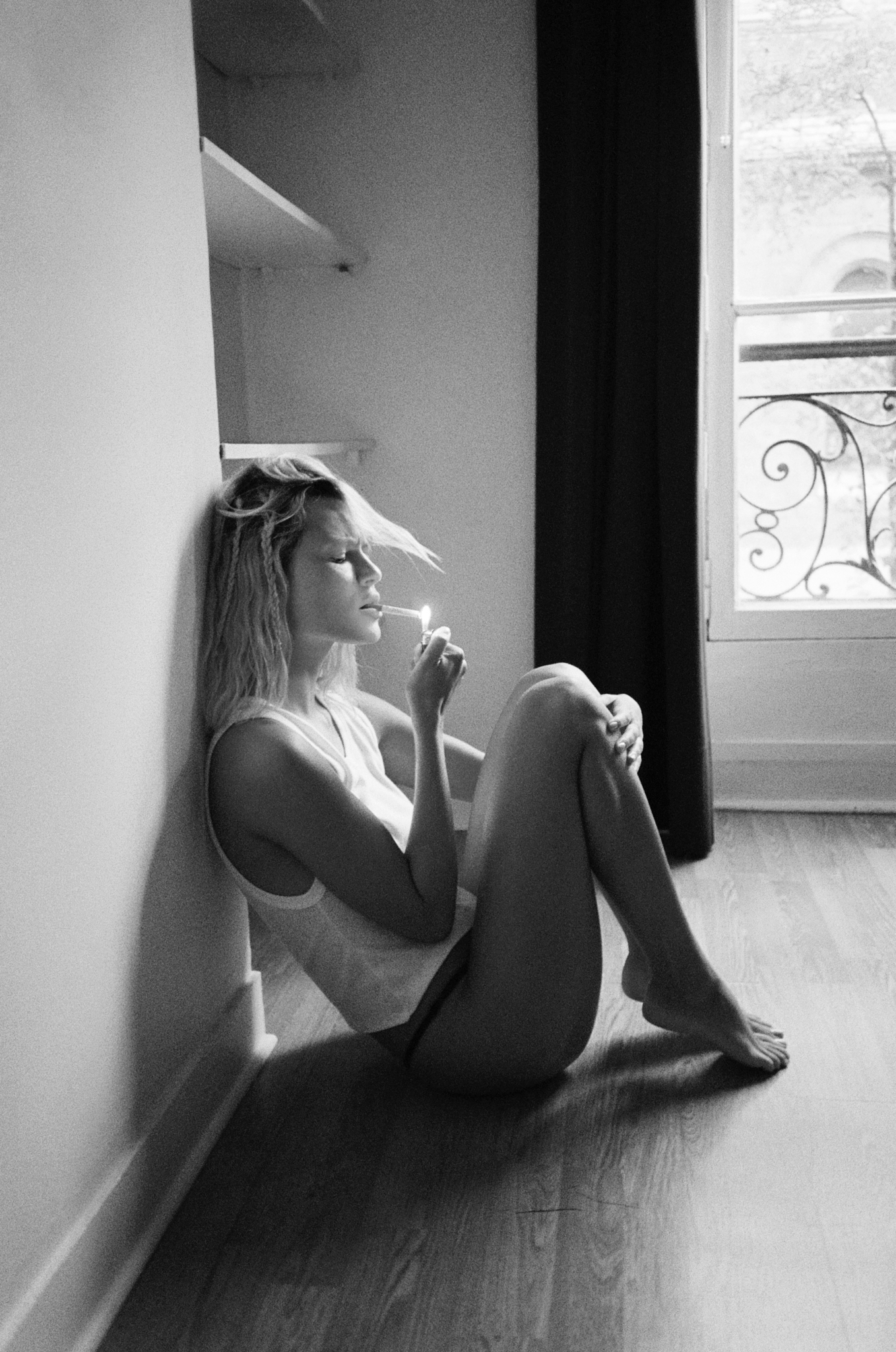
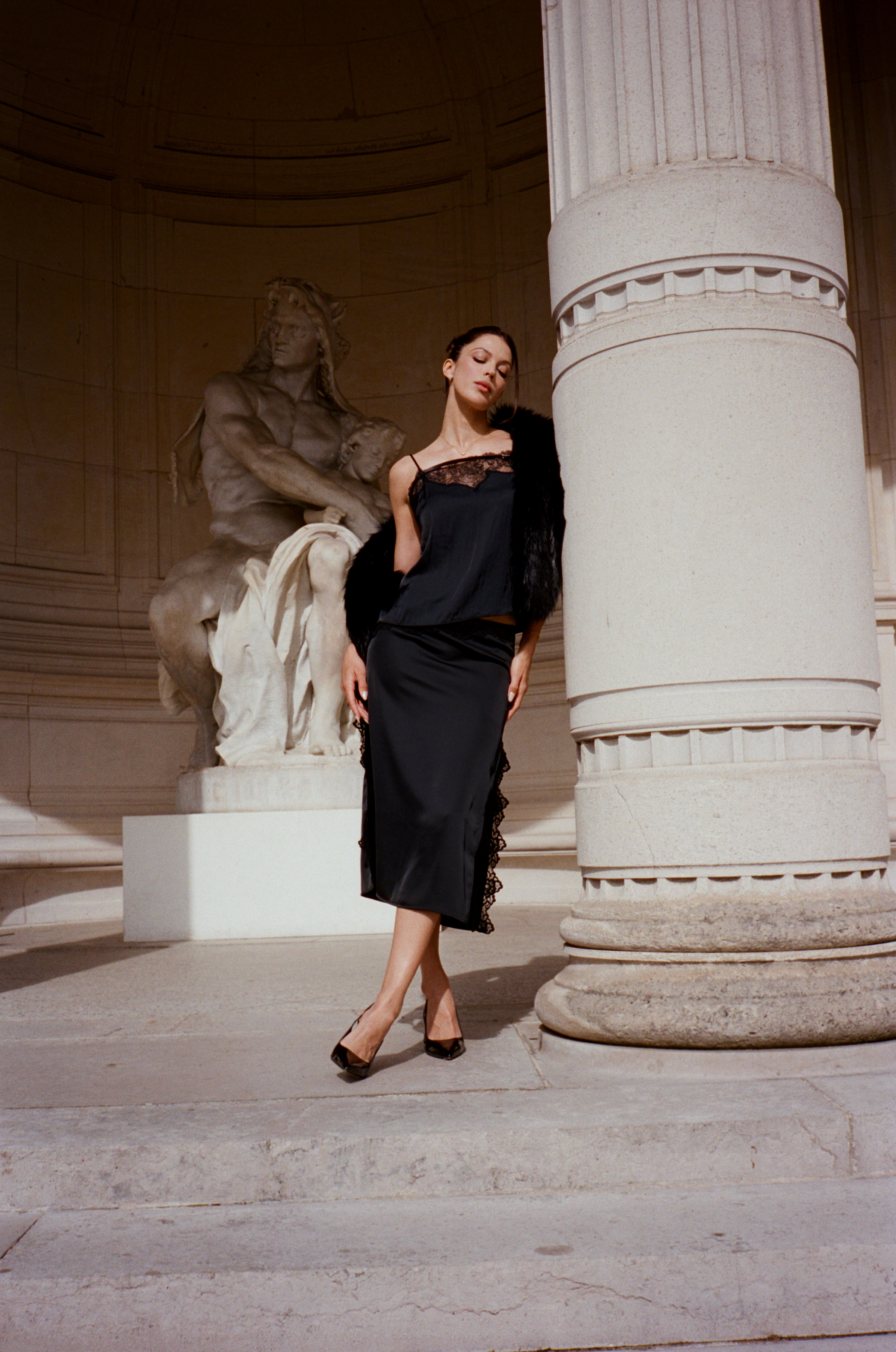
Working with analog photography and natural light, Ox is drawn to faces, textures, spontaneous gestures, and the energy that exists between a subject and their surroundings. His approach isn’t about getting everything right. If anything, it’s about knowing when to let go of control and leave room for the unexpected.
From fashion editorials to a growing personal project documenting tattoos and the stories behind them, his interests stretch well beyond the frame.
For THE NEW GUARD, our series spotlighting the next generation of creative voices, Theo opens up about finding his place in fashion, embracing imperfection, learning to trust his instincts, and turning fleeting encounters into something more permanent. No perfect formula, no borrowed vision. Just people, places, and a camera.
Every photographer has a starting point, but not every starting point becomes a vision. Looking back at your early years, what first drew you to photography, and when did you realize it could become more than a way of seeing the world, but a language of your own?
What first drew me to photography was the sunrises and sunsets back home. I grew up between the city of Bordeaux and the Cap Ferret peninsula on the Atlantic coast. Everything there is so beautiful, so I would spend time walking through the dunes near the ocean, trying to capture that special light that felt almost magical.
It became a language of my own when I realized I struggled to explain why I found certain things beautiful. Taking pictures became a way to translate those feelings into something visual, without having to put them into words.
Your work moves between fashion, portraiture, and subcultures, often exploring the relationship between people, clothes, and the places they inhabit. How has your background shaped the way you see your subjects, and what are you still trying to understand through your images?
My background has nothing to do with fashion. I got into it because I became really interested in creating images with the different faces of the industry, mainly models and other creatives. I was also drawn to the creative freedom fashion offers, through different environments, styling, clothing details, textures, and all the elements that can make an image more interesting.
I’ve learned about fashion culture and its codes along the way, through meeting people in the industry and growing within it. I’m still learning, which is actually one of the most exciting parts. When I started, I knew absolutely nothing about fashion. I guess it was the visual aspect that pulled me in.
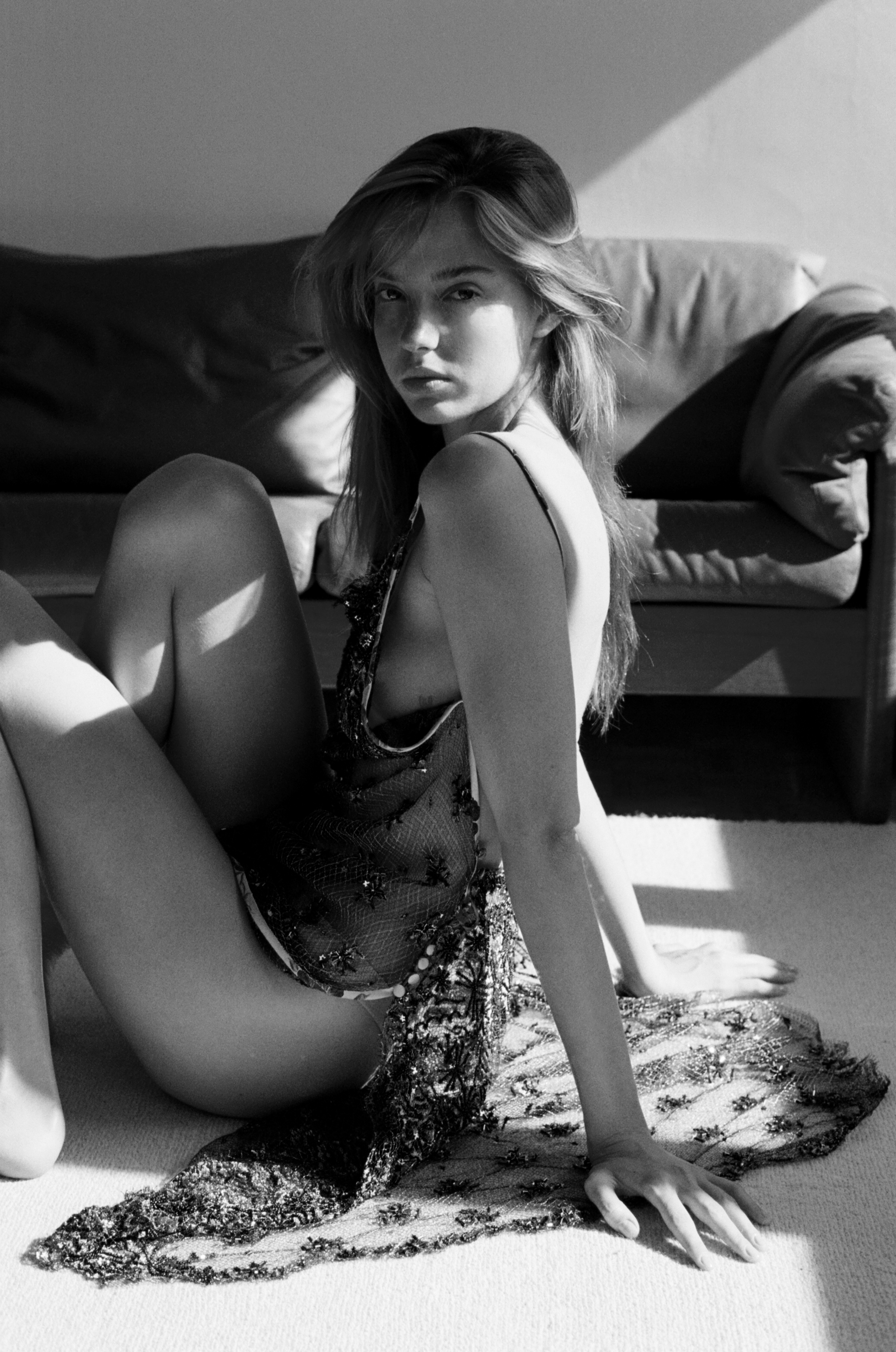
My background definitely helped shape my style, though. I used to spend most of my time outdoors taking pictures, so natural light became a big part of how I work. I like capturing moments without too much artificiality around them.
I’m still trying to understand how to make my images feel more alive and organic. I want the model to forget about me and my camera, so I can capture something raw: an expression, a movement, something they’re doing naturally rather than just another pose.
A photograph can be beautiful without saying anything, or imperfect and impossible to forget. What makes an image feel truly alive to you, and how do you know when a photograph has captured something real rather than simply looking good?
I think it’s a combination of many things: grain, texture, colors, light, framing, a model’s expressions, the styling, the environment they’re moving through, and even the story behind the shot.
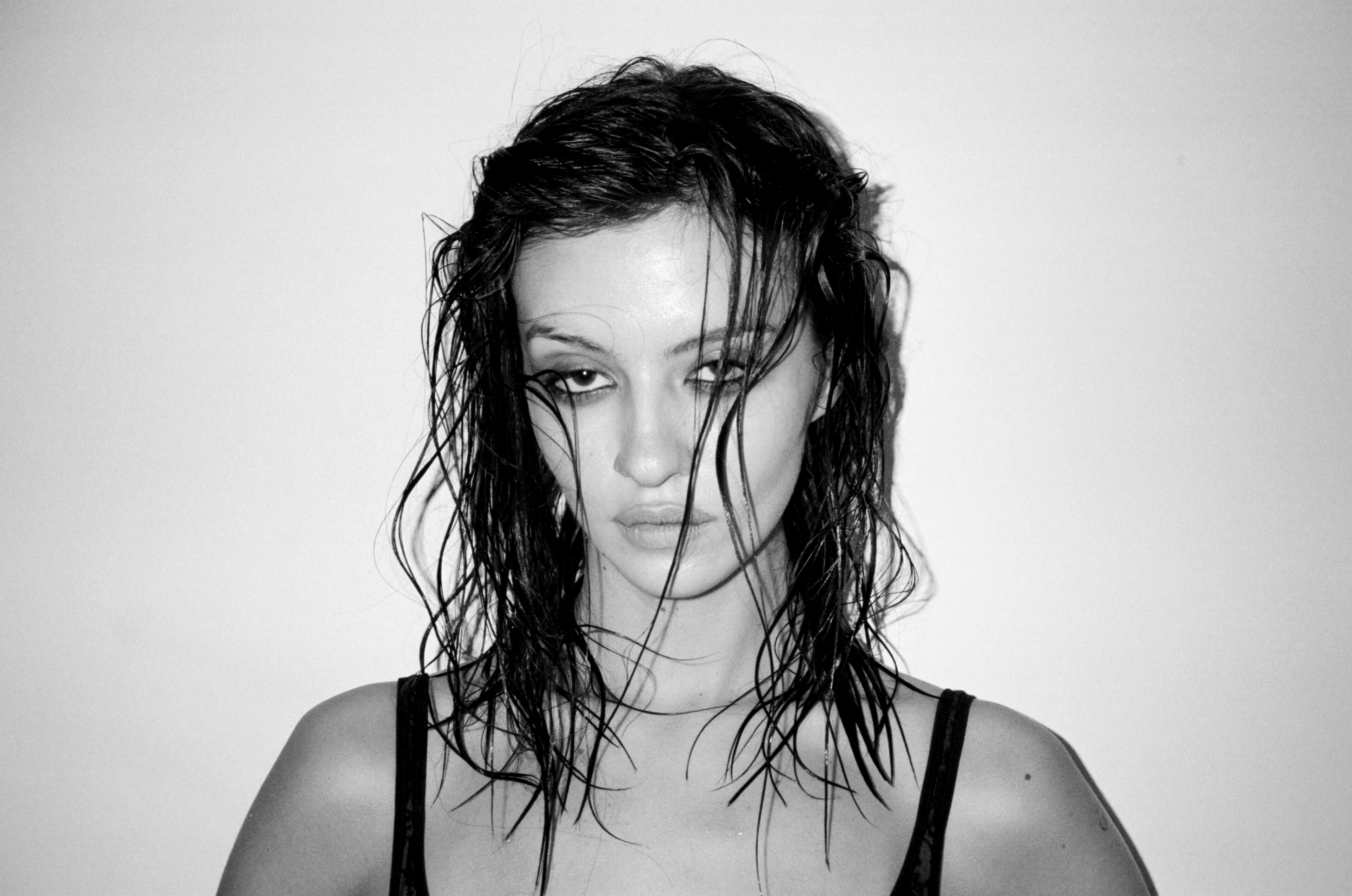
For example, I love what people call a failed film photograph: something with lots of grain, imperfect light, maybe technically not the best picture. To me, the photographer was simply in the moment, documenting what was happening instead of waiting for the perfect light, the perfect pose, and the perfect everything before pressing the shutter.
Imperfections can make a picture feel much more alive and real.
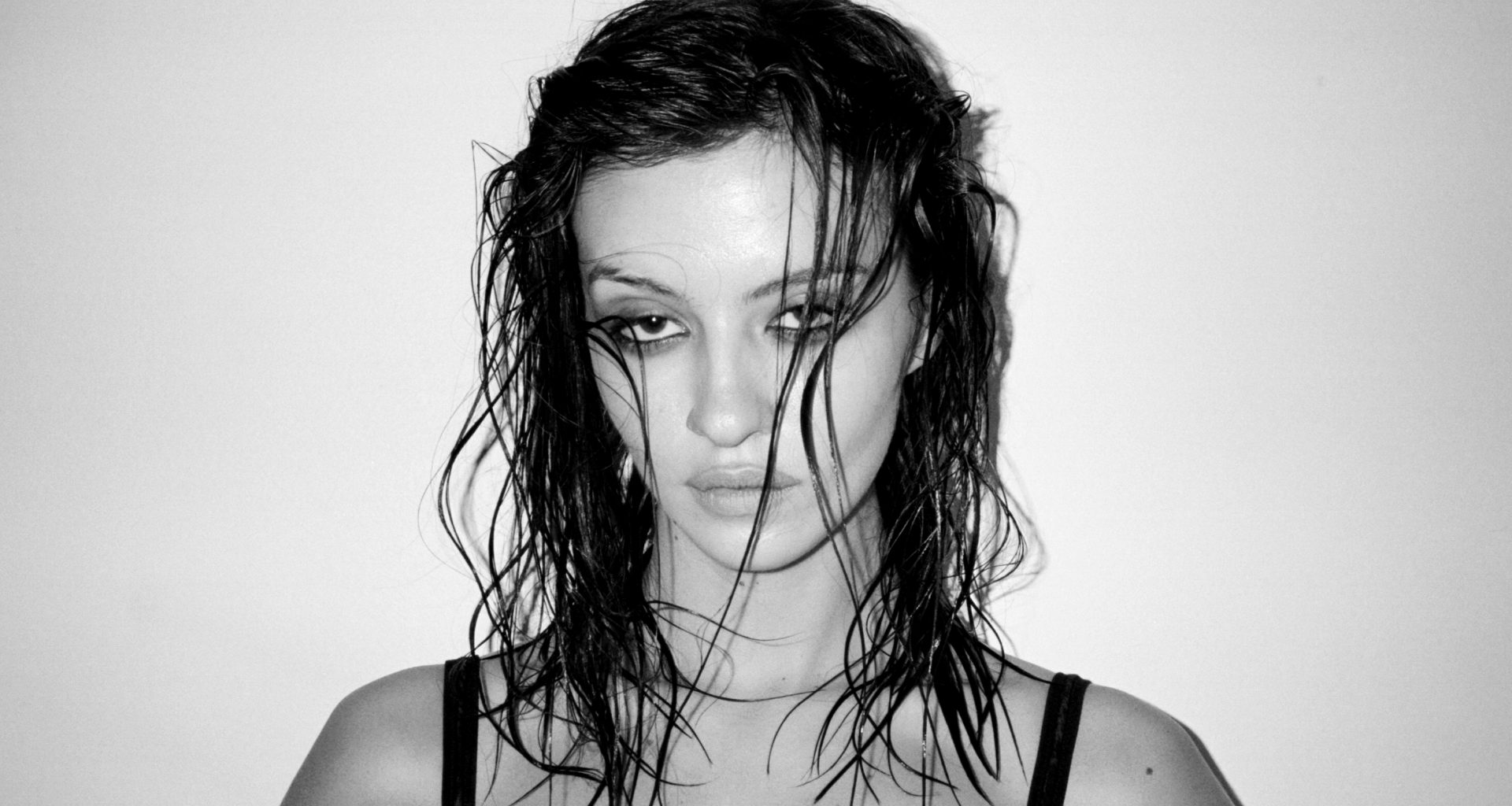
But honestly, you don’t need all these elements to make an interesting image. I’ve taken plenty of photographs against the white wall of my small apartment here in Paris, and I absolutely love some of them. Sometimes it’s just a white wall and a model standing in front of it. That’s enough.
Fashion photography exists somewhere between instinct and construction, between the photographer’s eye and the identities of the people in front of the camera. How would you describe your visual signature today, and how much of it is carefully directed versus discovered in the moment?
I’d describe my visual signature in three words: analog, natural light, and instinct.
For editorials, campaigns, and even personal projects, you have to pay attention to every detail: the overall mood, the casting, the styling, hair and makeup, the time of day, the location, the equipment you’re going to use, and which lens will work best for the different situations you want to create. All of that is carefully planned.
But honestly, you can prepare as much as you want: things never go exactly as planned. Never.
Mood boards are useful for giving everyone an overview of the direction before a shoot and helping maintain that direction along the way. But I’m trying not to rely on them too much once we’re actually shooting. That’s something I want to work on.
I want to be more present in the moment and build a connection with the model, so she feels comfortable enough to do her own thing.
When I have an idea of something a model could try on set, I just ask and we experiment. If it works, perfect. If it’s bad or cringe, never mind, we move on. That’s the kind of thing you discover in the moment.
Emerging as a creative means finding your voice while navigating an industry that often wants to define it for you. What has been the biggest shift in your professional evolution so far, and what have you had to unlearn to move closer to the photographer you want to become?
I’ve had two major shifts.
The first was when I was working at Giulia Club. I was forced to step outside my comfort zone. The way I worked was different, the lighting and environment were different, and so were the expectations. It really sharpened my eye.
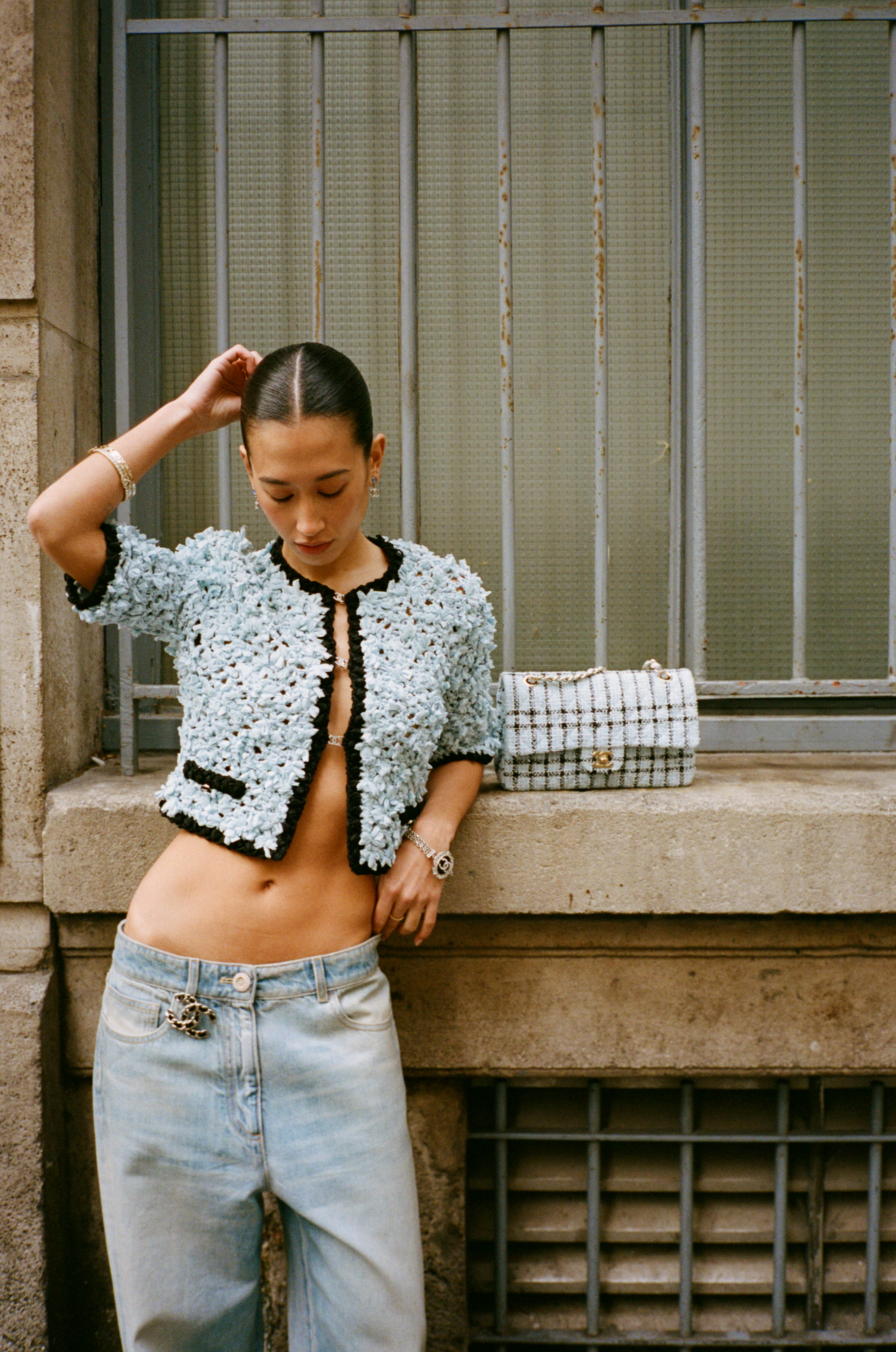
The second was shooting my very first editorial for L’Officiel Baltic. It was my first time working with a stylist, and that’s when I really understood how to build a story through looks. I had to pay much more attention to the clothes, check every single detail, and be involved in the post-production process. Looking back, the amount of work was crazy, but absolutely worth it.
Those two experiences pushed me forward and gave me a level of experience that’s truly priceless.
Something I want to unlearn is the idea of how a shoot is supposed to be perfect. I want to trust my instincts even more instead of always playing it safe, while still keeping the discipline I’ve learned along the way. I think I need to find a better balance between structure and creative instinct.
Some of the most compelling creative projects begin far away from fashion itself, in music, sport, cinema, or everyday life. What subjects or worlds are currently feeding your imagination, and is there a story you have been wanting to photograph but haven’t found the right opportunity to tell yet?
Women, obviously, if you look at my work. I’ve worked mostly with women since I started because I feel there’s so much creative territory to explore through styling, whether it’s high fashion or something more casual, as well as hair, makeup, and their energy. I just love the different faces of this industry.
I’ve always been interested in creating images with certain faces that immediately make you think: this person would look incredible in a photograph. It’s something that’s still quite difficult to explain. I call it creative attraction. You see someone and instantly think, “Okay, I would love to create images with this person.”
Then there’s tattoos.
Since I started traveling to get tattooed, I’ve also begun documenting people I’ve met through social media who have incredible tattoos. I already have more ideas for this project, with different people and artists I want to photograph.
The goal is to showcase this beautiful art through my own vision, but also to learn more about the stories behind the tattoos. Getting tattooed is such a personal choice, whether it’s purely aesthetic or deeply symbolic. I find that fascinating, especially because a tattoo is something you carry forever.
And the last one might sound a little cliché, but I’ve always wanted to find a muse. Someone I have a deep connection with, someone I genuinely want to create with. I’d love to travel together, explore beautiful places, take pictures, and eventually turn everything into a book and a collection of beautiful prints.
That’s the dream: having someone in front of your camera who means something to you on a much deeper, more personal level.
When you look at the next chapter of your career, what would you rather be known for: a recognizable aesthetic, a particular way of telling stories, or the ability to constantly reinvent yourself? What projects, collaborations, or creative territories are you hoping to explore next, and what would pushing your work beyond its current limits look like?
Definitely a particular way of telling stories.
Whether it’s through a book, a specific subject, or simply what’s happening within the pictures you take, I think clients, models, and people in general come to you because they know you can translate their vision into images they’ll love.
To me, that means you’re doing something right. It means your vision has become something another photographer can’t simply replicate.
You can have all the technical knowledge, equipment, and skills in the world, but without a vision, you won’t make a difference.
I’d love to work with prestigious fashion brands and magazines on beautiful projects, whether campaigns or editorials, where I can really let my vision speak. I want to work with so many more faces that I find incredible, release my first book, and document more of where I come from, just like I did when I started, but with the vision I’ve developed since then.
I think pushing my work beyond its current limits would mean going entirely with instinct. No mood boards, no references, just a subject, a place, and seeing where it takes us.
Imagine you could send a letter to the person you will be five years from now, after everything you are about to experience, create, and become. What would you want that future version of yourself to remember about this moment in your life, and what promise would you make to the photographer you are still becoming?
I’d want him to remember how much resilience it took to get here. Being far from home, dealing with people who treated me badly since I arrived in Paris, fake friends, failures, lessons learned, doubts, and heartbreaking moments that made me question whether I should give up on the thing I love doing most.
It’s funny how life works sometimes. I’m doing my very first interview during the year I’ve been through some of the hardest experiences of my life.
On a more personal level, I’ve also had some serious health problems over the past year. I had a tumor in my neck that really scared me, followed by a very complicated surgery last summer. It put me through some of the worst pain I’ve ever experienced and a lot of fear.
Thankfully, I’m doing well now. Almost four months after the surgery, I’m still healing, but things are getting back to normal. I want that future version of myself to remember this experience, too, because it shaped me and made that resilient side of my personality even stronger.
I also want him to remember to be grateful. Grateful for all the beautiful people I’ve met since starting this journey, all the places I’ve been lucky enough to see, the experiences, the amazing projects, and all the things I would never have been able to do if I hadn’t been that guy with a vision and a camera in his hands.
And, most importantly, grateful for my health and for my family, who have always supported me.
The one promise I’d make is simple: keep going, no matter what.