
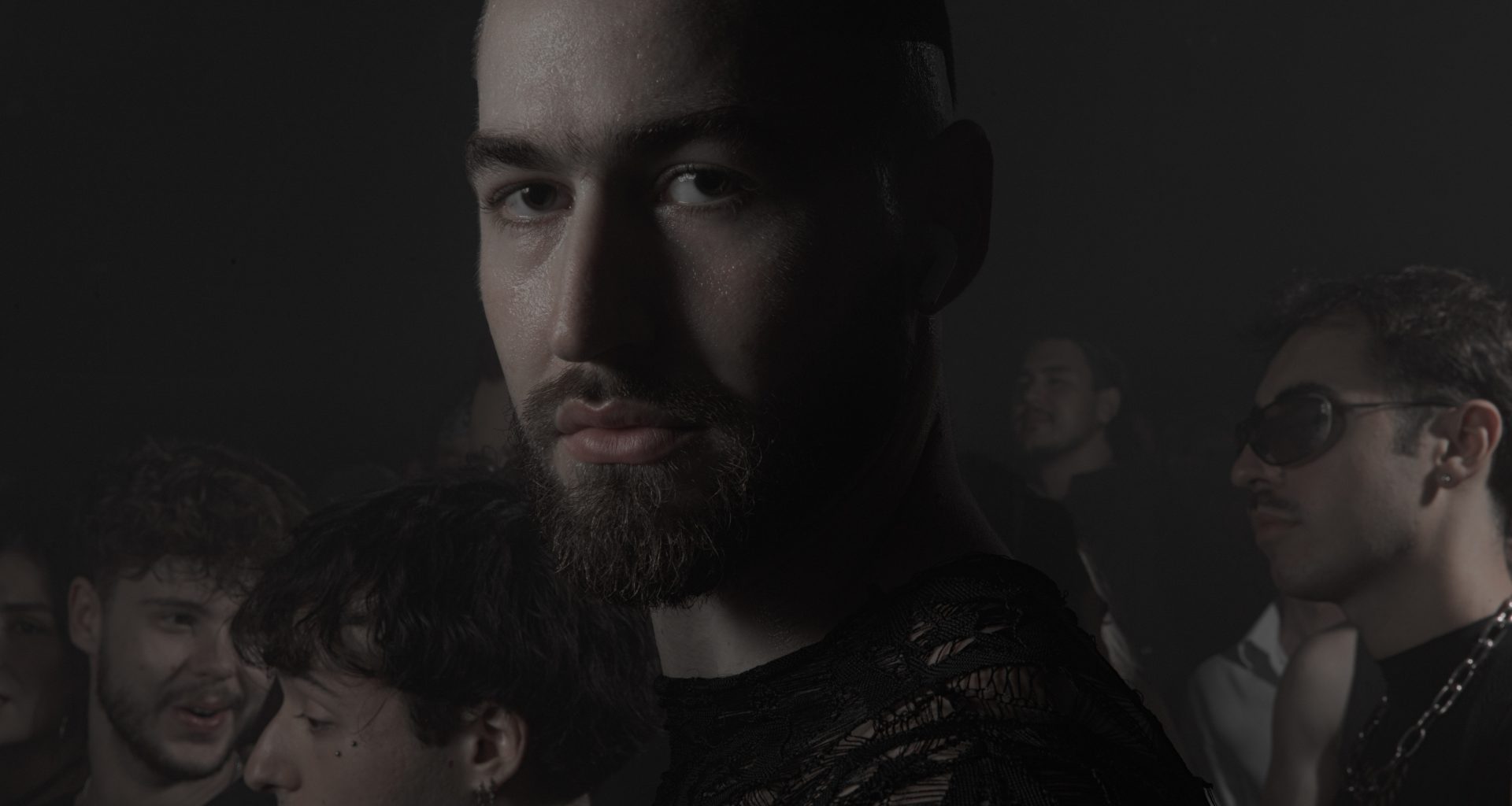
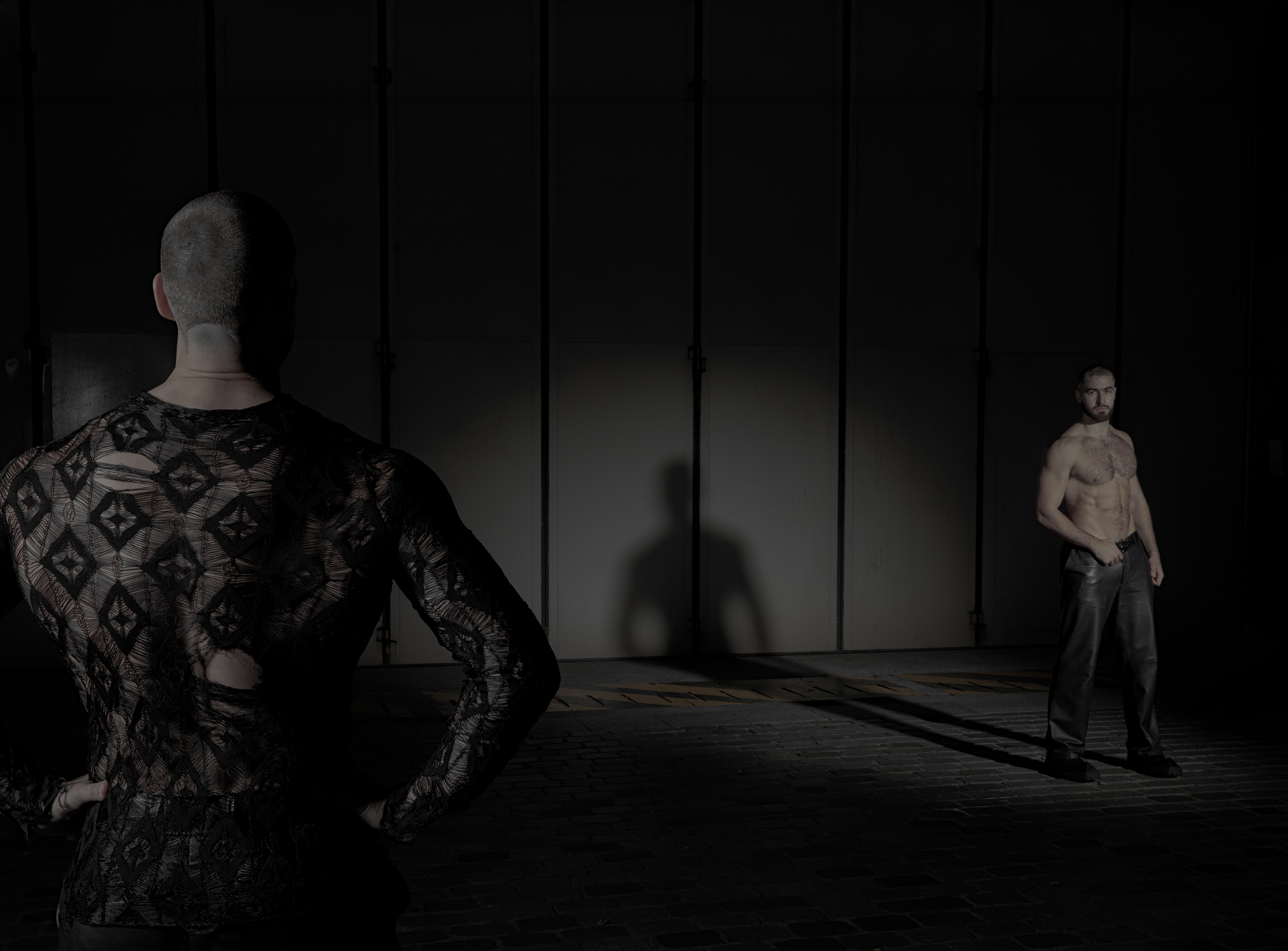
Paris has its monuments. Bryan Courtois has other plans.
Trained as an architect, shaped by the underground and now at the operational helm of FVTVR, Courtois is part of a generation redefining what a club can be. Forget the usual nightlife clichés: this is less about selling a good night out than engineering the conditions for something to happen. A collision of bodies, ideas, sounds and identities. A temporary world where social scripts dissolve, strangers become collaborators and belonging gets a pulse.
For the third chapter of our series on the culture of the night, we meet the Paris-based nightlife visionary to talk freedom, collective euphoria, the architecture of human connection and why the best things in life might still happen at 5 a.m.
His manifesto?
Protect freedom. Stay open. Leave with more than you came for.
The night isn’t an escape. It’s a different way of being alive.
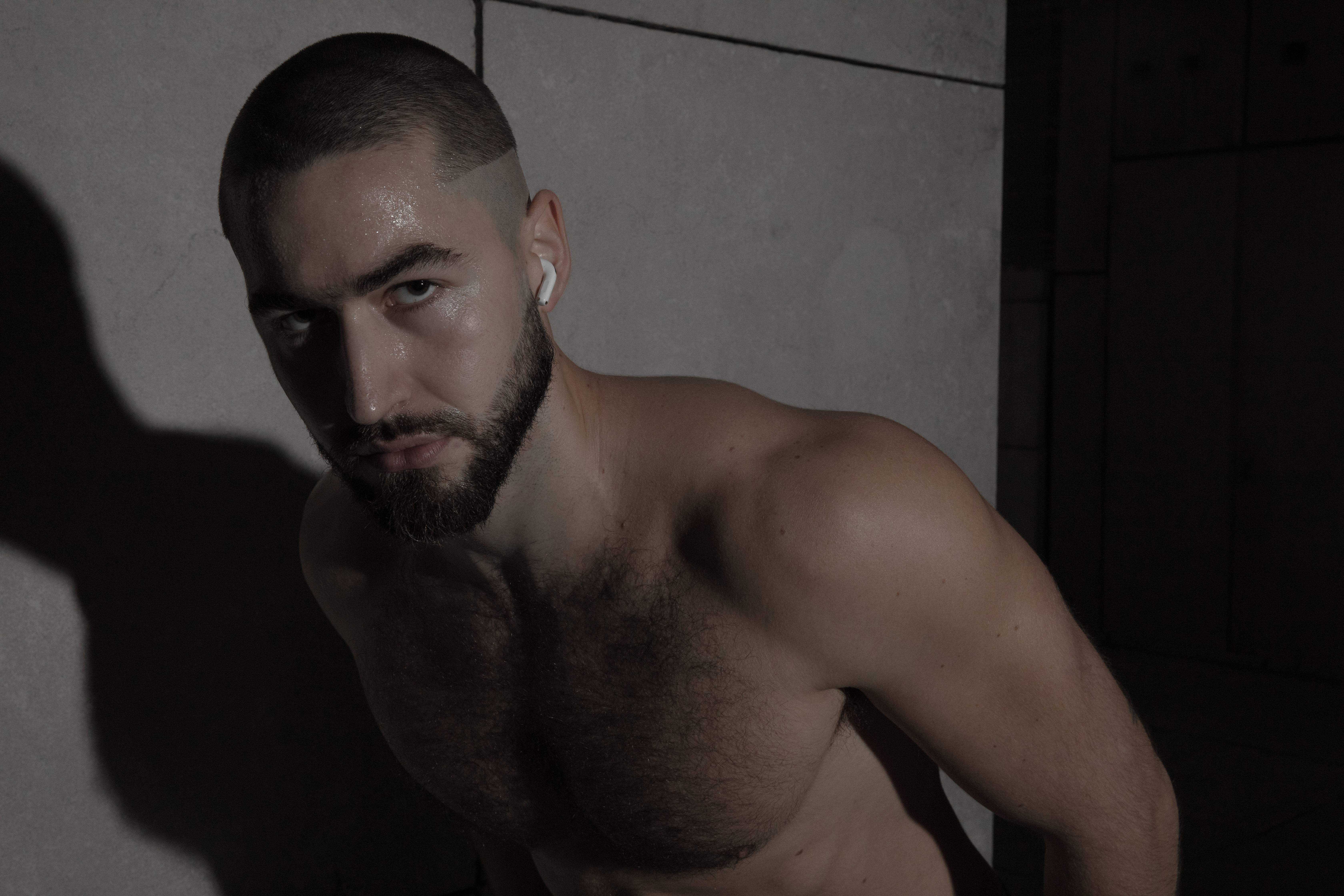
If Paris disappeared tomorrow and you had to rebuild the city from a single night, which night would you choose; and why?
I wouldn’t rebuild Paris from a particular night. I’d rebuild it from a feeling. The freedom. The curiosity. The sense that anything can happen. Nightlife is often portrayed as something destructive, a space where things unravel. But I’ve always experienced it as a creative force. Some of the most meaningful friendships, collaborations, ideas, and communities I’ve encountered were born at night. Not because people were escaping reality, but because they were imagining new possibilities for it. I’ve always thought that what makes a city unforgettable isn’t its architecture, but its ability to create encounters and generate possibilities. If Paris vanished tomorrow, I wouldn’t start by rebuilding its monuments. I’d start by rebuilding the conditions that allow people to find each other, create together, and imagine what comes next.
Most clubs sell music. FVTVR seems to sell a sense of belonging. What are you really building behind the sound?
At its core, we are building a community. Music is the language we use, but it is not the ultimate goal. What interests me is creating a space where people can meet, connect, collaborate, and feel part of something bigger than themselves. Together with Arnaud Frisch, who founded FVTVR, and Emmanuel Gunther, who shapes its creative direction, we are building a place where people can leave behind the roles and expectations of everyday life for a few hours. Some people come for the artists, some for the music, others for the atmosphere. But what brings them back is a sense of belonging. Of course, the music matters. When you invite artists from different scenes, histories, and generations, you are creating more than a lineup. You are creating the conditions for encounters. In a time when so much of our lives takes place online, there is something essential about creating real spaces where people can find one another. I don’t think people come only to hear a DJ. They come to participate in a moment that exists only once, and to feel part of something that is larger than themselves.
As an architect, you used to design physical spaces. Today, you design collective emotion. Which responsibility feels heavier?
I still see myself as an architect, and I want to continue designing architecture in the future. FVTVR taught me openness rather than control. A club is a space where things escape you. The night has its own logic, its own freedom. Architecture deals with more permanent realities. FVTVR deals with something ephemeral and unpredictable. They are different scales of the same question: How do you create the conditions for life to happen?
Human nature: What’s the most fascinating person you’ve met at 5 a.m., and what did they teach you?
The most fascinating thing I’ve seen at 5 a.m. is not a specific person, but a state. A sense of accomplishment, of joy, of people briefly finding themselves, or at least a version of themselves they recognize more clearly. It is a very honest moment. The noise disappears, and what remains is a quiet form of self-recognition. People do not always come to nightlife to escape themselves. Sometimes they come to meet themselves more clearly.
If FVTVR were a religion, what would its three commandments be?
Protect the space of freedom. Stay open to encounters. Leave with more than you arrived with. The best nights happen when people feel free to be themselves, remain open to the unexpected, and leave carrying something they did not have before.
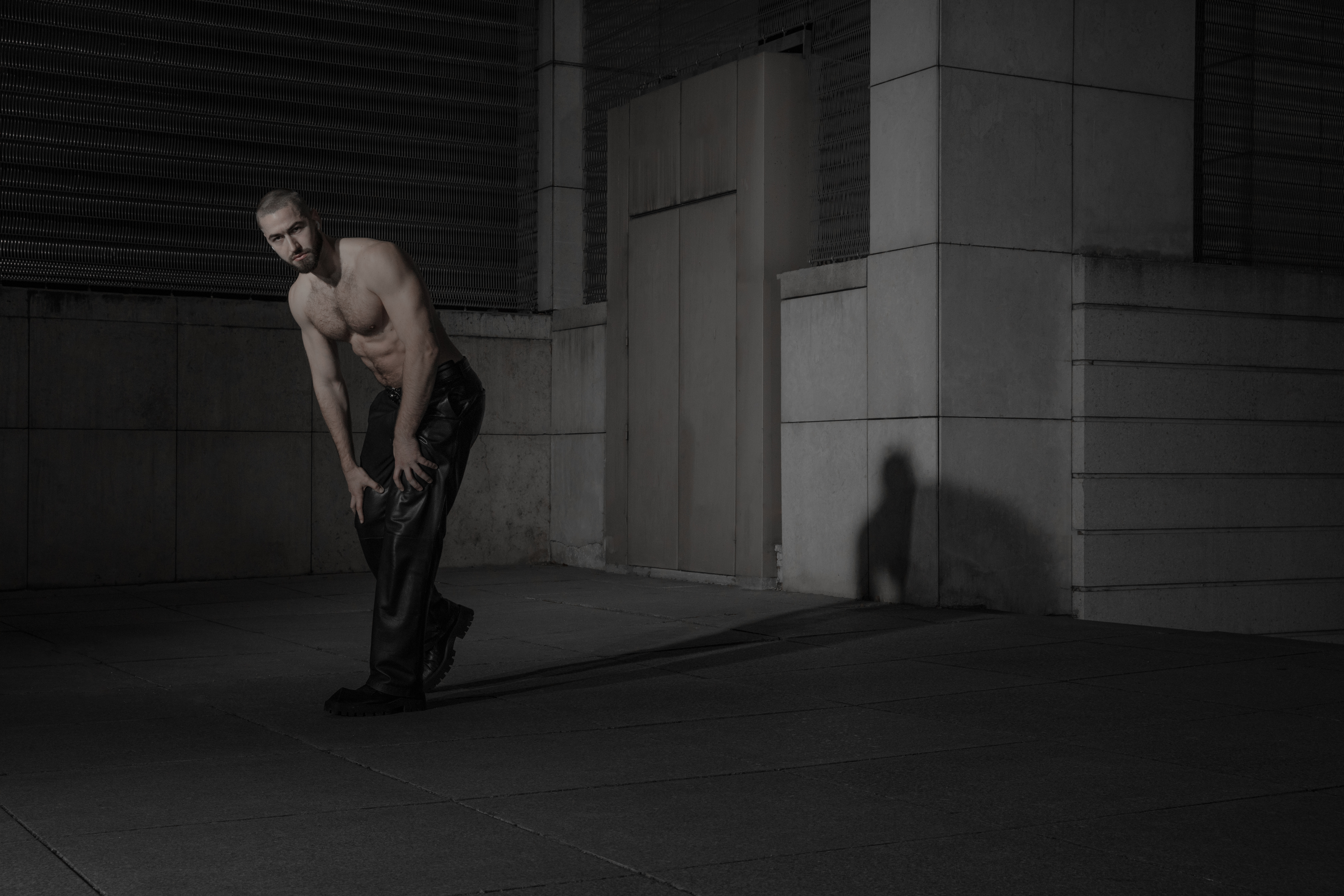
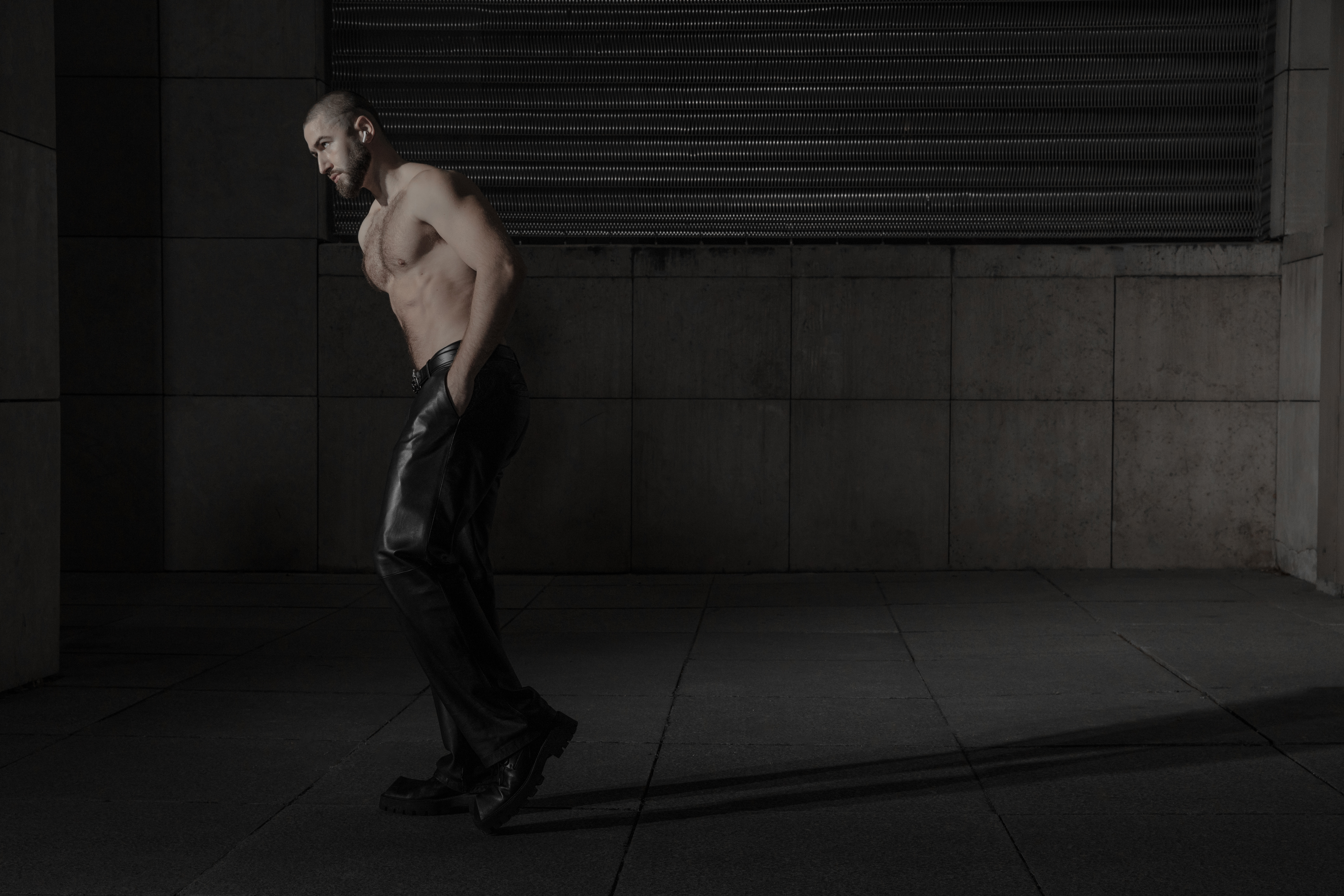
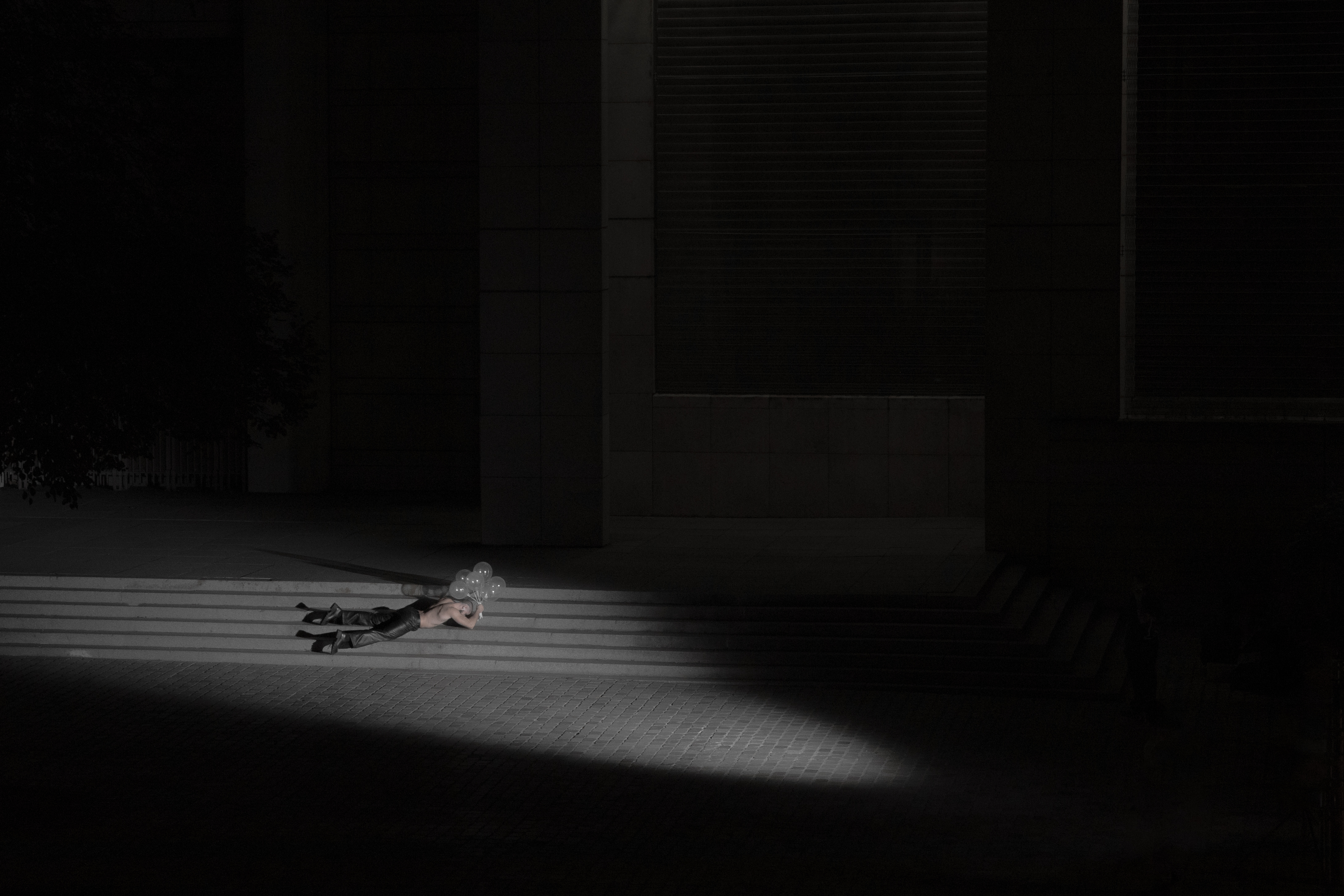
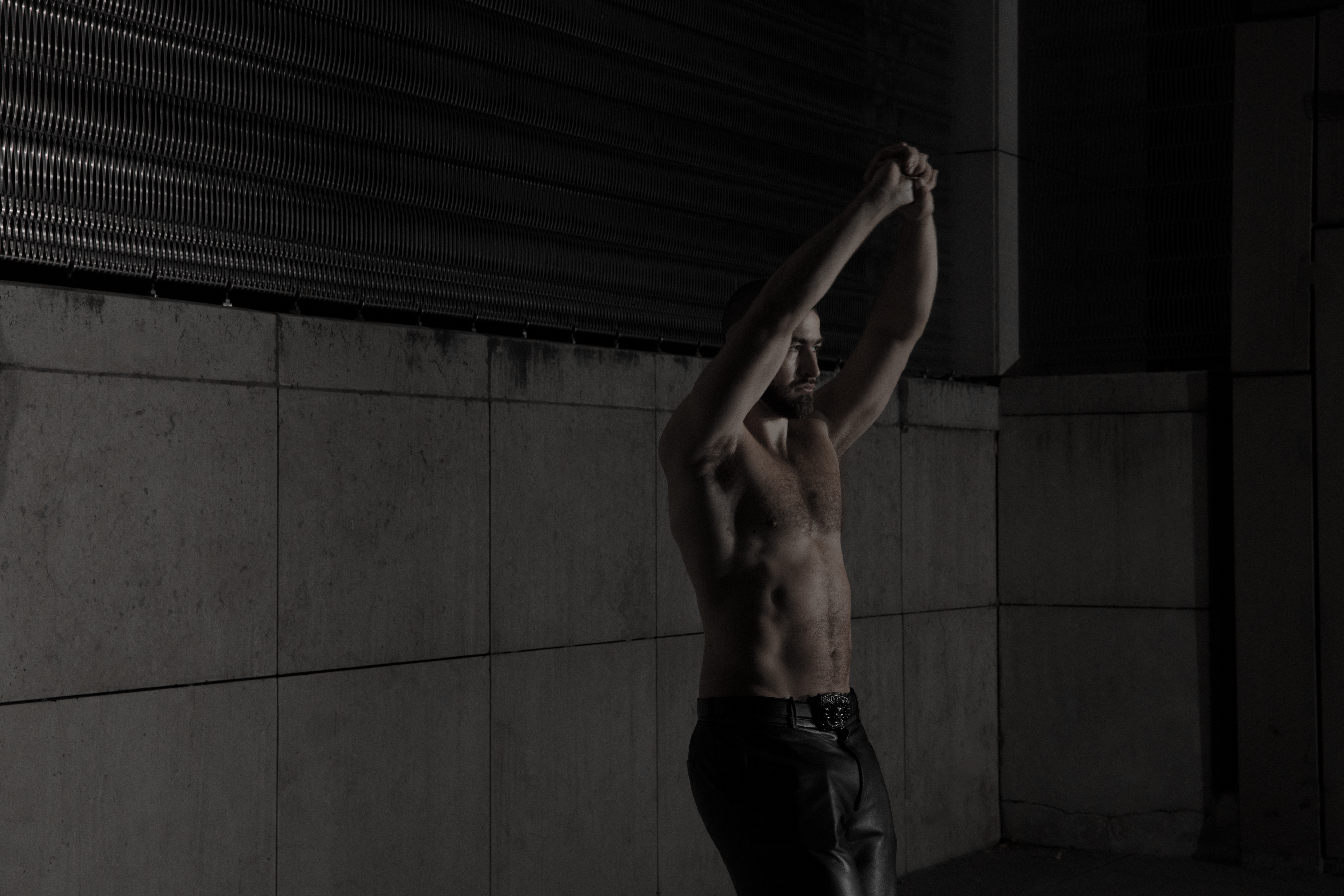
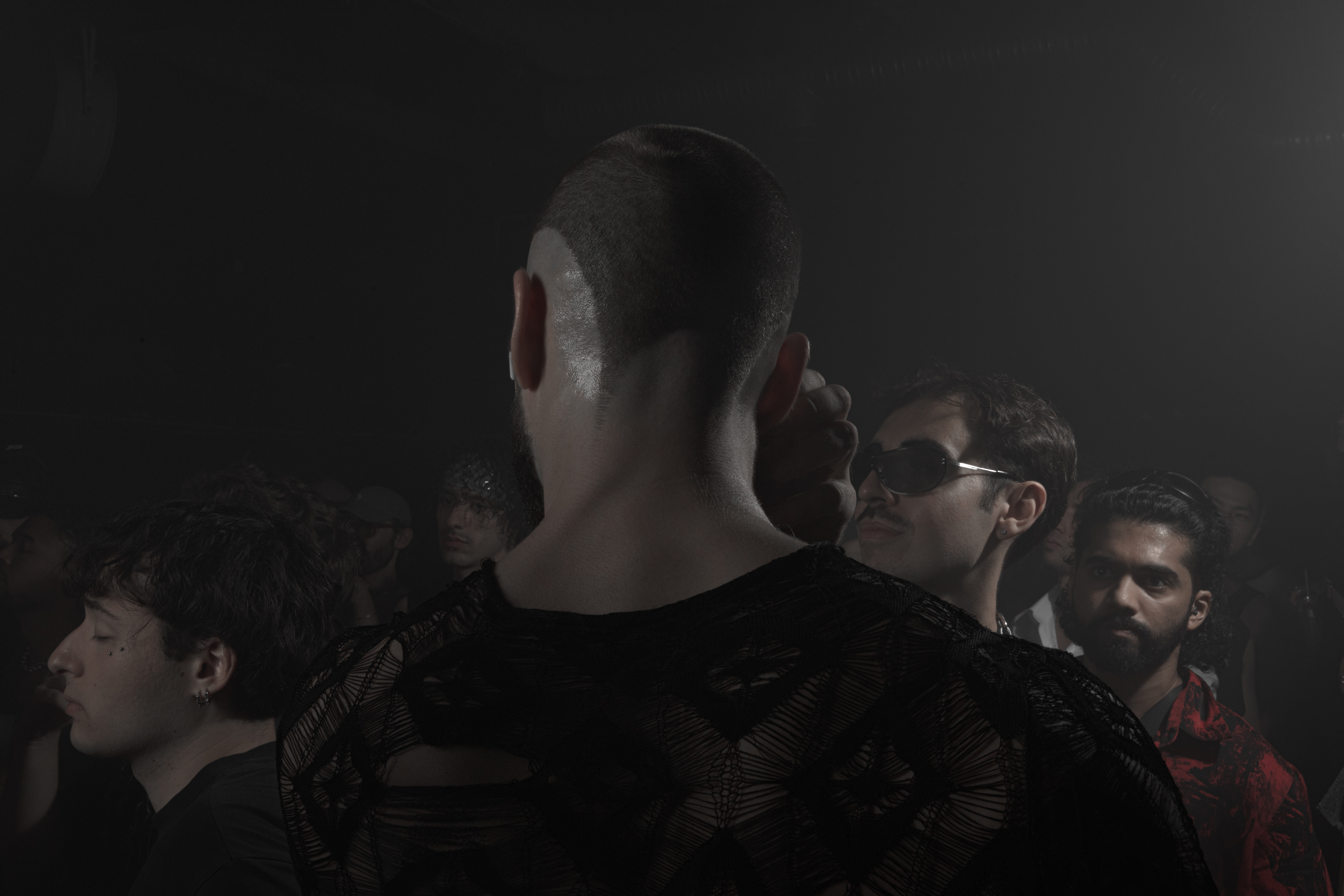
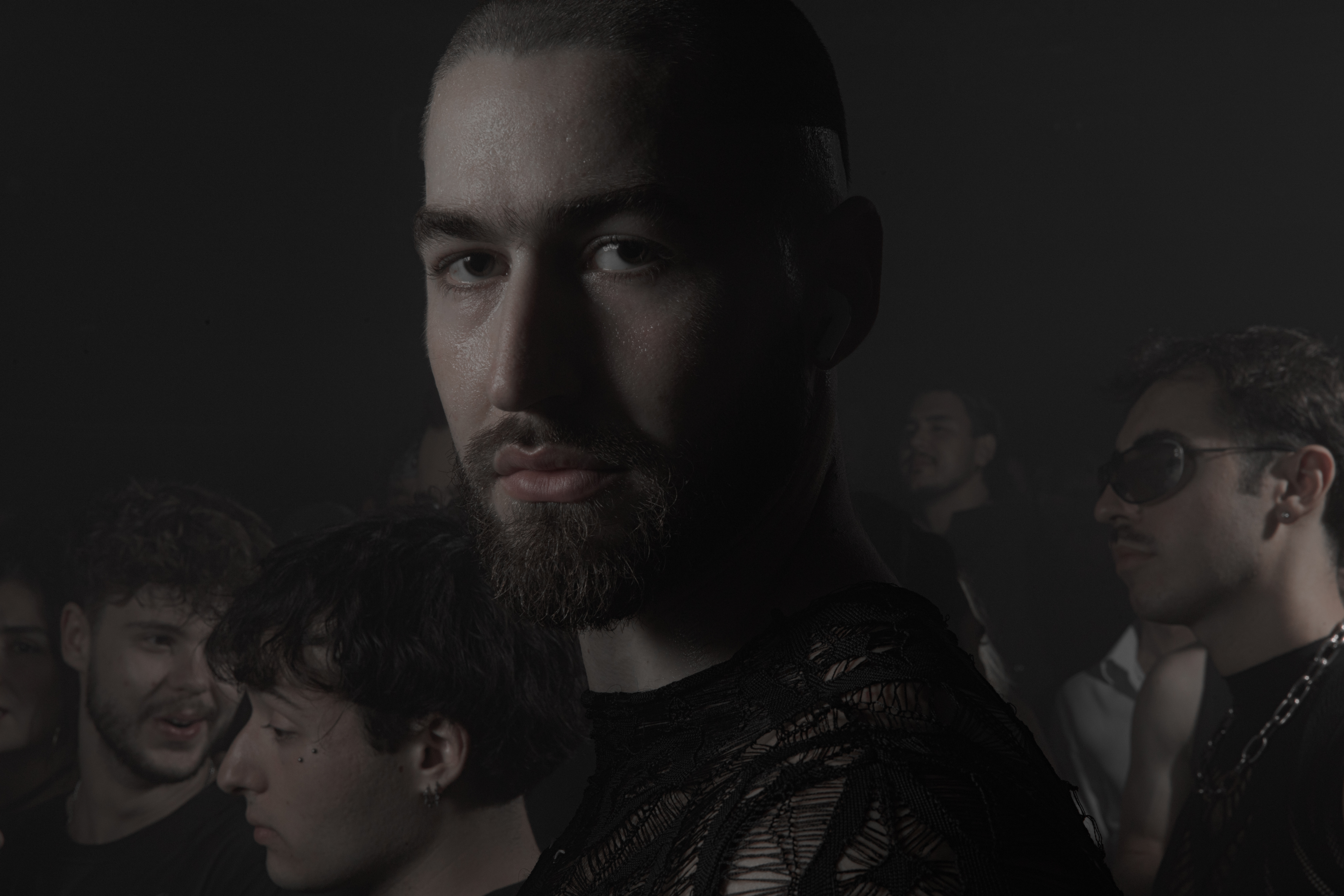
Do you see nightlife as an escape or a confrontation with reality?
People often assume that nightlife is about escaping reality, or escaping yourself. I see it differently. I think people come to the night to escape the character they have built for themselves in everyday life. The expectations, the labels, the roles they are asked to perform. In the right environment, those layers dissolve. People become more open, more honest, and often more aligned with who they really are. This often happens collectively. When people find a space where they feel accepted, they can access parts of themselves they were not able to express elsewhere. For me, nightlife is less about escaping reality than about getting closer to yourself.
What idea about the future excites you most, and what keeps you awake at night?
As simple as it sounds, what excites me most is the possibility of discovering something new. New music, new artists, new communities, new ways of being together. What keeps me awake at night is seeing the world move in the opposite direction: conflict, division, fear of others, and growing restrictions on personal freedoms. This is why spaces of culture and encounter feel more necessary than ever.
Have you seen someone transform in a single night?
Yes, many times. Not because people became someone else, but because they stopped pretending to be someone they weren’t. The most powerful transformations are acts of recognition rather than reinvention. I have seen people arrive carrying expectations, insecurities, or versions of themselves they felt they had to perform, and leave feeling lighter, more confident, and more connected to who they are. These are the moments that stay with me.
What would a future historian learn from FVTVR’s archives?
I hope they would understand how people were trying to find each other. Beyond the artists, the music, and the events, I hope they would see a community searching for connection in a rapidly changing world. We live in a time when we are more connected than ever, yet genuine encounters can feel increasingly rare. I would also want them to understand the vision that Arnaud Frisch brought when he created FVTVR, and what Emmanuel Gunther continues to express through its creative direction: the belief that nightlife can be more than entertainment. It can be a cultural space, a social space, and a space of possibility. FVTVR was never just about nightlife. It was about creating the conditions for people to meet, exchange ideas, build relationships, and discover new perspectives. If someone looks back at these archives in a hundred years, I hope they see people trying to imagine new ways of being together.
Who is Bryan Courtois without the night?
Someone who is still searching. Across all the mediums I work with — curation, publishing, architecture — they are all different ways of asking the same question: How do we create spaces where people can meet, connect, and become more themselves? The night isn’t who I am. It is simply one of the places where I have learned to look for answers.
TEAM CREDITS
Director & Photographer: Billel Ouazene
DOP: Charles Lesur
Light Assistant: Maxime Szymanski
Production: Emma Lelouarn & Ocurens