
The CNMI Fashion Trust Grant 2026 confirms its mission: supporting a new generation of designers operating in Italy — already discovered, followed and often directly supported by a curious, independent global audience.
by Giorgia Cantarini
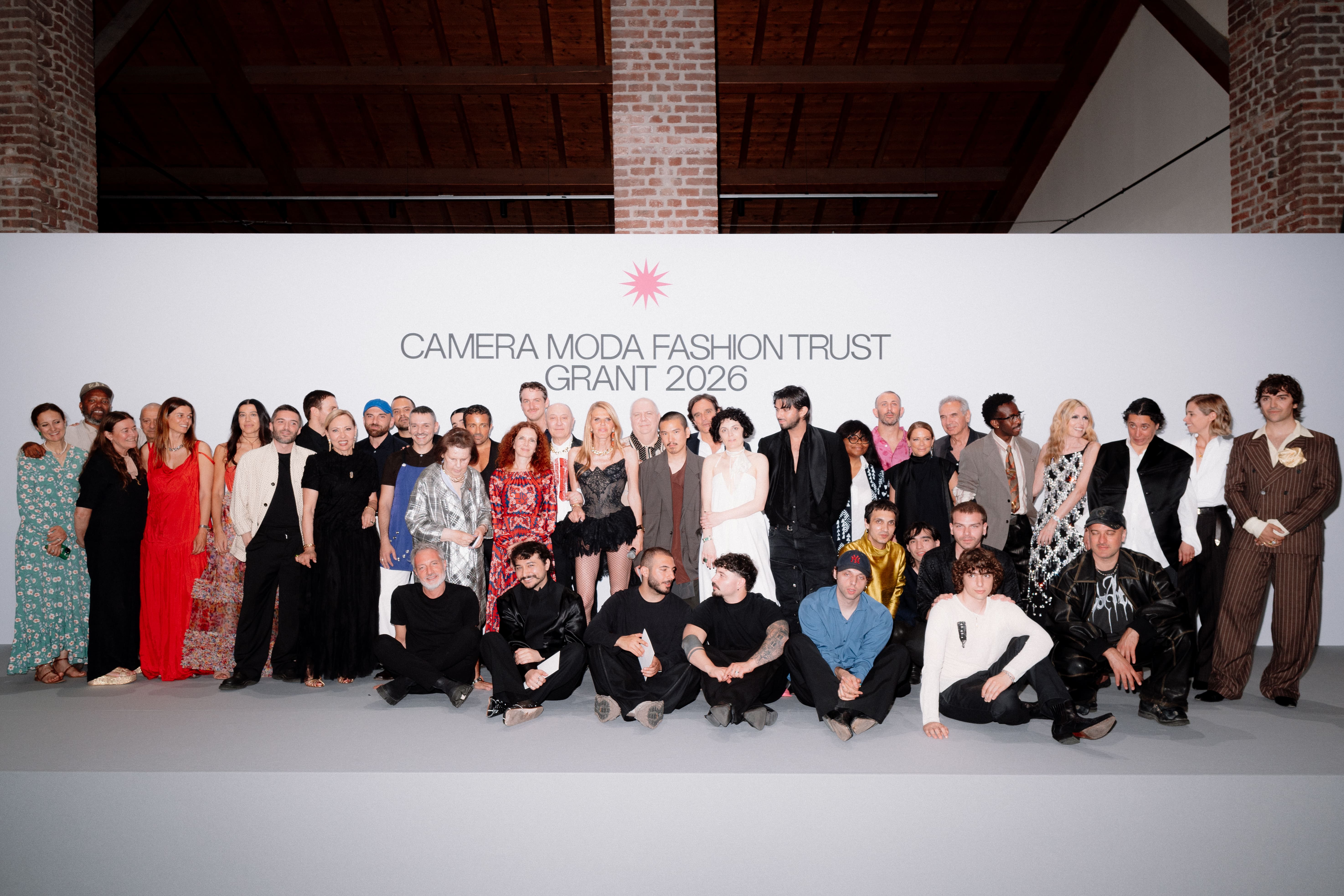
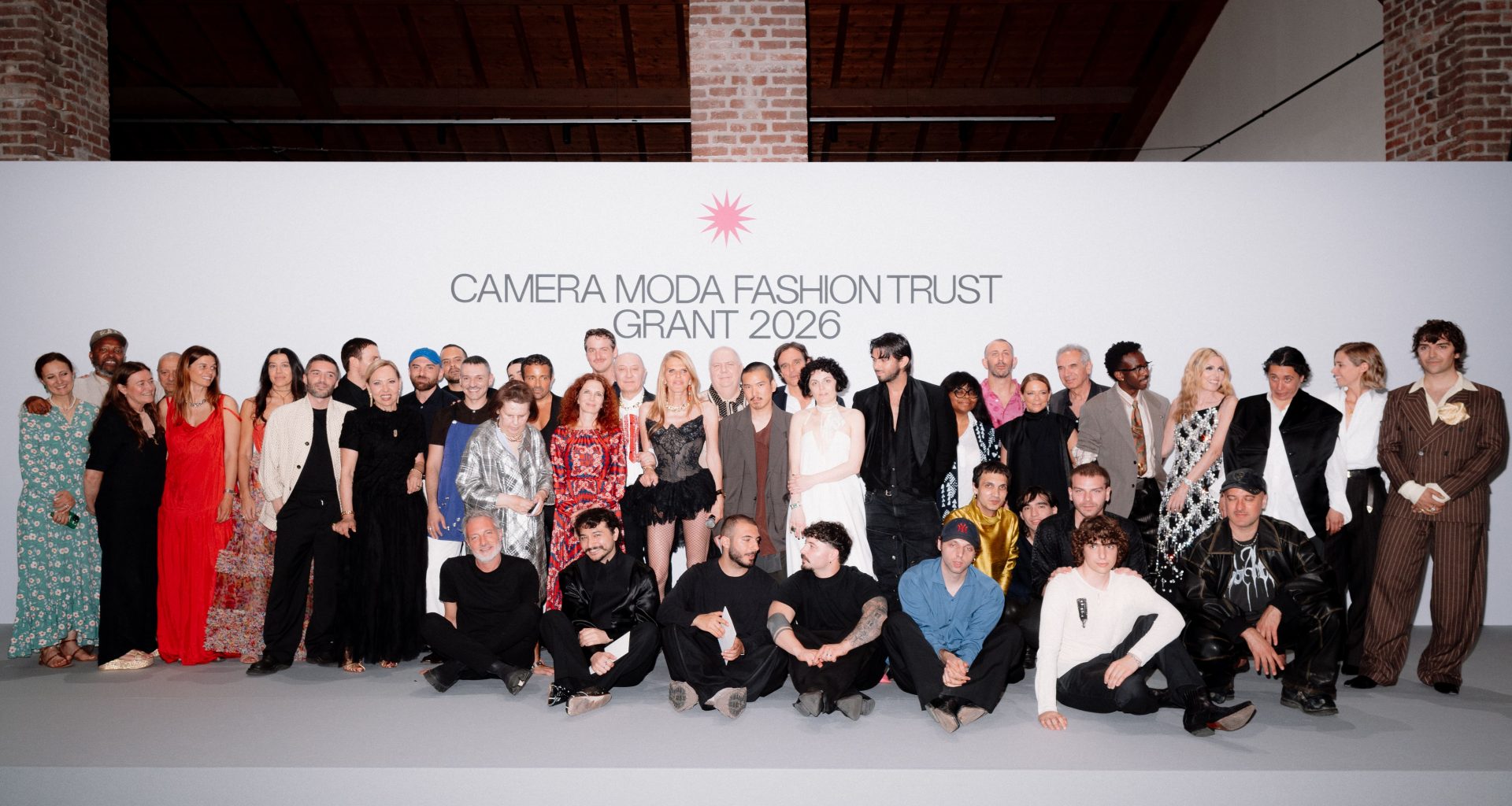
Last night in Milan, the CNMI Fashion Trust Grant 2026 Awards Ceremony took place — an event dedicated to supporting a new generation of emerging designers in Italy operating within the Italian fashion system.
While the system still talks about emerging designers as something to nurture, the truth is that many of these designers are already out there — building communities, selling directly, and being discovered by a generation that doesn’t wait for institutional approval.
This is exactly where the CNMI Fashion Trust Grant 2026 becomes crucial for the future of fashion and for the next generation of independent designers.
They don’t necessarily need more promotion, what they need is the part the industry still controls: access, strategy, and long-term positioning.
The Camera Moda Italia Fashion Trust works precisely on this level, offering financial support alongside mentoring and one-to-one guidance within the Italian fashion system — which, today, is probably the most valuable currency.
Before even getting to the winners, it’s worth looking at the broader picture. This year’s shortlist included 11 finalists: ACT N°1, ANDREA BROCCA, DES PHEMMES, DOMENICO OREFICE, GROSSI, INSTITUTION, LUTCHMIAH, MATERIA, PECORANERA, UNKNOWN ARTISAN and UNTITLED ARTWORKS. A selection that reflects how diverse the Italian emerging scene has become today — spanning from couture-driven experimentation to material research, from conceptual approaches to deeply rooted artisanal practices.
For 2026, the grant has been awarded to ACT N°1, INSTITUTION and MATERIA, each receiving €70,000 and entering a development programme starting from June.
ACT N°1 continues to stand out for its hybrid cultural identity and emotionally charged aesthetic, blending Eastern and Western references into a narrative that feels both intimate and recognisable. INSTITUTION operates on a more conceptual level, working around the idea of uniform and system, deconstructing institutional dressing through a sharp and intellectual lens. MATERIA, as the name suggests, is rooted in fabric research and construction, with a tactile, process-driven approach that places craftsmanship at the centre of the design process.
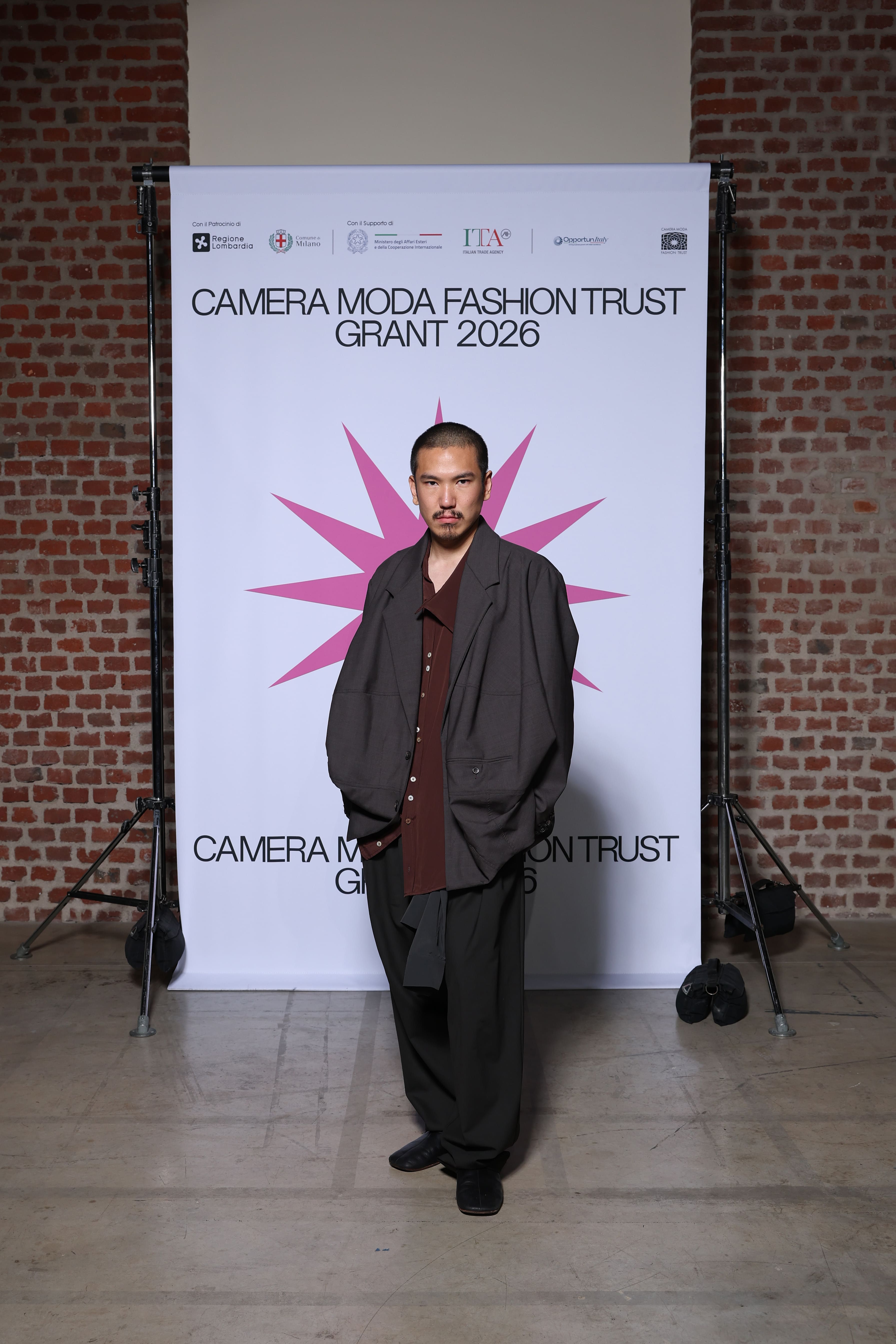
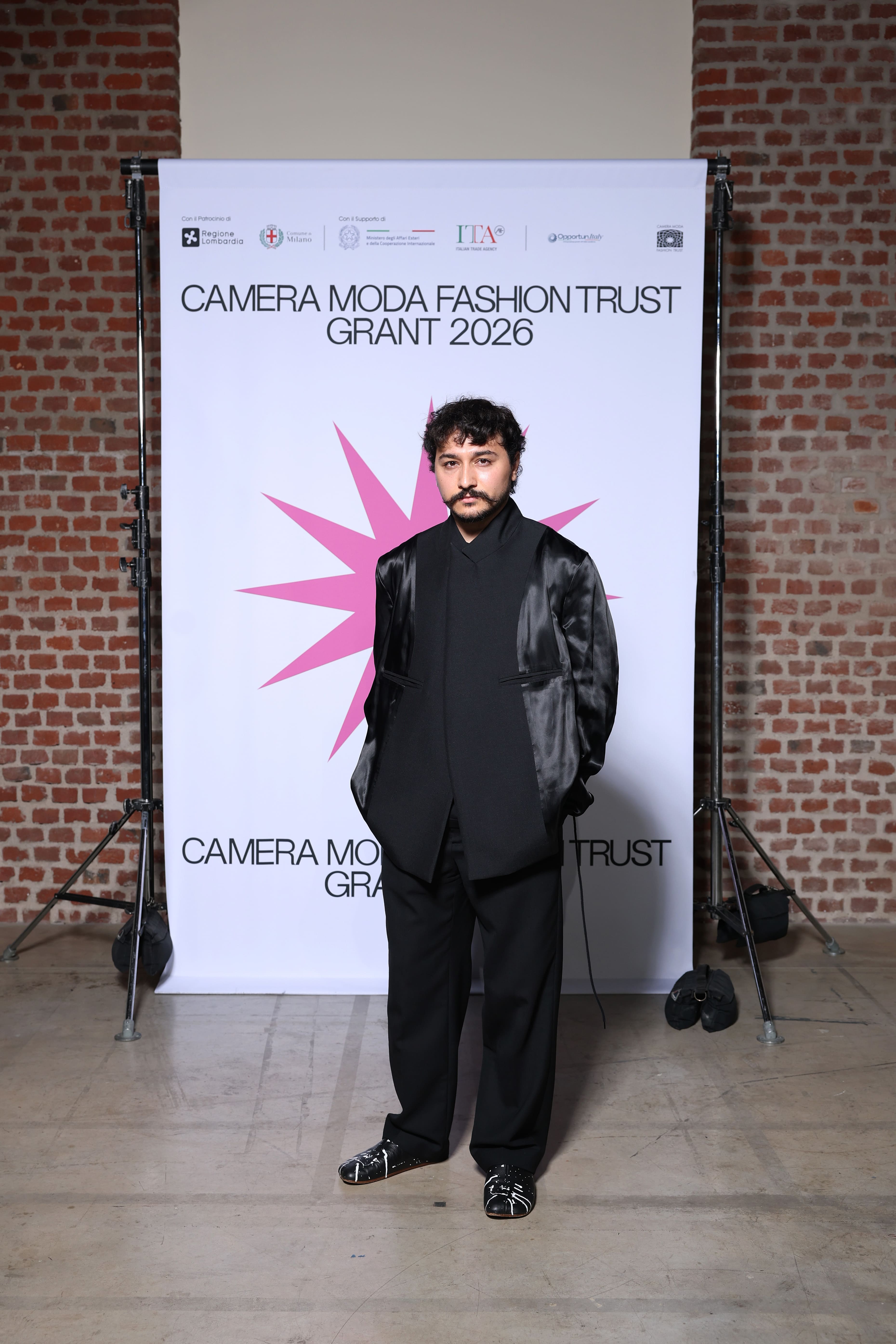
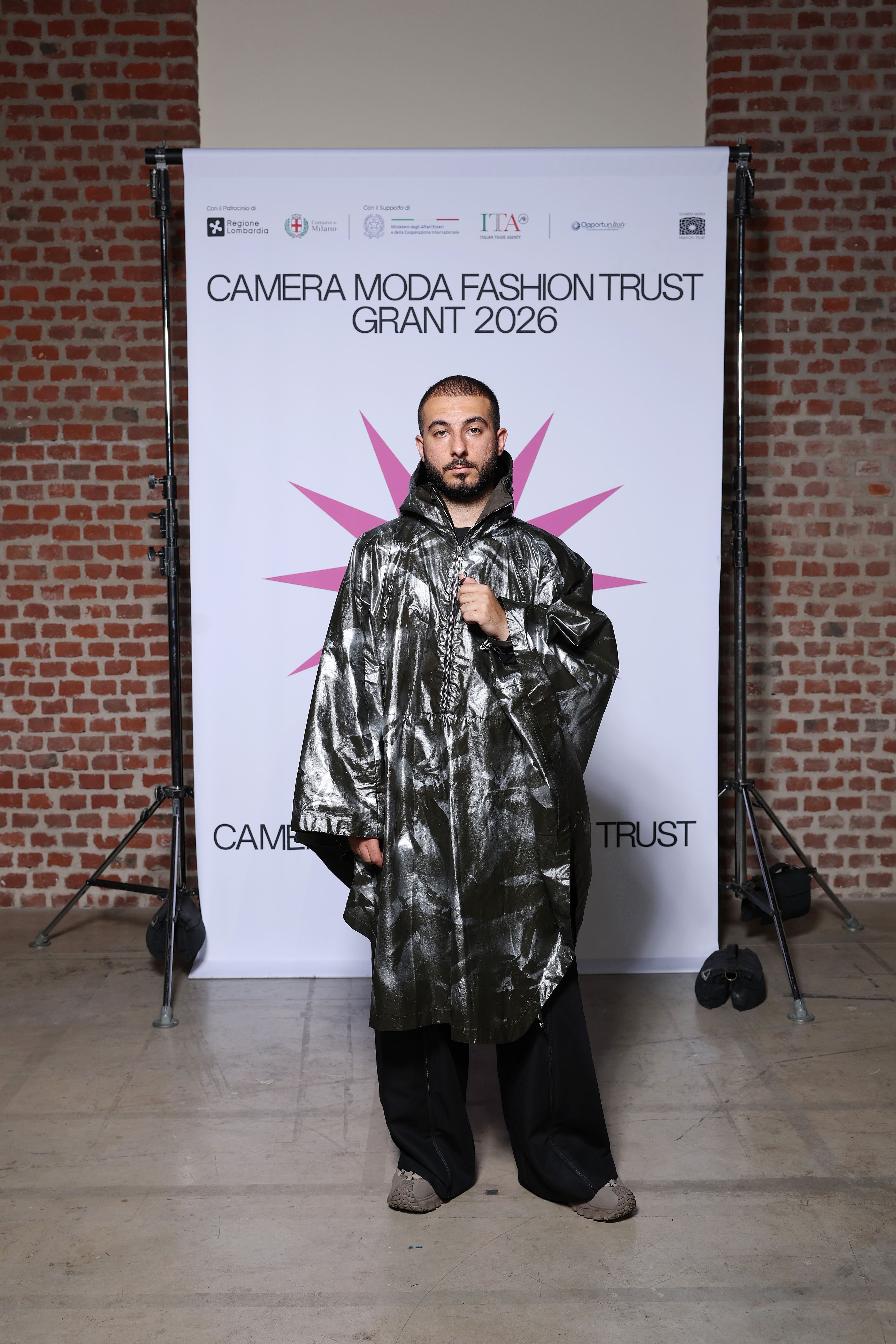
The jury brought together different layers of the industry, not just creatives but also media and business perspectives: Carlo Capasa (Chairman, CNMI & Trustee, Camera Moda Fashion Trust), Sara Sozzani Maino (Creative Director, Fondazione Sozzani & Advisory Board Member, Camera Moda Fashion Trust), Anna Dello Russo (Creative Consultant and former Fashion Editor at Vogue Japan), Suzy Menkes (journalist, podcaster and fashion authority), Marco Bizzarri (entrepreneur), Roberta Benaglia (CEO & Founding Partner, Style Capital SGR), Umberta Gnutti Beretta (Co-Founder & Co-Chair, Camera Moda Fashion Trust), Warly Tomei (Co-Founder & Co-Chair, Camera Moda Fashion Trust), Elisa Pervinca Bellini (Senior Fashion News & Sustainability Editor, Vogue Italia).
What makes this kind of support truly relevant is how it is used.
In a landscape that is increasingly competitive and structurally difficult, the possibility for independent designers to emerge and sustain themselves entirely on their own is extremely limited. Financial support like this is not just about recognition — it becomes a tool to invest in the real growth of a brand: production, team building, and the development of PR and marketing strategies that allow these designers to position themselves within a wider system.
It gives them the possibility to work with stronger resources, to build more solid and engaged communities, and to become visible not only to the public, but also to established brands and other industries — opening the door to collaborations that would otherwise remain inaccessible.
Because today, talent alone is rarely enough. What makes the difference is the ability to transform that talent into a structure that can exist, grow and stand out in a very saturated world.