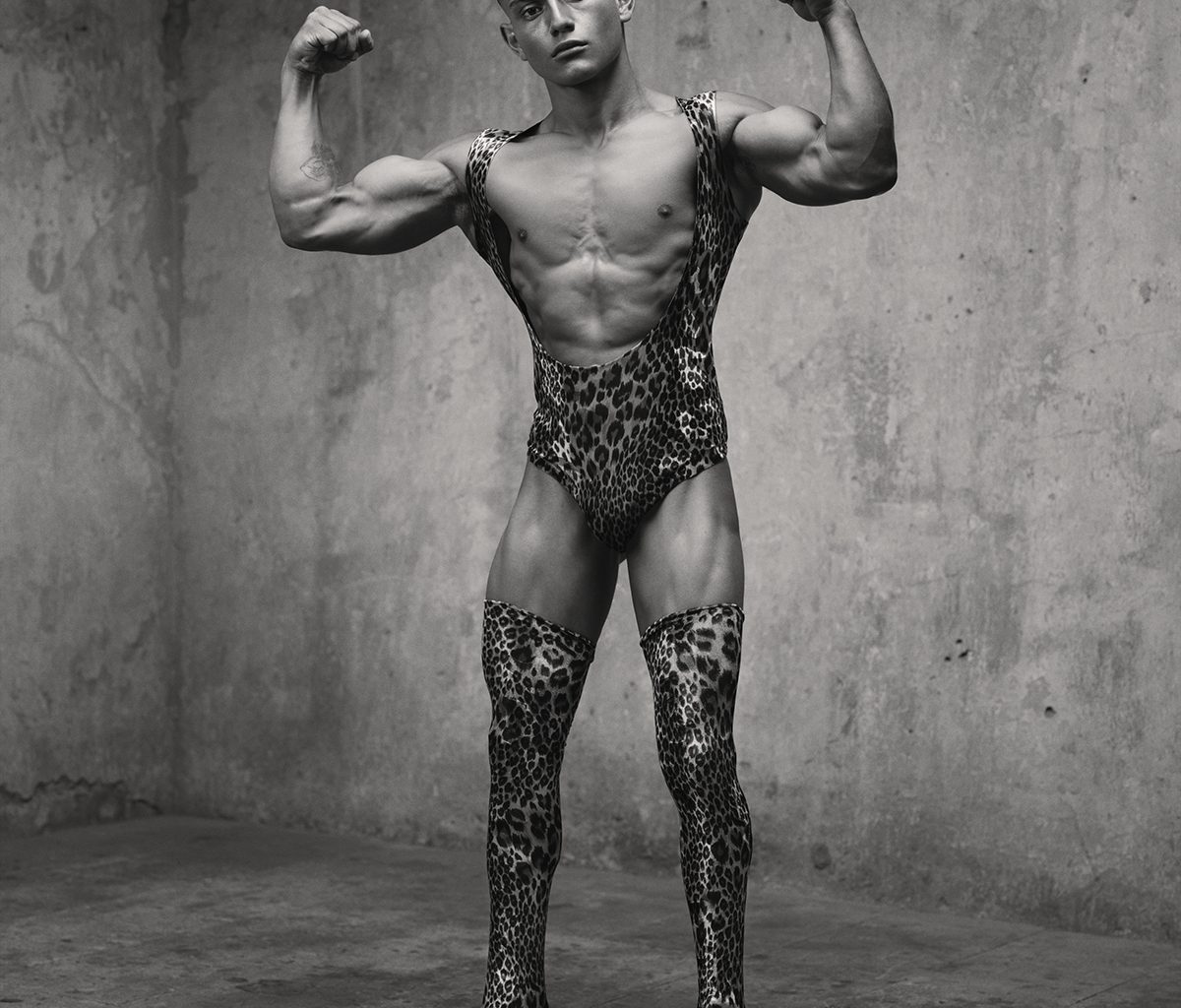
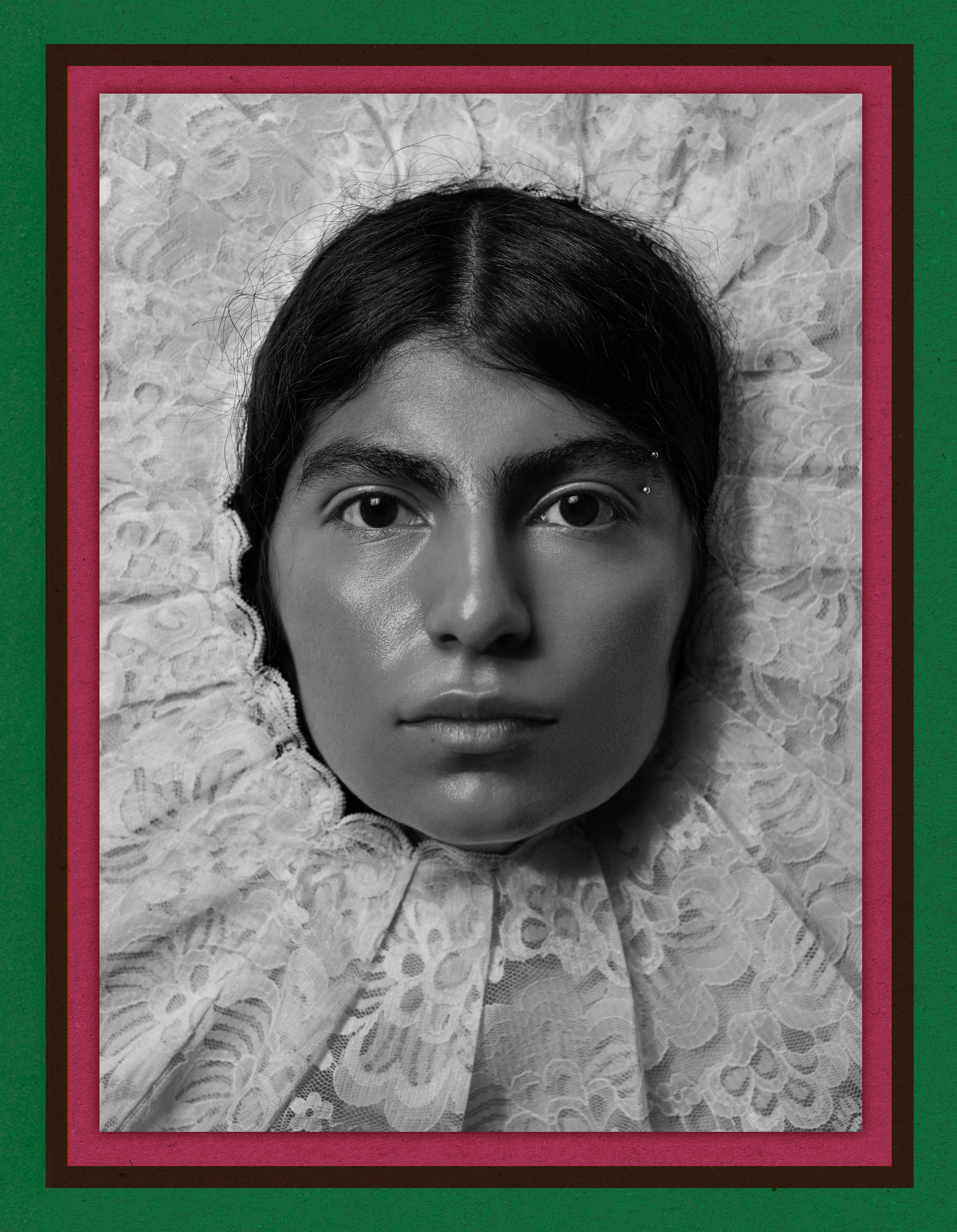
Birds of Mexico City doesn’t behave like a traditional photobook. It resists the idea of a single gaze, unfolding instead as a layered conversation between photographer Pieter Henket, editor and co-writer Justin Gaspar, and the young subjects who inhabit its images.
Shot in Mexico City and later reactivated through an extended editorial process, the project moves beyond portraiture into something more fluid: a constructed yet deeply human landscape of identity, ritual, and self-invention. Henket’s controlled, painterly visuals form the foundation, but it is Gaspar’s editorial intervention that reveals the emotional architecture beneath them—threading together three chapters that map shifting ideas of masculinity, femininity, and cultural memory.
What emerges is not a fixed narrative, but a shared space of authorship. Between photographer and editor, between subject and image, Birds of Mexico City becomes an exercise in listening—where meaning is not imposed, but gradually uncovered through collaboration, trust, and the willingness to leave things partially unresolved.
In the conversation that follows, Gaspar and Henket reflect on that balance: between control and surrender, authorship and participation, and what it means to build an image of youth without flattening its complexity.
JUSTIN GASPAR
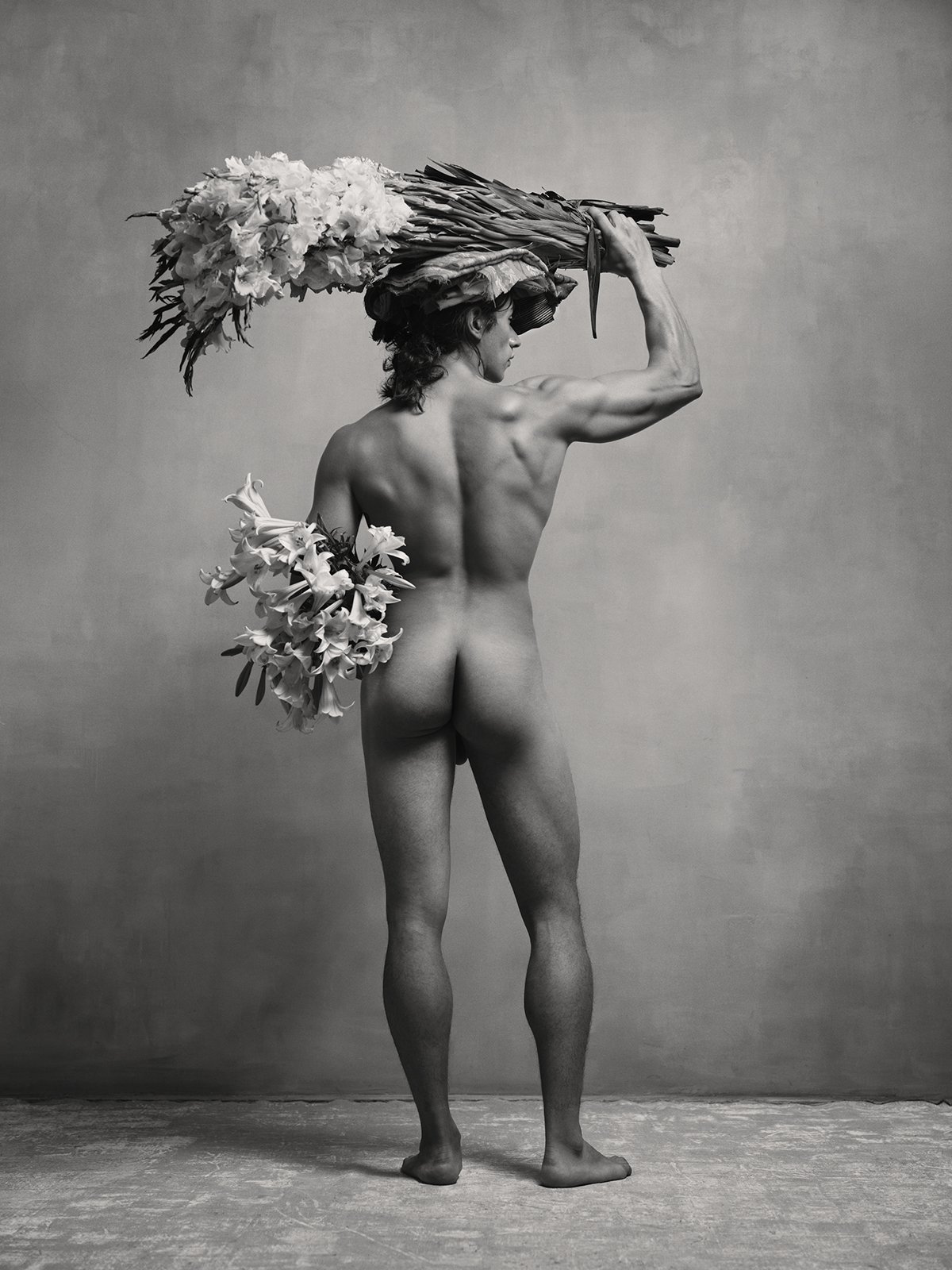
There’s an argument that Birds of Mexico City only truly found its meaning once a younger voice entered the editorial process. Did you ever feel you were editing against the weight of an already established artistic vision?
No, I never felt that weight. I think the reason is because the project came to me almost like a puzzle piece by piece, and part of my role became finding the missing thread that connected everything together emotionally and conceptually.
What felt exciting to me was that the editing process wasn’t traditional at all. The work already had such a strong visual language and emotional presence, but it wasn’t trying to explain itself too clearly. I wasn’t coming in to reshape Pieter’s vision or fight against it. It was more about listening to what was already there and helping reveal the deeper rhythm between the images, the people, the texts, and the themes that were naturally emerging.
In many ways, it felt refreshing because it became a very collaborative process. The project stayed open enough for new perspectives to enter it, and I think that openness is part of what gives the book its emotional honesty.
Younger generations are constantly photographed, documented, analyzed – but rarely trusted with authorship. Do you think your role on this book was, in some way, about reclaiming narrative control?
In some ways, for sure. But I also think what made this project special was that Pieter already approached the work with a real openness and understanding of what his lens could and could not do. He created a space where people could exist with dignity and complexity rather than trying to define them too narrowly.
Where I came in was from a different but complementary position. As a younger person who could relate more directly to many of the subjects, especially around questions of identity, self-image, and belonging, there was a level of trust that naturally developed during the writing and editing process. Many of the conversations we had went beyond the photographs themselves.
The subjects entrusted me with parts of their stories because I understood some of those struggles personally. So the role became less about speaking for them and more about helping protect the honesty of how they wanted to be seen. I think that’s where the idea of narrative control comes in. Not forcing a narrative onto youth culture, but allowing people to participate in shaping their own representation.
A lot of contemporary culture still feels filtered through institutional older voices trying to explain youth back to itself. What instantly tells you when an image feels honest versus when it feels like projection?
What instantly tells me an image is honest versus projection is the degree to which you can feel the collaborative process inside of it. For me, honesty does not necessarily mean spontaneity or realism. An image can be highly constructed, meticulously styled, carefully posed, and still feel deeply truthful.
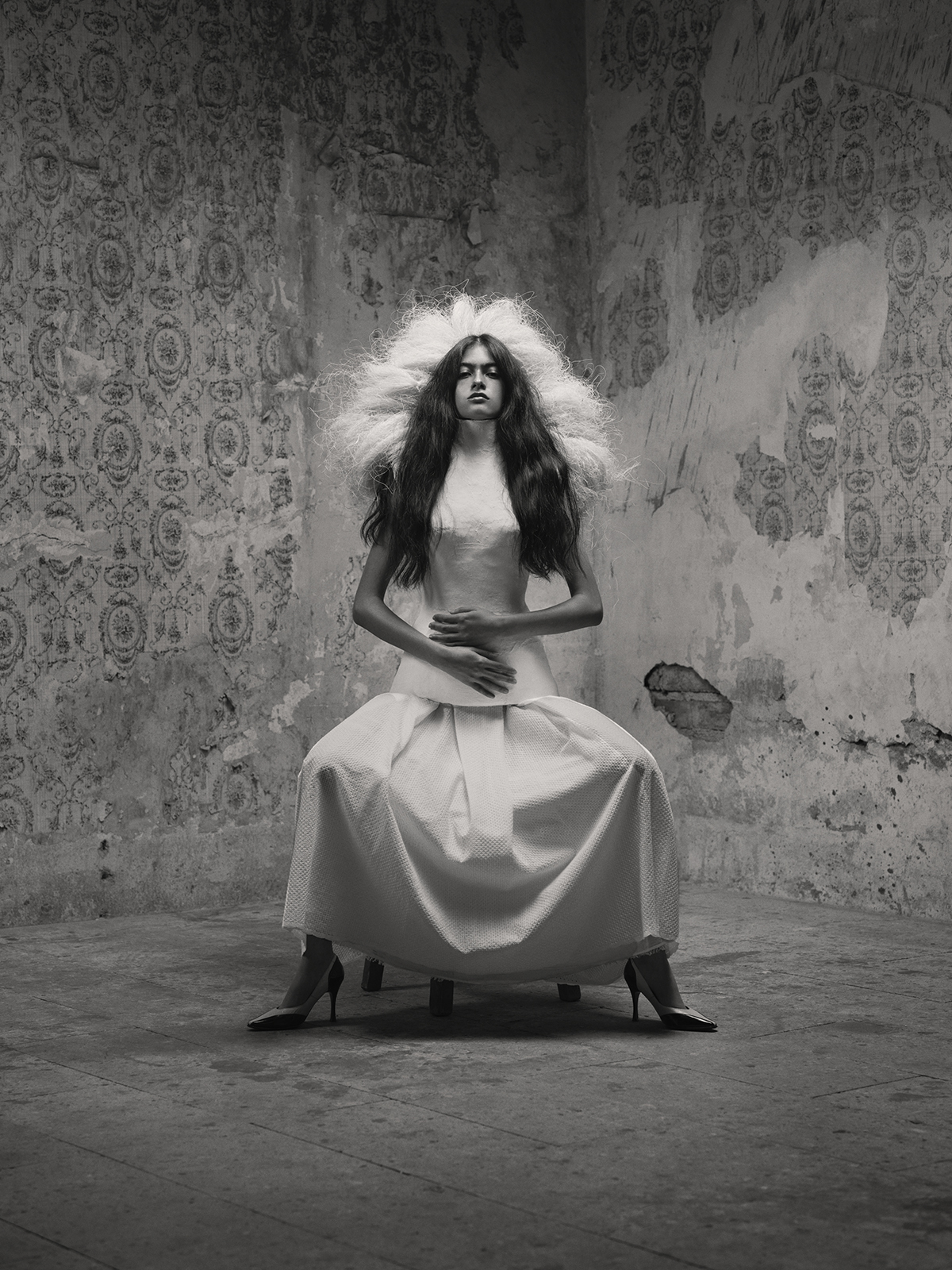
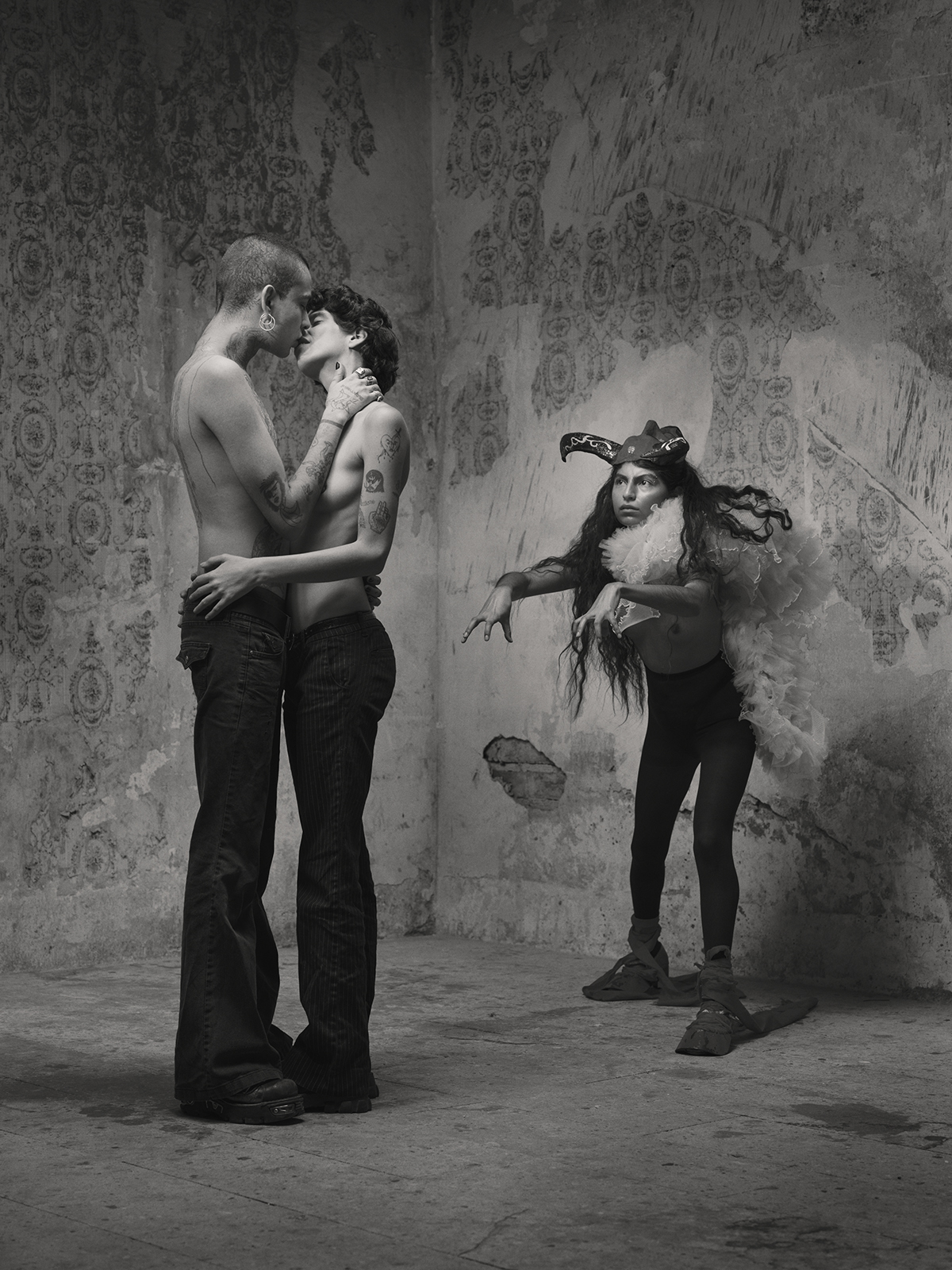
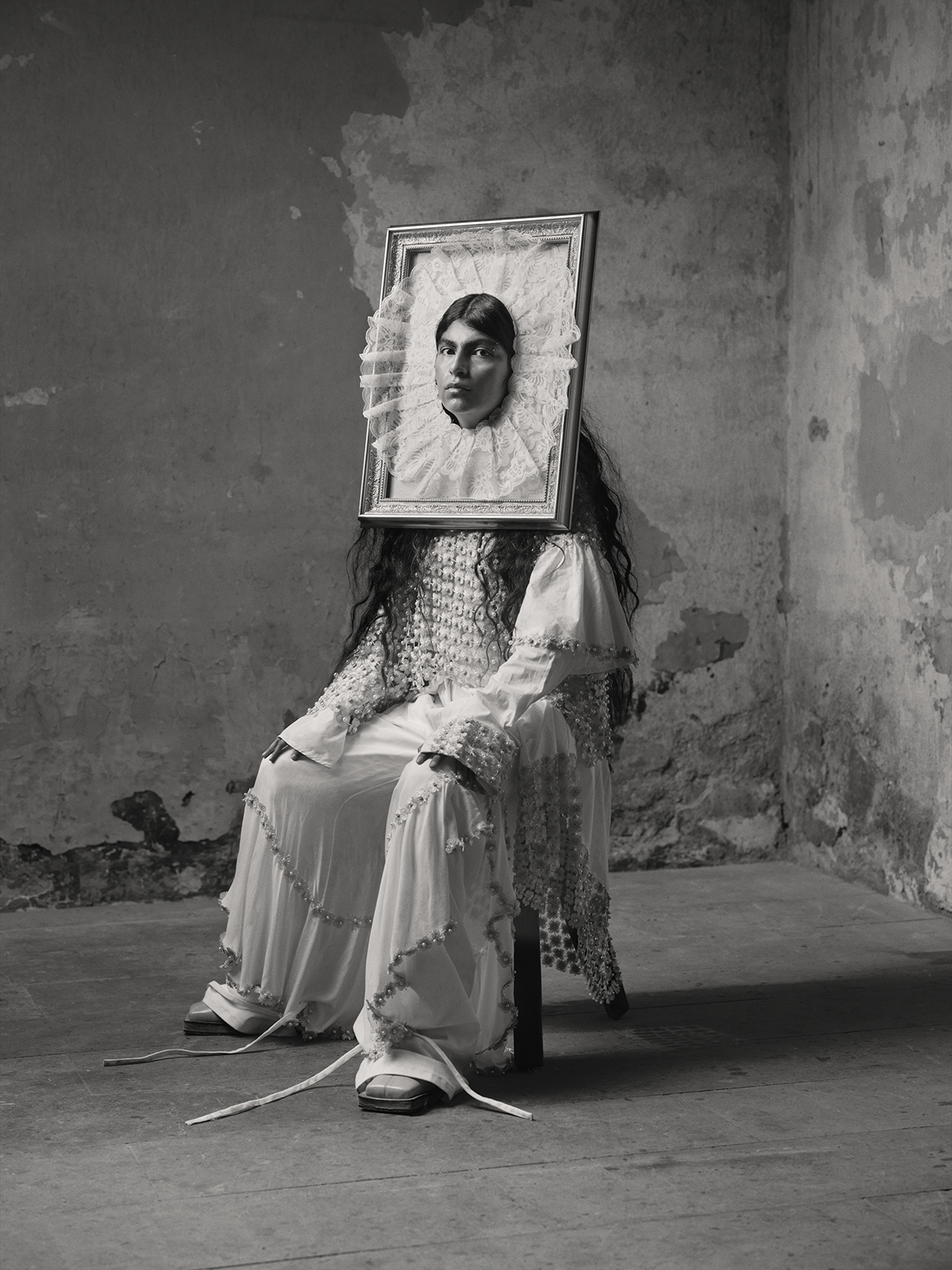
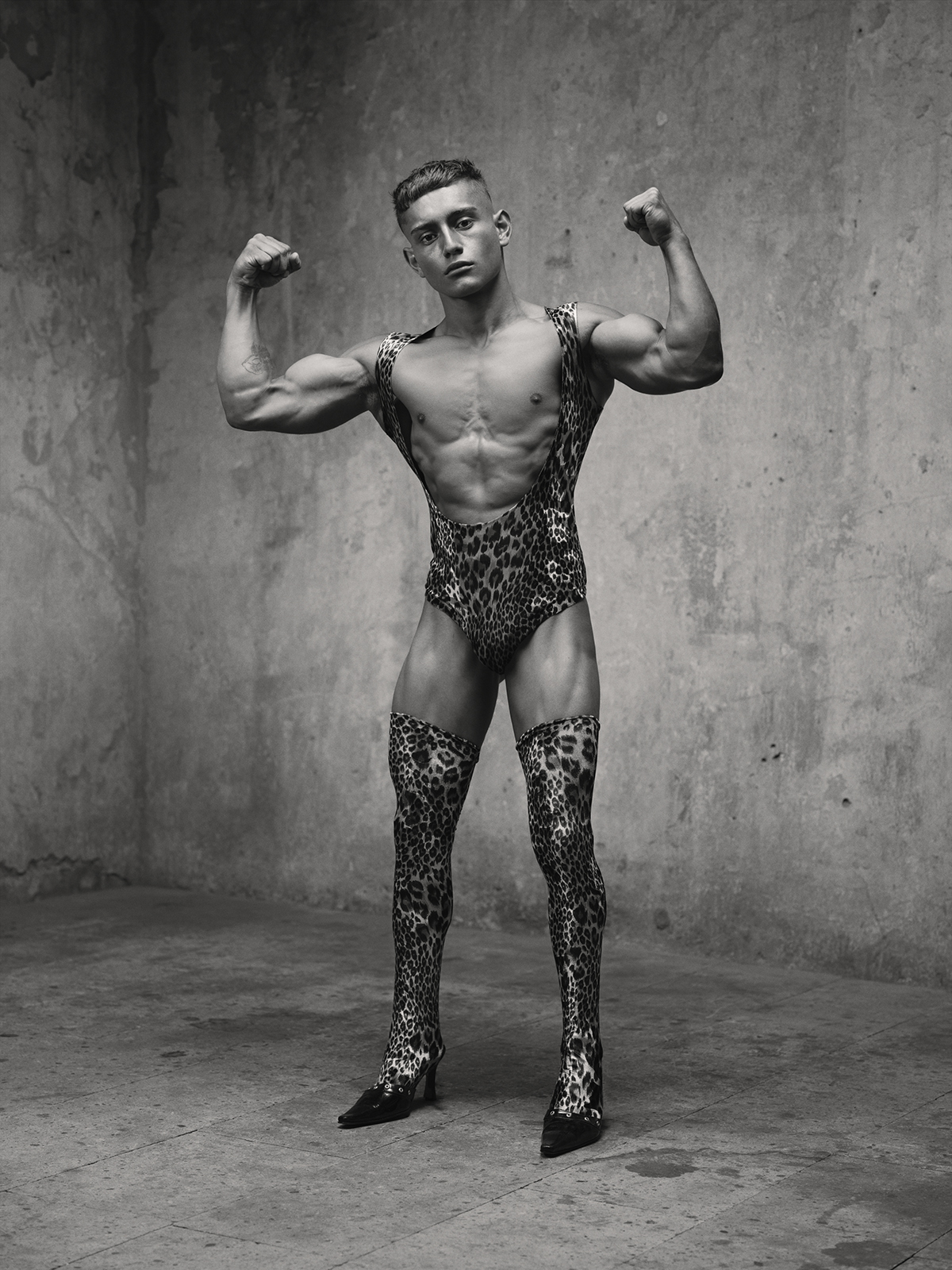
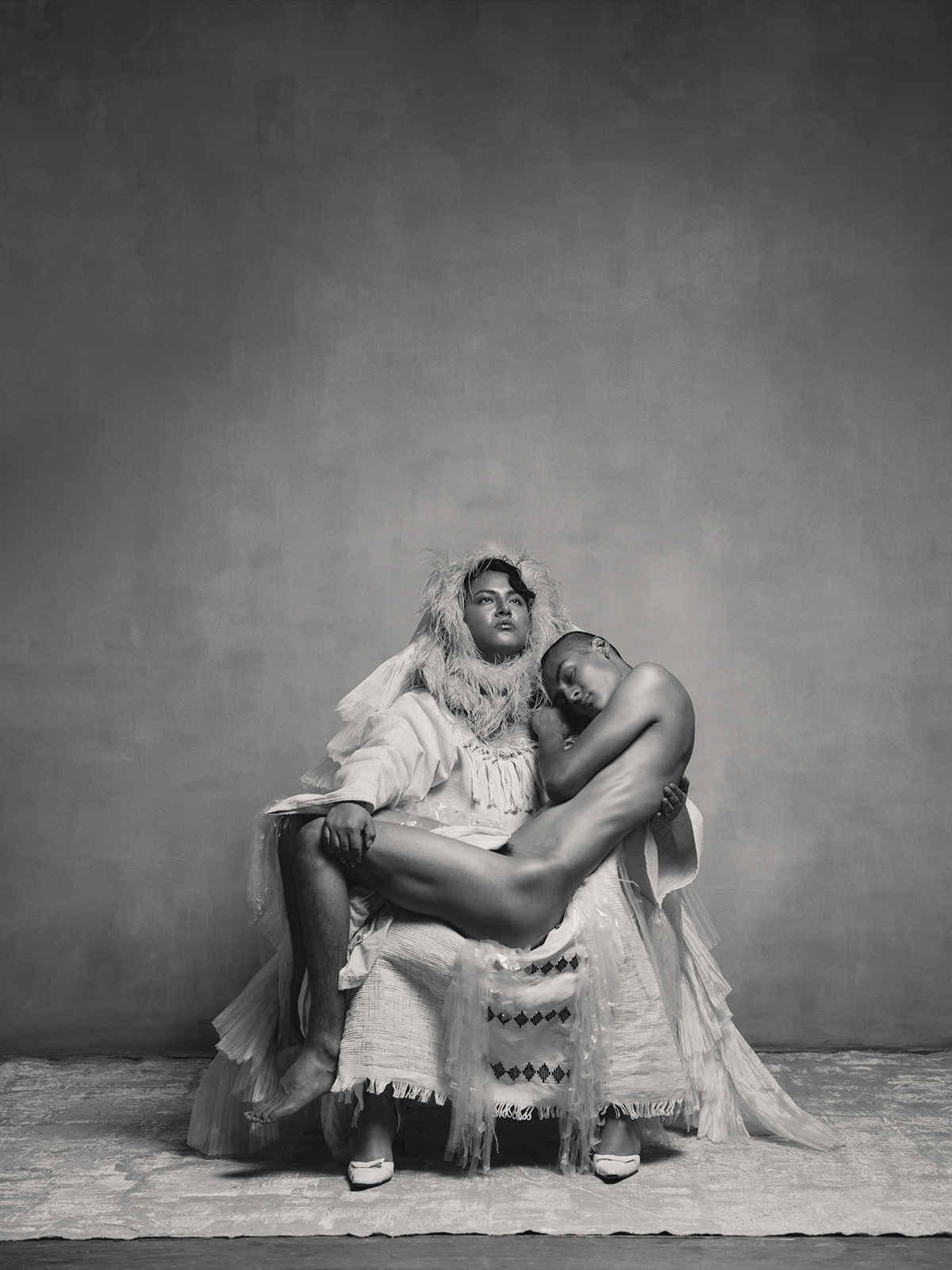
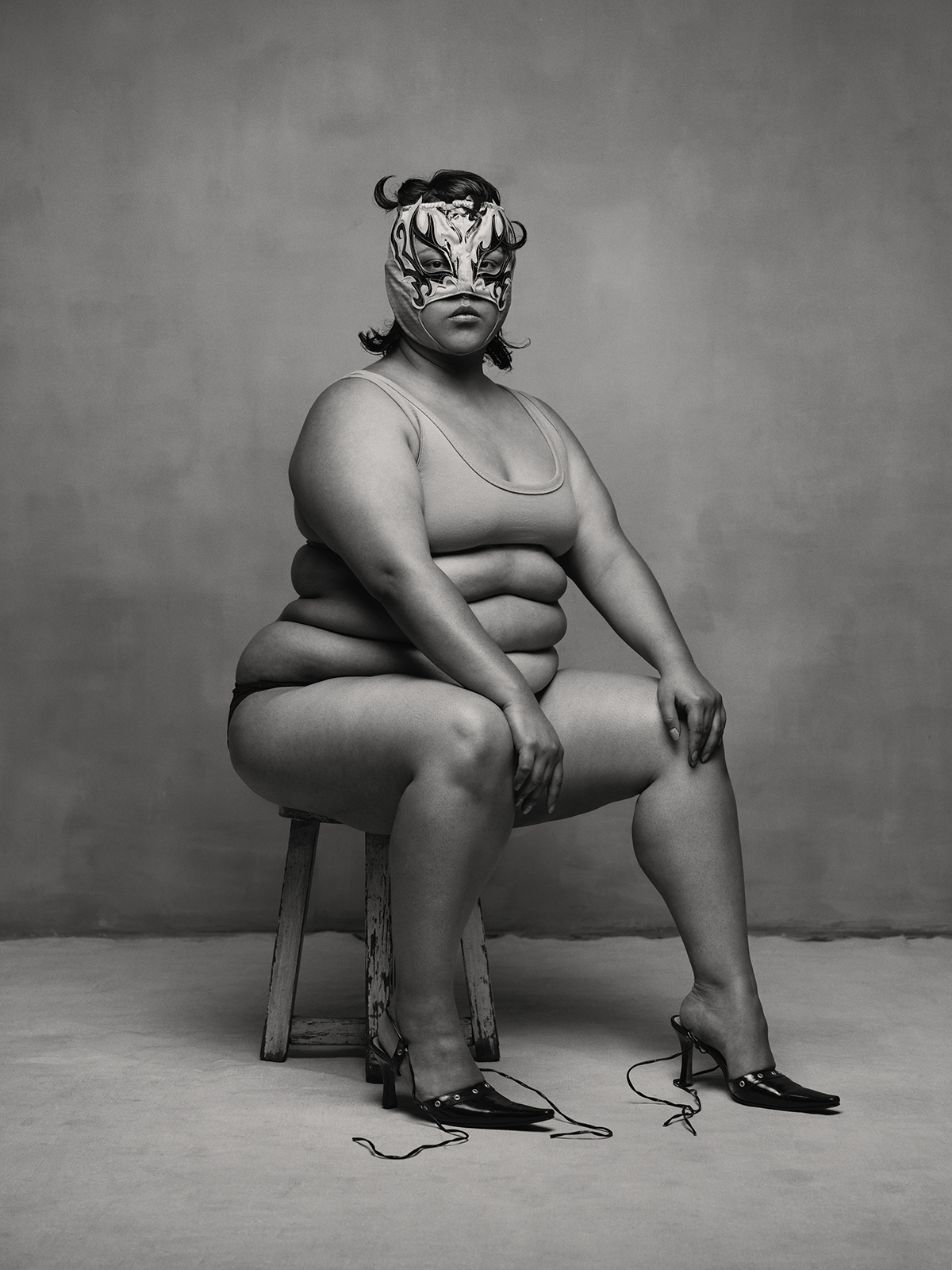
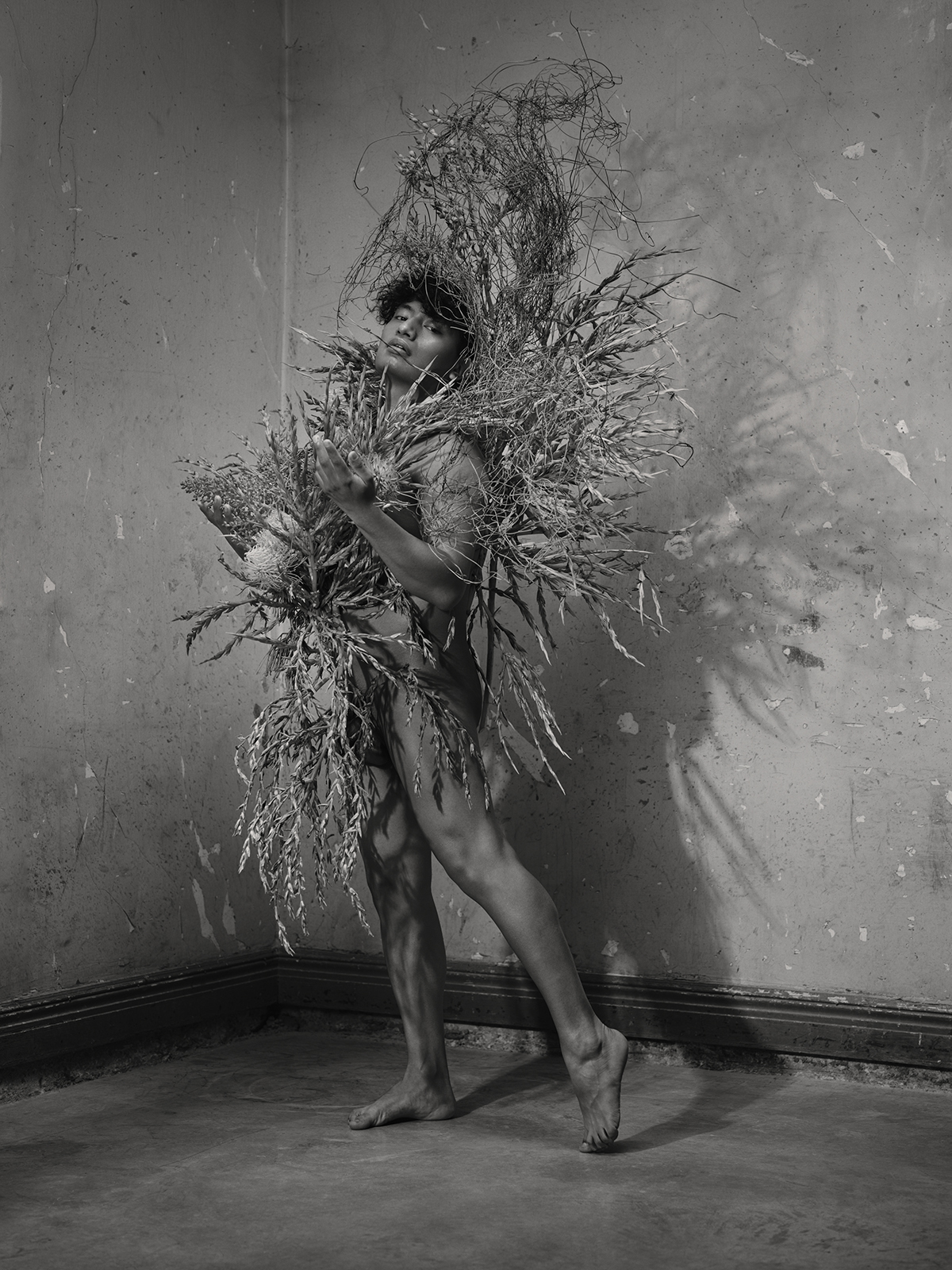
The photographs in this series are incredibly deliberate through the costuming, positioning, lighting, and symbolism, but within all of that control there is still a natural fluidity. You can feel when people have participated in the making of their own image rather than simply being turned into someone else’s idea.
Projection often happens when an image feels imposed onto a subject, when the person disappears underneath the concept. What makes these images feel honest to me is that even within the theatricality, the individuality of each person still pushes through. The collaboration remains visible.
Editing photography is almost invisible work – shaping rhythm, emotion, silence, tension. What was the one thing you wanted Birds of Mexico City to say emotionally that perhaps the images alone couldn’t?
What I wanted Birds of Mexico City to say emotionally, that perhaps the images alone could not, was that these individuals were not isolated portraits but part of a larger emotional and cultural landscape.
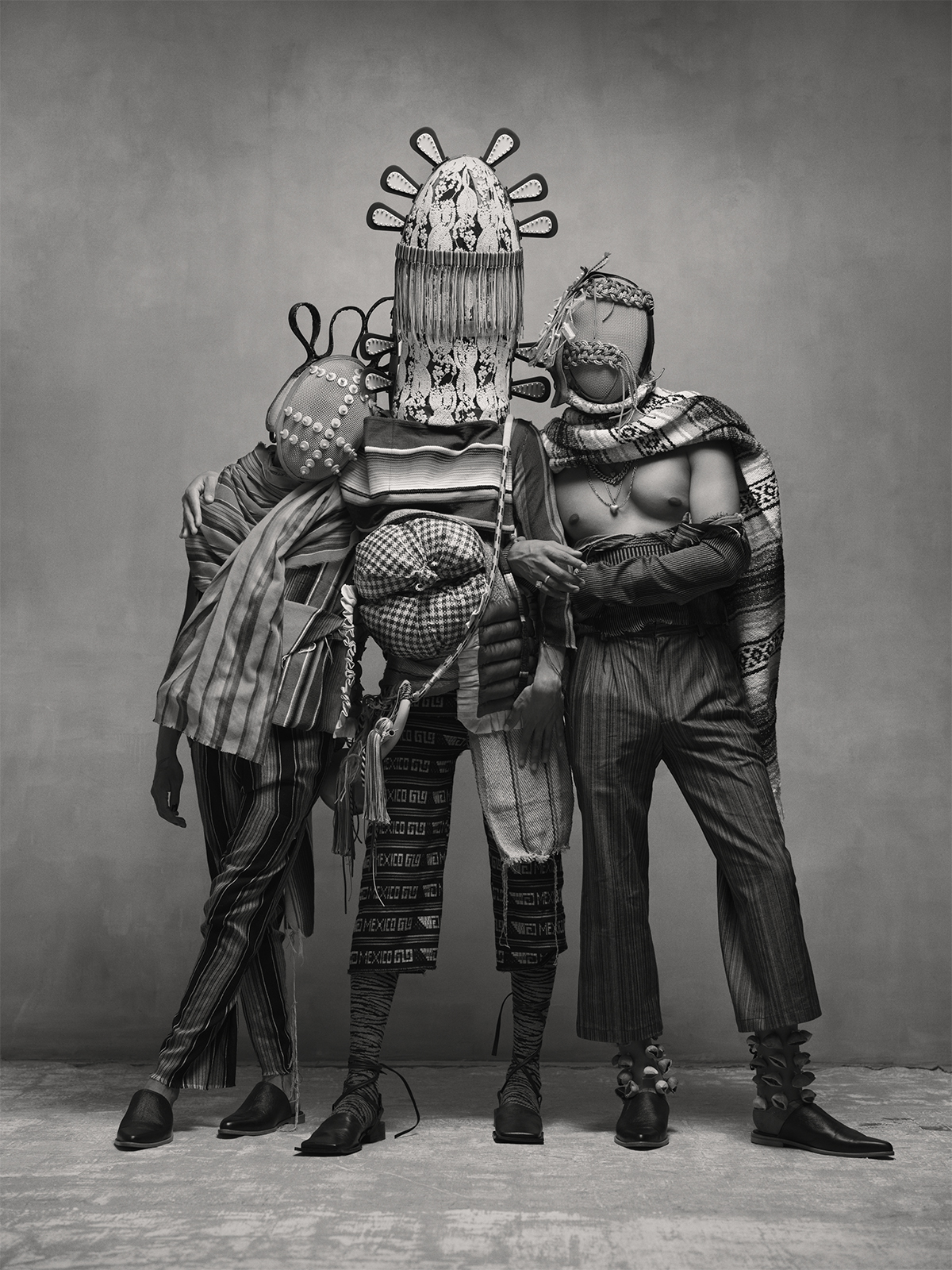
I wanted the book to have a through line and structure that the images themselves were asking for. That became the foundation for the three chapters we built the project around: The Divine Feminine, The Masculine, and Mexican Artifacts and Culture. Through sequencing and writing, the work could begin speaking to larger ideas around identity, vulnerability, symbolism, and self-construction in a way that a single image alone cannot fully carry.
The editorial process allowed the viewer to move emotionally through the work rather than simply observe it. It created space for tension, softness, contradiction, and intimacy to build across the pages. For me, that emotional rhythm was essential to understanding the humanity of the people in the book.
If you could write a short letter to your future self – ten years from now, after culture, youth, and image-making have inevitably transformed again – what would you hope you never lose: control, curiosity, or the ability to still be surprised by the world?
I hope I never lose my curiosity. More than control, I think curiosity is what keeps you alive creatively and emotionally. I hope ten years from now I am still genuinely open to what younger generations have to say, how they see themselves, and how culture continues to evolve.
One of the most dangerous things that can happen with age is becoming closed off or believing your way of seeing the world is the definitive one. I never want to lose that openness or the ability to be surprised by people, by images, by new forms of expression, and by ways of living that challenge my own perspective.
The world changes constantly, and I think remaining curious is what allows you to keep growing alongside it rather than becoming disconnected from it.
PIETER HENKET
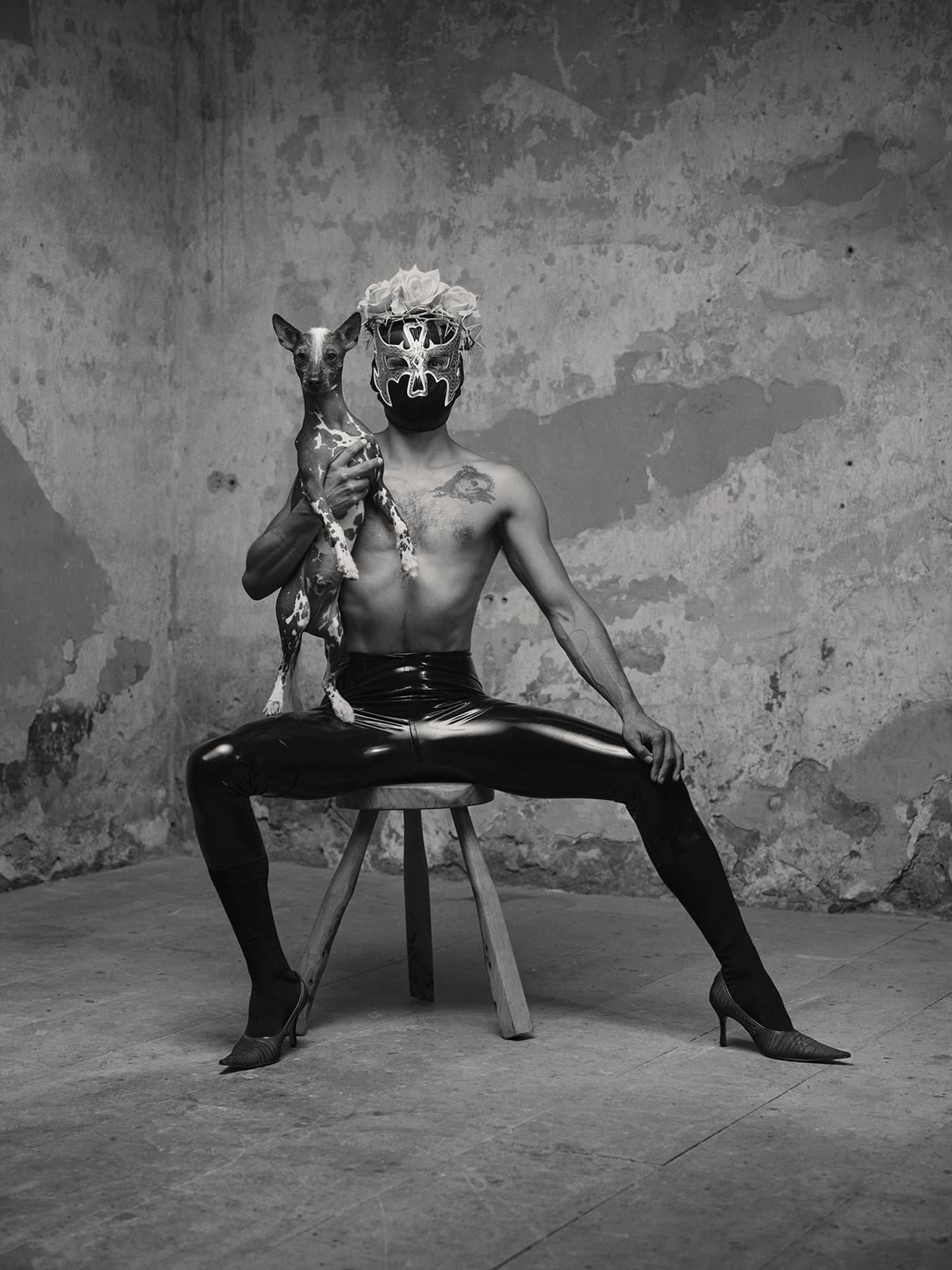
Birds of Mexico City feels less like a photography book and more like a collision between observation and surrender. At what point did you realize the project stopped belonging entirely to your own gaze?
I don’t think it ever fully belonged to my gaze alone, because I’ve never really approached photography that way.
For me, photography works best as a collaboration. I come with visual instincts, ideas, lighting, atmosphere, but the real depth happens when people begin bringing themselves fully into the image.
With Birds of Mexico City, that happened naturally and very quickly. The people we photographed, the styling by Chino Castilla and his team, the conversations Renata Juárez had with participants, the emotional and narrative structure Justin Gaspar later helped shape in the book, all of these elements slowly started speaking to each other. The project became more layered, more open, more alive.
What interested me was not documenting people from a distance, but creating a space where people could reveal something of themselves without apology. I think you can feel that in the portraits. The people are not simply being observed. They are actively present in the construction of the image itself.
Your work has always carried a sense of control – almost painterly precision – but this project seems more porous, younger, less interested in perfection. Did working alongside Justin Gaspar force you to loosen your grip on the narrative?
Even though my work can look very controlled, very painterly, I actually work in a really playful and collaborative way. I never hold a tight grip on the narrative.
Birds of Mexico City was built as an exchange from the very beginning. The precision is there, yes, in the lighting, the composition, the atmosphere, but inside that structure there is a lot of openness, improvisation, and discovery.
Justin came into the project after the photographs had already been shot. What he brought was a completely fresh perspective on the material. He spent a long time just living with the work—reading the texts, speaking with the participants, going deep into the cultural and symbolic references. And slowly he started identifying emotional threads running through the whole series. He wrote the three chapters of the book and played a huge role in shaping its structure and rhythm, helping to articulate things that were already intuitively present in the photographs: ideas around identity, masculinity and femininity, vulnerability, ritual, performance, self-expression.
Fashion and art photography still often aestheticize youth from a distance. Do you think older image-makers have become too obsessed with interpreting younger generations instead of simply giving them authorship?
I don’t really know how other people work, I can only speak for myself and for how we approached Birds of Mexico City.
From the beginning, it was a very collaborative project. I worked with an all young queer team of creatives, and what interested me was the openness and fluidity in the way people moved through identity, gender, fashion, vulnerability and strength. It never felt like something I needed to interpret from a distance. It felt more like listening and building something together.
The people in front of the camera were very aware of how they wanted to be seen. Chino Castilla and his team brought enormous creative energy into the styling and symbolism. Justin later helped shape the emotional and narrative structure of the book. So the project naturally became something shared between many voices and perspectives.
For me, photography becomes much more alive when people actively participate in shaping their own image.
There’s something haunting in the way your images hold beauty and alienation at the same time. Do you photograph people to understand them, or to preserve the mystery of never fully being able to?
I think I photograph people partly to connect with them, but also to preserve the mystery around them.
That’s also why people are still mesmerized by old portraits hundreds of years later. You can feel a presence in those paintings. You look into someone’s eyes and feel like you almost know them. But you never fully do. There is always something unreachable, something left unsaid, and I think that mystery is part of what keeps the work alive through time.
Even though my images are very constructed and carefully composed, I’m not trying to completely explain a person through a portrait. That would almost close the image too much. What interests me more is when somebody reveals something emotionally real while still remaining partly unknowable.
And then the viewer enters the image with their own imagination, memories and interpretations. Different people will see completely different things in the same portrait. I love that space. I think images should still leave room for dreaming.
If you could write a short letter to your future self – ten years from now, after culture, youth, and image-making have inevitably transformed again – what would you hope you never lose: control, curiosity, or the ability to still be surprised by the world?
I honestly do not care much about control. What I hope I never lose is curiosity and the ability to still be surprised by the world. To still see beauty in small things almost like a child does.
My biggest inspiration in that sense is my father. He is 86 years old and still looks at the world with endless curiosity. He still allows himself to be surprised by people, ideas, nature, and life itself. I think that is a very beautiful way to move through the world.
Another thing I learned from him is to never lose hope, even when the world becomes complicated or heavy. I think that spirit is also part of why we asked him to write the afterword for the book. There is a wisdom and humanity in the way he sees the world that felt deeply connected to the spirit of Birds of Mexico City.
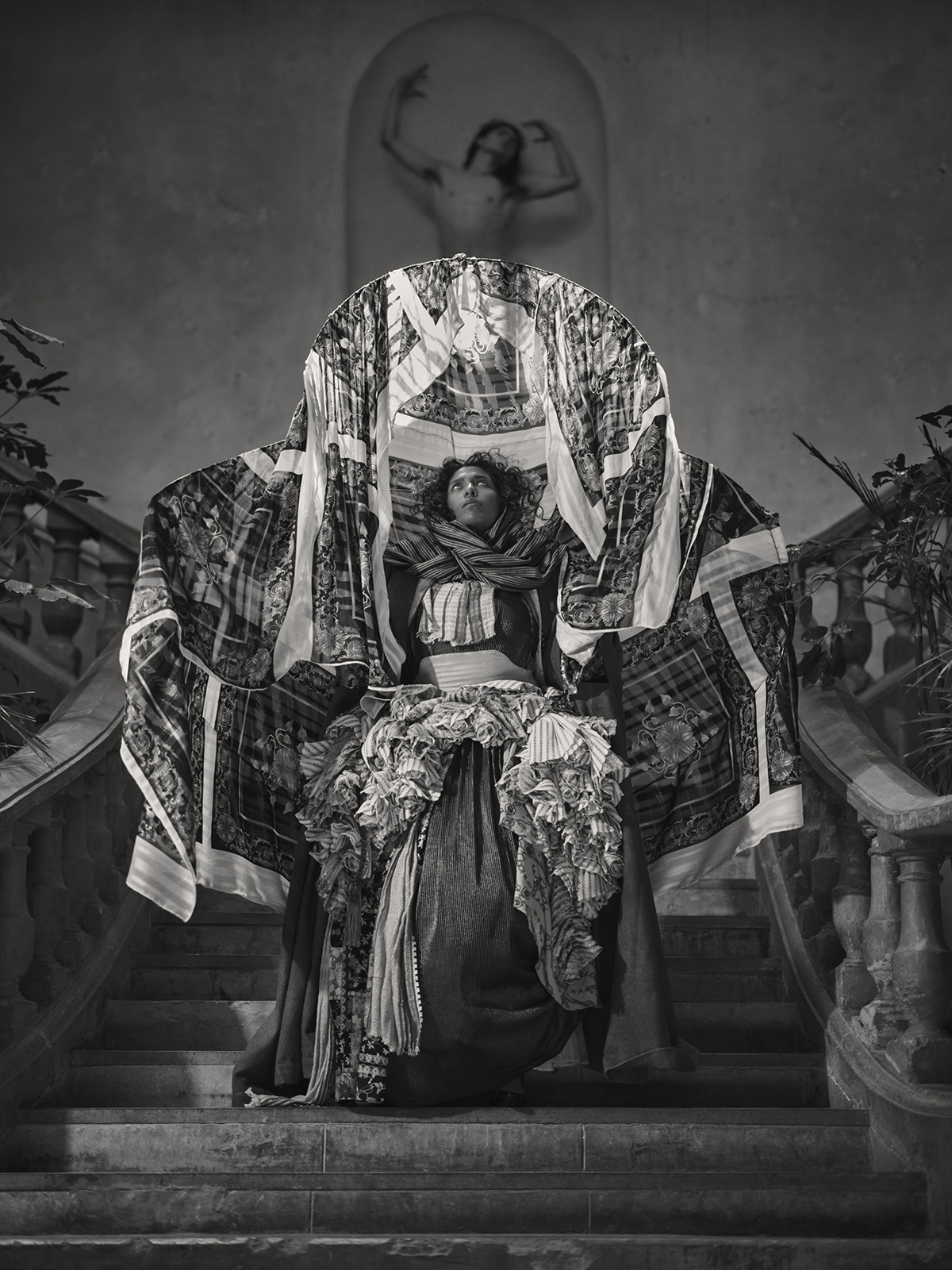
Copyright: Pieter Henket Courtesy of and published by DAMIANI BOOKS