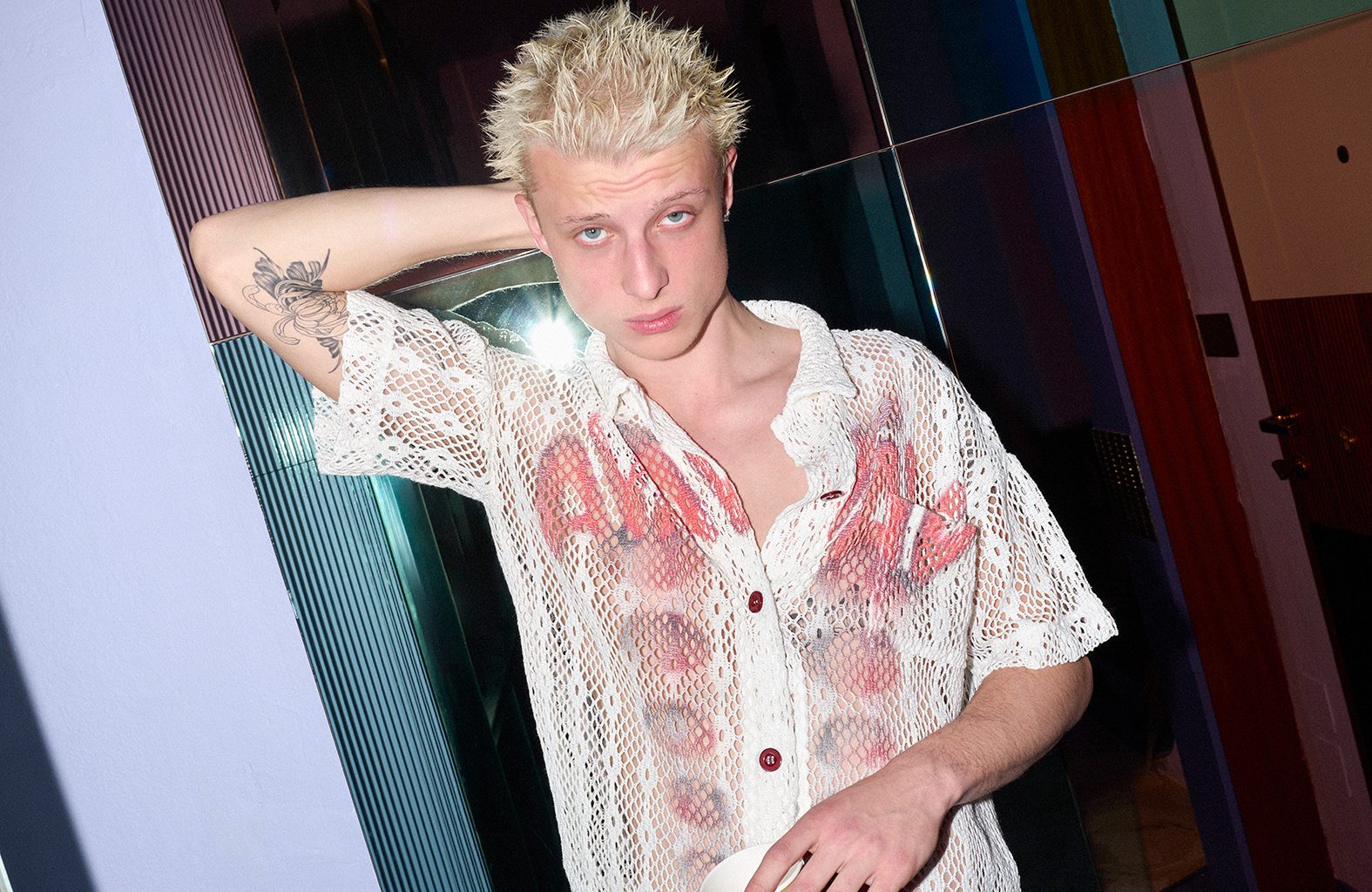
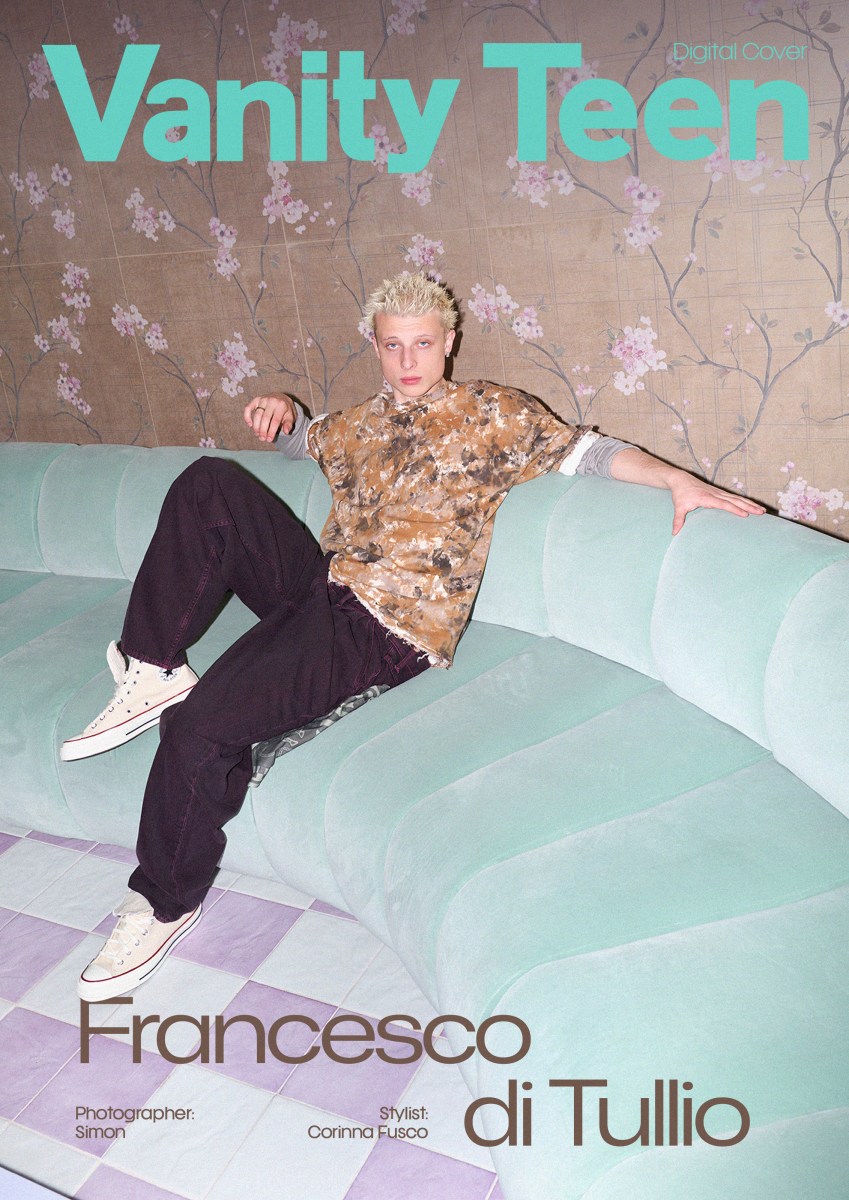
There’s a certain kind of honesty that doesn’t announce itself — it slips through in hesitation, in contradictions, in the spaces between who someone is and who they are still trying to become.
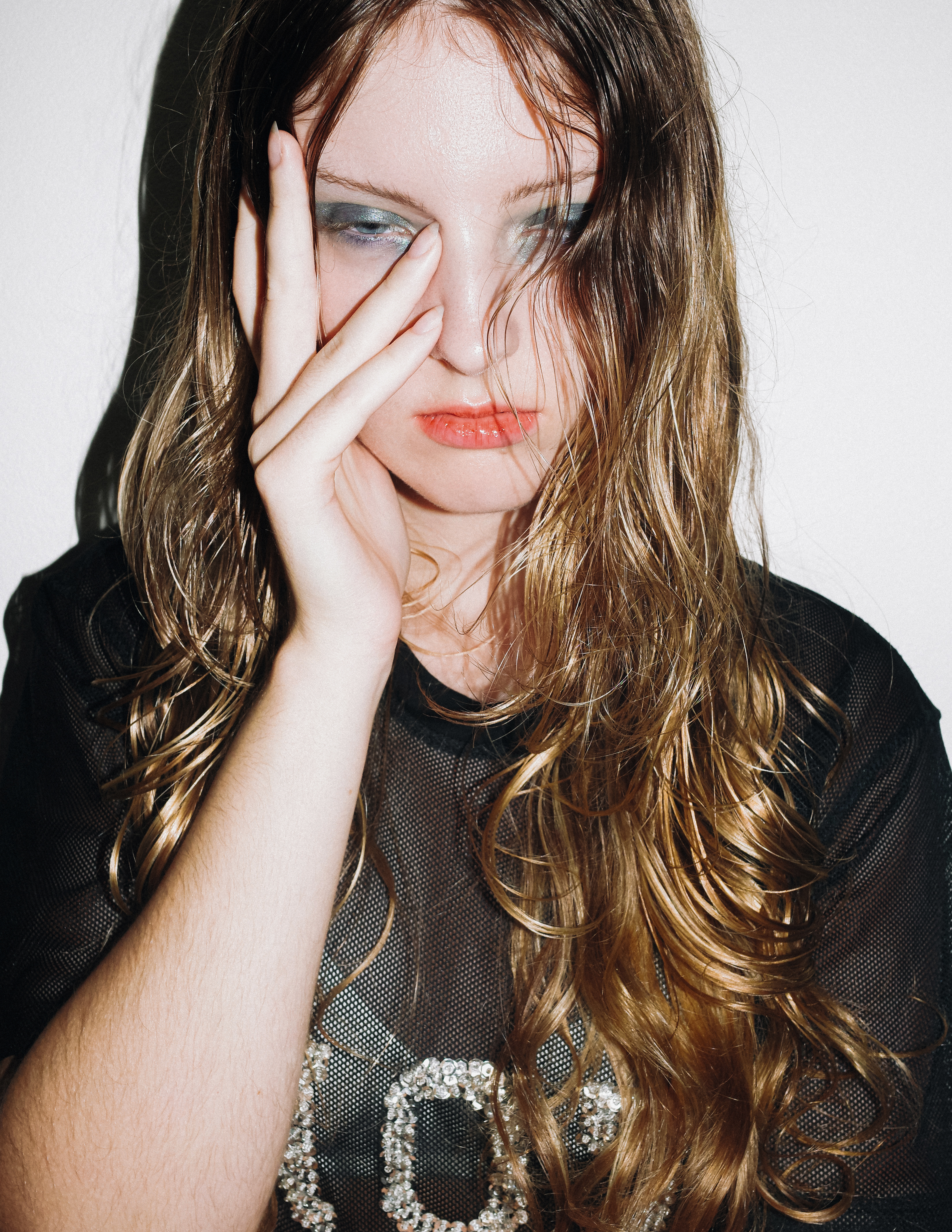
Francesco Di Tullio belongs to that rare frequency.
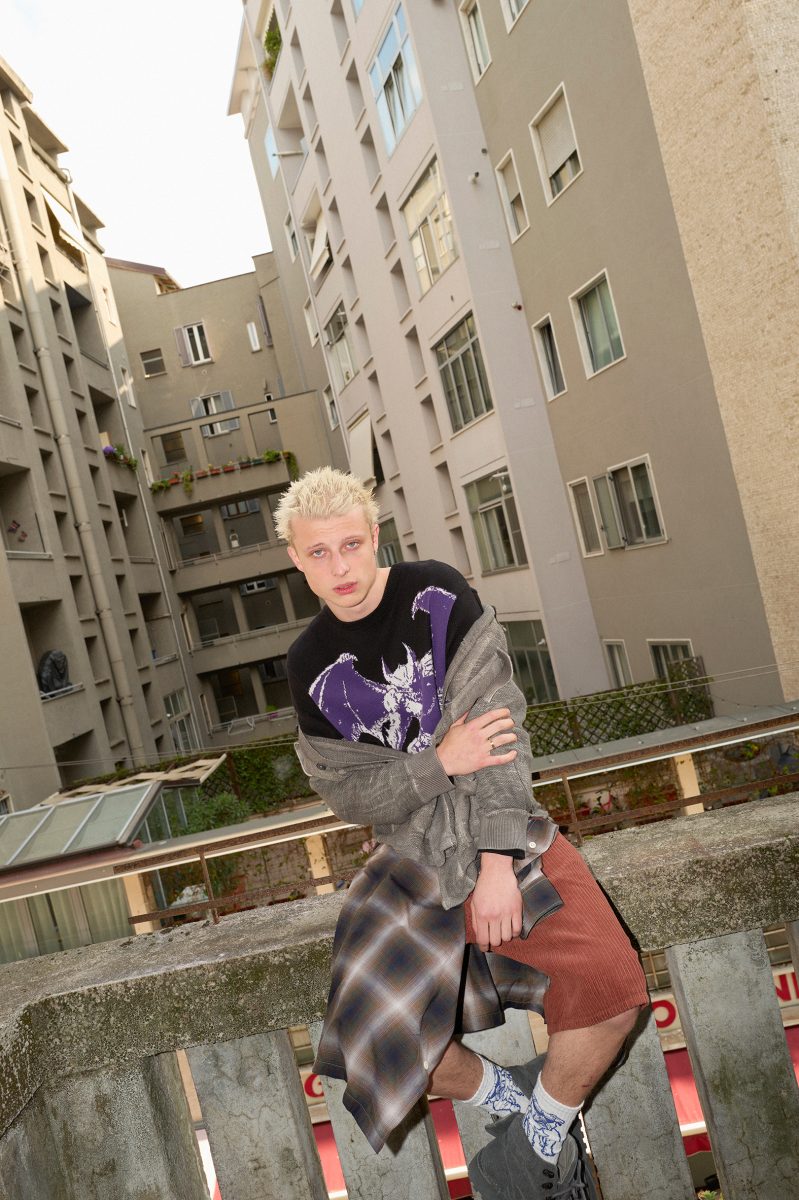
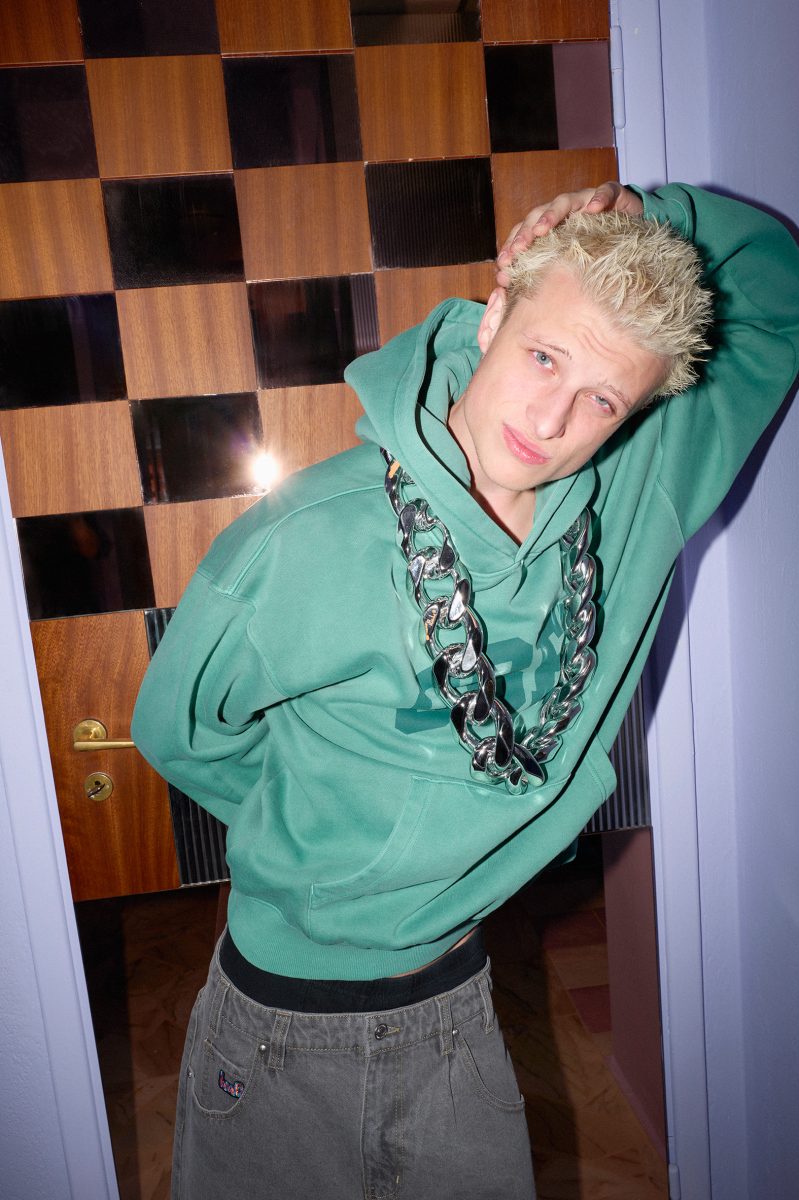
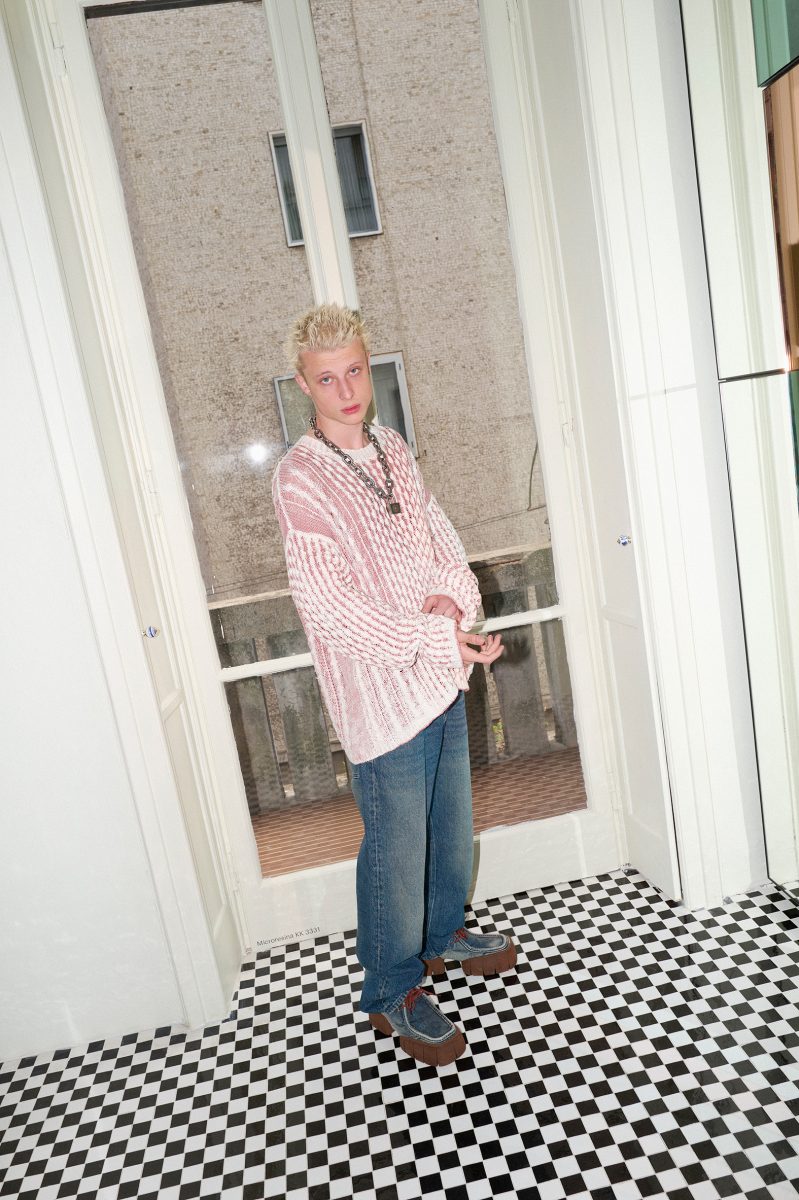
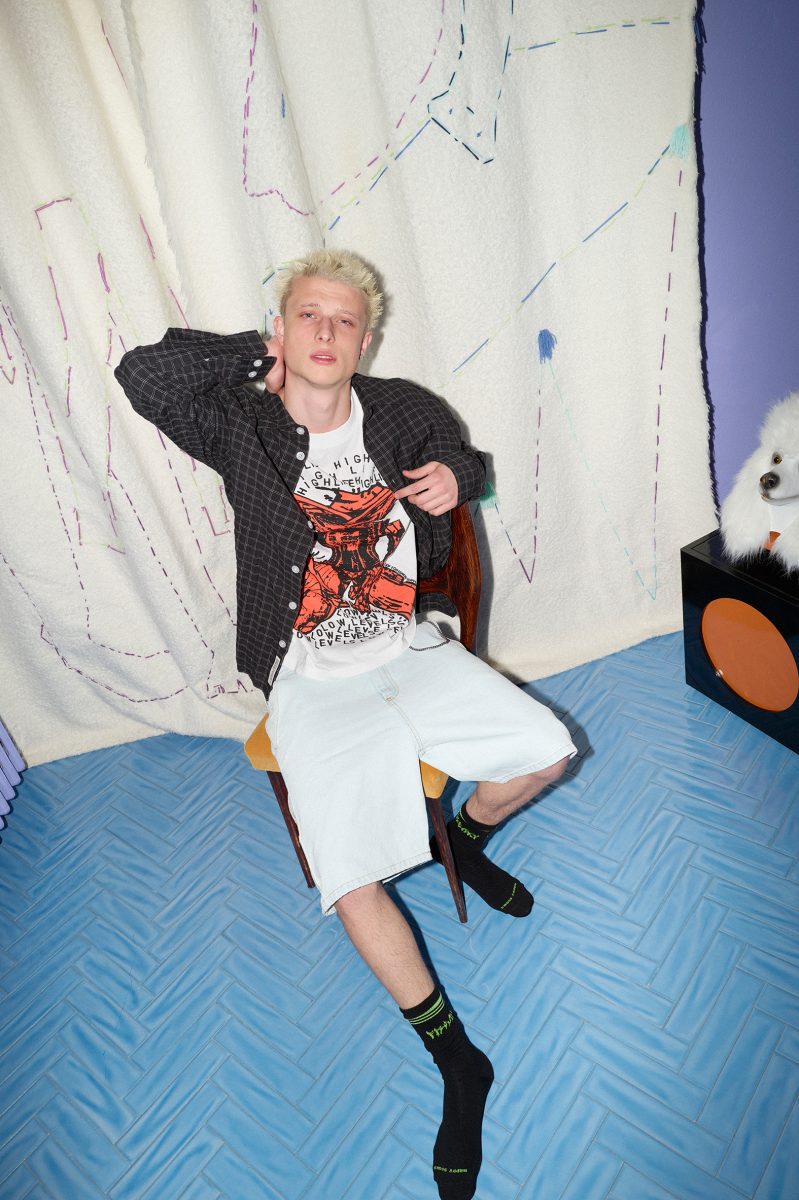
Young, already visible, but still fundamentally in motion, he speaks about anxiety, identity, and creativity not as concepts to be shaped into answers, but as experiences he is still learning to live through.
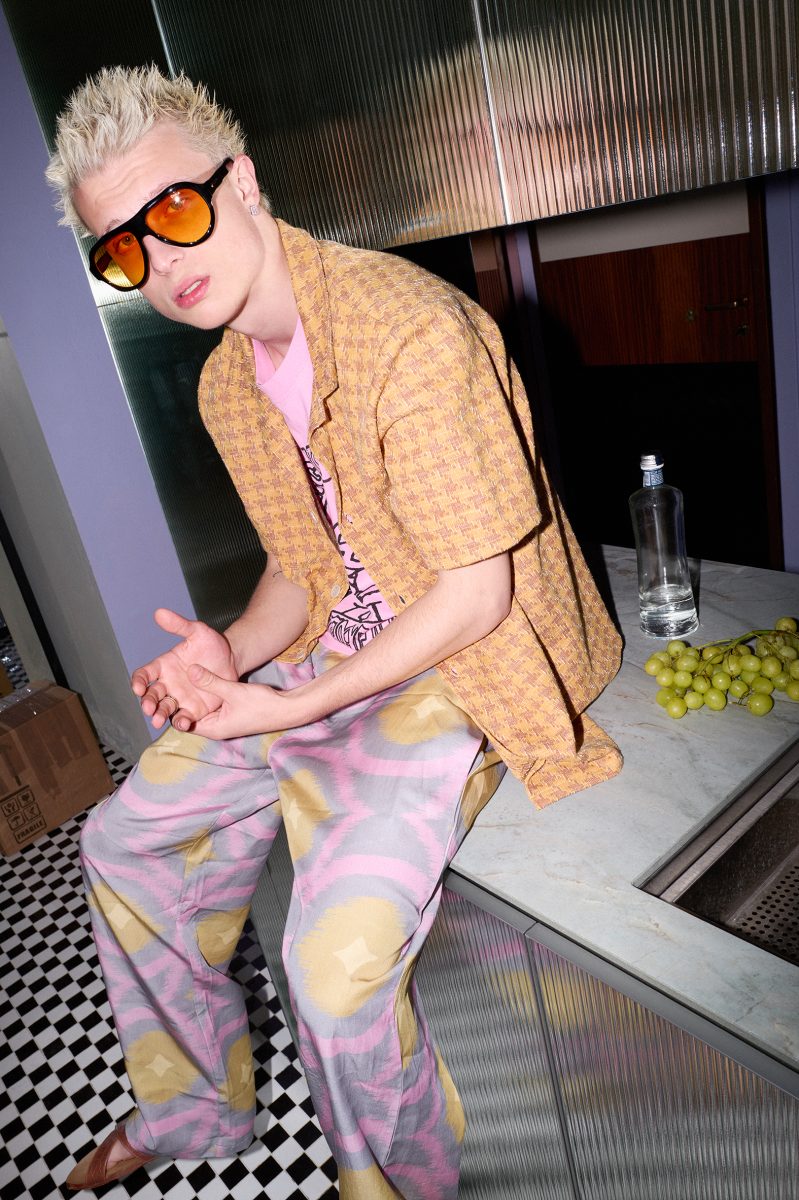
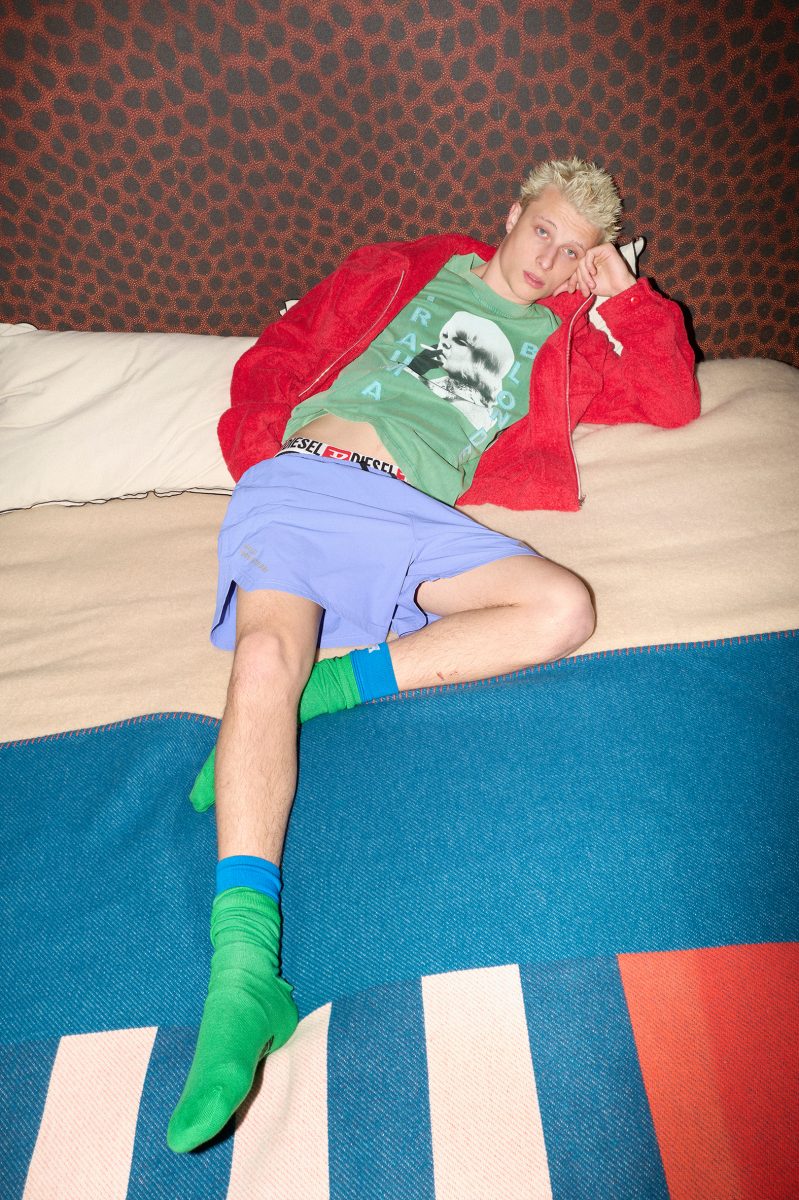
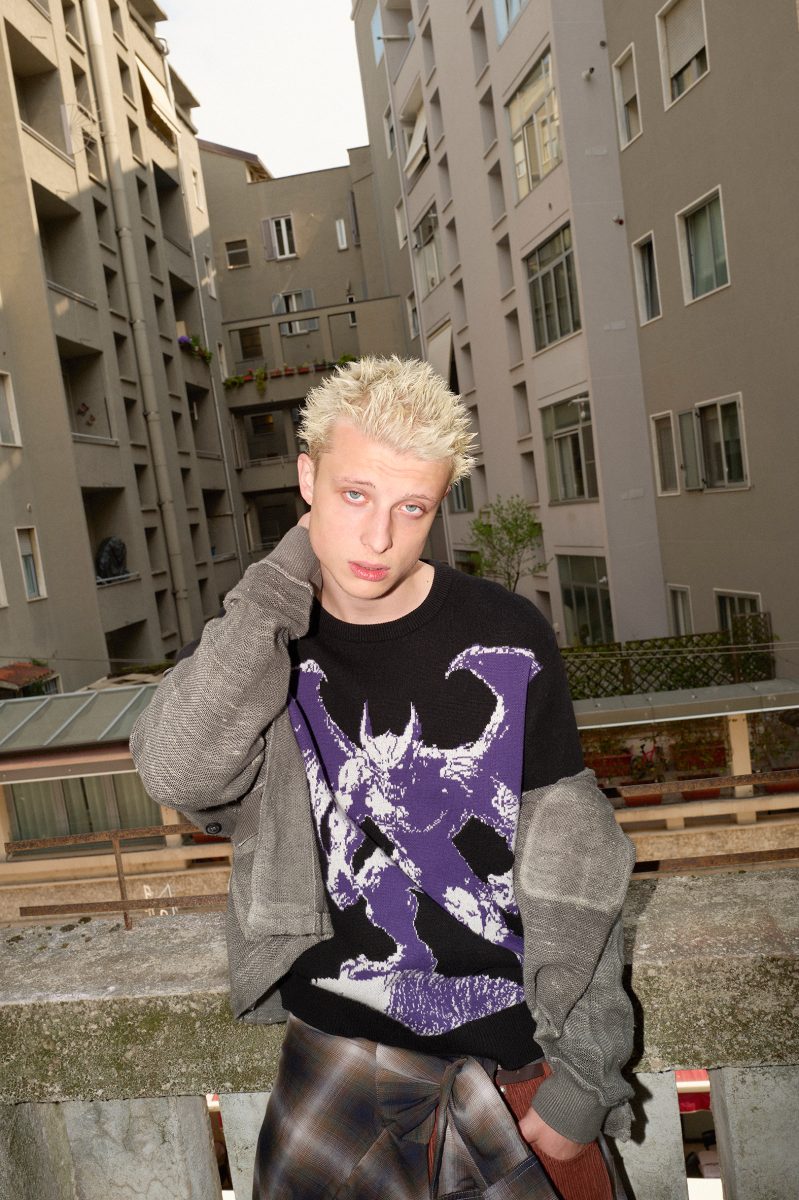
Known for his role in Mare Fuori, Di Tullio brings the same raw, unpolished emotional tension of his character Federico into real life — but without ever turning it into performance.
Instead, he leans into something more fragile and more interesting: the uncertainty of growing up while being watched.
Between music, instinct, and a constant negotiation with inner chaos, he stands in that in-between space where nothing is fully defined yet — and maybe that’s exactly the point.
You grew up surrounded by cinema and storytelling—do you remember the exact moment you realized acting wasn’t just around you, but something you needed to do yourself?
Ever since I was little, I’ve always felt the need to make art.
I remember drawing a lot as a kid because it allowed me to express myself, to put something I was feeling or going through onto a piece of paper.
It was the same with guitar, which I’ve always played — musical notes have this magical power to hit you straight in the gut, straight in your emotions.
The only form of art I never imagined myself actually doing was acting, probably because I had always experienced it around me.
And yet, it was right on the set of Mare Fuori that I fell in love with that world.
Federico in Mare Fuori is intense, conflicted, and often hard to love—what was the first thing you understood about him that made you want to defend him?
I played Federico in Mare Fuori, and the beautiful thing is that over these years I’ve been figuring out who I am, trying to find myself despite all the anxiety and difficulties.
And in a way, the same goes for Federico. Even though his situation is very different from mine, deep down he’s searching for the same thing every young person — every person, really — is searching for: direction and inner peace.
So I’d say that not only did me and my character grow together, but we also supported each other along the way.
Coming from Milan into a story set in Naples, both you and your character carry a sense of displacement—how did that parallel shape your performance?
At the beginning of season five, I also felt very out of place, kind of lost, and I tried to bring that feeling of inadequacy into my character.
There’s a raw, almost uncomfortable energy to Federico—how did you physically and emotionally build that tension on screen?
I worked very differently on season five compared to season six, probably also because by season six I had more experience.
On the set of season five, I found a director who really helped us younger actors.
He had us do exercises, like staying locked in an empty room for hours, so we could get inside the mind of a boy in prison and understand what that might feel like.
For season six, instead, I focused a lot on the inner conflicts Federico goes through. On the surface, they seem to be about Samuele and Lorenza, but deep down they’re really about who he thinks he is versus who he wants to become.
He’s a guy who doesn’t really have the tools to rationalize those feelings, so while playing him I tried to let go of overthinking too, and instead focus on the chaos that this kind of conflict can create in someone who doesn’t know how to process it.
You’re also deeply connected to music—how does playing guitar or writing songs influence the way you approach a character or a scene?
I think art comes from the gut.
Just like a melancholic guitar note that vibrates and hits you right in the stomach, the same thing happens with an intense scene — you have to feel it in your gut.
I think art in general, even though every form of art has its own approach, is always based on the same idea: putting yourself, your emotions, and your past into something that comes from you.
If you had to describe your generation in three words, what would they be—and where do you feel you belong within it?
I’d describe my generation as: fragile, blamed, confused. And I’ve felt that way too — honestly, sometimes I still do. But the only thing you can really do is keep moving forward, always trying to improve yourself, doing what you love, and living in the present, because in the end that’s the only thing that really matters.
Early fame can be disorienting—what’s something about this moment in your life that feels real and something that still feels unreal?
I think I’m the kind of person who takes things as they come. I don’t like to overthink too much because it just creates confusion in your head.
The best thing you can do is simply experience things fully.
I’m trying to fully live this period of my life, which is full of emotions and new experiences, but at the same time I try not to forget the things that really matter: the people who love me, who are always there for me, trying to be the best version of myself, not hurting the people I care about, and trying to find my own balance. And honestly, art helps me a lot with that.
The ’90s had this obsession with authenticity and imperfection—do you feel more drawn to polished success or to raw, unfinished identities?
Success itself doesn’t really matter to me. Of course, I’m happy to have ambitions and to have people following what I do, but for me success can only be a way to keep doing what I love, to communicate with more people, to make myself heard.
When you achieve even a small amount of success, suddenly you exist in people’s eyes — they listen to you.
And for me, that’s what matters: being heard and being able to leave something beautiful to other people.
When the cameras are off and there’s no character to hold onto, who is Francesco right now?
Francesco is a guy who’s trying to find his own path, and maybe he’s actually starting to.
Someone who faces difficulties, anxiety, and fears with a smile, no matter how hard it is. Someone who’s simply trying to live his life and find meaning and balance.
Write a short letter to your future self—what do you hope he hasn’t forgotten?
Hey,
I have no idea where you are right now or what you’re doing.
I don’t know whether you managed to achieve your dreams or not, and I don’t know what difficulties you’re facing at the moment.
But remember me — remember yourself.
Don’t become someone you’re not.
Don’t get attached to useless or material things.
Keep the kid inside you alive.
Don’t lose that curiosity, that desire to discover things and become who you want to be.
Never lose yourself.
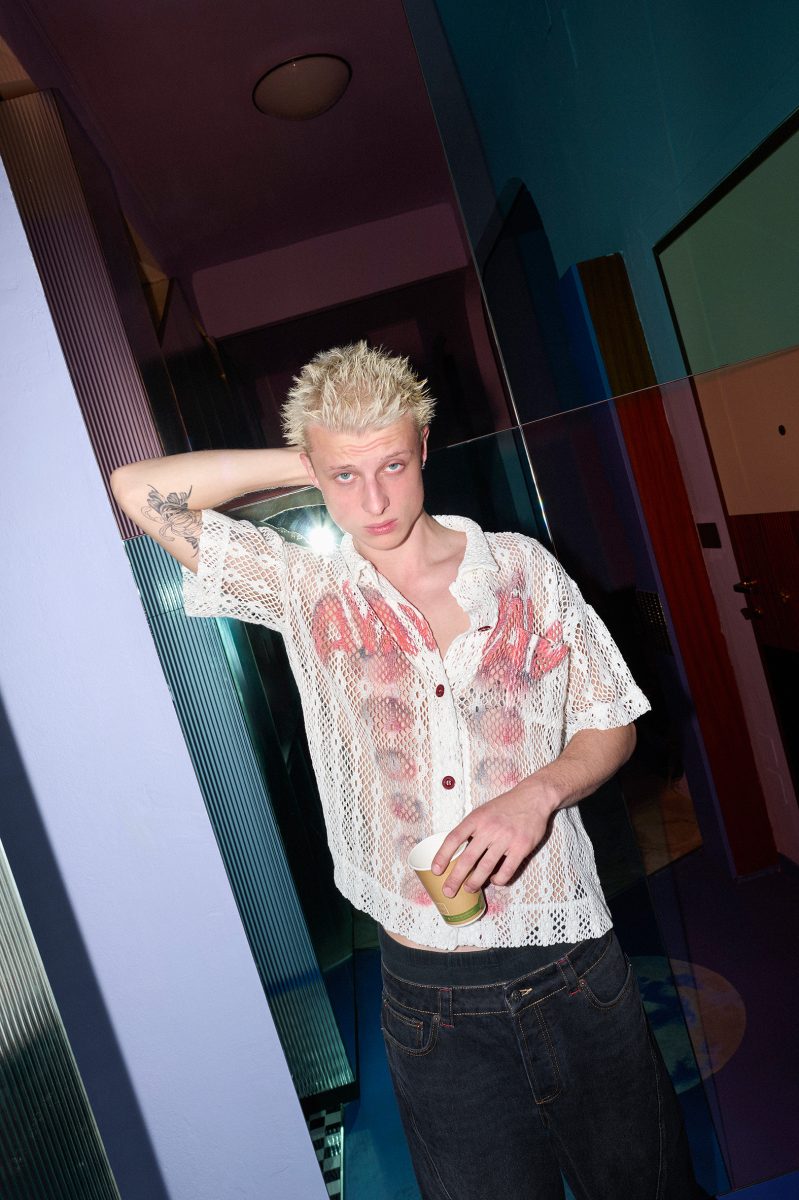
TEAM CREDITS
Talent: Francesco Di Tullio
Press Office: MPunto Comunicazione
Photography + Video: Simon
Creative Partner: Simona Pavan
Fashion Editor: Corinna Fusco
Grooming: Chiara Marinosci at The Green Apple Italia
Cover Designer: Davide Caruso
Stylist Assistant: Daniela Del Vecchio.
Location: Casaornella Milano