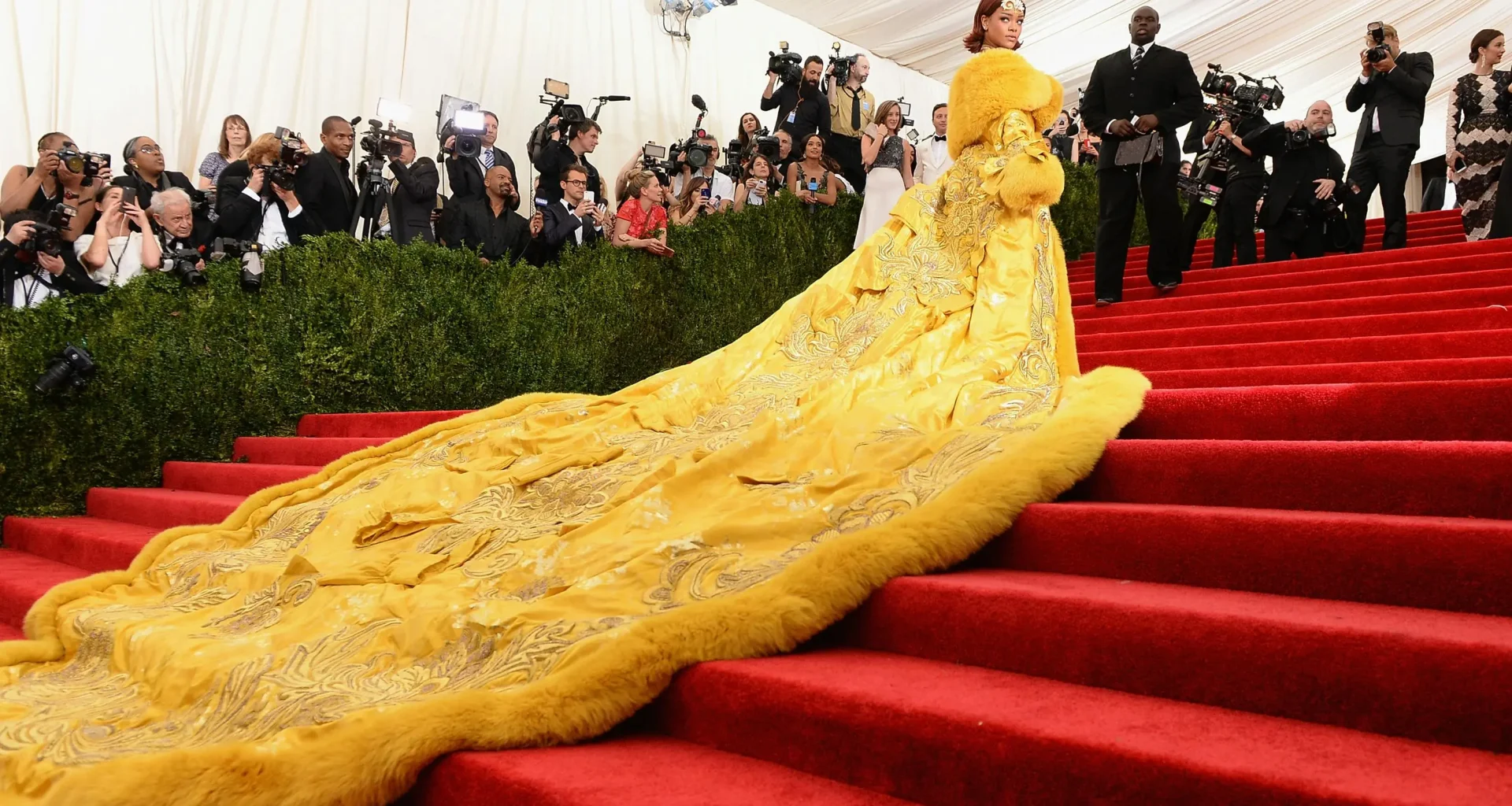
From sculptural couture to political backlash, Met Gala 2026 explores “Fashion Is Art” while controversy around Jeff Bezos and rising ticket prices reshapes the narrative.
by Giorgia Cantarini
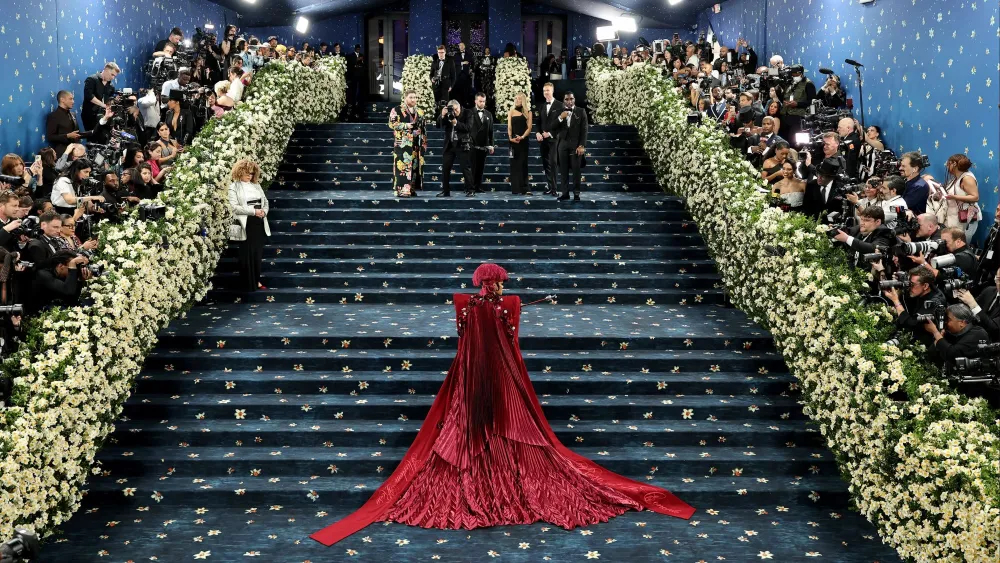
Tonight in New York City, the Met Gala returns as fashion’s most anticipated — and most scrutinized — night.
“Fashion is Art”: on the steps of the Metropolitan Museum of Art, every look stops being just a garment and becomes a manifesto — a statement of how fashion exists as image, history, and timeless beauty.
The Met Gala 2026 theme, “Fashion Is Art”, invites guests to explore their personal relationship with fashion as an embodied art form, celebrating the infinite representations of the dressed body throughout art history.
Co-chairs for the evening include Beyoncé, Nicole Kidman, Venus Williams and Anna Wintour — a lineup that reinforces the event’s cultural authority across fashion, entertainment, and global influence. Among the members of the Gala Host Committee — co-chaired by Anthony Vaccarello and Zoë Kravitz — are names that reflect the breadth of contemporary culture, including Sabrina Carpenter, Doja Cat, Gwendoline Christie, Alex Consani, Misty Copeland, Elizabeth Debicki, Lena Dunham, Paloma Elsesser, Lisa, Chloe Malle, Sam Smith, Teyana Taylor, Lauren Wasser, Anna Weyant, A’ja Wilson and Yseult.
They are now joined by an additional group of cultural figures, including Adut Akech, Angela Bassett, Sinéad Burke, Rebecca Hall, Aimee Mullins, Tschabalala Self, Amy Sherald and Chase Sui Wonders.
In addition, as principal sponsors of both the exhibition and the gala, Jeff Bezos and Lauren Sánchez will serve as honorary chairs of the event.
A Red Carpet as Exhibition
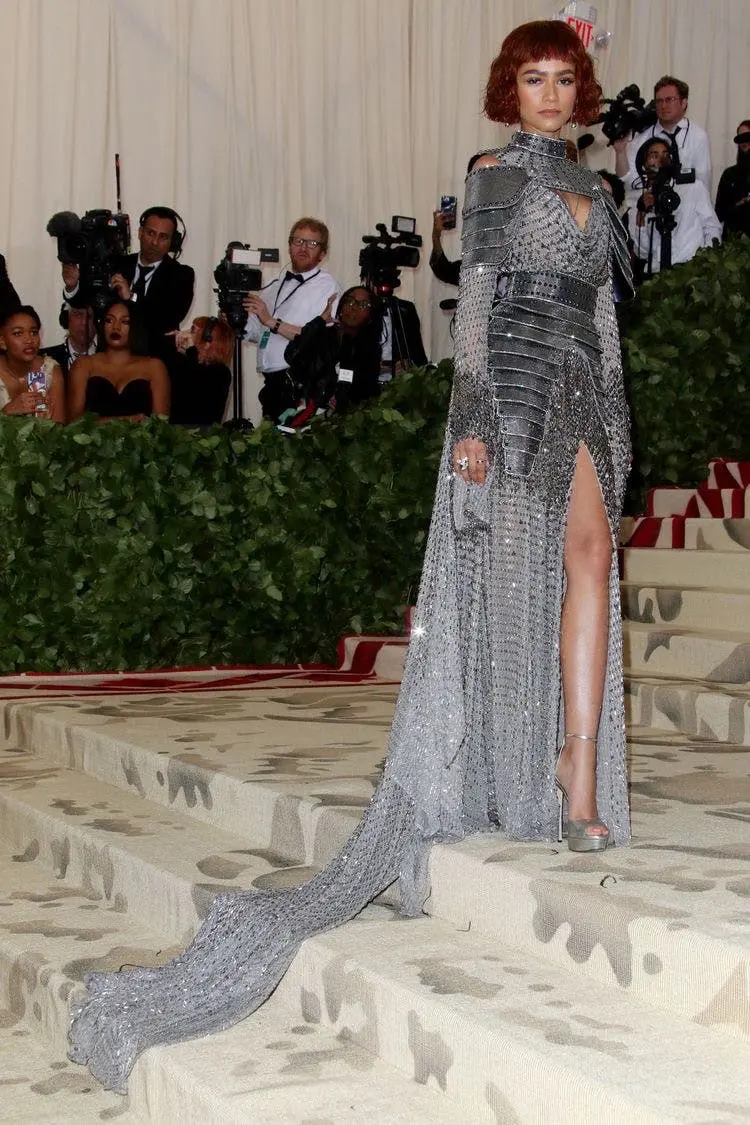
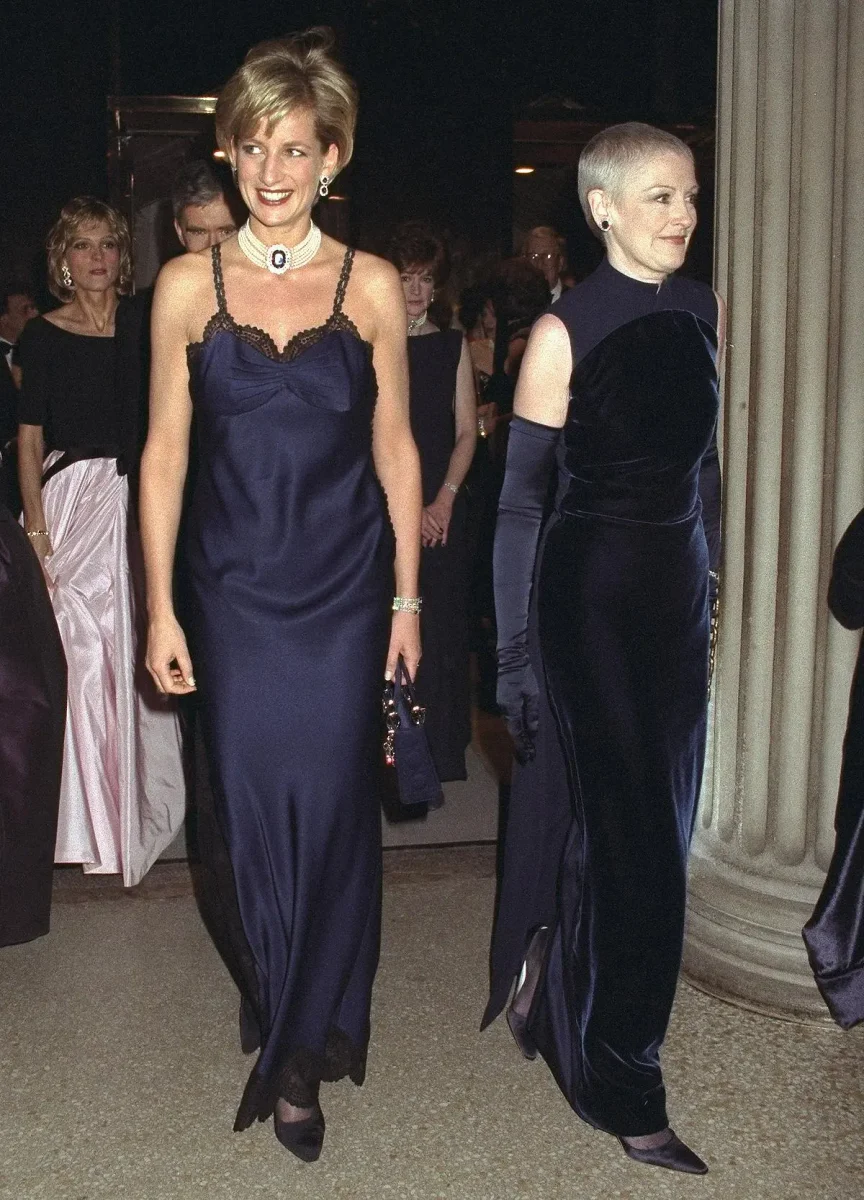
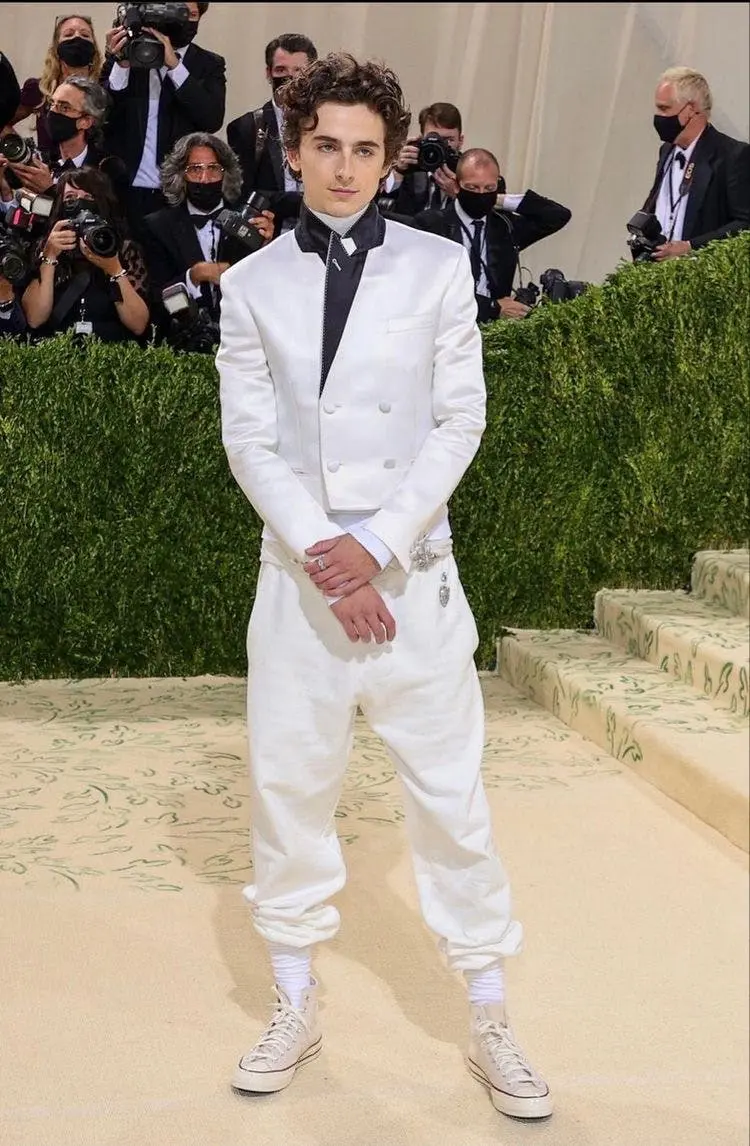
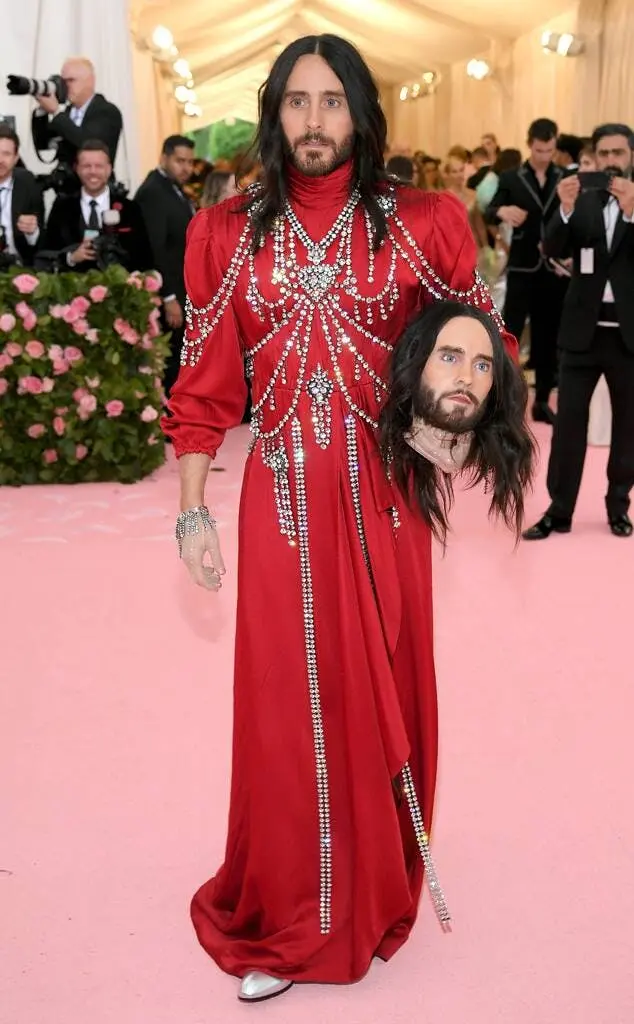
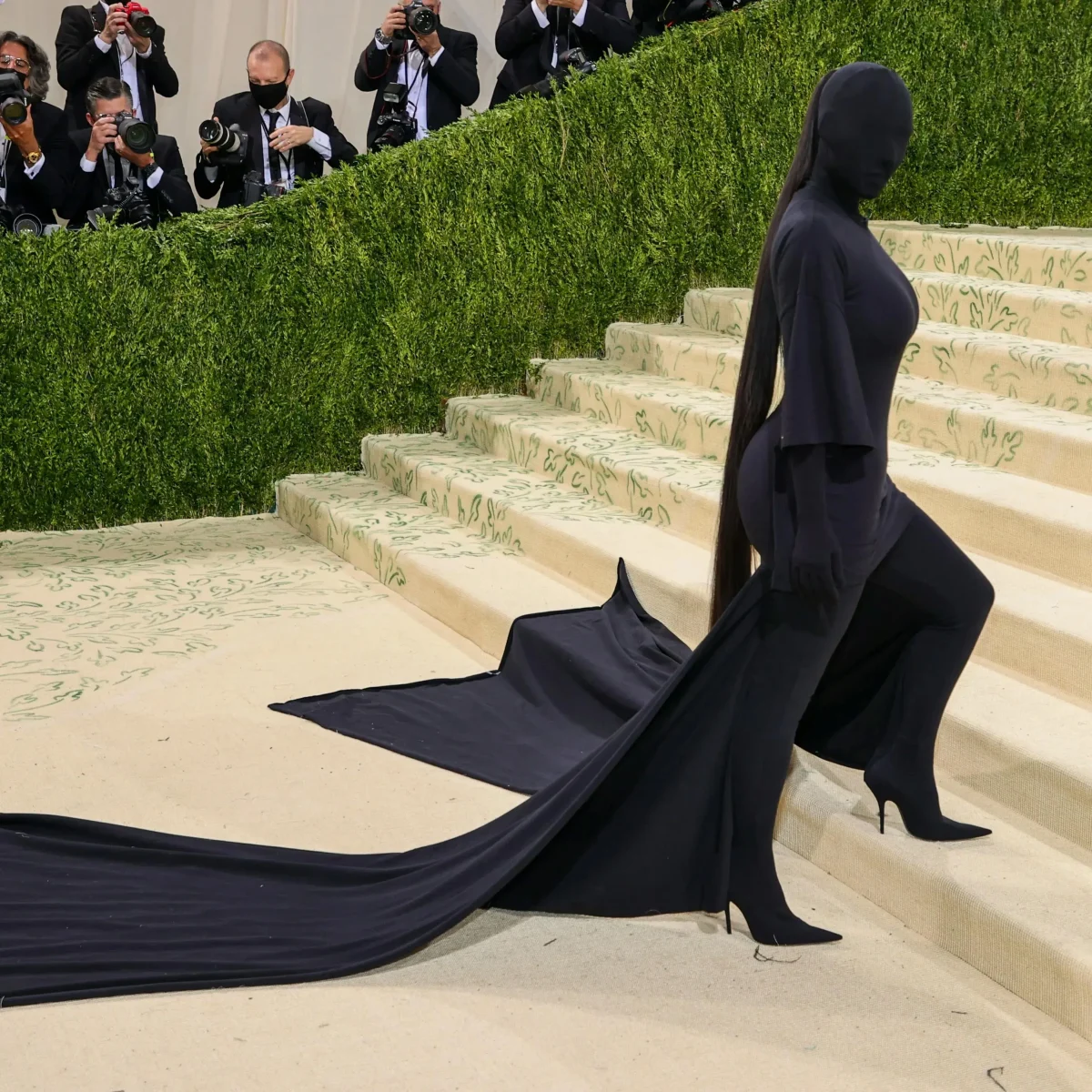
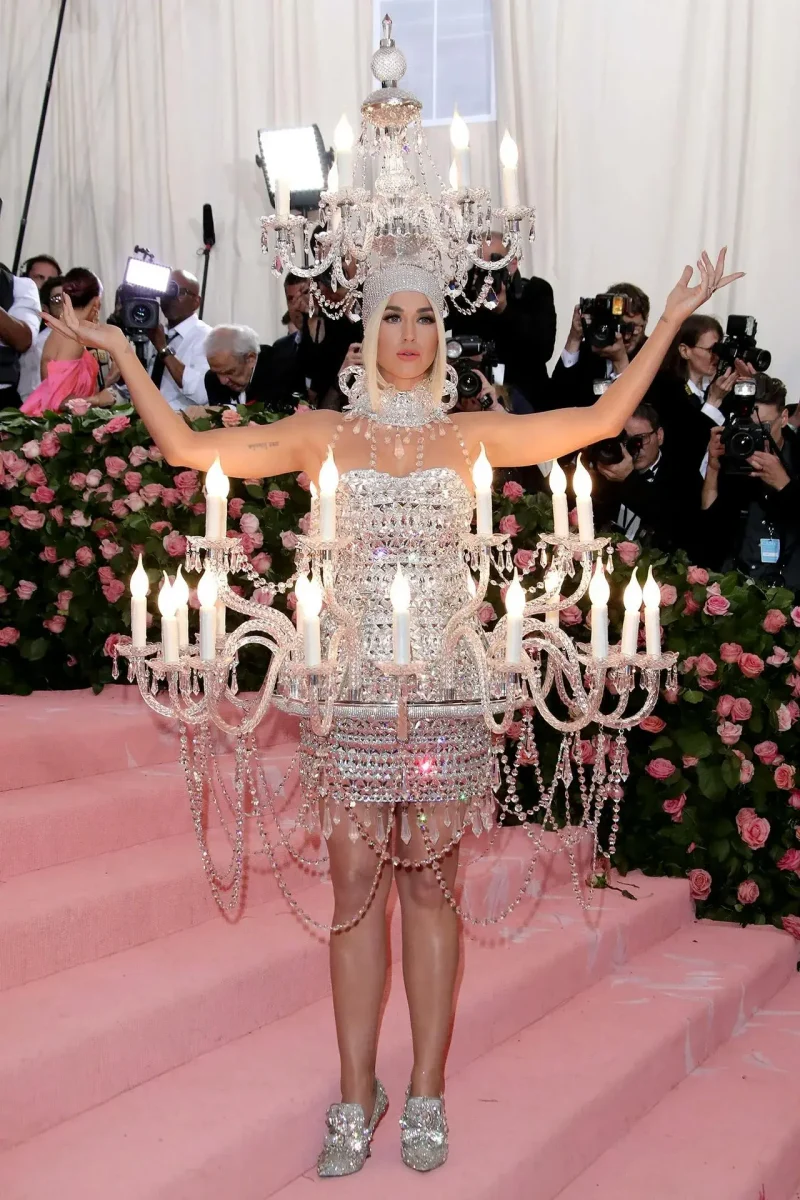
This year, the red carpet is expected to move beyond spectacle into something closer to curation.
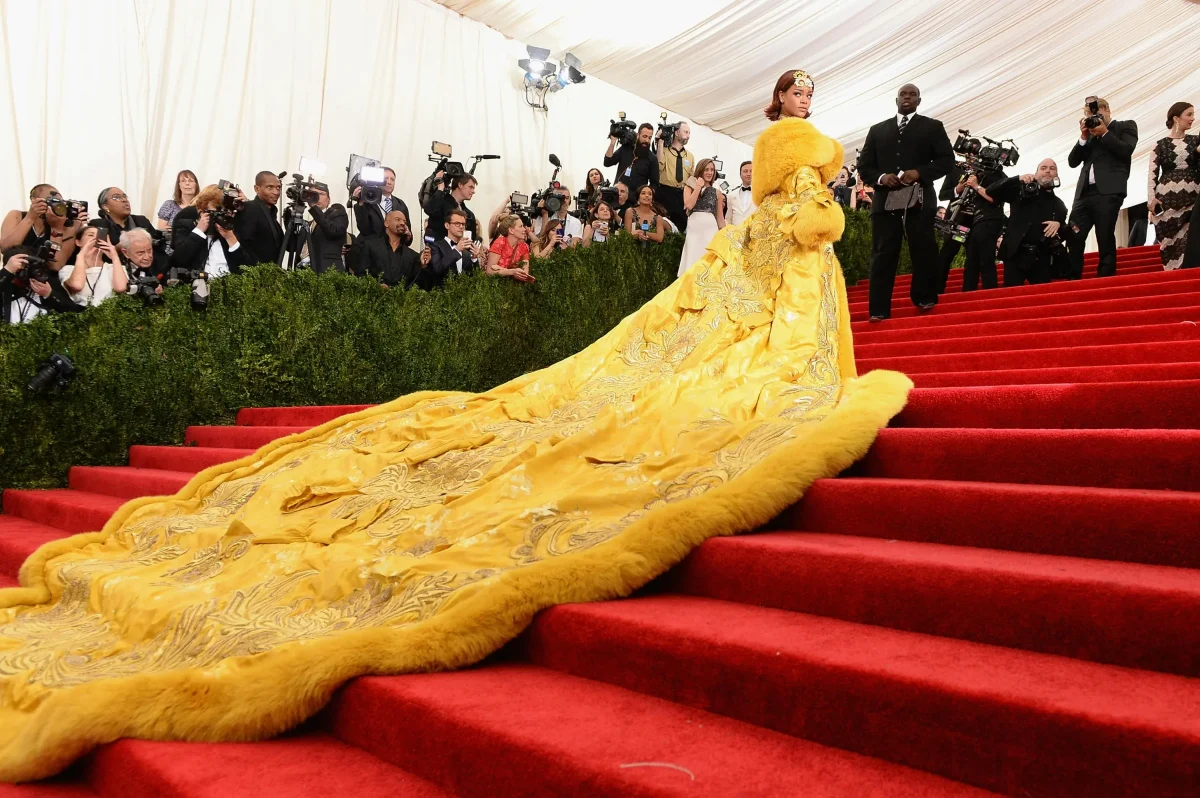
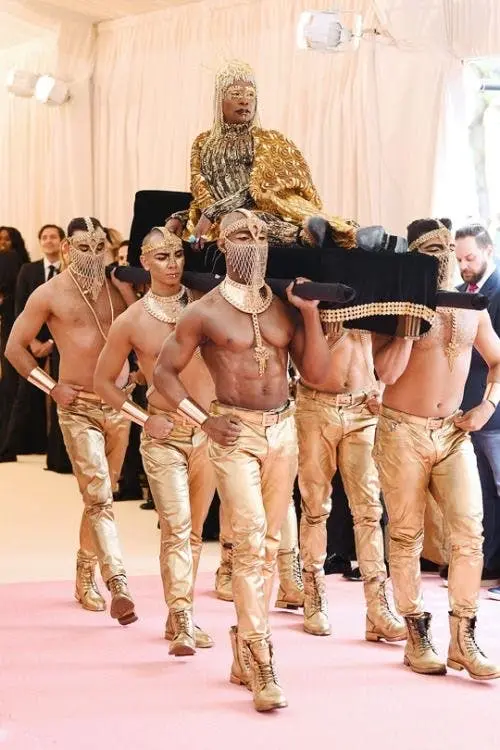
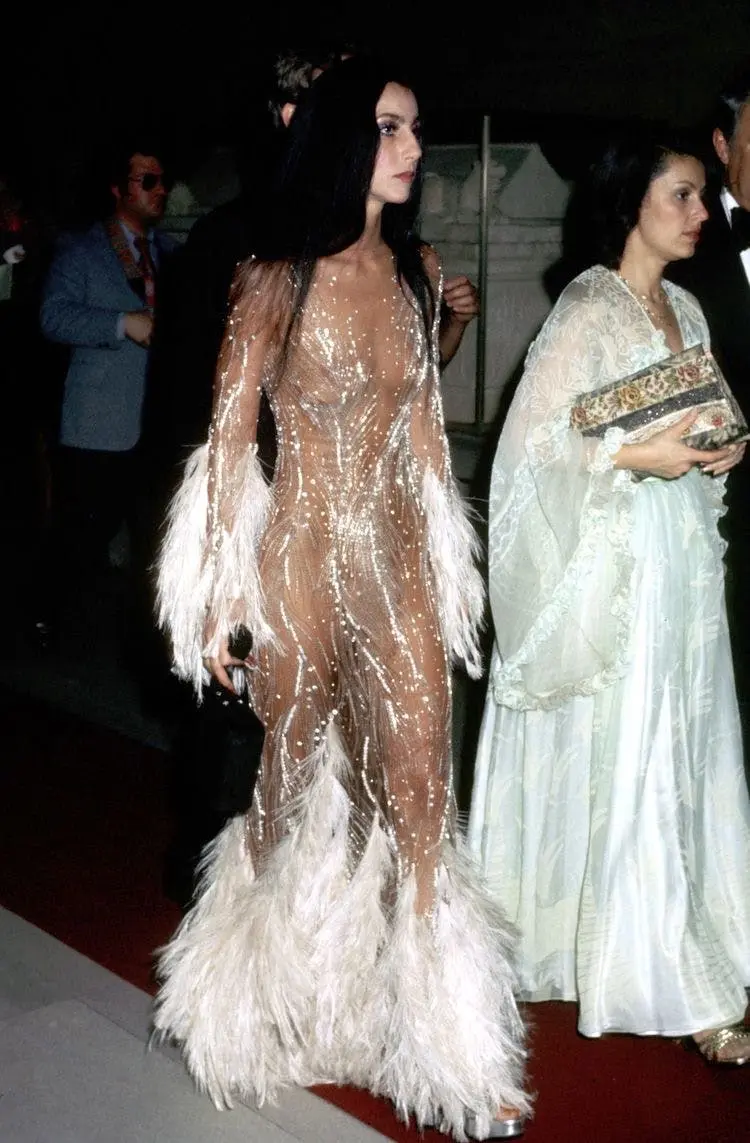
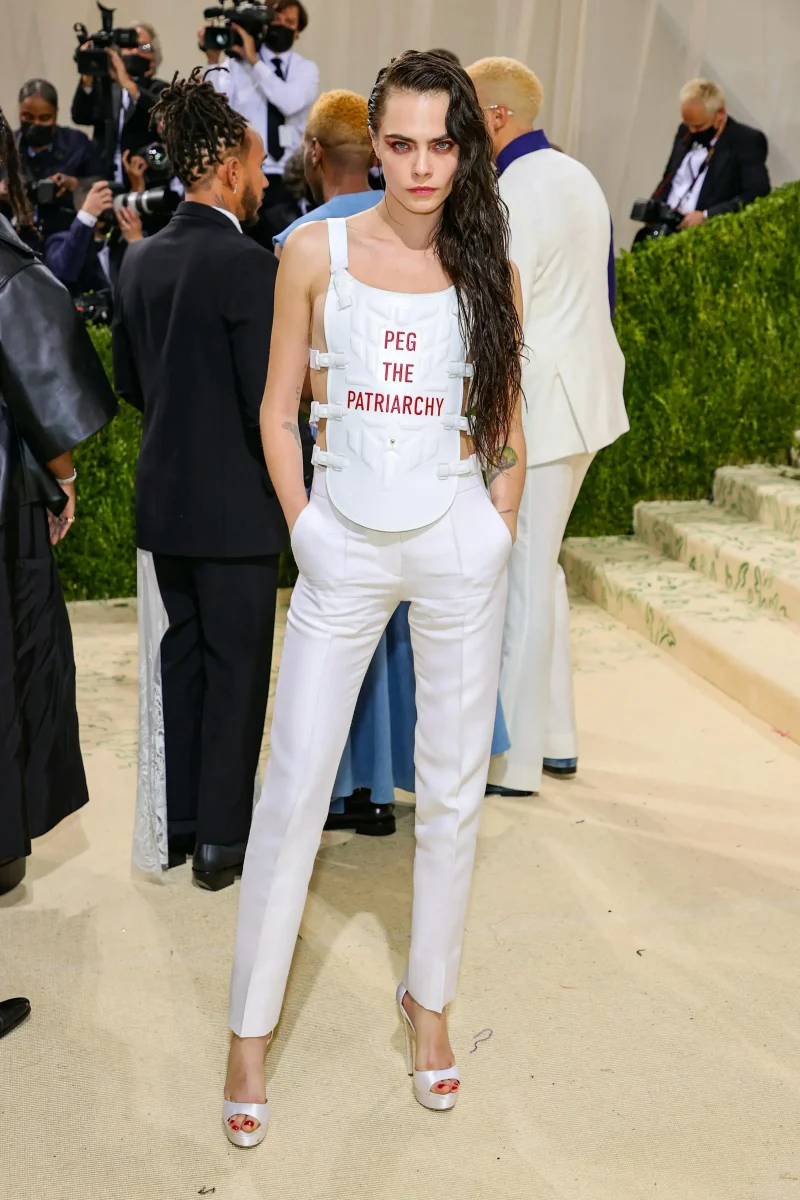
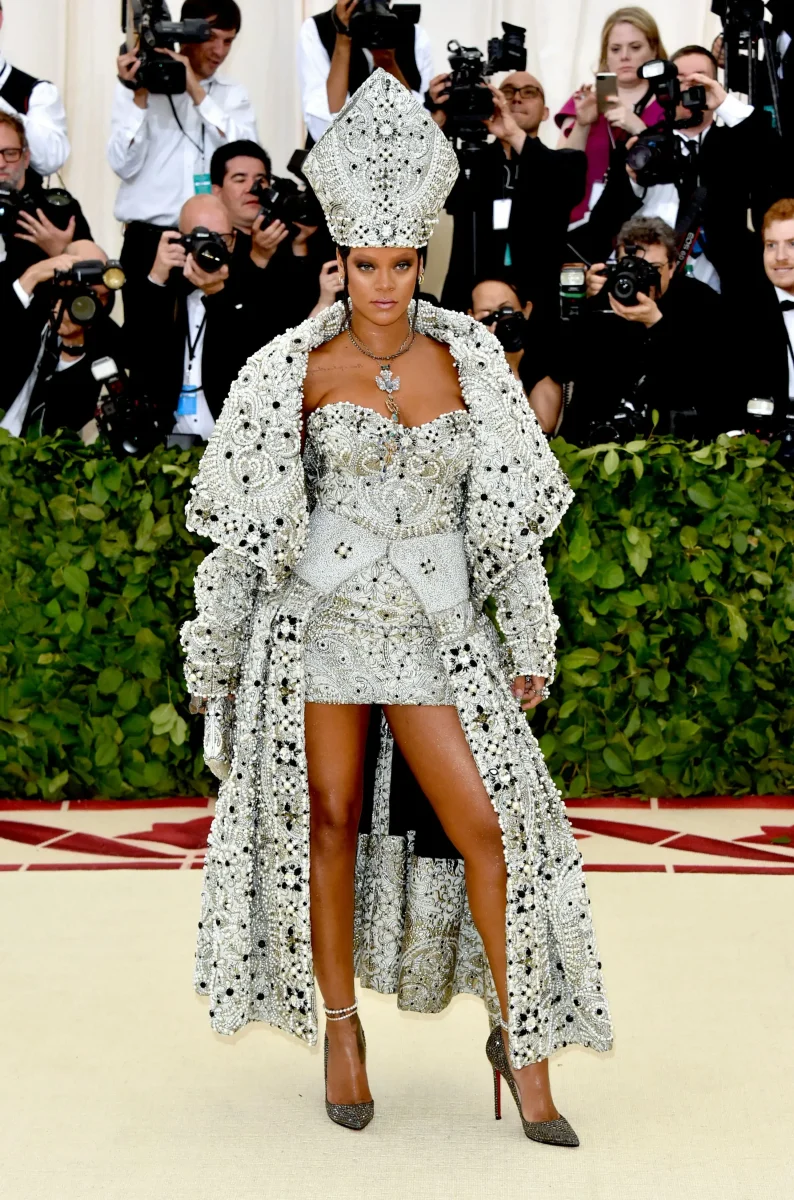
Industry insiders are predicting sculptural silhouettes, conceptual dressing, and archival couture pieces that blur the boundary between fashion and visual art. The body becomes medium; the look becomes narrative.
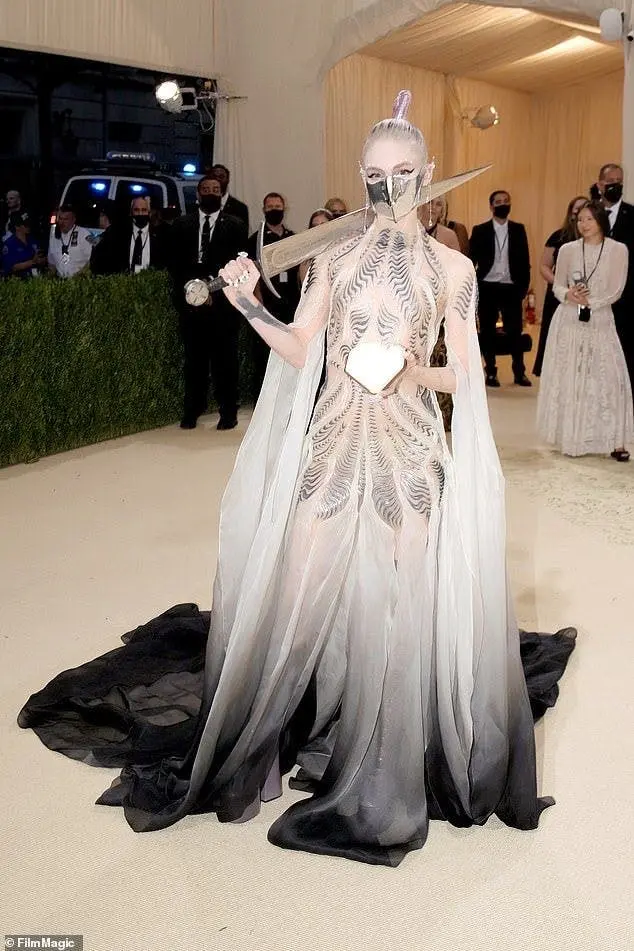
Designers to watch include Schiaparelli, known for its surrealist couture language, Maison Margiela — particularly its artisanal and conceptual archive — and Iris van Herpen, whose work has long existed at the intersection of fashion, science, and art.
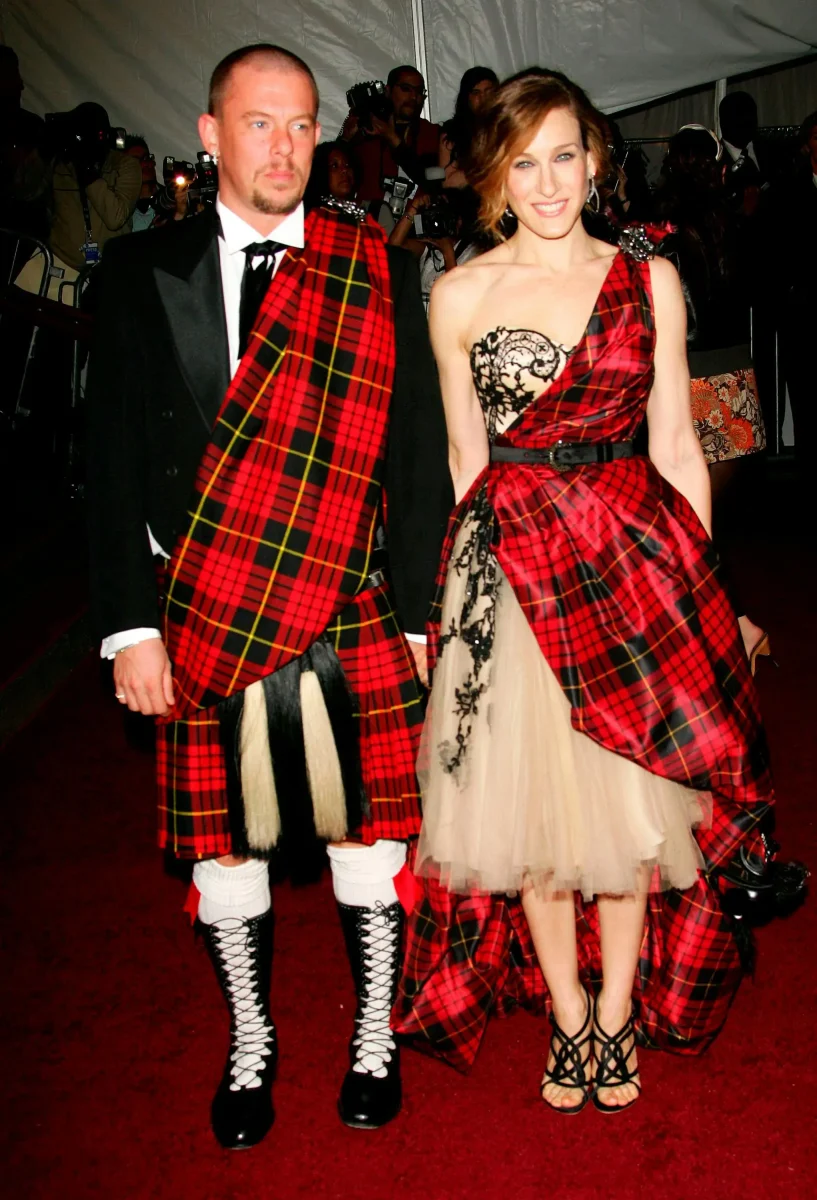
Expect also moments from Alexander McQueen archive pieces, alongside contemporary interpretations from Balenciaga and Loewe, both increasingly engaged with sculptural and artistic forms.
The Price of Access
The Met Gala has always been synonymous with exclusivity — but the numbers continue to escalate.
In its earlier modern era, a table could cost around $200,000–$275,000. Today, that figure reportedly exceeds $350,000 per table, with individual tickets surpassing $50,000.
What was once an elite fundraiser for the Costume Institute now also stands as a symbol of hyper-luxury — where access is not only curated, but monetized at a level that reinforces its distance from the public it ultimately claims to represent.
The Bezos Controversy
This year, the narrative extends far beyond fashion.
The involvement of Jeff Bezos has triggered widespread criticism, raising questions about the relationship between cultural institutions and corporate power.
As the owner of The Washington Post, Bezos has been under scrutiny following reported layoffs within the publication. The contrast has not gone unnoticed: while attending Paris Fashion Week alongside his wife — styled by Law Roach, the image architect behind Zendaya — journalists back home were facing job losses.
In a year defined by a theme that elevates fashion to art, the context surrounding the event introduces a more complex — and uncomfortable — dialogue.
Protest, Power and Perception
Outside the museum, protestors are once again expected to gather.
In recent years, the Met Gala has increasingly become a site of tension between cultural celebration and social critique. In 2026, that tension feels sharper — amplified by economic disparity, corporate influence, and the optics of extreme wealth.
The red carpet may present fantasy, but it cannot fully detach itself from reality.
Fashion as Art — or Aestheticized Power?
If fashion is art, what kind of art is being performed tonight?The first Monday in May marks the annual Met Gala: a collision of celebrities, designers and cultural icons. Established in 1948, the gala was originally conceived as a high-society event to raise funds for the Costume Institute of the Metropolitan Museum of Art.
The Met Gala has always existed in a space of duality — between creativity and commerce, expression and power. But this year, that balance feels more exposed than ever. At a time marked by ongoing global conflicts and widespread instability, the very purpose of such spectacle inevitably comes into question.
As guests ascend the steps in garments designed to evoke museums, movements, and masterpieces, the world is watching not only what they wear — but what it represents.
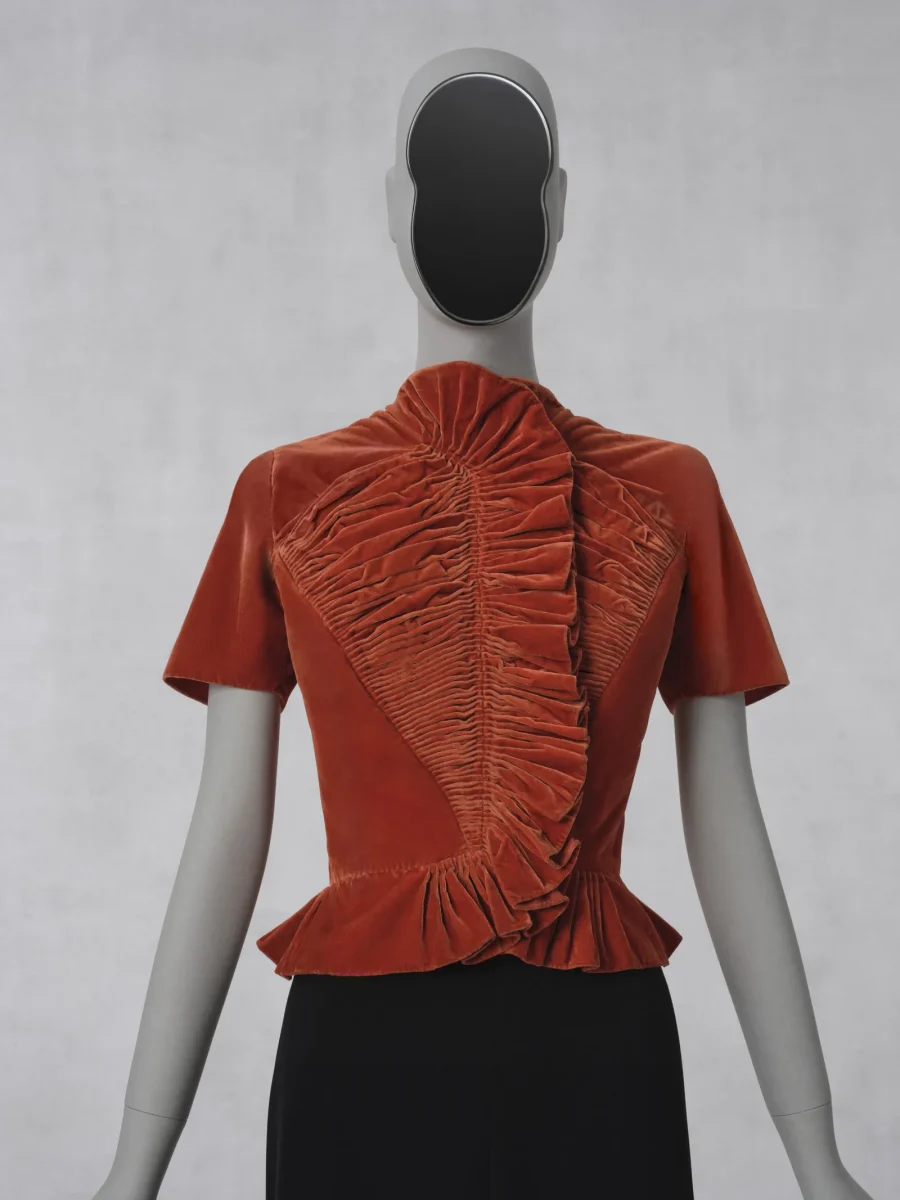
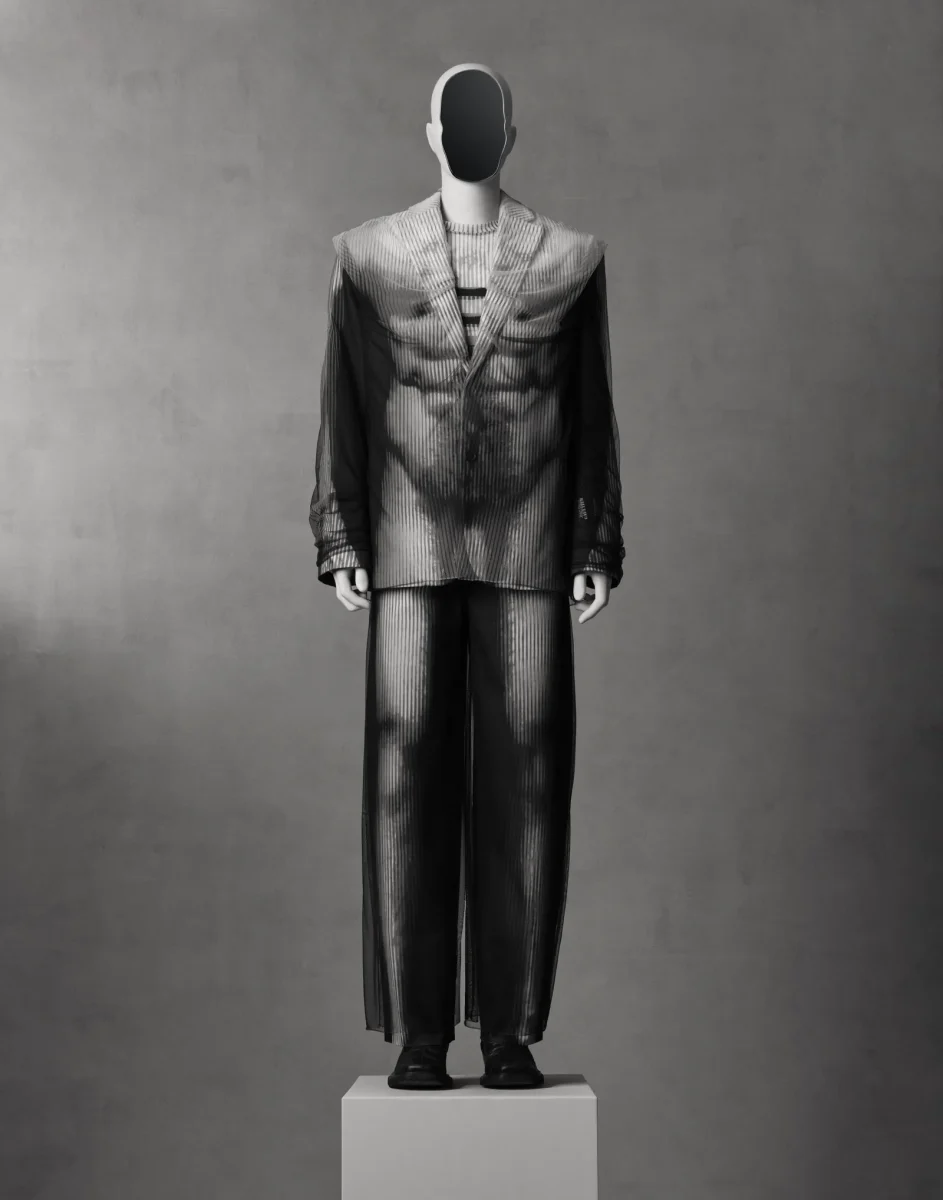
x Y/Project fall winter 2022 2023; donations Y/PROJECT ARCHIVES, 2025
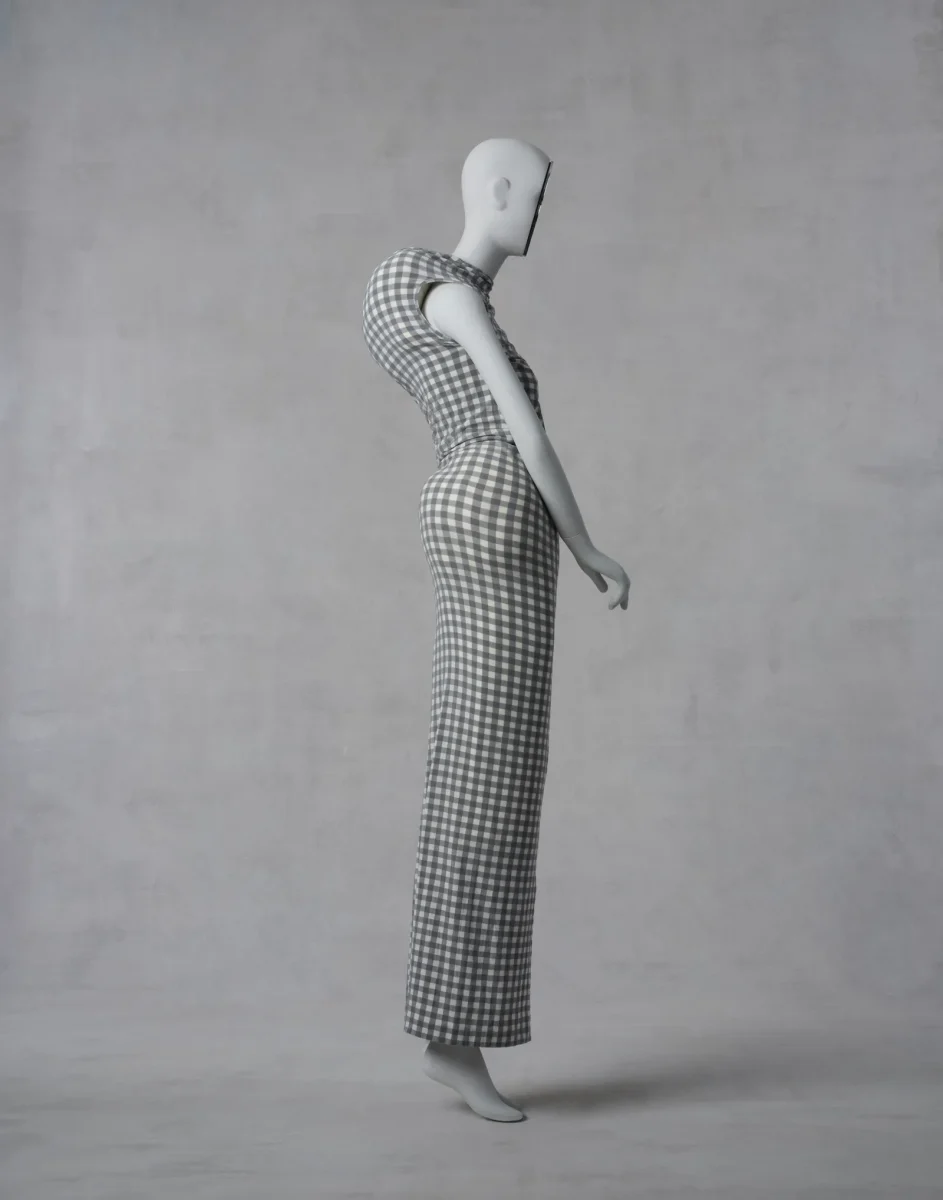
Dress Code: Fashion as Embodied Art
The Met Gala 2026 dress code celebrates fashion as an embodied art form — a directive that perfectly mirrors the spirit of the exhibition Costume Art, which explores the “centrality of the dressed body” through representations and interpretations of the human figure within the museum’s vast collection.
Hosted within the newly renovated Condé Nast Galleries, adjacent to the Great Hall at the Metropolitan Museum of Art, the exhibition will feature nearly 400 objects, juxtaposing garments from the Costume Institute with paintings, sculptures, and works spanning over 5,000 years of art history.
In parallel, the Met Gala dress code invites guests to reflect on the many ways designers use the body as a canvas — or, in other words, to express their relationship with fashion as a form of embodied art.