by Mira W.
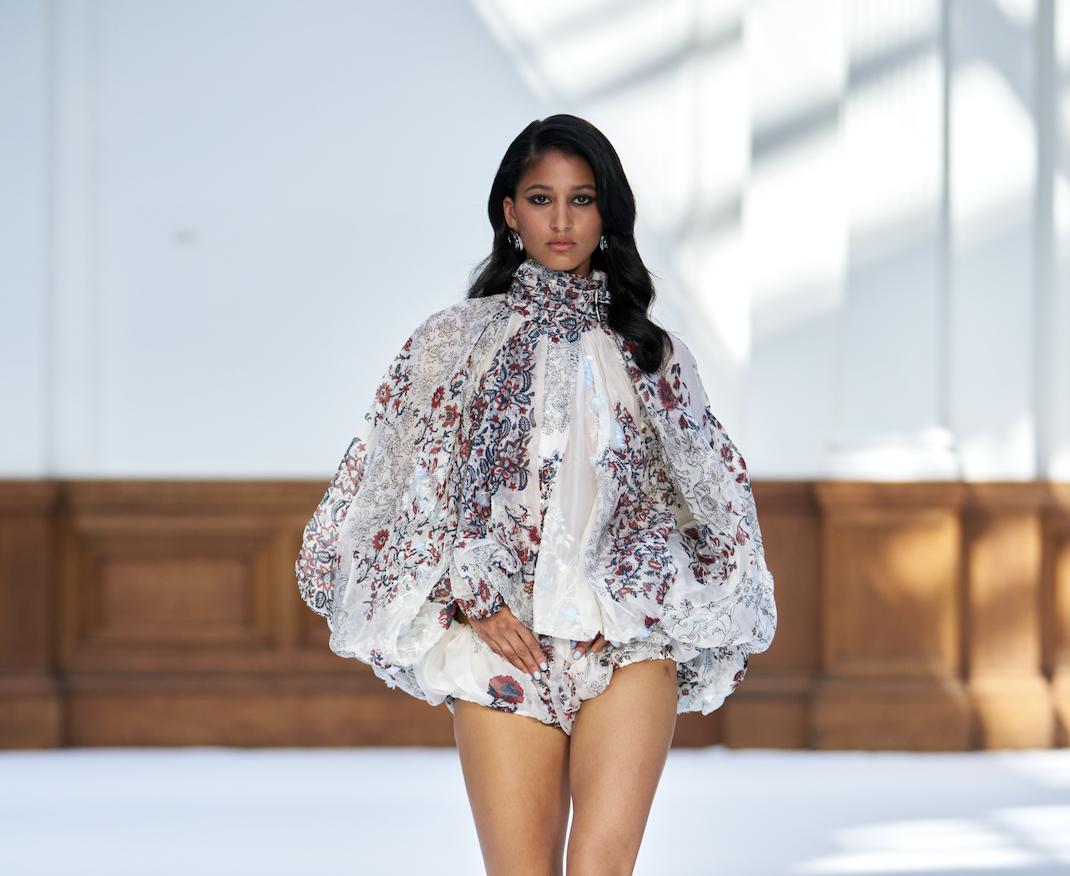
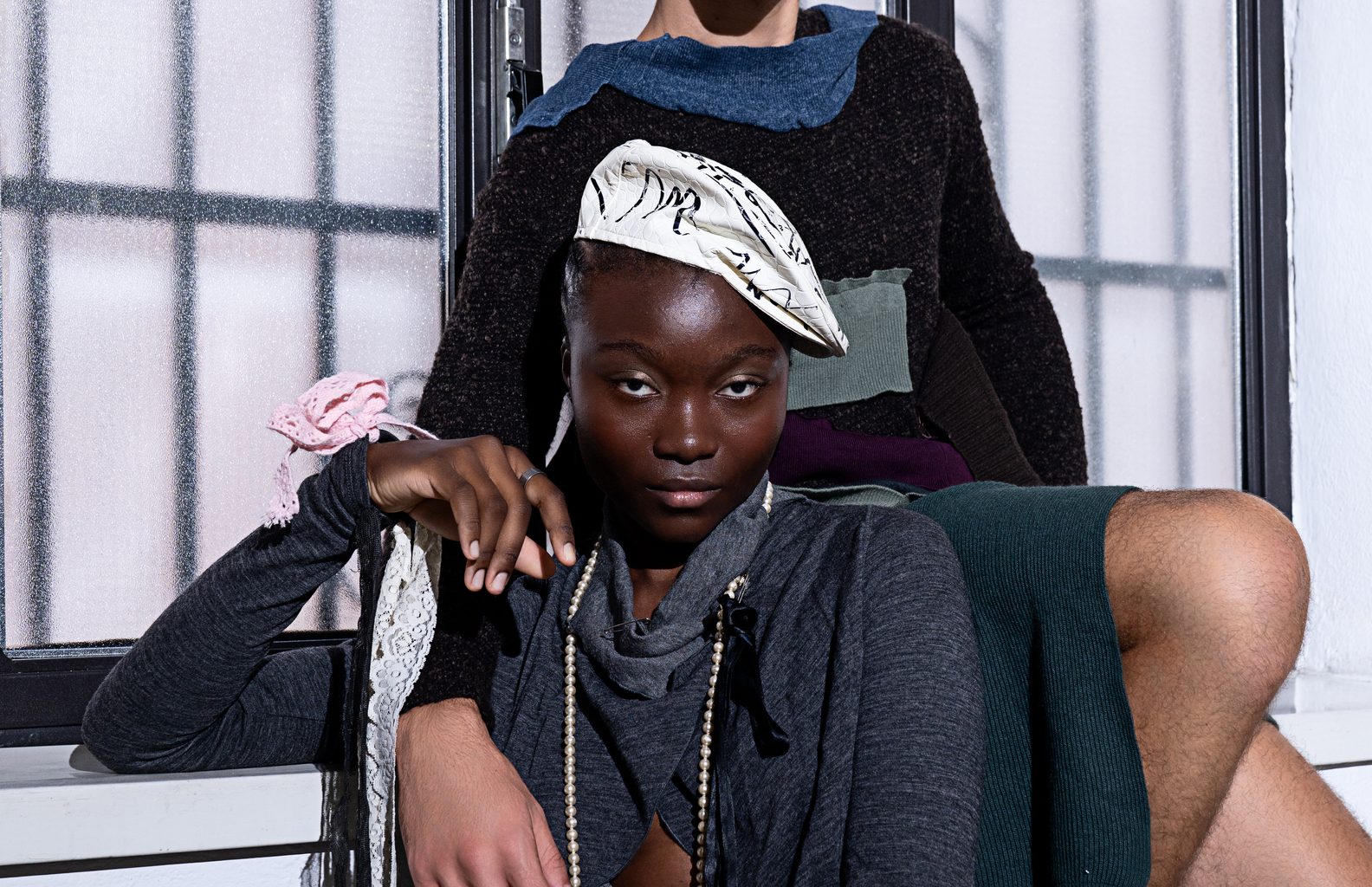
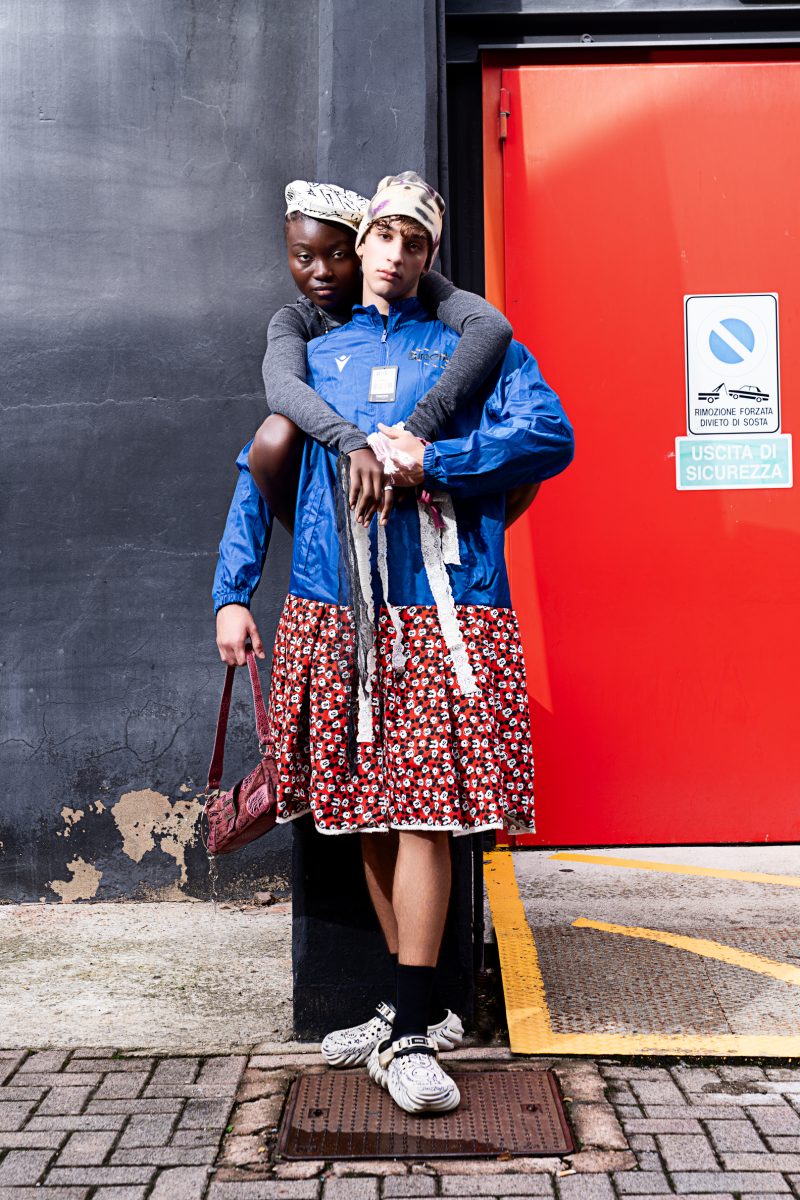
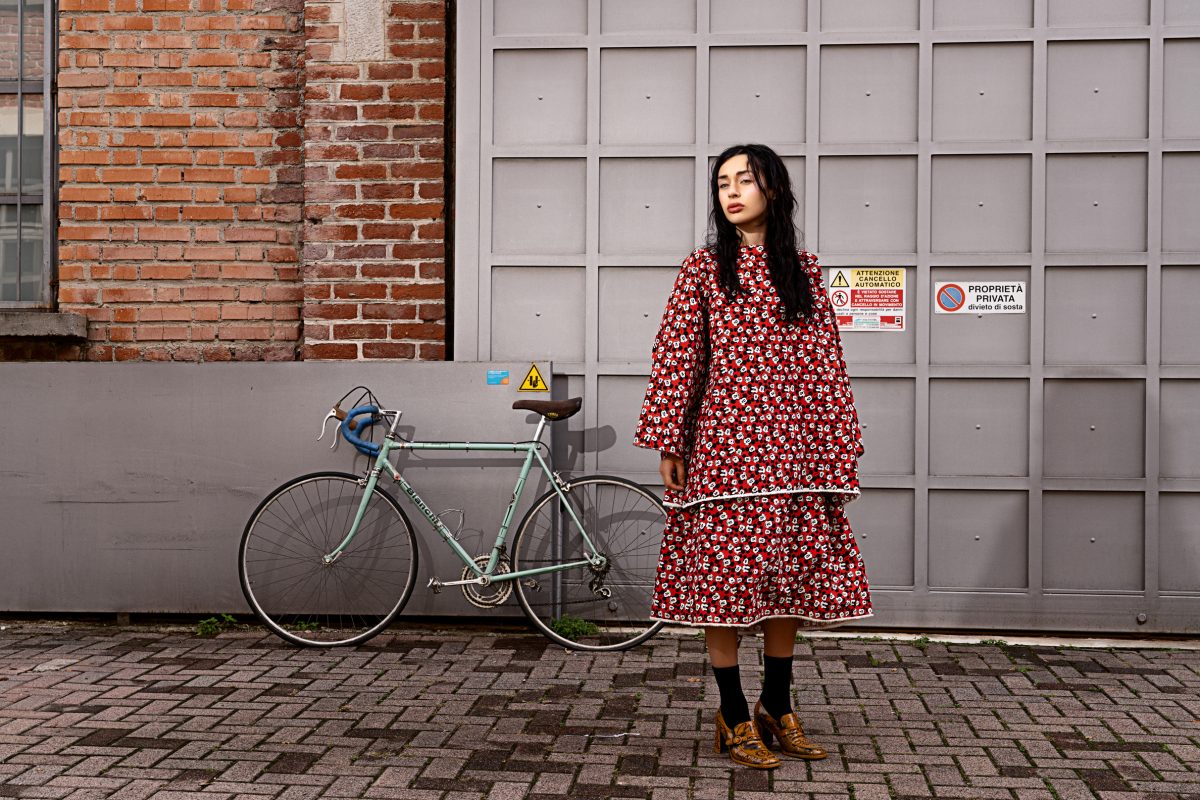
As the founder and creative director of Simon Cracker, Simone Botte is known for his bold and innovative approach to sustainable fashion and we found a deep feeling of gratitude, community, and a profound sense of belonging in his Fall/Winter 2025-2026 collection “Punkindness Forever,” as a heartfelt ‘’thank you’’ to his dedicated crew and the diverse individuals who contribute to the Simon Cracker family.
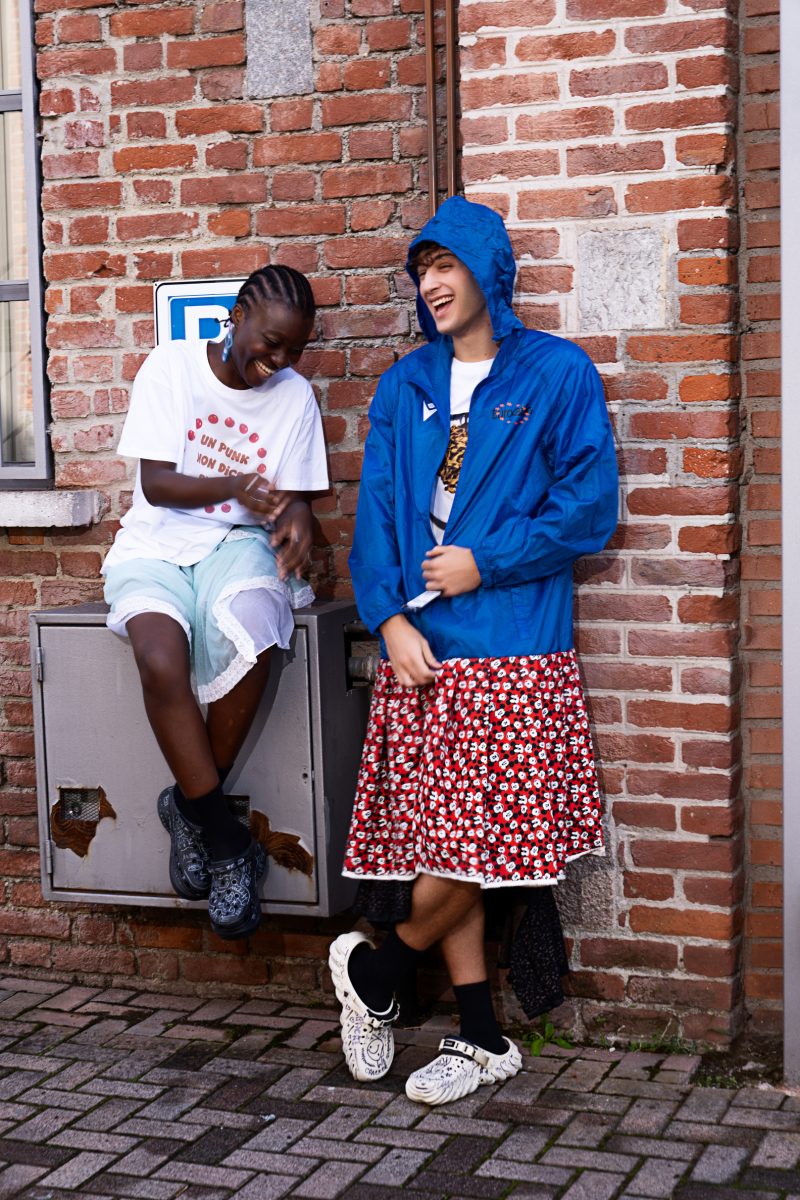
The essence of this collection lies in the power of shared experiences and collective creativity. Botte emphasizes that the real energy behind Simon Cracker stems from a shared vision, where themes of aesthetics, forms, and colors are collaboratively crafted. Simon Cracker is and always was, about garments that resonate with personal memories—a concept Botte vividly illustrates through the recollection of a 100 lire coin he frequently found in vintage jackets owned by his grandfather. This nostalgic detail has influenced the collection’s design, highlighting the importance of shared histories woven into the fabric of each piece.
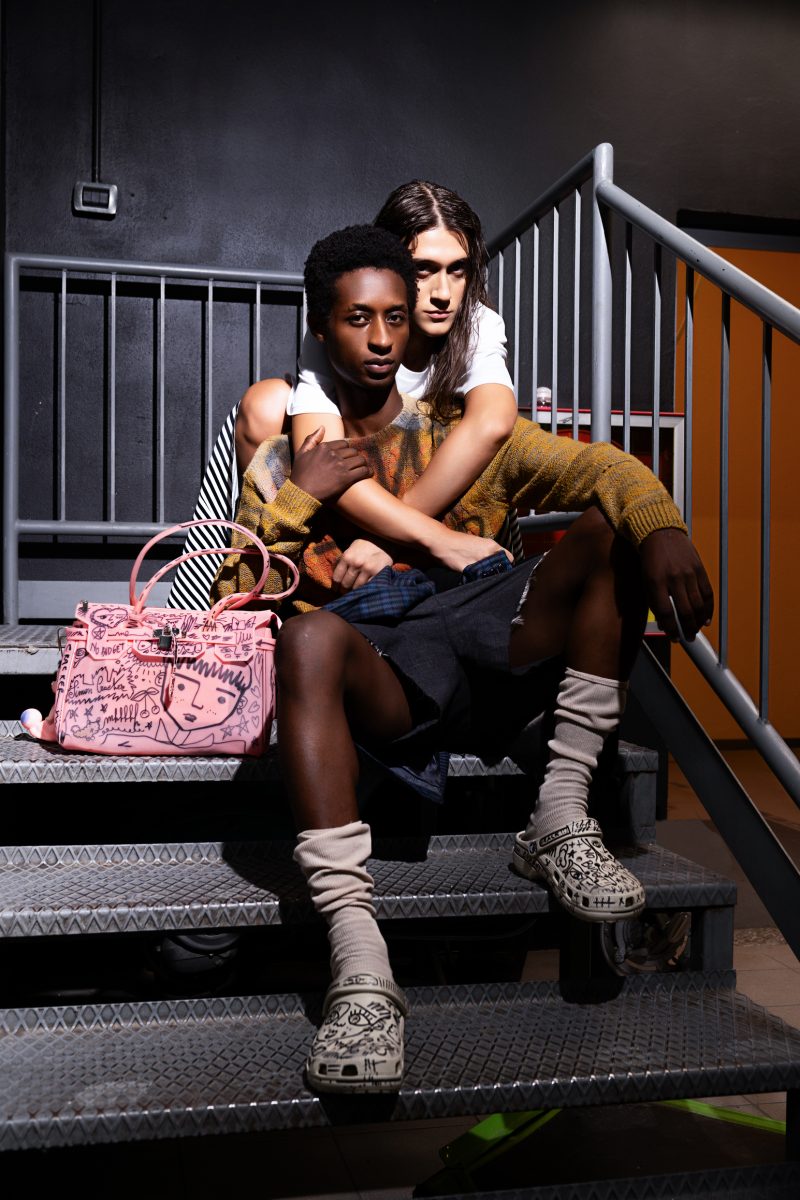
Punkindness Forever is reflected in diverse generational, cultural, and aesthetic identities, drawing inspiration from the ethos of the beloved film The Breakfast Club, where contrasting personalities converge, Botte’s creations reflect this spirit of unity and acceptance. Moreover, the brand’s mascot, Salem, a hand-painted black cat, symbolizes luck and protection, further reinforcing Simon Cracker’s commitment to authenticity and support within the fashion community. Collaborations with notable partners like Dr. Martens underscore Botte’s dedication to sustainable practices while fostering an environment free from the toxic elements often found in traditional fashion settings.
In this exclusive interview for Vanity Teen, Simone Botte shares with us his creative process, the inspirations behind Punkindness Forever, and his vision for a fashion industry that not only embraces creativity but also cultivates safe spaces for upcoming creatives:
How does the collaboration and shared vision within the Simon Cracker community influence the design process, and in what ways can this collective energy be seen in the final product showcased during the women’s FW?
The women’s collection presented during the September Fashion Week was small, but everyone who works for Simon Cracker and is part of the small crew that keeps the brand going contributed to the show — some took care of the make-up, others of the styling, or simply shared a last-minute idea. We are a team, and each of us can express our opinion and add a small creative touch to the bigger picture that we ultimately present on the runway.
In what ways do memories and personal experiences, such as the nostalgia attached to certain objects like your grandfather’s vintage jackets, play a critical role in the thematic development and design choices for the Simon Cracker collections?
I never feel nostalgia.
I like to give value to things, just as I love other people’s leftovers — from companies or factories — because I see something in them and want to adopt them. I do the same with memories, with objects, feelings, and emotions from the past: everything has a purpose. The good and the bad are all stitched together into a huge and beautiful canvas — which, in the end, becomes the show. The coins I used to find in my grandfather’s old jackets are something very personal, but I realized it’s also something that connects us all. Everyone has, at some point, found a coin or some other object that once belonged to the previous owner of a vintage jacket — whether it came from an old uncle or a flea market. It’s something magical. One day, I’ll showcase a series of artworks made from all the objects I’ve found inside the old garments I recycle.
The text mentions a diverse range of individuals who make up the Simon Cracker family, akin to the characters in “The Breakfast Club.” How does this diversity enhance both the aesthetic and the narrative of the fashion presented on the runway?
It’s one of my favorite films, precisely because it talks about very different personalities who, together, can make something work when they share a common mission.
Even the Spice Girls worked perfectly as a group, each with her own distinct personality.
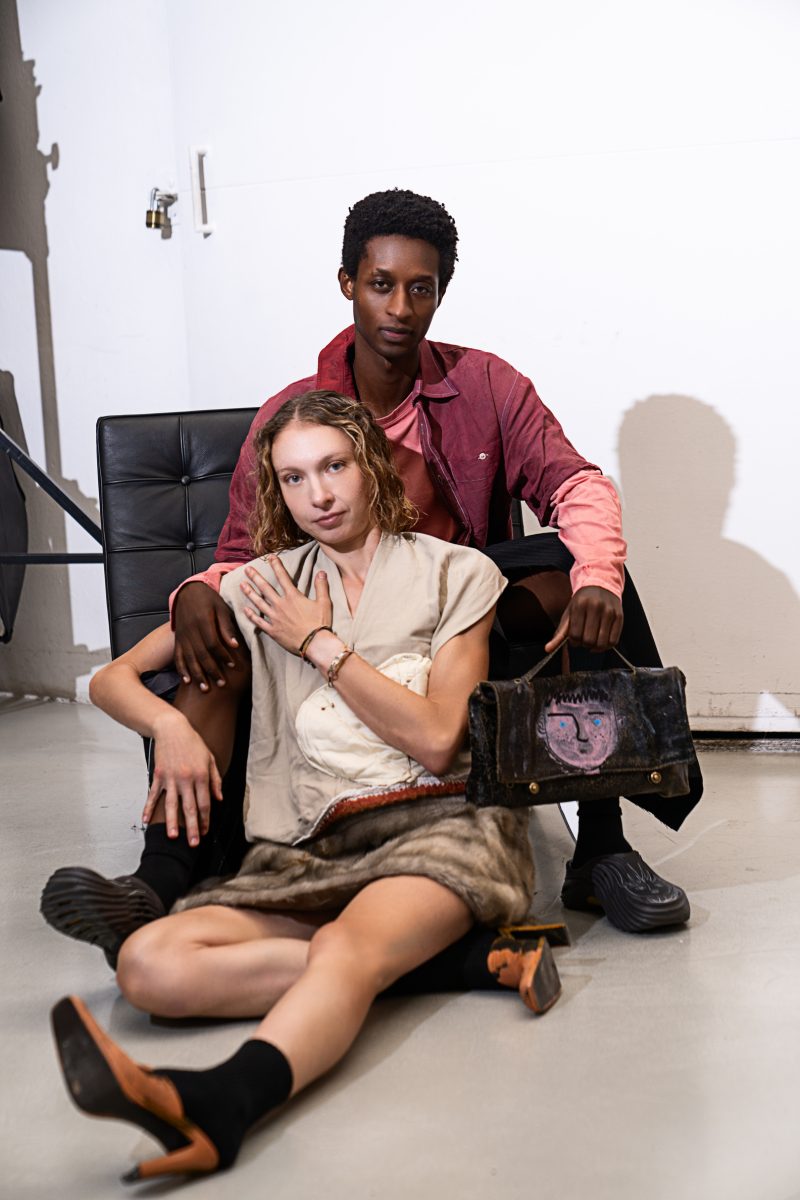
Simon Cracker shows are always made up of different kinds of people. People often say I’m “inclusive,” but I just reply that those walking for me are my friends.
You don’t cast your friends — they are who they are, and they’re beautiful just like that.
Can you elaborate on the significance of the 100 lire coin found in your grandfather’s jackets and how this element symbolizes not only a personal connection to your past but also influences the materials and design elements of the current collection?
As I mentioned before, it’s something that touches me personally, but when I think about it, it’s also a situation that connects me to many other people. When I envisioned this collection, I didn’t want to intimidate anyone with my abstract ideas. Instead, I wanted to create pieces and garments that could fit into many different wardrobes, looking good on a variety of people. I wanted to share with them these ordinary, everyday stories that always fascinate me.
The concepts of ‘Punkindness’ and creating a refuge within the fashion industry are central to the Simon Cracker ethos. How do these themes manifest in the workplace culture and the broader community that you’ve built since founding the brand in 2010?
I continue to take on external work alongside Simon Cracker, and this helps me keep the space I’ve created healthy — a place where I and everyone involved can feel good. I may have forgotten this for a while, but now I’ve returned to putting it front and center. Cracker was my refuge when I ended up in the press office at 3 a.m., with girls crying and getting fired. Now I hope it can be a safe place for other young people who’ve had tough experiences in fashion. In the end, they’re just clothes, and there’s no point in getting too angry.
In what ways does the choice of colors and fabrics—like terracotta orange and dyed printed silk—reflect both the artistic vision of Simon Cracker and the collective experiences of the community behind the brand?
I wanted to take the uniform as a symbol of today’s community and gradually destroy it, from the first to the last look of the show.
Today, no one forces us to wear a uniform, but influencers, advertisements, and everything around us push us to think and dress alike. I, too, am influenced by external elements in my everyday choices; I’m just like everyone else.
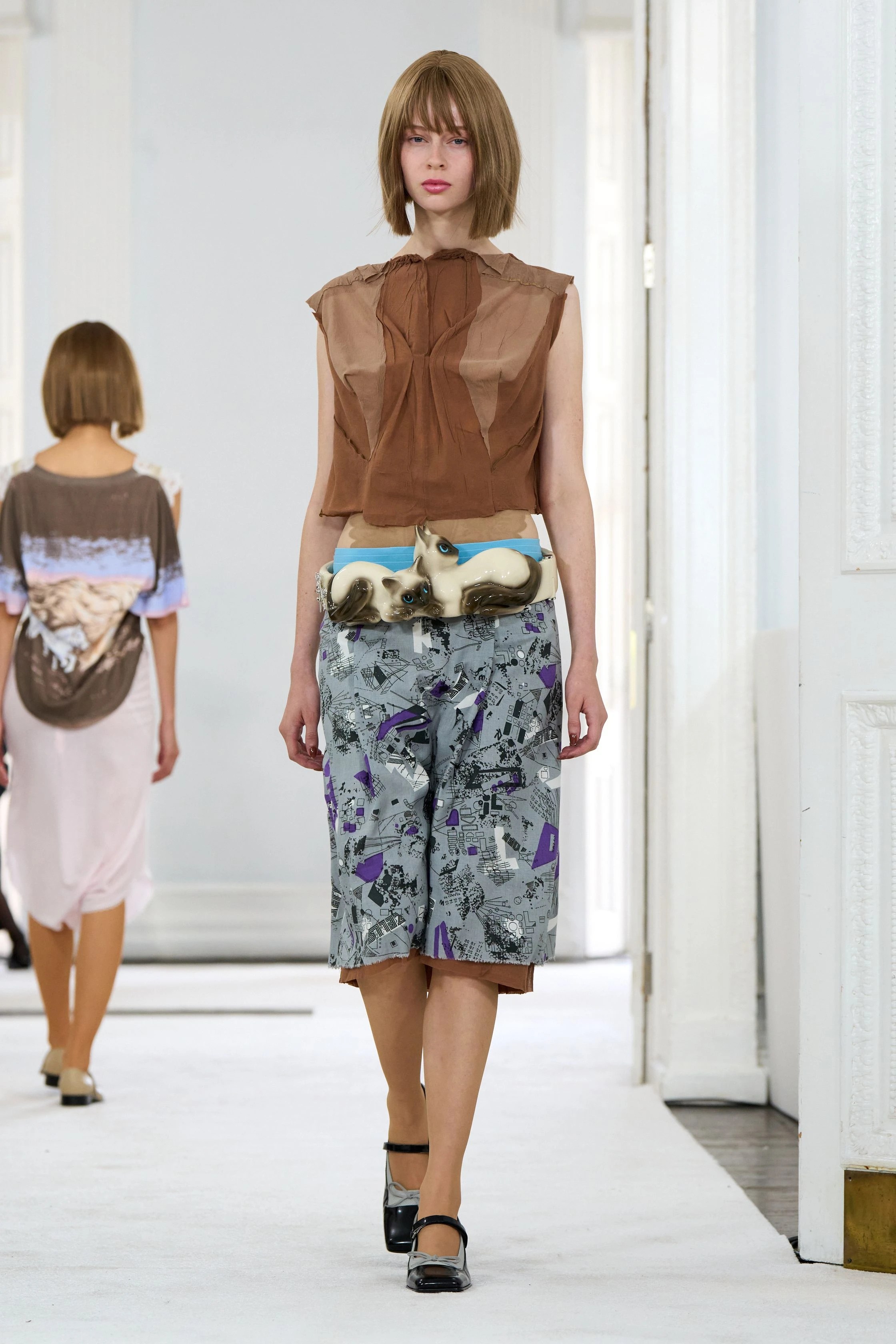
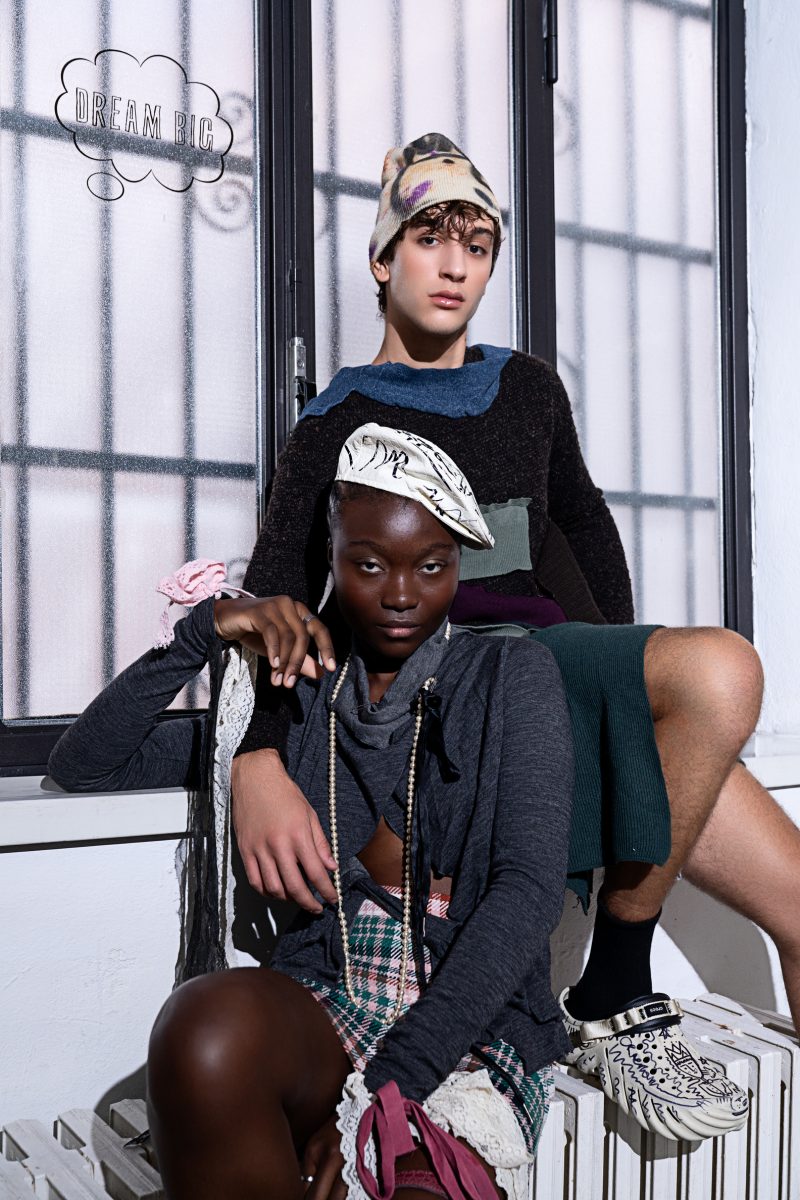
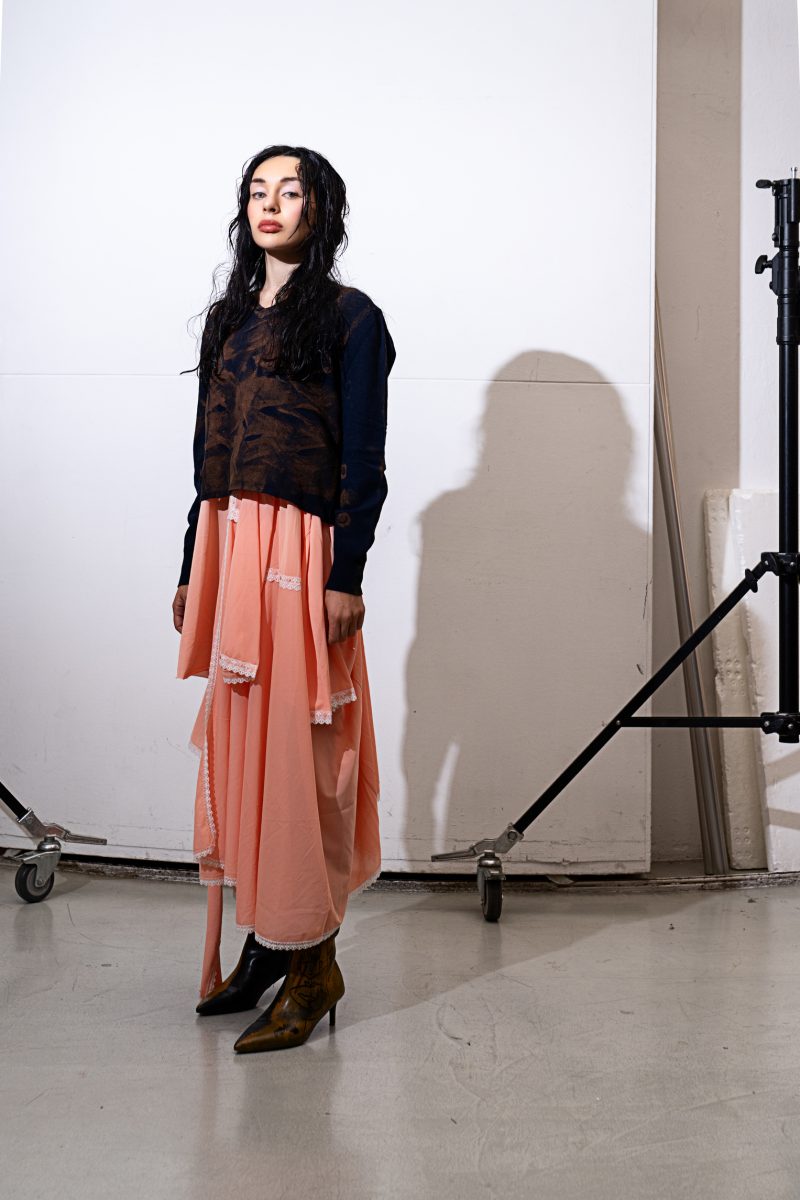
So I created this Simon Cracker uniform: a shirt with my cat Salem hand-painted on it and blue-and-green plaid skirts. Gradually, look by look, it took on different lengths and shapes, eventually transforming the students of a college into witches who do whatever they want. The tones change, and the garments were dyed terracotta and gray, boiled and treated until the silk was reduced, making the pieces sculptural and abstract.
By opting for non-traditional design elements, such as oversized structures and geometric patterns, how does Simon Cracker challenge conventional fashion norms, and what message does this send to the audience?
As I always say, I don’t follow trends, but I always manage to find someone who falls in love with a Simon Cracker piece. They may not be clothes for everyone, but they definitely appeal to a niche audience that truly understands me.
The brand’s focus on reclaiming and reinventing garments, like the destroyed school uniform, suggests a broader commentary on waste and sustainability in fashion. How does this align with current industry trends regarding environmental responsibility?
I no longer talk about upcycling in my collections, because I think it’s clear that I don’t know any other way to make clothes. I do it out of a deep frustration with those who don’t care about the world we live in, and with those who, in the past, didn’t care about us, leaving us with many problems today. So, of course, every reference is far from accidental.
What is the significance of using a black cat named Salem as a mascot for the brand, and how does this imagery resonate with the core values and culture that Simon Cracker promotes?
Salem is my cat, mascot, and real witness to everything I do, like an observer of those who genuinely make sustainable clothing and speak little about it, unlike those who talk a lot but leave nothing concrete when it comes to substance.
Going beyond aesthetics, how does Simon Cracker’s approach to fashion facilitate conversations about identity, inclusion, and acceptance among the varied backgrounds of its community members?
The real opinions of real people go beyond aesthetic impact; that’s what sets us apart from trends. Trend-driven models last a month, and then everyone moves on; concepts like body positivity and so much else get forgotten. We are real and surprising! My models speak, have their own opinions, and think like I do. They are people with names, not fake posters to say “look how cool I am.”
In what manner has the founding of Simon Cracker as a “safe place” for creativity influenced the type of collaborations you engage in, and how do these partnerships reflect the values you uphold within the fashion industry?
Our partners believe in us. After spending time with them and talking extensively about waste and reuse, they’ve come to know me well and reach out to discuss any potential collaboration and every attempt at salvaging materials.
The role of storytelling in fashion is paramount, as suggested by your comments on speaking through clothes. How do you see the relationship between narrative and emotional connection in the garments created by Simon Cracker, and how does this enhance the overall experience for both creators and wearers?
Clothes need to tell a story to make a difference in a world that produces tons of disposable garments. The story behind a piece makes it unique, but lately I’ve been focusing more on the story that clothes can tell on their own, through the materials they are made from — like a deconstructed old coat that is still visible in a skirt.
I’m not good at speaking; I’ve never mastered words. I am about action! In my life, I’ve never been able to explain in words what I wanted to do, even with my brand, but I believe my realized ideas speak for themselves. As long as there’s even one person who listens, I’ll continue working this way.
The language of clothes never ends. I always suggest to my clients to modify and continue personalizing the Cracker pieces they’ve worn a lot. The more they wear and age, the more interesting they become, always telling new stories — with a new dye or by changing the piece’s purpose, like a skirt that, after years, becomes a shopper bag.
As Simon Cracker has evolved through various collaborations over the years, how have these partnerships shaped the brand’s identity and creative direction, and what lessons have you learned from each collaborative experience?
By now, I believe that Cracker has developed distinctive marks, even on pieces far removed from this “one of a kind” world. I like to personally handle and transform each piece, making every garment unique by staining rather than uniformly dyeing it. The stains are never the same. And even when I dye garments in different colors, each fabric reacts differently and takes on the color it wants, and I pleasantly lose control.
In today’s fashion landscape, which is increasingly dominated by rapid trends and social media influence, how does Simon Cracker maintain its core values while adapting to the changing dynamics of collaboration within the industry?
Social media are just a tool, and by themselves, they do neither good nor harm. As always, they need to be used intelligently, without overdoing it. They can help in small doses, but above all, you need to find your own way to be on social media while leaving a mark. I do it without following the usual rules of timing: we ignore the “right” time to post, the showroom-like aesthetics… I see social media as a diary that tells what we do and what’s behind our real sustainability.
Trends, as I mentioned earlier, I ignore; today I find them really pointless, a waste of time and a distraction from the interesting things — from those who truly commit to doing creative work well, thoughtfully, and with a strong story behind it — like all of us emerging brands that have little to lose. So we do what we want and often make beautiful things happen, which, however, get overshadowed by a 10-cent stool given away by Etro during Design Week. “Sad marketing that slowly crushes quality ideas”: that’s how I’d describe fashion today.
Reflecting on the current state of fashion, what do you believe are the most pressing issues that designers need to address in their collaborative efforts, and how is Simon Cracker positioned to both challenge and redefine these norms through its innovative partnerships?
We need to make our voices heard and uphold the ideas and values we believe in. A fair compromise between the two realities emerges sooner or later, and it requires effort, but we cannot lose our sensitivity, because that’s what sets us apart from big brands. Big brands pursue sustainability because they have to; we, the new generation, do it because we want to.
A note to your future self:
Don’t let anyone make decisions for you or tell you who you are — only you know who you are, even if you’ll be distracted by many other things, both good and bad.
Follow Simon Cracker HERE
Creative Director Simone Botte @simone.botte
Assistant Pasquale Montoro @sagittabondus
Brand Simon Cracker @simoncracker
Photography Alessio Pannini @alessio.pannini
Video Tatiana Pellicano @tatianapellicano
Make-up Iram Rahman @iramrahman__ – Nicole Buonomo @nicole.b_mua
Models: Dou Diagne doudiagne100 – Euridice Oberto @euridice_oberto – Violante @violanxxe – Flavio Russo @flaaviorusso – Chiara Singia @chiara_0490 – Denise NDOSSA @denise__nd
Production Glami Inside Fashion @glaminsidefashion
Assistant production Maicol Ierardi @_maicolierardi_ Denis Cipriani @denisciprjani
Styling team provided by @glaminsidefashion – Silvia Nerone @silvianerone_ Gaia Gentile @gaiaagentile Mariachiara Ficuciello @mariachia.ra__ Chiara Corradini @chiara_corradini_
Christian De Caro @christian_de_caro Noemi Calà @cali00_ Veronica Mazzanti @veronica_mazzanti Noemi camisassi @noemi_camisassi Giulia Bilieri @_lobby_lody.__ Alice Parrettini @aliceparrettini
Special thanks to @ludovicamfares@aalessandraa.b