Six unsettling horror films where the monster is a place, a memory, or your own mind
This Halloween, you might be tempted to skip the mediocre parties, stay under the covers, and enjoy the comfort of your safe space. But what if you spend it watching horror movies?
Classic horror usually asks a simple question: will the monster get them? We are fed a steady diet of cheap jump scares, predictable slashers, and traditional tropes. But the films below ask a much harder question: what if the monster is a place, a memory, a family, or the shape of your own mind?
This list follows a deliberate arc for those who want to be genuinely disturbed rather than just startled. It starts with the modern anxiety of Beau Is Afraid, moves through the invaded home of mother! and Kubrick’s The Shining, then turns inward with I’m Thinking of Ending Things and Inland Empire, and ends with the internet-born dread of Backrooms. You have probably seen The Shining and Inland Empire already, but they deserve a rewatch this Halloween.
Beau Is Afraid (2023), directed by Ari Aster
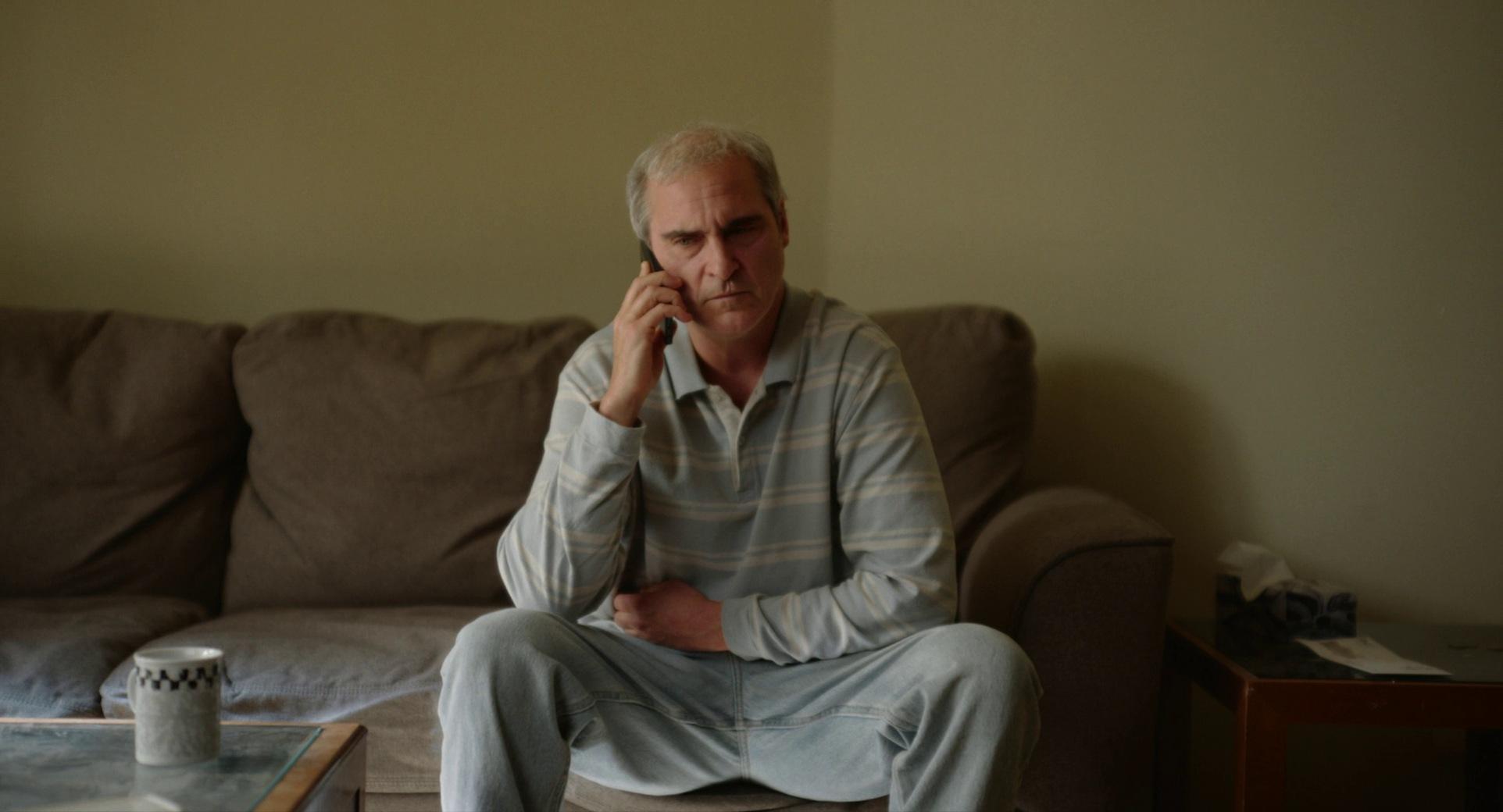
For the first act of the film, Beau is confined to his dilapidated apartment, utterly paralyzed by the fear of stepping outside. But his sanctuary is no sanctuary at all. It is a hostile trap where neighbors slip threatening notes under the door, water gets shut off, and venomous spiders might be lurking anywhere. Aster turns the very concept of staying home into a relentless panic attack. Every obstacle is shaped by guilt, fear of abandonment, and a mother whose love operates as absolute control. The physical spaces Beau inhabits become direct extensions of his own suffocating paranoia.
Why watch it?
Ari Aster is one of the defining voices of modern horror, and this is his most ambitious and unhinged work yet. It perfectly captures the feeling of being trapped with your own darkest thoughts, proving that locking your front door will not save you if the real threat is in your own head. It is a three hour epic of arrested adulthood that blends paranoia, absurdity, and tragedy without ever trying to flatter the viewer. Halloween will be a moment to check your mental health status.
mother! (2017), directed by Darren Aronofsky
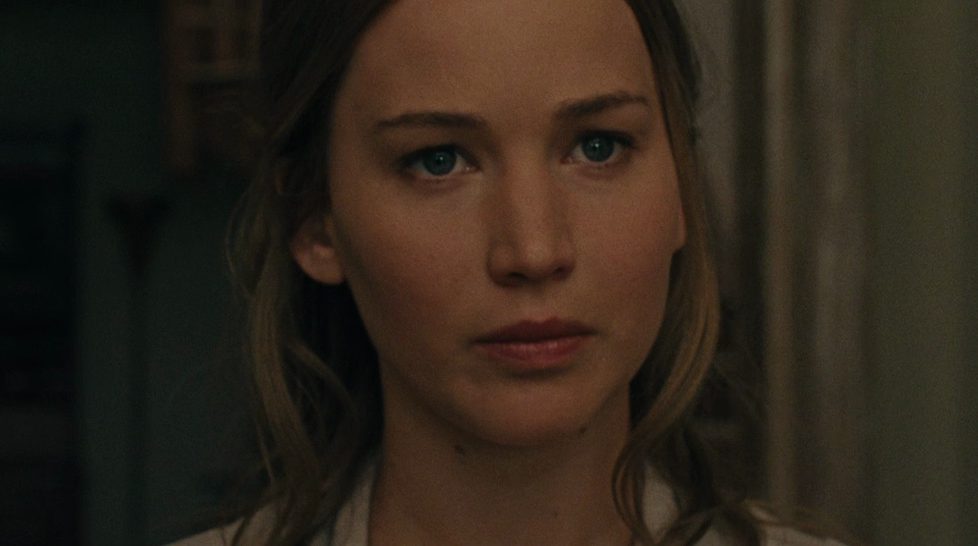
On the surface, this is a home invasion nightmare about guests who overstay, intrude, and take. Underneath, it’s an allegory about creation and the people who pay for it: the artist who needs worship, the devotion that sustains him, and the gradual erasure of the one who tends the house. Aronofsky refuses to let the film remain a metaphor you can safely hold at a distance. Jennifer Lawrence’s near constant presence in the frame makes you share her helplessness, turning allegory into an assault. You may find it excessive or punishing, but that is precisely its argument about how much is demanded of those who give. Halloween will never been so emotionally charged.
Why watch it?
If you like unconventional horror, this is essential. It doesn’t try to scare you with standard genre tricks; it unsettles you from beginning to end, stripping away every point of reference and forcing you to sit inside an increasingly suffocating situation. It’s not an easy watch and doesn’t want to be. Long after the credits roll, a deep sense of anguish stays with you, making it impossible to forget.
The Shining (1980), directed by Stanley Kubrick
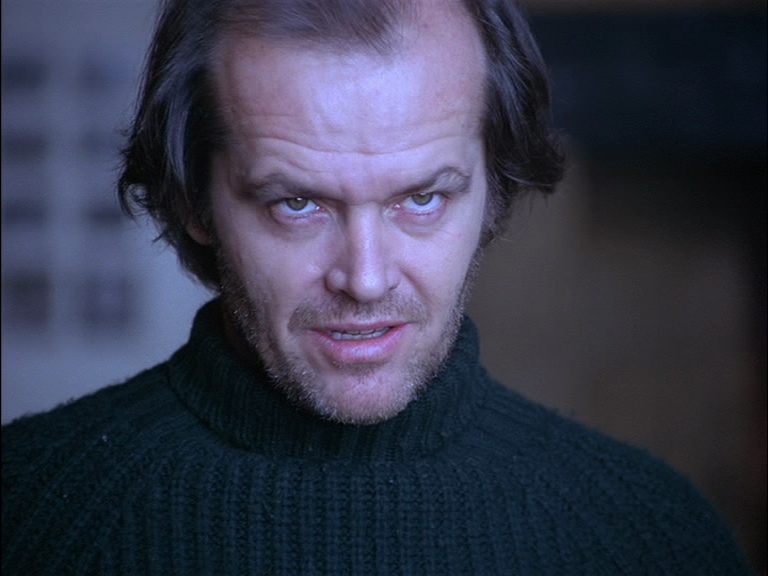
The Overlook is often described as haunted, but the more unsettling reading is that it simply amplifies. Jack Torrance arrives already fractured by resentment, failure, and a buried capacity for violence, and the hotel gives those impulses room to grow. Kubrick builds the horror through geometry: impossible corridors, windows that shouldn’t be where they are, a maze that mirrors the family’s entrapment. Nicholson’s performance is terrifying precisely because it’s a slow unmasking rather than a transformation. The ghosts matter less than the question underneath: how much of the horror was already inside the man who walked through the door?
Why watch it?
These days, it’s good to go back to the classics. Halloween could be the right time to savor a real gem. We live in an age of overproduction where something new comes out every week on streaming platforms, and almost nothing has time to settle. Going back to The Shining means recovering the point where modern psychological horror began and discovering how deeply frightening it remains without ever needing jump scares. The dread arrives slowly, through atmosphere, and never lets go.
I’m Thinking of Ending Things (2020), directed by Charlie Kaufman
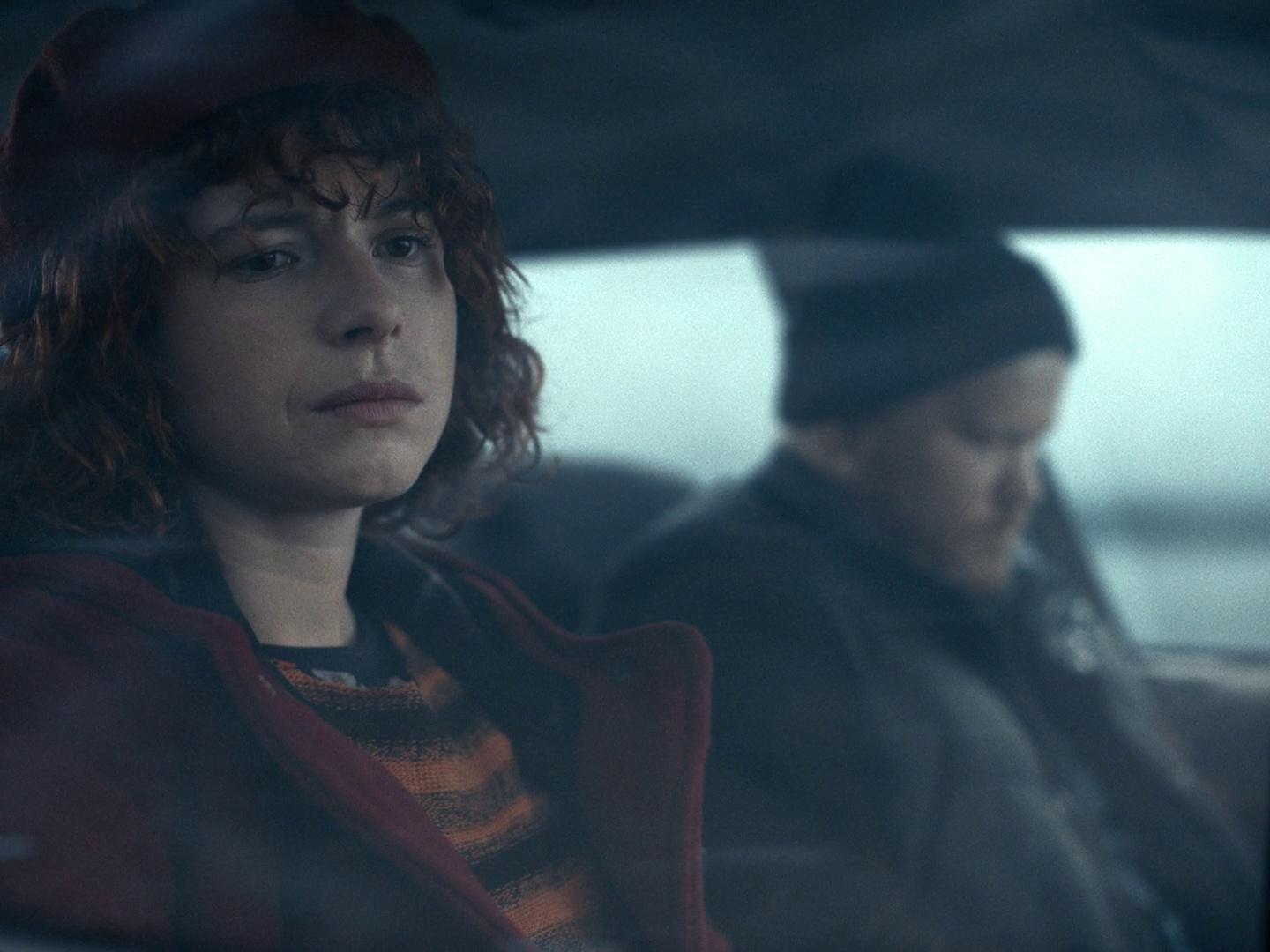
A young woman travels with her new boyfriend to visit his parents on their remote farm. Once they arrive, time, memory, and the physical geometry of the house begin to shift in eerie, unexplained ways. Kaufman transforms a quiet family dinner and a snowbound car ride into an existential labyrinth. Here, the house and the car become prisons of solitude, where details change without warning and aging happens in a blink. It reframes horror not as an external threat, but as the crushing realization of how fast life slips away and how lonely a human mind can be.
Why watch it?
It is a masterclass in psychological disorienting horror. Kaufman takes the dread of time passing, isolation, and regret and gives them a surreal, dreamlike atmosphere. If you appreciate dense, quiet, and deeply atmospheric auteur cinema that lingers in your head for days after watching, this film will haunt you in ways traditional monster movies never could. Halloween will make you wonder why you decided to watch it.
Inland Empire (2006), directed by David Lynch
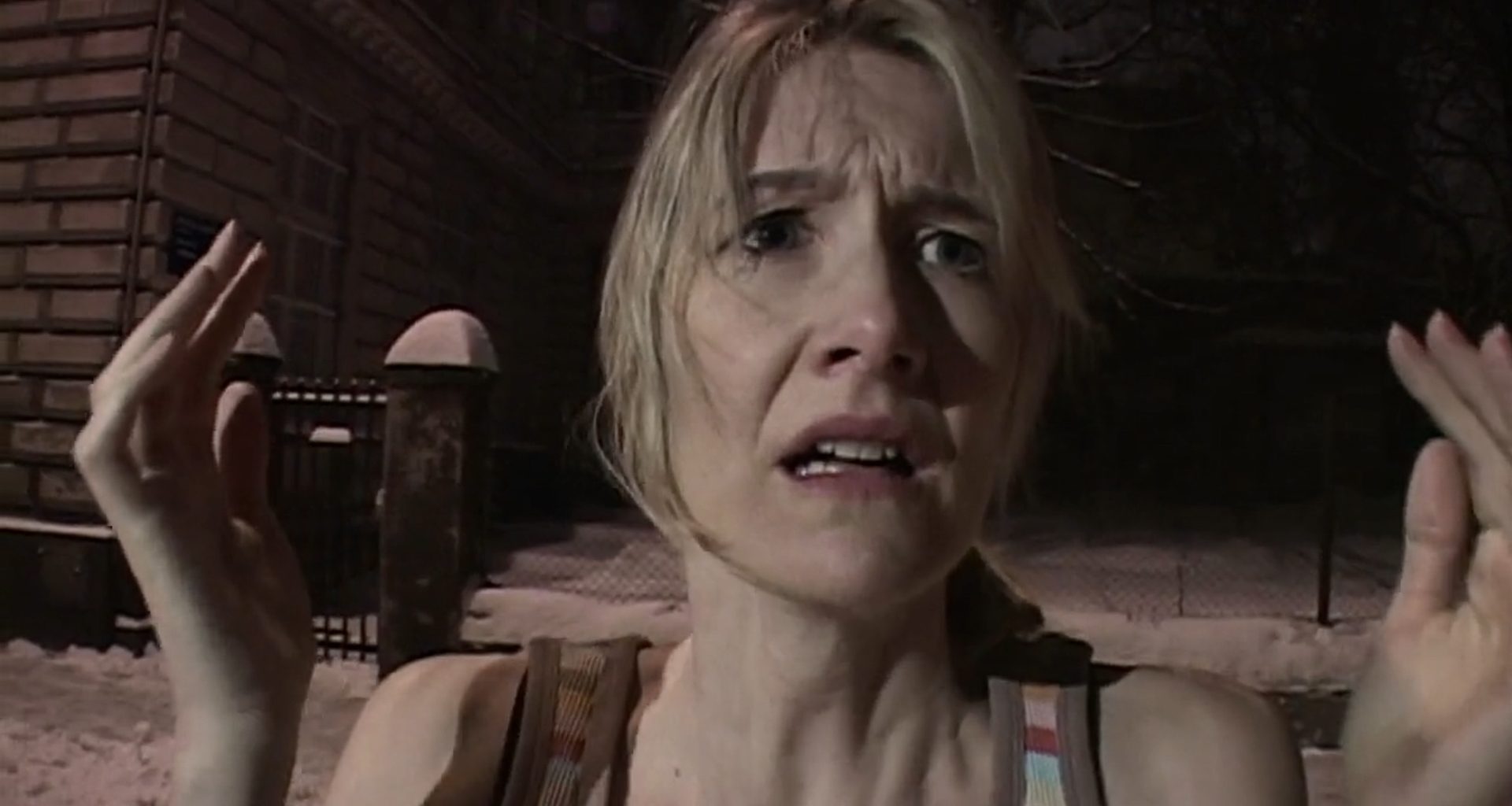
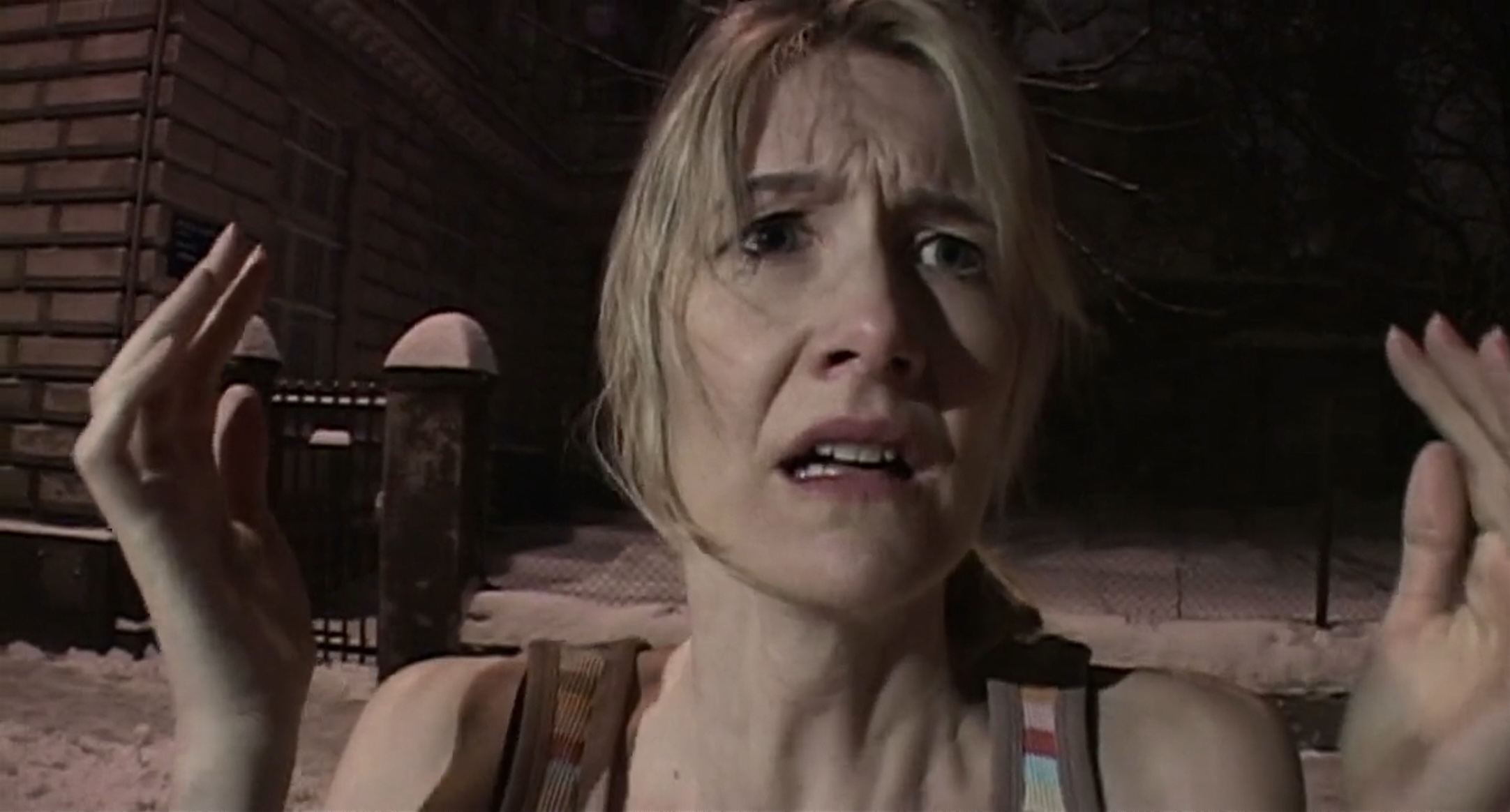
Lynch’s longest and most radical film follows an actress whose role begins to bleed into her life until it’s impossible to say which is the performance. Shot on low grade digital video, it looks like a transmission from somewhere it shouldn’t be received. Linear logic is abandoned in favor of dream logic: identities duplicate, scenes loop, and the boundary between actor and character dissolves. Laura Dern carries it with a fearlessness that makes the disorientation feel emotional rather than merely formal. Lynch’s cinema works on the level of feeling, making you feel the fragility of the story we tell ourselves about who we are.
Why watch it?
If you appreciate the raw, grainy look of early digital video, feeling like a discovered artifact from an unknown place, this is its ultimate cinematic expression. It requires surrender: you must be comfortable reaching the end with a thousand questions and no neat answers. What remains is a persistent, unsettling vibration that stays with you long after Halloween is over.
Backrooms (2026), directed by Kane Parsons
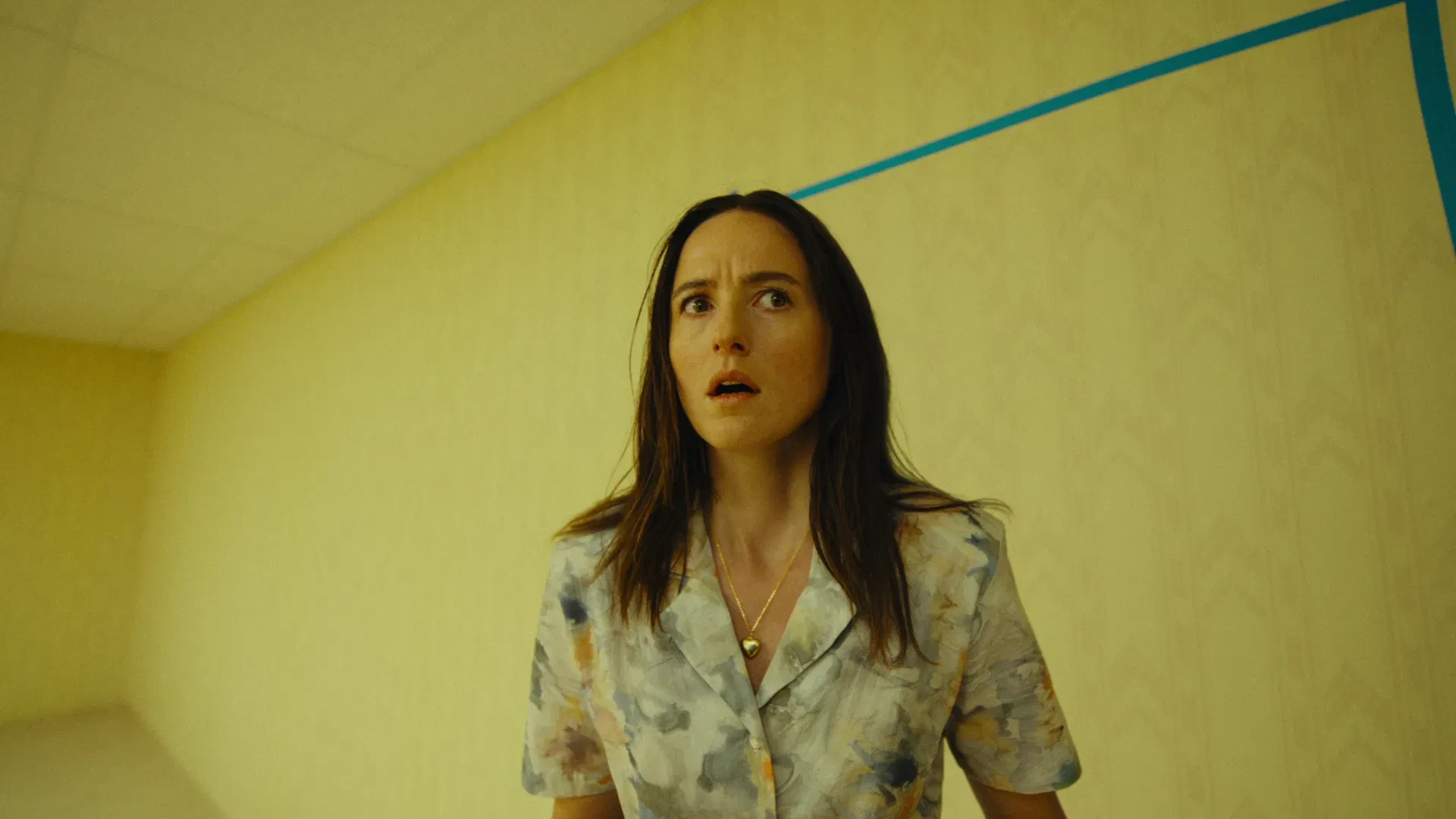
Backrooms began as an anonymous internet image: a yellowed, fluorescent lit office corridor that seems to exist outside reality. Its power lies in how familiar it is. Damp carpet, buzzing lights, endless empty hallways: the architecture of places we pass through without noticing. The idea of slipping out of reality into one of them taps into a modern unease: liminal spaces built for people, but containing none. Developed into a viral series and now brought to the big screen with A24, it’s a fitting finale. After films about haunted people, this one is about haunted emptiness, and what’s left when even the ghosts (and Halloween ghosts) are gone.
Why watch it?
It represents the digital evolution of horror, a generational shift built on contemporary internet culture. While older films deal with classic fears like family, guilt, or madness, here the dread comes from liminal spaces and digital folklore. Watching it means witnessing a new era of storytelling move from online forums directly onto the big screen.
These films share a quiet conviction: the most lasting horror comes from recognition. A hotel that magnifies a man’s rage. A son who has never been allowed to stop being afraid. A house that is also a person. A car stuck in the snow carrying a stranger’s thoughts. A mind that can’t hold itself together. A hallway that could be anywhere.
None of them need a monster, because the fear was already ours. Even before Halloween was just around the corner.