By Ada Maria Francesca Romeo
Fifa World Cup 2026 has become a fashion battle on the field. Let’s discover how uniforms and kits speak volumes about each and every team heritage.
During the Fifa World Cup 2026, a parallel competition has emerged alongside the action on the pitch: a battle of style that goes far beyond the official kits. Capturing attention are the outfits national teams uniforms when arriving at stadiums. These looks are not merely luxury fashion statements or displays of refined aesthetics; they are cultural manifestos that express identity, belonging, and national pride.
Many of the designers behind these creations were not internationally known before the tournament, yet they have succeeded in producing garments that convey something far deeper than beauty alone. Their designs tell stories of traditions and values deeply rooted in their respective cultures.
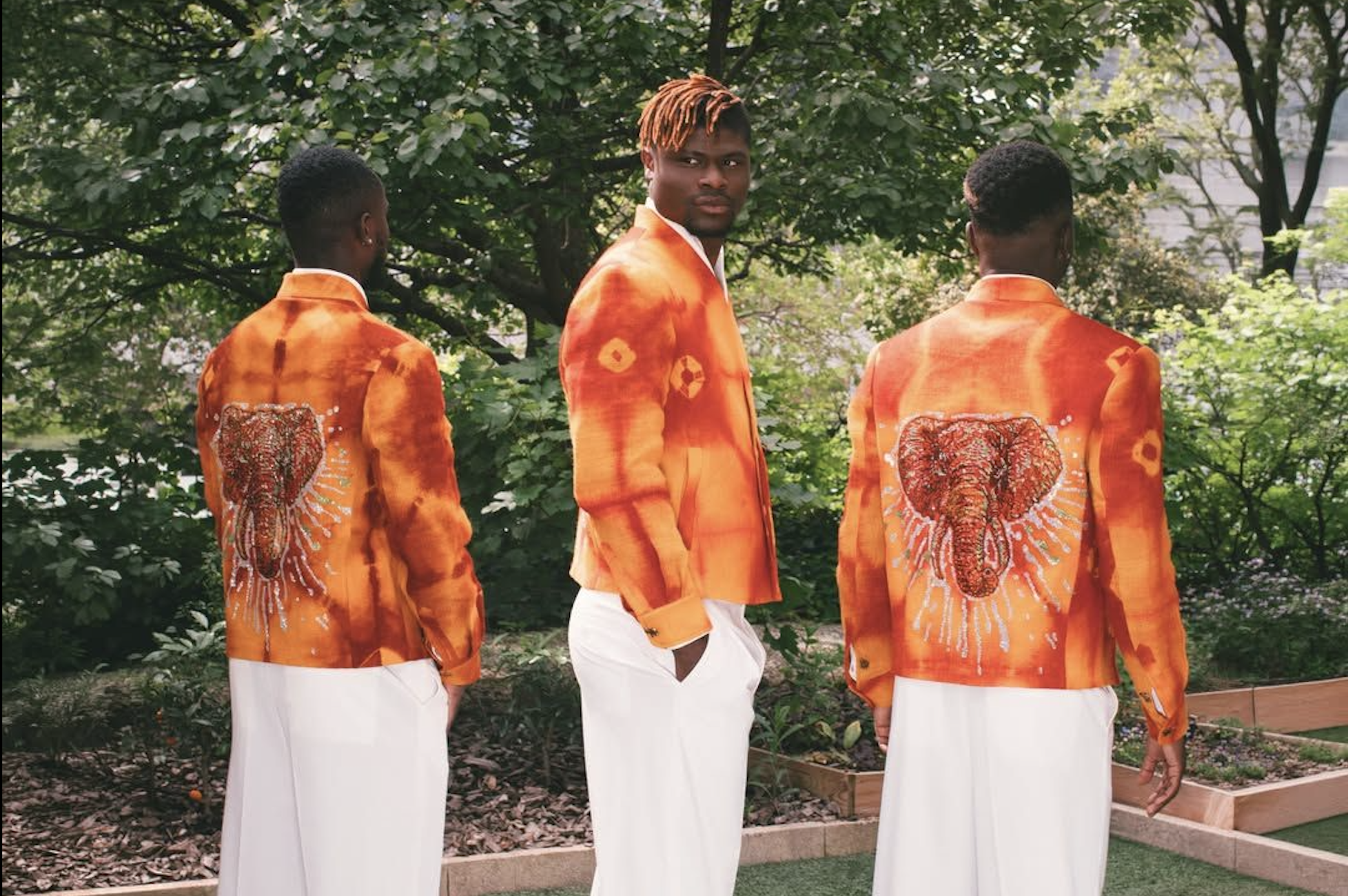
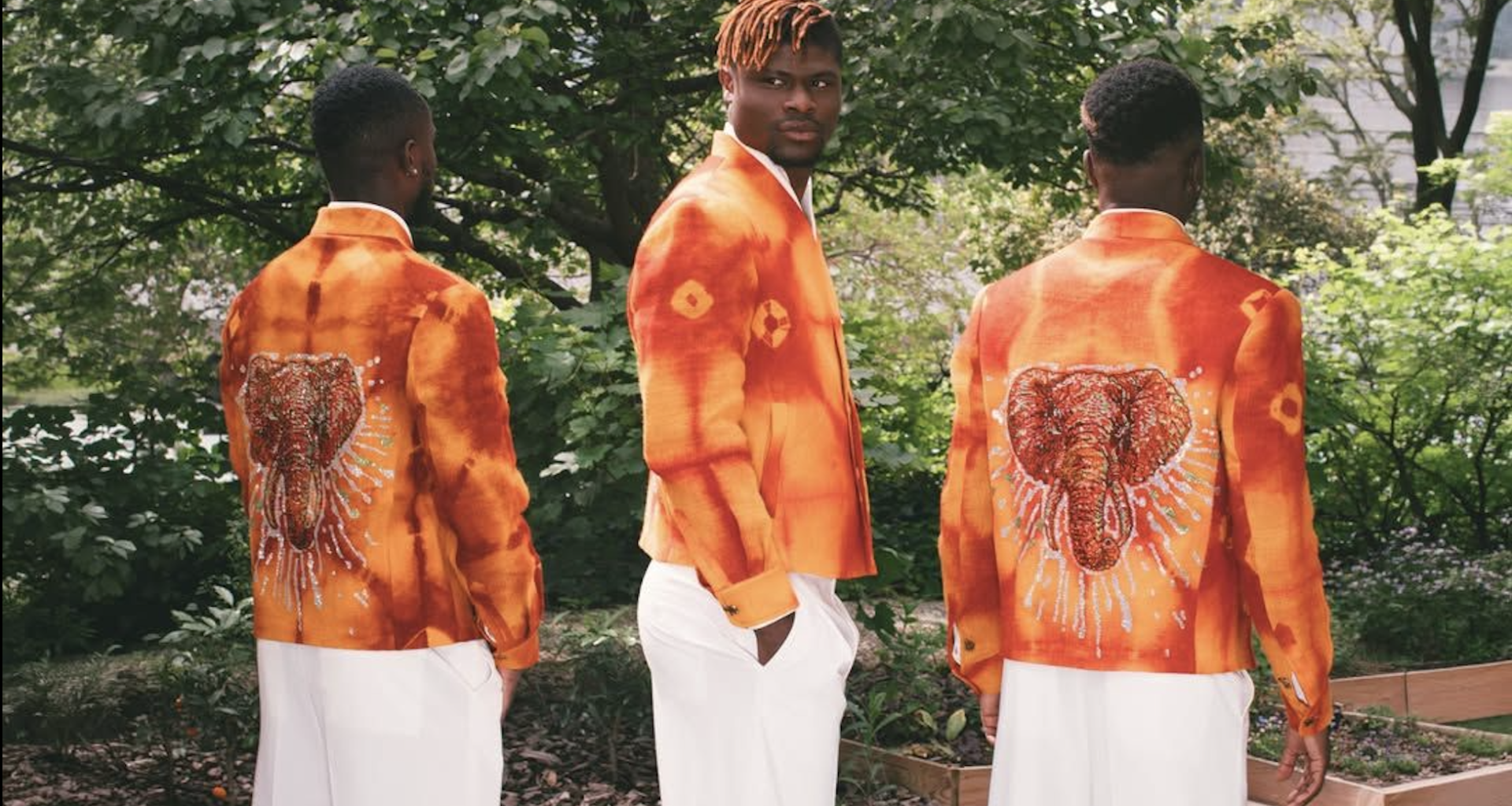
Among the teams that have stood out in this unique style competition is Côte d’Ivoire. The team arrived wearing a striking ensemble designed by Ivorian designer Ibrahim Fernandez: a vibrant orange tie-dye look crafted from Tapa cloth, a material made from the inner bark of certain trees and traditionally used in various African cultures, paired with white trousers. On the back of the jacket, an embroidered elephant embellished with diamond details pays tribute to the team’s nickname, “Les Éléphants.”
The Democratic Republic of Congo has also made a strong impression with its elegant black suits featuring coordinated leopard-print sashes and accessories, created by Congolese designer Alvin Mak. In several interviews, the designer explained that the leopard was chosen for its symbolic significance within Congolese culture, where it represents strength, resilience, and determination—qualities he hopes the national team will embody throughout the tournament.
Haiti‘s national team enlisted the creativity of Italian-Haitian designer Stella Jean, who reimagined the traditional football jersey through a fashion-forward lens. The collection features polo-inspired shirts in a variety of vibrant color combinations, blending sporting identity with cultural expression. Across the back appears the Haitian Creole phrase “Lavi a bèl” (“Life is Beautiful”), accompanied by the number 26, a symbolic reference to Haiti’s qualification for the 2026 World Cup. Far from conventional sportswear, the jerseys were styled with striking printed skirts and heels. The collection also includes a dress version that echoes the jersey’s silhouette and graphic language.
Mexico, meanwhile, unveiled a formal suit rich in symbolism, created by the brand Calderoni. The ensemble includes a dark blazer adorned with the national emblem, tailored trousers, and a distinctive green tie featuring motifs inspired by pre-Hispanic cultures. Made from innovative Italian fabrics, the suit also contains motivational messages hidden inside the blazer, while the phrase “Somos México” is embroidered on the collar, reinforcing a sense of unity and national identity.
Senegal opted for a refined grey-and-green ensemble designed by Xakeb, a Dakar-based fashion house. The look is distinguished by hand embroidery and meticulous craftsmanship, elements that draw directly from Senegal’s cultural and artisanal heritage.
Finally, Türkiye entrusted its World Cup wardrobe to the national brand Damat Tween. At the heart of the collection is a contemporary reinterpretation of the red found in the Turkish flag, enhanced by sophisticated cherry tones, one of the season’s most celebrated trends in international fashion. Balancing strength and elegance, the color palette symbolizes Türkiye’s return to the global stage and transforms the collection into a statement of style that transcends the boundaries of sport.
May your style bring you fortune!