
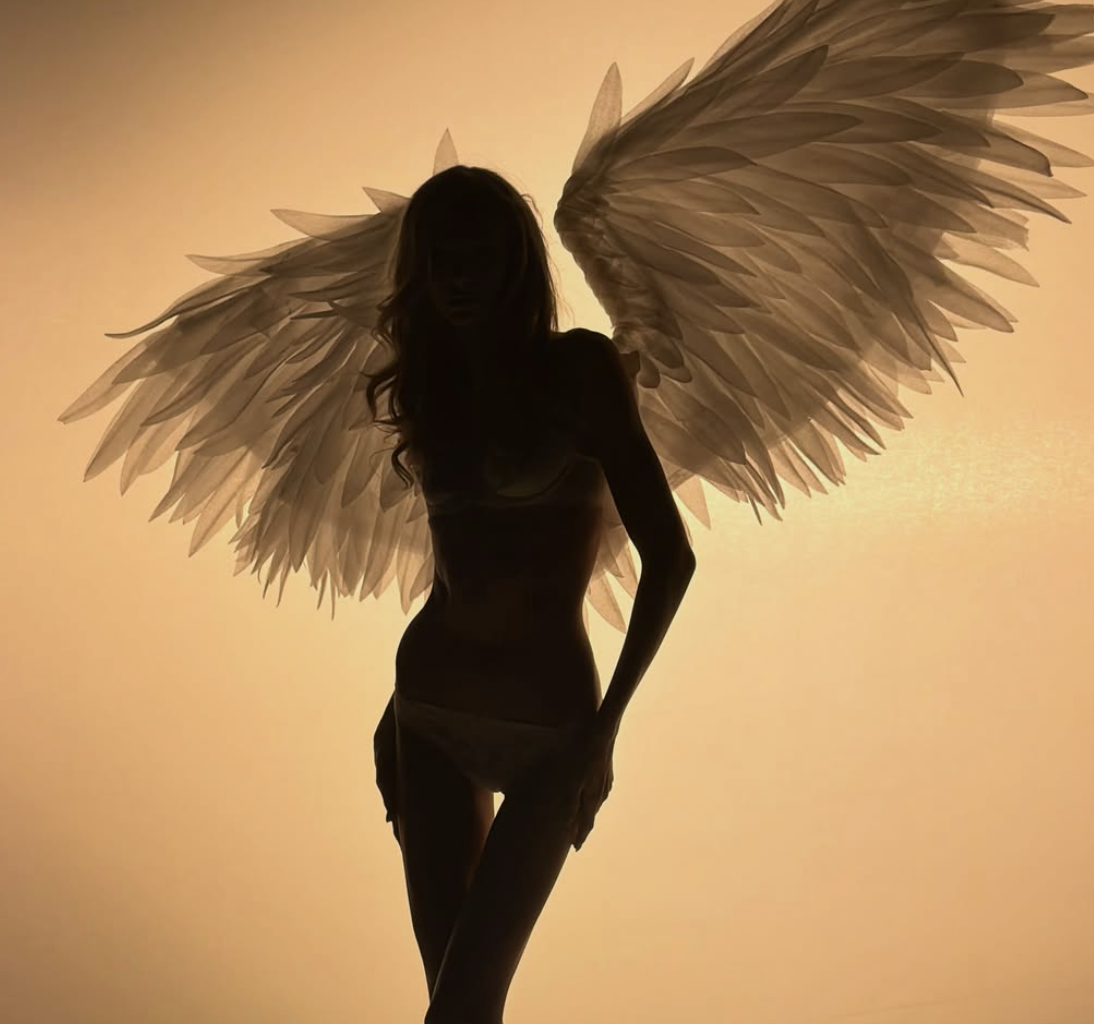
Monumental wings, legendary supermodels, musical performances, and a $50 million Fantasy Bra. Victoria’s Secret is embracing its past while attempting to redefine its future. But the question remains: are we still interested in the Angels?
The Victoria’s Secret Fashion Show 2026 brought back everything that once made the American lingerie brand iconic, the supermodels who shaped the legacy of the Angels, a new generation of equally captivating faces, musical performances, and, last but certainly not least, the return of the legendary Fantasy Bra.
Held on October 18 in Los Angeles, the City of Angels itself, the show put its iconic wings in the spotlight, many of which featured floral designs. The runway also featured a dedicated segment for PINK, the brand’s younger line, blending playful aesthetics with contemporary pop culture.
Bella Hadid opened the show, followed by some of the most recognizable faces in Victoria’s Secret history. Among them were Adriana Lima, celebrating her 21st appearance and closing the show, Alessandra Ambrosio, Gigi Hadid, Candice Swanepoel, and Rosie Huntington-Whiteley. The runway also welcomed Vittoria Ceretti, Alex Consani, Amelia Gray, Ashley Graham, and Paloma Elsesser.
One of the evening’s most memorable looks belonged to Anok Yai, who appeared as a giant pink flower. Another much-discussed return was that of Hungarian model Barbara Palvin, who walked the runway just six weeks after welcoming her first child with actor Dylan Sprouse.
But it was Kylie Jenner who truly stole the spotlight. The entrepreneur and pop culture icon made her Victoria’s Secret runway debut wearing the legendary Fantasy Bra, returning after an eight-year absence. Created in collaboration with luxury jewelry house Jacob & Co., the dazzling piece carries a reported value of $50 million, making it the most expensive Fantasy Bra in the brand’s history. Featuring 4,410 natural diamonds, the creation required the craftsmanship of 15 artisans and more than 1,000 hours of work. Cheering her on from the front row were her mother, Kris Jenner, and her boyfriend, Timothée Chalamet, whose proud reactions quickly made the rounds on social media.
Adding to the spectacle was an all-female musical lineup that turned the runway into a full-scale entertainment event. Performers included Canadian pop star Tate McRae, global girl group KATSEYE, who took the stage during the PINK segment, rapper Megan Thee Stallion, and American country singer Megan Moroney. Spanning different genres and audiences, the lineup reflected the brand’s ambition to connect with younger generations.
But Are We Still Interested in the Angels?
Beyond the wings and diamonds, the Victoria’s Secret Fashion Show 2026 tells a more interesting story: that of a brand attempting to reclaim its cultural relevance.
On one hand, there is a clear return to the brand’s heritage, with the revival of the Fantasy Bra and the legendary supermodels who defined its runway shows throughout the 1990s and 2000s. On the other, there is an increasingly entertainment-driven strategy, transforming the runway into a stage for celebrities, music, and moments designed to go viral. Kylie Jenner’s appearance is perhaps the clearest example: she was not simply another face on the runway, but a cultural figure capable of generating enormous visibility for the brand.
Yet the most significant change lies in the casting. After years of scandals, controversies, and criticism surrounding unrealistic beauty standards, a lack of inclusivity, and the stereotypical representation of women’s bodies, Victoria’s Secret appears to be distancing itself from the highly exclusive beauty ideal that once defined its success.
The presence of models such as Ashley Graham, Paloma Elsesser, and Alex Consani alongside the original Angels reflects an attempt to embrace different body types, ethnicities, and identities. This evolution builds on the brand’s efforts since the show’s return in 2024, following the cancellation of its traditional runway format in 2019 amid a growing image crisis and shifting cultural expectations.
But this is precisely where the most interesting question arises: Is Victoria’s Secret genuinely redefining its beauty standards, or is it simply adapting its image to meet the demands of today’s market?