



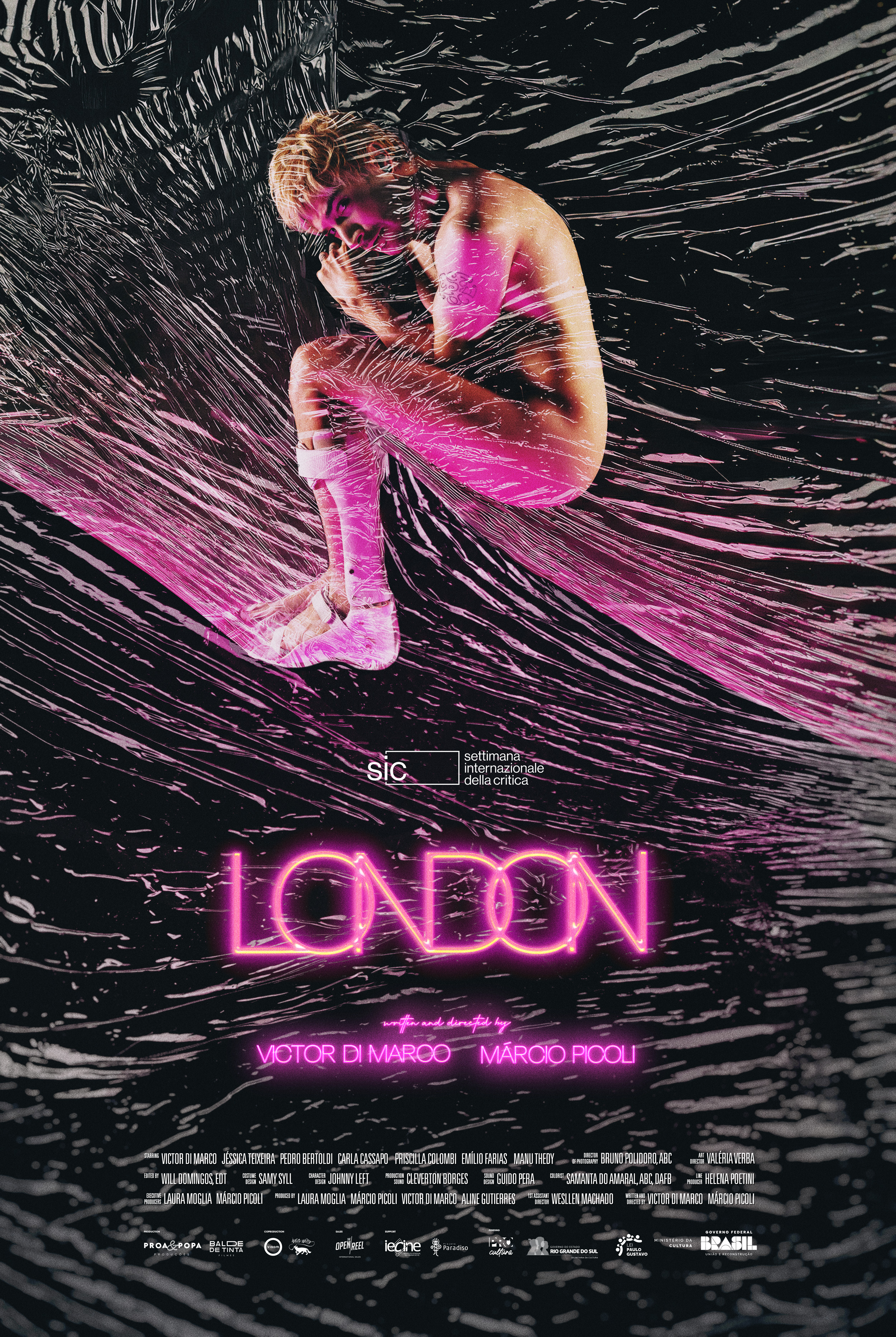
What happens when you stop asking for permission to be seen?
Maybe that is where cinema becomes most interesting — when it stops telling us who someone is and starts asking us to look again. For Victor Di Marco, visibility is not simply about being on screen. It is about taking ownership of the gaze, bending expectations, and making space for a body, a desire, and an identity that refuse to be neatly defined.
At this year’s Venice International Critics’ Week, Di Marco arrives with London, his feature debut as co-director alongside Márcio Picoli, in which he also takes on the lead role. Set in Porto Alegre, the film moves through questions of desire, disability, sexuality, autonomy and self-invention, refusing the familiar impulse to turn difference into a lesson. Instead, London lets its protagonist exist in all his contradictions: sensual, vulnerable, provocative, funny, complicated.
There is something instinctively contemporary about Di Marco’s approach. He does not seem interested in asking whether someone fits the frame. He seems more interested in changing the frame itself.
As London lands in Venice, we meet Victor Di Marco to talk about identity, desire, cinema, freedom, and what happens when you decide to be seen entirely on your own terms.
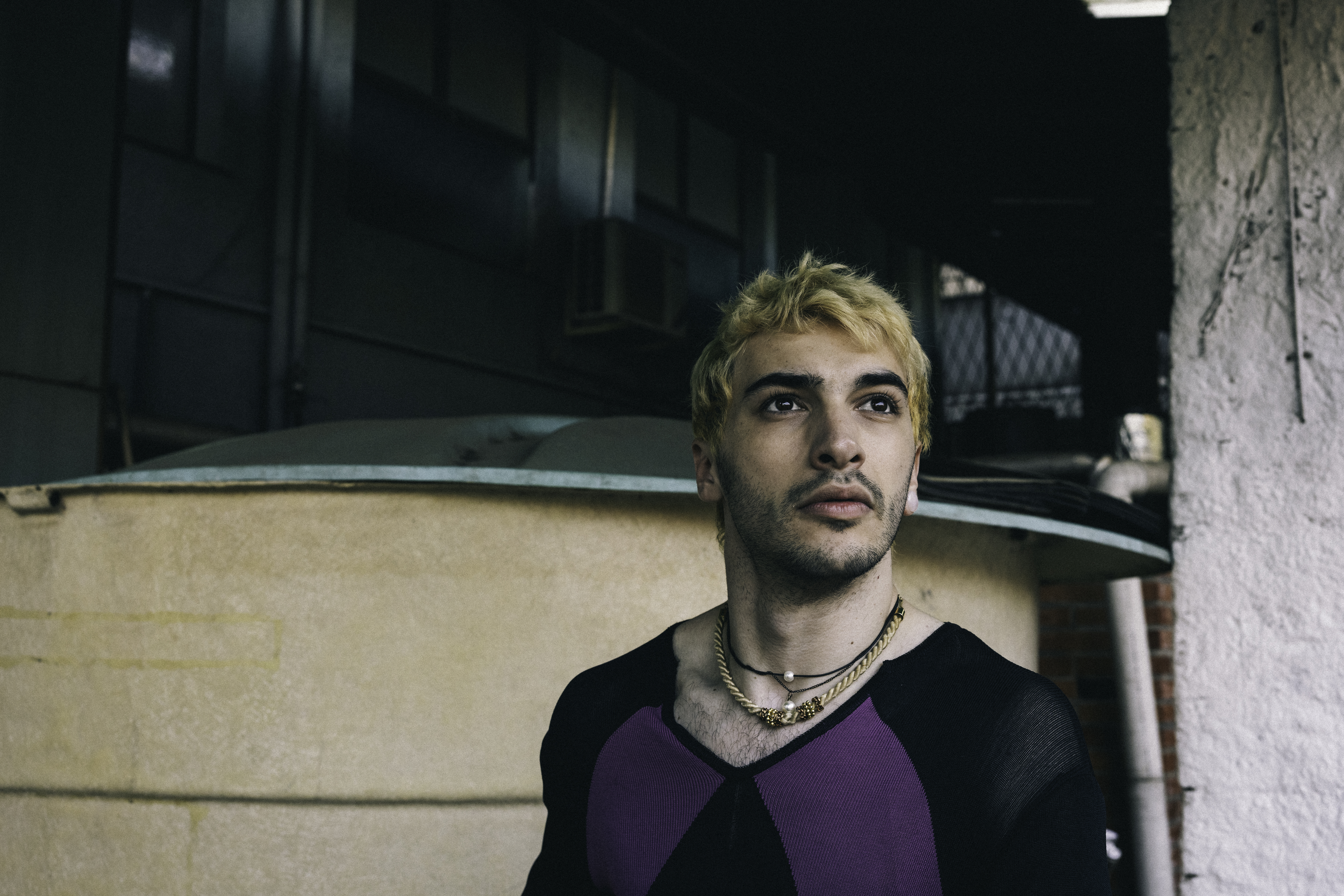
You’ve built a career around refusing the idea that a body should come with instructions. When did you first realise that your difference could become not just part of your identity, but part of your artistic language?
I think I realised it when I understood that I had spent a lot of my life trying to make my body understandable to other people. Explaining how I move, why I move differently, what I can or cannot do. At some point, I became interested in the opposite: what happens when the body doesn’t need to explain itself?
Cinema gave me a way of turning that difference into a language. My body could become not an explanation, but an image, a gesture, a rhythm, a desire. I became interested in what my body could communicate before anyone had named it.
And at the same time, claiming my disability as a form of intelligence is also a way of turning the question back on people: what are you not capable of doing?
Before London, what was the version of yourself you were still trying to convince other people to understand, and has making this film changed the way you see that person?
Before London, I think I was still trying to convince people that I was more than what they could immediately see in me. I wanted people to understand my intelligence, my sexuality, my ambition, my contradictions, all the things that can disappear when someone looks at a disabled body and immediately thinks they already know its story.
Making the film changed something in me because I stopped feeling that I had to prove those things. London allowed me to inhabit a character who doesn’t ask to be understood before he allows himself to desire, to work, to fantasise, to make mistakes.
Maybe I learned that I don’t need to be legible to be free.
In London, desire, disability and fetishism exist in the same space without apologising for each other. Why do you think cinema is still so uncomfortable with the idea of a disabled body being openly sexual, powerful and desirable?
Because cinema has historically taught us to look at disabled bodies through the lens of pity, overcoming, tragedy or inspiration. Desire complicates that image.
A disabled body that wants, seduces, works, fantasises and has power over how it is looked at becomes much harder to categorise. And I think that’s precisely what makes it interesting.
For me, London isn’t trying to prove that disabled people are desirable. That’s another kind of permission. The film simply assumes that desire already exists. The disabled body doesn’t need to be rehabilitated before it can enter the erotic.
I wanted to make a film where the disabled body could be looked at and could also look back.
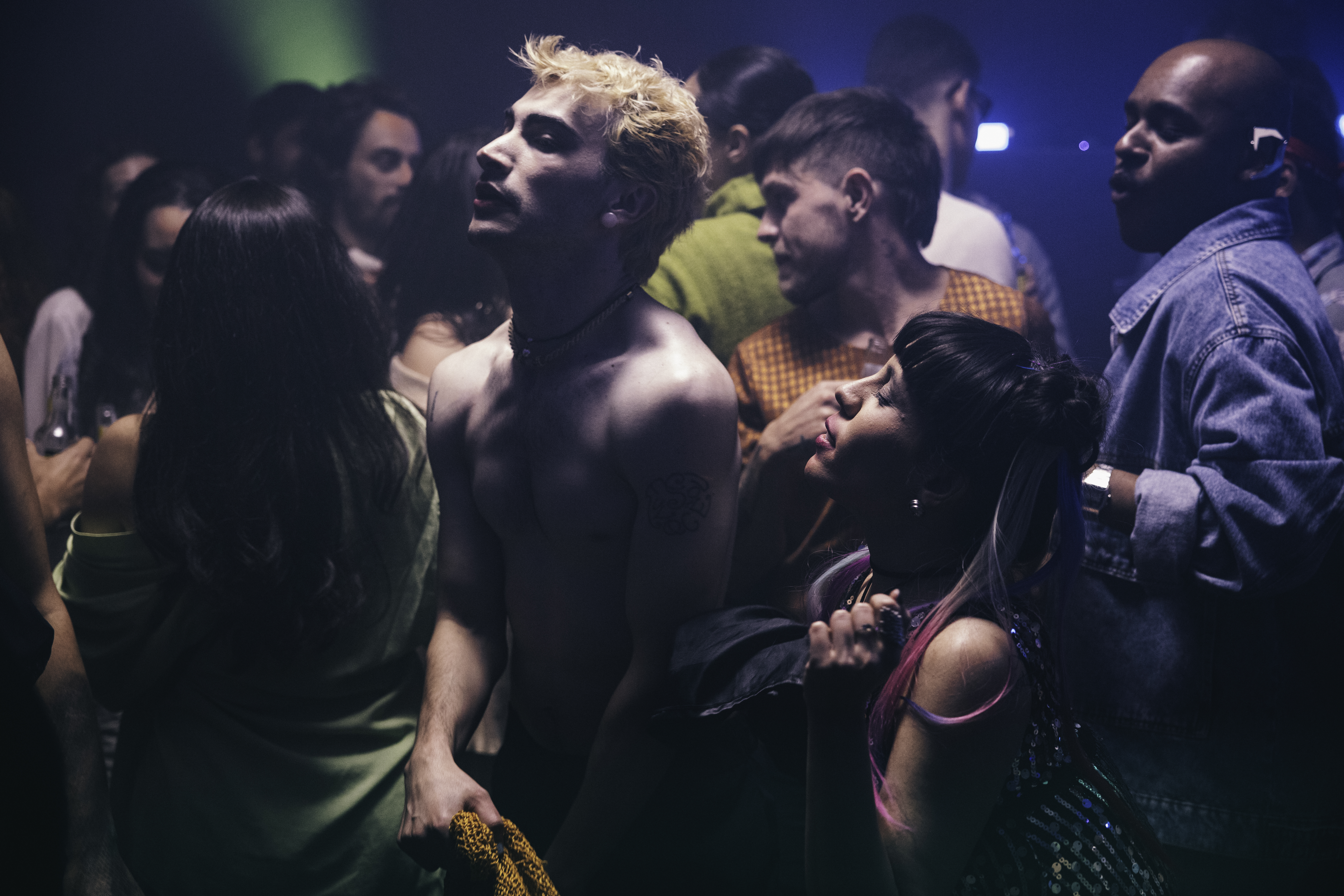

Your character has built a form of independence that exists outside the systems designed to define him. If London could delete one word from the dictionary of identity, which word would you want him to erase?
I think it would be “normal.” Because I think the idea of normality is one of the most powerful ways of making people feel that they are somehow outside of life. But at the same time, I would consider removing the word “identity” itself, because without it, we have to answer for ourselves who we really are without a category, a diagnosis, or a name. And that is exactly what London proposes.
Write a letter to the Victor who is going to read this ten years from now. What do you hope he has stopped asking permission for?
I don’t want to be too dramatic with this one [laughs].
I could give the answer people already know and expect: not having to ask for the bare minimum anymore, being treated as a person, not being denied access to places and spaces, and so on.
Public Relations: Golin Ketchum