Are we bringing history back to life, or just dressing up for its funeral?
Fashion has a peculiar relationship with the past. It raids it, romanticises it, strips it of context, sells it back at an alarming markup, then calls the whole operation a vision. For Spring/Summer 2027, the Victorian wardrobe is back in the room. Lace, corsetry, mourning black, Edwardian collars, theatrical tailoring and silhouettes that look one bad decision away from a haunted-house attraction. The question is whether fashion has anything to say with all this history, or whether it has mistaken dressing up for having a point of view.
The distinction matters.
The Victorian revival is at its most compelling when history becomes a design argument, not a styling exercise. This season, some designers understand the difference. Others seem more interested in producing the image everyone will remember the morning after the show.
The nineteenth century was hardly an innocent paradise of exquisite collars and beautifully constructed misery. Clothes were instruments of class, respectability and bodily discipline. Corsetry shaped more than a waist; mourning dress turned grief into a public code; masculine ornament communicated status through fabric, detail and the management of appearances. The period’s beauty was inseparable from its social hierarchies. To borrow its vocabulary without acknowledging that baggage is to mistake the wallpaper for the building.
Spring/Summer 2027 does not offer one coherent Victorian trend. It offers a collision of Victorian dress, Edwardian dandies, Gothic romanticism, subcultural nostalgia and historical fantasy. The difference between a compelling collection and an expensive costume lies in what happens after the reference has been recognised
History needs more than a good entrance
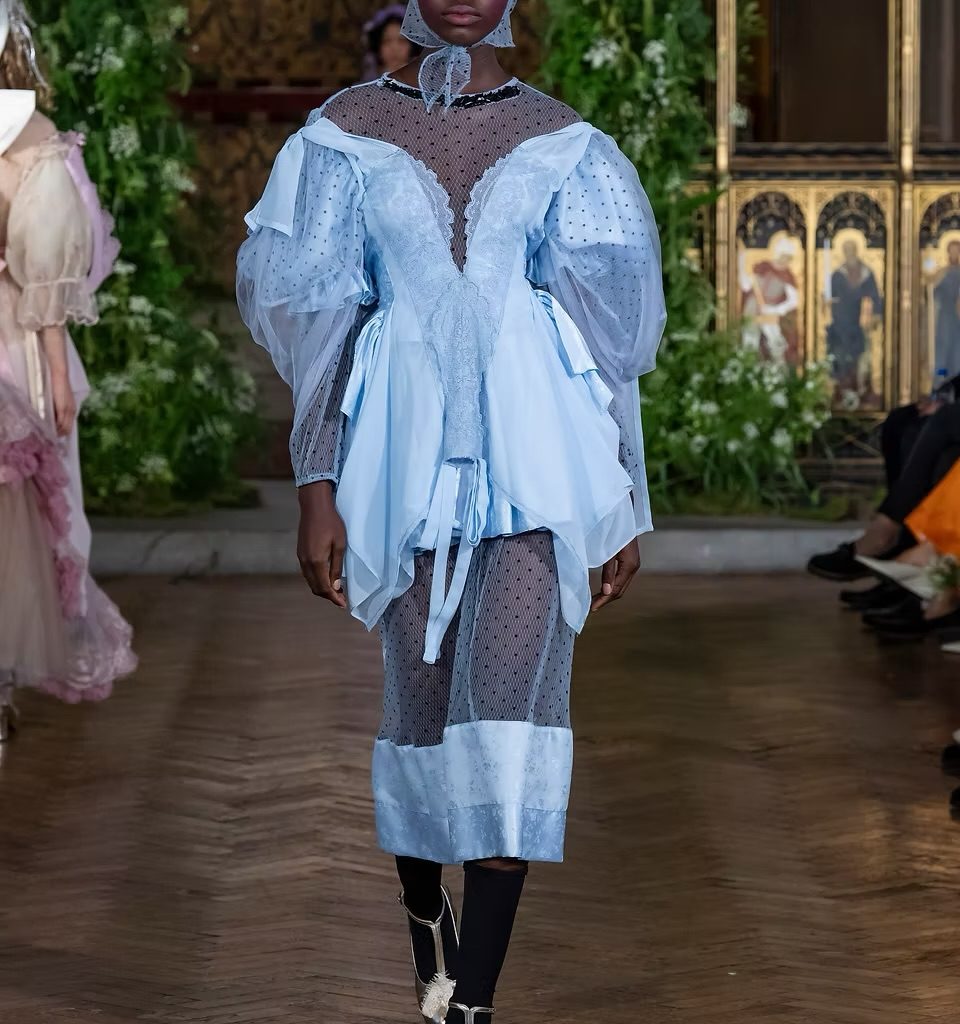
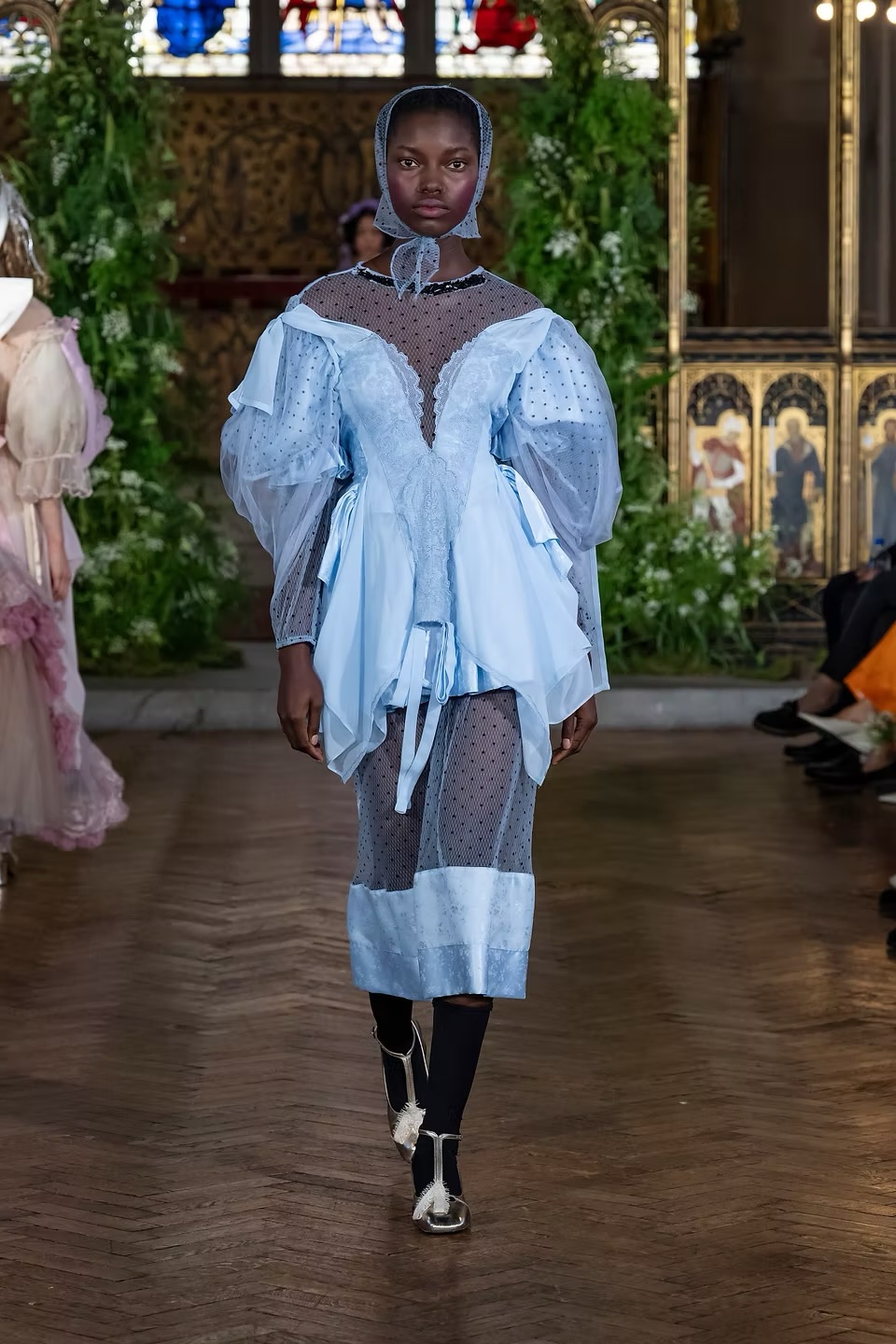
Bora Aksu establishes one of the season’s clearest narratives. Pastoral brides arrive in puff sleeves, lace-trimmed ruffles and broderie anglaise; tailoring, trench coats and harness-like details interrupt the innocence; exposed corsetry and oxblood tones eventually push the collection towards the Gothic. The progression gives the clothes somewhere to go. Romance is not left untouched: it is gradually contaminated by something more unsettling. The Victorian vocabulary has a purpose, even when the imagery flirts with familiar fairy-tale territory.
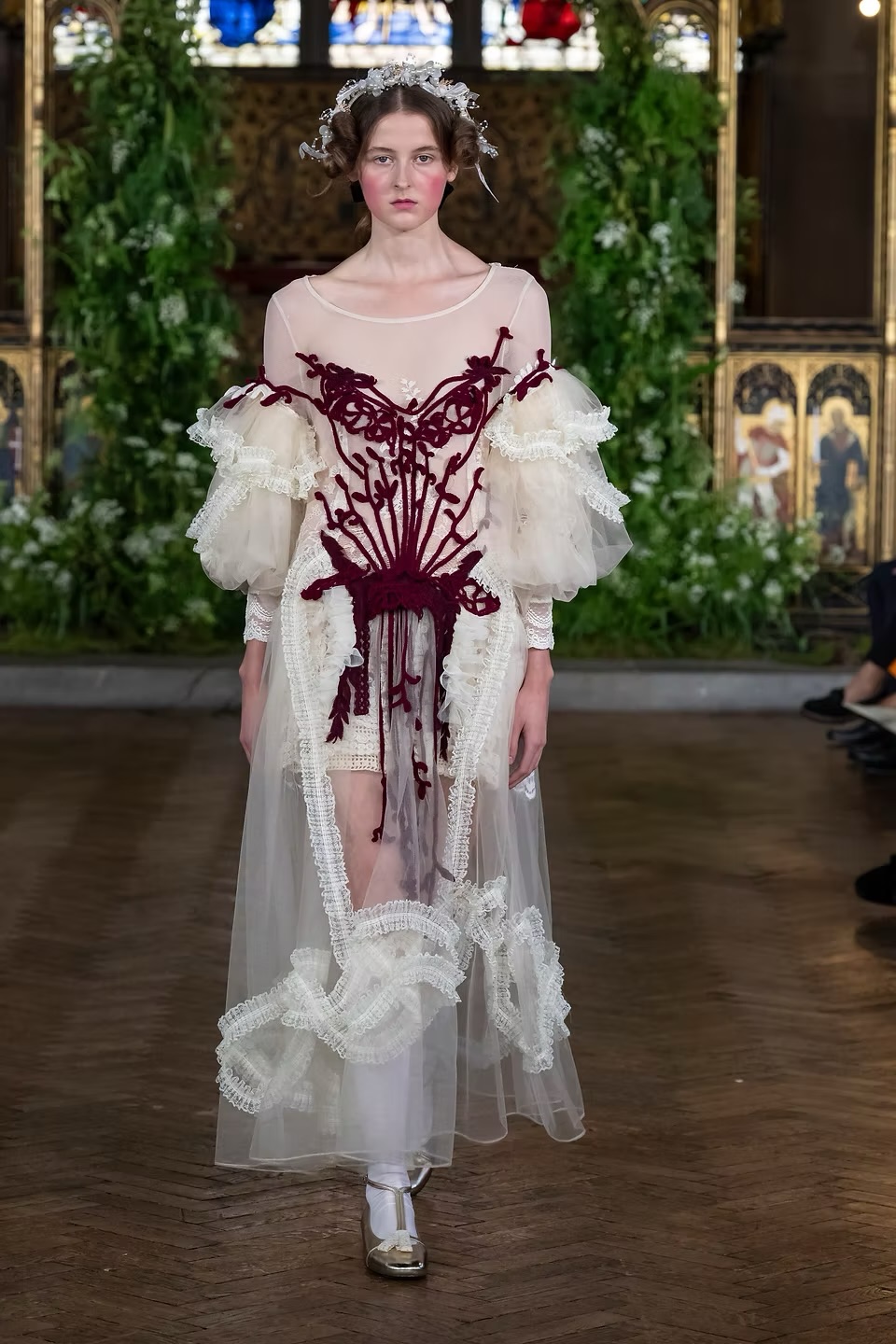
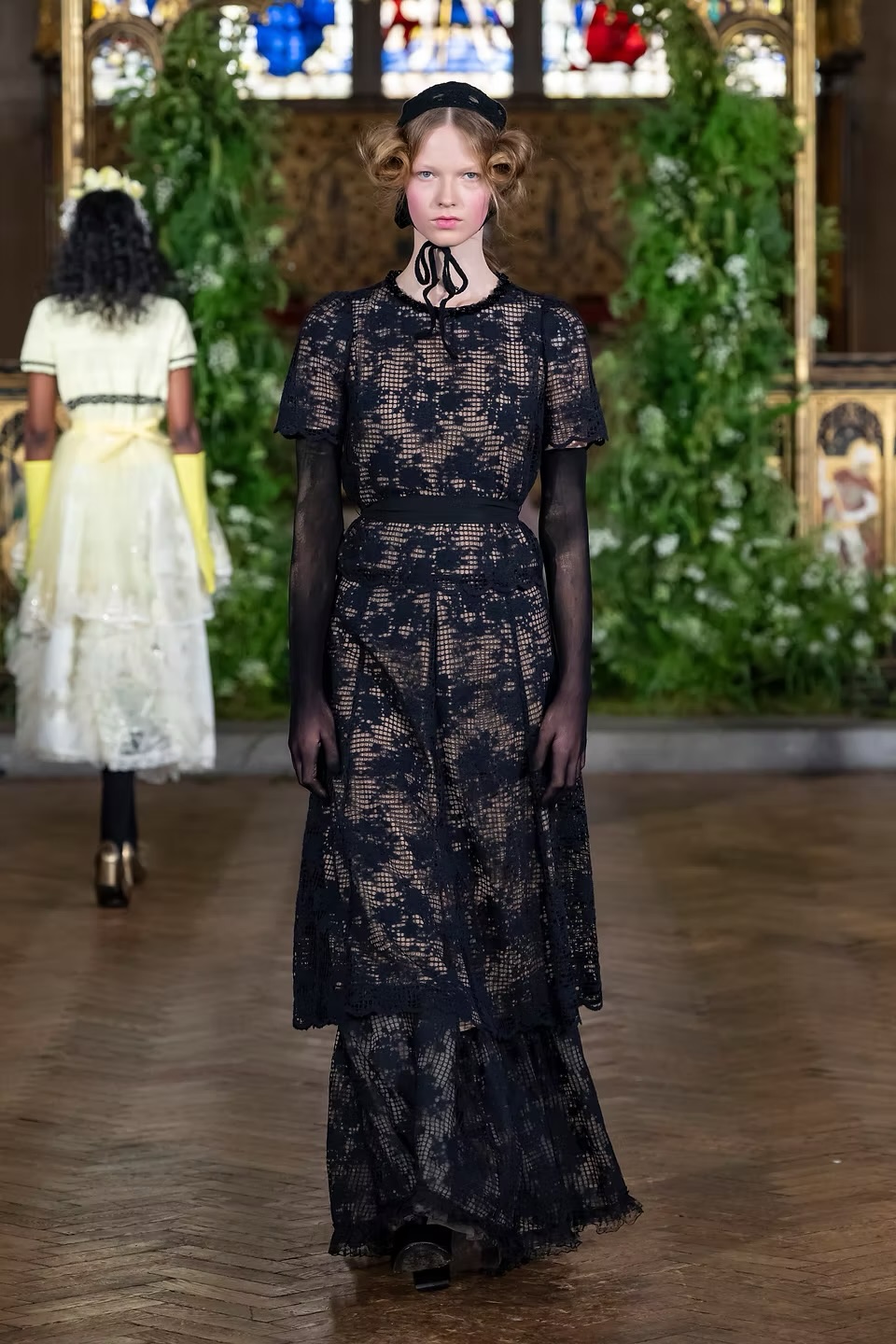
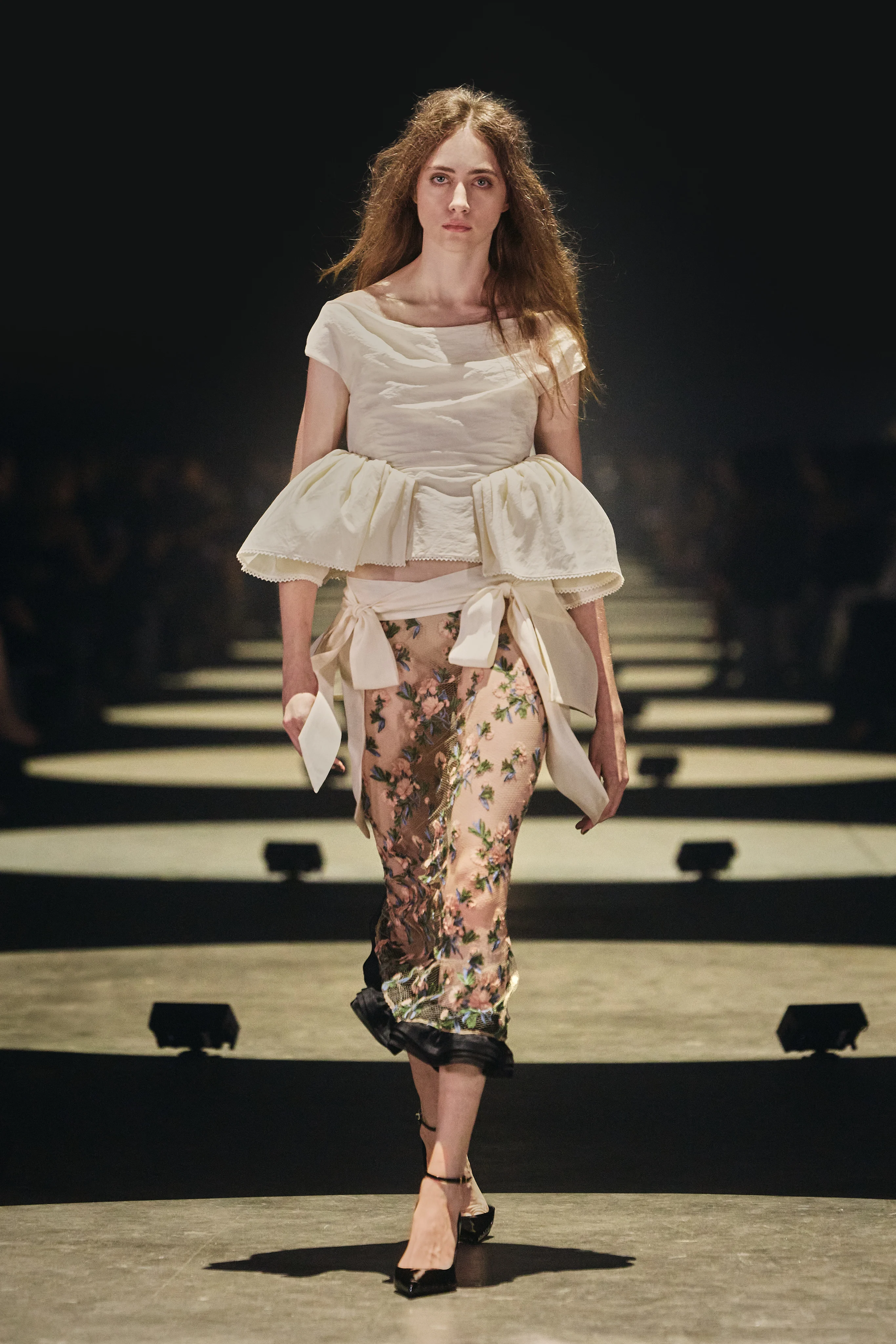
Khaite makes a quieter, more persuasive case for romance. Floral embroidered lace, external basques, pastel shifts recalling antique lingerie and diaphanous mousseline introduce historical suggestions through construction and texture. The clothes do not need to announce a century to make their point. This is the difference between a reference and a translation: the past informs the garment without swallowing it.
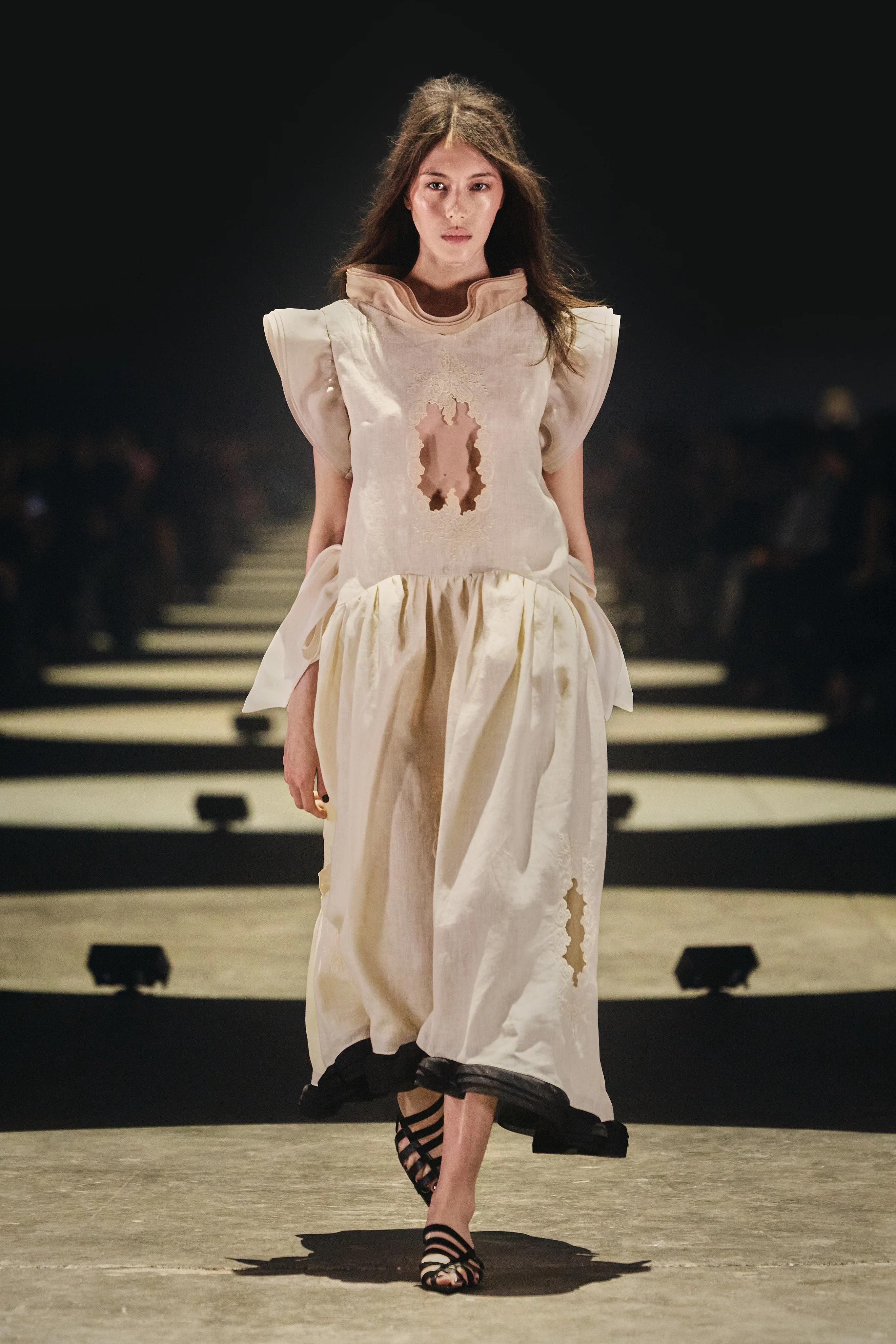
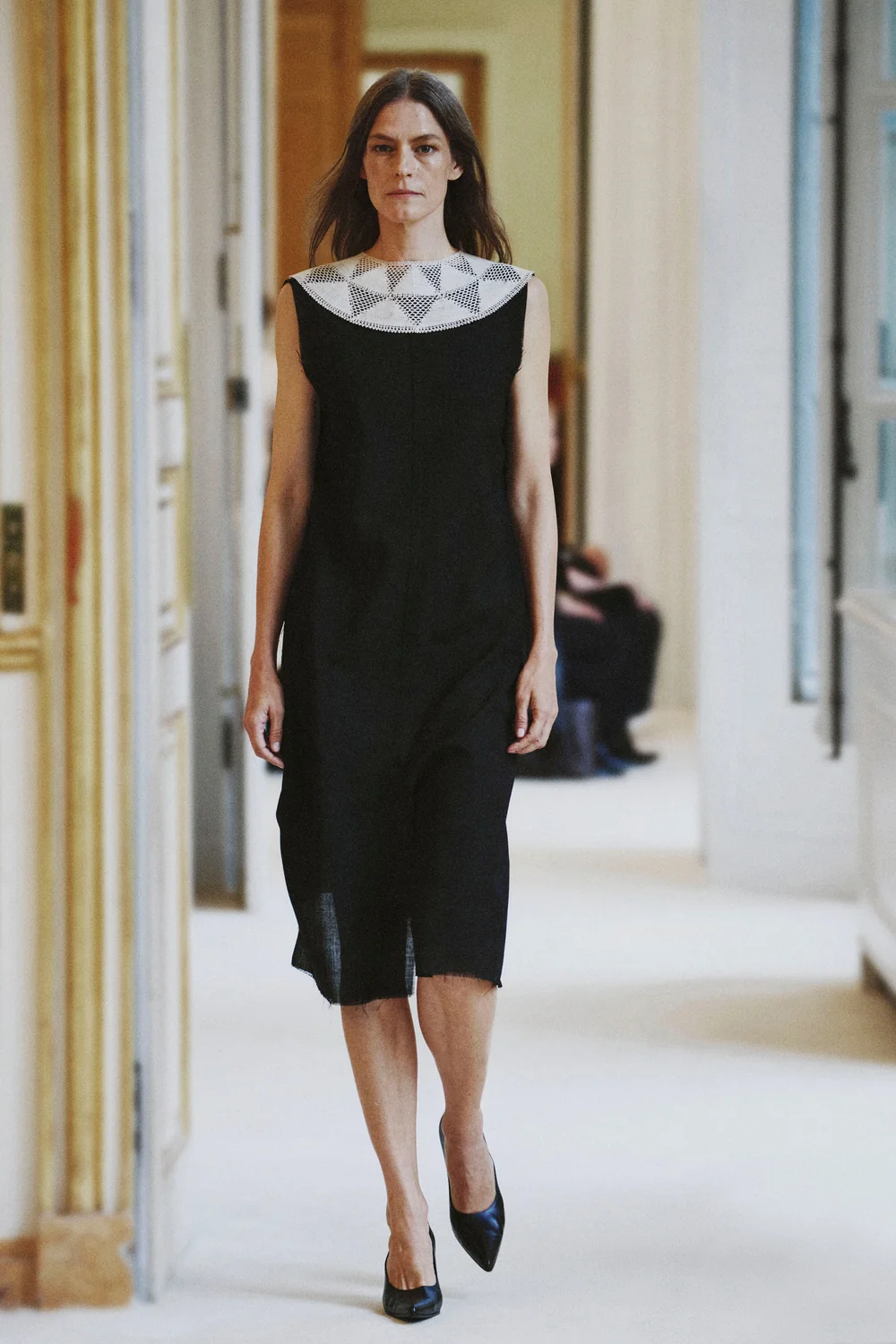
The Row offers perhaps the most understated version of the idea, using antique table linens, doilies and fragments of Victorian lace as tops, scarves and stoles against immaculate tailoring. The intelligence lies in displacement. Something domestic, fragile and apparently obsolete acquires a new function when placed against the severity of a contemporary wardrobe. No elaborate historical silhouette is required. The fragment does the work.
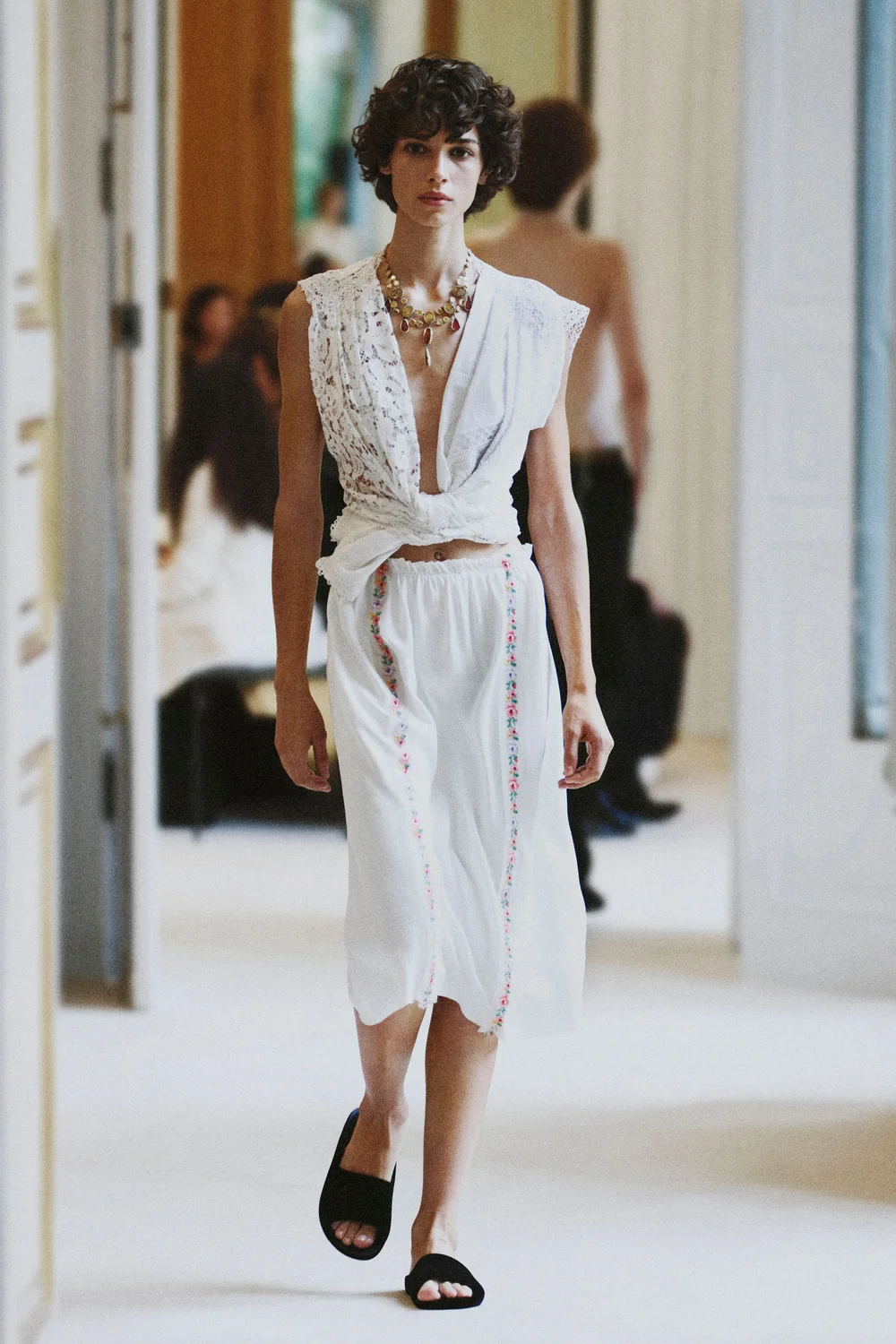
Cecilie Bahnsen, meanwhile, lets romantic volume, embroidery and appliqué become less pristine, allowing dresses to slump, move and appear to have wandered into the street. That friction is important. Ornament becomes more interesting when it is allowed to misbehave.
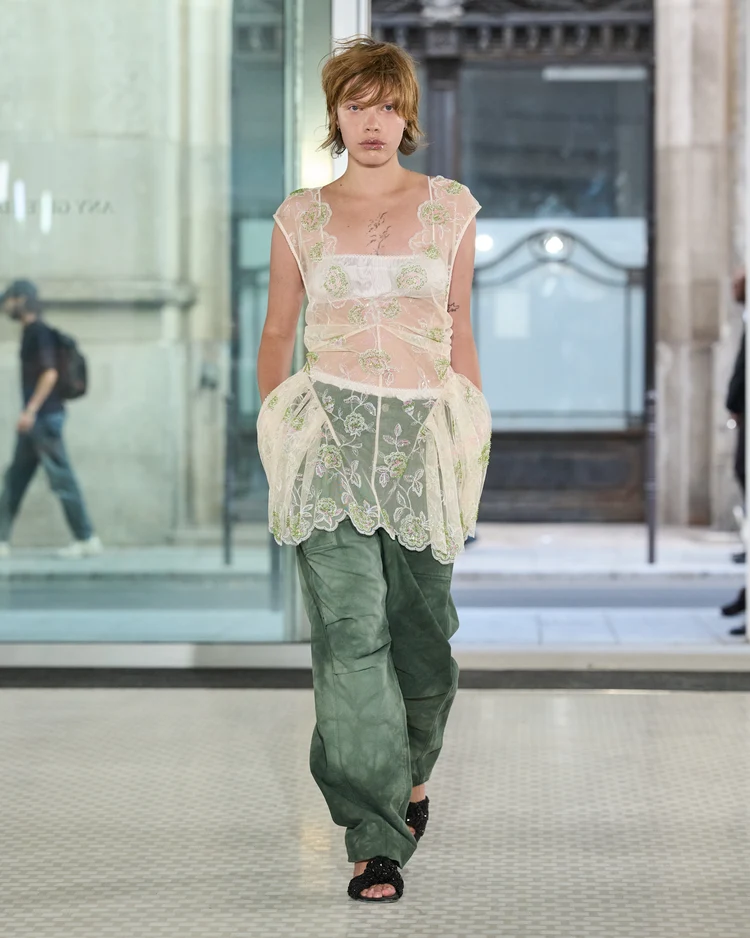
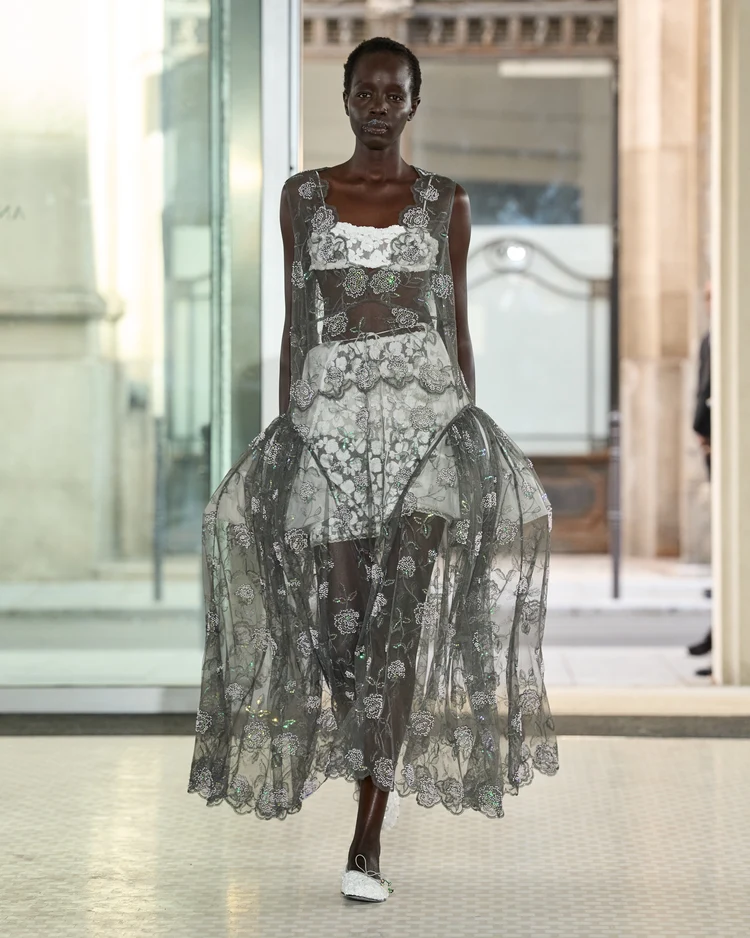
These collections do not all belong to the Victorian revival in the strict historical sense. Their connection is more revealing: each tests how far romance can travel before it becomes mere decoration.
The men are getting dressed for a different century
The menswear story is arguably more revealing because it challenges the assumption that masculinity should look clean, functional and aggressively unadorned.
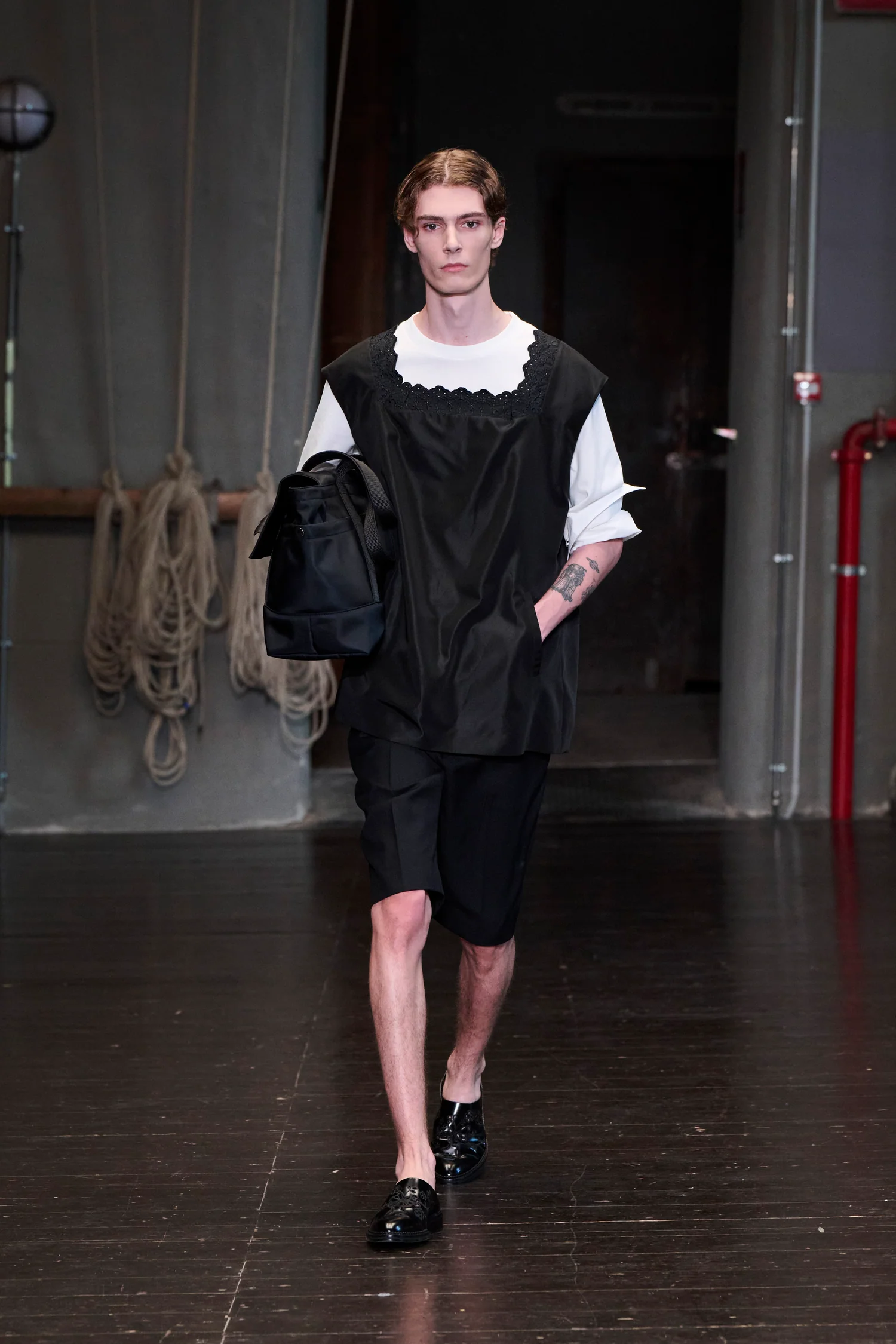
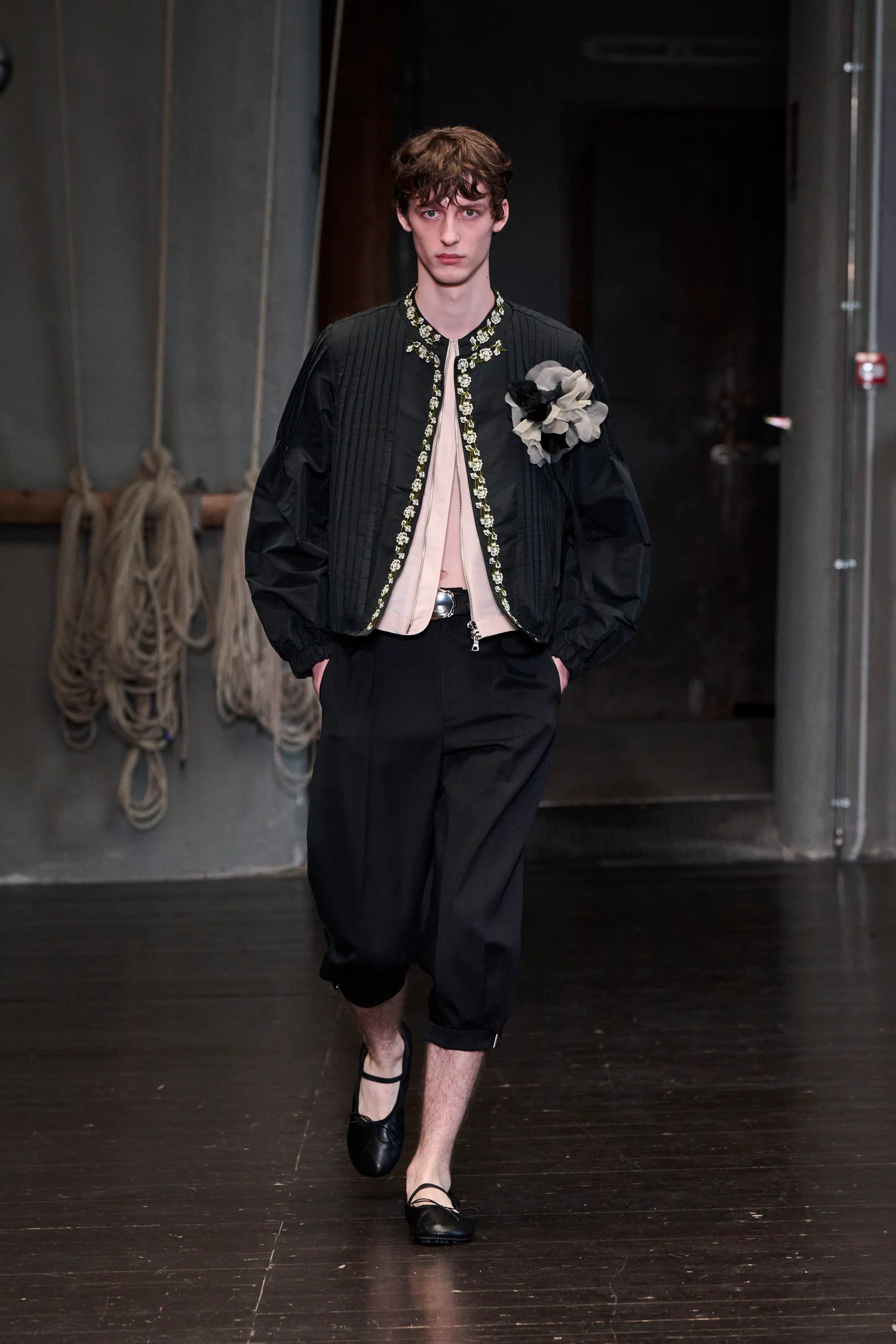
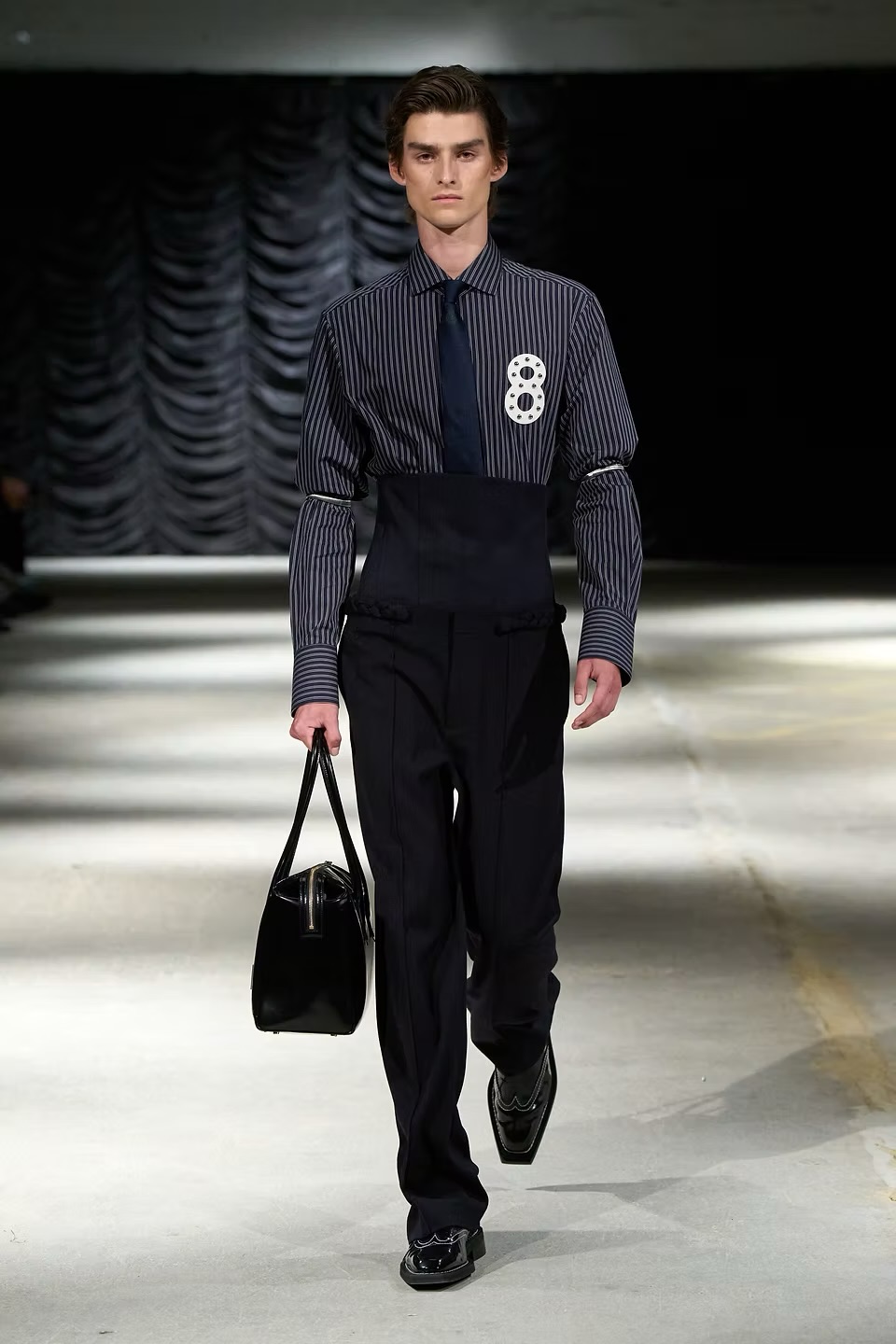
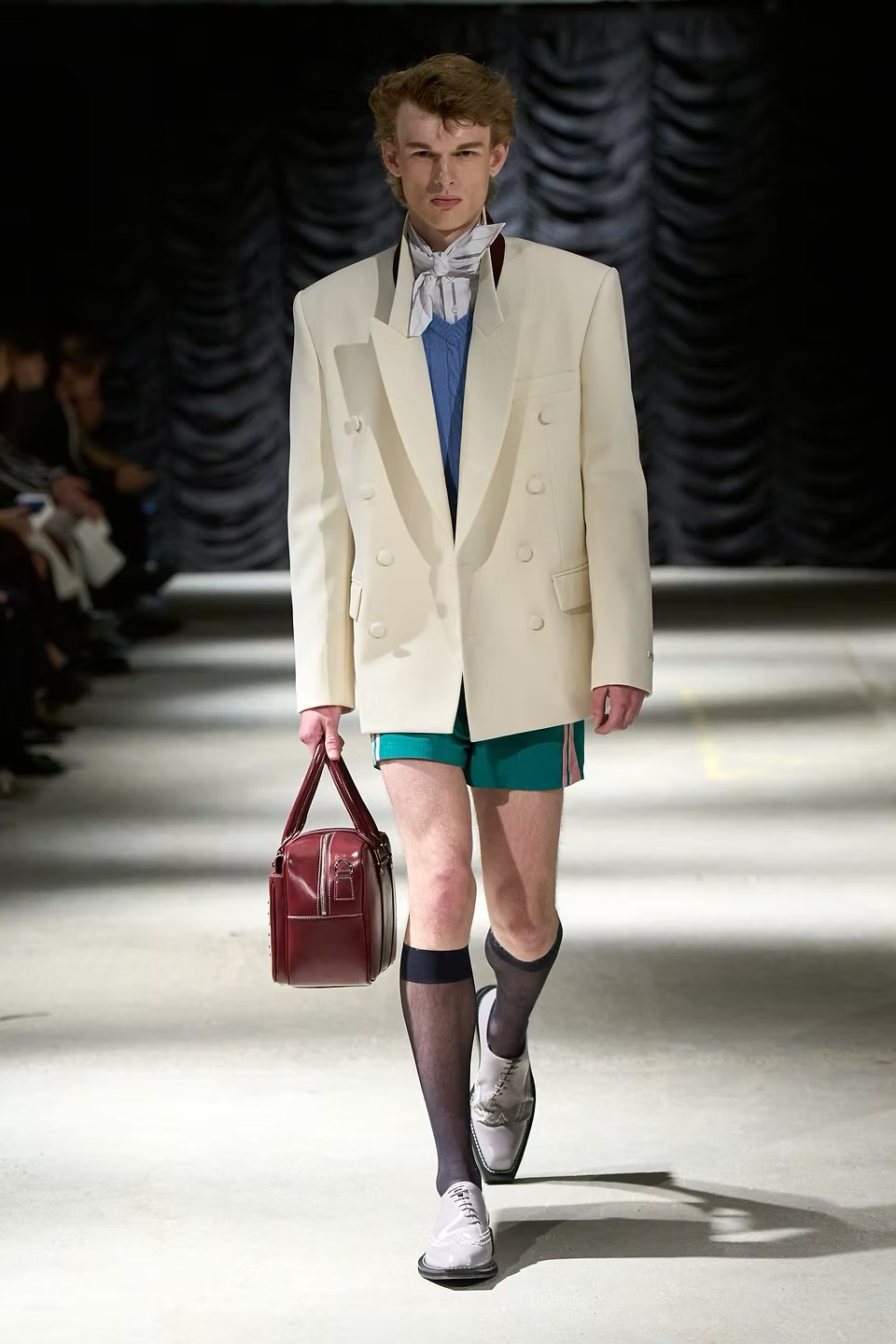
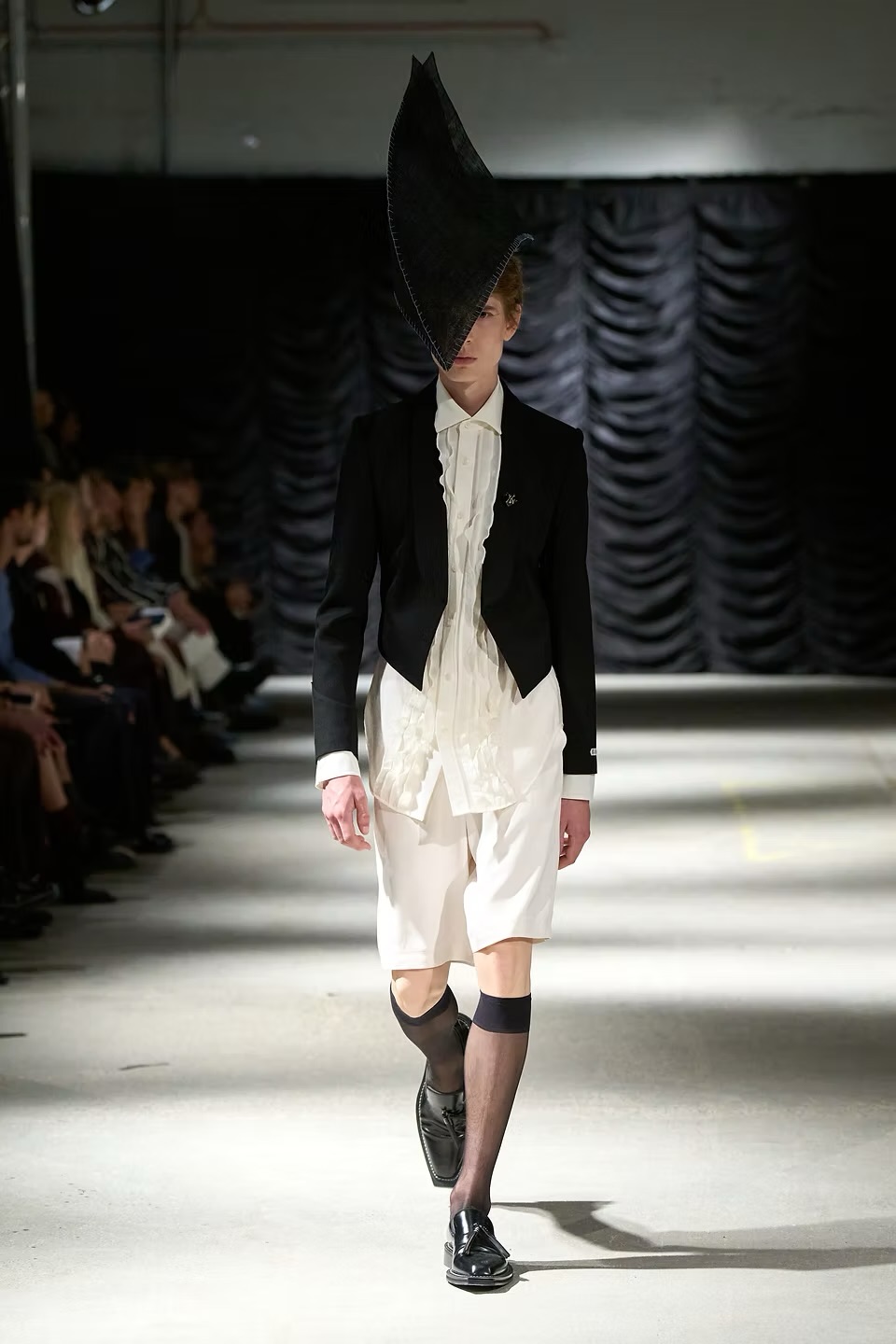
Our Legacy provides the season’s most convincing historical bridge. Its Tea for Two collection draws on Teddy Boys, Mods, New Romantics and other British subcultures, connecting twentieth-century reinvention to older sartorial codes. A ruffled shirt recalls the Edwardian dandyism embraced by Teddy Boys; a zip-front peplum top derives from a Swedish Victorian jacket. Workwear and aprons sit alongside floral jacquards, tailoring and gothic references.
The important part is not the ruffle. It is the genealogy. The Victorian garment has already been reinterpreted by subcultures, music and class-coded British dressing before it reaches the contemporary runway. The result feels lived in rather than reconstructed. The clothes possess an idea of history, not simply its silhouette. Our Legacy understands that the most interesting way to wear the past is to show what has happened to it.
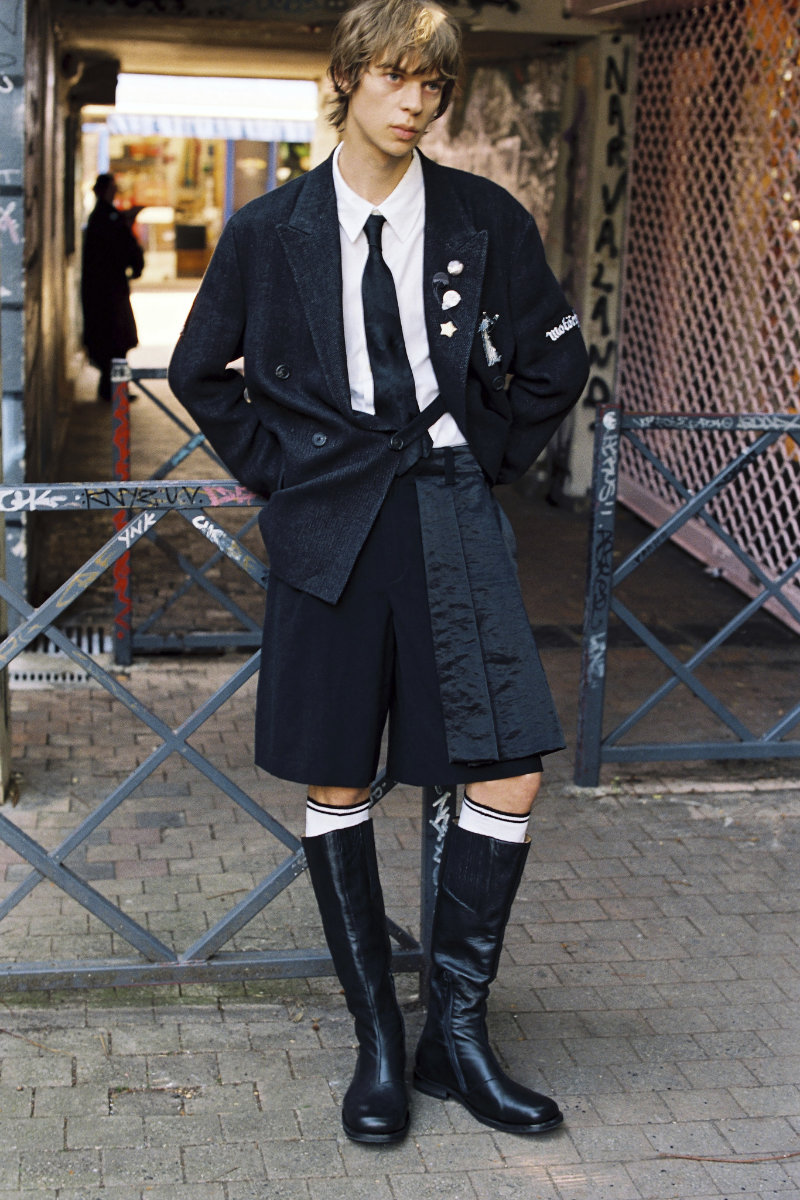
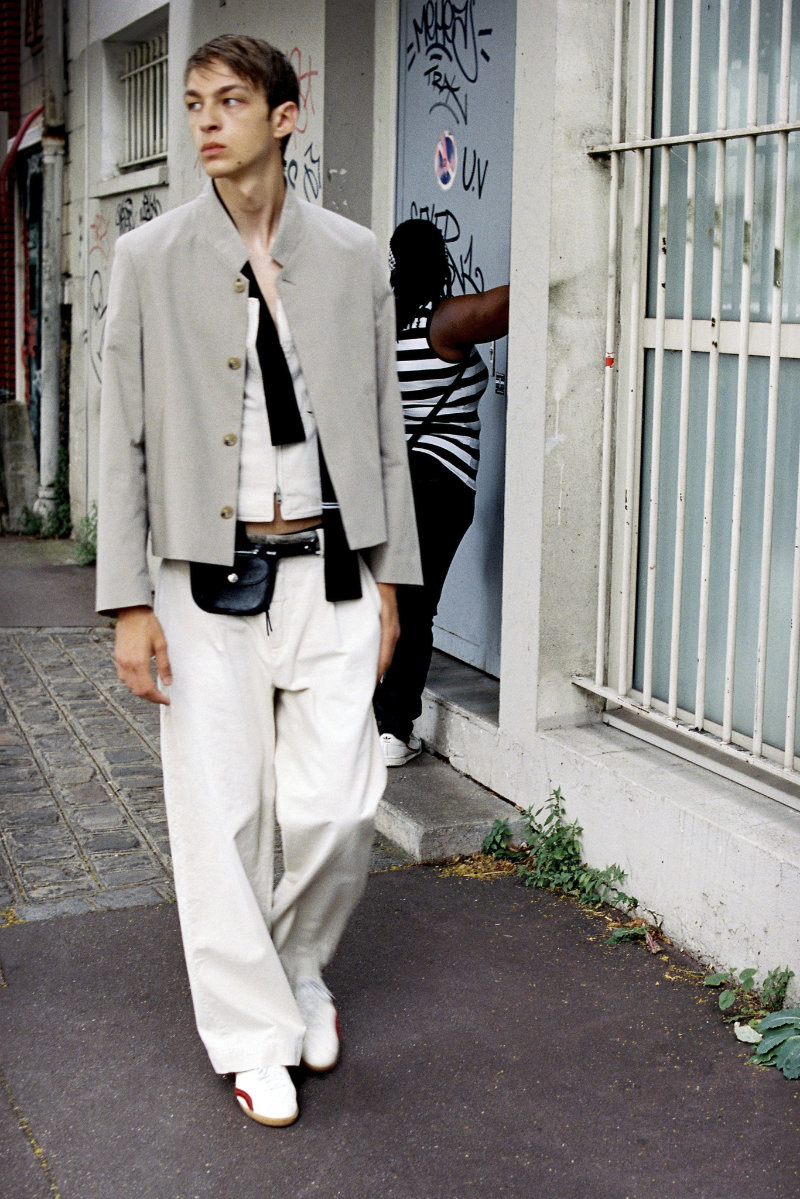
Simone Rocha takes another route. Lace tops, ruched outerwear and softened silhouettes challenge the conventions of masculine dress without relying on a single historical costume. The result suggests a masculinity that can accommodate delicacy without treating it as a joke or an apology. The collection’s value lies in the design language, not in the novelty of putting a man in lace. That novelty should be exhausted by now.
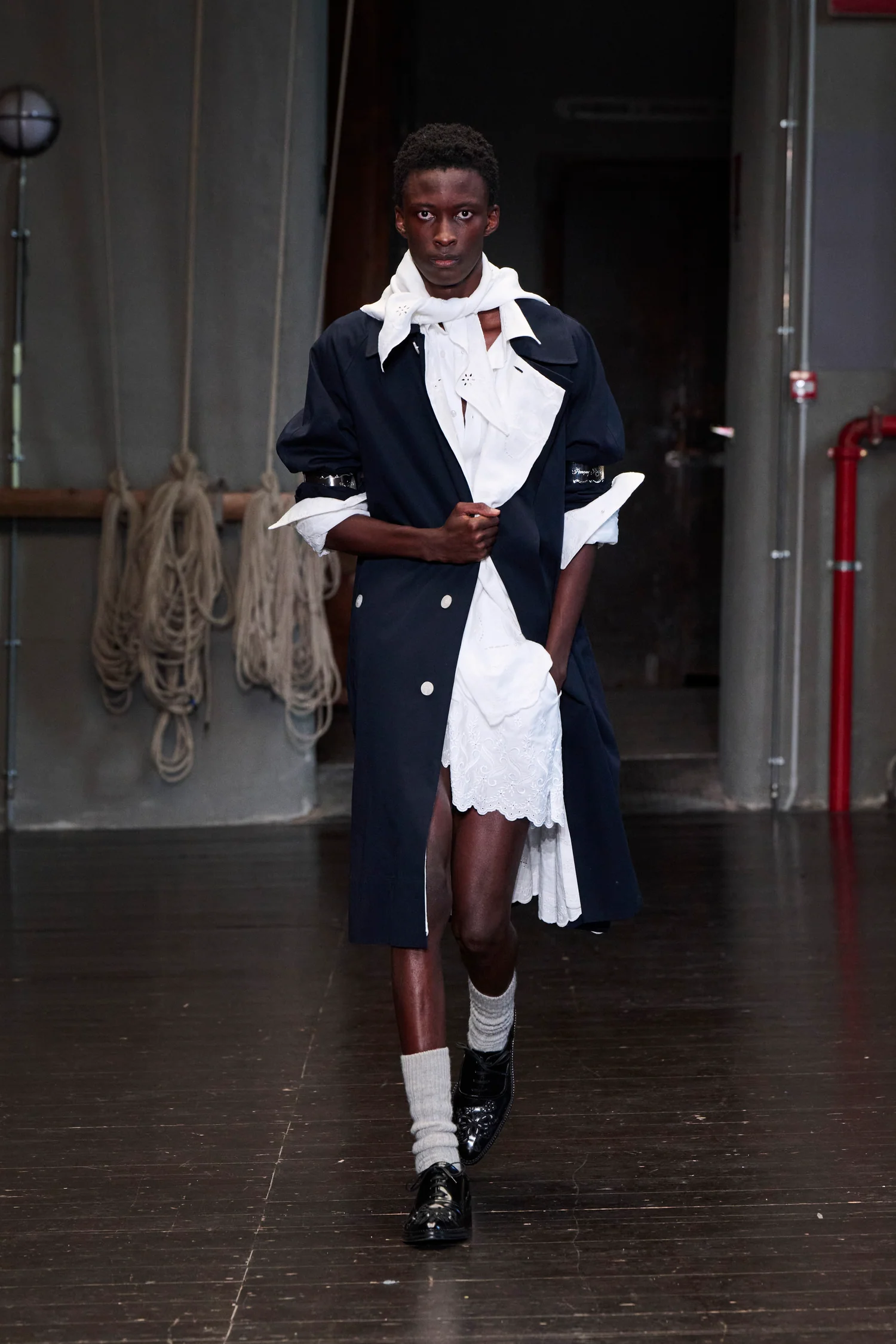
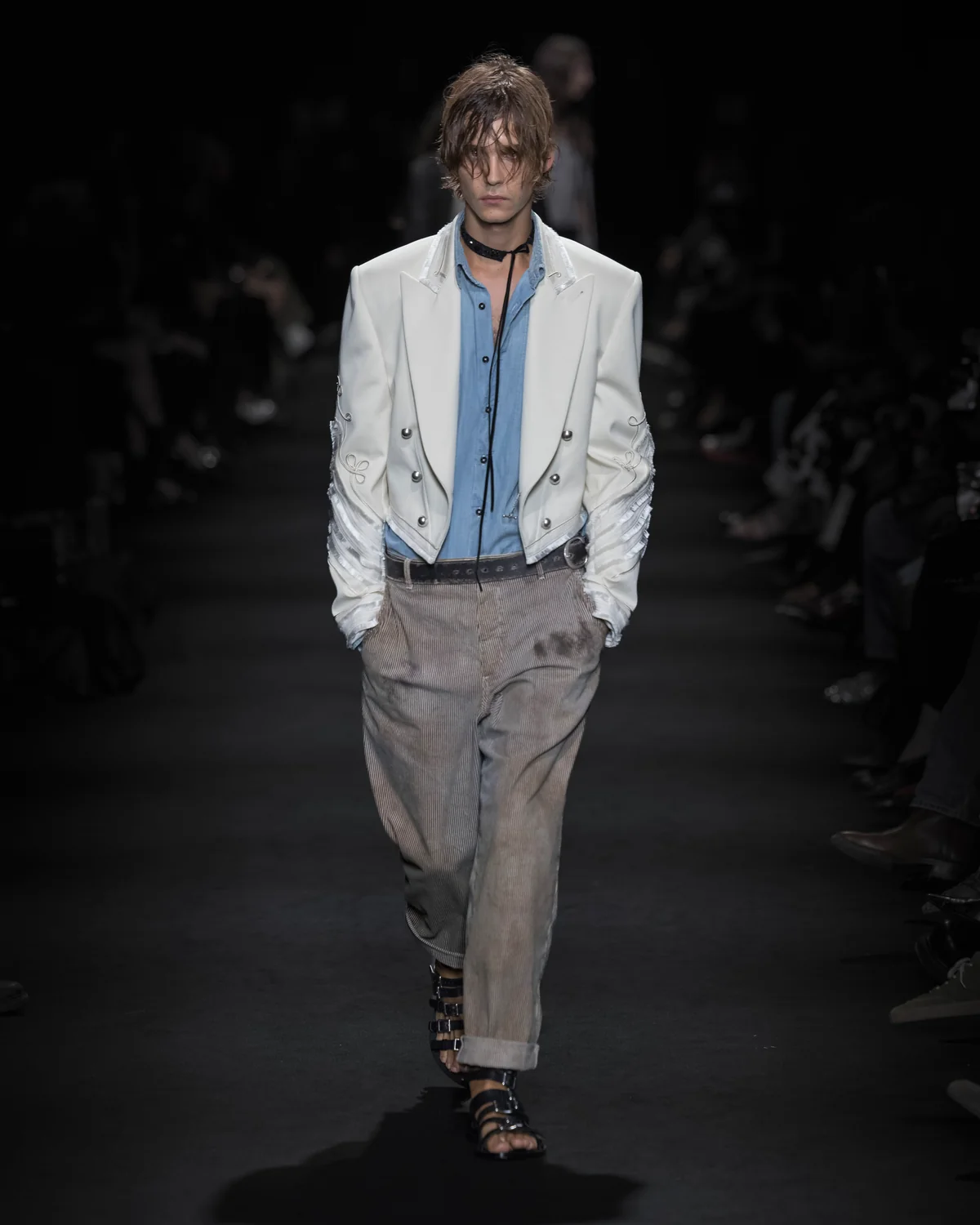
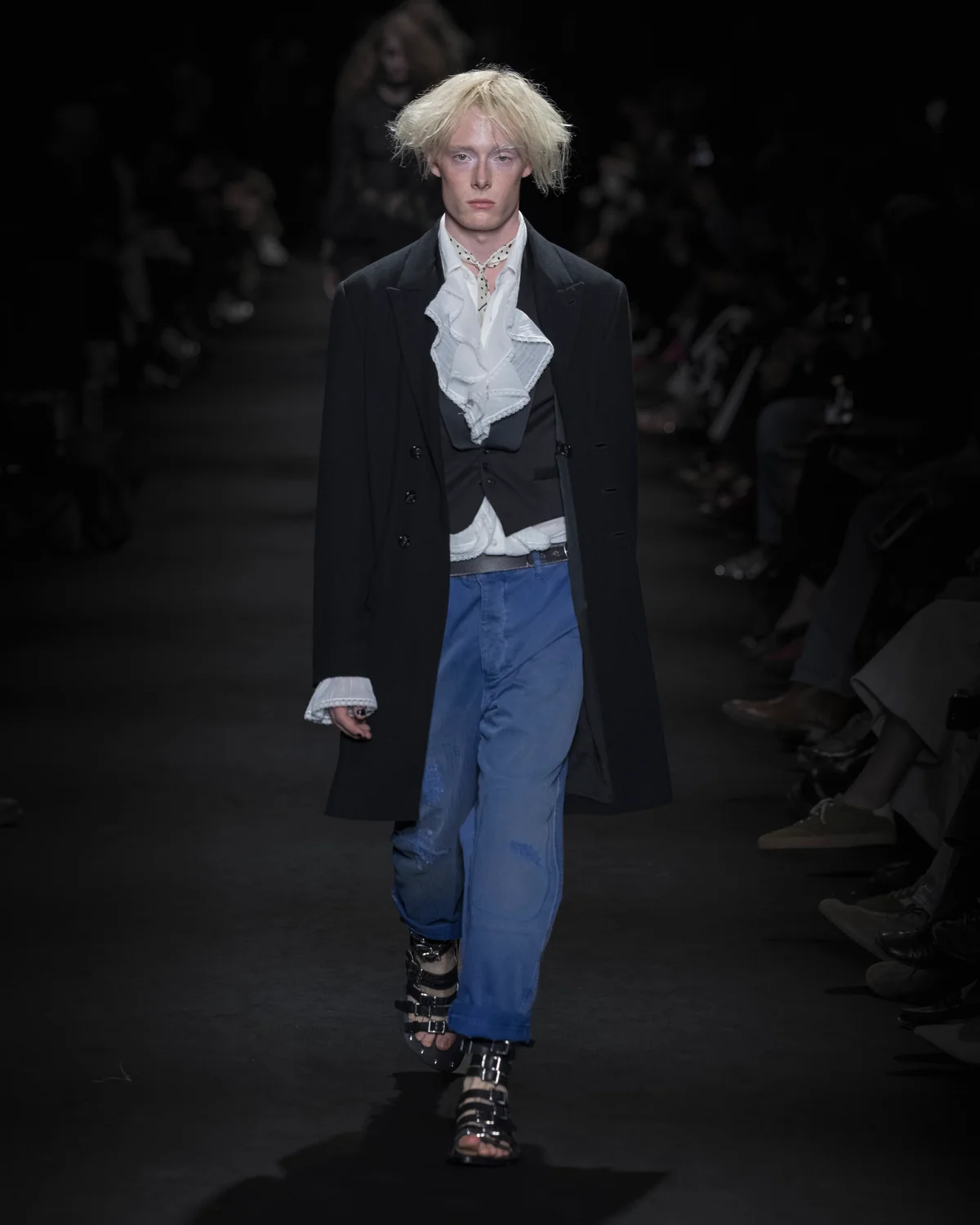
At Ann Demeulemeester, a Victorian blouse appears within a darker, deconstructed world of exposed linings, romantic volume and worn-down tailoring. The collection draws on a broader set of references, including Napoleon-inspired elements and an imagined, decaying Los Angeles. It would be inaccurate to call the whole proposition Victorian. Its strength lies instead in the way historical fragments become part of a coherent language of elegant deterioration.
Mithridate looks to the New Romantics: theatrical costumes, tutus, rugby jerseys and the improvised wardrobes of a club culture built on self-invention. The premise is sound. Historical fantasy has always offered a way to escape the restrictions of everyday dress. The risk is that theatricality becomes the whole proposition. When the costume-box reference is more memorable than the clothes’ construction, the show leaves behind an atmosphere rather than a lasting wardrobe.
The spectacle is not the collection
This is where the season deserves a harder look. Fashion has become very good at manufacturing moments. A casting decision, a provocative location, a celebrity arrival or a politically charged statement can give a show an extraordinary public life. None of those things automatically makes the collection equally extraordinary.
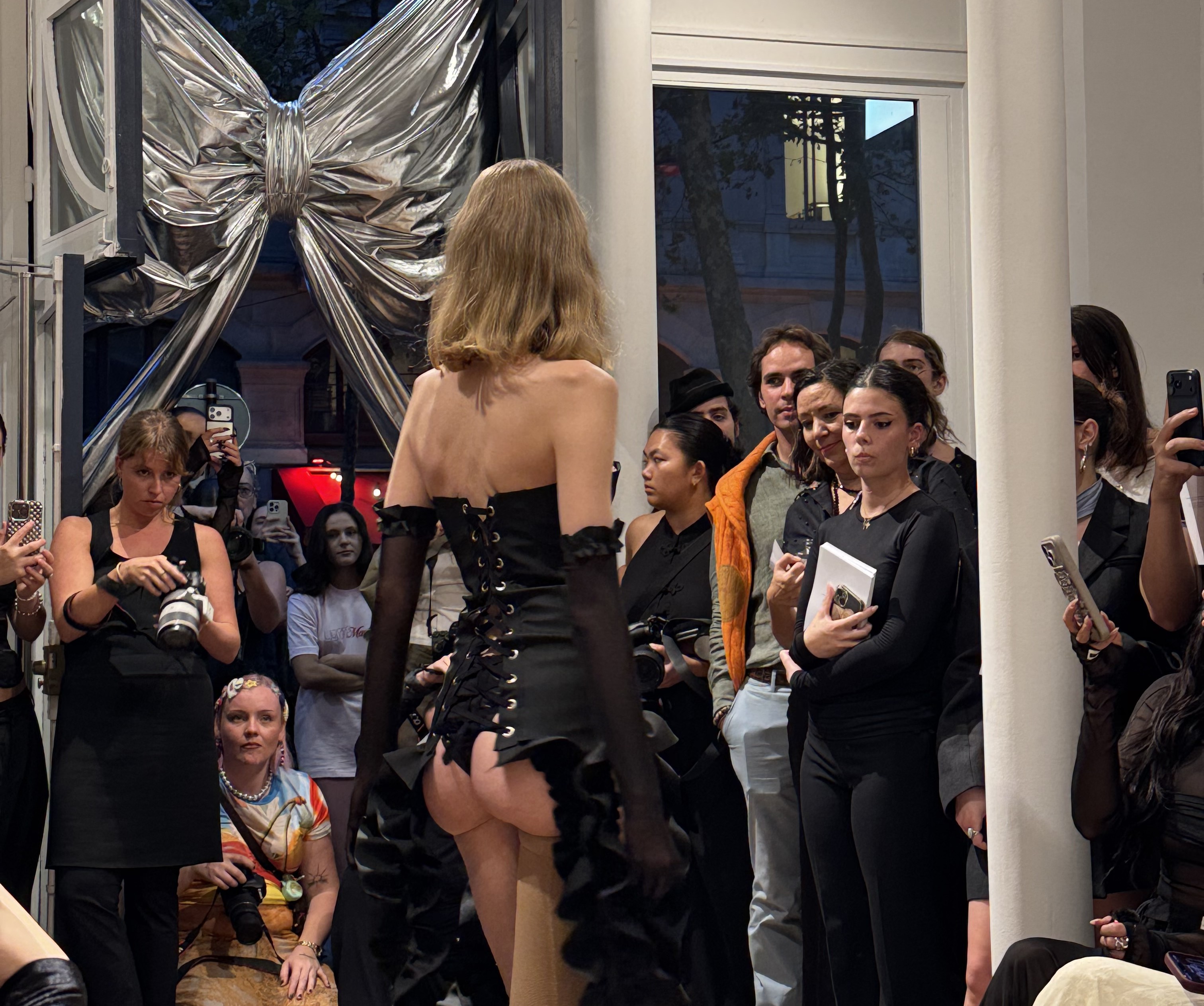
Matières Fécales made one of the season’s most consequential gestures with The Ninety-Nine Percent: 99 models of colour, a presentation beneath Paris’s Monument à la République, and a direct challenge to the luxury industry’s habitual concentration on the elite. The show’s public image was forceful, and its argument about representation deserves to be taken seriously.
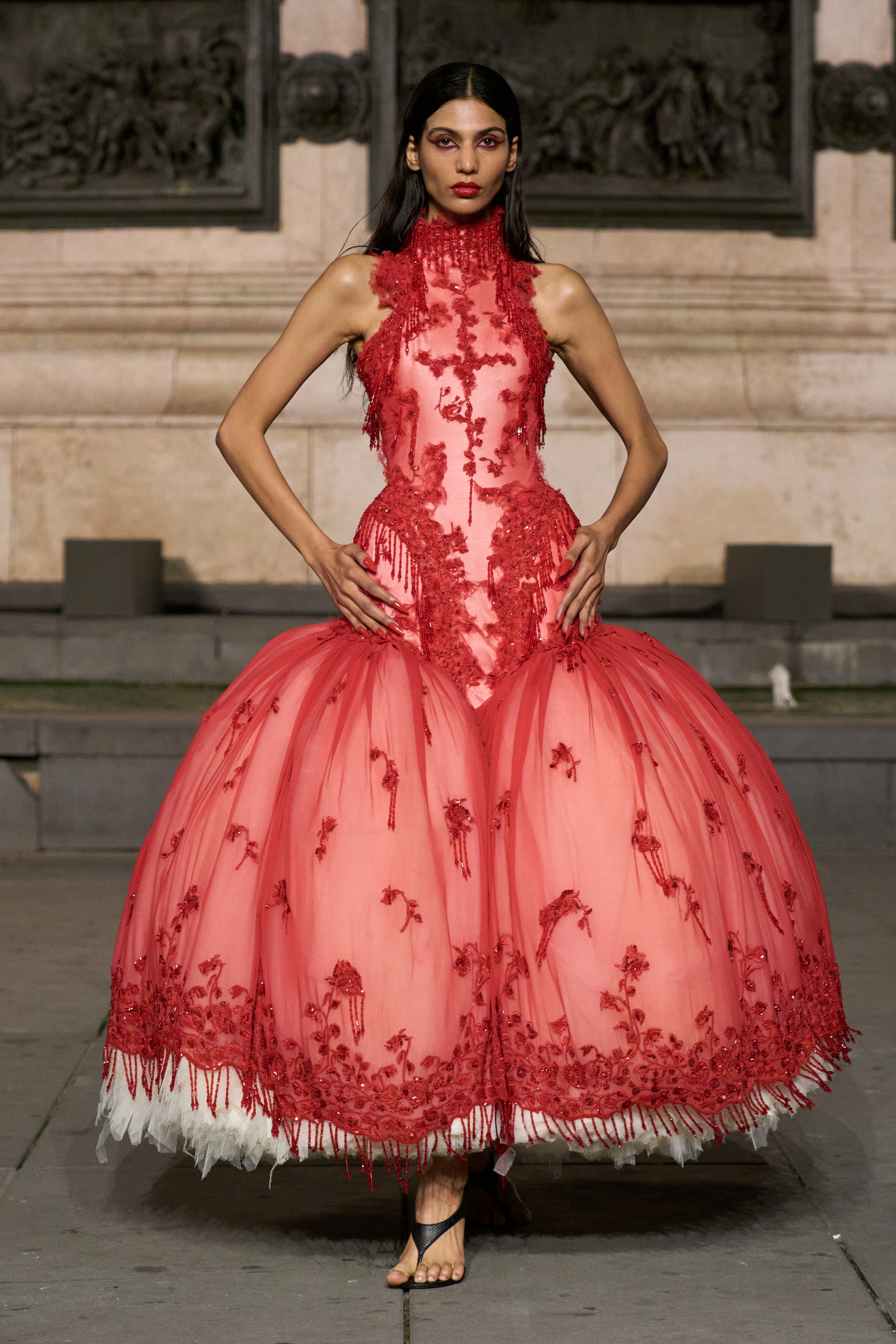
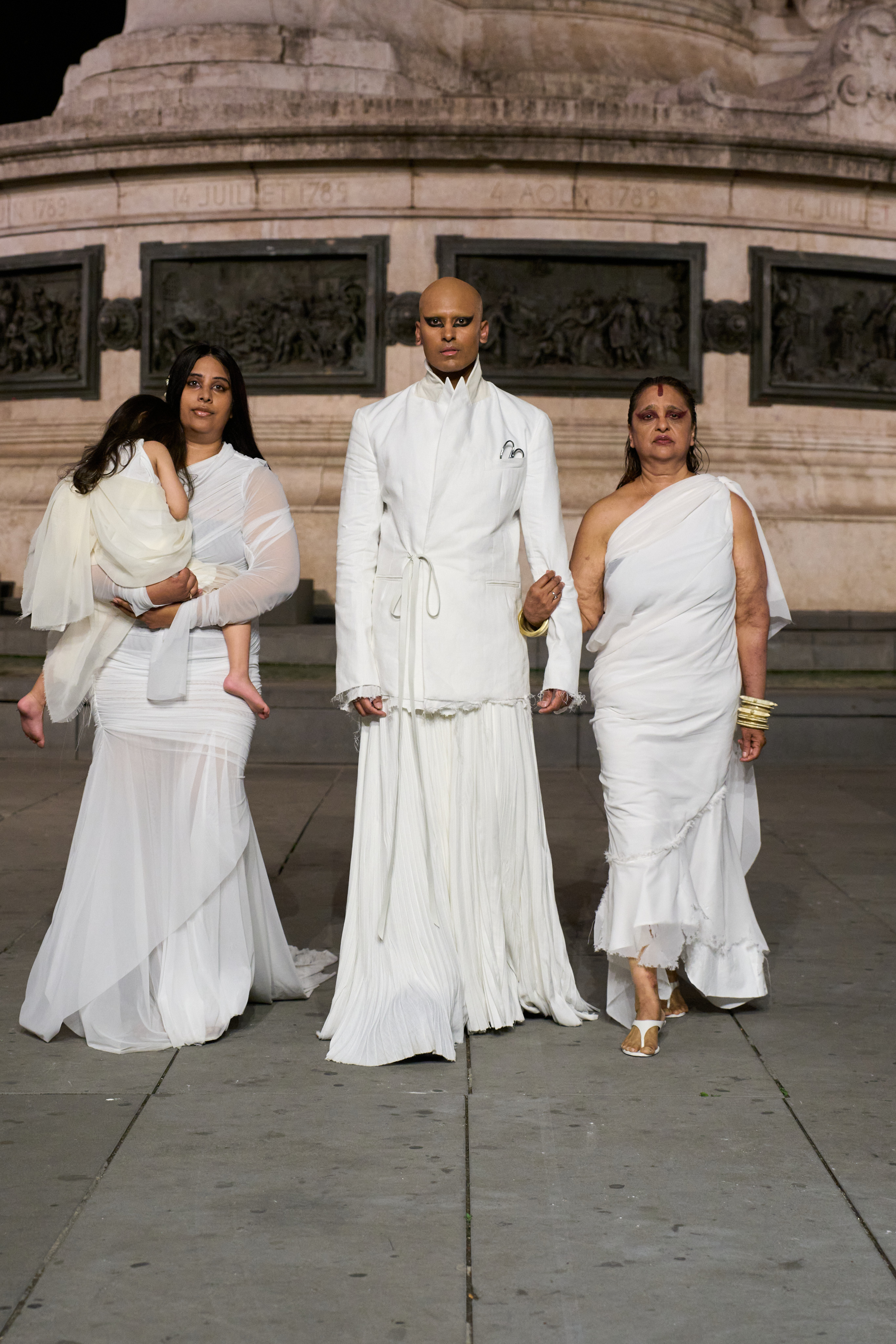
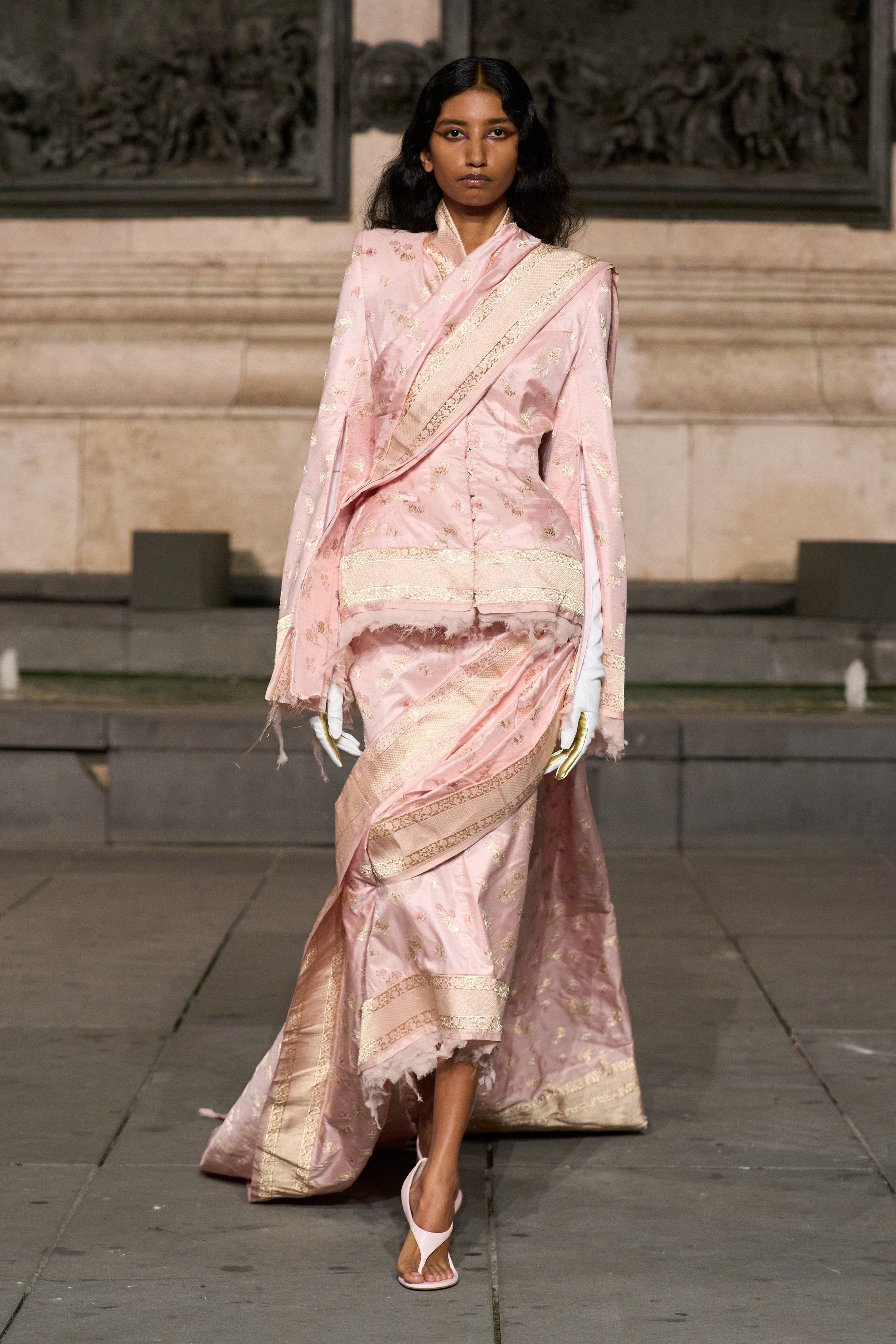
The critical distinction is that this was a defining fashion moment, not necessarily the definitive expression of the Victorian revival. Its theatrical, dark and exaggerated imagery belongs to the wider Gothic imagination, but the show’s strongest claim is social and political. Confusing the two would diminish both. A runway can make a memorable statement about who gets to be seen without becoming the season’s most persuasive exercise in historical design.
Mithridate faces a related, though different, test. The New Romantic reference gives the collection a clear cultural starting point; the club setting and theatrical atmosphere make that premise immediately legible. The question is whether the garments retain their interest when the music stops and the staging disappears. A great show creates an image. A great collection creates reasons to keep looking after the image has circulated.
The distinction is not a dismissal of spectacle. Fashion without theatre would be a rather depressing business of trousers and invoices. The problem begins when the entrance is more sophisticated than the argument.
When romance becomes fancy dress
The Victorian revival has an obvious weakness: its codes are so recognisable that they can be assembled with very little thought. Add a high collar, a ruffle, a corset, a veil and a quantity of black lace, and the reference announces itself before the clothes have had a chance to speak.
At its worst, the result is historical cosplay with a luxury invoice. The silhouette becomes a character costume; the styling does the conceptual work that the design has failed to do. Somewhere between the haunted aristocrat and the man who looks as if he has lost his way to a Pirates of the Caribbean casting call, fashion stops interpreting history and starts impersonating it.
This is the trap of the overworked reference. Every detail insists on being understood. Nothing is left unresolved, and nothing surprises. The look becomes a caricature precisely because it is too anxious to prove what it is referencing.
The strongest collections know when to stop. Our Legacy allows historical ornament to coexist with workwear and the lived-in traces of subculture. Khaite translates romance through material and proportion rather than piling on period markers. The Row lets a fragment of old lace disrupt a modern silhouette. Bora Aksu develops a narrative in which sweetness gradually gives way to something more troubling. These approaches differ, but they share an understanding that historical detail must be edited, transformed and given a job to do.
That is the line between evolution and imitation. It is also the line between a collection and a costume rack.
The past is not a personality
The appetite for historical romance is understandable. Elaborate surfaces, handwork, visible construction and tactile materials offer an alternative to a culture increasingly mediated by screens. The past can also provide a language for questioning contemporary ideas of gender, authority, beauty and respectability.
The contradiction is that fashion can sell rebellion as readily as it sells conformity. The romantic outsider becomes a seasonal uniform; individual expression arrives with a recognisable set of approved codes. Everyone can look like an aristocratic misfit, provided they purchase the correct version of melancholy.
A corset does not automatically liberate the body. Lace does not automatically destabilise masculinity. A politically charged show does not make every garment politically radical. These are possibilities, not achievements guaranteed by the presence of a reference.
The Victorian wardrobe is compelling because it carries contradictions: beauty and discipline, ornament and status, grief and spectacle, restraint and desire. The job of contemporary fashion is not to reproduce those contradictions as pretty images. It is to make them useful again.
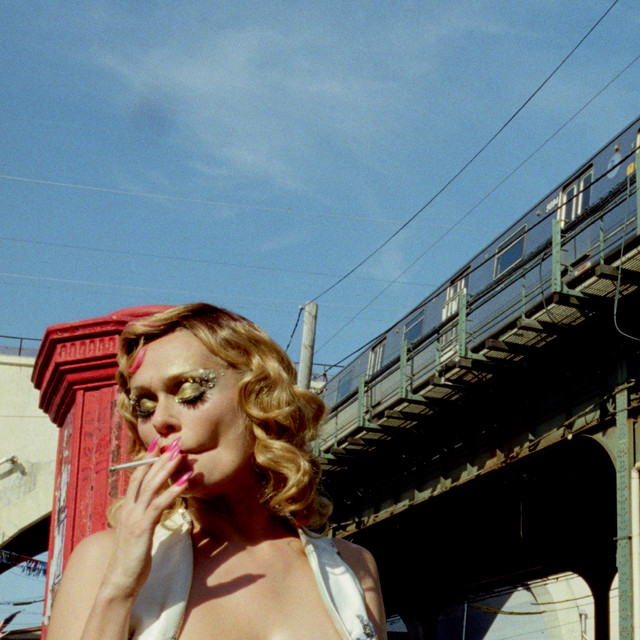
Spring/Summer 2027 is most persuasive when it treats history as a material to argue with. Our Legacy supplies the clearest lineage; Khaite and The Row demonstrate the intelligence of restraint; Bora Aksu turns romantic innocence into a darker progression; Francesca Lake makes historical dress speak across cultural memory. Simone Rocha expands the language of masculinity through ornament. Matières Fécales reminds us that a runway’s social significance and its design achievement are related, but not interchangeable. Mithridate shows both the power and the risk of theatrical historical reference.
The Victorian revival does not need more lace. It needs more nerve, more editing and a better understanding of what its references actually mean.
History is not a styling trick. It is a loaded object. Handle it with precision, and it can expose the absurdities of the present. Handle it carelessly, and all you get is a very expensive ghost.
The future of the Victorian revival will not be decided by how convincingly fashion recreates the nineteenth century. It will be decided by whether designers can do something with it once the costume comes off.