by Ada Maria Francesca Romeo
Two young women are quickly becoming some of fashion’s most exciting new voices. Model Rachel Ojuromi and her best friend, stylist and designer Debby Fasingha, are putting Lagos on the global fashion map through a series of viral social media videos that have captivated audiences worldwide.
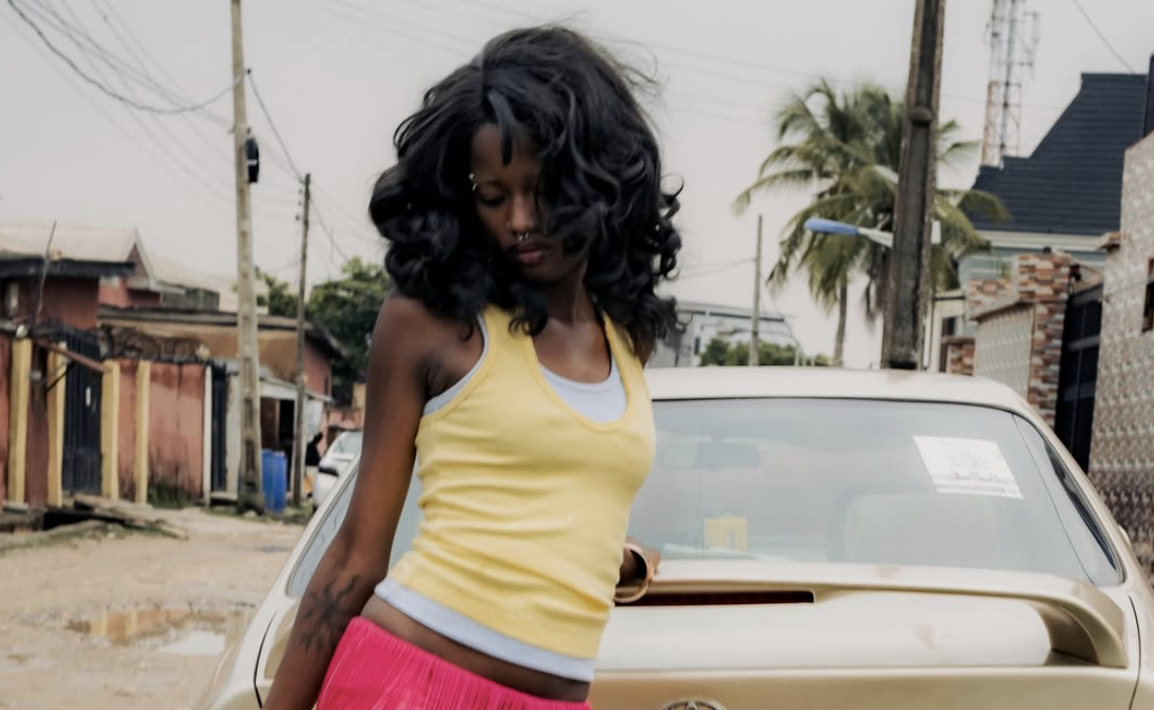
Rachel Ojuromi styled by Debby Fasingha
Passionate about vintage markets and runway shows, the duo began posting content in March 2026. Instead of chasing polished perfection, they built their following by embracing authenticity. Their videos feature spontaneous styling sessions, playful fashion moments and expressive looks assembled from Rachel’s own wardrobe or custom-made by Debby, proving that creativity often matters more than budget.
Their rapid rise is significant because it challenges long-standing assumptions about where fashion innovation comes from. Rachel and Debby remind us that young creatives in Africa are following the same runway collections and developing the same passion for fashion and art as their peers elsewhere in the world, often without access to the same resources or industry networks.
While Rachel’s distinctive fit checks first caught the internet’s attention, the project extends far beyond personal style. Through the platform The Process Africa, Rachel is working to reshape the narrative around African youth culture by documenting and celebrating emerging talents across fashion, film and the visual arts. The platform exists to spotlight young African creatives who too often remain unseen, while building a safe, inspiring community for the continent’s next generation of cultural voices.
Rachel’s love of fashion began at home. Her mother, known for her impeccable personal style and her work selling clothing and accessories, introduced her to fashion from an early age, nurturing the curiosity and confidence that now define her creative identity. Meanwhile, for Debby, her mother was a constant source of support and perhaps the driving force that encouraged her to start sharing her work on social media.
What makes Rachel and Debby particularly refreshing is their grassroots approach. Rather than relying on established industry connections, they have built their creative universe alongside the people closest to them. Their collaborators are friends and confidants, creating a community-driven vision of fashion that feels personal, genuine and deeply connected to the city they represent. In an industry often driven by exclusivity, their success demonstrates the power of authenticity, friendship and local creative networks.
Their story also reflects a broader shift taking place across the fashion industry. For decades, fashion was perceived as a world that demanded access, access to money, prestigious schools, established networks and major cities. Rachel and Debby challenge that idea. They did not begin with a showroom, a professional production team or luxury resources.
Their rise proves that visibility is no longer reserved for those with the greatest resources, but increasingly belongs to those willing to share an original perspective. This message carries even greater significance because it comes from Lagos. For too long, African creatives have often been viewed as sources of inspiration for the global fashion industry rather than as protagonists shaping it.
Rachel and Debby reverse that narrative by telling their own stories, celebrating their own community and demonstrating that talent is not distributed according to opportunity. Ideas can emerge anywhere; what is often missing is visibility. Their success is a reminder that the future of fashion will be built not only by those with the largest budgets, but also by those with the courage to create with what they have.