
Everyone wants fresh talent, but few are willing to give it a chance. The story of a nine-year-old stylist brings into focus the contradictions of an industry obsessed with innovation yet reluctant to invest in young creatives without professional experience.
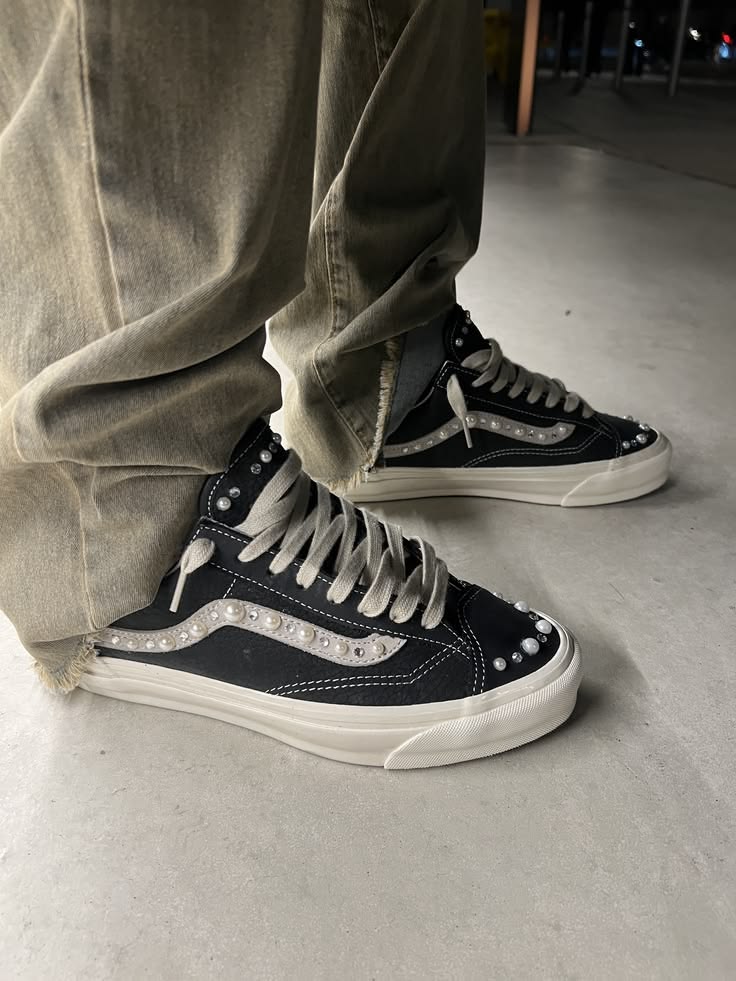
The story of a nine-year-old girl becoming a stylist for a Chinese trouser brand, Killwhÿ, has been making waves online. And while her age is obviously part of what makes the story so intriguing, what really stands out is her work. It’s fresh, playful, surprisingly professional and, above all, free from many of the aesthetic rules that shape the fashion industry.
Her story brings us back to a conversation that feels particularly relevant for Gen Z. Everyone seems to be looking for young talent, but no one seems willing to let young people be inexperienced.
The creative industries pride themselves on being forward-thinking, constantly searching for new voices, fresh ideas and people willing to challenge the status quo. Yet a quick scroll through fashion job listings tells a different story, with years of experience, collaborations with established brands and industry connections often taking precedence over actual creative potential.
Everyone wants something new, but apparently only from someone who has already made it.
After spending years at universities, fashion schools and specialised courses, young creatives are expected to enter the job market with a career already underway. Somehow, all those years spent studying, researching, experimenting and developing a creative identity don’t seem to count for much.
And it’s not just something we’re imagining. In 2021, a LinkedIn analysis of over 3.8 million job postings found that 35% of entry-level positions required at least three years of professional experience.
So much for entry-level jobs.
How are we supposed to gain experience if we need experience to get started in the first place?
Beyond making it harder to find a job, this mindset has a real impact on how young creatives perceive themselves. Being inexperienced, something completely normal at the beginning of a career, starts to feel like a personal failure. No matter how much you’ve studied, how many projects you’ve worked on or how much effort you’ve put into building your portfolio, there’s always a feeling that you should be doing more. It’s easy to feel like you’re already falling behind before you’ve even started.
This is what makes the story of the nine-year-old stylist so interesting. She doesn’t have an impressive CV, a fashion degree or years of industry experience. What she does have is a strong aesthetic sensibility, an instinct for unexpected combinations and the freedom to experiment without worrying too much about what fashion is supposed to look like.
Perhaps the very thing that would make her an unsuitable candidate according to traditional recruitment standards is also what makes her work so interesting.
Of course, this isn’t about romanticising child labour or suggesting that professional experience doesn’t matter. It’s about questioning why experience is so often valued above actual creative ability, and why talent seems to need someone else’s approval before it can be taken seriously.
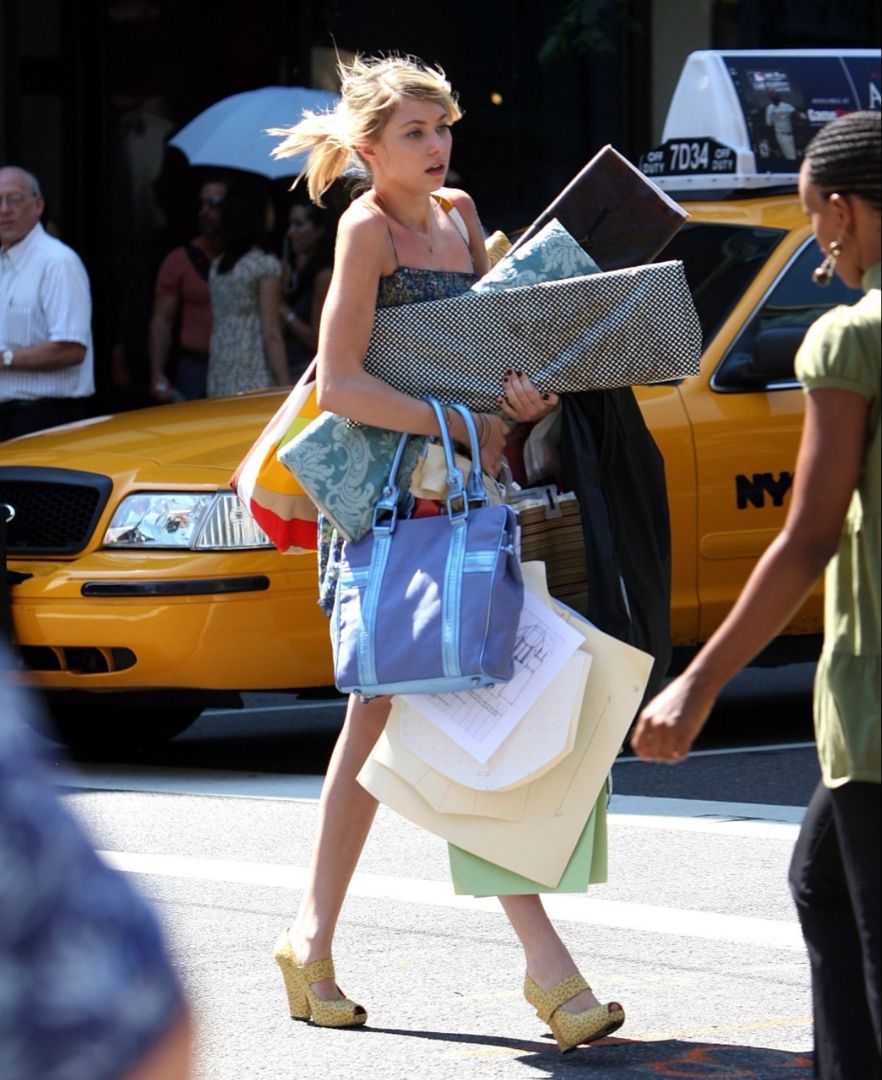
For an industry so obsessed with being ahead of the curve, fashion can be surprisingly resistant to taking risks when it comes to hiring new people. Discovering talent should mean giving someone the space to develop their ideas, make mistakes and grow. Instead, brands often seem more interested in recruiting people whose potential has already been recognised by someone else.
Maybe young creatives aren’t lacking experience as much as the industry is lacking the courage to invest in them.
If the creative industries genuinely want new perspectives, they need to give people the opportunity to bring them to the table, even when their CVs aren’t particularly impressive. Otherwise, what’s the point of looking for the next generation of creatives if we’re simply expecting them to be a younger version of the previous one?