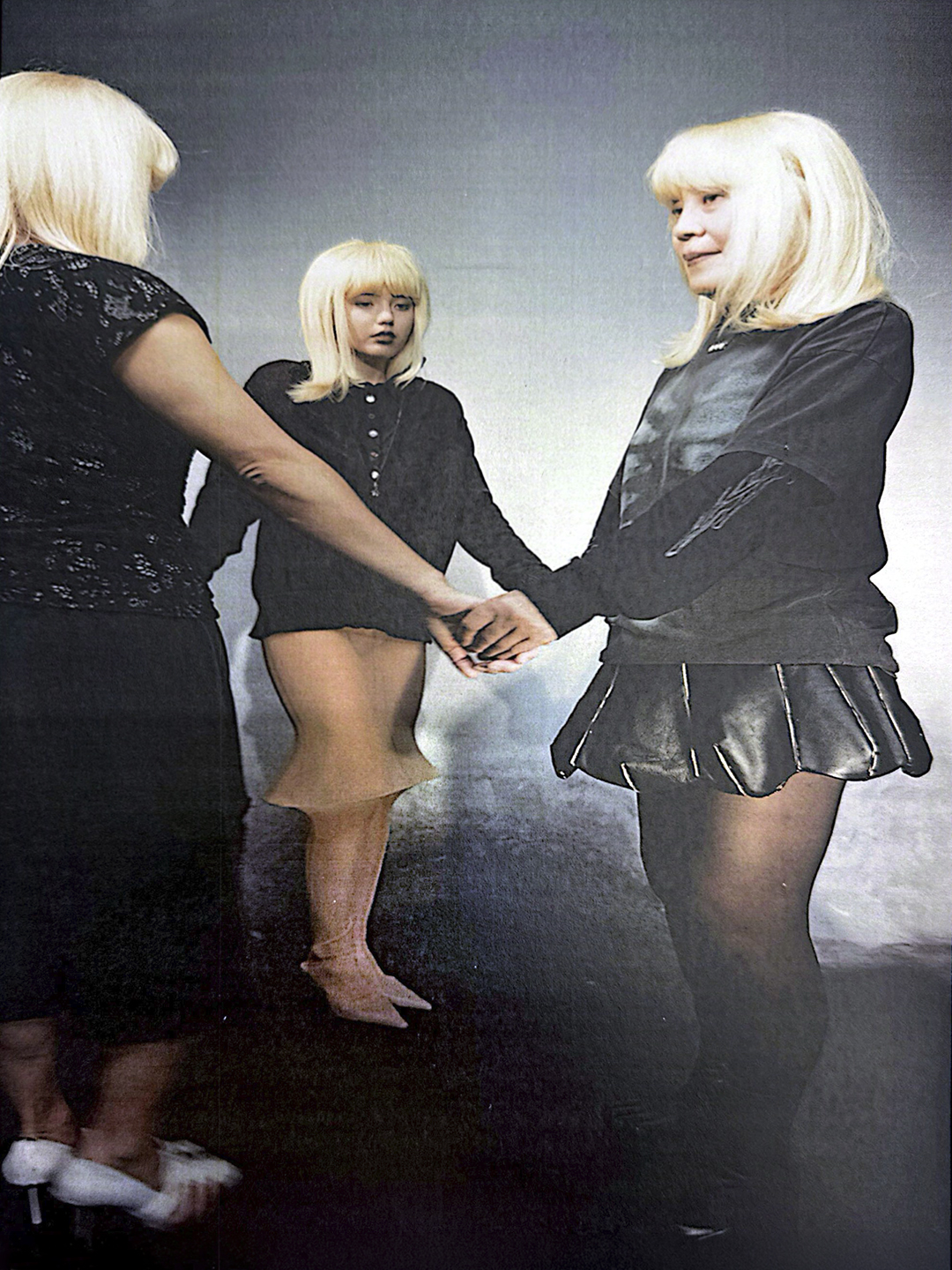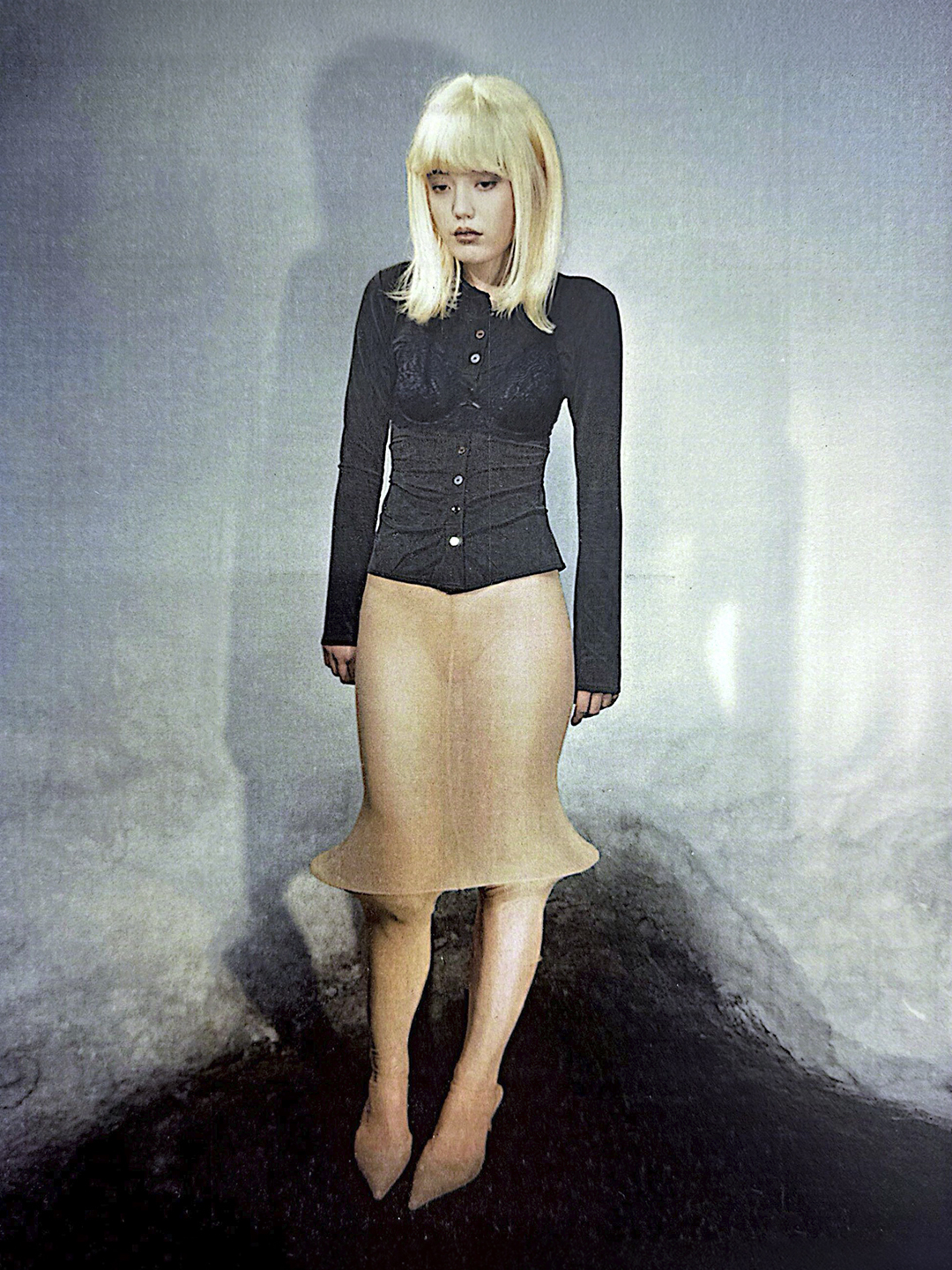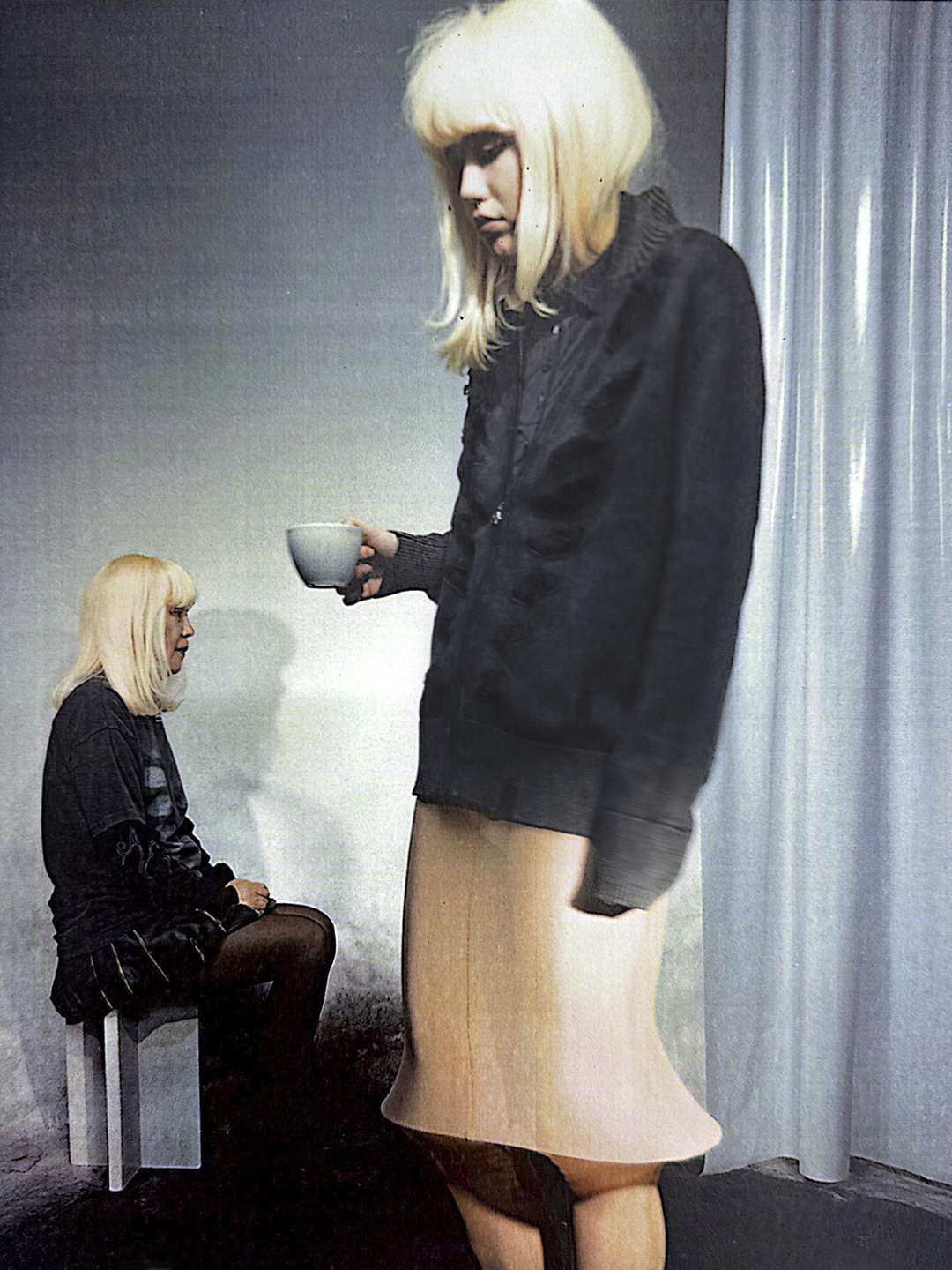
For its FW26 campaign, AVAVAV brings together three generations of women to explore the complexities of growing up, female relationships and our changing perception of ourselves.

As always, AVAVAV gives us something to think about, and its latest campaign, Women, is no exception.
Accompanying the brand’s FW26 collection, The Female Gaze, unveiled in Milan last February, the campaign takes a more intimate approach, moving away from AVAVAV’s signature irreverence to explore femininity and how it evolves throughout life.
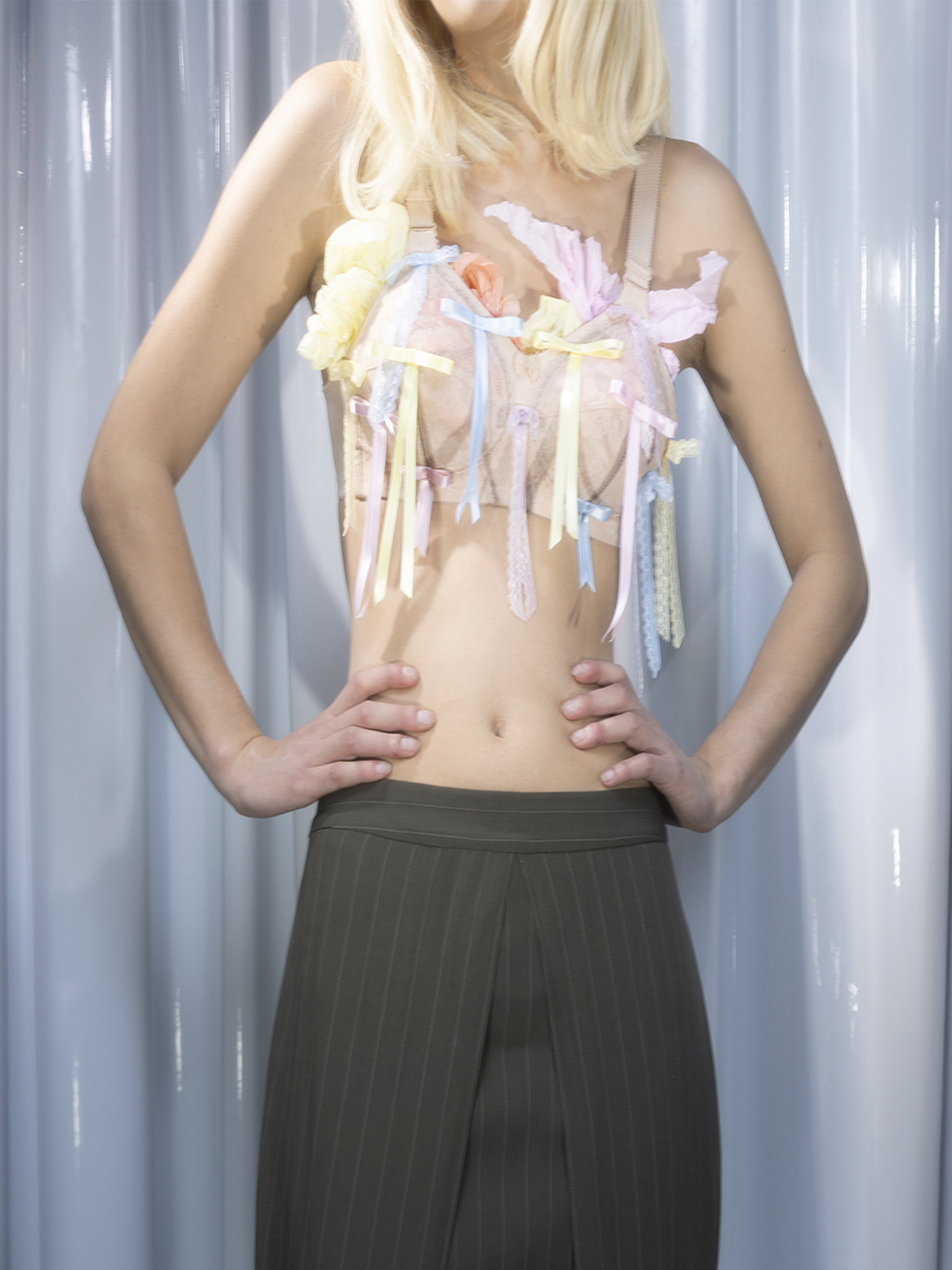
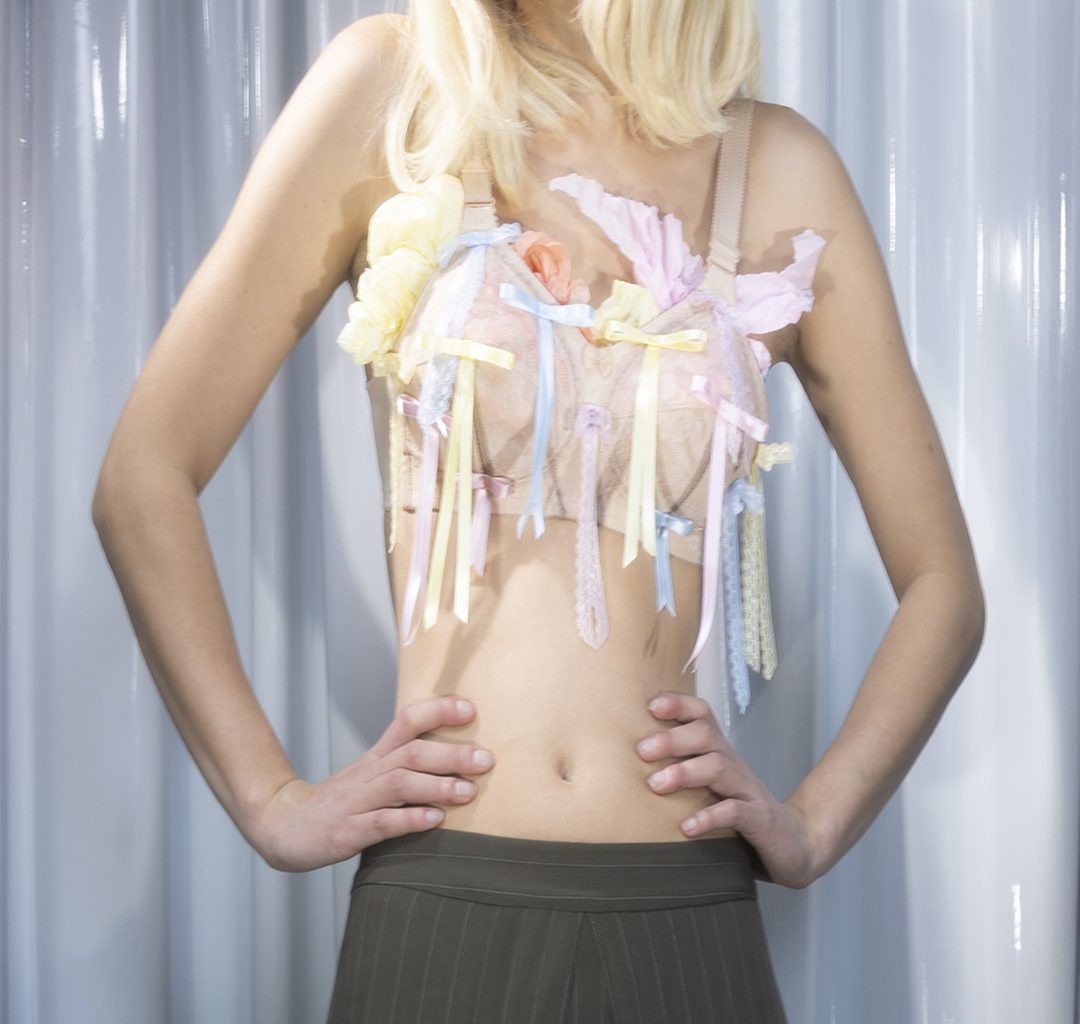
The narrative revolves around a bra stuffed with tissue paper, a familiar adolescent gesture that reflects the desire to appear older and embody an idea of womanhood before fully understanding what it means. It becomes the starting point for a reflection on the expectations, insecurities and contradictions that shape the experience of growing up.
Featuring three generations of women from the same family, the campaign captures different stages of life, exploring how our relationship with our bodies and identity changes over the years, while certain vulnerabilities remain surprisingly familiar.
With The Female Gaze, Creative Director Beate Skonare Karlsson explored the idea of women dressing for other women, shifting the focus away from external validation. This perspective extends into the campaign through spontaneous moments of affection and complicity. The women hold hands, embrace, laugh together and help one another get dressed.
Their interactions suggest a connection between different versions of the same woman, reflecting how the experiences of one generation can inform those of another. There is a sense of familiarity in these images, particularly in the small gestures through which women share knowledge, offer reassurance and express care.
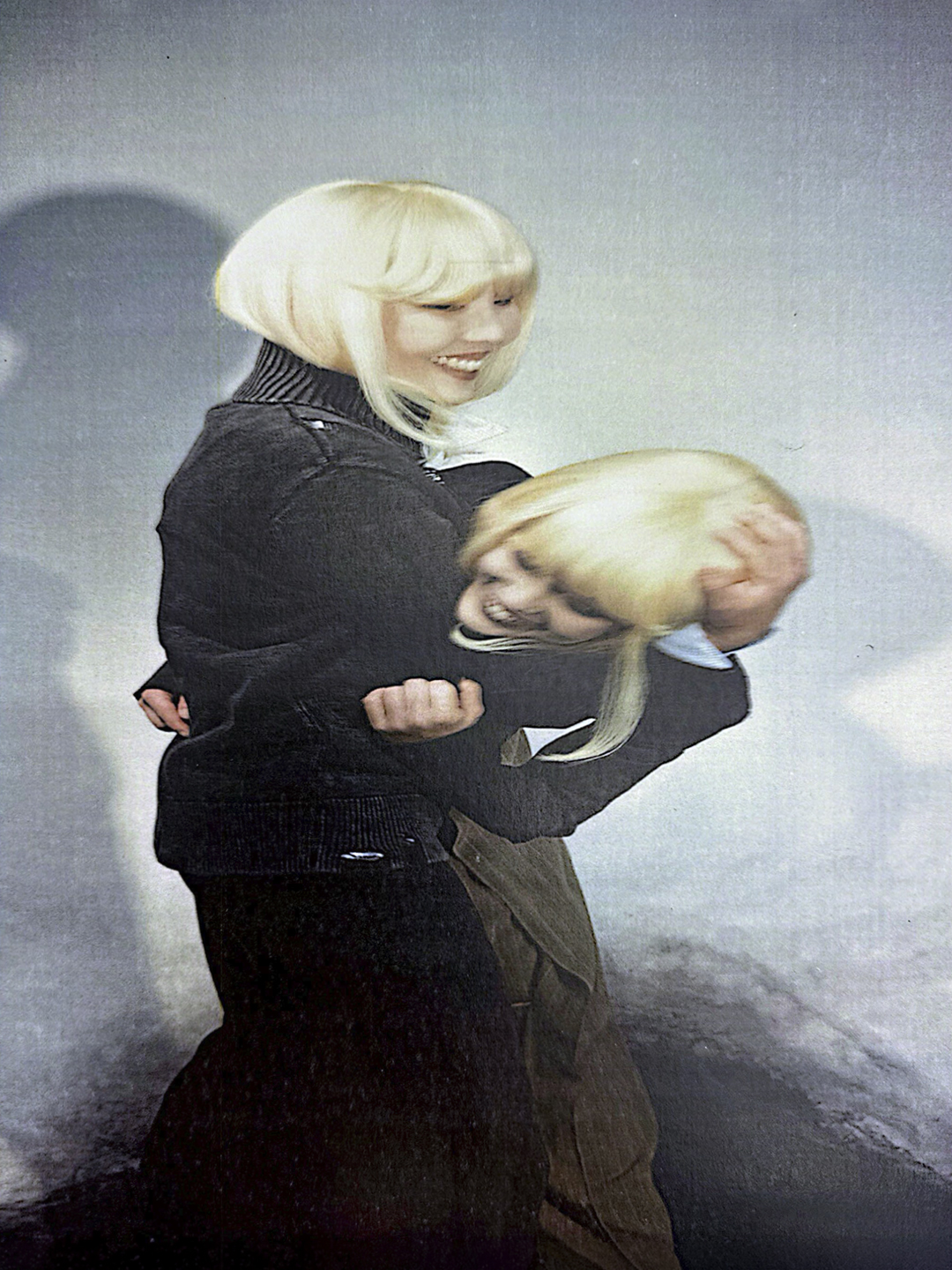
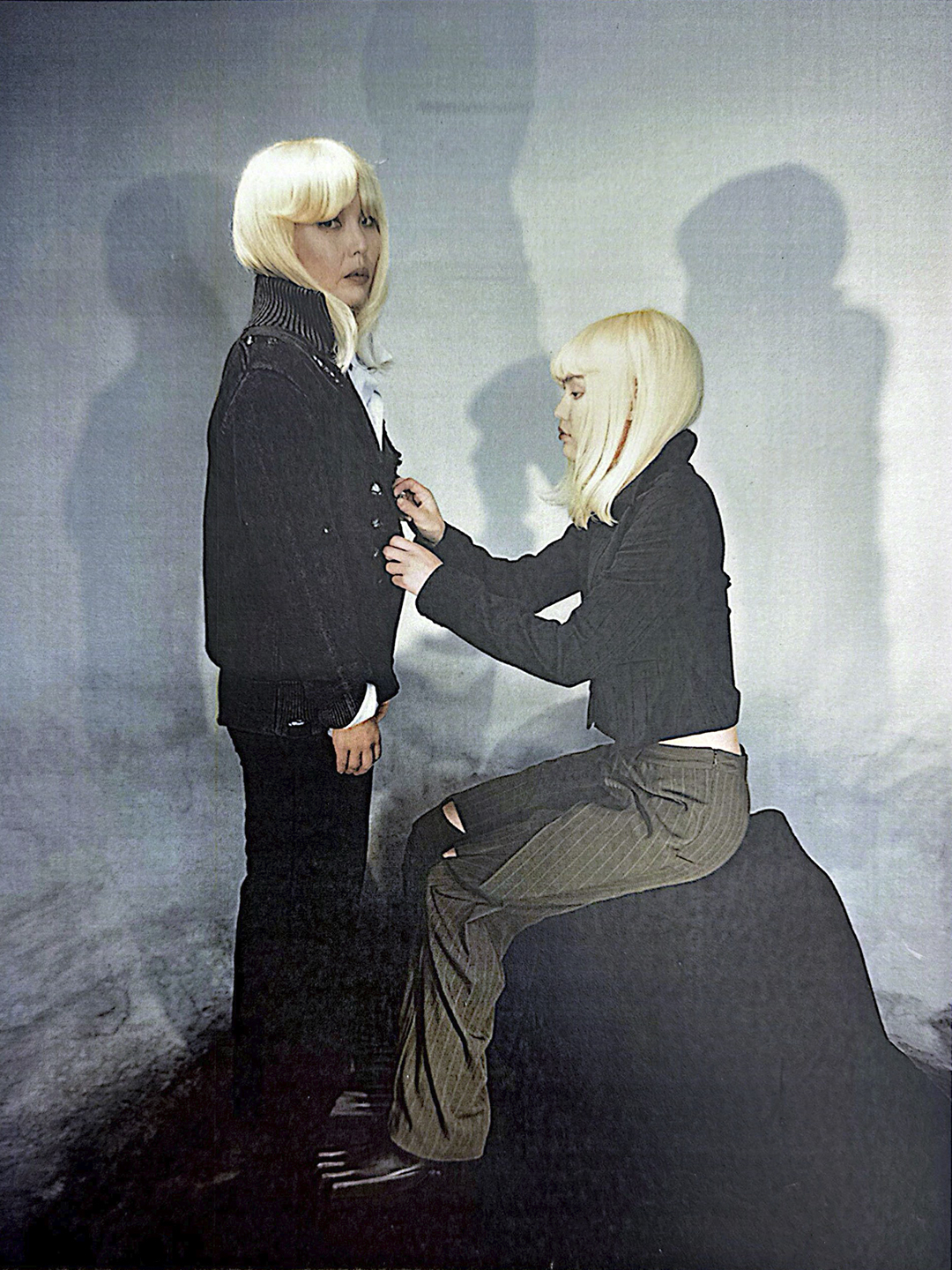
The campaign also reveals a different side of AVAVAV. Known for its unconventional runway shows and playful criticism of the fashion industry, the brand has consistently challenged established conventions through irony and provocation. With Women, Karlsson adopts a more understated visual language without abandoning the critical perspective that defines her work.
By focusing on female relationships and lived experiences, AVAVAV offers a portrayal of femininity that feels personal rather than prescriptive. Fashion becomes part of a broader conversation about identity, self-perception and the freedom to dress without conforming to someone else’s expectations.