Who said luxury has to be serious? As Prada, Dior and Bulgari embrace animation, fashion is trading picture-perfect imagery for playful worlds, nostalgia and a more imaginative approach to storytelling.
At a time when digital imagery is becoming increasingly sophisticated and artificial intelligence makes it possible to generate almost any visual scenario, the fashion industry seems to be rediscovering the charm of illustration and traditional animation. Major luxury houses are experimenting with more playful, familiar and narrative-driven visual languages, capable of creating imaginary worlds and establishing emotional connections with their audiences.
This is not simply a new aesthetic trend, but a shift in the way brands communicate their identity. While luxury advertising has traditionally focused on creating aspirational imagery through flawless photography, celebrity ambassadors and desirable products, storytelling is now playing an increasingly central role.
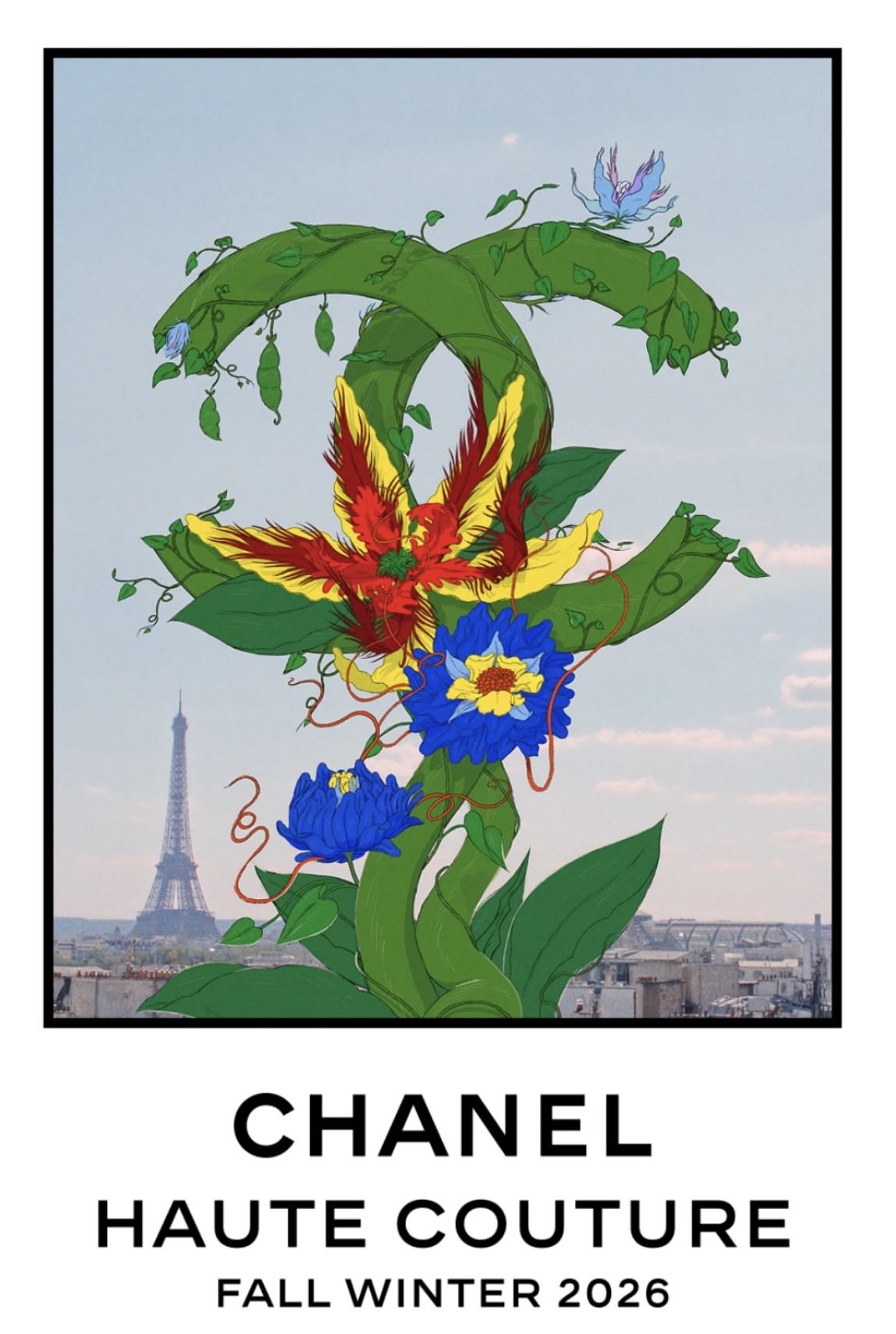
Remember Chanel’s Fall/Winter 2026 Haute Couture campaign, the one that melted our hearts this summer?
Historically, luxury has built much of its appeal on distance, on the idea of something exclusive, unattainable and reserved for a select few. Animation allows brands to introduce less conventional elements into this world, such as tenderness, nostalgia, humour and fantasy. Often associated with childhood and personal memories, illustration offers a more immediate and accessible visual language without necessarily compromising a brand’s prestige.
There is also another reason behind this growing interest, closely linked to the way we consume images today. In a digital landscape saturated with photographic campaigns and videos, standing out has become increasingly difficult. Animation introduces an unexpected element, whether it’s a movement, an illustrated character or a surreal transformation that disrupts the predictability of our feeds. On platforms like Instagram, where attention is captured in a matter of seconds, these visual elements can be particularly effective in sparking curiosity and encouraging viewers to stop scrolling.
At the same time, an illustrator’s distinctive line, the subtle imperfections of hand-drawn imagery and the time required to create an animation become expressions of a recognisable artistic sensibility. This is particularly relevant to the luxury industry, where craftsmanship and savoir-faire have always been fundamental to brand identity.
Three recent campaigns by Prada, Dior and Bulgari illustrate how animation is being used to achieve these goals through different creative approaches.
Drawing Prada: Animated by Hand
The most recent example is Drawing Prada: Animated by Hand, Prada’s Holiday 2026 campaign, unveiled on October 28.
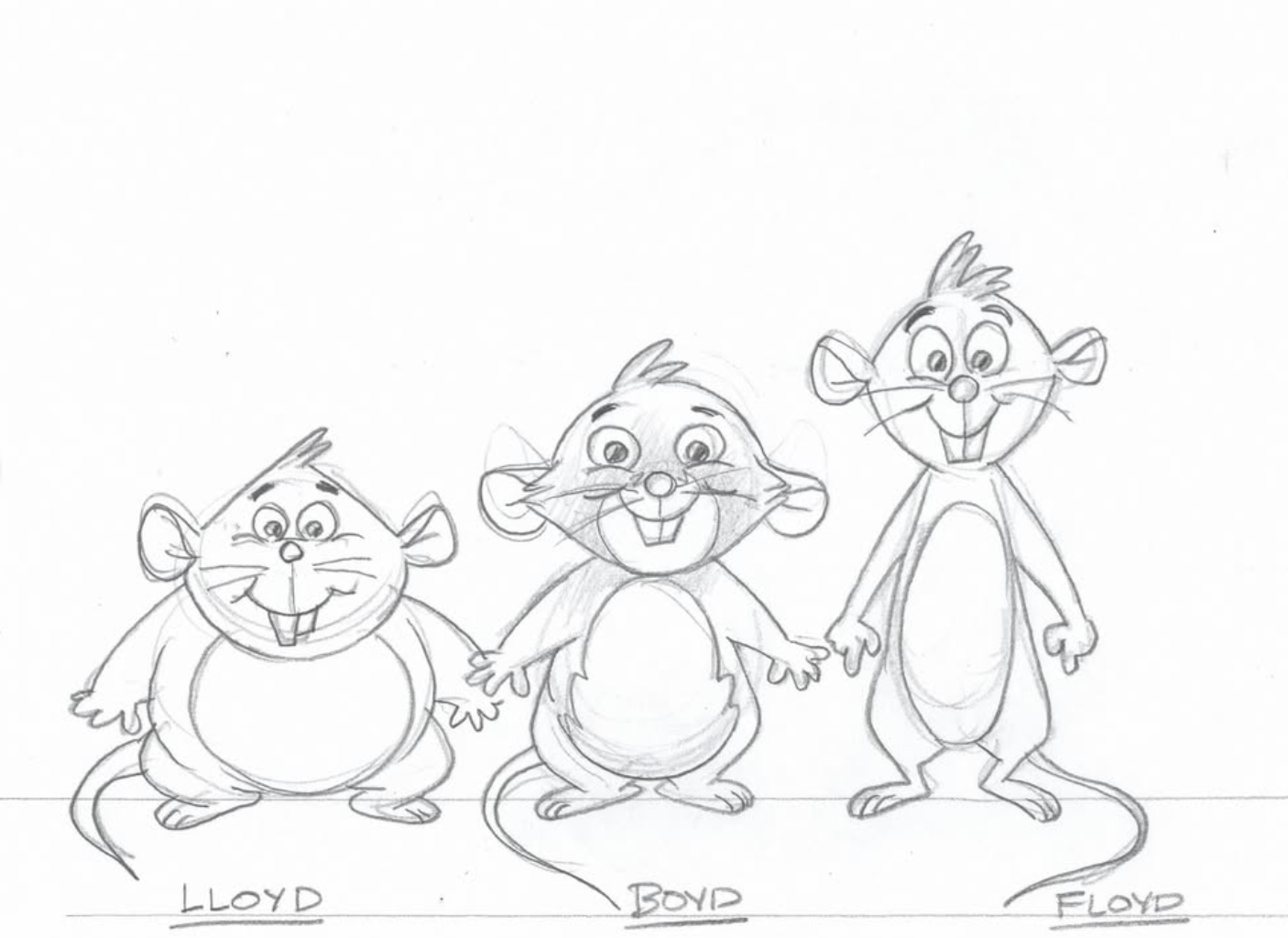
The Italian fashion house chose to revisit the aesthetic of classic animated films, entrusting the project to John Pomeroy, a veteran animator who has worked on productions including Pocahontas, Fantasia 2000 and The Land Before Time.
The result is an instantly familiar visual universe, evoking the animated films that generations have grown up watching. The campaign combines photography and live-action footage with hand-drawn characters and illustrated settings. Actors interact with imaginary creatures, including mice and foxes, in scenes that seem to belong to a fairy tale.
Miss Dior: A Story of Love and Perfume
A different but equally significant approach can be seen in Dior‘s Miss Dior: A Story of Love and Perfume, an animated short film released in August 2026.
For the project, the French maison collaborated with illustrator and director Ugo Bienvenu and Remembers, the animation studio he co-founded with Félix de Givry. The result is a film tracing the history of Miss Dior, from its creation in 1947 to the present day, through an aesthetic inspired by 1980s Japanese anime and traditional animated films.
The story unfolds through the journey of a bee, guiding viewers through the Dior universe, from rose gardens and Paris to Château de La Colle Noire. The narrative draws on Christian Dior’s relationship with his sister Catherine, his love of the flowers of Grasse and his desire to create a fragrance that would evoke love.
Along the way, some of the maison’s most recognisable visual codes appear, from the pink bow and houndstooth pattern to couture creations. Through animation, these elements become more than aesthetic references: they turn into essential parts of the story.
The backgrounds, created by artist Louise Seynhaeve using a Japanese-inspired gouache painting technique, give the film a poetic, painterly quality that contrasts with the hyperrealism of contemporary digital imagery.
By telling almost eighty years of history through an illustrated short film, Dior transforms its cultural heritage into a narrative experience. Animation becomes a bridge between past and present, making the story of a fragrance not simply something to learn about, but something to experience and remember.
Bulgari hotels and Summer Window 2026
Bulgari has also recently explored illustration in its campaigns, both through content dedicated to Bvlgari Hotels & Resorts and its Summer Window 2026 project, released over the summer.
In a video published on August 27, the maison takes viewers on a journey through Rome, Shanghai and Bali, connecting the brand’s boutiques and hotels. The project, which credits illustrator Henri Campeã, adopts a different visual approach from Prada and Dior, combining real photographic environments with illustrated 2D characters.
Animated figures appear within the hotels’ interiors, interacting visually with the architecture, spaces and surrounding landscapes. Some scenes feature illustrated characters practising yoga in wellness settings, transforming real locations into small animated narratives.
This creative choice is particularly interesting because it introduces a playful and spontaneous dimension into environments that might otherwise feel more formal or distant through photography alone. The illustrated characters soften the solemnity of these luxurious spaces without altering their aesthetic identity.
At the same time, the absence of recognisable celebrity ambassadors shifts the focus from the individual to the experience itself. Rather than identifying with a famous face, viewers are encouraged to imagine themselves within these spaces, associating the brand with feelings of wellbeing, tranquillity and pleasure.
Illustration also creates a sense of continuity between geographically and culturally different locations. Rome, Shanghai and Bali become part of a single visual narrative, connected through a recognisable illustrative style and the maison’s identity.
Unlike Prada and Dior, Bulgari does not primarily use animation to evoke a fantasy world or revisit its history, but rather to communicate a lifestyle. The aim is not simply to showcase the architecture or services of its hotels, but to suggest the experiences and emotions these environments can offer. In this case, animation does not replace reality. Instead, it adds a narrative dimension to it, transforming luxury hospitality communication into something more personal and engaging.