


HOW MUCH OF THE WORLD DO WE CARRY ON OUR SKIN?
It is a strange question to ask yourself on a crisp morning in Vienna. Stranger still when you are walking through the countryside, surrounded by trees, cold air and the soft noise of autumn, talking about something as invisible as the skin barrier.
Yet, the longer we walked, the more the question seemed to make sense.
Our skin is the first place where the outside world meets us. It feels the cold before we do. It registers heat, humidity, pollution, UV exposure and sudden changes in temperature. It deals with long flights, air conditioning, changing seasons, city air, stress and sleepless nights. It quietly negotiates with everything we move through every day.
So how much of the world do we actually carry on our skin?
In Vienna, CeraVe invited us to explore that question through Skin Under Pressure, an immersive experience created around one of the most important – and still surprisingly misunderstood – subjects in modern skincare: the skin barrier.
The timing felt right. We are living through a moment in which skin has become both obsession and conversation. We know our ingredients. We know our actives. We know our acids, peptides, retinoids and antioxidants. We can name what is in a formula before we have even opened the box.
And yet, when it comes to the fundamental architecture of our skin, there is still a considerable knowledge gap.
CeraVe came to Vienna to talk about exactly that.
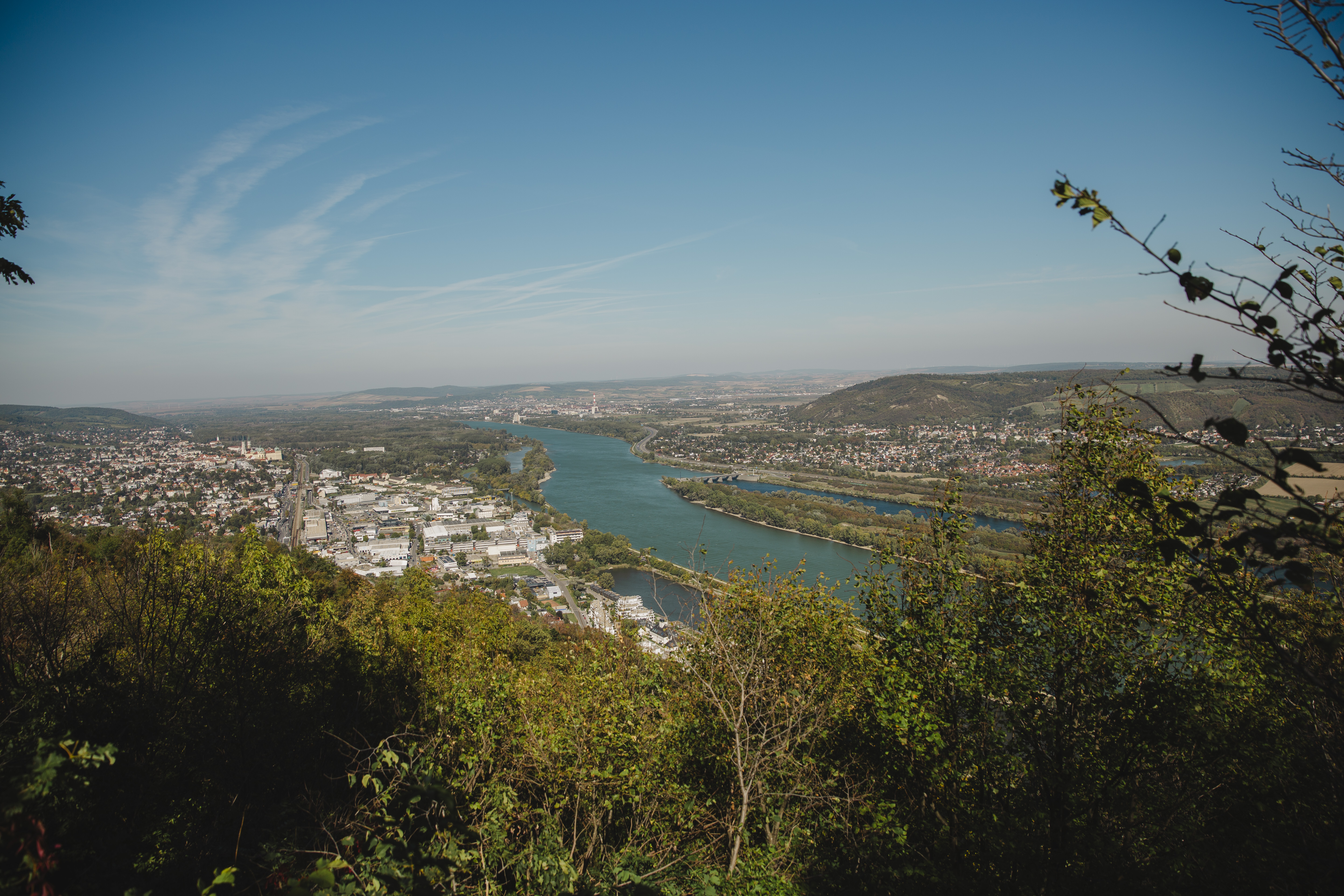
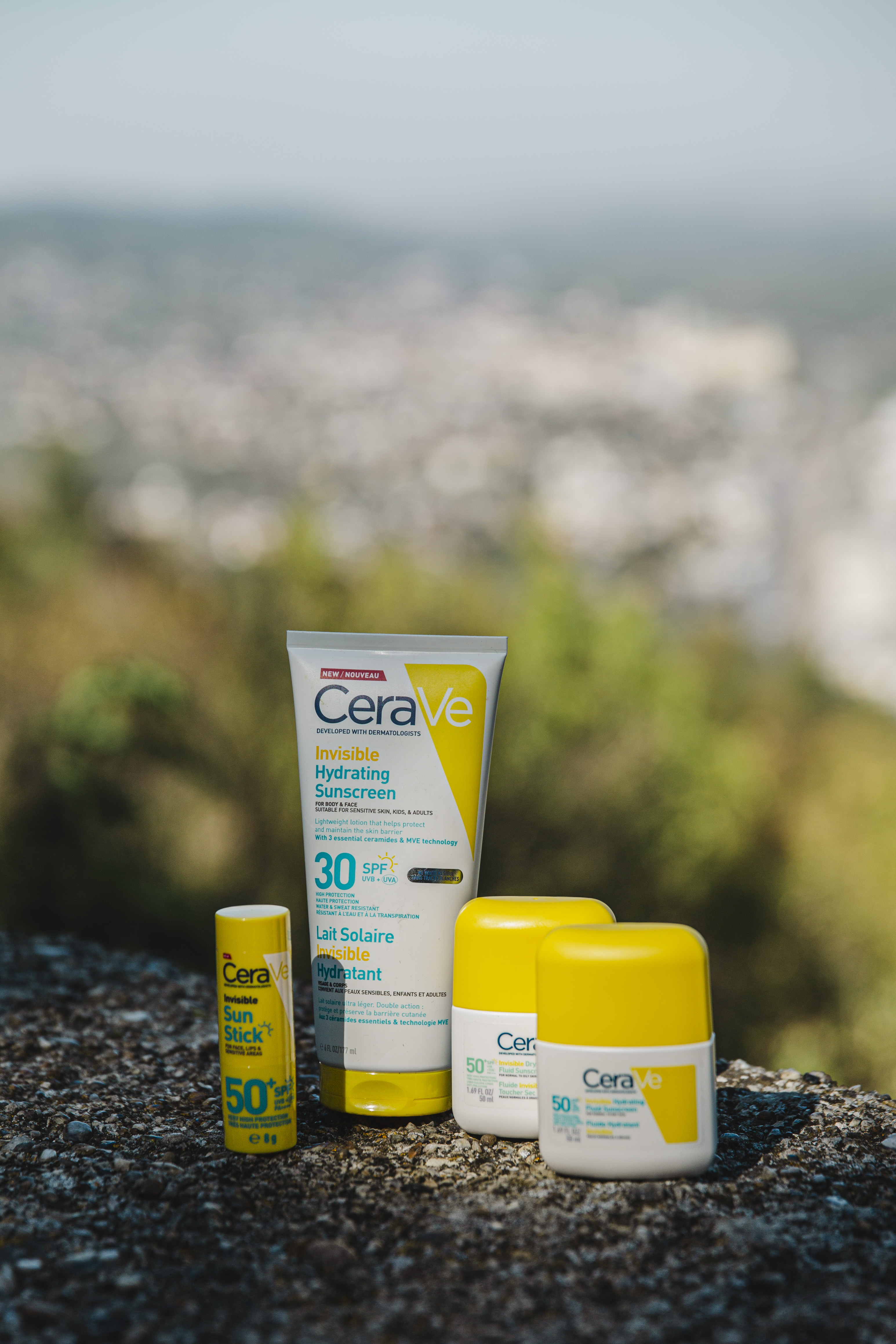
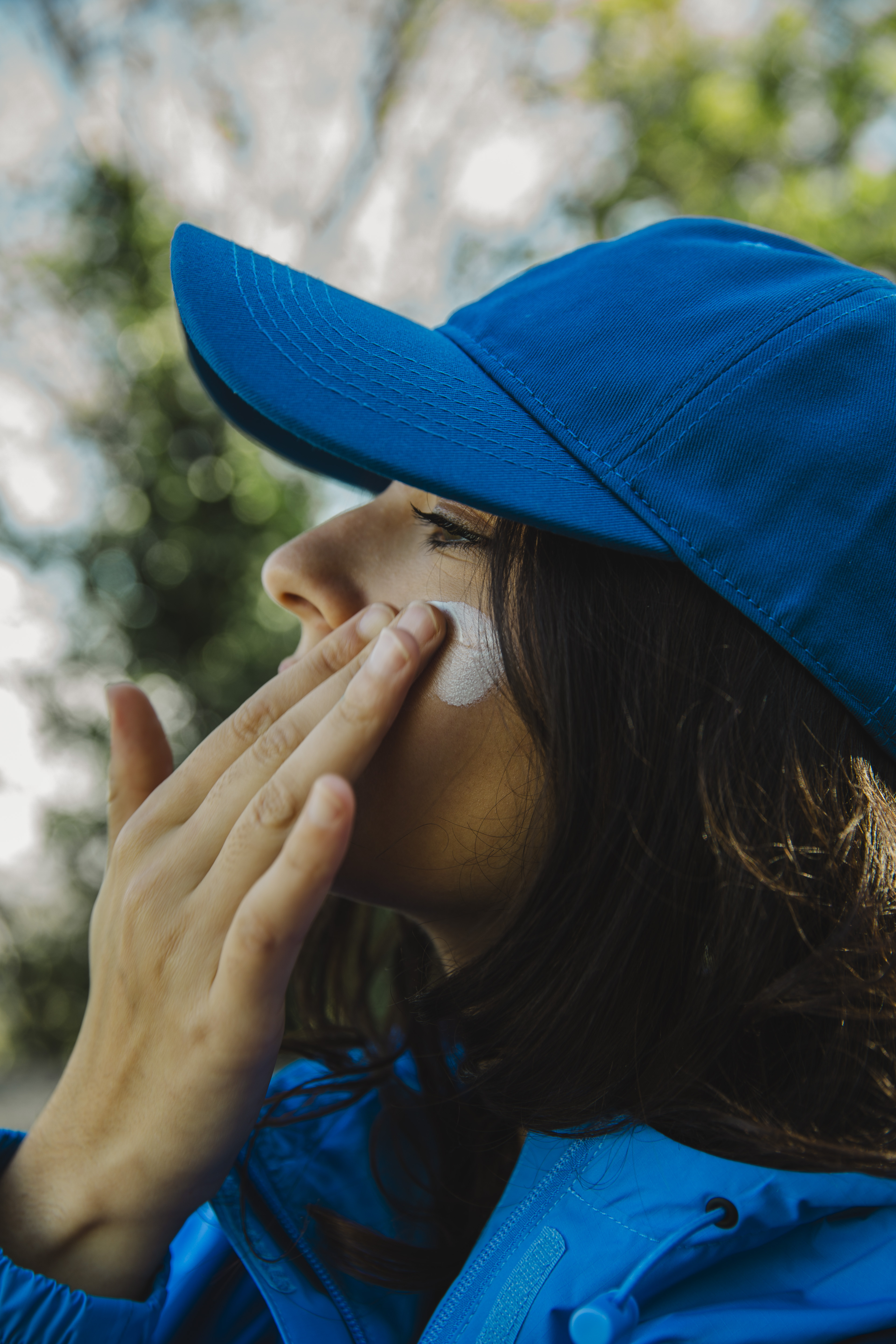
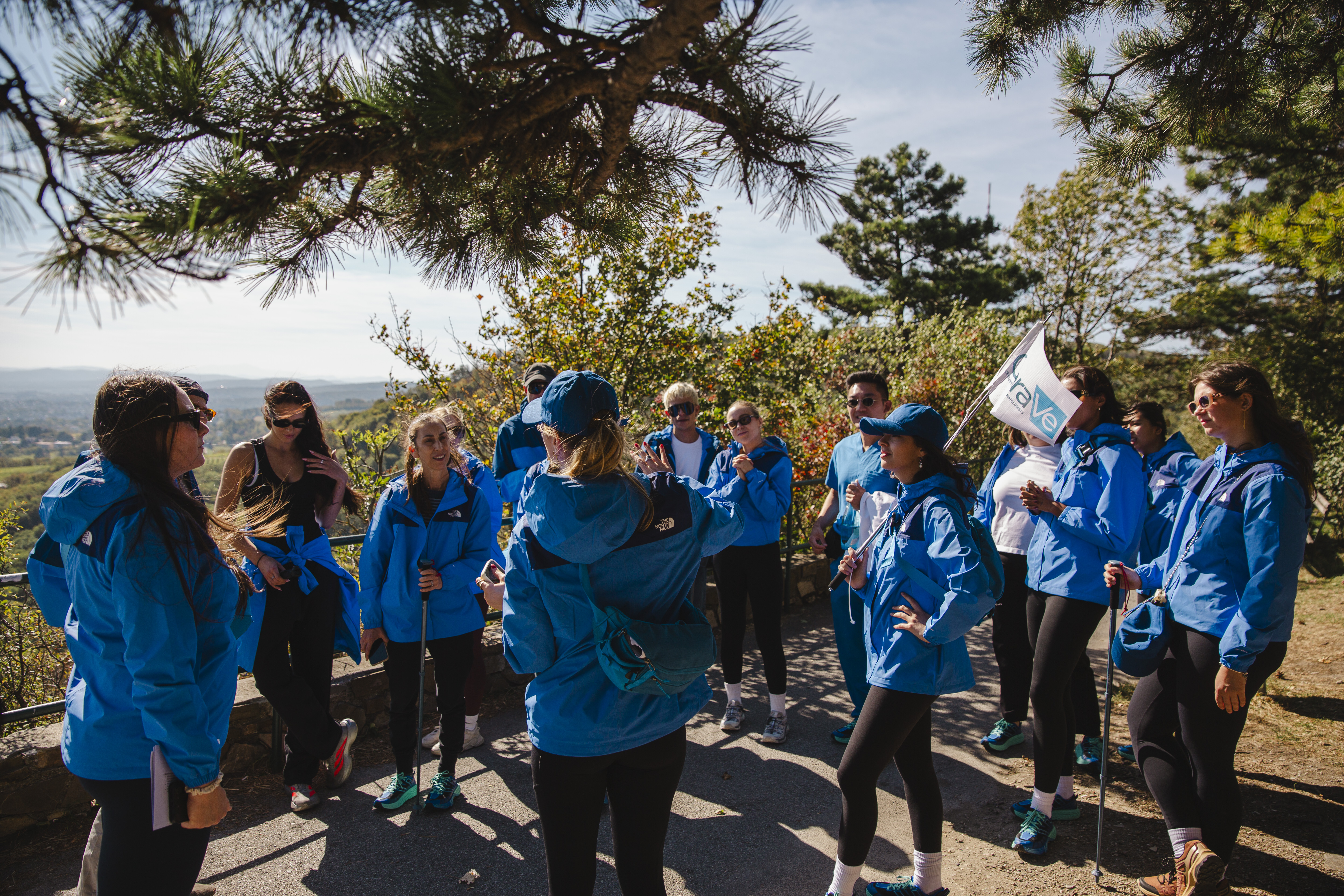
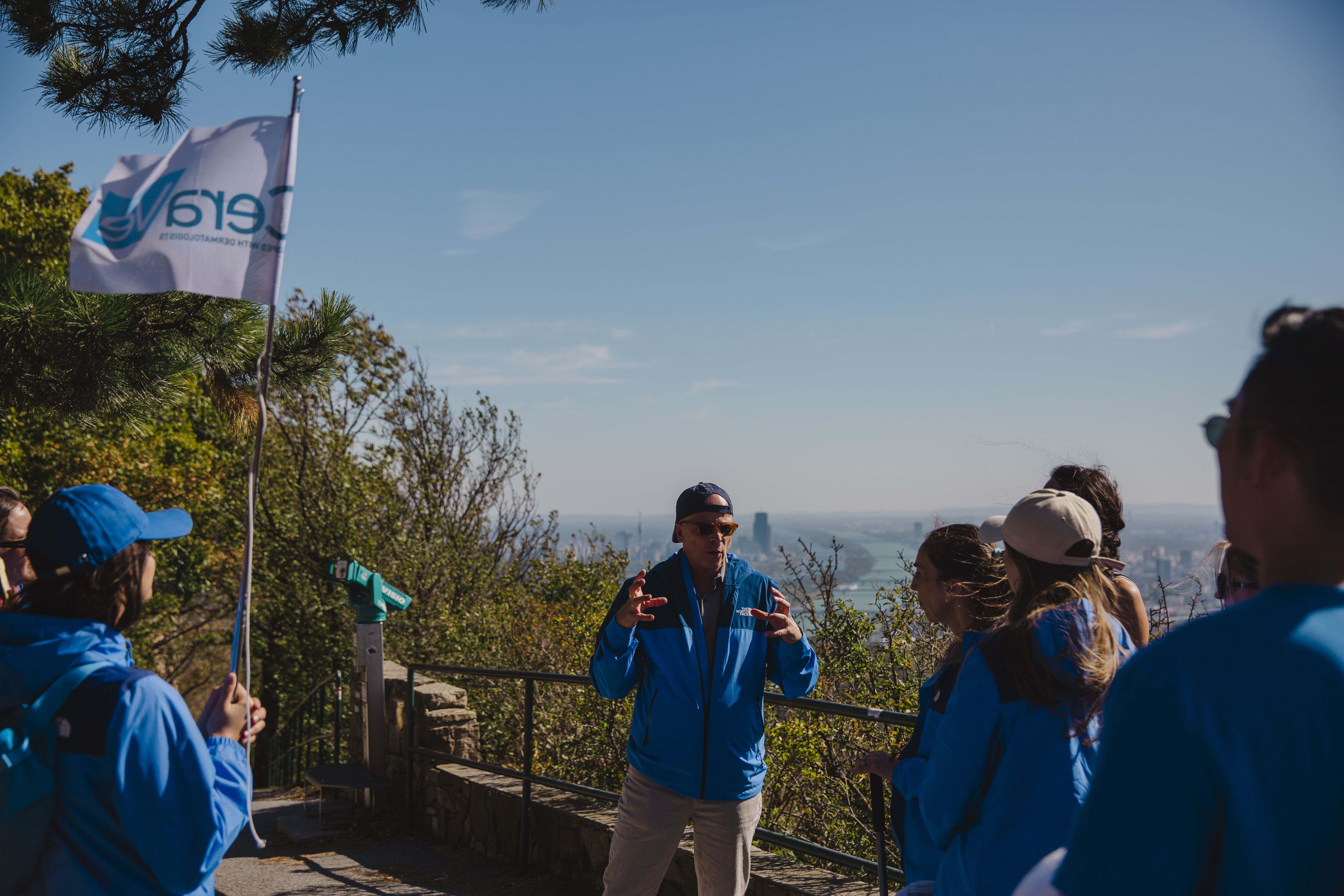
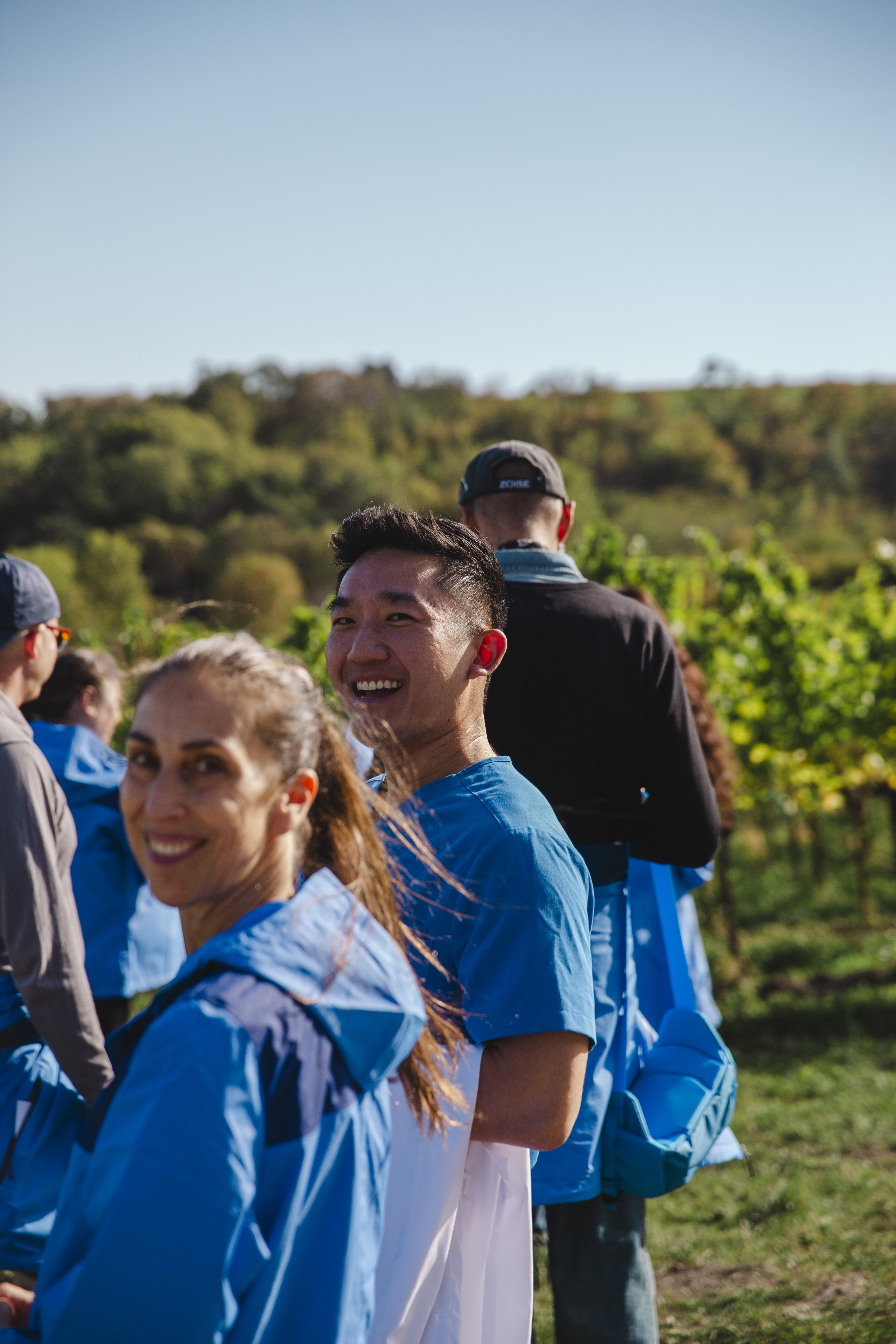
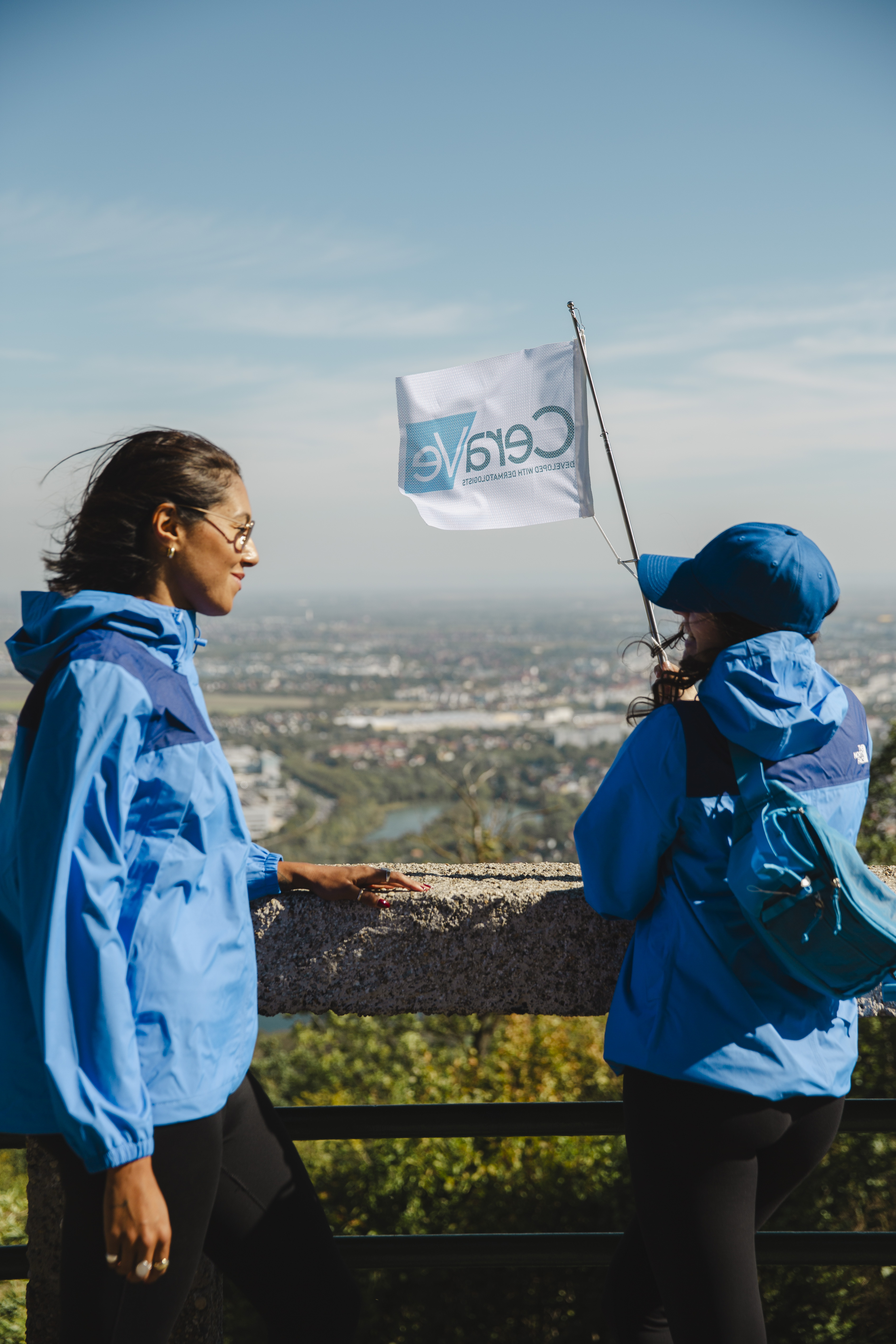
The experience began outside the city, with a guided walk through the Viennese countryside. It was deliberately intimate, almost disarmingly simple. No white coats, no clinical corridors, no endless succession of slides. Just the landscape, the weather on our faces and a conversation about what our skin experiences long before we stop to think about it.
There was something beautiful about learning about the skin barrier while actually feeling the environment acting on our skin.
The science suddenly had a temperature.
That is perhaps the most interesting thing about CeraVe’s approach: it takes a subject that can easily become technical and makes it tangible.
Founded in 2005 and developed with dermatologists from the beginning, CeraVe has built its identity around the idea that healthy-looking skin starts with a healthy skin barrier. Its formulas are centered around three essential ceramides – EOP, NP and AP – lipids naturally found in the skin that help support the barrier and retain moisture.
It sounds simple.
In the current beauty landscape, simplicity has become almost radical.
We have created increasingly complicated rituals around skincare, while the fundamental needs of the skin can often be remarkably straightforward. More products do not necessarily mean more understanding. More ingredients do not necessarily mean more efficacy.
Sometimes, the most interesting beauty story is the one that takes us back to the basics.
CeraVe’s new European research puts that contradiction into numbers.
Across 6,000 adults surveyed in the UK, France, Germany, Italy and Spain, 81% recognise the importance of protecting their skin beyond UV exposure, while only 22% use products specifically intended to support the skin barrier.
The awareness is there.
The translation is not.
Ninety percent of people surveyed say they are concerned about at least one environmental factor affecting their skin. Nearly half – 47% – say their skin is more sensitive than it was five years ago, while 50% report dryness linked to their environment or changing weather.
The feeling that our skin is changing is clearly widespread.
What remains less clear is what we are supposed to do about it.
Only 10% of those surveyed take additional skincare steps when pollution levels are high. Meanwhile, 55% say skincare needs to be simple or they simply will not follow the routine.
That last statistic might be the most revealing of all.
Because the future of skincare may not belong to the most complicated routine. It may belong to the one people actually understand.
Education, in other words, is part of efficacy.
This is where the conversation around CeraVe becomes bigger than a conversation about moisturizers or ceramides. The brand is positioning the skin barrier as something worth understanding; not because consumers need another reason to worry about their skin, but because they need a clearer way to interpret what it is already telling them.
Dryness. Tightness. Sensitivity.
Signals rather than imperfections.
And suddenly, the original question comes back.
How much of the world do we carry on our skin?
The answer is: probably more than we realize.
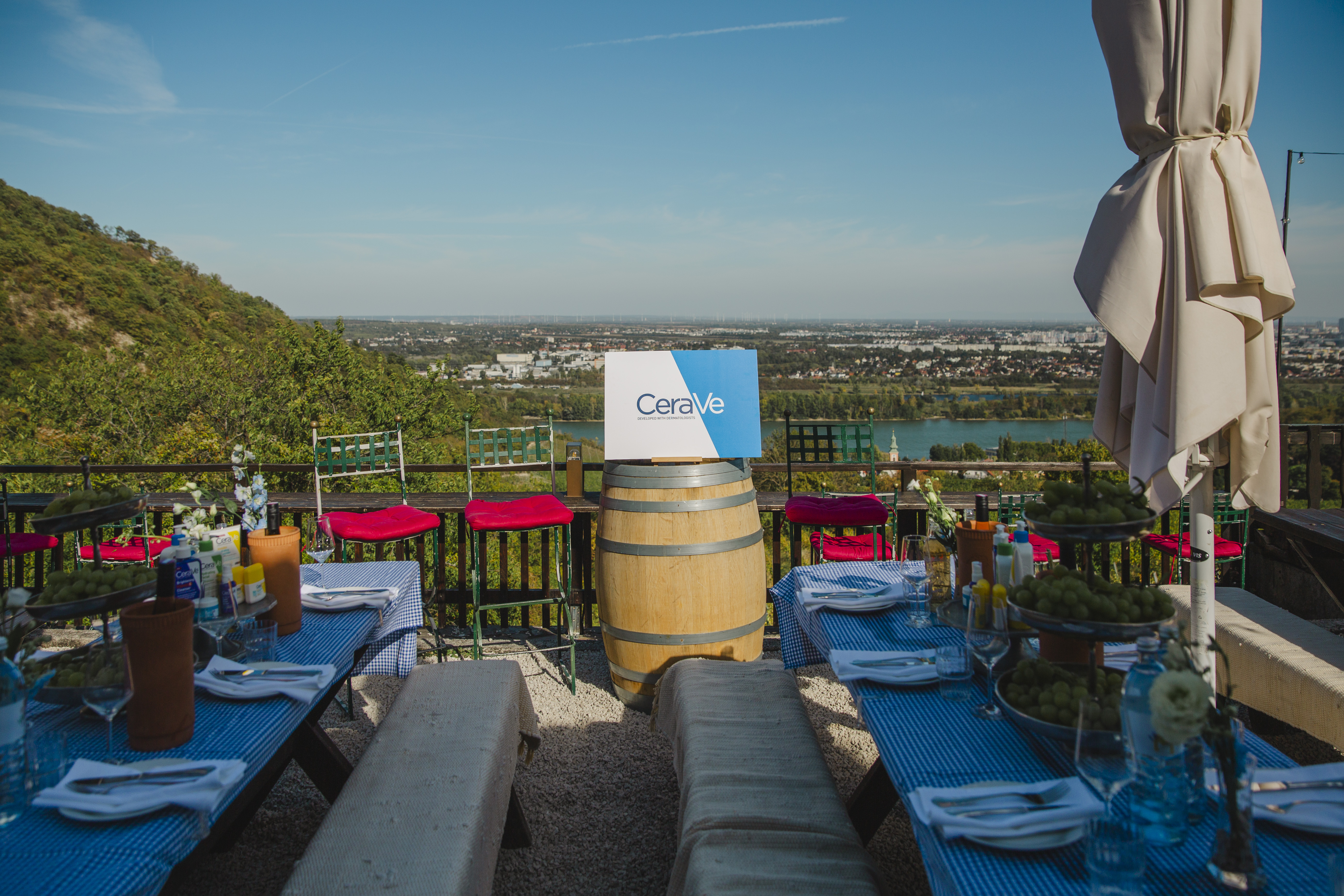
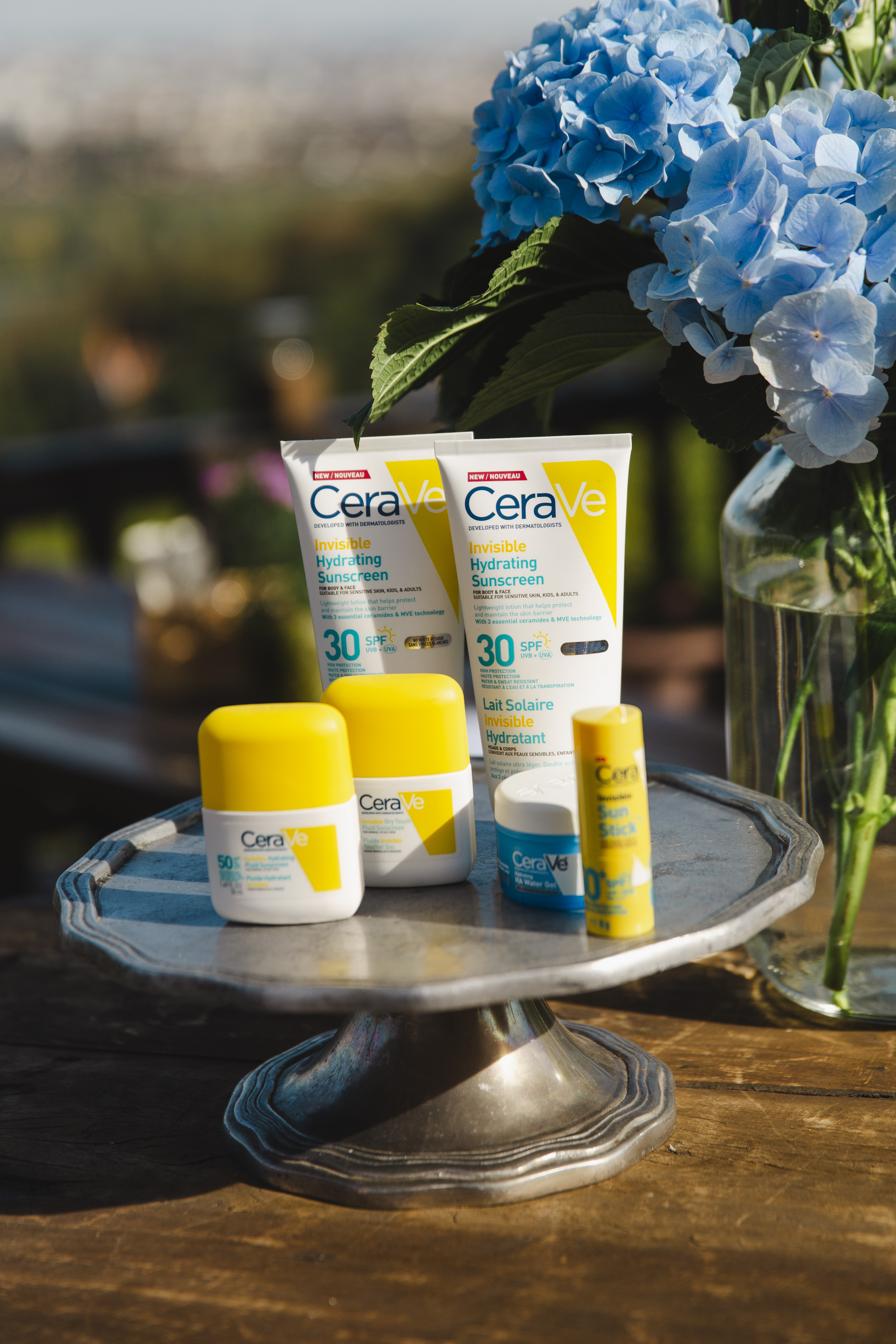
At the heart of CeraVe’s philosophy is the belief that good skincare should be backed by good science. Its product-development process begins with identifying a genuine consumer or skin-health need, before ingredients and formulations are selected, evaluated and refined.
Crucially, the brand looks at the complete formulation, rather than treating individual ingredients as isolated heroes. Safety, efficacy, tolerability and suitability are considered throughout development, supported by scientific and medical input, product-evaluation testing and regulatory review.
It is a less glamorous side of beauty.
It is also the side that matters.
Beauty has become exceptionally good at making science look seductive. CeraVe’s approach is interesting because it goes one step further: making the science understandable enough to become useful.
That philosophy was embedded in every part of the Vienna experience.
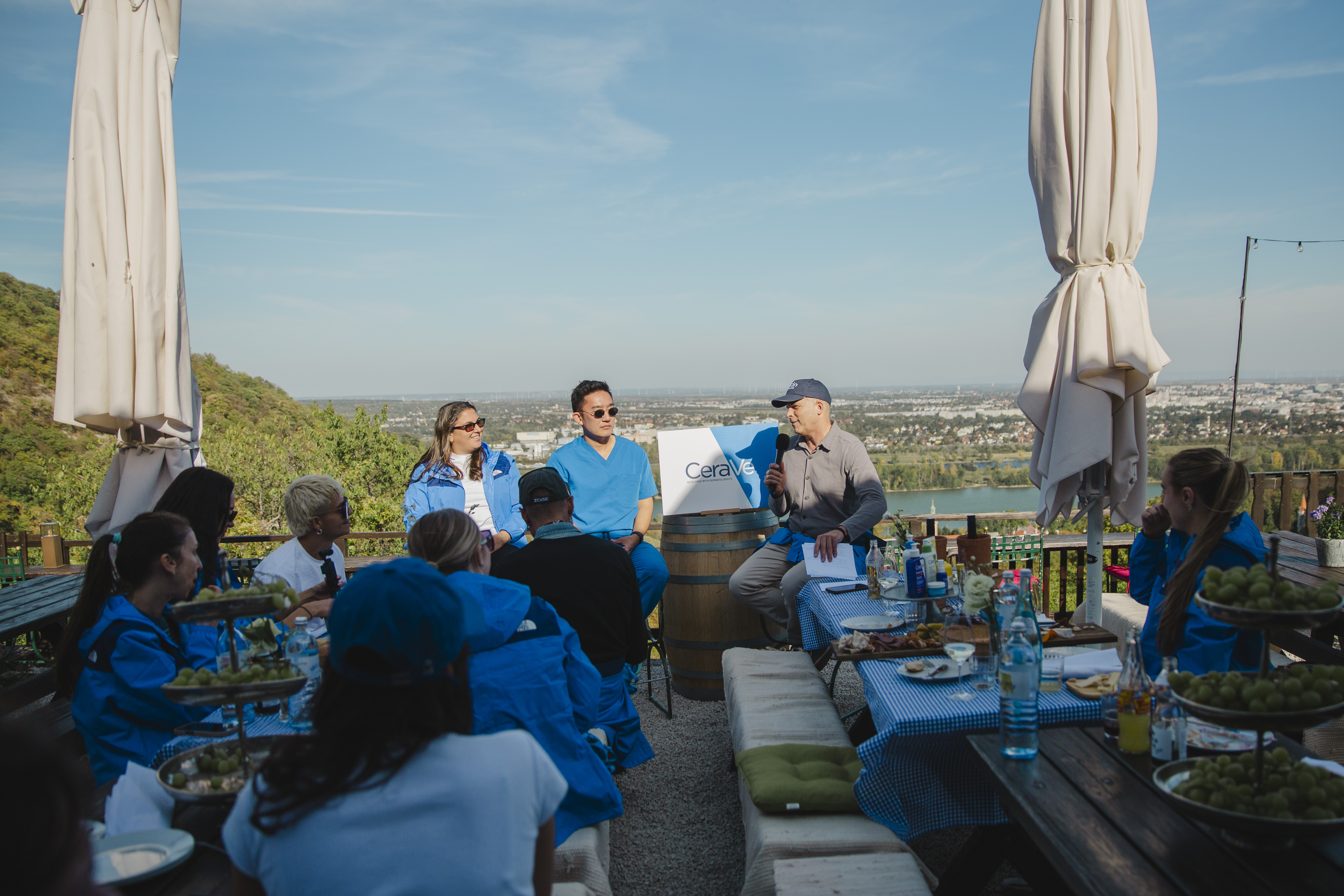
The countryside walk gave the skin barrier a physical context. The fireside conversation brought dermatology and science into a more human space. The research gave the conversation scale.
And the result was a different way of thinking about skincare.
Not as armour against the world.
Not as a constant attempt to correct ourselves.
But as a relationship between our skin and everything around us.
Pressure, after all, is rarely one single thing.
It can be a heatwave followed by an air-conditioned room. A freezing morning followed by an overheated train. The dry air of an aircraft cabin. Pollution on a city street. A sudden change in weather. A summer spent under the sun. A winter spent indoors.
Our skin does not need to understand where the pressure comes from.
It simply responds to it.
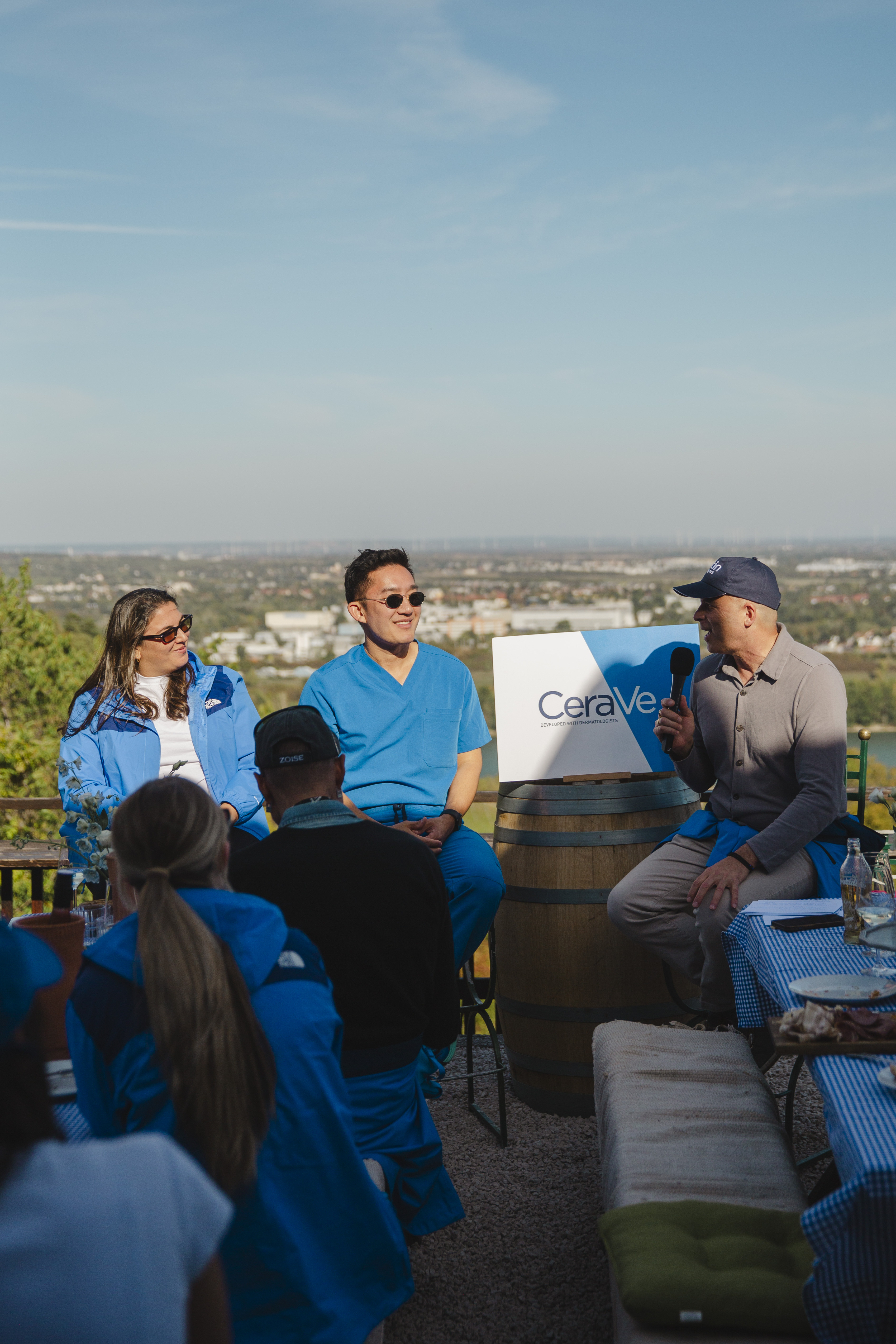
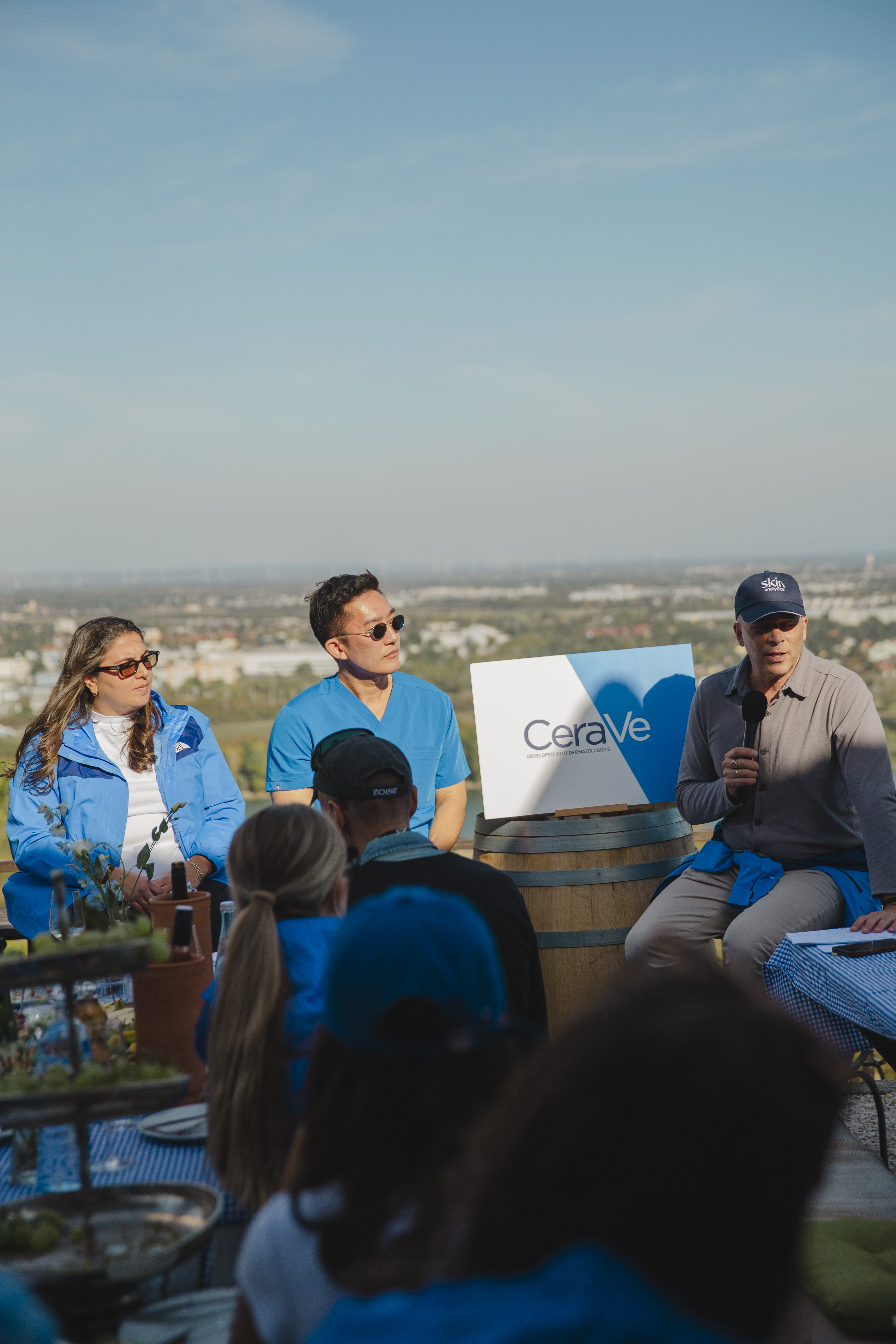
Back in Vienna, that idea came together during the fireside discussion featuring Dr. Andrew Park, board-certified dermatologist, alongside Nada Baalbaki, Global AVP of Scientific Direction and Communications at CeraVe, moderated by Gene Colón, Global SVP Medical Relations and Communications.
Listening to dermatology, science and brand strategy converge around something as small as the skin barrier felt unexpectedly expansive.
Because the barrier itself is microscopic.
The world acting on it is not.
We live in an environment that is increasingly difficult to ignore. Climate shifts. Air pollution. Extreme temperatures. Constant travel. Artificial environments. A beauty culture that asks us to understand hundreds of ingredients before breakfast.
Against all of that noise, CeraVe’s message is almost disarmingly straightforward:
Understand your skin.
Understand its barrier.
Give it what it needs.
There is something very contemporary about that simplicity.
It does not promise to stop the world from touching your skin. It simply recognizes that the world will keep touching it; and that the better we understand the skin barrier, the better equipped we are to take care of it.
Which brings us back to where we started.
How much of the world do we carry on our skin?
In Vienna, the answer stopped feeling like a metaphor.
Our skin is where the world meets us.
And perhaps the most modern thing we can do is learn how to listen when it speaks.
Below, our conversation with Dr. Andrew Park goes deeper into the science of the skin barrier, environmental stressors and what our skin may be trying to tell us.
Video Editor: Giulia Calbi