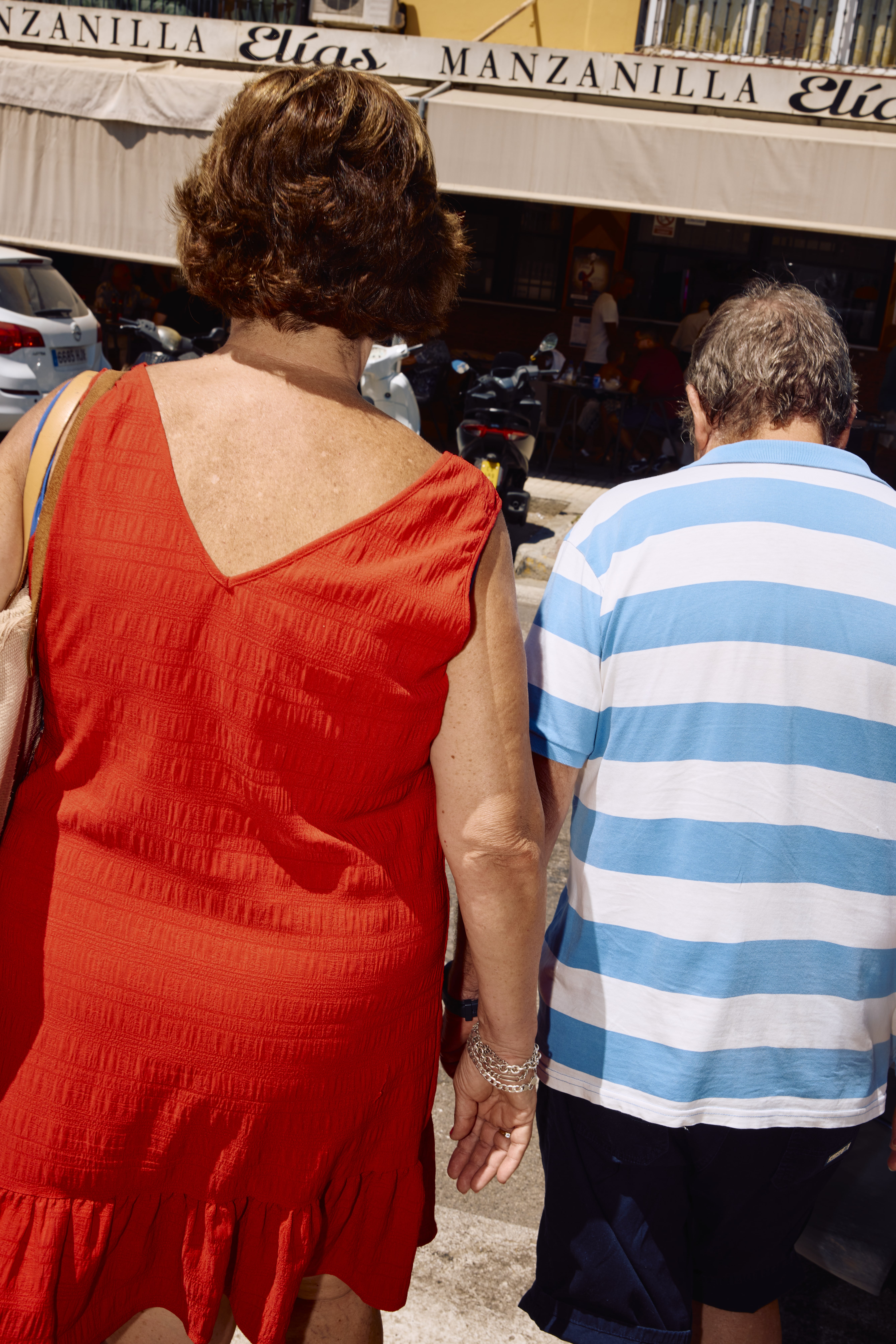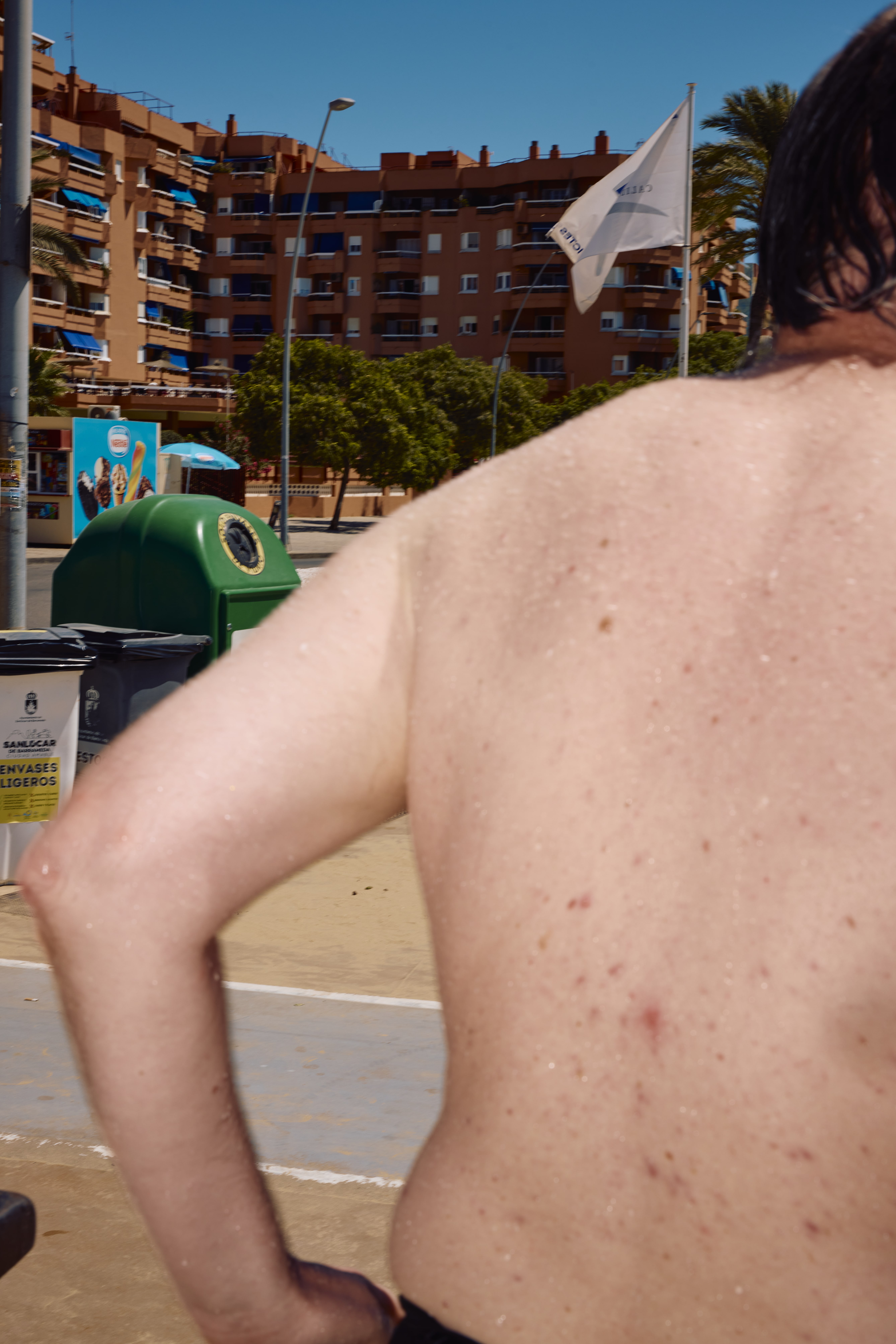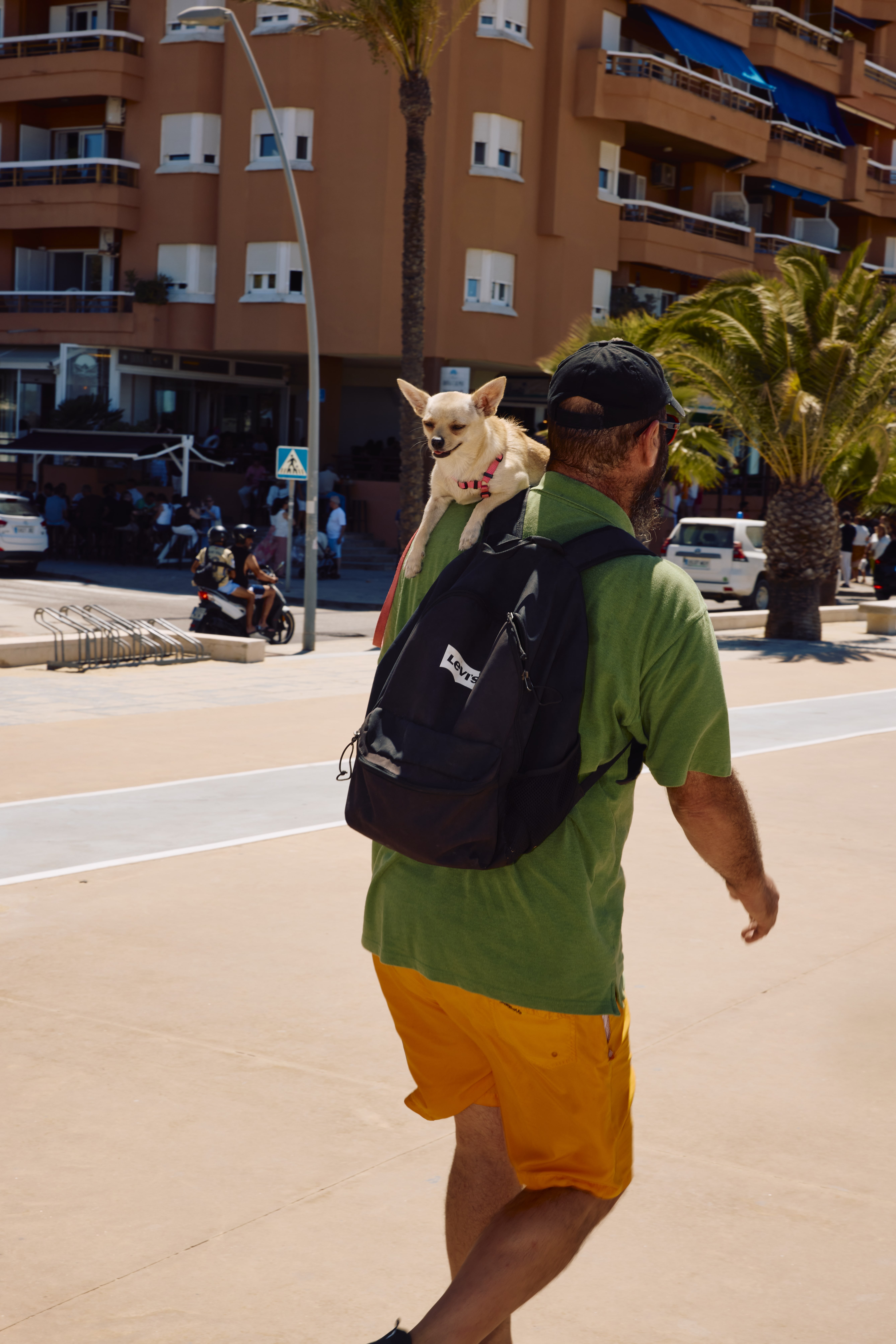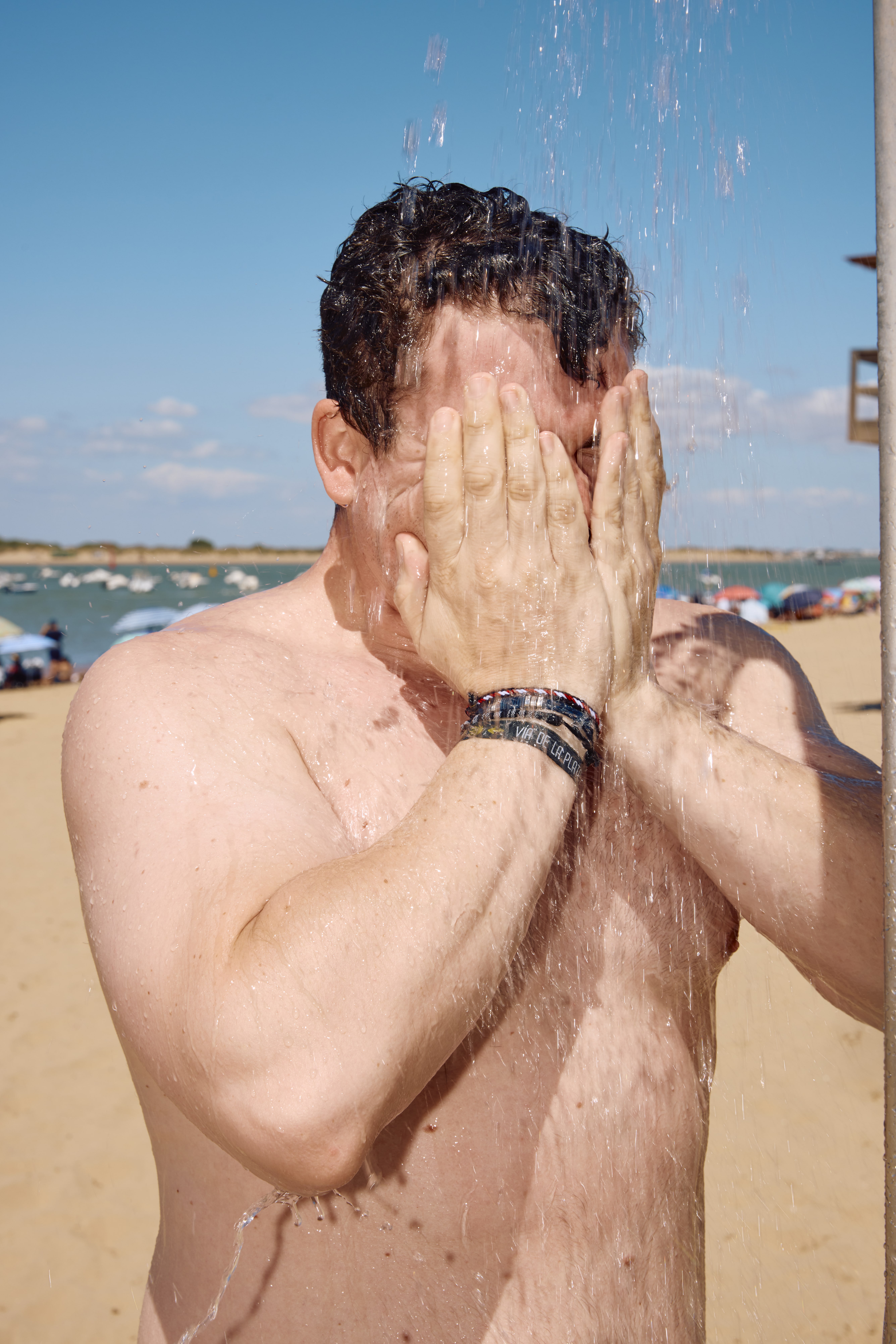
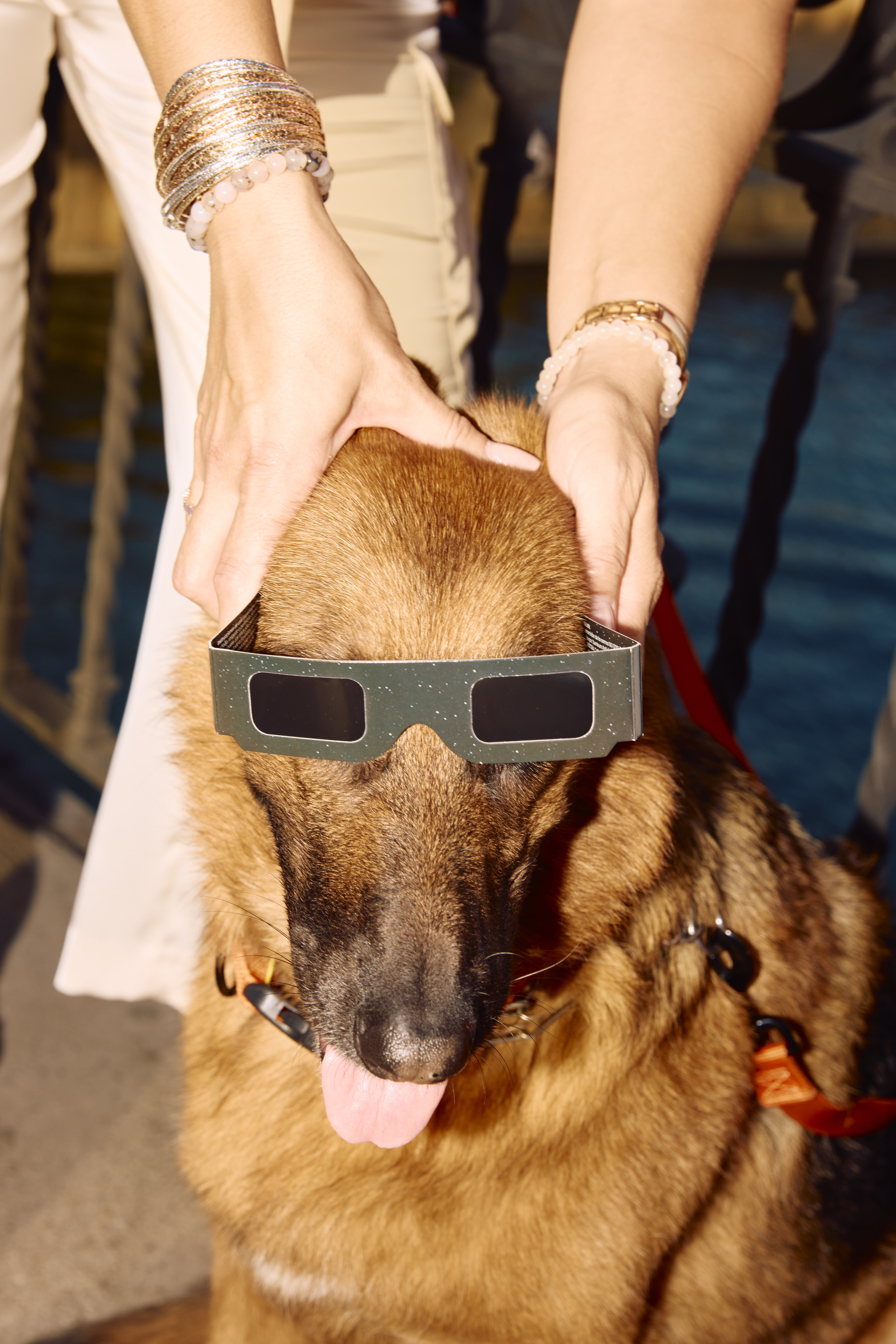
Summer is usually sold to us as a perfect memory before it has even happened. Blue skies, beautiful bodies, long afternoons, the promise that time has temporarily stopped. But photographs know better.
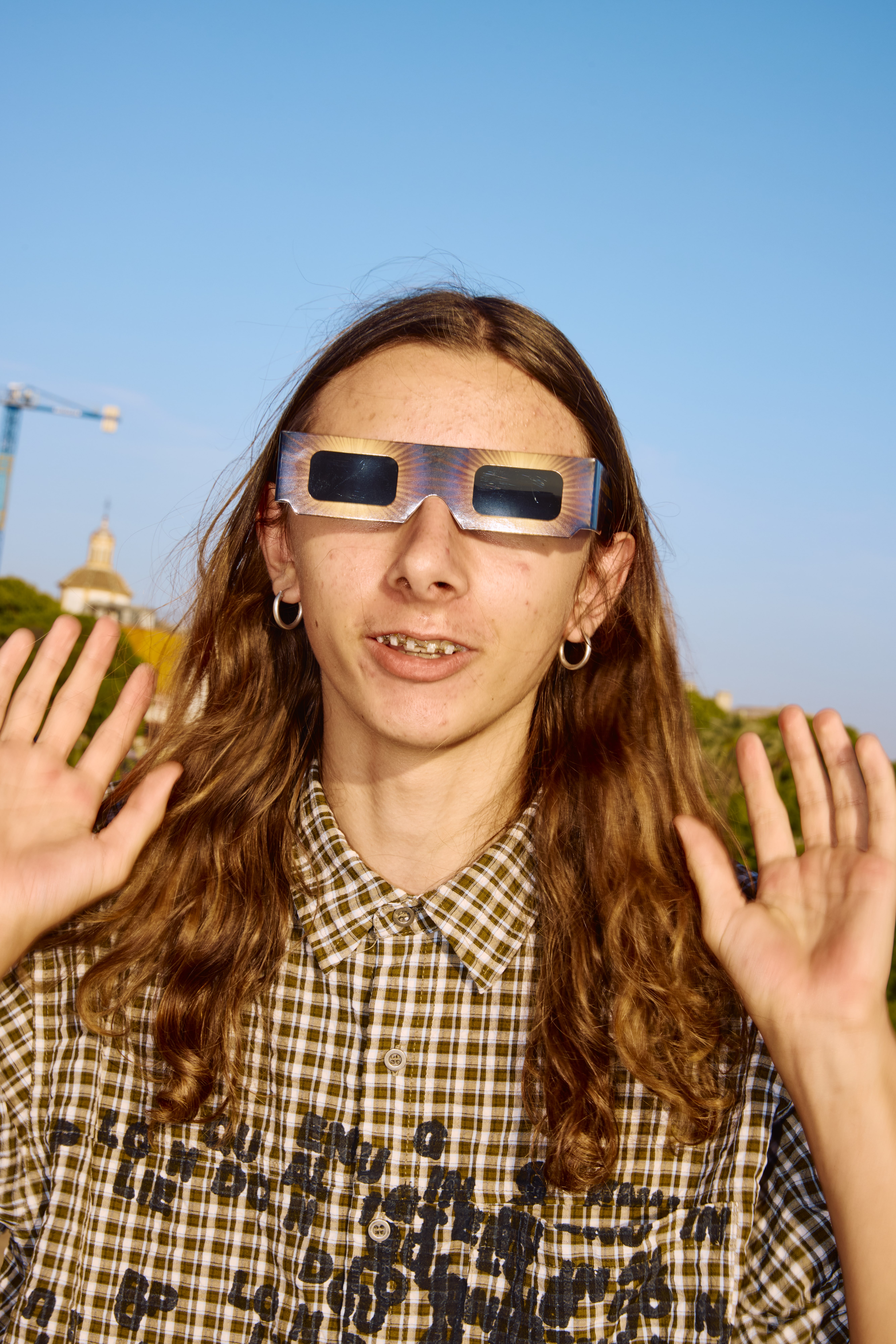
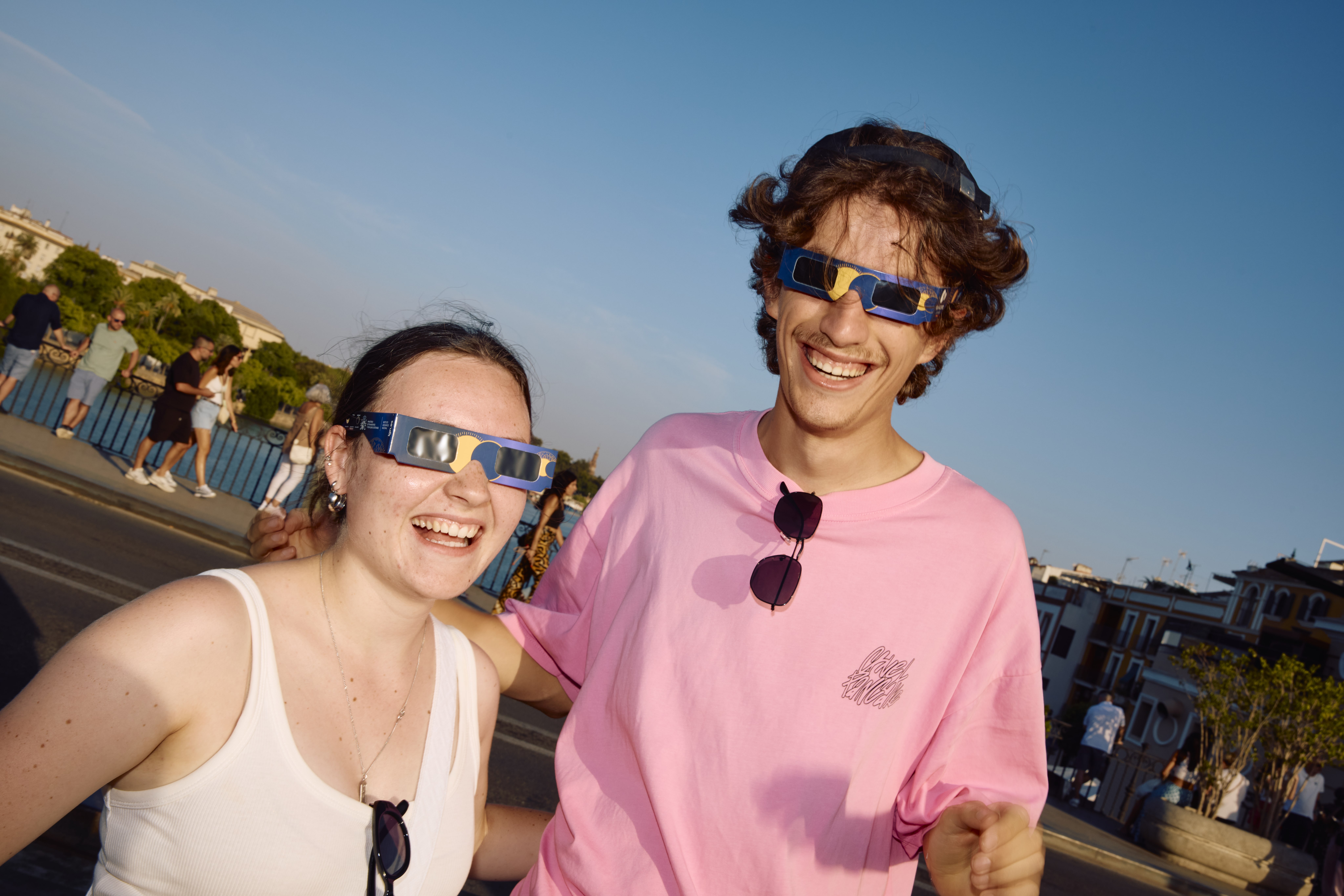
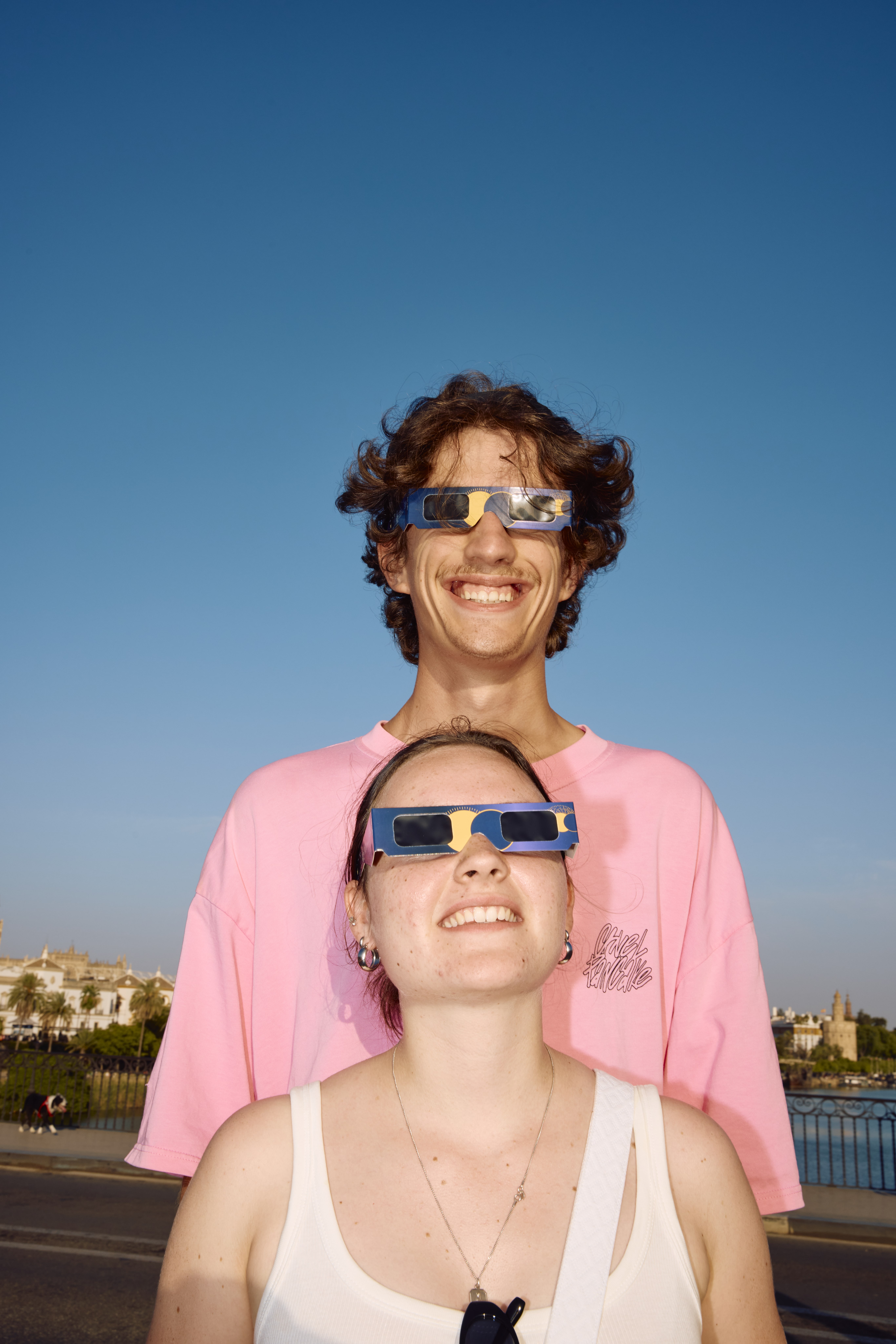
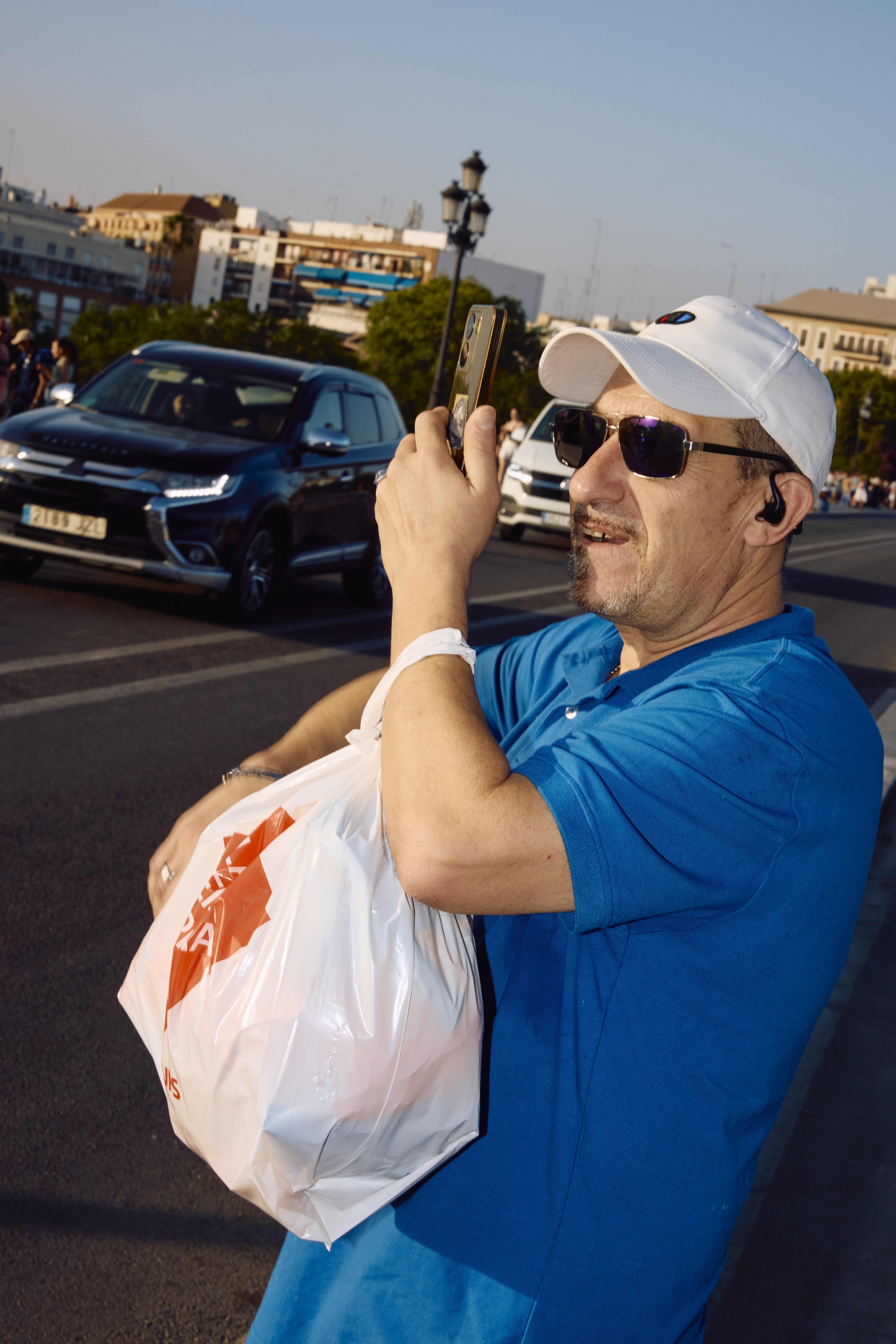
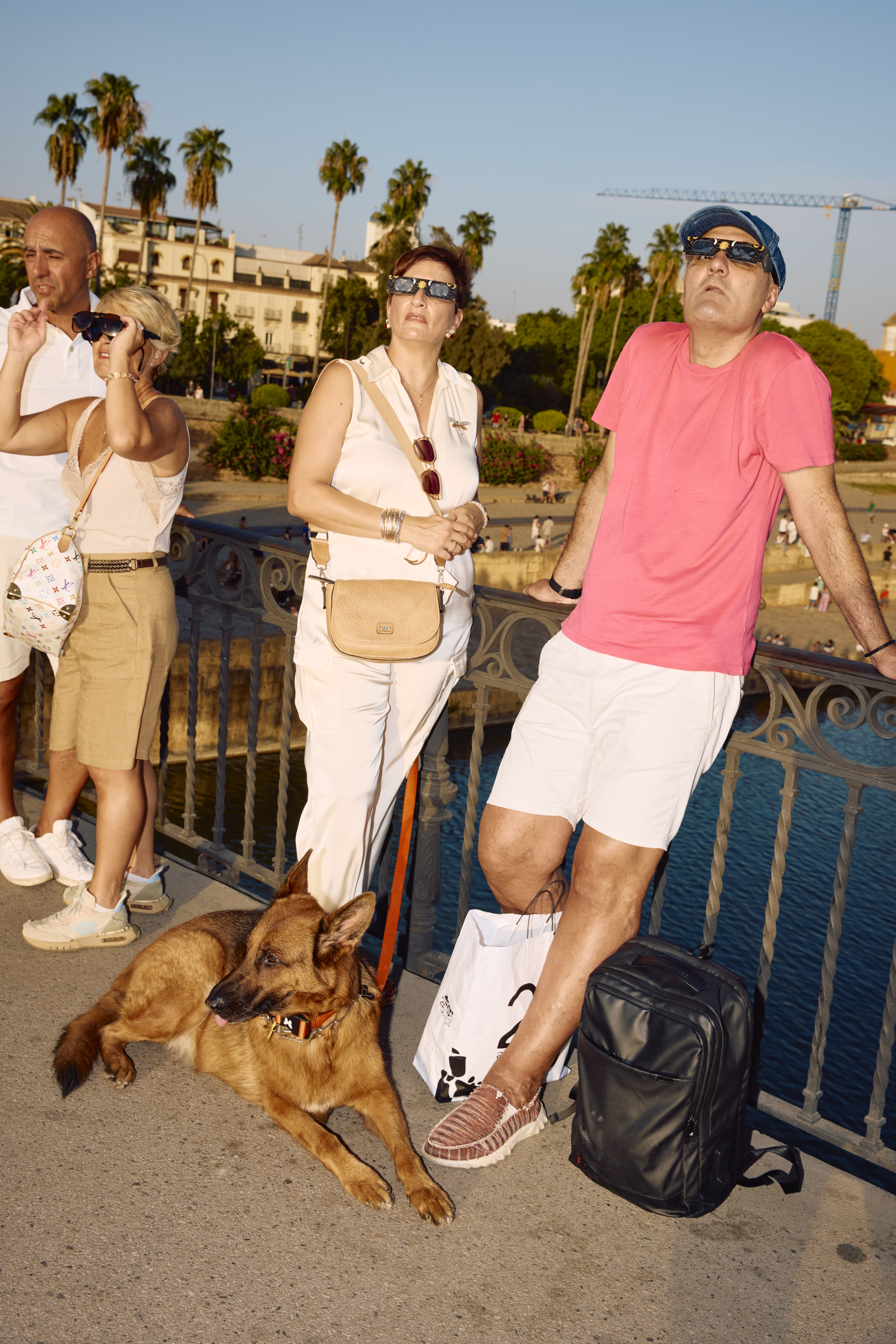
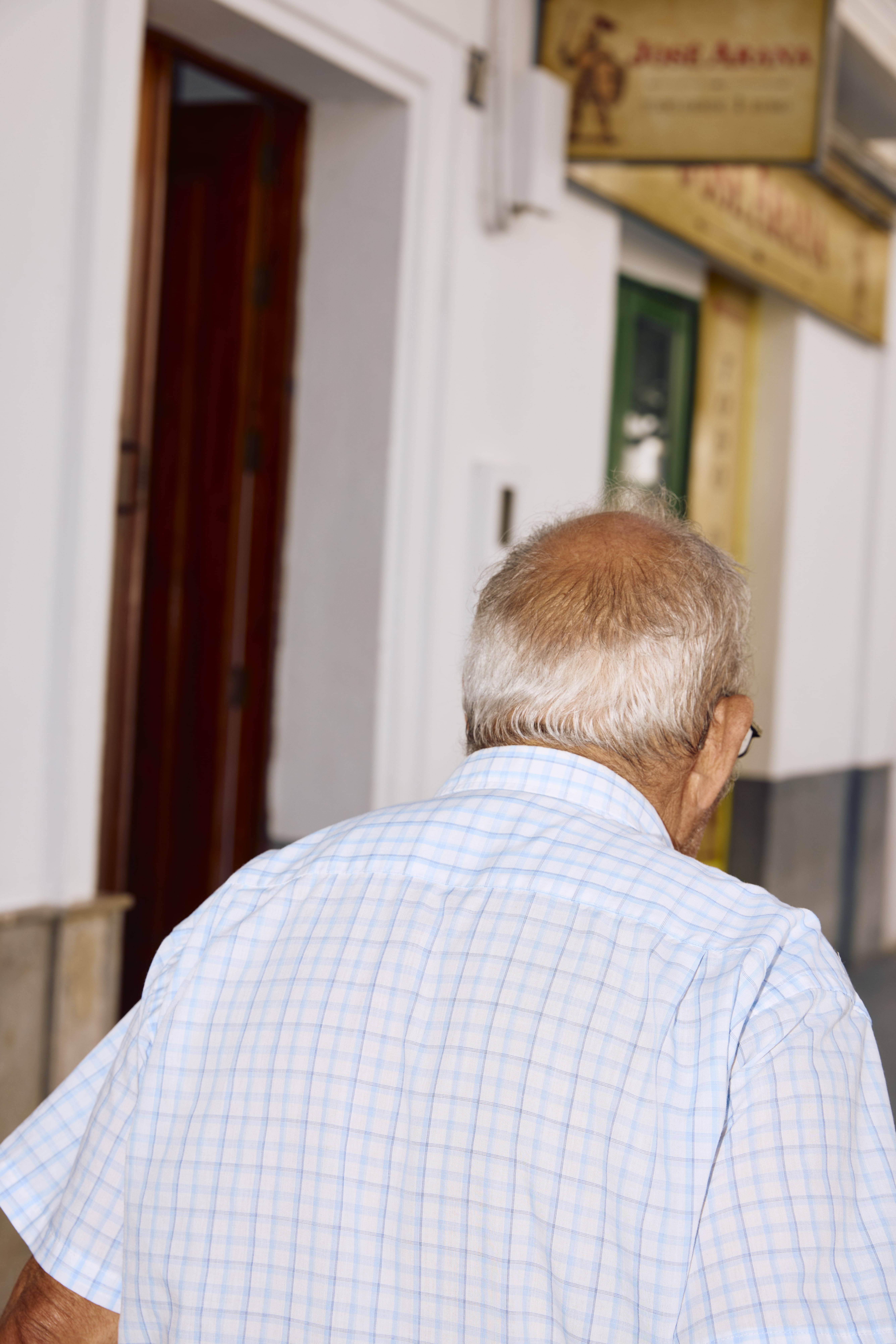
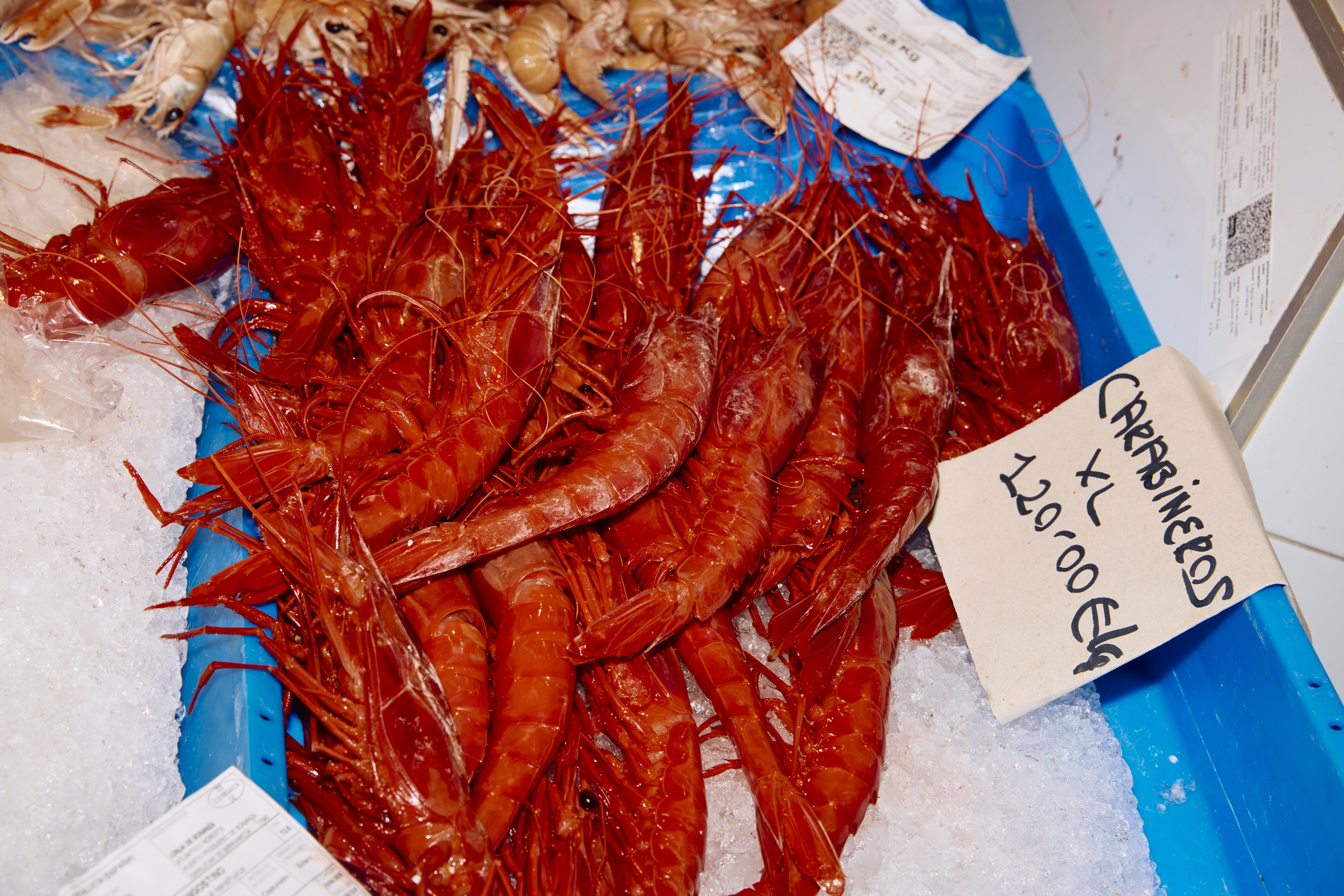
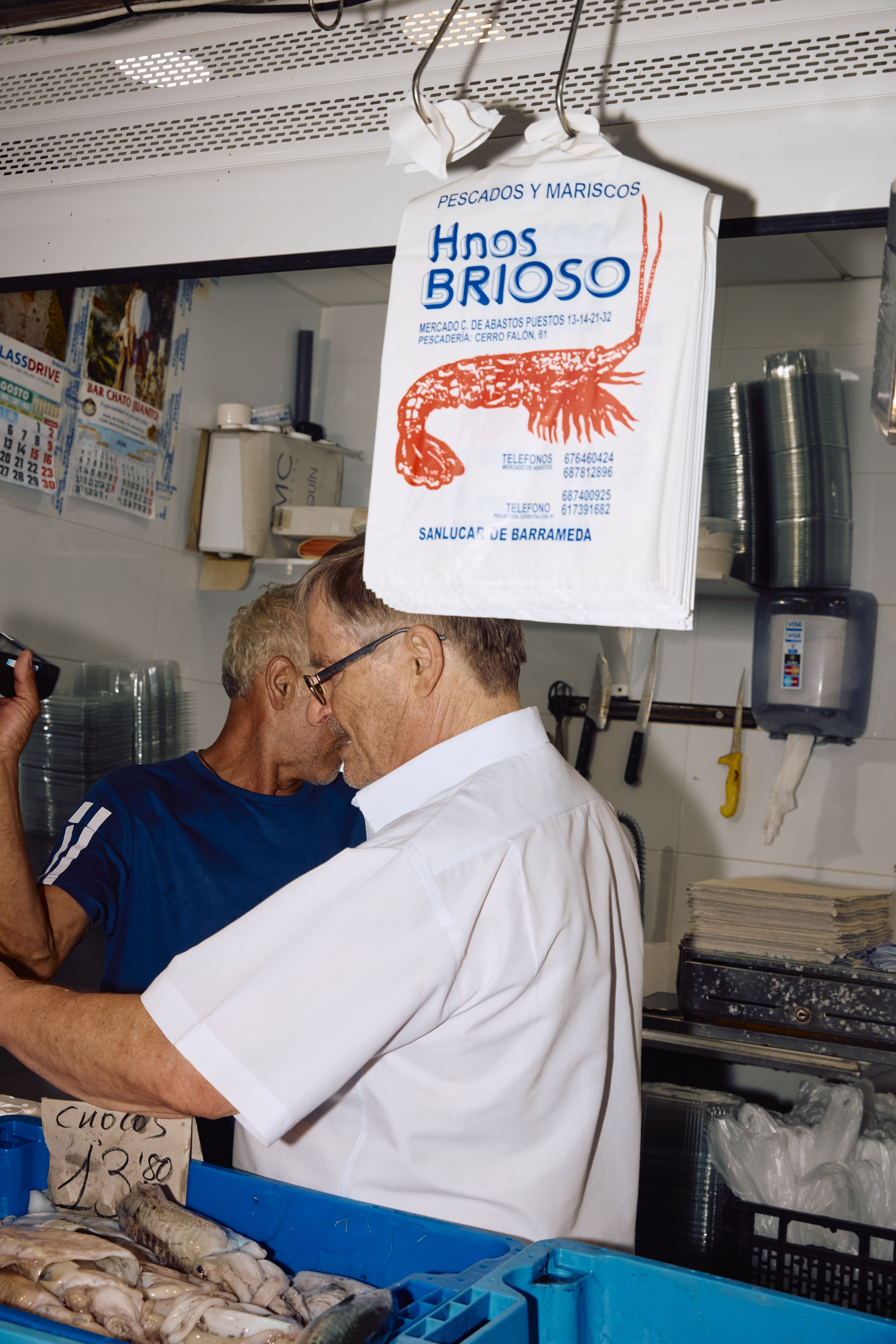
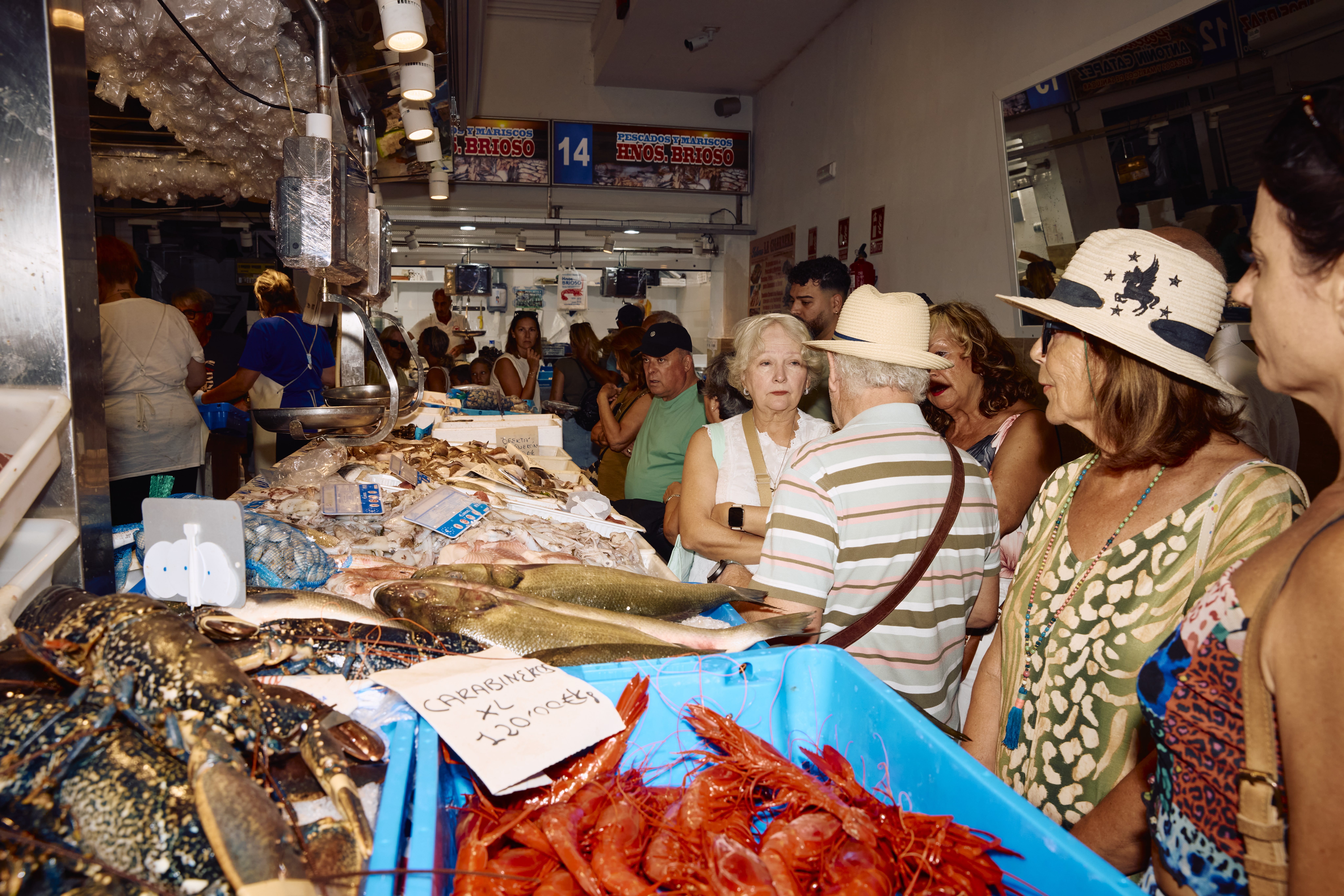
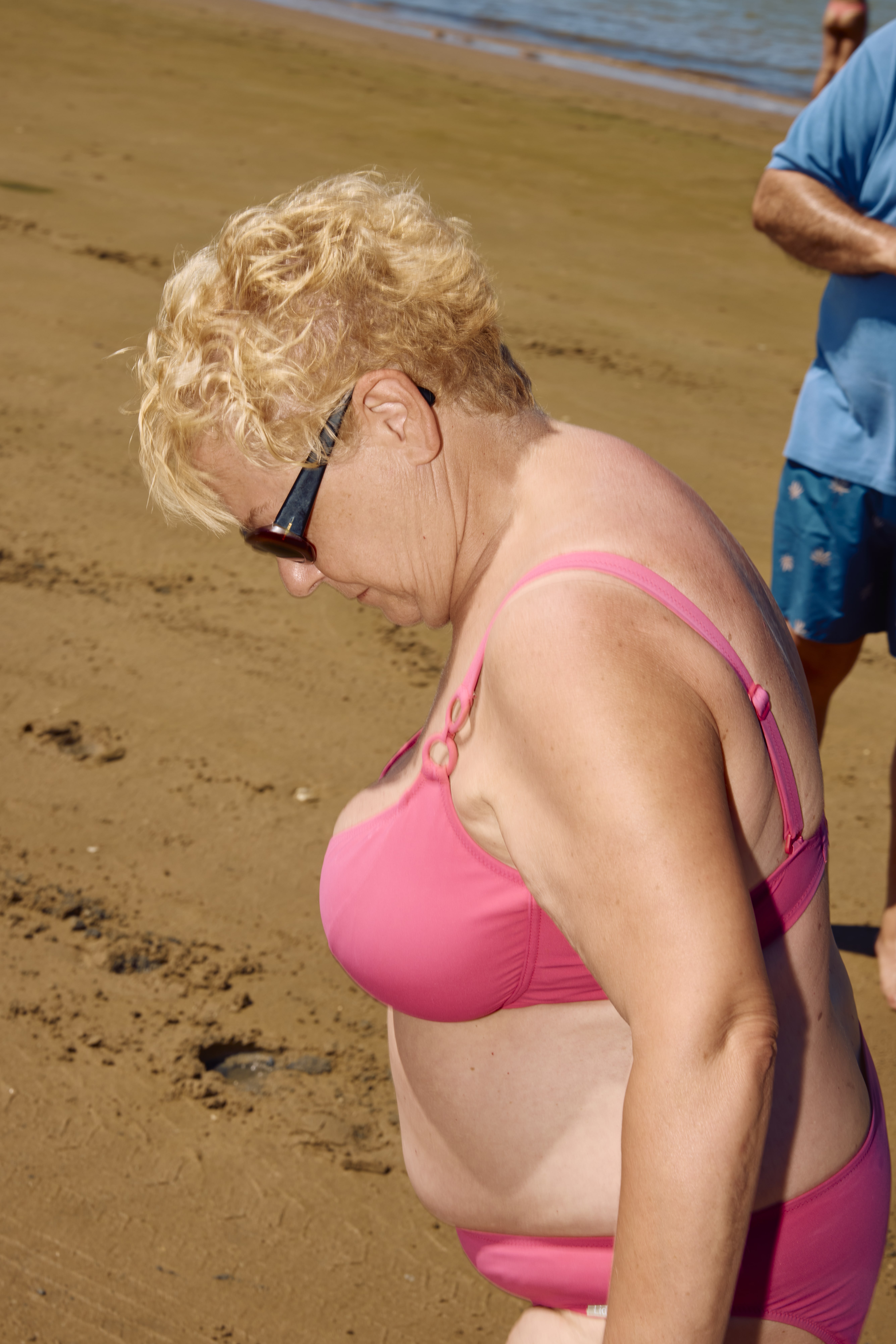
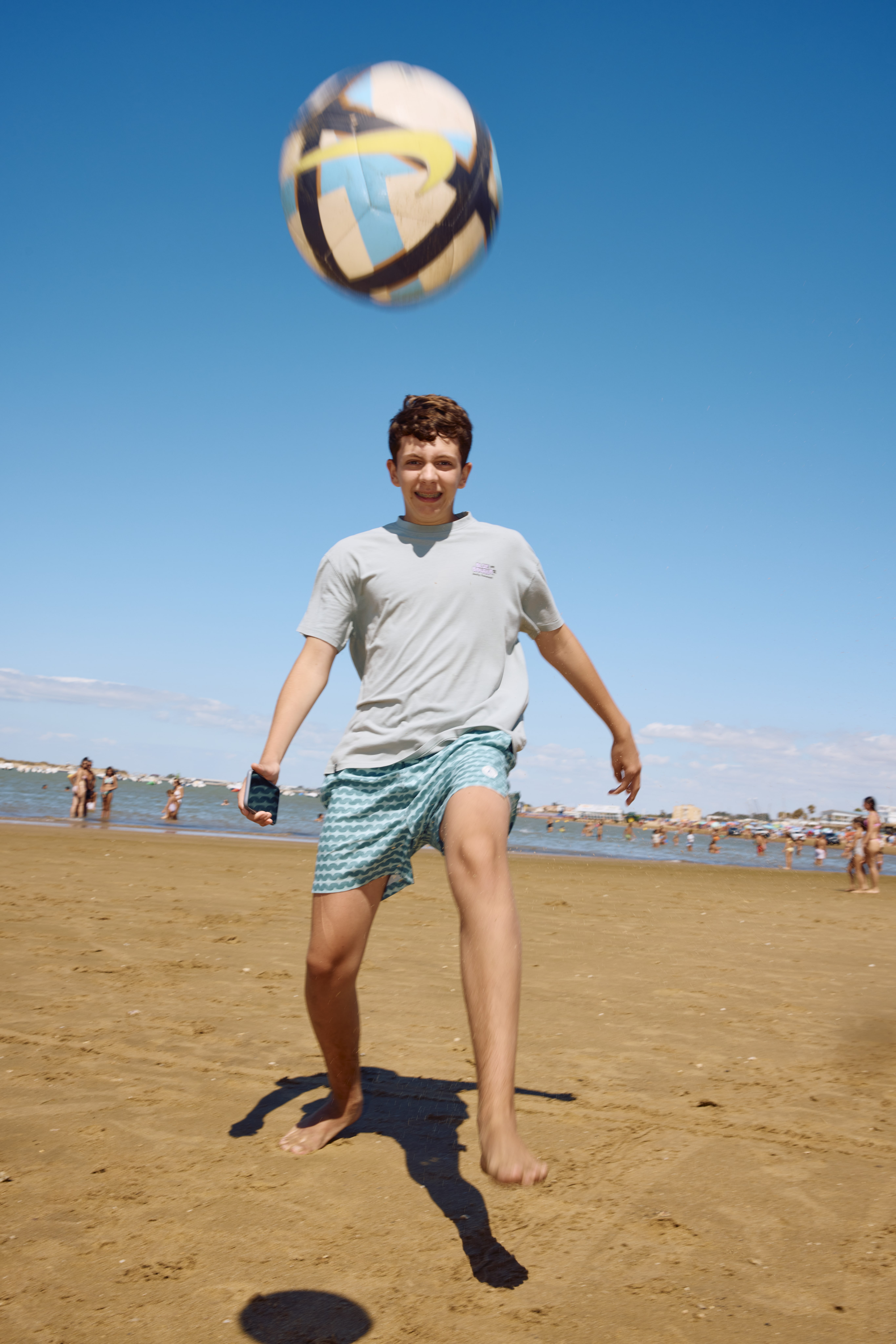
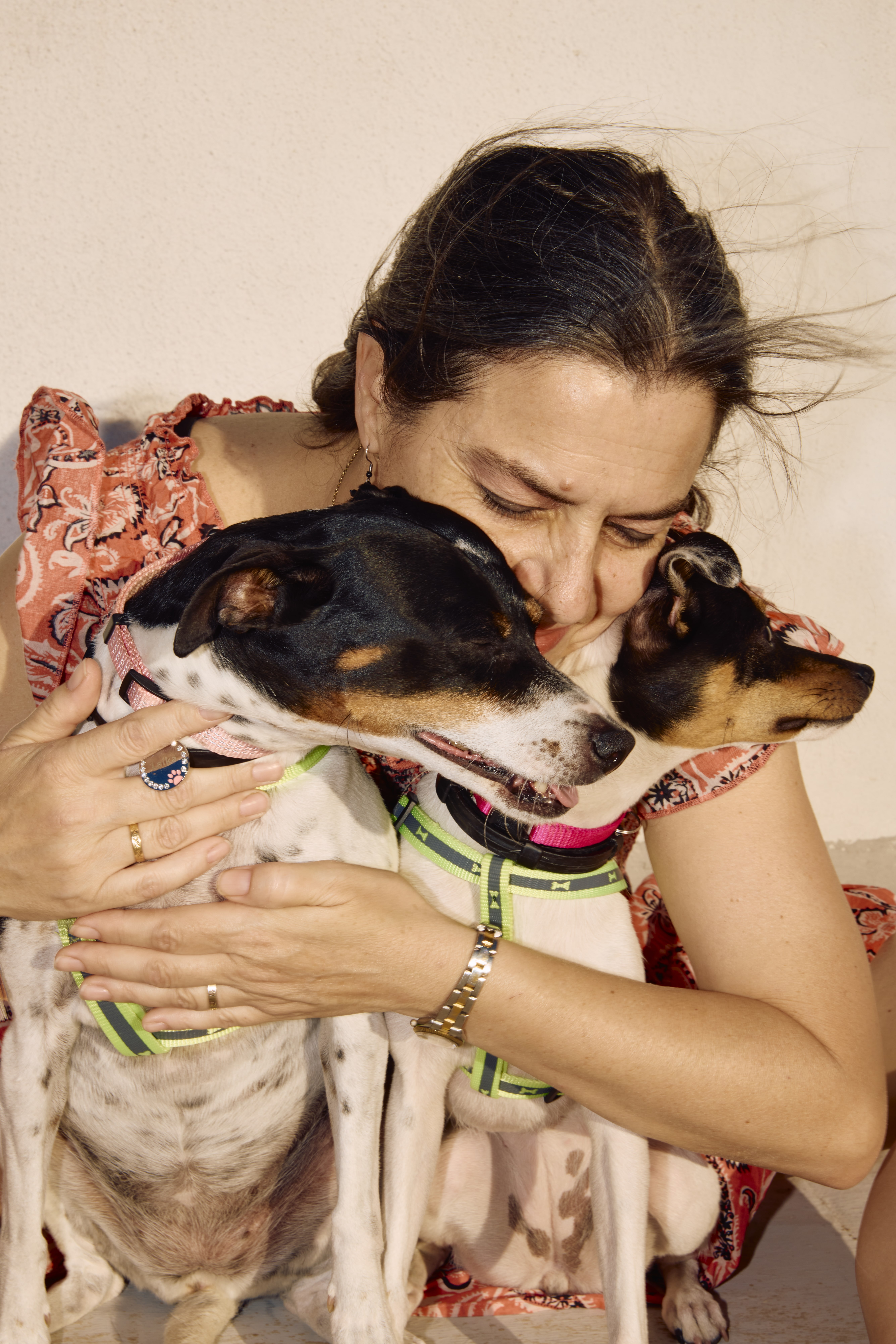
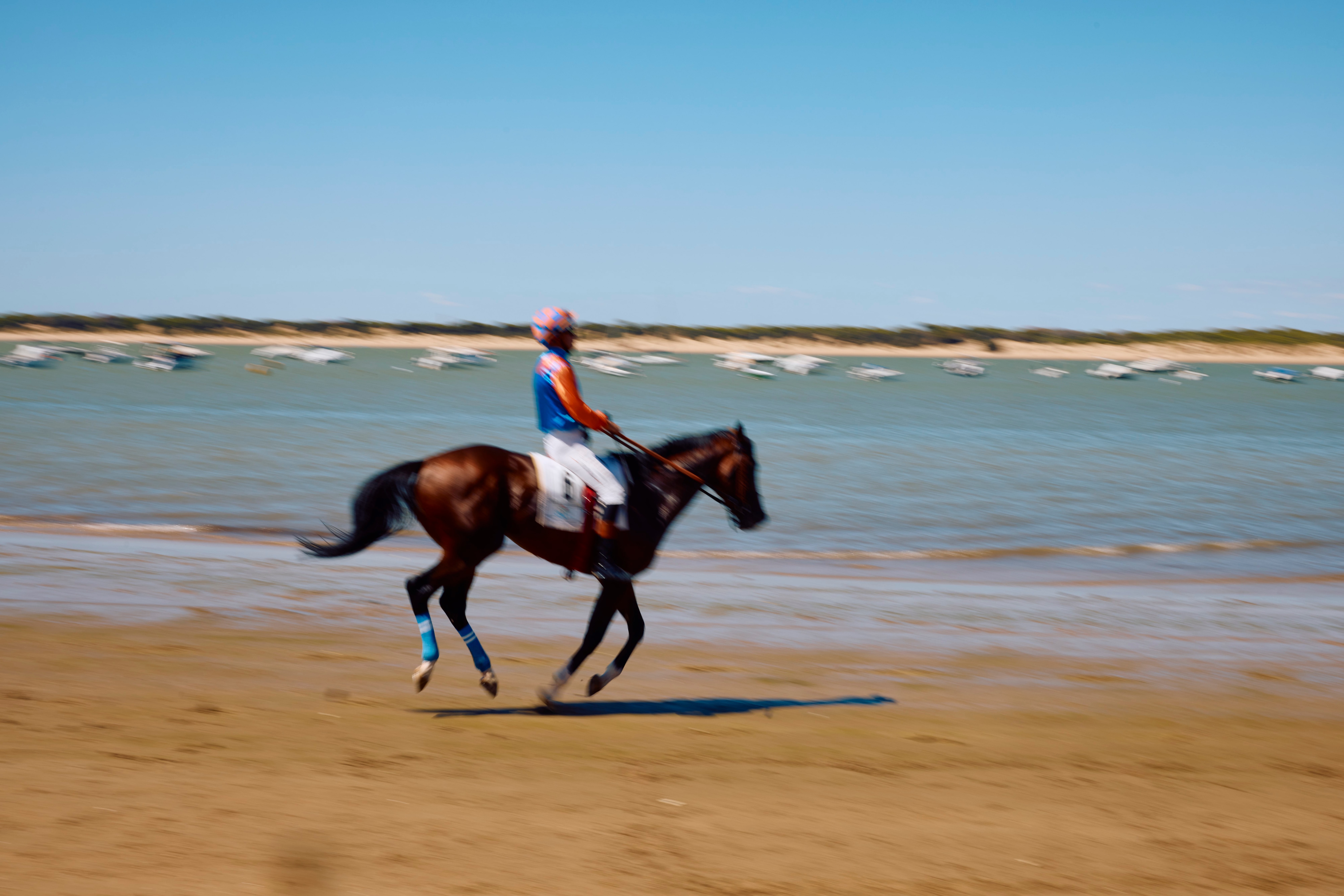
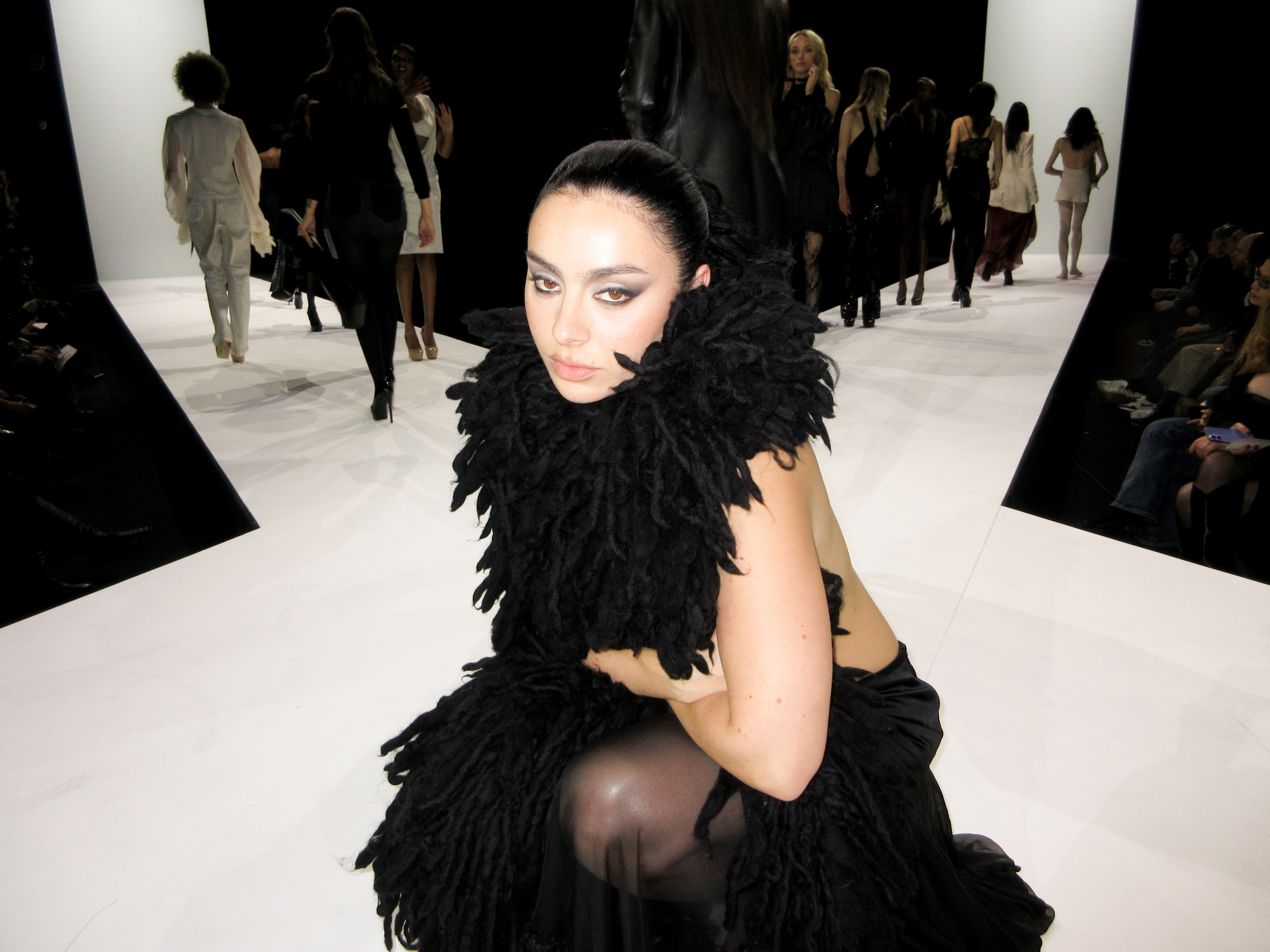
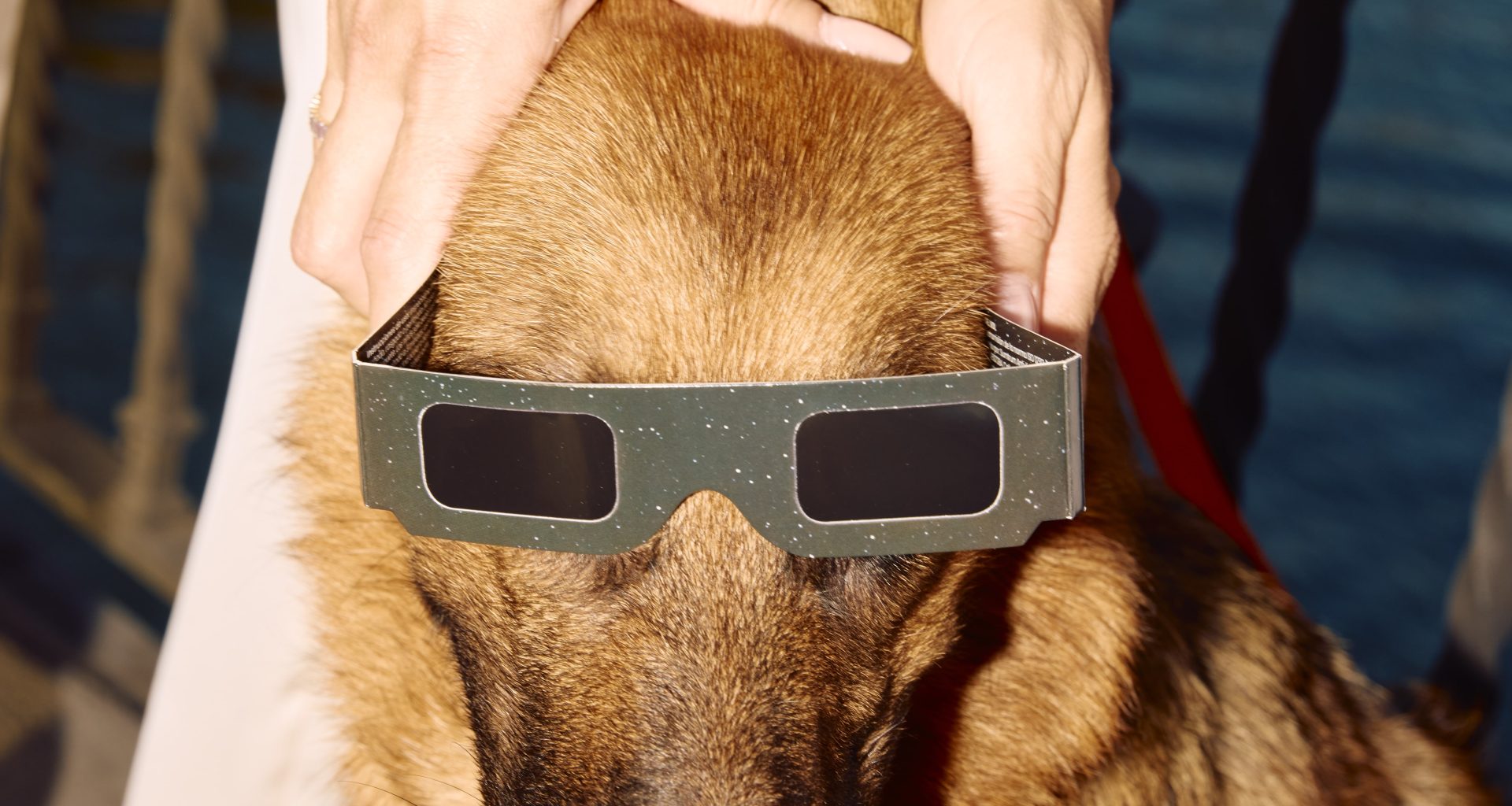
They catch the strange details: a dog staring at the camera, a horse running through dust, an eclipse, a stranger caught mid-gesture, a landscape that suddenly feels almost unreal.
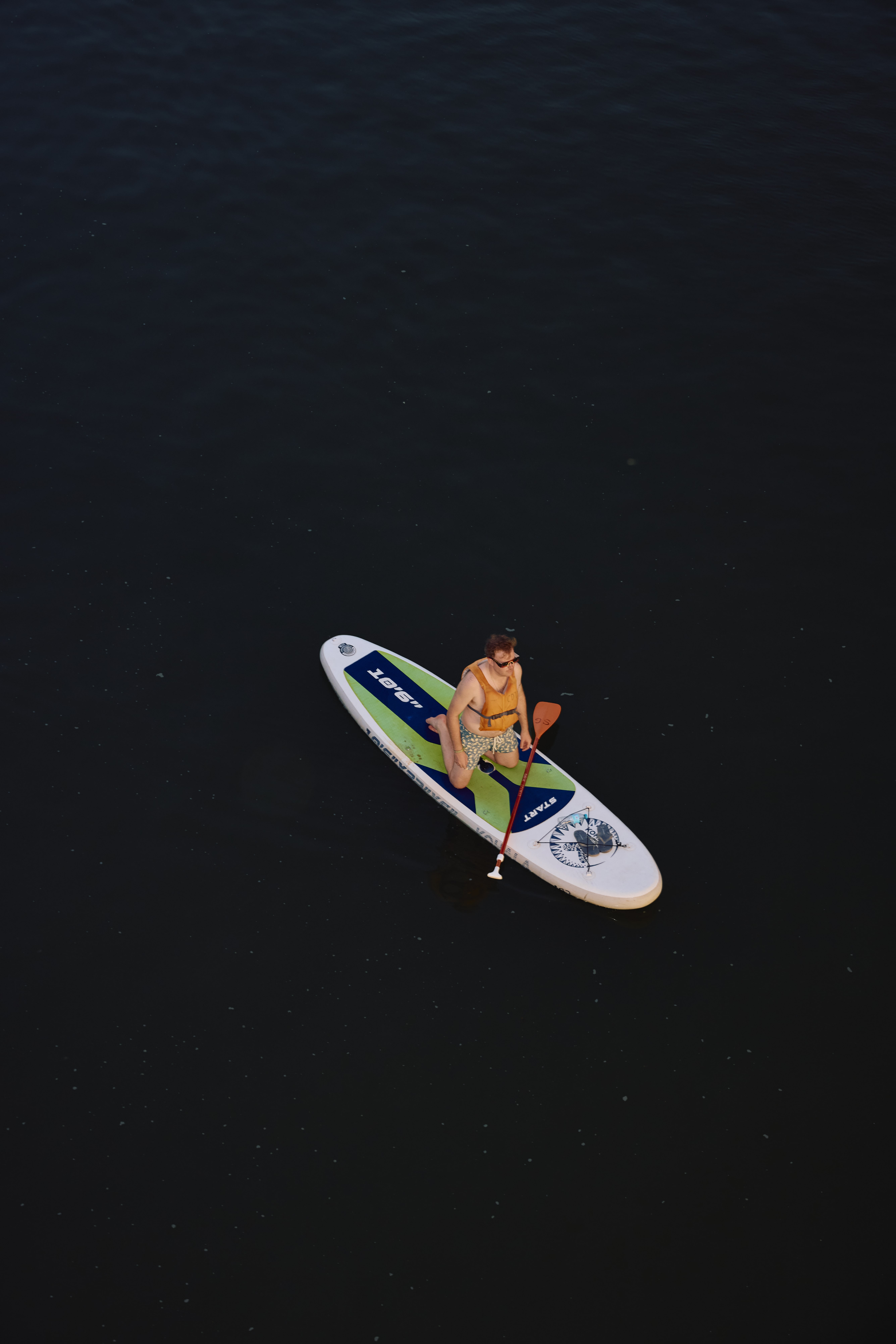
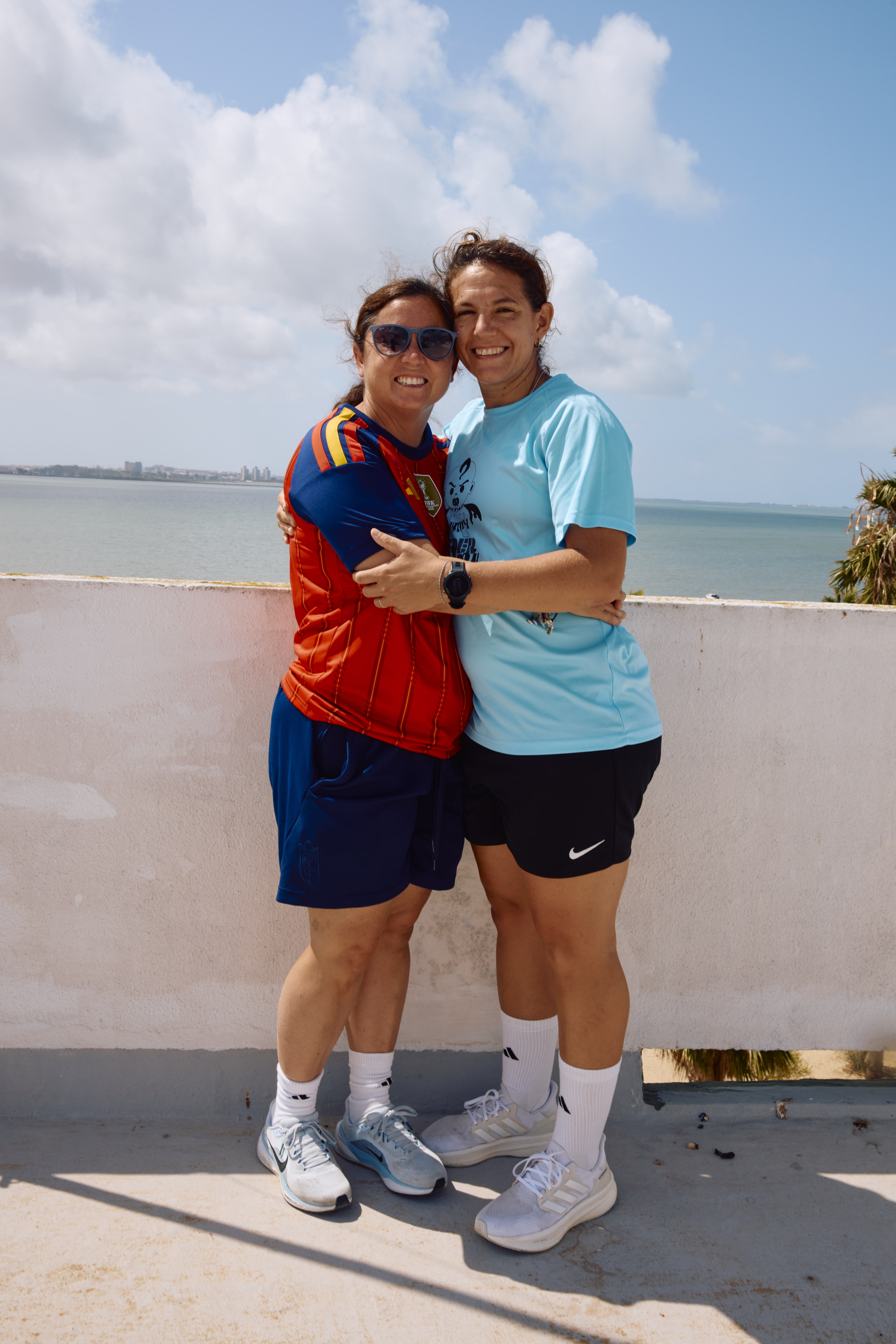
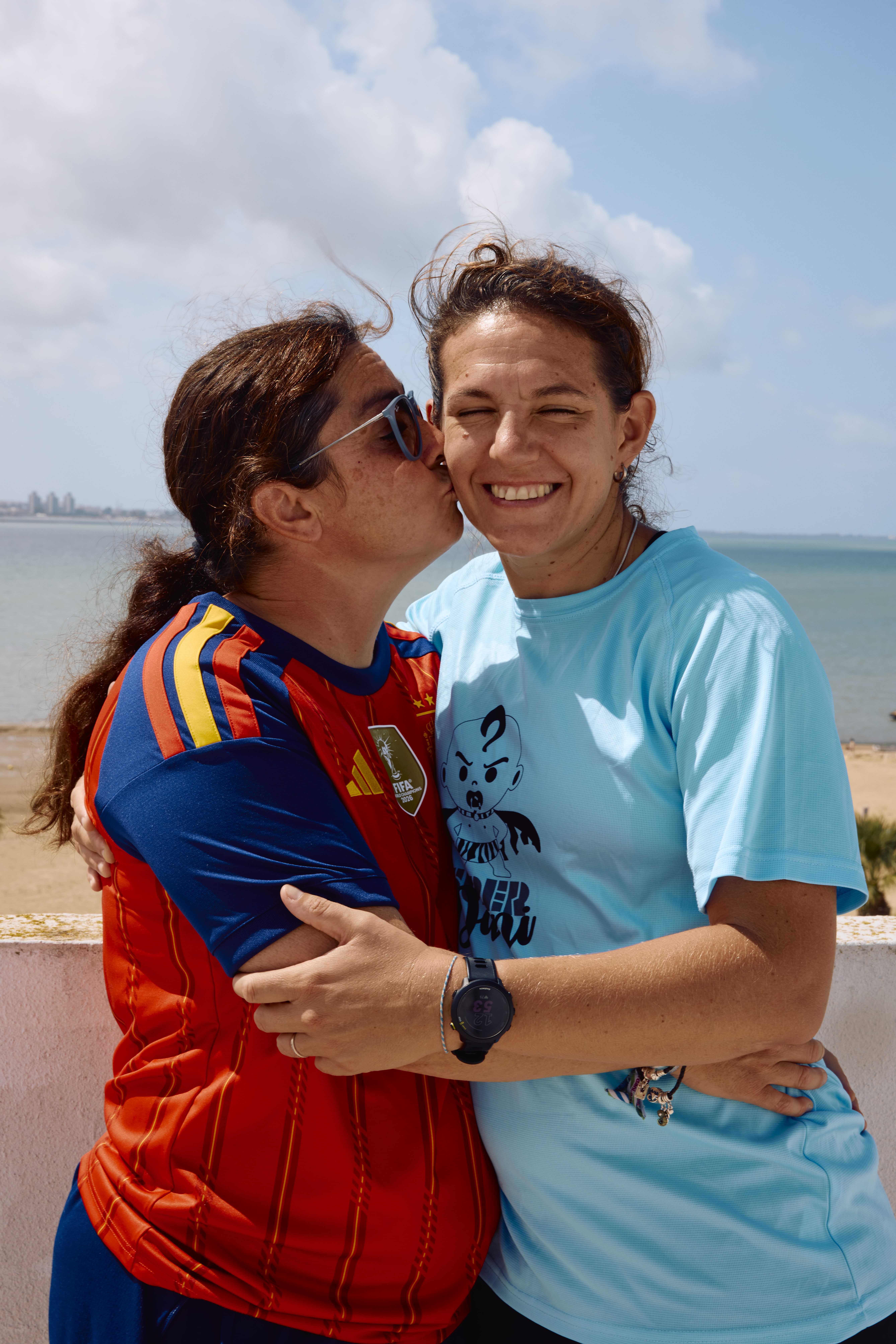
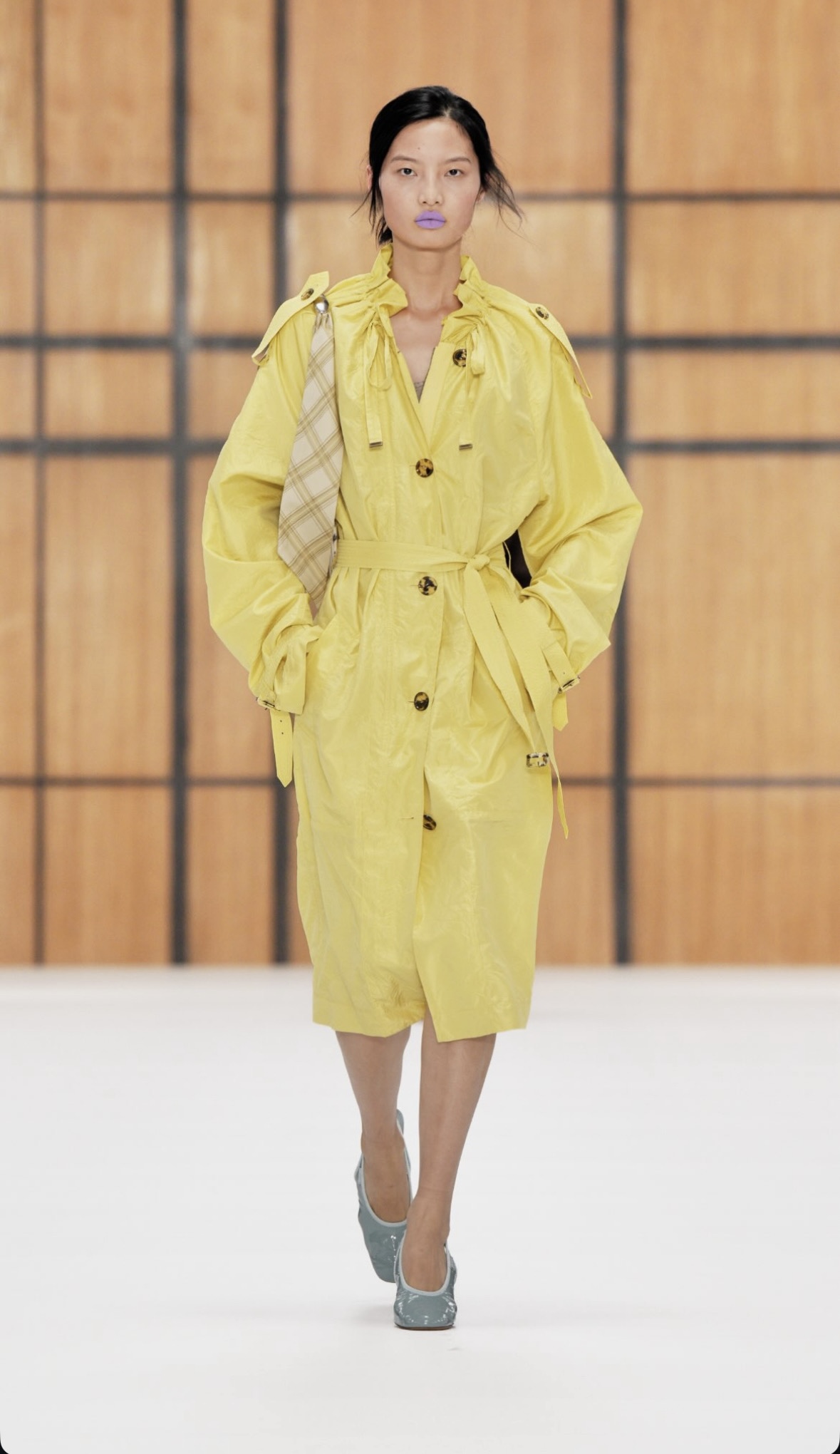
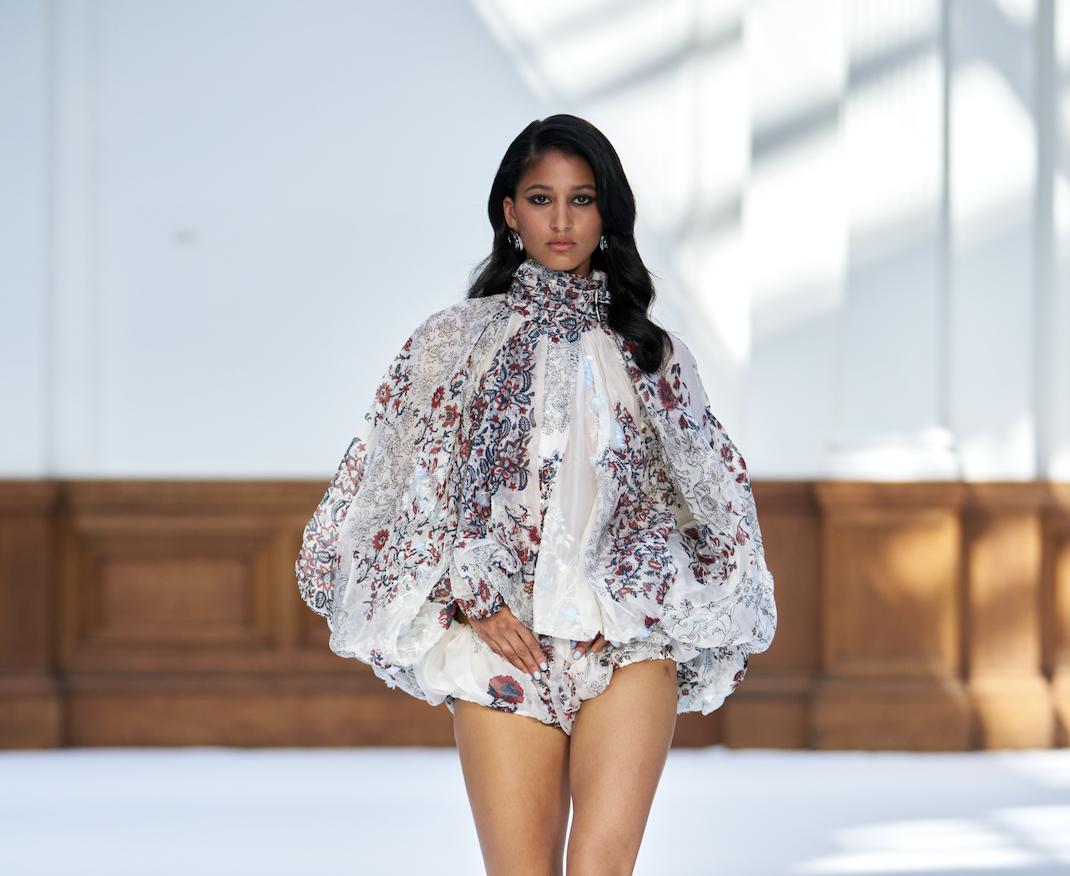
For Vanity Teen, Boyan Li turns summer into a collection of fragments, photographed across Andalucia and selected together with our Photo Editor Giulia Calbi.
The result is not a postcard of an ideal summer, but something much more alive: ironic, spontaneous, inclusive and deliberately imperfect.
Published on the last day of summer, the series feels like a box of postcards found years later; evidence of a season that was real precisely because it wasn’t perfect.
Summer has been photographed so many times that it has almost become a visual cliché. When you were photographing Andalucia, what made you want to look beyond the obvious postcard?
To be honest, I haven’t really thought about it that way before. People naturally associate it with things like “vacation” and “travel.” I love taking photos while traveling because there’s a built-in time limit to your attention. Everything you capture naturally takes on the feel of a “souvenir,” which actually sharpens my curiosity about the most ordinary, mundane details.
To me, life in the summer always carries a bit of a performative quality. I’d describe myself as a mild skeptic, I’m not particularly drawn to overly romanticized images. Instead, I prefer finding common human threads in everyday life. That creates a strange, beautiful paradox with traditional travel photography: I’m capturing a performative slice of daily existence that is ultimately bound to become a souvenir.
There is a dog, a horse race, an eclipse, landscapes and completely unplanned human moments in this series. Some images are funny, others almost cinematic. How important is humour to the way you see the world through a camera?
To me, humor isn’t really about making people laugh—it’s about uncovering the absurdity hidden within what seems completely normal. I’m always drawn to those paradoxes. It’s hard to pin down just how important humor is to my photography because it happens almost instinctively. But it keeps me honest behind the lens.
It forces me to strip away any romanticized illusions, get back to the essence of a moment, looking at everything with a playful, non-judgmental eye.
We deliberately selected images that feel like real fragments of life rather than perfectly constructed fashion photographs. What happens to an image when you allow reality to remain a little messy, awkward or unexpected?
“Perfection” is a performance, a collective lie we’re all aware of, yet endlessly happy to indulge in. But puncturing that lie is just as thrilling as creating it.
Today, any ordinary detail can be magnified into a “spectacle.” At the same time, something naturally monumental – like a solar eclipse – gets flattened by social media, stripping away both its scientific wonder and mystical aura until it becomes just another piece of disposable public entertainment. Guy Debord’s concept of human connection mediated by the “spectacle” is a dynamic I find endlessly intriguing.
To me, real life is made of those raw, warm, and deeply human moments; things we often label as awkward, strange, absurd, or even embarrassing. Instead of fearing the messiness, I think I should see it, embrace it, and of course, photograph it.
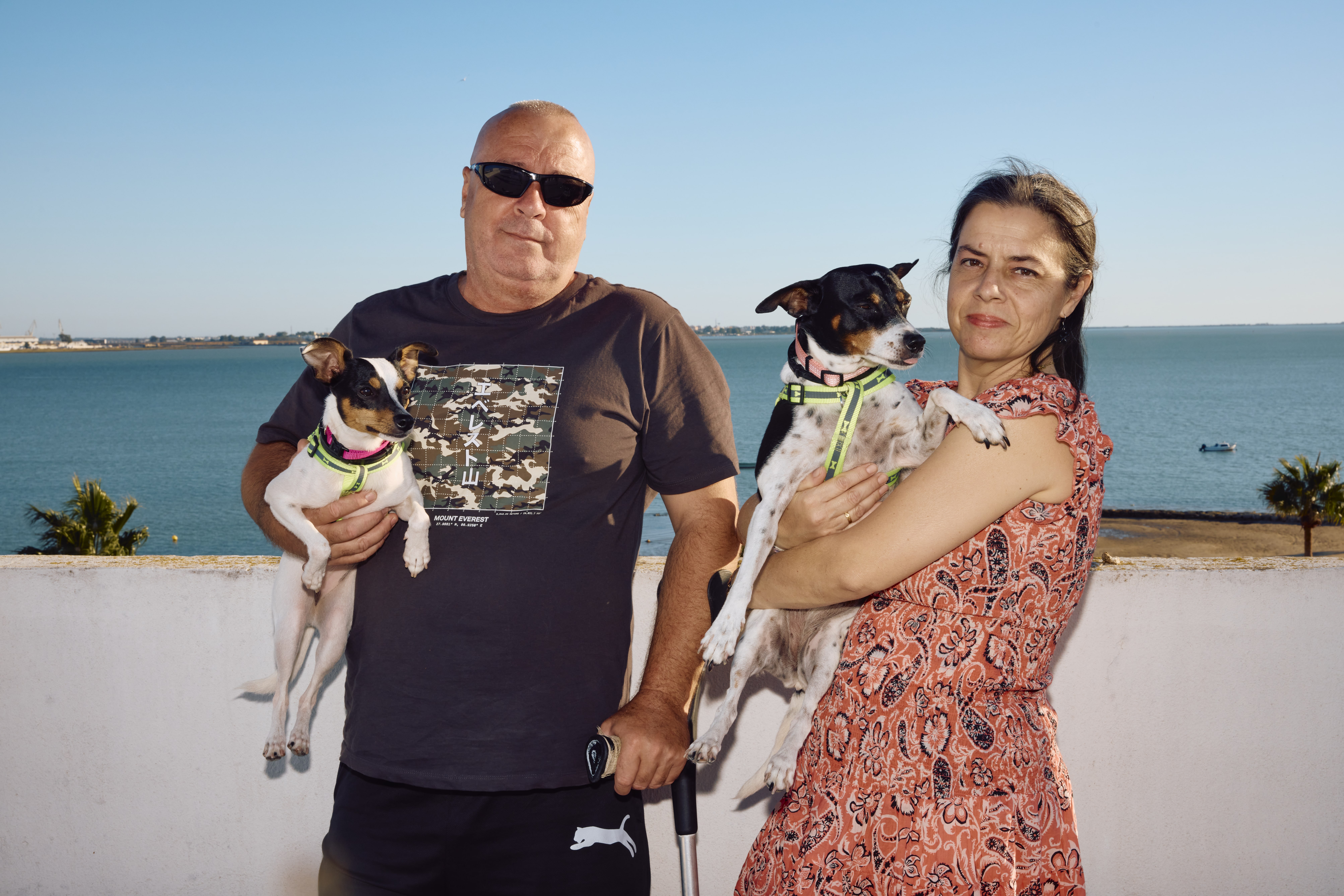
The series also has a very natural sense of inclusivity: different people, different bodies, different energies, without trying to force them into a particular idea of what summer or beauty should look like. What does an honest photograph of a person mean to you today?
I don’t believe “objectively honest” photography actually exists. I realized pretty early on that there are three completely different realities: the one in a photo, the one in our minds, and the real world itself.
Through photography, I like looking for paradoxes in people, capturing moments they overlook or try so hard to hide, and finding subtle, intriguing details. Throughout that process, I try to stay honest about my own feelings and strip away any impulse to over-romanticize. I’m not even sure if that counts as “honesty.”
Whenever I used to show subjects their photos (something I rarely do anymore), they’d almost always zero in on their flaws. People naturally prefer an idealized version of themselves over who they actually are, a tendency that smartphones and AI now cater to more than ever. What interests me is: to what extent can we truly accept ourselves, especially when looking at our own images?
You move between fashion, portraiture, reportage and fine art. Where do these worlds meet for you? And is there a point where a fashion photograph can become something completely different from fashion?
Labels like fashion, portraiture, reportage, or fine art are mostly driven by the market; they’re defined by who’s consuming the images. If there’s a common thread running through all my work, it’s that I’ve always been obsessed with the situation itself: the raw feeling of a single, fleeting moment, simply because it can never be replicated.
Fashion photography has a concrete purpose and is, by nature, a collaborative effort. How far you can push beyond the traditional boundaries of a “fashion photo” comes down to how honestly you can share your vision and emotions with your team. Fashion is fundamentally about creating a lifestyle; it thrives on distinction. Yet today, fashion photography has become so specialized and hyper-focused on commercial metrics; people ignore the ideas behind the image, focusing purely on the clothes or the model’s popularity. It’s a pity.
That said, many of the most talented fashion photographers are also brilliant documentarians or fine artists in their own right. That’s the path I’m on, too.
You were born in China and built much of your artistic life in Paris. Living between different cultures inevitably changes the way you look. Has photography helped you understand where you belong, or has it made the question more complicated?
I was born in a small town in northern China in the late 80s, at the start of a huge economic boom. Those rapid changes reshaped how people saw the world. Growing up surrounded by that curiosity – and later relocating to France – created a ongoing friction between ideals and reality that inevitably fed into my visual style.
I don’t tend to over-analyze myself. For me, photography isn’t a method to arrive at a conclusion; it’s simply a way of presenting a state of presence. I never set out to figure out “Who am I?” through my lens. Quite the opposite: photographing often allows me to forget who I am and where I come from.
Photography is supposed to preserve reality, yet every photograph is already a construction: you choose where to stand, what to include and what to leave outside the frame. How much truth can an image actually contain?
I don’t really look at this in binary terms.
I believe that once an image is brought into the world, it gains its own autonomy. Images work through context and sequence to collectively shape a narrative.
Even for me, my images rarely have a pure connection to “reality.” They lean heavily on my subjective memory, and memory is inherently flawed, constantly reshaping itself.
For the viewer, it’s different. A photo is emotive material that anyone can annotate. Since they weren’t there to experience the reality I shot, the image itself becomes reality for them.
The image world and the real world aren’t strictly divided; they are full of intersections.
A Letter to Your Future Self: imagine you discover these photographs and this interview twenty years from now. What would you want Boyan Li of the future to remember about the person behind the camera today?
I have no idea, maybe he’ll have completely forgotten who I am today, looking back at me like a total stranger. If so, I just hope he can look at this and think, “Hey, this guy was actually pretty interesting.”