
A summer staple with a storied past, the bandana has evolved from a symbol of Western and hip-hop culture into one of fashion’s most versatile accessories. Worn in the hair, around the neck, at the waist, or tied to a bag, this season it’s all about adding an effortless pop of color to even the simplest look.
The bandana is the styling detail set to follow us everywhere this summer, right through the warm days of September. Available in endless prints and colors – polka dots, florals, classic paisley, or simple block shades, often in bright, eye-catching hues – it has once again become one of the season’s most versatile accessories. And its appeal isn’t purely aesthetic: worn over the hair, it can offer some sun protection while keeping your hair in place, even at the beach.
The Bandana Trend: never out of fashion
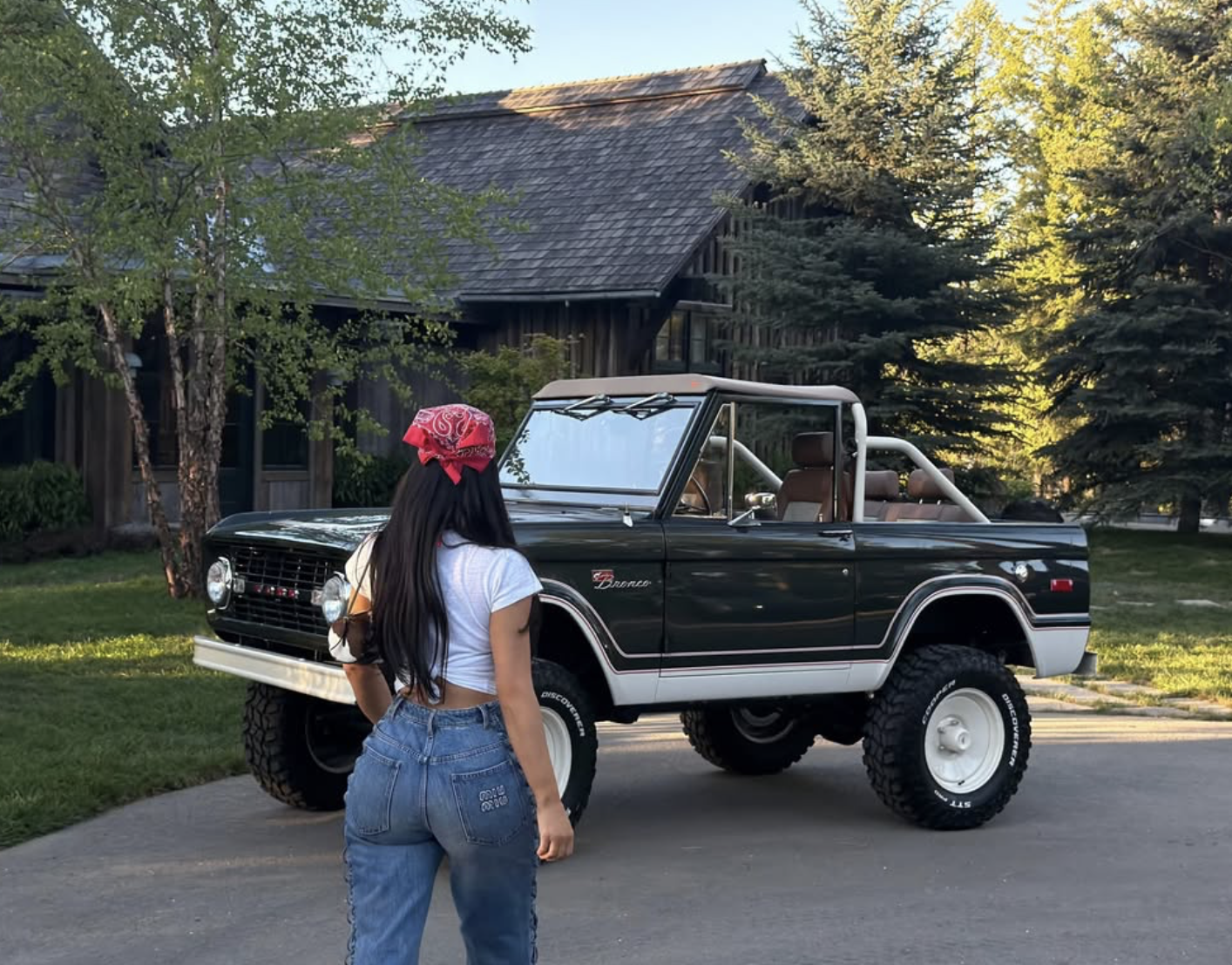
The styling possibilities go far beyond simply tying one around your head. Bandanas can be worn around the neck, wrapped around the waist in place of a belt, tied through the loops of jeans, or knotted onto a handbag. The idea is simple: use one small accessory to elevate an otherwise basic outfit, adding a pop of color to neutral looks or introducing an unexpected clash of prints and shades. You can accessorize your pet too!
Its latest comeback has also been fueled by a new generation of models, celebrities and style influencers who have made it part of their everyday summer wardrobe. Gigi Hadid and Kim Kardashian have repeatedly embraced the accessory, styling paisley bandanas with casual staples and denim.
At the same time, Dua Lipa has made the headscarf one of the signatures of her summer looks, wearing it everywhere from holidays to the streets of New York.
Amelia Gray and Zendaya have also been spotted putting their own spin on the trend. Whether worn over loose hair, wrapped around a bun, or paired with sunglasses and a simple tank top, the appeal lies in how effortless it feels. It’s less about creating a perfectly styled outfit and more about adding one small, slightly nostalgic detail that instantly makes a look feel more personal.
Zoë Kravitz worn a black-and-white bandana tied over her hair for an appearance on Late Night with Seth Meyers.
Elle Fanning, meanwhile, offers a more laid-back take, wearing a red paisley bandana by the pool.
At its core, a bandana is nothing more than a square of fabric. Over time, however, it has acquired meanings that extend far beyond its practical purpose. Historically associated with Western aesthetics, it later became an essential part of street style and various urban subcultures, where it could also function as a symbol of identity and belonging. Its ability to move between different cultural and stylistic worlds is precisely what has made the bandana such a recognizable fashion staple.
One of the most important chapters in its modern history is its connection to hip-hop culture. During the 1990s, Tupac Shakur played a major role in turning the bandana into a rap icon, making it a defining element of his image. He wore it in different ways, most famously tied across his forehead, creating a look that became instantly recognizable and deeply embedded in the era’s visual language. The bandana subsequently became a recurring feature of hip-hop style throughout the 1990s and early 2000s, appearing everywhere from music videos to fashion editorials.
In the years that followed, the accessory gradually moved beyond rap culture. A$AP Rocky helped bring it back into contemporary street style, while pop stars including Miley Cyrus, Selena Gomez and Rihanna have embraced and reinterpreted it in completely different ways. Once strongly associated with hip-hop and street culture, the bandana has evolved into a truly universal accessory, available in countless colors, prints and styling variations.
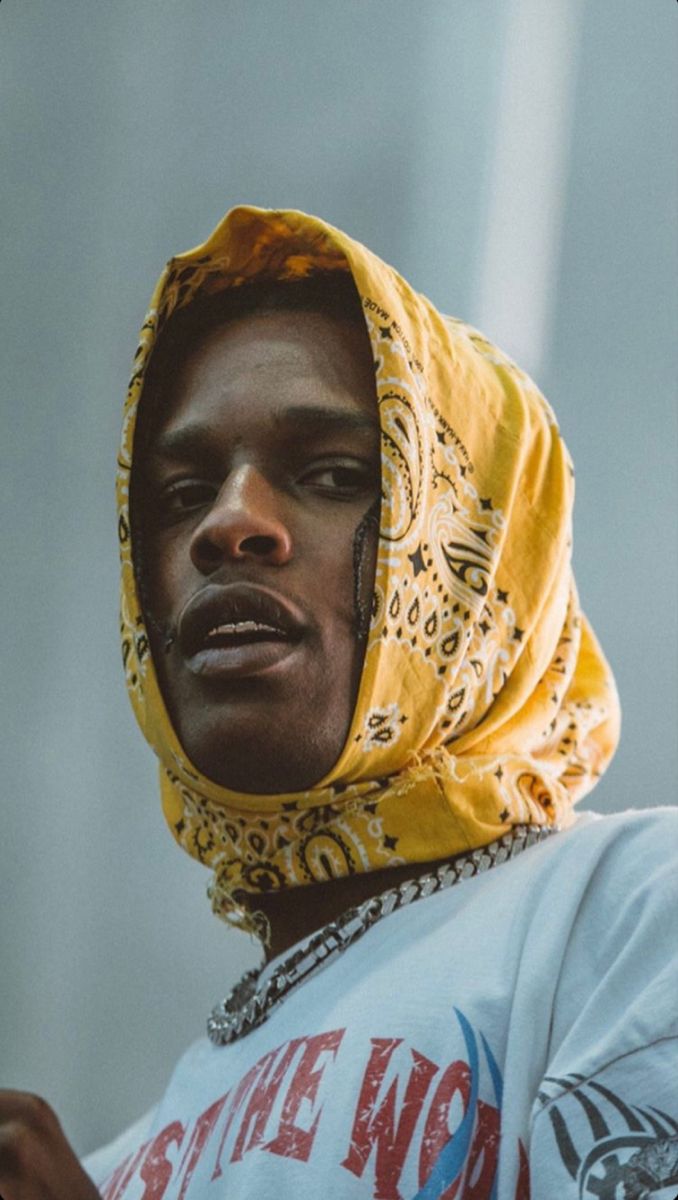
That ability to constantly reinvent itself is what makes the bandana so relevant today. Western, street, pop, or sophisticated, depending on how it is styled, it can transform an outfit without overwhelming it. Tied in just the right place, it can instantly give character to something as simple as a white T-shirt and jeans or add an unexpected detail to a minimalist dress. A small square of fabric that continues to prove, season after season, that sometimes the simplest accessories make the biggest statement.