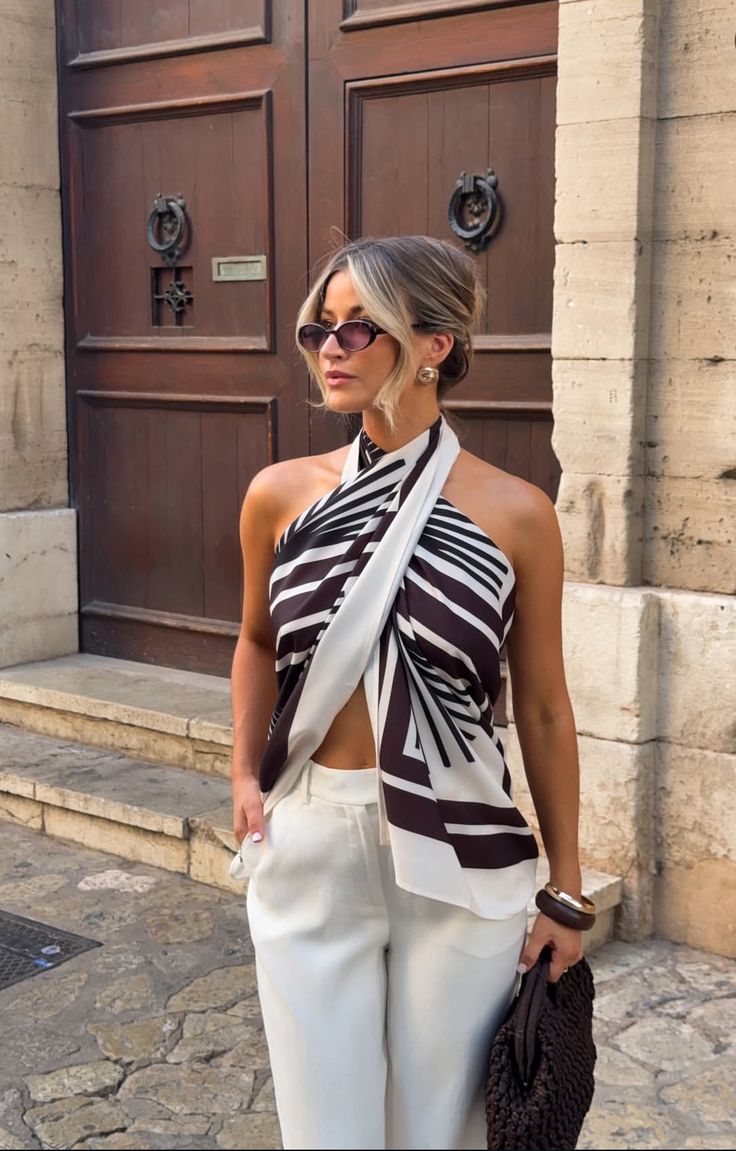



From its Southeast Asian origins to its status as a summer style icon, the sarong has stood the test of time. Effortless, versatile, and endlessly chic, a simple piece of fabric can be transformed into skirts, dresses, and tops, taking you from the beach to sunset drinks in just a few knots.
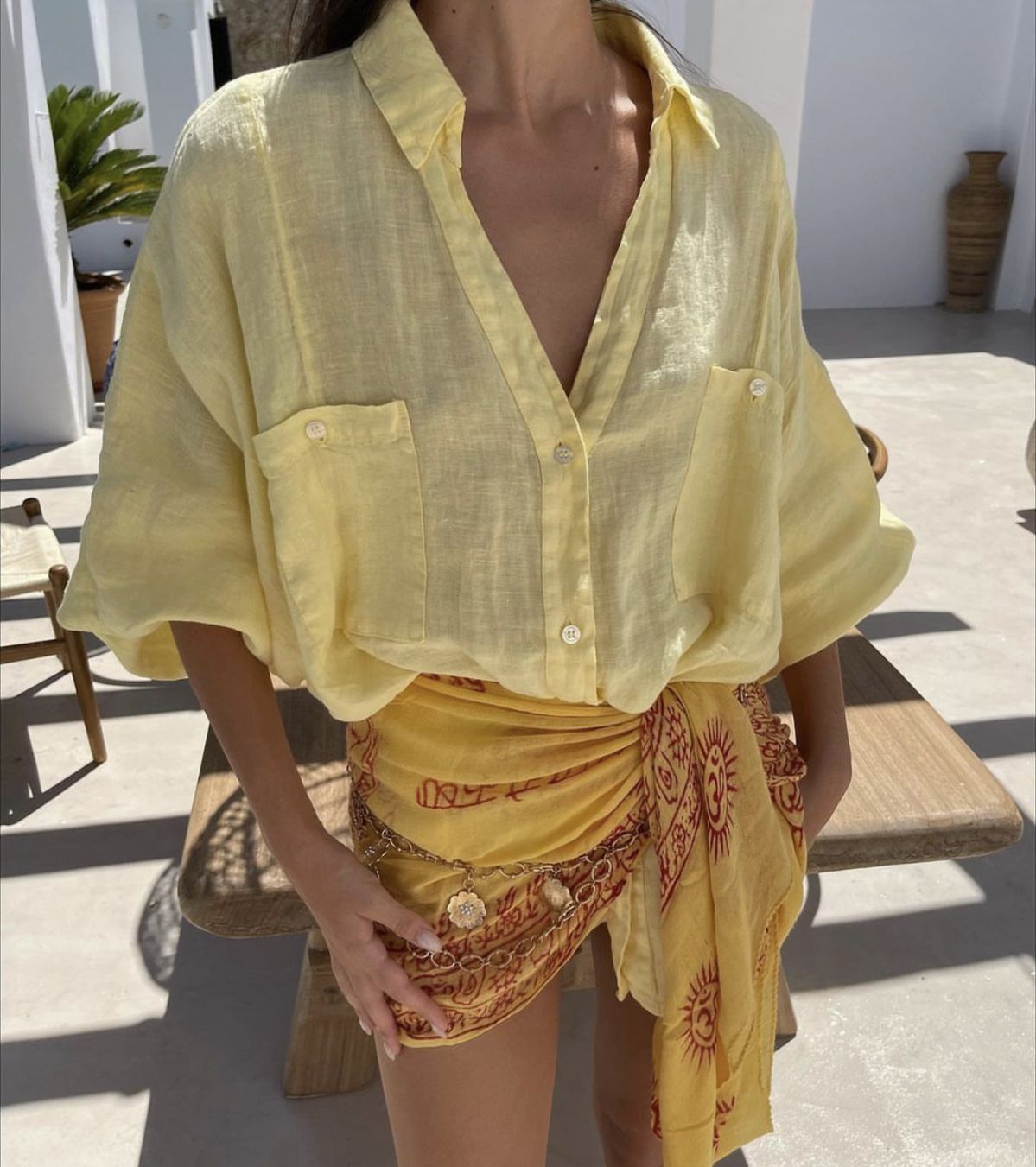
The sarong trend is showing no signs of slowing down this summer. If you’re about to head off on holiday, it’s time to rediscover one of the most versatile pieces in your summer wardrobe: a simple rectangle of fabric that, with just a few easy styling tricks, can be transformed into skirts, dresses and tops for effortlessly fresh and chic looks.
But the history of this garment goes back much further than its modern image as a beach accessory. Its origins are deeply rooted in Southeast Asia, particularly Indonesia and the Malay Archipelago, where men and women have worn it for centuries. The word sarong comes from the Malay and Indonesian sarung, literally meaning “covering” or “wrapper.”
Far from being simply decorative, traditional sarongs can reveal a great deal about the person wearing them and the community they belong to. Fabrics, colours, patterns and techniques vary from one region to another and can carry cultural and social meanings. More elaborate versions, including textiles embellished with gold or silver threads, have traditionally been reserved for ceremonies and special occasions.
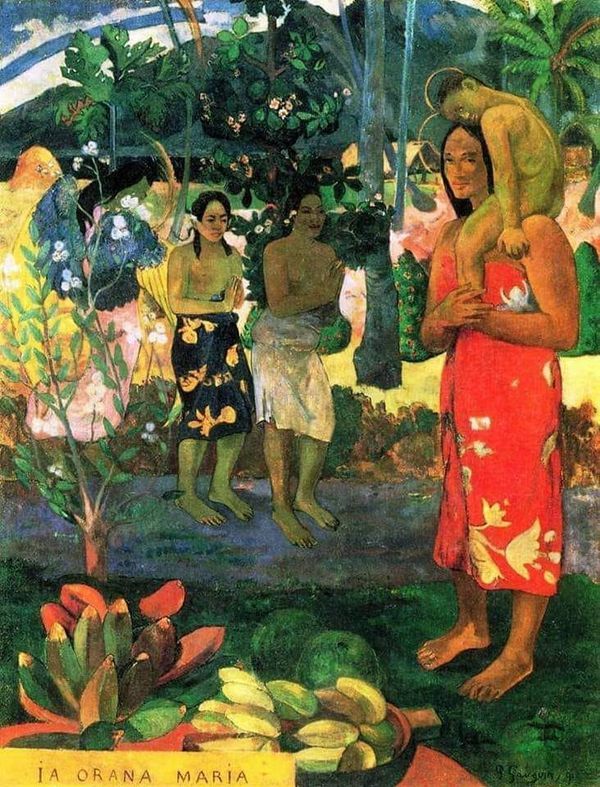
The sarong’s journey into the Western imagination is also intertwined with art, cinema and a fascination with tropical cultures. Polynesian scenes painted by Paul Gauguin at the end of the 19th century helped shape a European visual language associated with the South Pacific, although today his work and its colonial context are viewed far more critically.
A few decades later, Hollywood gave the tropical aesthetic a new kind of visibility. In the 1936 film The Jungle Princess, Dorothy Lamour, dressed by legendary Paramount costume designer Edith Head, appeared in a sarong-style costume and soon became so closely associated with the look that she earned the nickname “Sarong Girl.” With Hollywood costume design helping to shape the image, Lamour went on to wear variations of the garment in numerous films throughout the 1930s and 1940s. The sarong consequently became part of the Western fantasy of tropical glamour, escapism and sensuality.

Yet reducing the sarong to a Hollywood costume or a recurring summer trend overlooks its much richer history. Long before it became a beachwear staple, it was (and remains) a traditional garment with cultural significance, whose patterns, materials and ways of being worn can reflect identity, geography, status and occasion.
Perhaps that is also what makes the sarong so enduring. Fashion may rediscover it season after season, but its essential construction remains remarkably simple: one piece of fabric, countless possibilities. Today, that versatility makes it just as relevant on a city street as it is on the beach.
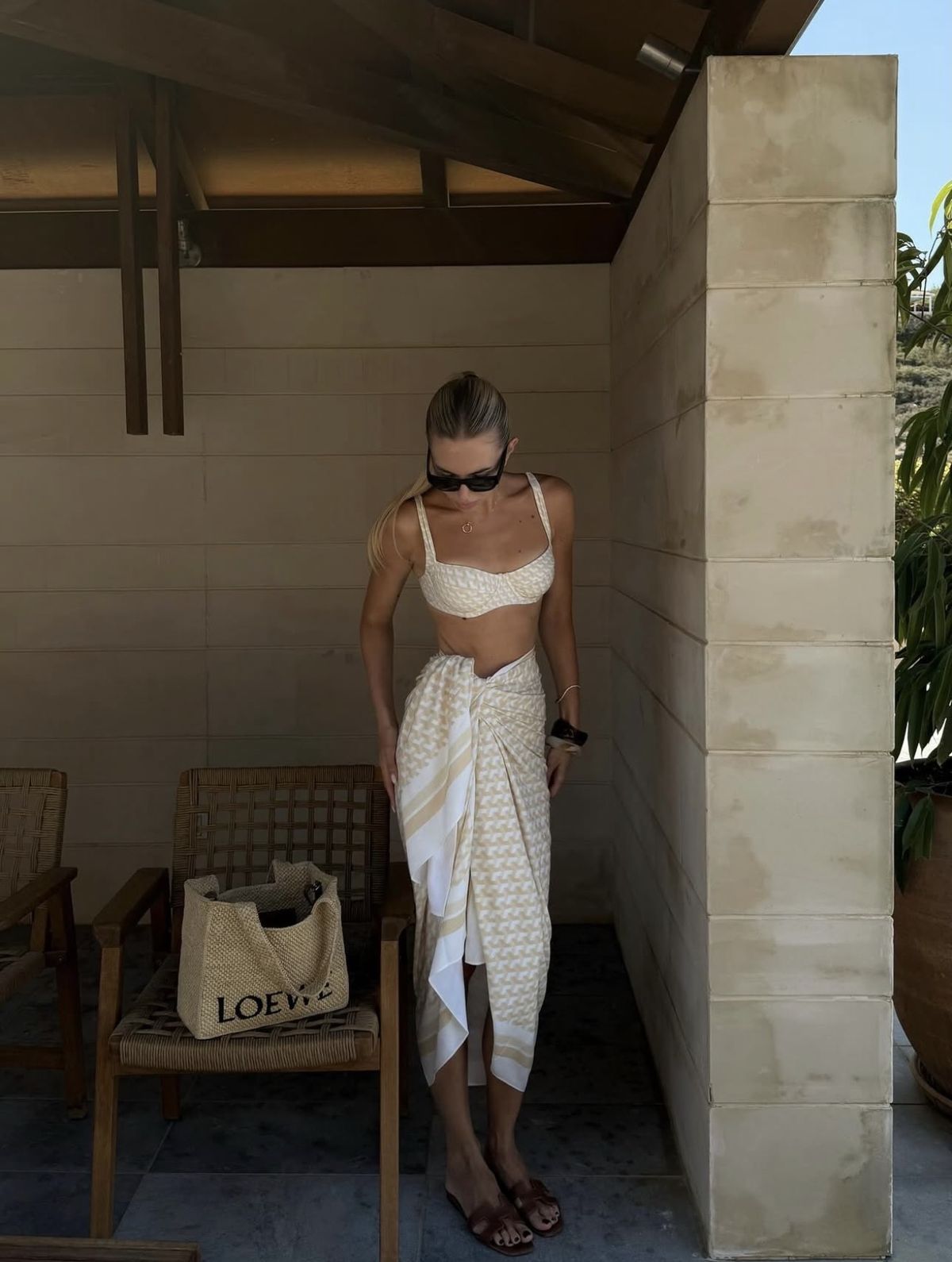
Skirt
The easiest and most timeless way to wear a sarong is as a skirt. Wrap it around your waist and tie it at the side, adjusting the length to suit your style. Wear it over a one-piece swimsuit for an effortless beach look, or pair it with a linen shirt or summer top for a more polished outfit.
Mini dress
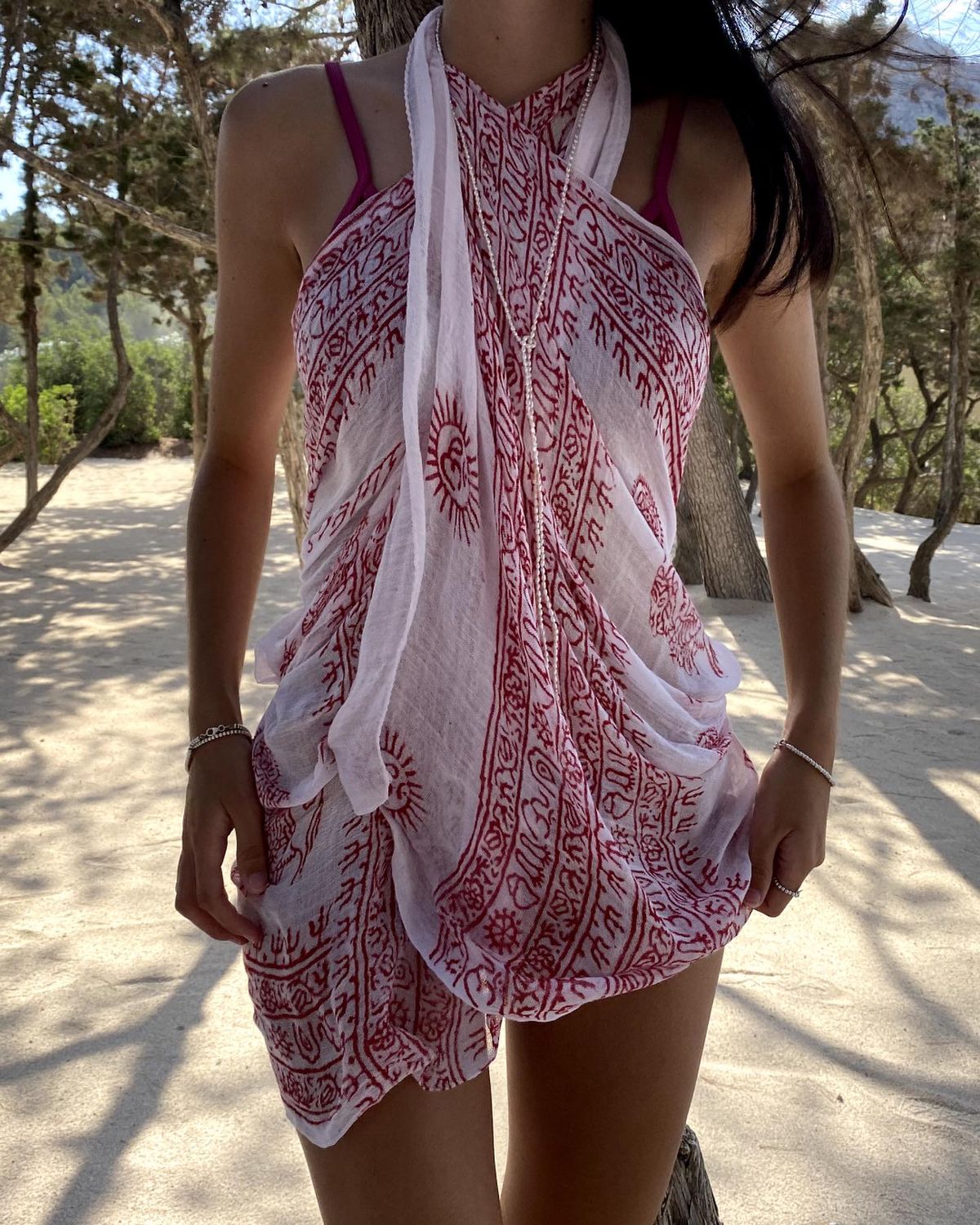
With just a few knots, a sarong can also be transformed into a mini dress, perfect for taking you straight from a day at the beach to sunset drinks without changing your outfit. Fresh, lightweight, and versatile, it’s also an ideal choice for a relaxed evening by the sea. Just add a pair of sandals and a few accessories to complete the look.
Top
A sarong can even be turned into a stylish summer top. Pair it with shorts for an easy beach-ready outfit, or style it with wide-leg trousers, a skirt, or jeans for a chic look that works just as well for a summer stroll around the city.