
By Mira Postolache

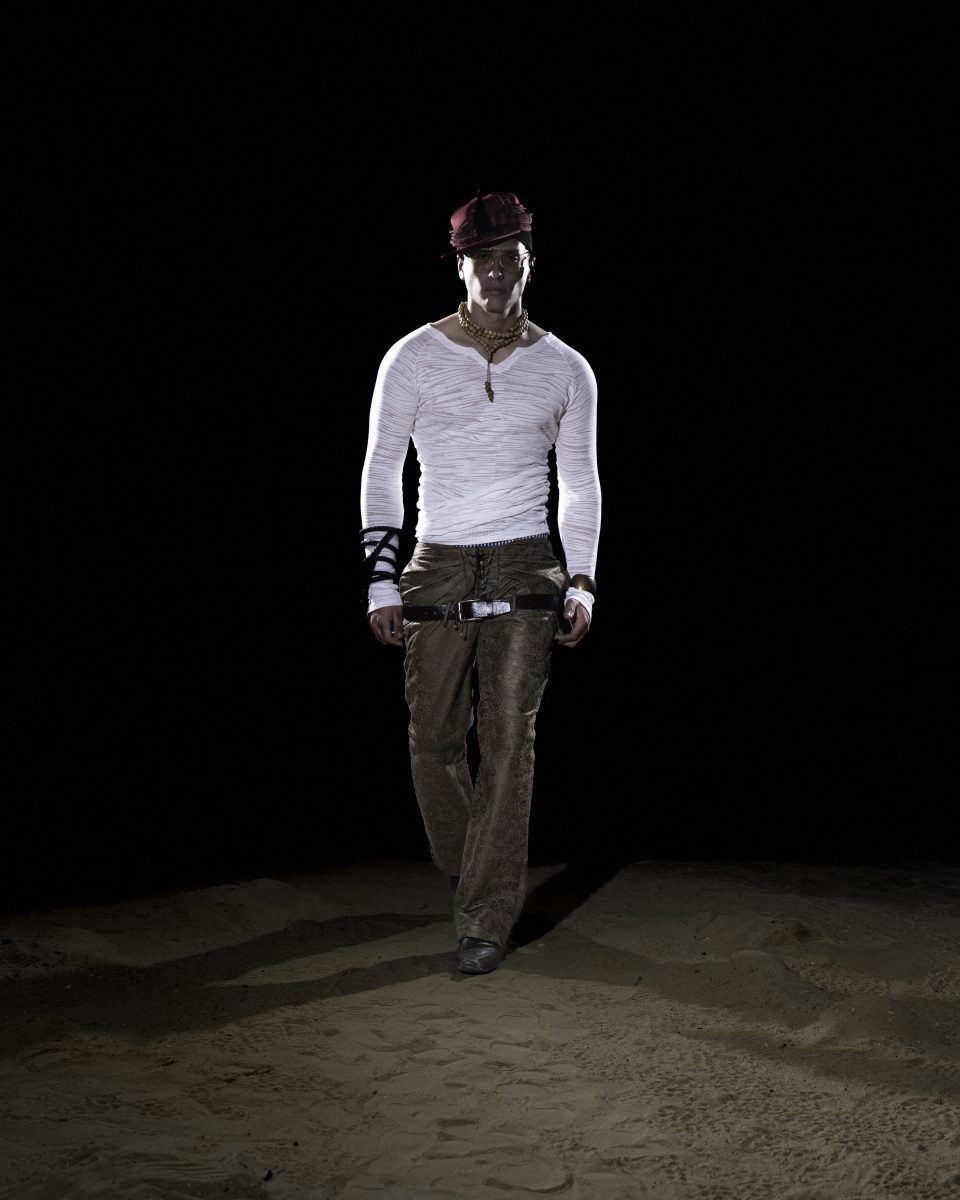
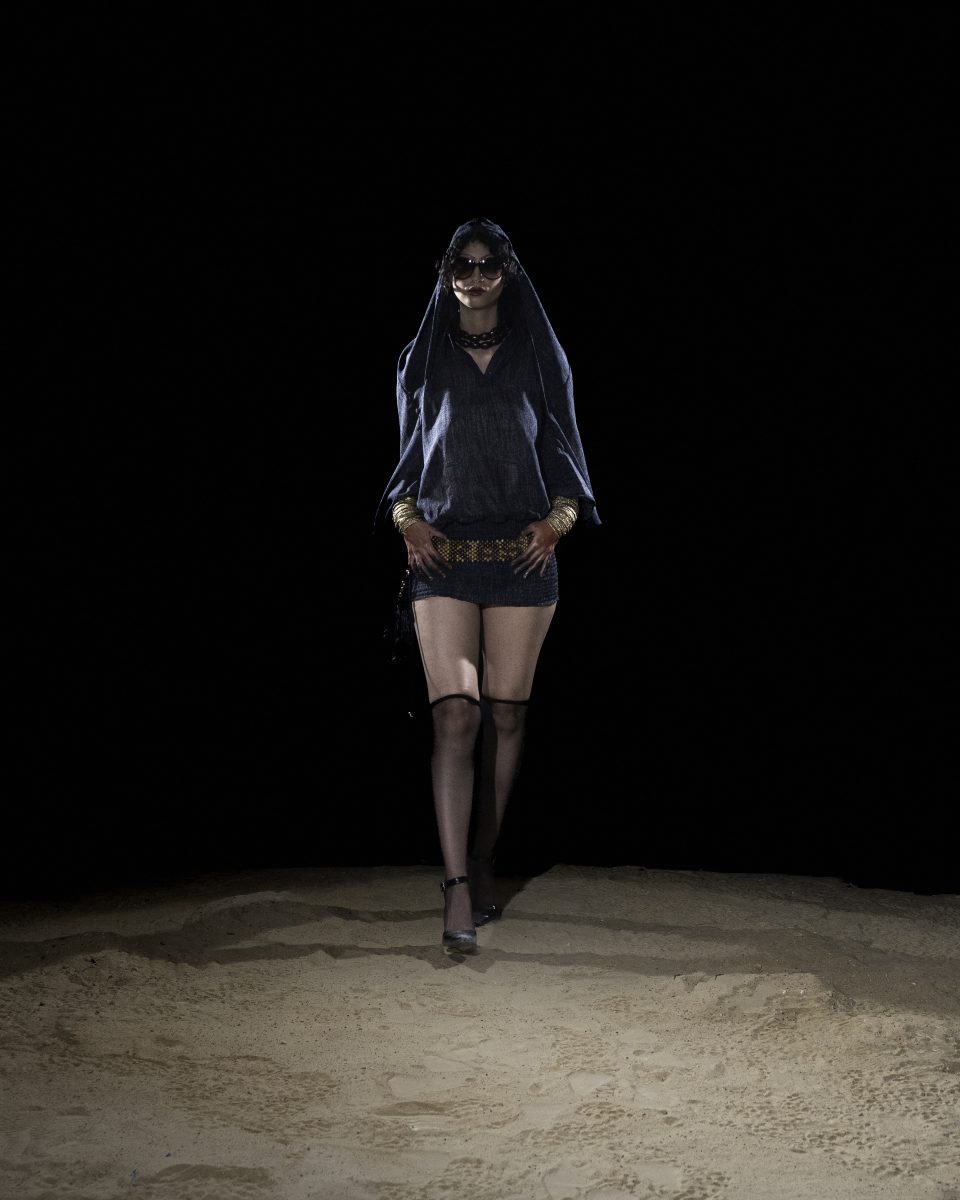
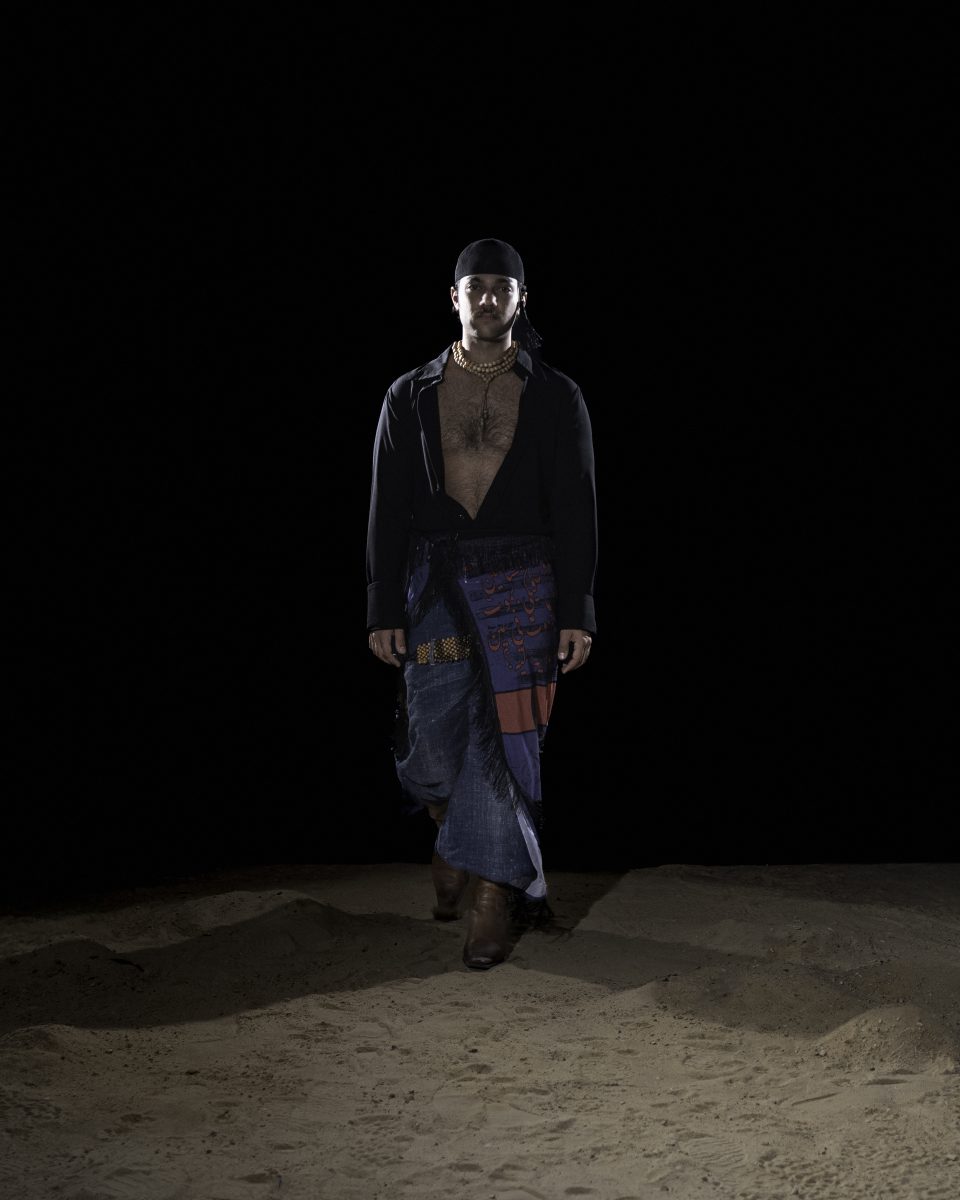
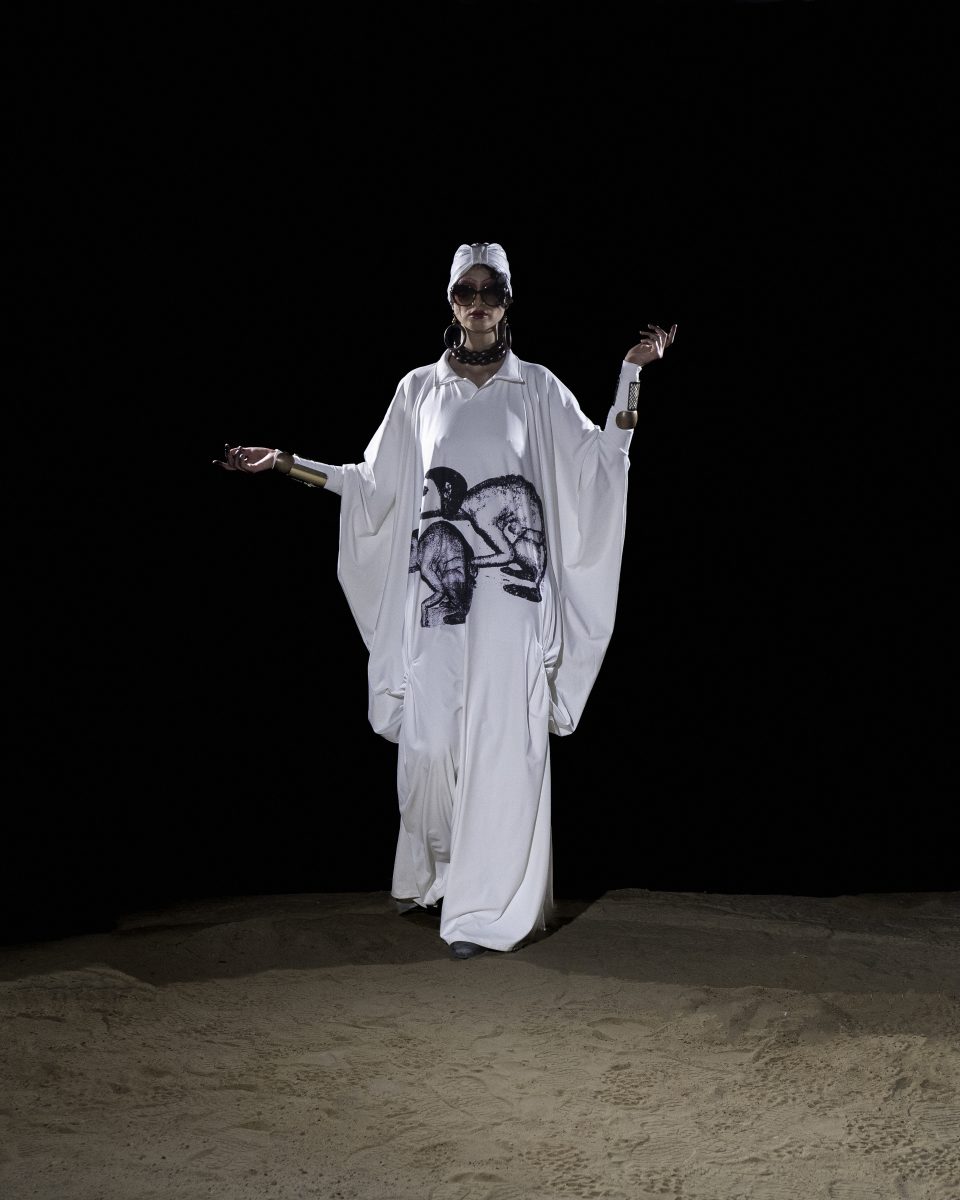
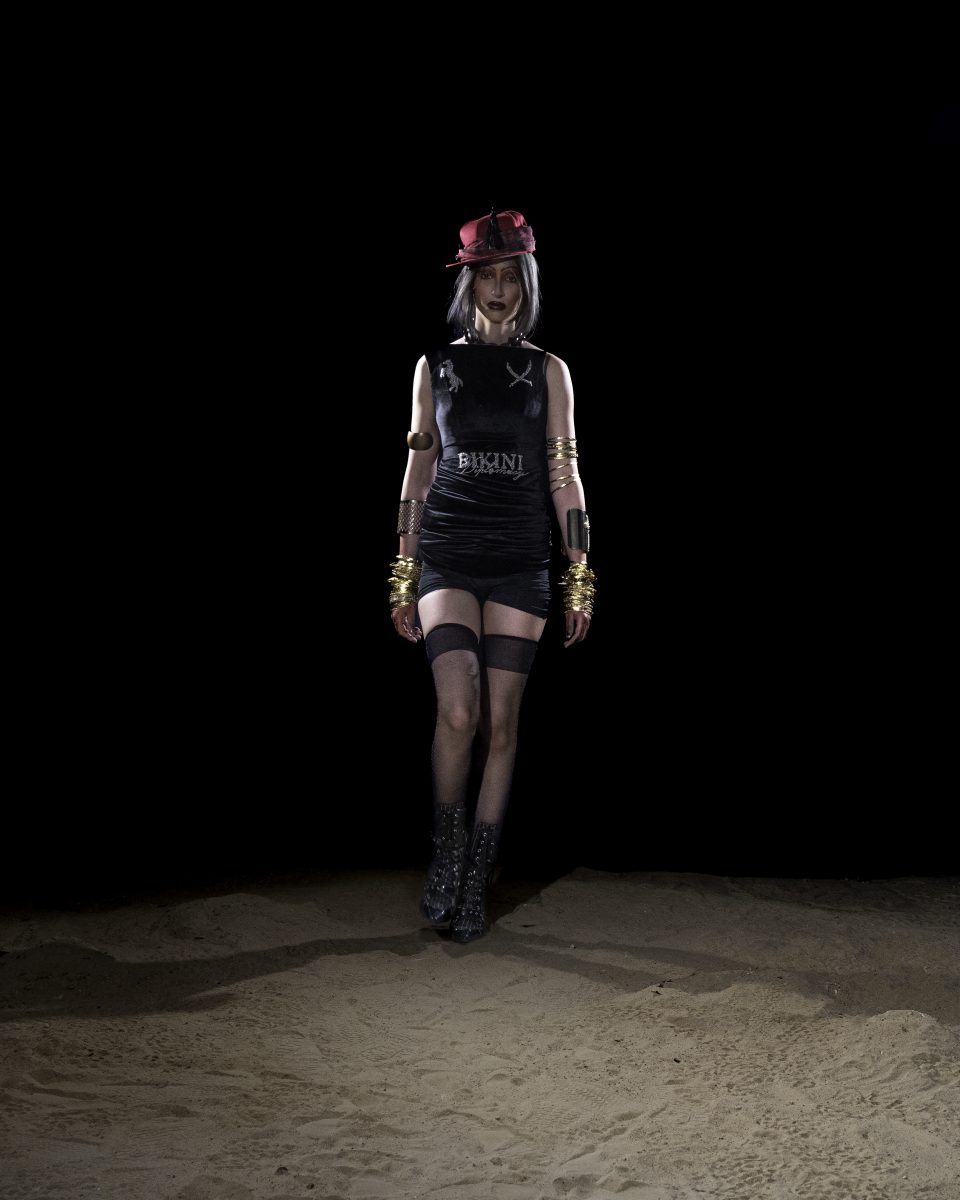
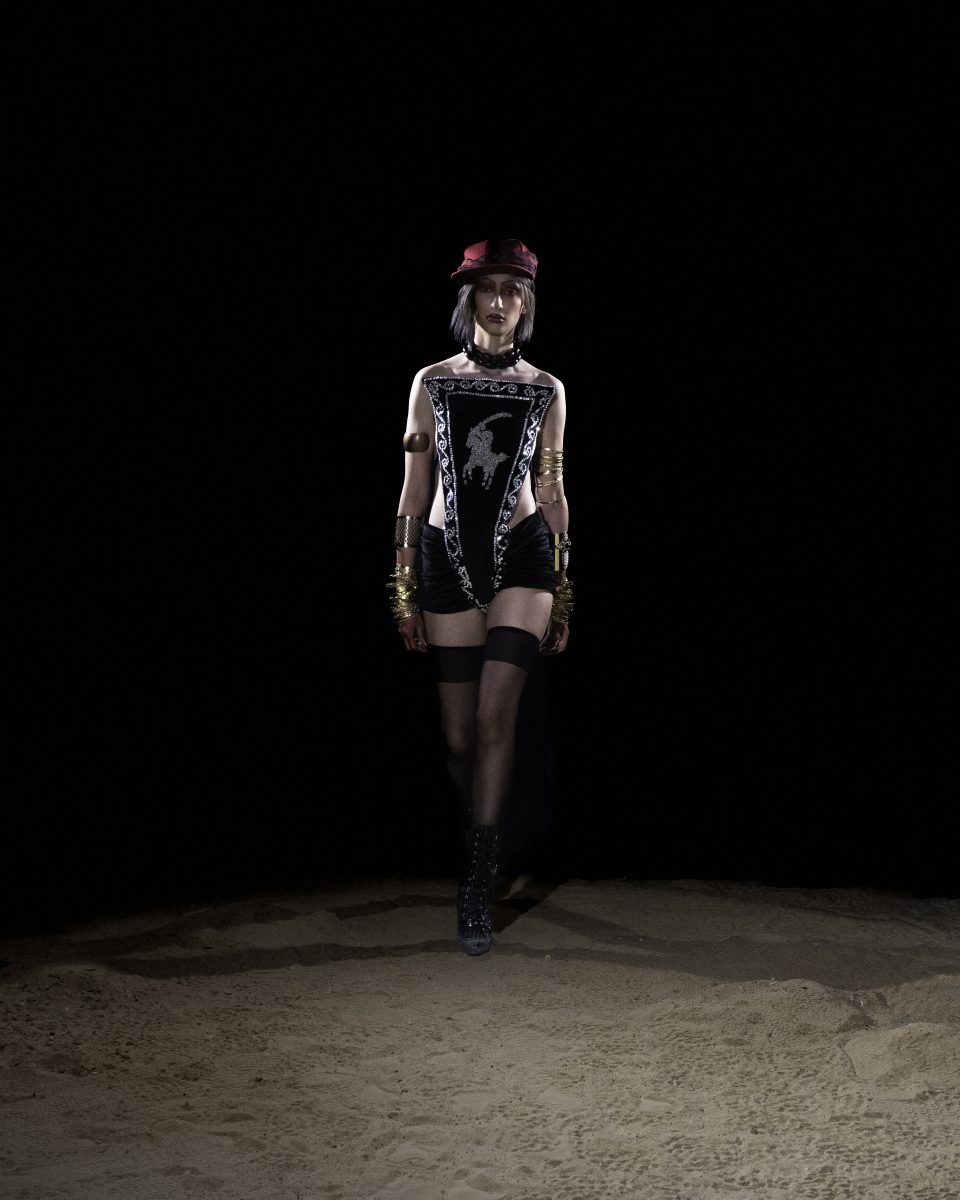
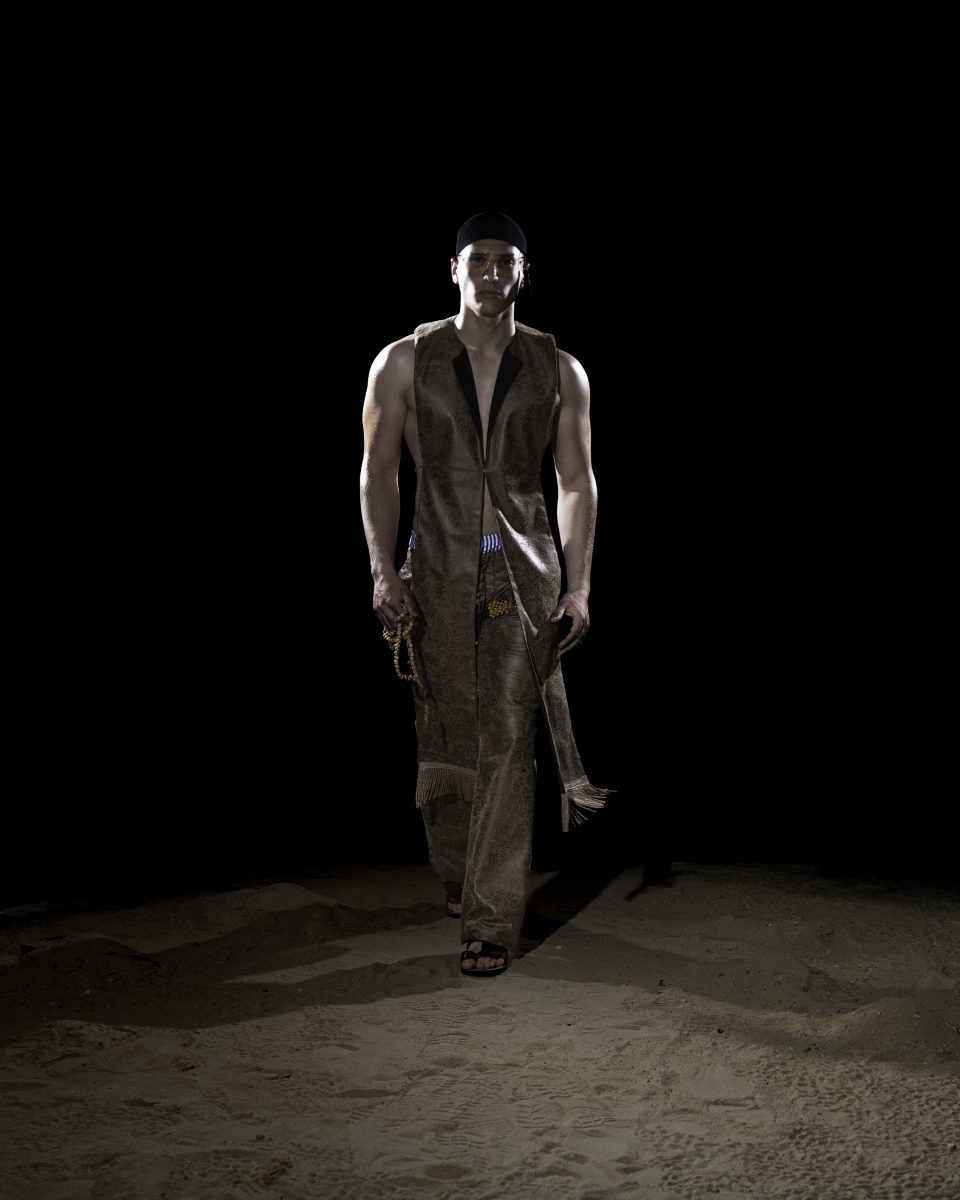
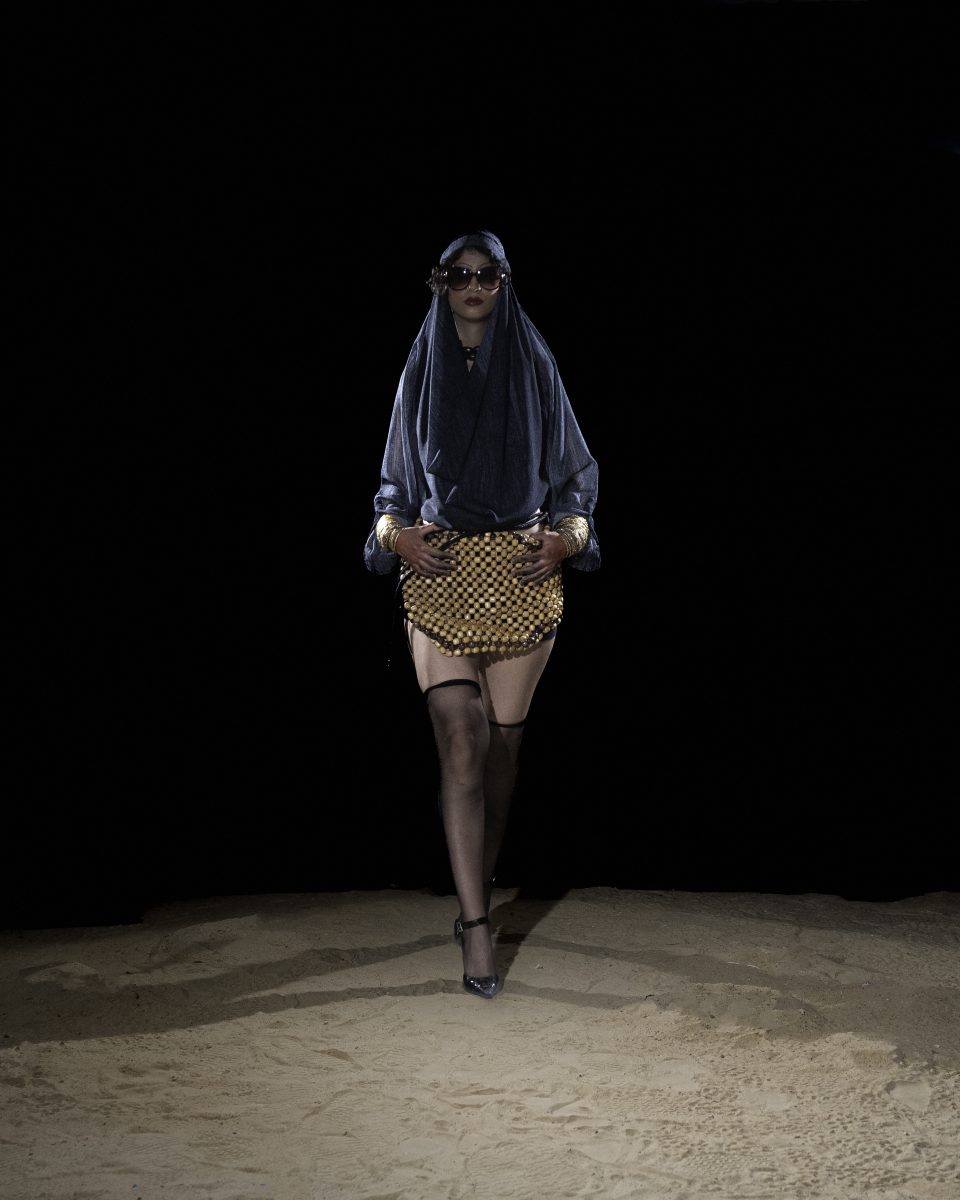
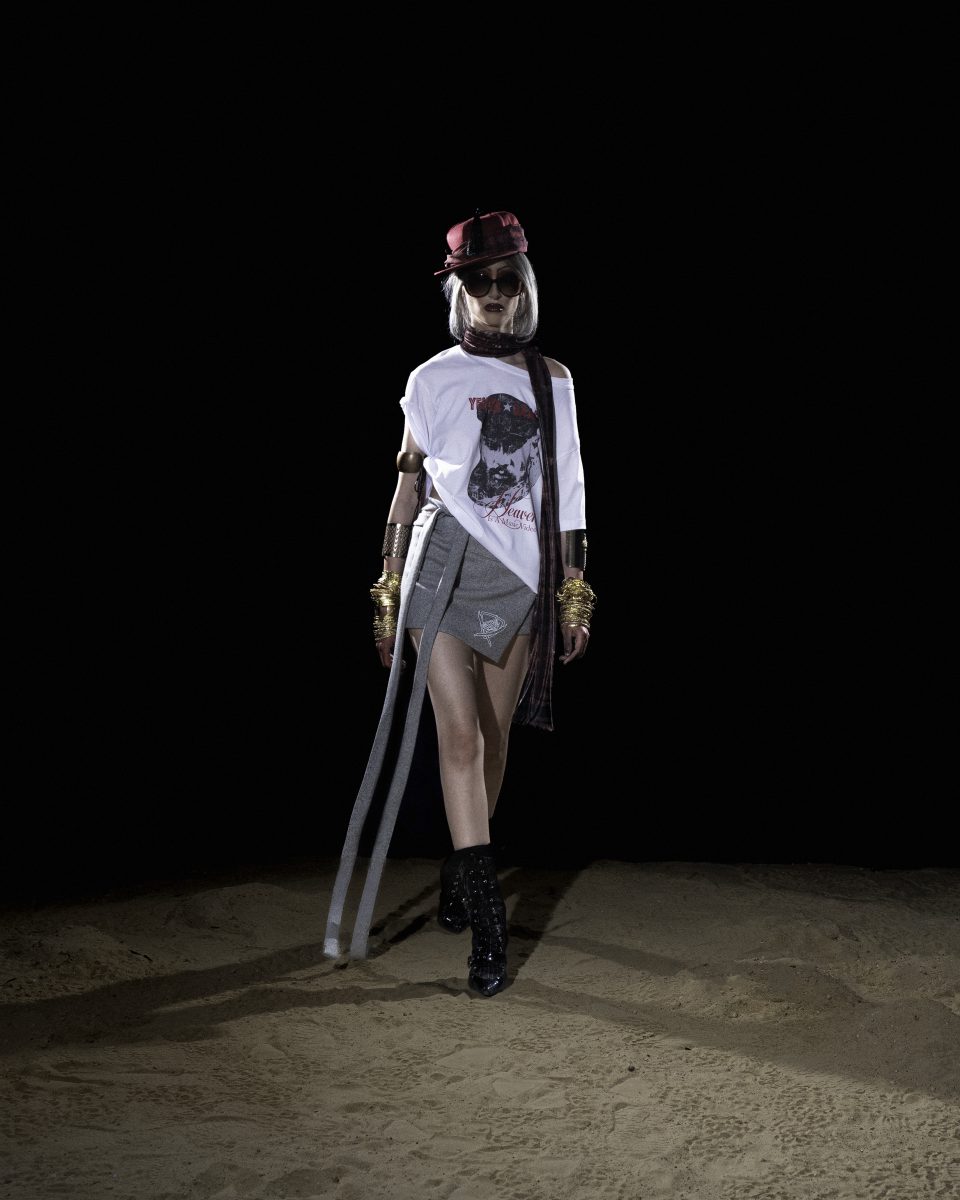
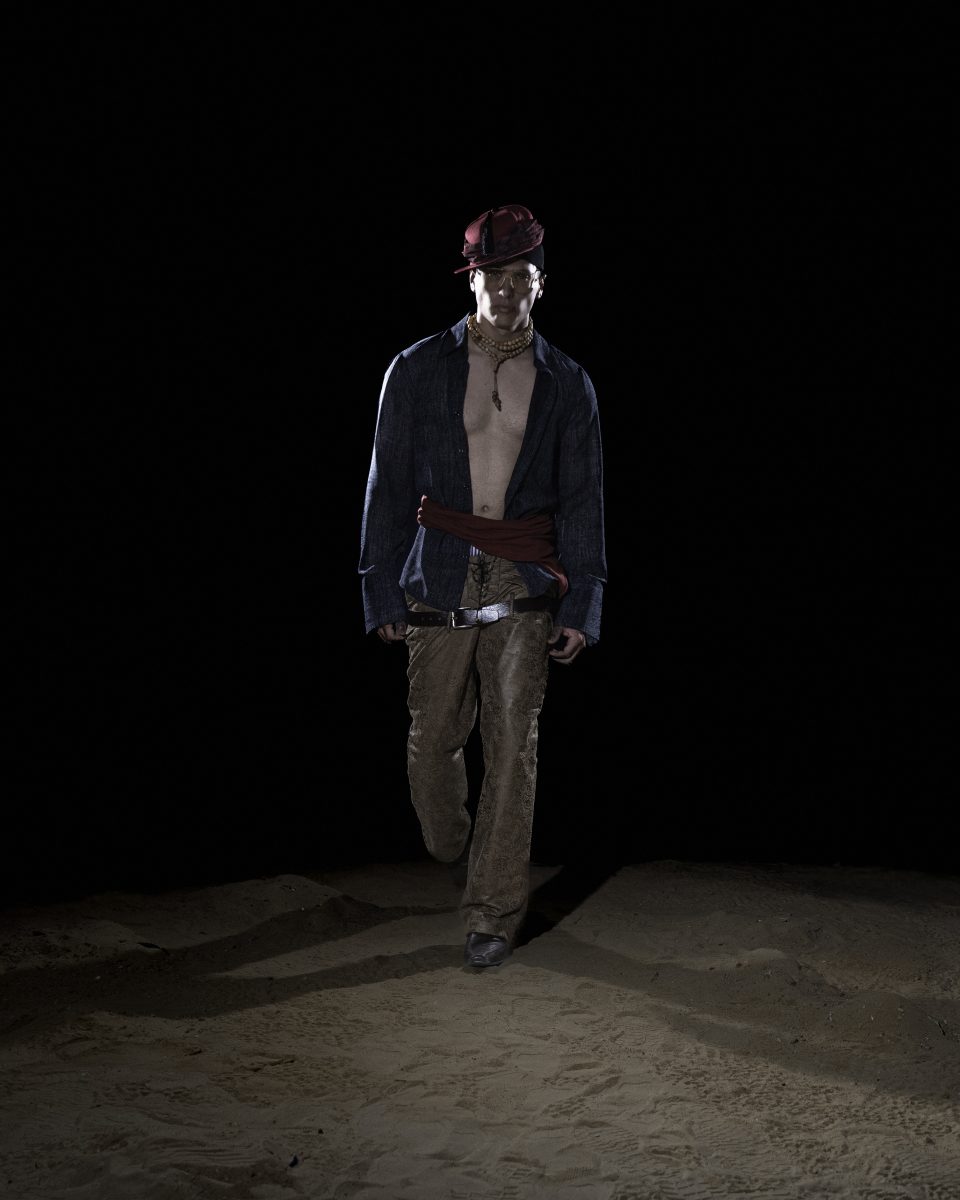
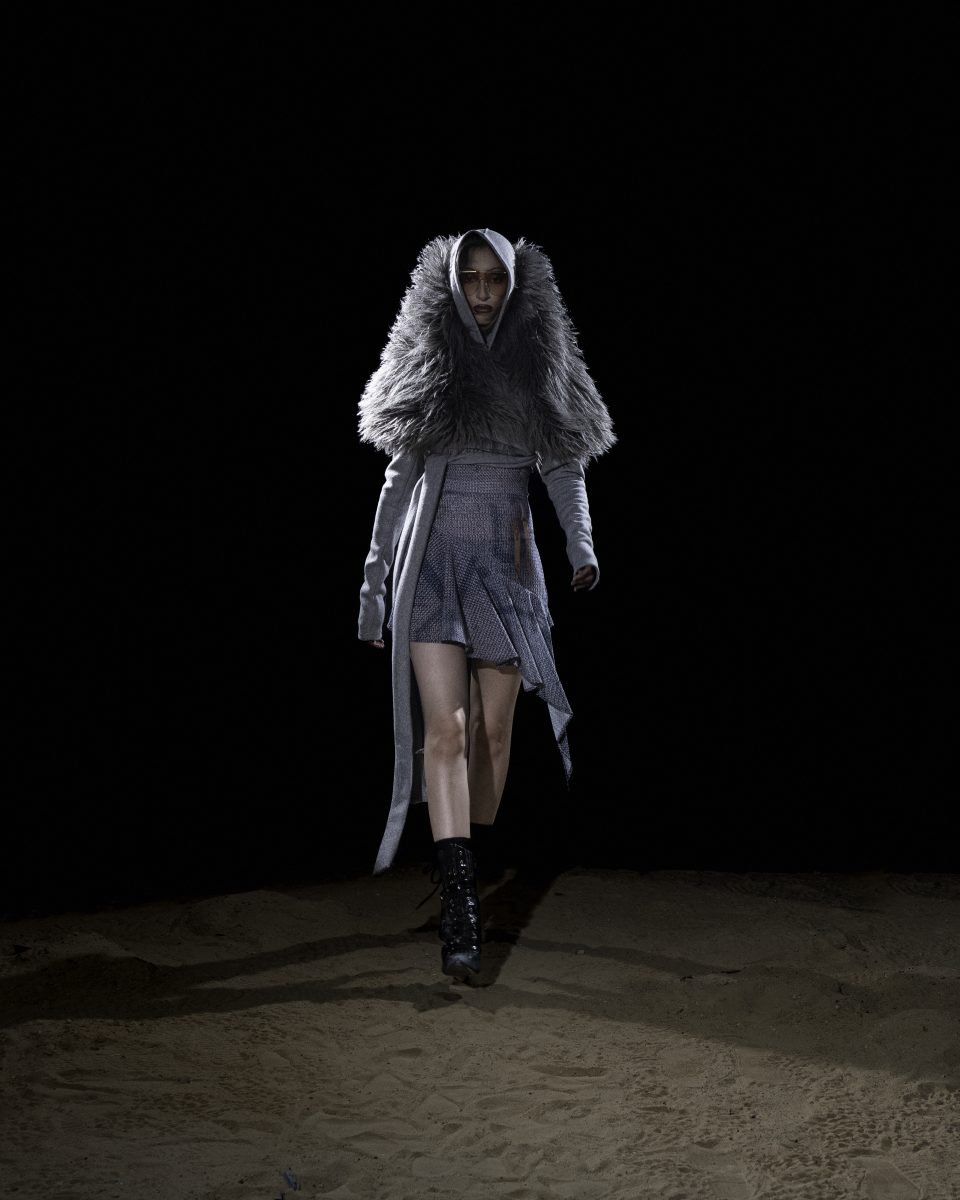
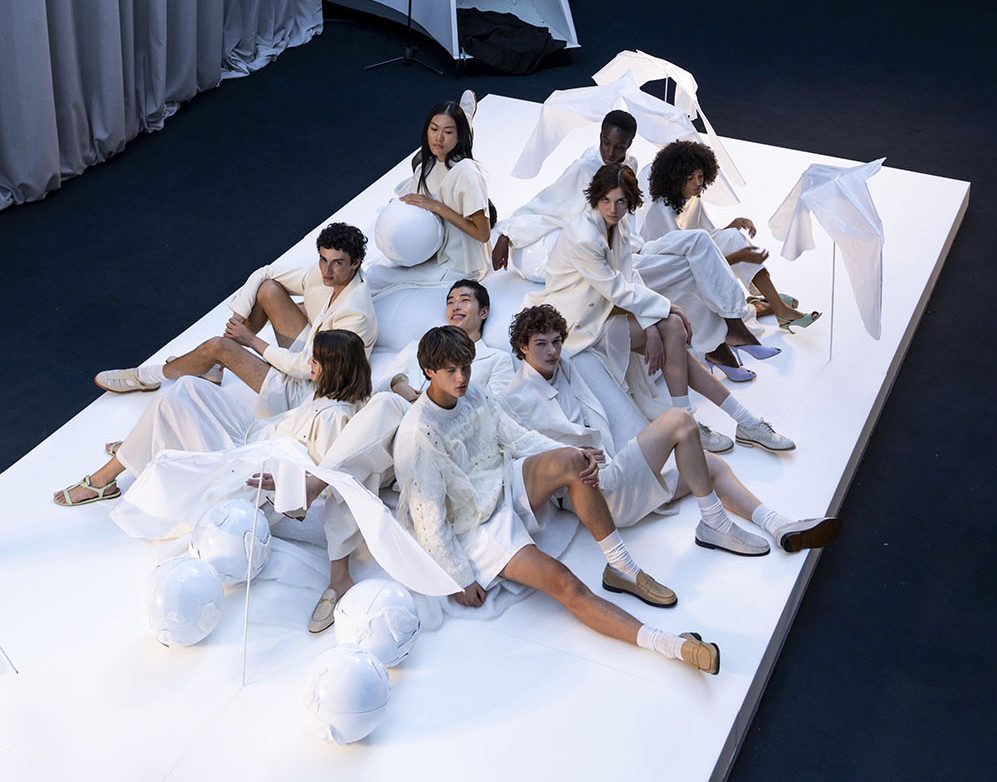
Trashy Clothing‘s Spring/Summer 2026 collection, titled “Bikini Diplomacy,” presents an audacious and thought-provoking exploration of the intersection between fashion, nostalgia, and the political landscape. The collection opens with an intriguing sense of déjà vu, enveloping the audience in a compelling dialogue about the power of design and the messages it conveys. Throughout “Bikini Diplomacy,” the brand defily explores the well-trodden terrain of sex appeal and allure, while simultaneously critiquing their role as marketing tools in contemporary society.
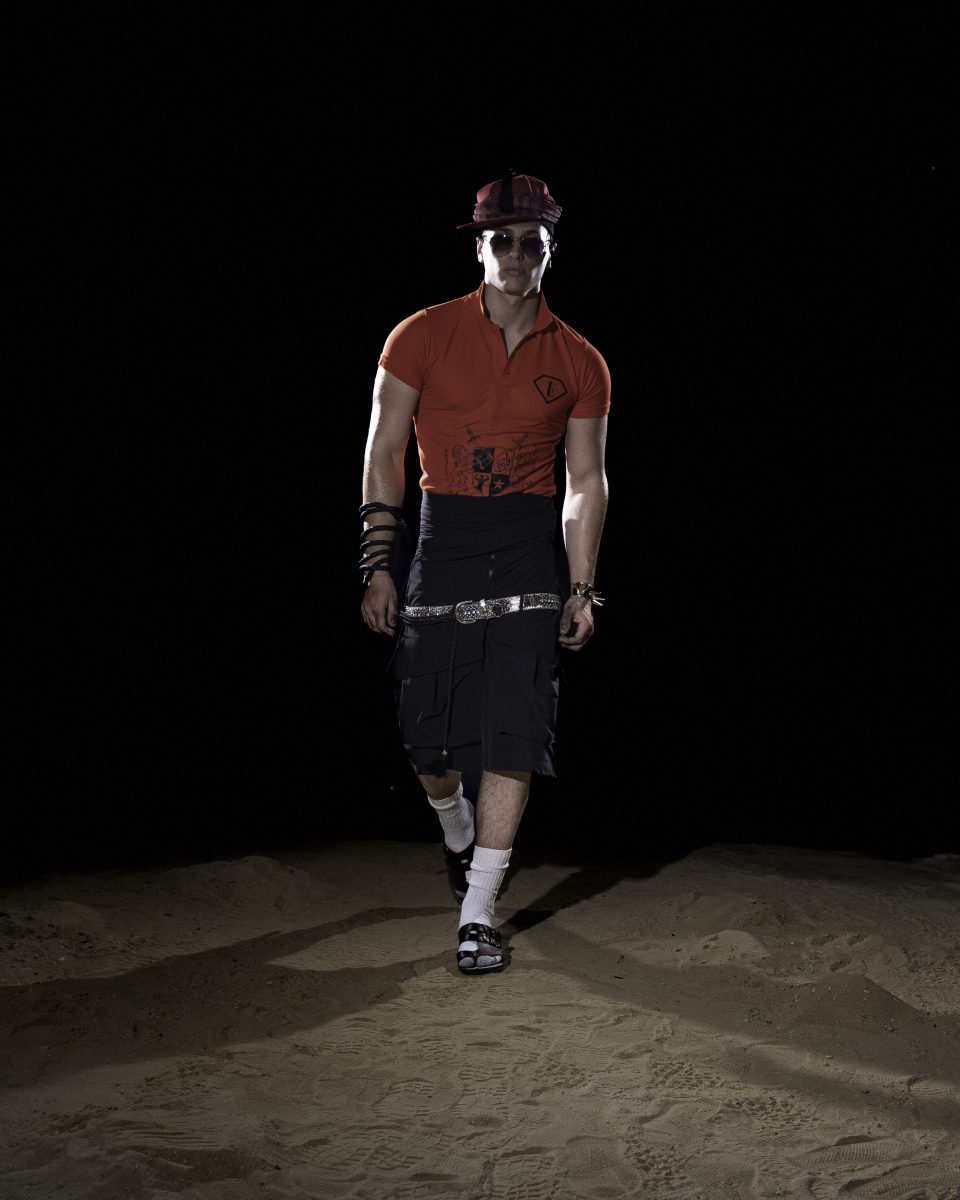
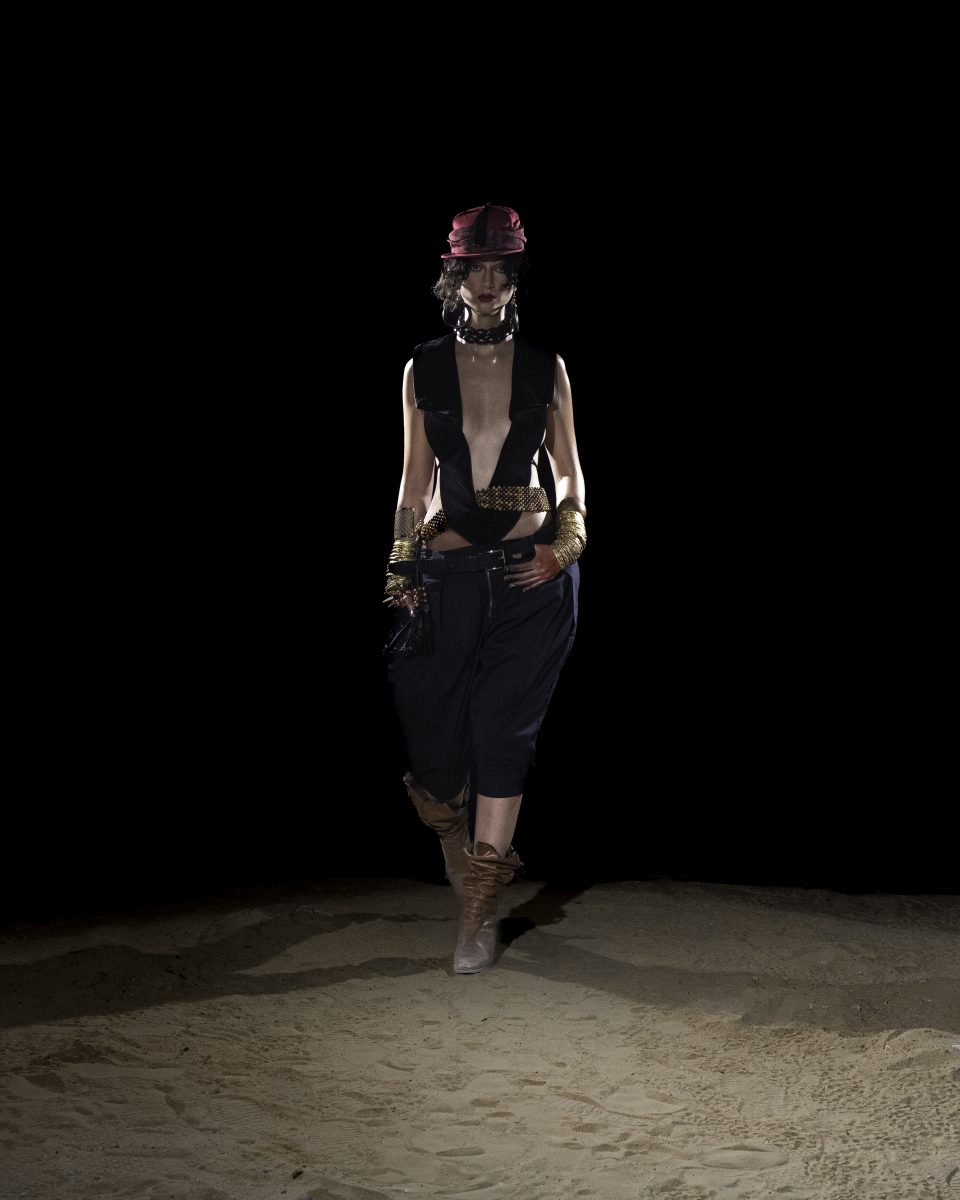
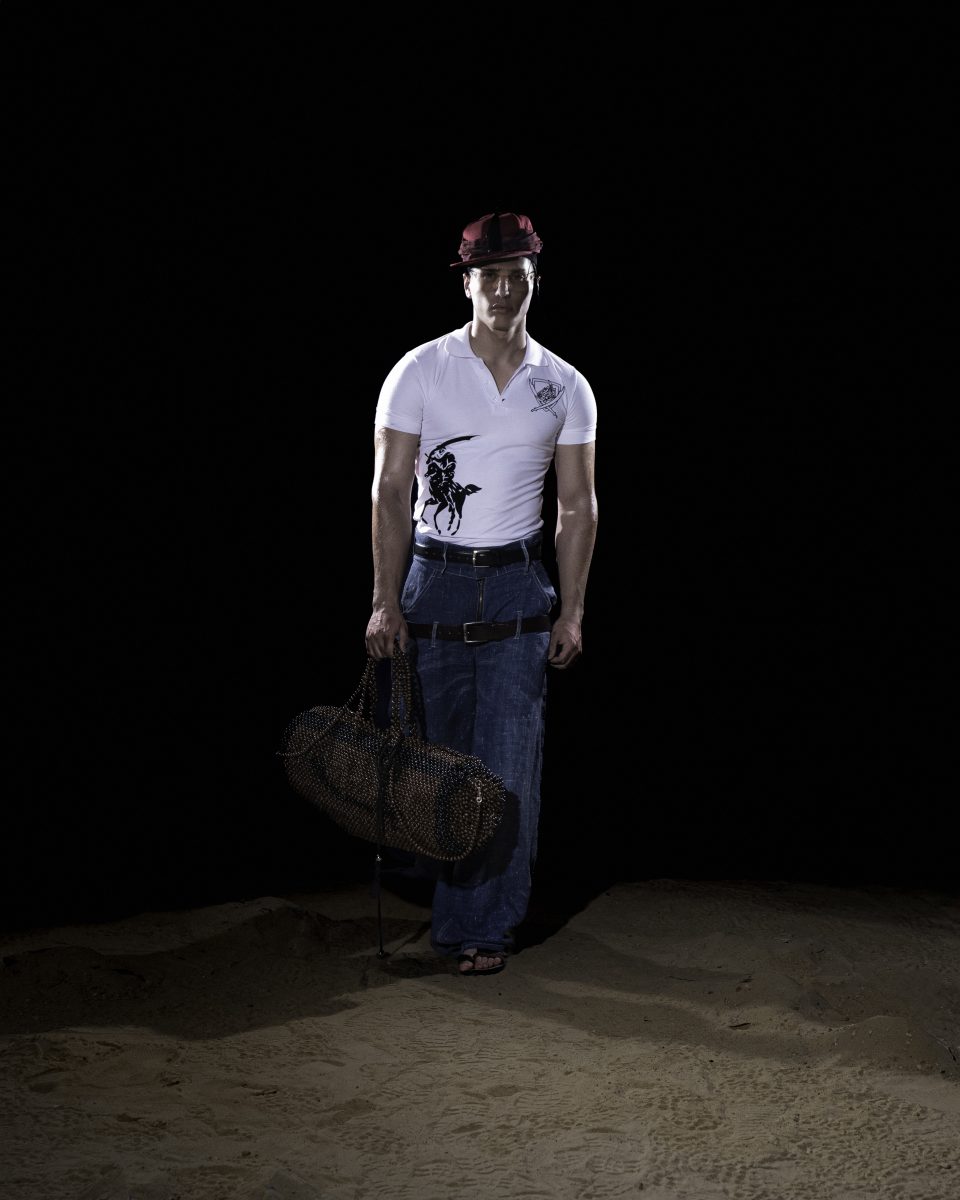
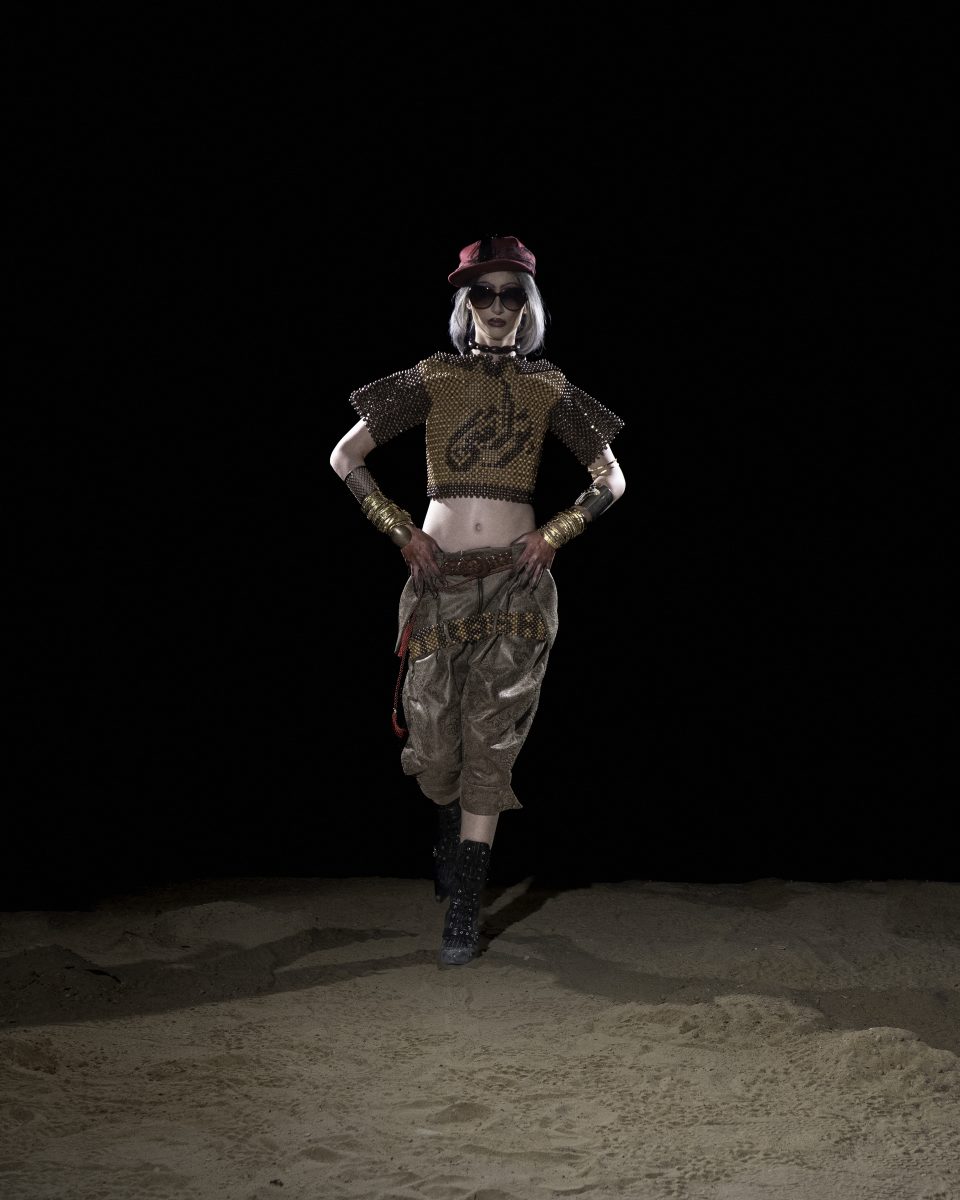
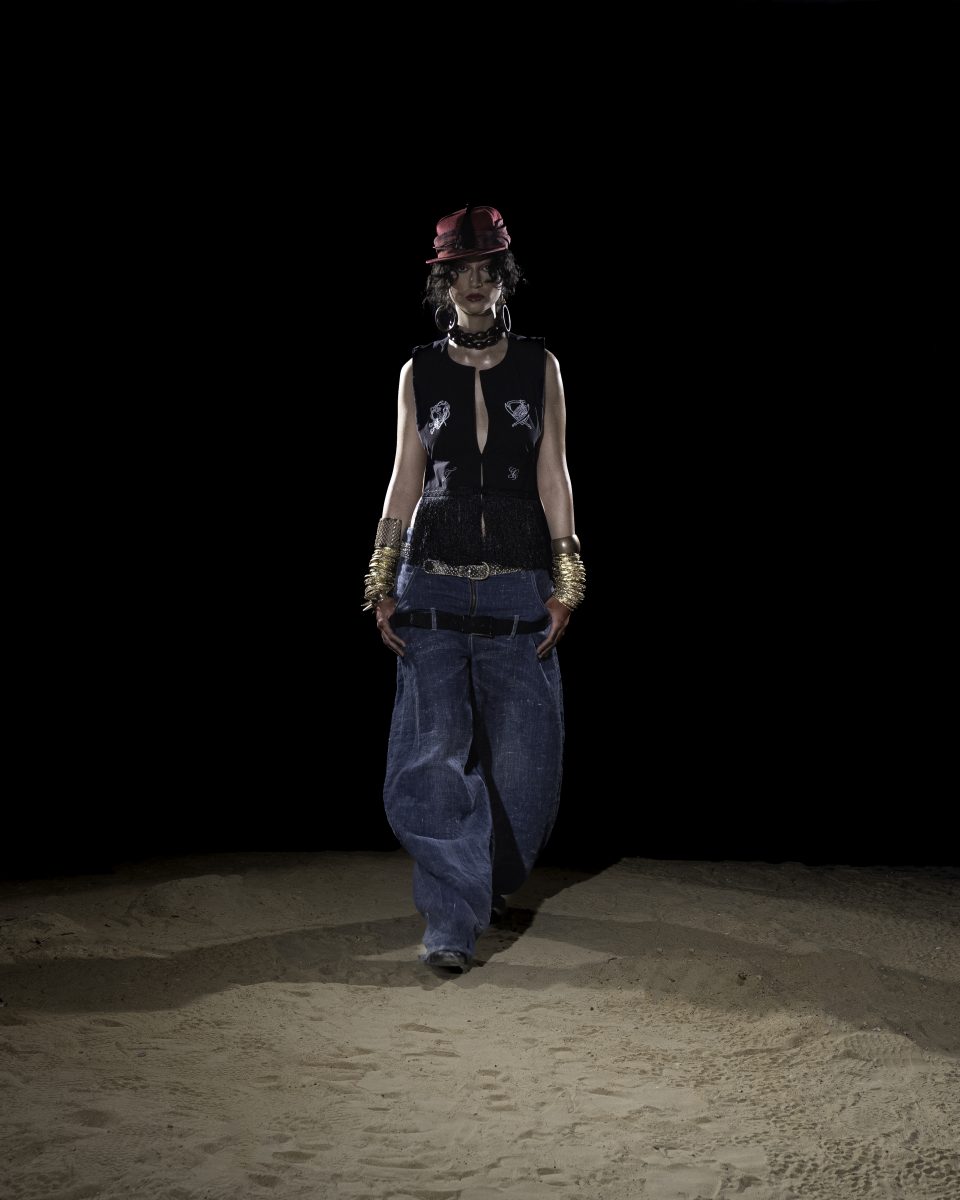
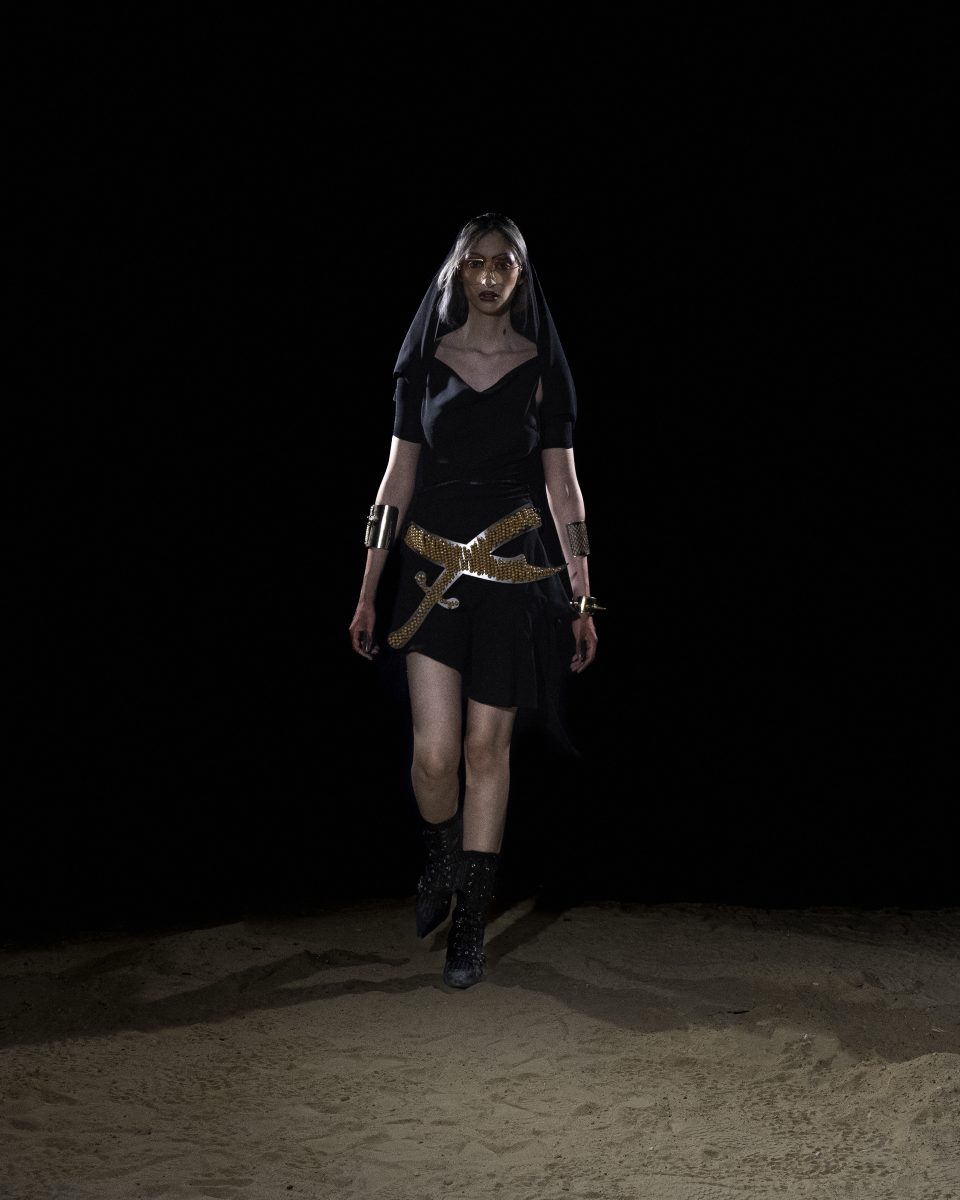
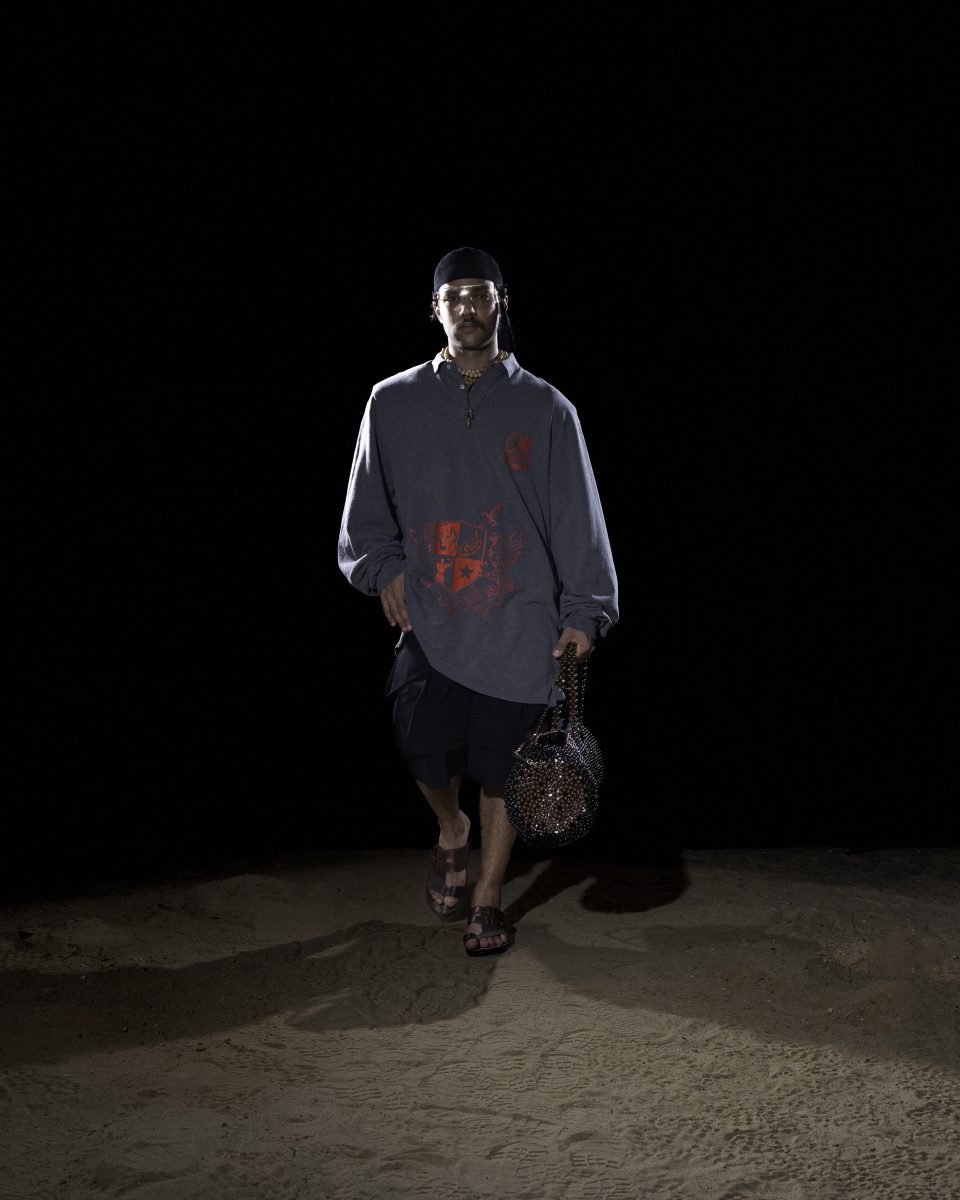
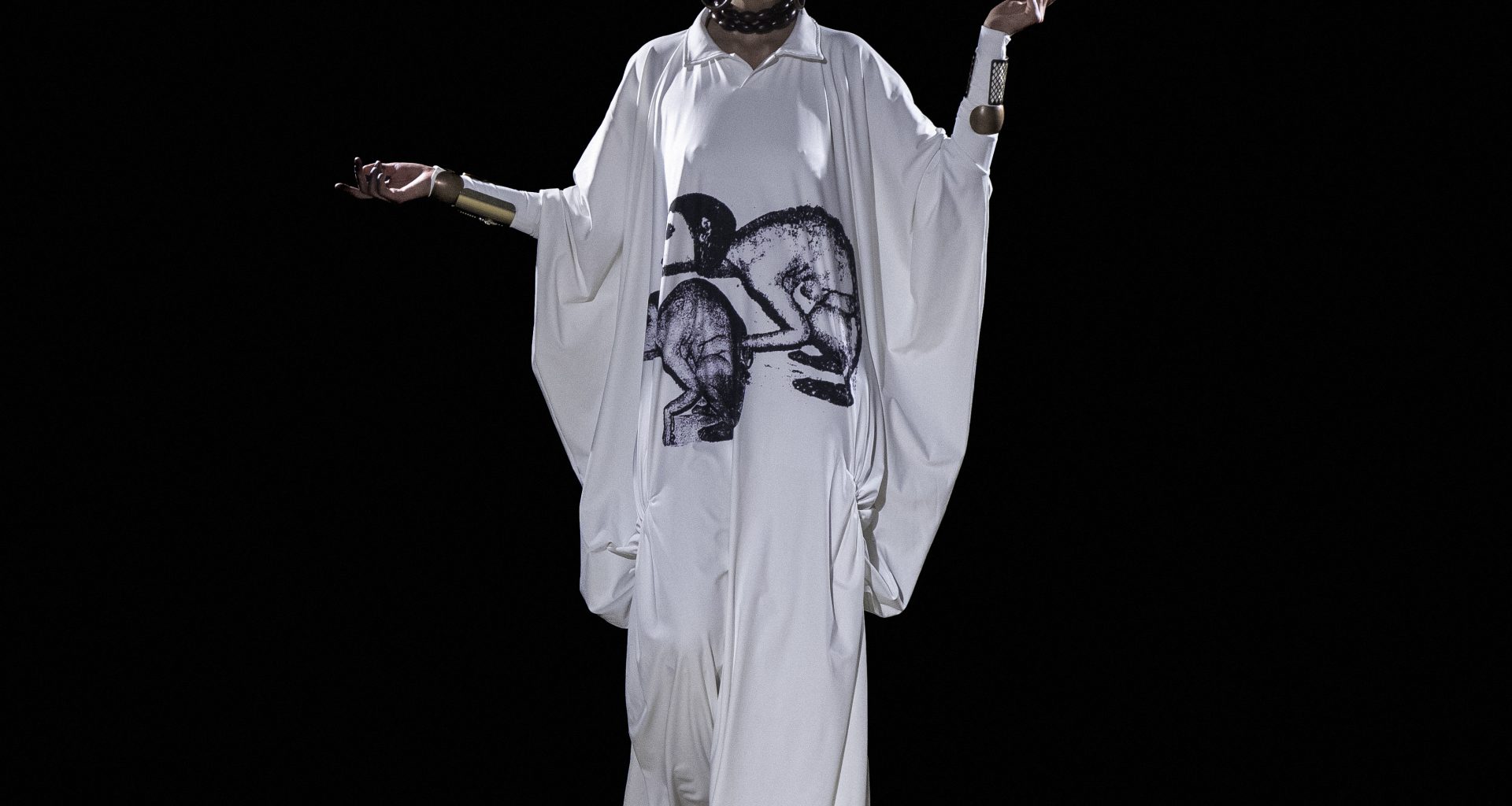
Right from the onset, the collection makes a bold statement about the cyclical nature of fashion. The garments evoke a kaleidoscope of influences, blending aesthetics from the 1990s through the 2010s with historical nods that spark curiosity. This artistic juxtaposition reaffirms that fashion is not merely a reflection of current trends; rather, it serves as a mirror reflecting sociopolitical climates, shifting cultural values, and evolving identities. The pieces themselves embody this notion, with innovative designs such as linen crafted to mimic denim, and polos sculpted from wood – each challenging traditional textile associations and redefining utility in unexpected ways.
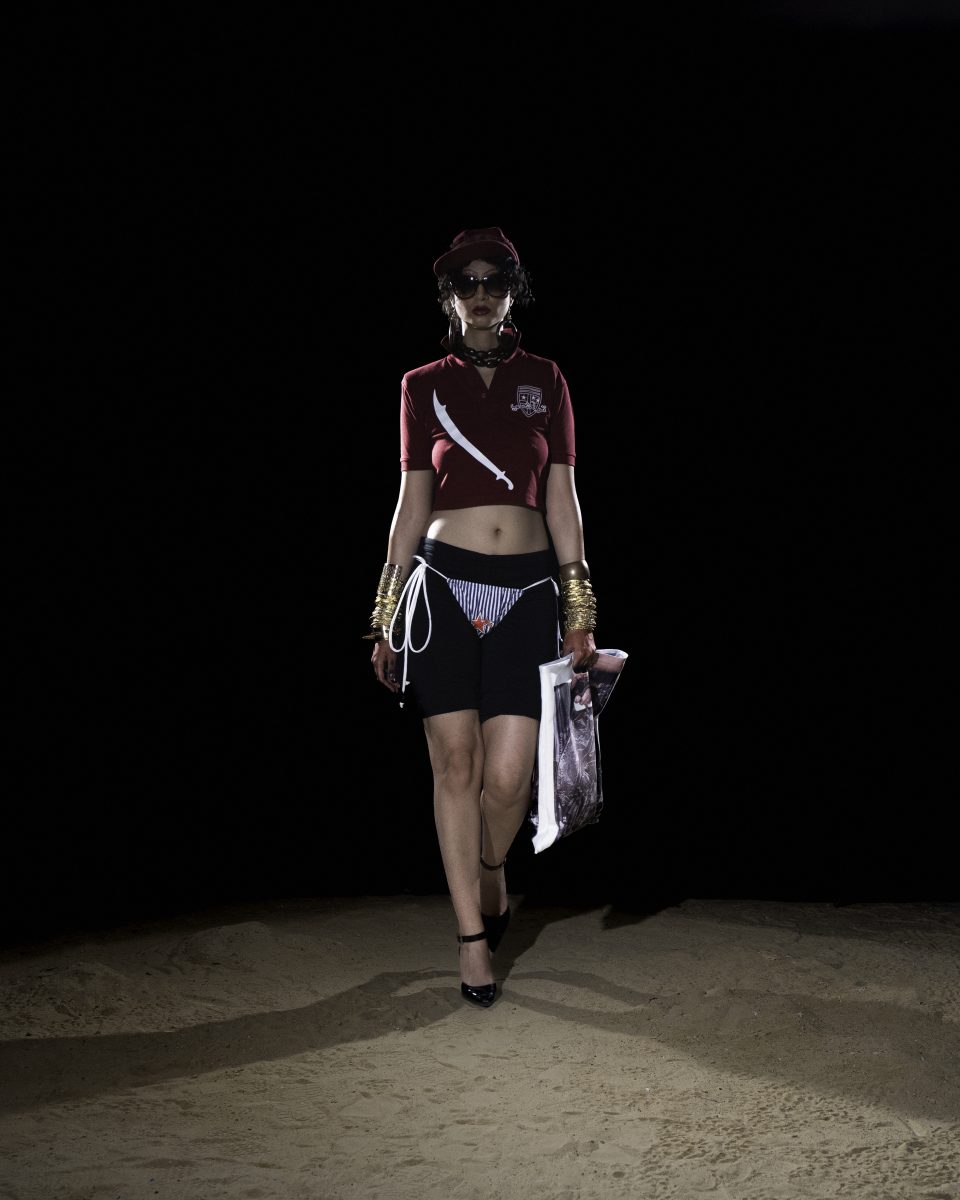
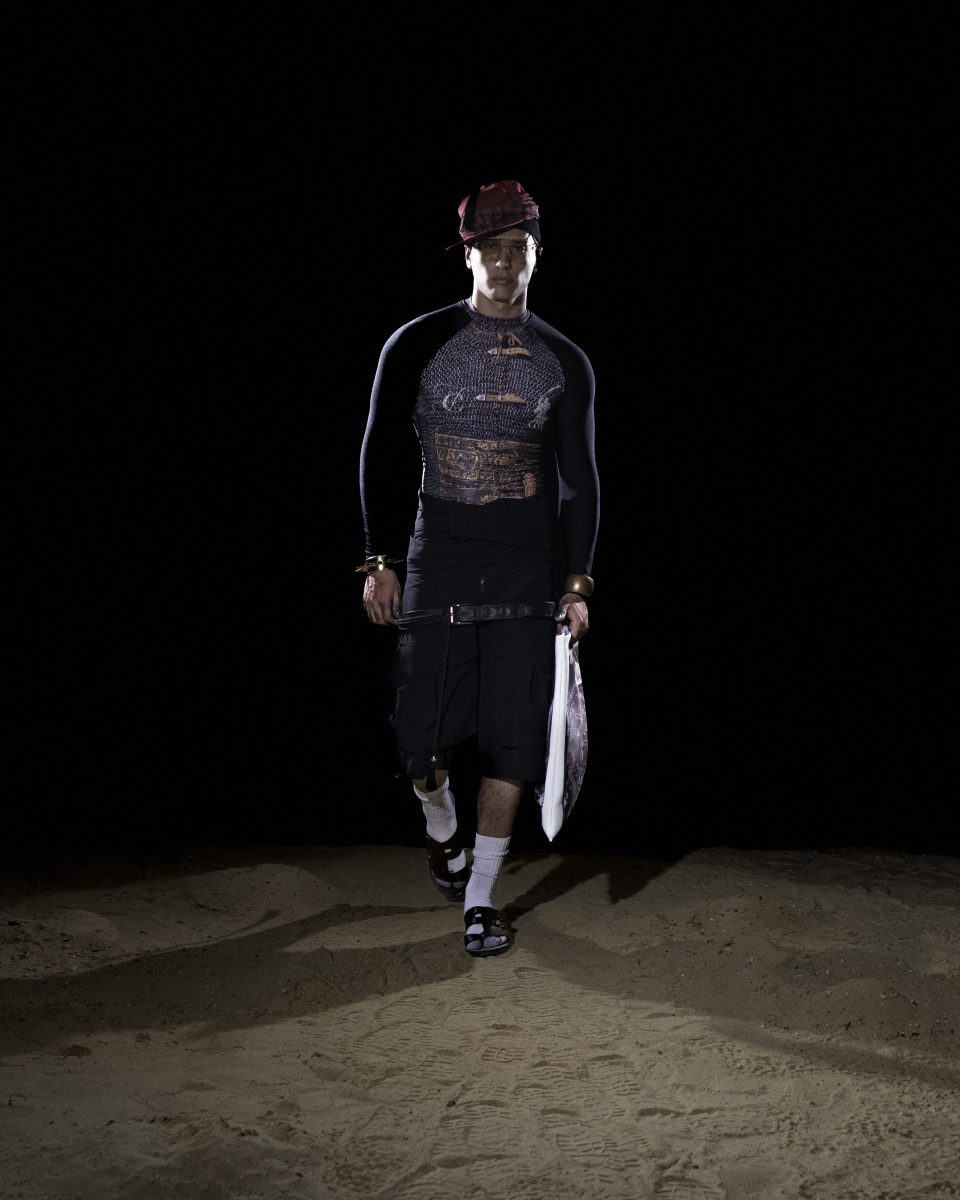
The transformation of a plastic shopping bag into scuba gear stands as a striking metaphor for the collection’s core theme: the reinvention of identity and the concealment of deeper truths. Each garment insists on a singular identity while cleverly obscuring alternative narratives— mirroring the complex interplay of power dynamics that often dress themselves in charming aesthetics. Through this lens, Trashy Clothing invites us to reconsider the implications of allure, presenting beauty not merely as a seductive facade but as a tool for negotiation and diplomacy. The title
“Bikini Diplomacy encapsulates the paradox at the heart of this collection. It challenges the notion of seduction as inherently benign, showcasing how glamour can be wielded to soften the edges of authority. This provocative message is not merely a critique; it serves as an urgent reminder of the sometimes insidious ways in which fashion and power intersect. By framing dominance in the alluring guise of beauty, regimes and institutions mask decay while promising vitality, creating an illusion that can cloud public perception. Trashy Clothing turns this sotry on its head, utilizing nostalgia not for escapism but as a lens to view the exhaustion of past tactics. What once possessed the power to persuade now reads as costume a superficial cover for the machinery of power that operates beneath the surface. The collection challenges consumers to question the narratives we accept and the seductive images we consume, positioning fashion as both a form of expression and an instrument of inquiry.
The craftsmanship exhibited in “Bikini Diplomacy” further amplifies its impact. Each piece is meticulously designed, showcasing a commitment to innovative construction techniques that push the boundaries of what garments can signify. The creative use of materials fosters a tactile experience that invites engagement, urging the audience to not only admire the artistry but to also reflect on the broader implications of such transformative design.
Trashy Clothing’s SS26 collection is a commendable and daring statement within the realm of contemporary fashion. “Bikini Diplomacy” compels us to confront the intricate relations between beauty, power, and nostalgia, urging a reevaluation of both personal and societal narratives. Rather than offering simple escapism, this collection encourages critical engagement, making it a resonant discussion point in the ongoing dialogue about fashion’s role in shaping culture. Through this collection, Trashy Clothing has successfully crafted a platform for reflection, reminding us that the clothes we wear carry the weight of history, politics, and profound possibility.