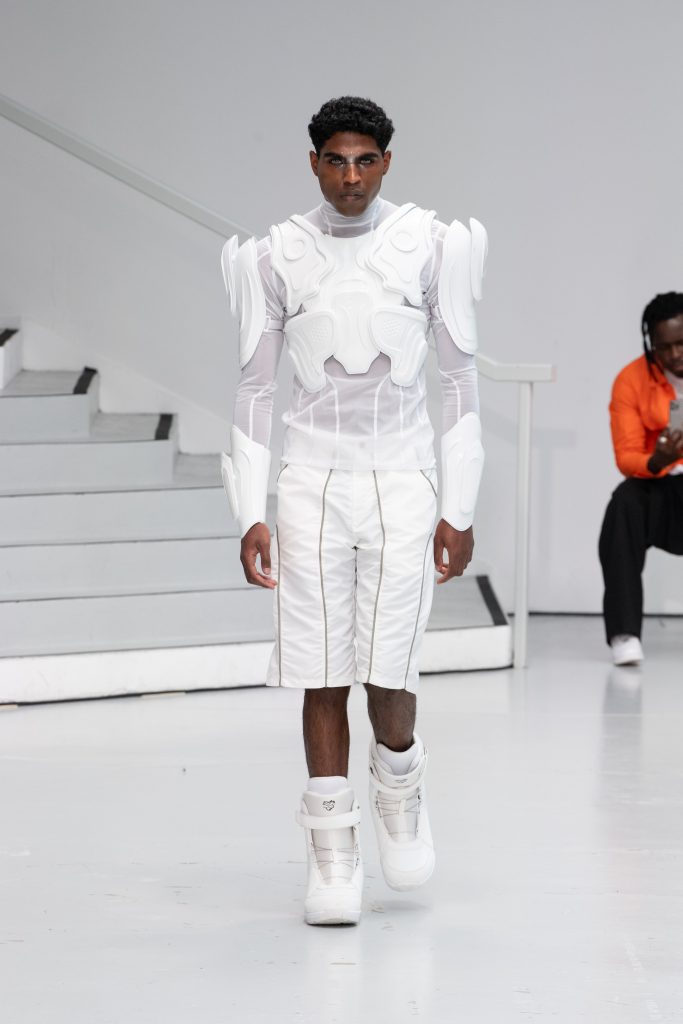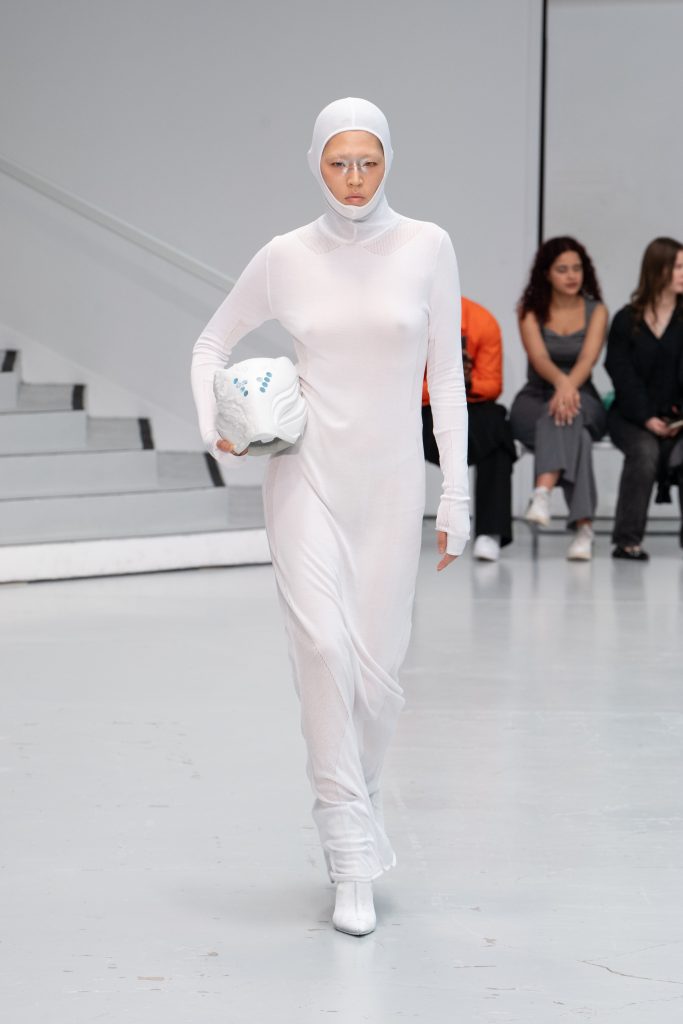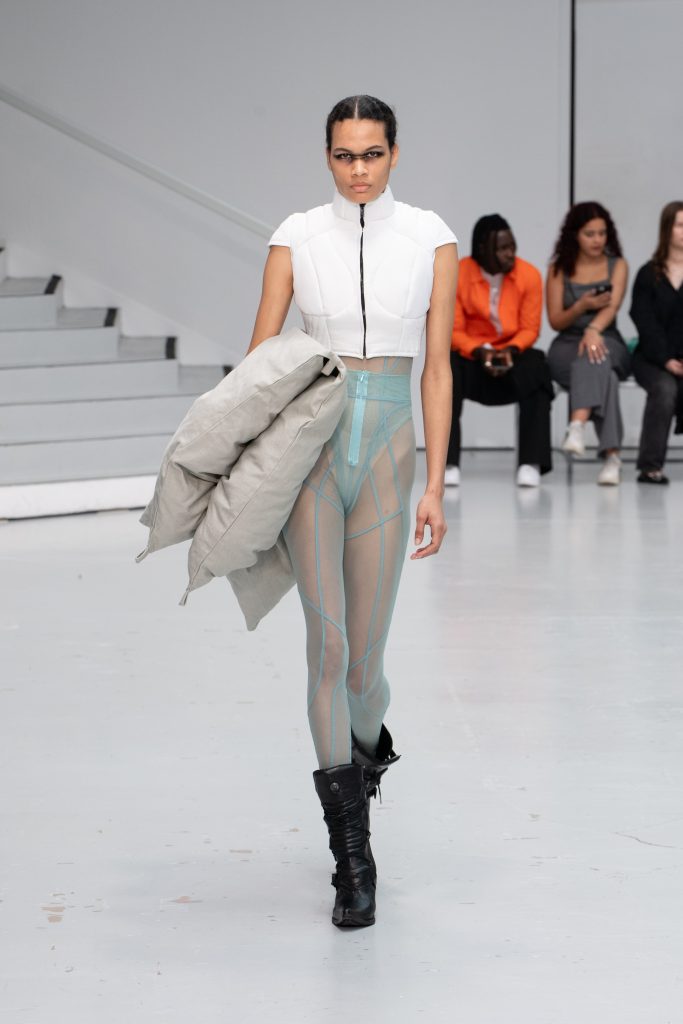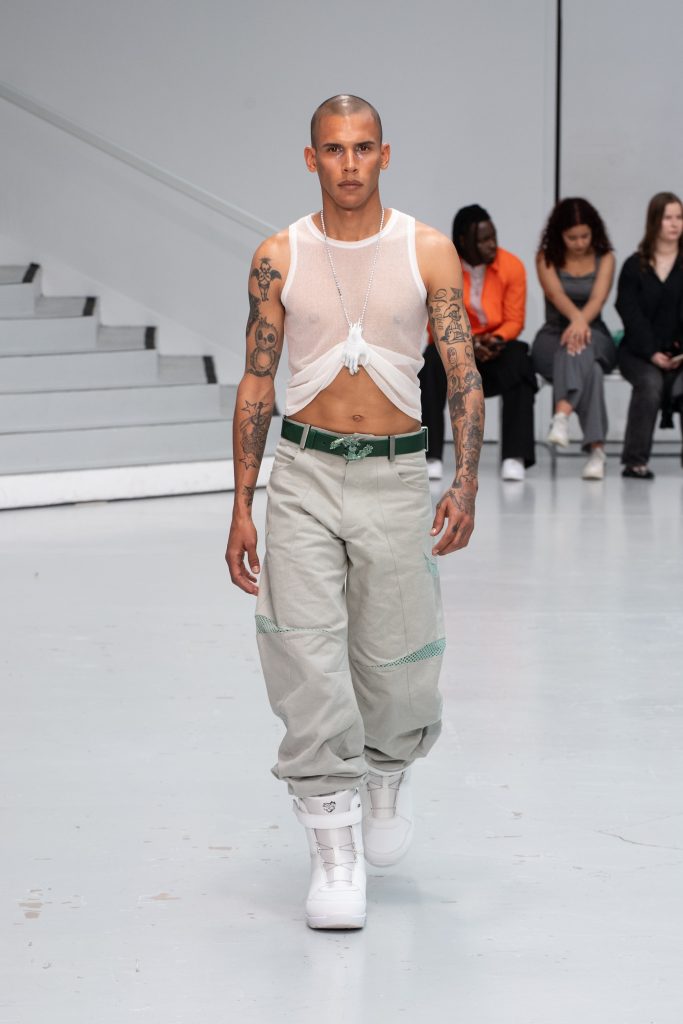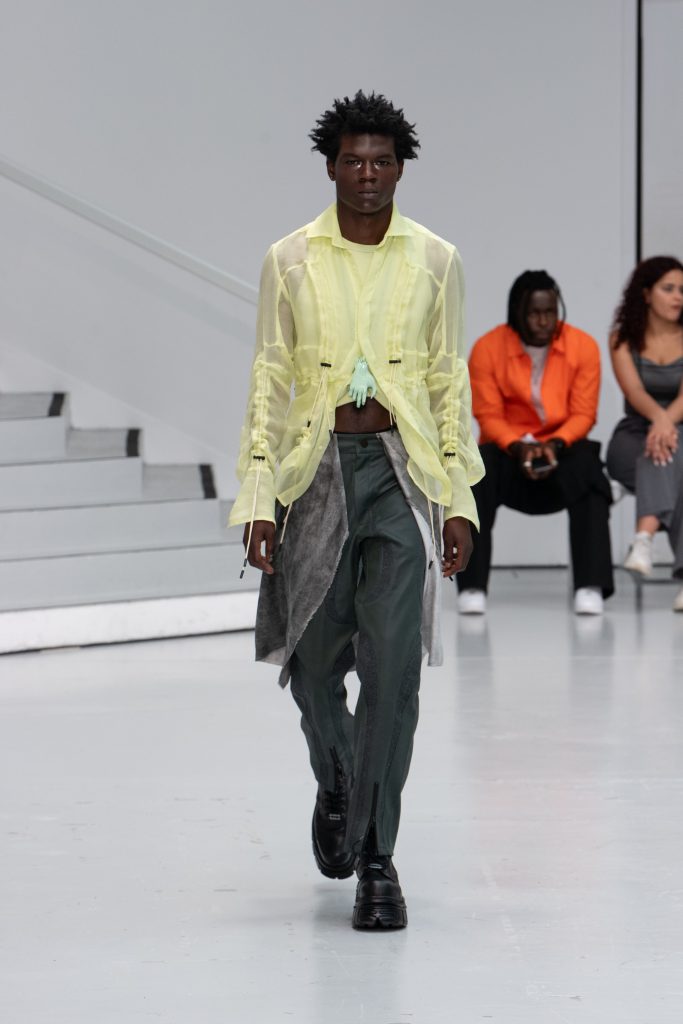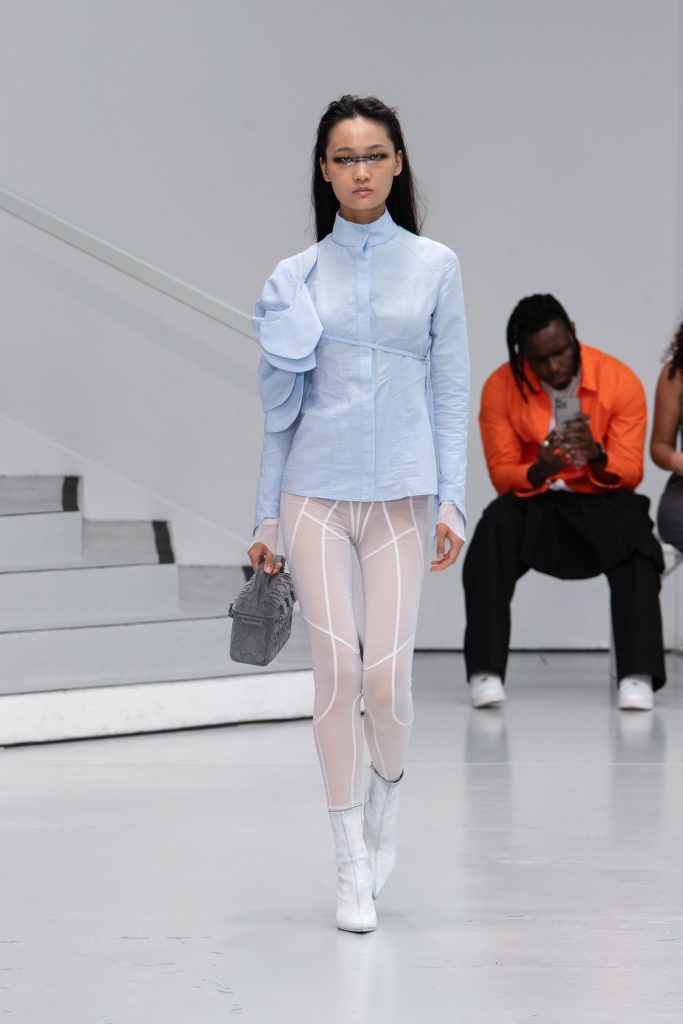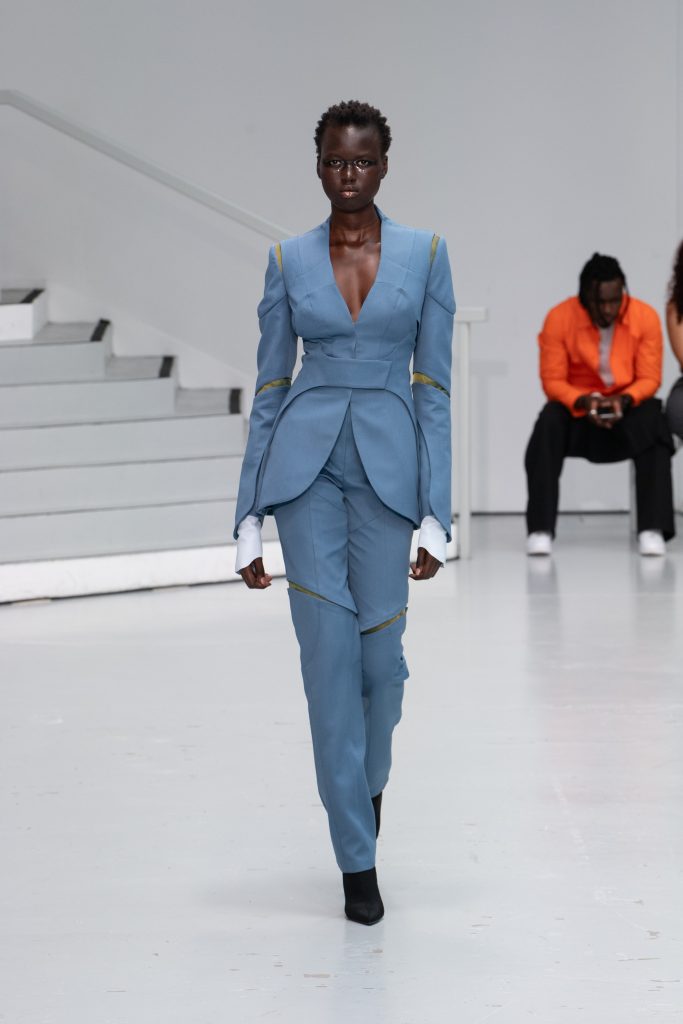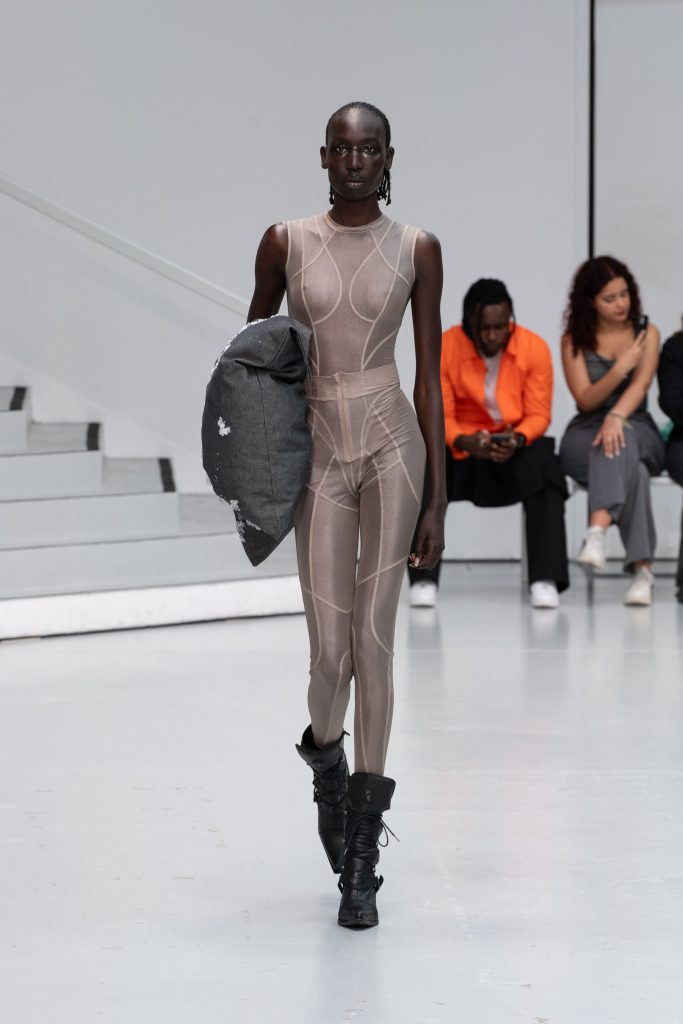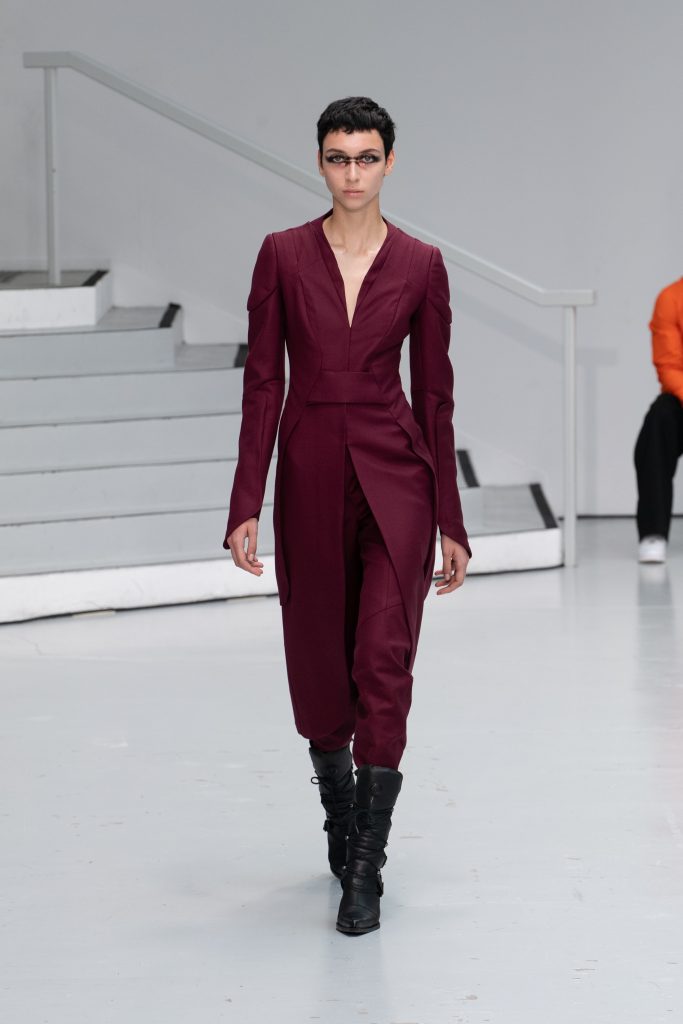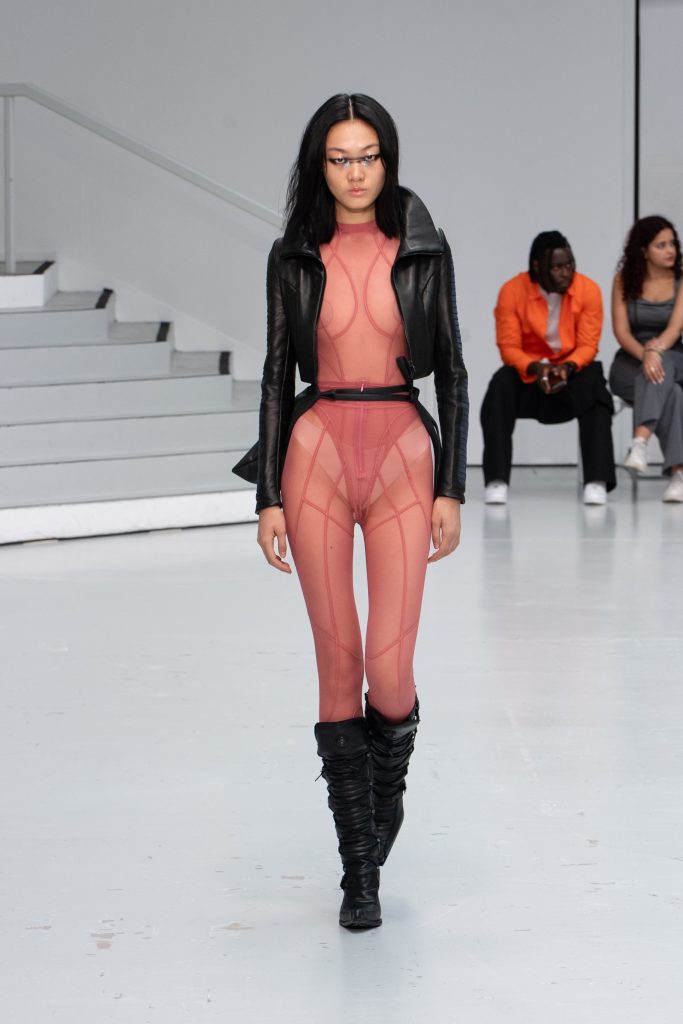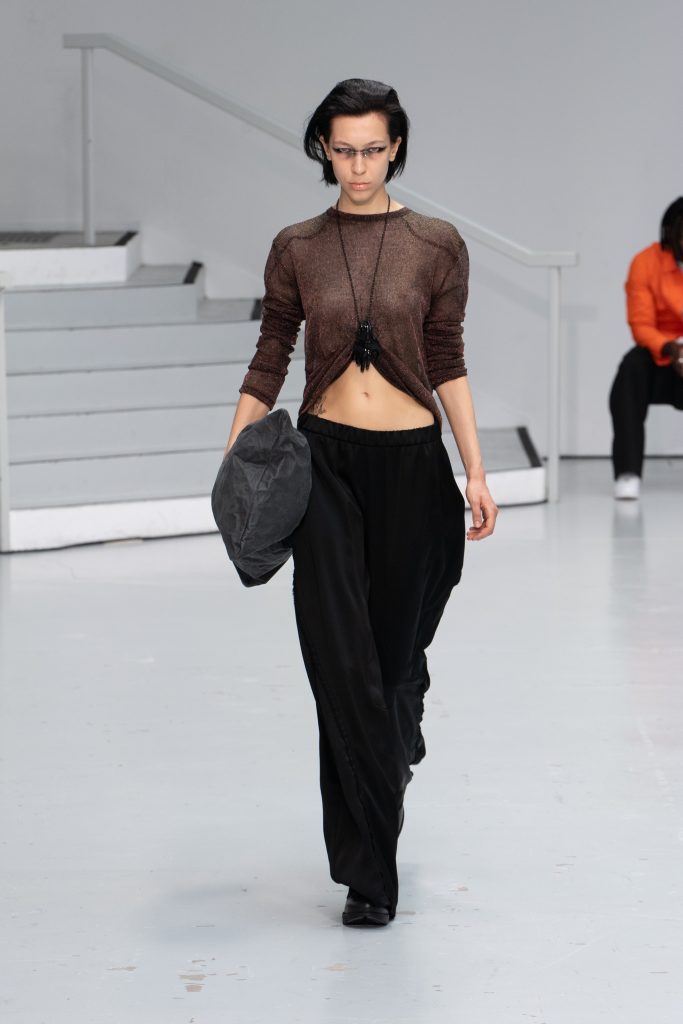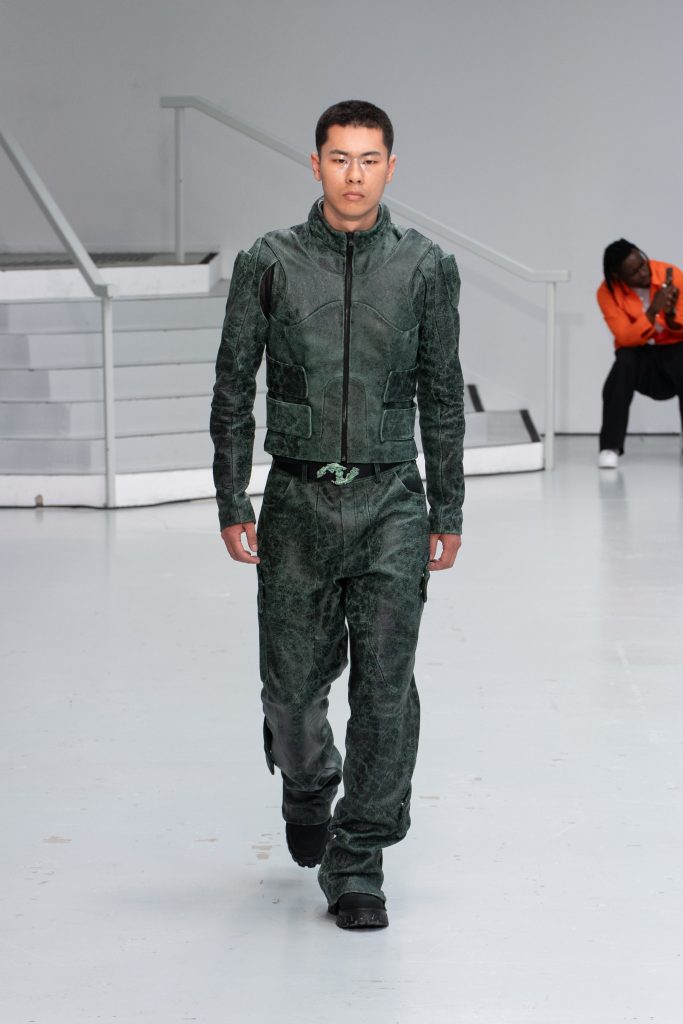
YENESAI is futuristic vision fused with ancestral nomadic values.
The brand draws its name from the river Yenesai, one of the world’s
longest, and the traditional life support system for a plethora of
millennia-old nomadic cultures, including our founder’s own
ancestors. True to its namesake, Yenesai clothing supports its wearer
as they traverse environments dense and desolate alike.
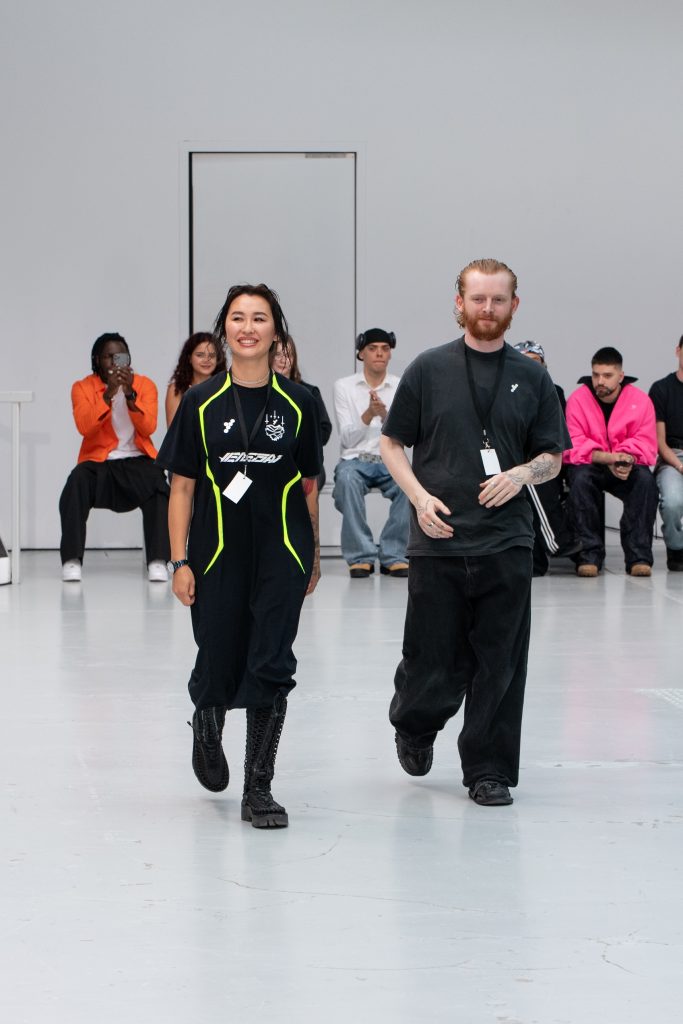
We met the founders and creative director Meerim Chotbaev before the presentation of the SS25 collection and that’s what she told us.
What is fashion?
Fashion is as a form of expression, a visual language. It allows you to communicate and connect with your inner child. I see dressing well to attract attention as an act of strength and self-love. Fashion can tell the story of your life, upbringing, inspirations, and fears. Extreme fashion choices can be an act of bravery.
What is Yenesai? And how do you talk about fashion through your collection?
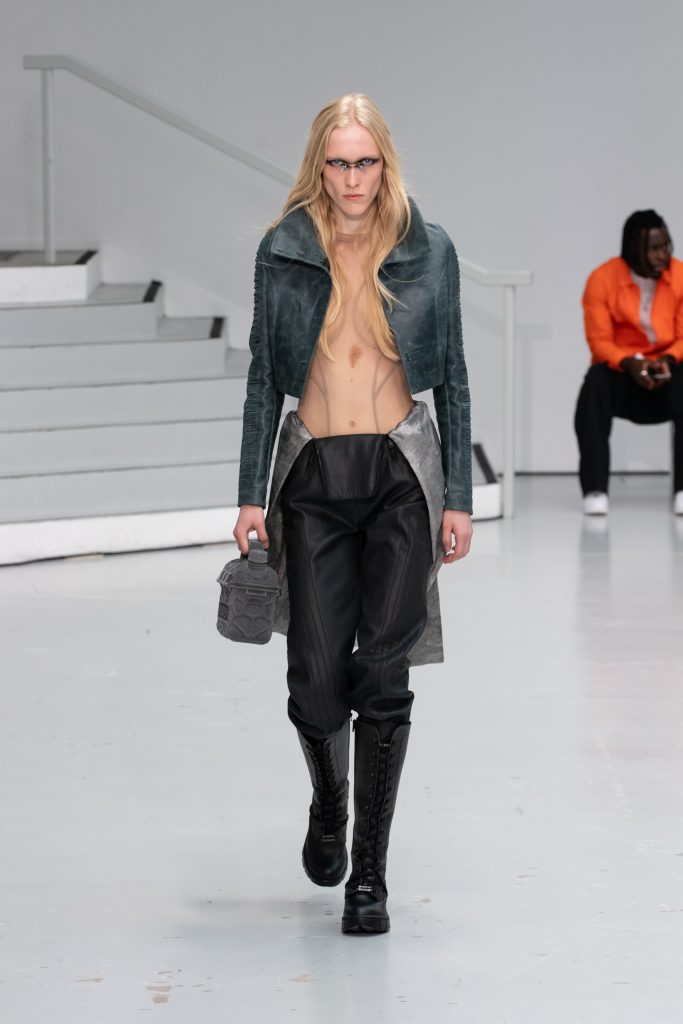
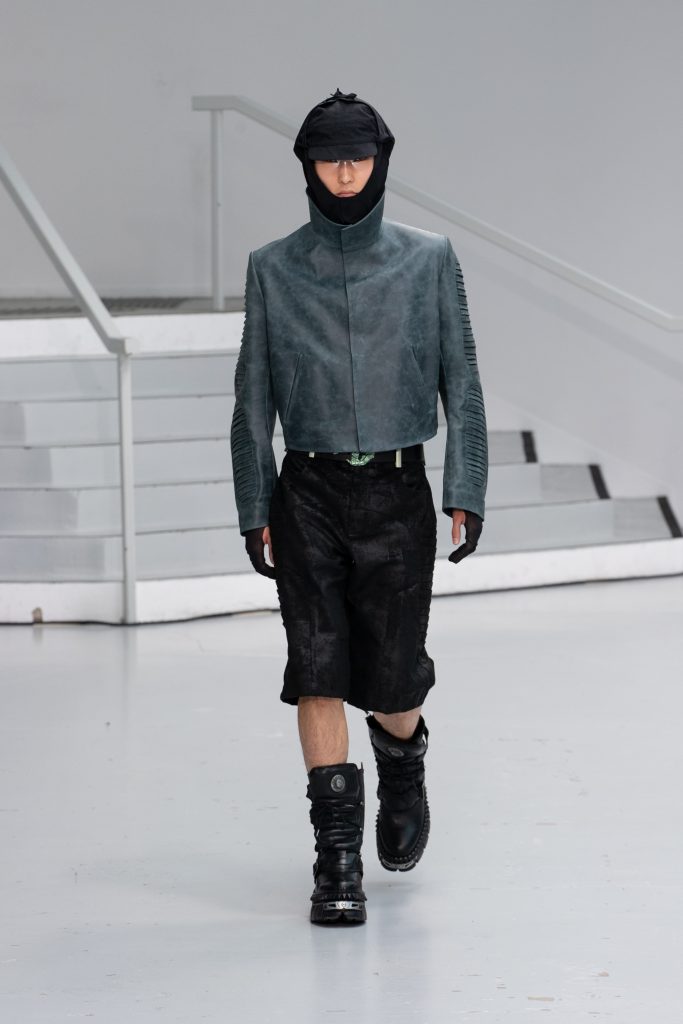
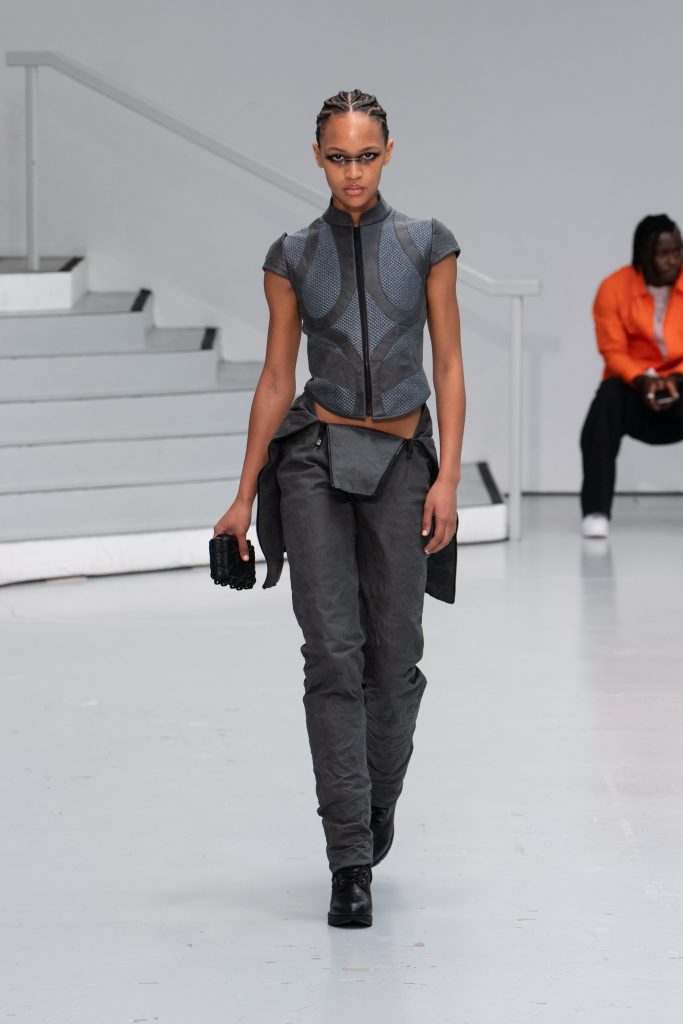
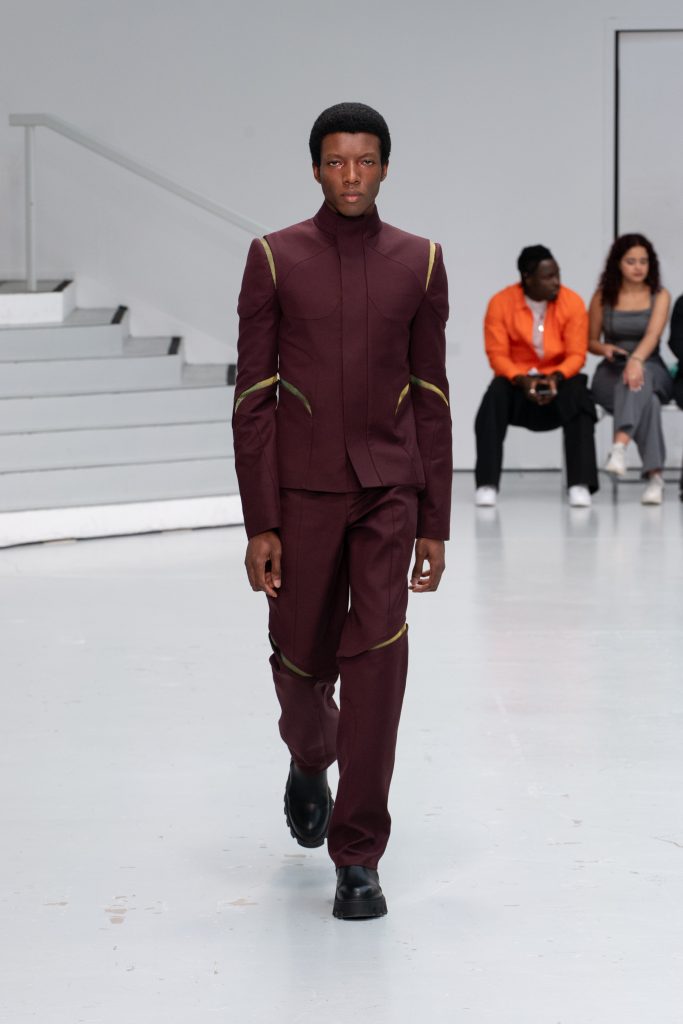
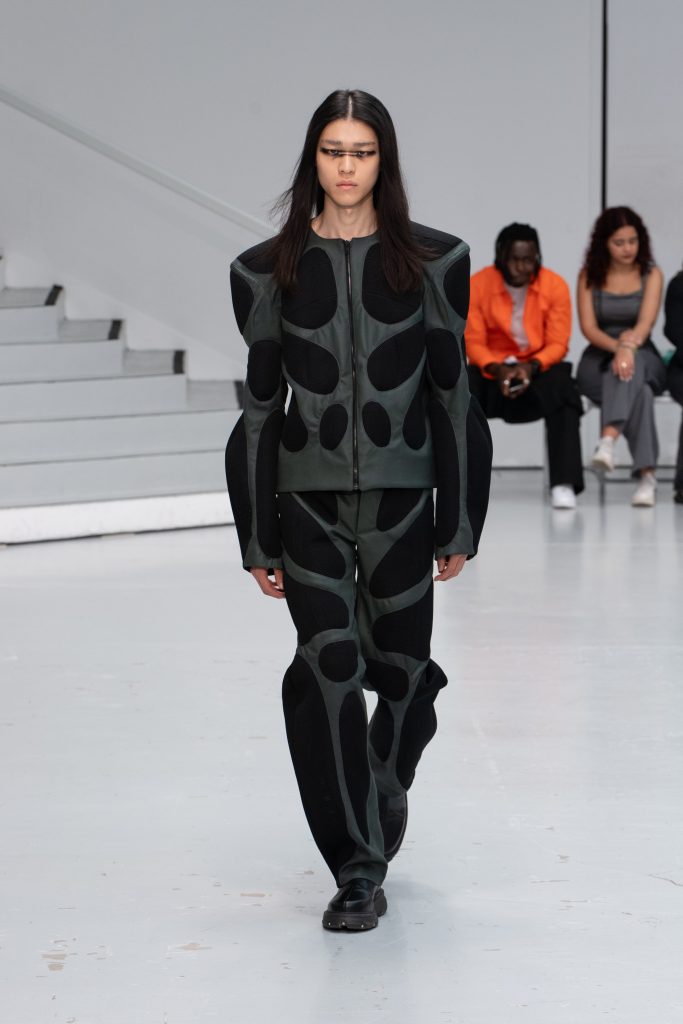
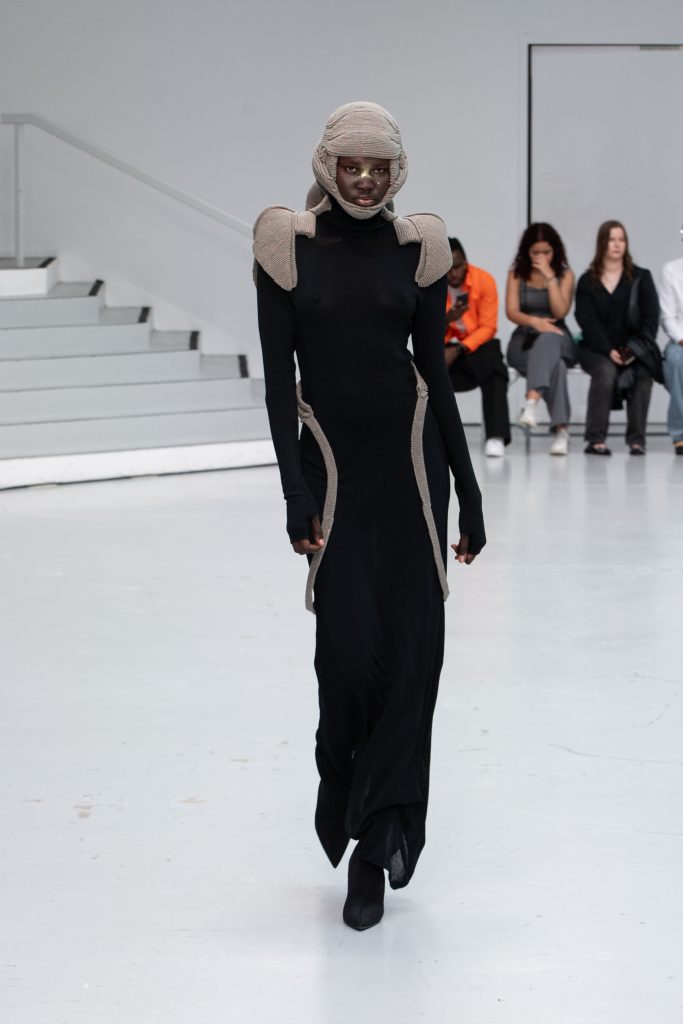
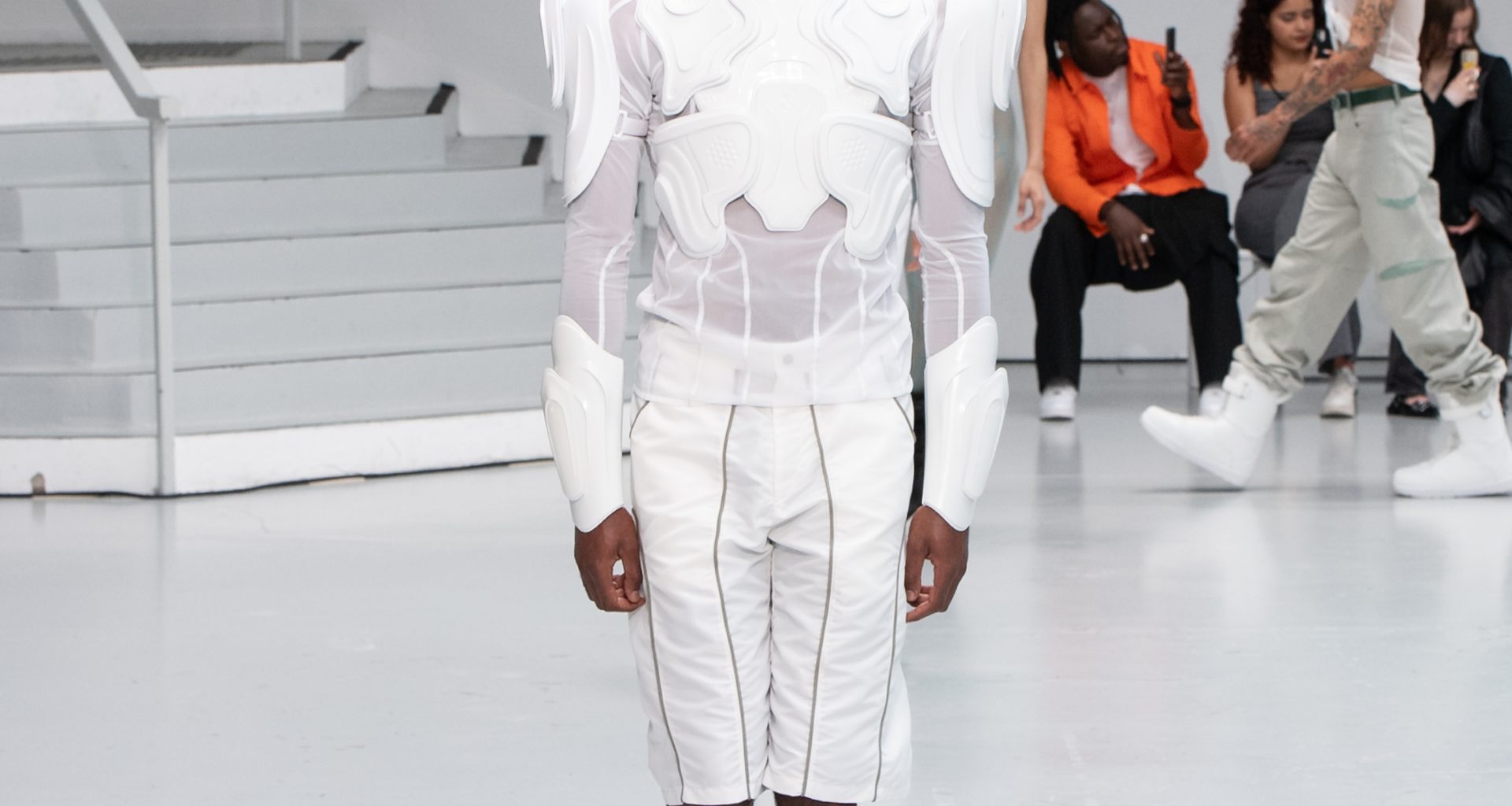
Yenesai embodies resilience. It signifies a warrior spirit and serves as armour for the contemporary nomad. Born during the covid pandemic, the brand’s design language aims to embolden, reflecting the resilience people showed during the lockdown. Our designs often include armour plates, even in soft fabrics where a garment’s architecture follows the lines of armour design.
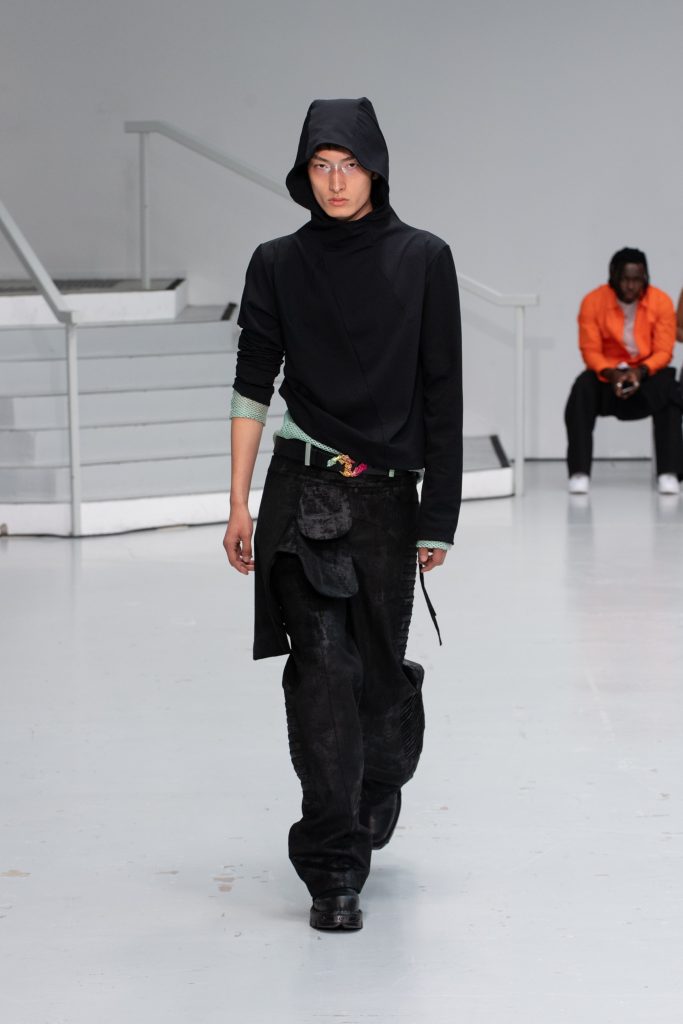
Nomads are naturally equipped to adapt to harsh conditions. I strive to express this nomadic spirit. When people wear our clothes, they often express feeling ready to face any challenge, unprompted. Some say they feel like an assassin!
Sometimes, it requires a superhero’s strength to overcome life’s hurdles. This spirit inspires our pieces.
How would you describe your style?
A wide mixture of influences from my mother to an obsession with Japanese manga. As a child my mother encouraged us to sew our own bedding, carpets and clothes. Important qualities for me are practicality, comfort, layering, and symmetry. I get a lot of pleasure when seams connect, like veins or rivers.
Yenesai is named after the great river which originates in Siberia, where nomadic tribes used to live. Yenesai means “mother river”, a dedication to the nomadic lifestyle, my mother and her influence on me.
We read on your website that you are a “London-based brand for a global community-in-motion”. What does it mean? Who is your community made up of?
We design with the modern nomad in mind. These are people always in motion. Creative people who travel regularly and connect with likeminded people all over the world. They need clothes that serve them well during their travels and look good. They’re often confined to a suitcase so every item has to serve a purpose and be easy to care for.
Background?
I’m Kyrgyz, carrying on the legacy of generations of nomads. I’m an outsider to mainstream fashion, a migrant, and a single mother without family support. I grew up in Kyrgyzstan, and at the age of 19, I moved to London to study at university.
Since then, I have been working in sports media, saving money to pursue my passion for creativity. I am also a biker and began making custom motorcycle gear for myself. As an individual, you don’t have access to all kinds of fabrics and materials, so I decided it was time to start a brand and take my ideas further. Yenesai was born.
The first Yenesai piece made was off-road motorcycle gear, which I wore for a biking tour in Spain. Yenesai still carries its motorcycle DNA in its patterns.
Let’s talk about the SS25 you’re presenting during PFW…
It’s a continuation of our story. Last PFW was our maiden voyage in the industry, our nomads landed in a new world, and they now continue their exploration through the collection.
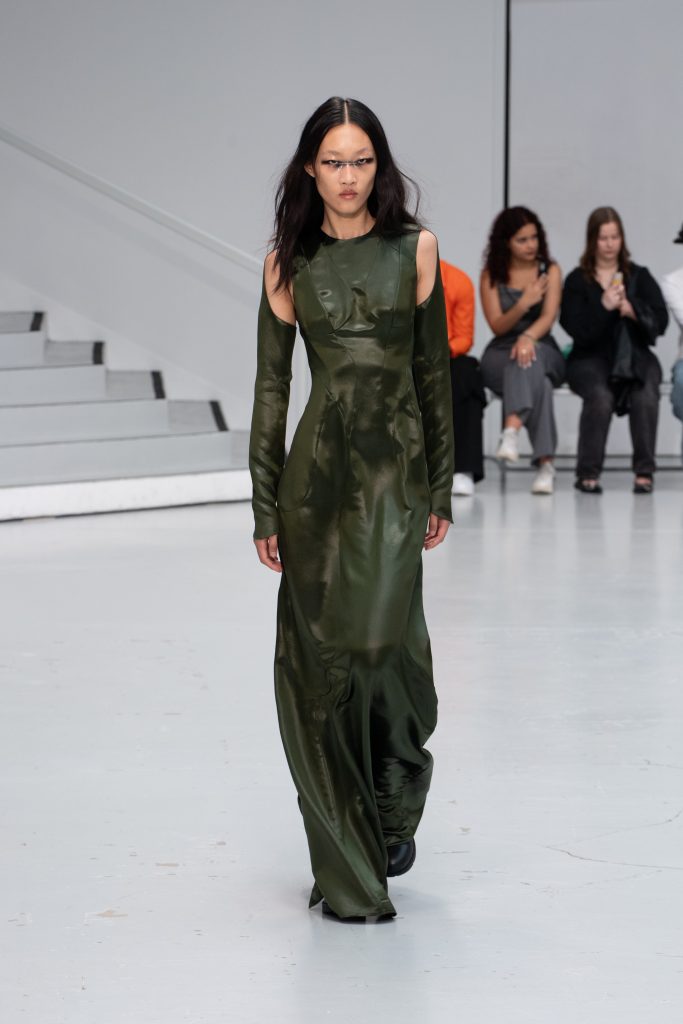
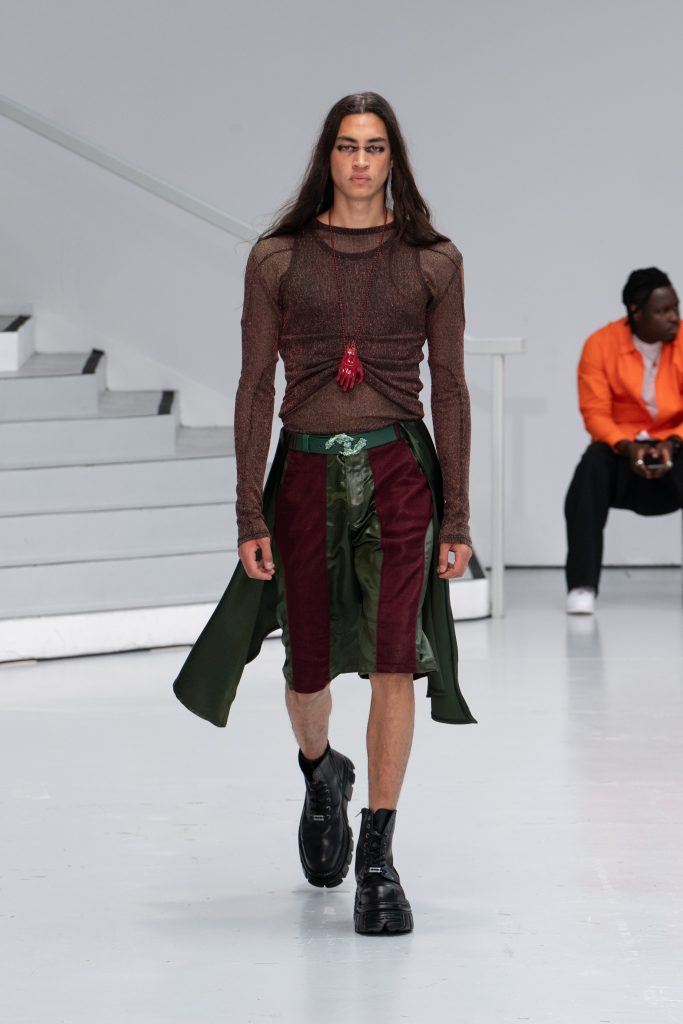
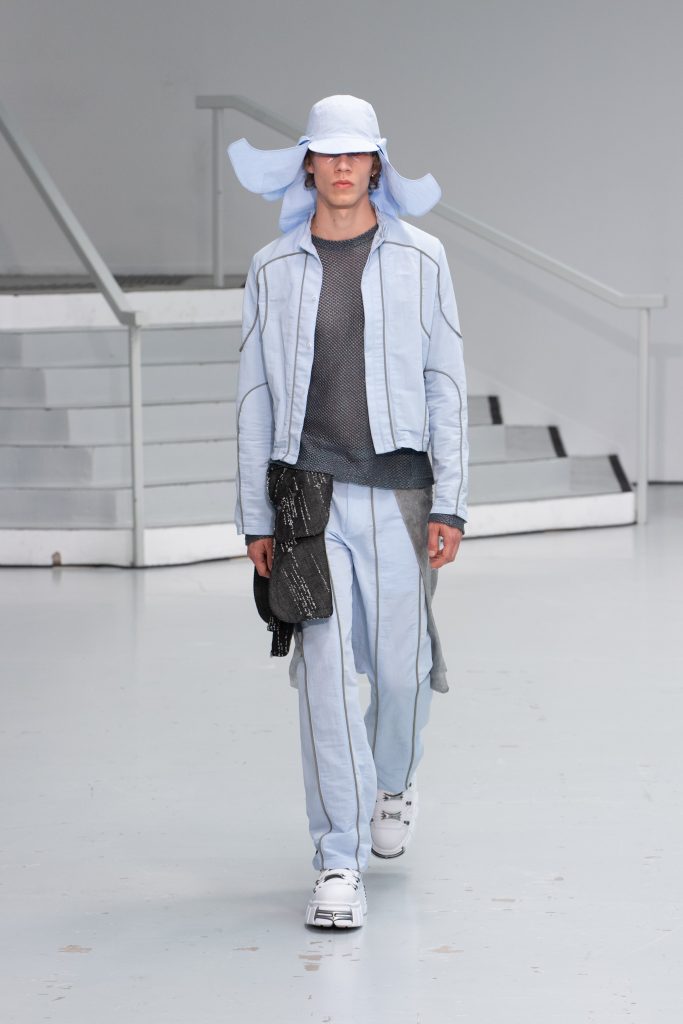
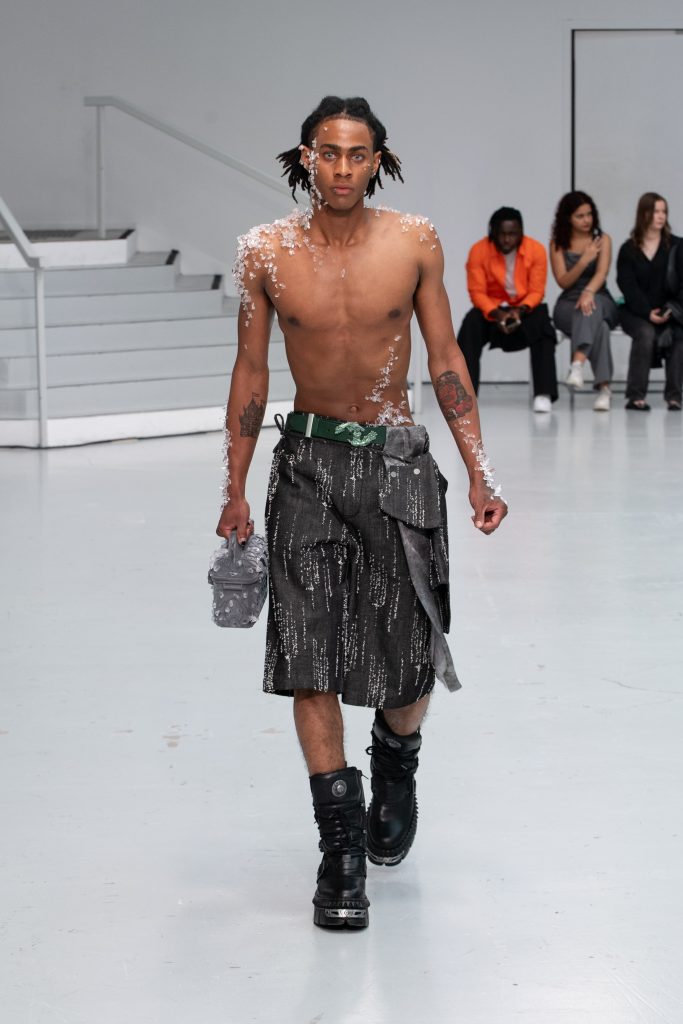
We imagined a new dawn in a desert environment and the challenges that might bring. We put a lot of thought into colours, working with a mixture of materials.
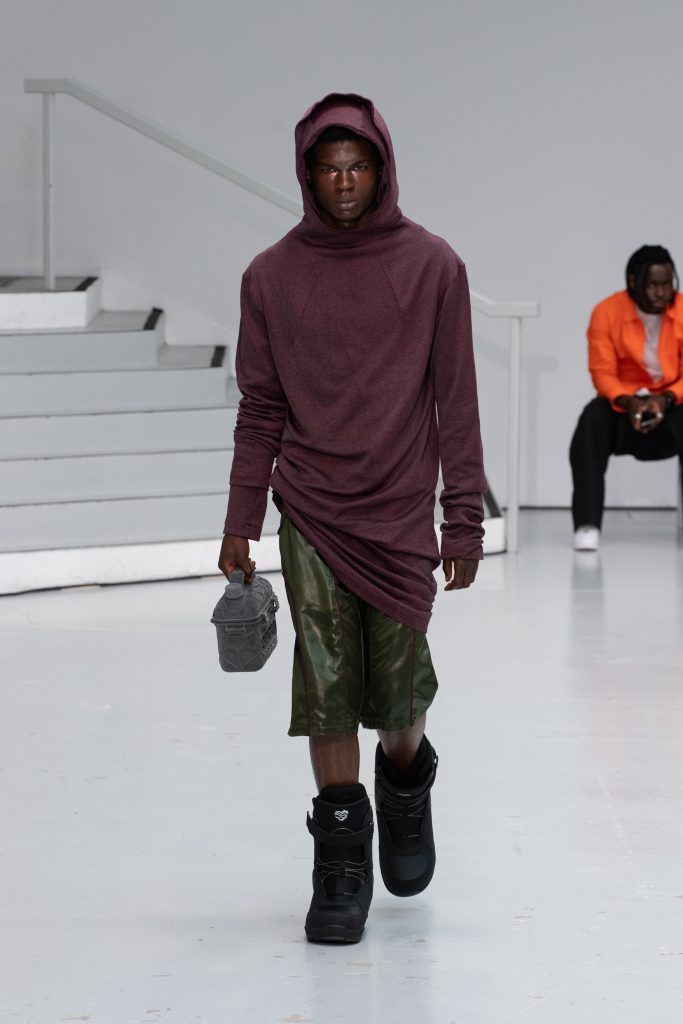
Once our nomad characters get used to this new place, they start gathering resources. We’ve added new 3D printed accessories to our portfolio, the cyborg hand clasp, updated canister bag, and a streamlined version of our eyewear in new colours.
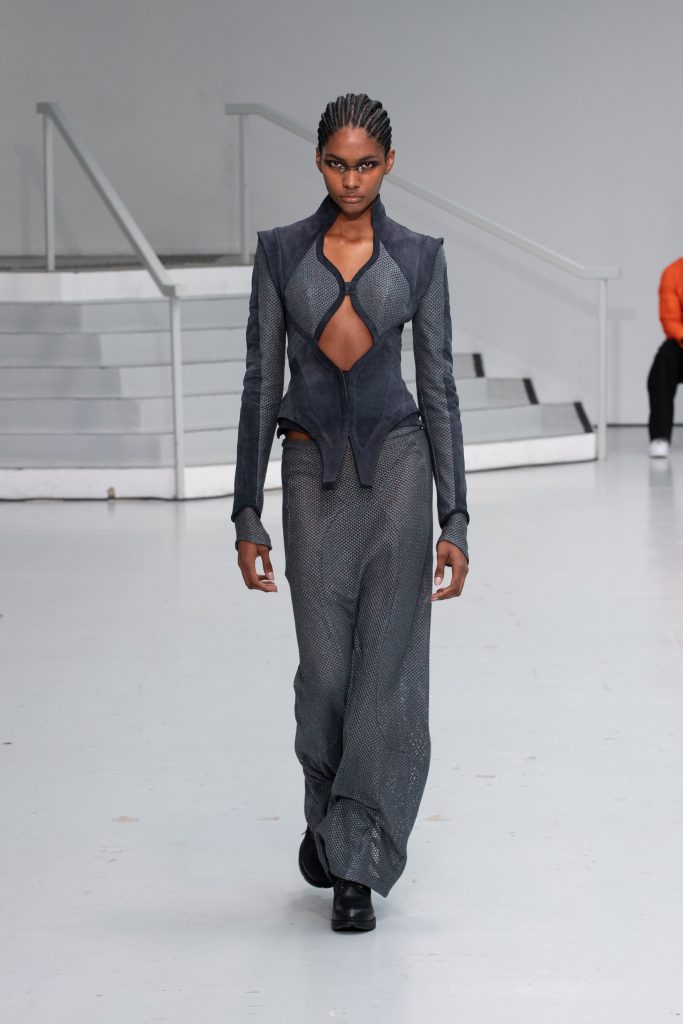
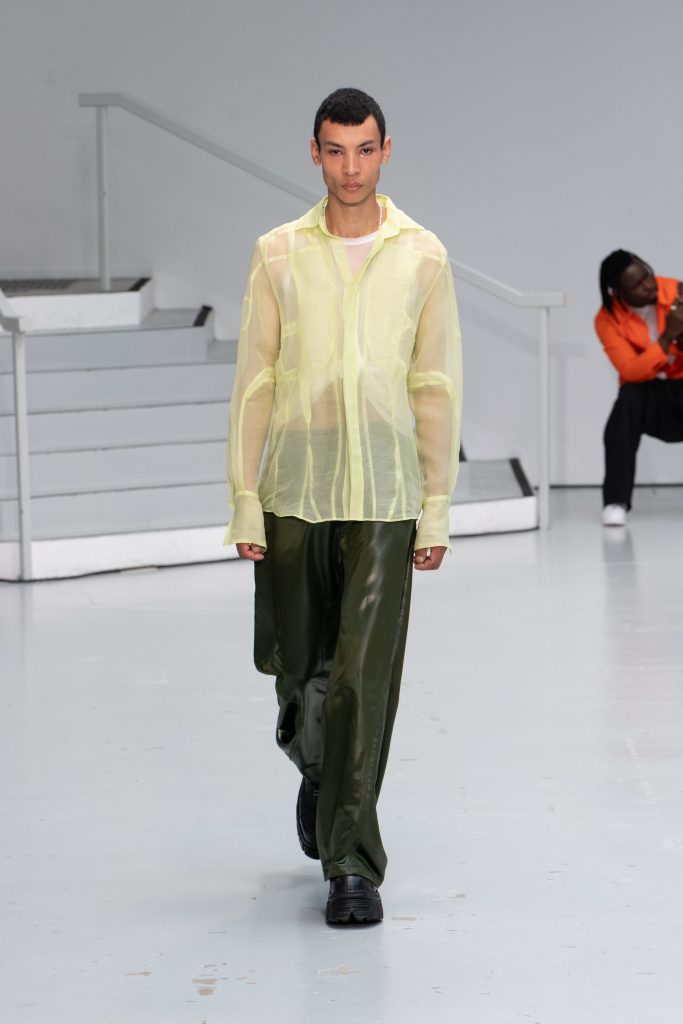
We reflect the challenges of life in the desert environment through glistening fabrics, iridescent panels, and colours and textures inspired by gemstones.
The show concludes with some strong leather looks, intricate panelling, armour-style layering, still with ease of movement in mind.
Do you have any favourite piece from the collection?
That’s like asking me to pick a favourite child, but I am especially proud of our new tailoring and our leather work.
“Fashion should be a form of escapism, and not a form of imprisonment”, Alexander McQueen said. In 2024, can fashion still be an escape route, a way to escape social conventions?
In some ways it’s easier to escape reality now than ever, through technological advances. But at same time exposure in the digital world can be short lived.
All these great names from history didn’t seem to have these constraints as designers, like generating buzz on social media and working with the right influencers. They were freer.
But as a user fashion can still be a form of escapism.
A letter to your future self…
Have no regrets. You’ve done good, no matter where you end up. Considering the challenges you faced, I don’t think you could have done any more. Don’t stop exercising, that’s where I stumbled. Make sure to carve out time for yourself.