
By Alegria Haro
Willy Chavarría has announced his next runway show. The designer will present WILLY CHAVARRIA Spring-Summer 2027 “COMUNIÓN” on Friday, June 26 in Paris, at 15:00 CET.
The word comunión carries a sacred charge. It means communion: a shared rite, a gathering around belief, the moment where the individual body becomes part of something larger. For Chavarría, that word already feels close to home. His work has long moved through Mexican and Chicano symbols with an instinctive sense of gravity, taking the visual language of faith, family, masculinity and public ceremony and bringing it into fashion without flattening it into costume. There is a reason the title feels so promising before the show has even happened. It belongs to a designer who understands that clothes can hold memory.
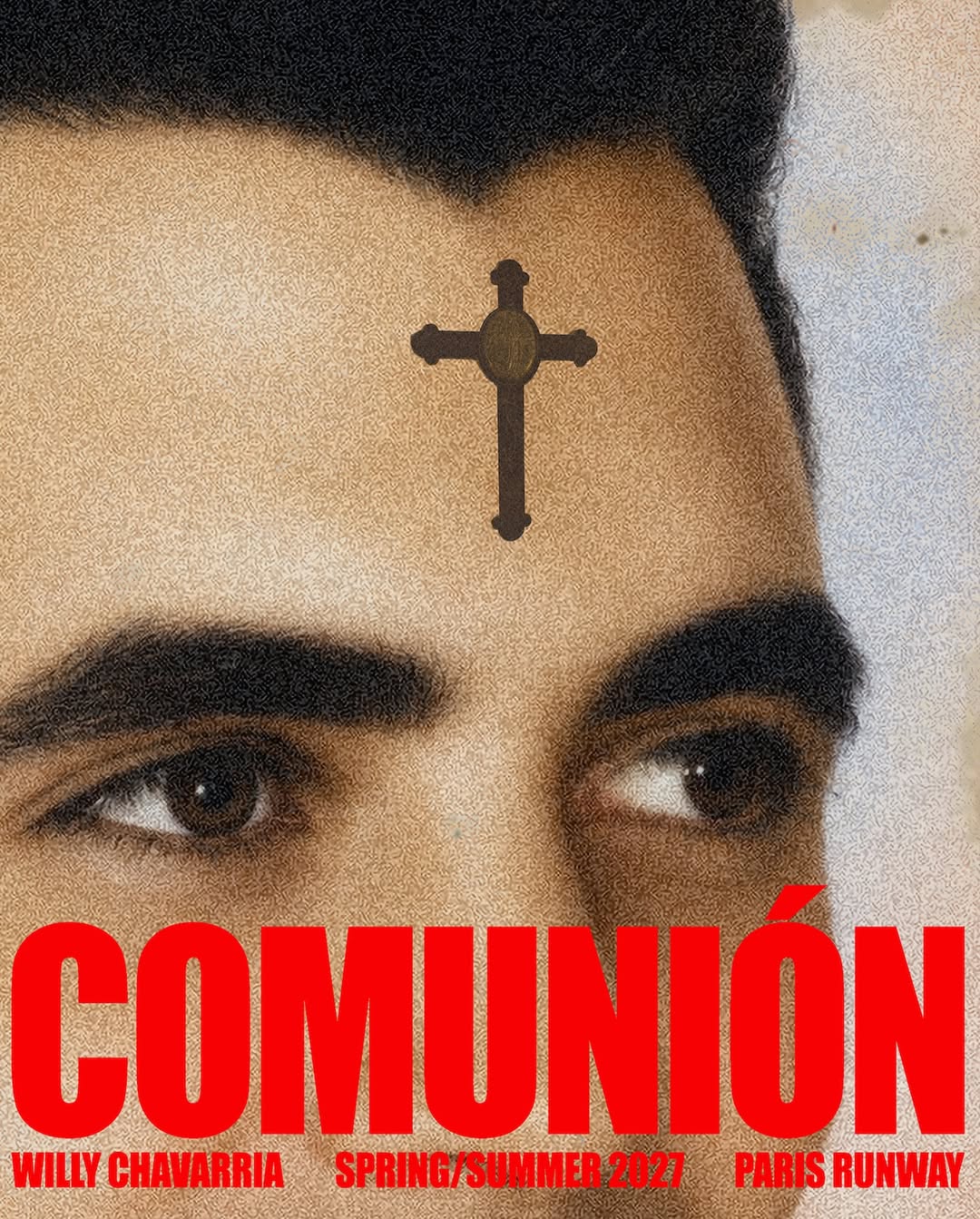
That is what makes Chavarría so important right now. He is bringing Latino elegance to the global stage with a force that feels rare in contemporary fashion. His work does not treat Latino identity as a surface reference. It gives it structure, tension and emotional weight. His tailoring has presence. His proportions carry drama. His casting has the force of recognition. The clothes seem to know where they come from, which is why they can stand so confidently in Paris.
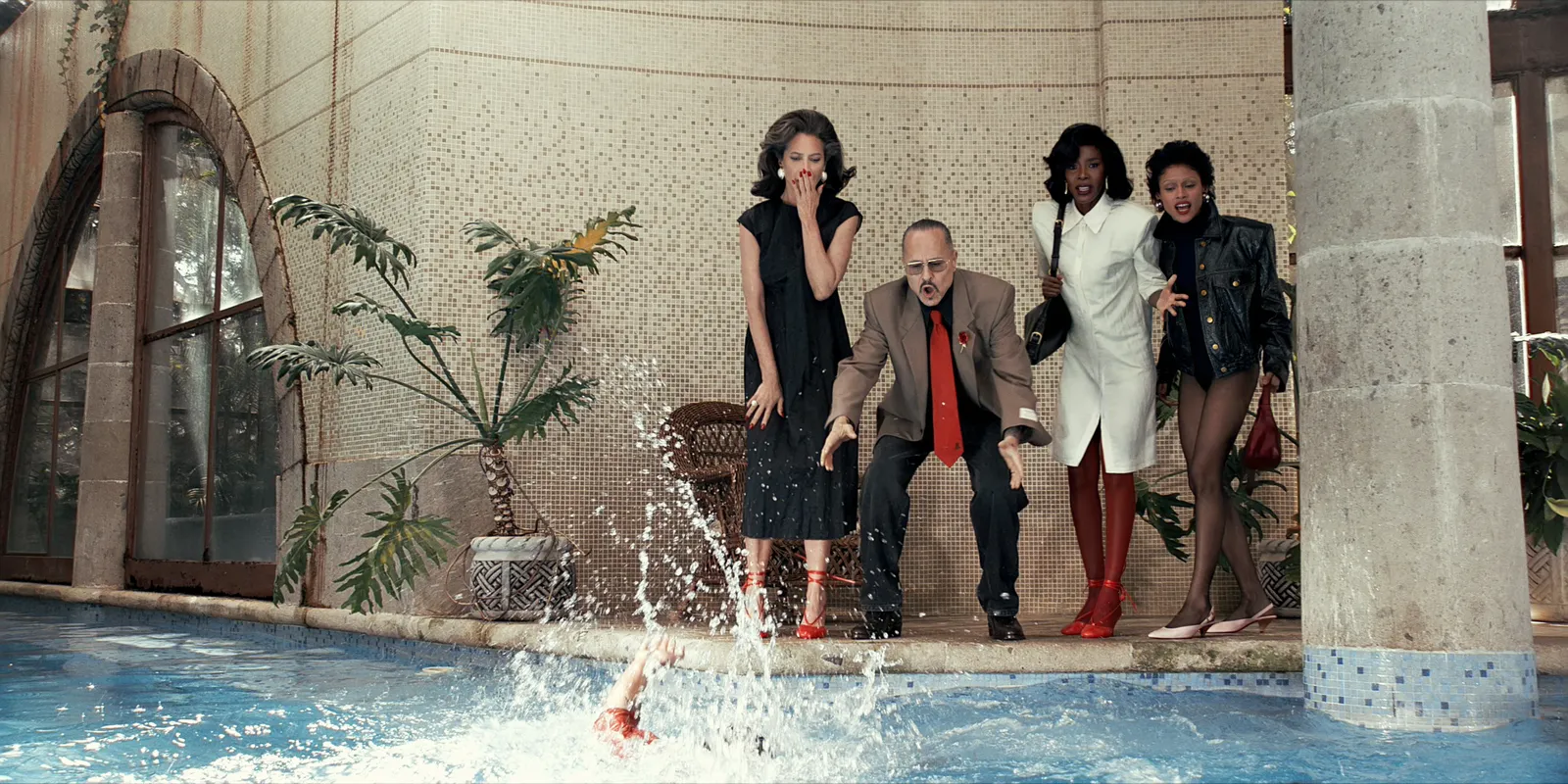
His last Paris show, “ETERNO,” made that language impossible to ignore. The presentation had the scale of fashion spectacle and the emotional temperature of a telenovela. Set inside a cinematic neighborhood, the show unfolded through music, performance and bodies moving through desire, conflict and memory. Mon Laferte opened the show, Lunay performed and acted within the narrative, and the runway became a kind of living scene. It was fashion with plot, atmosphere and feeling.
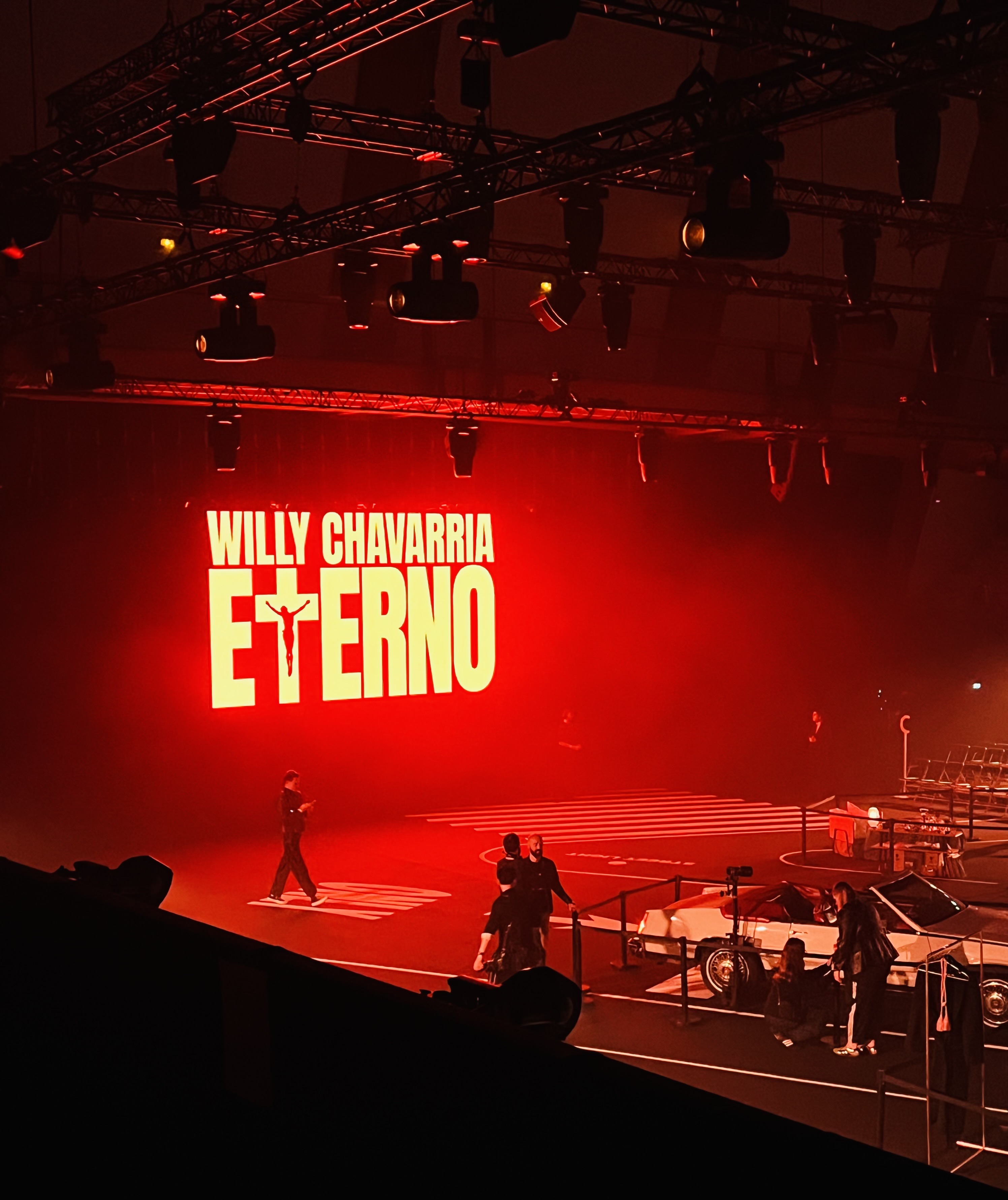
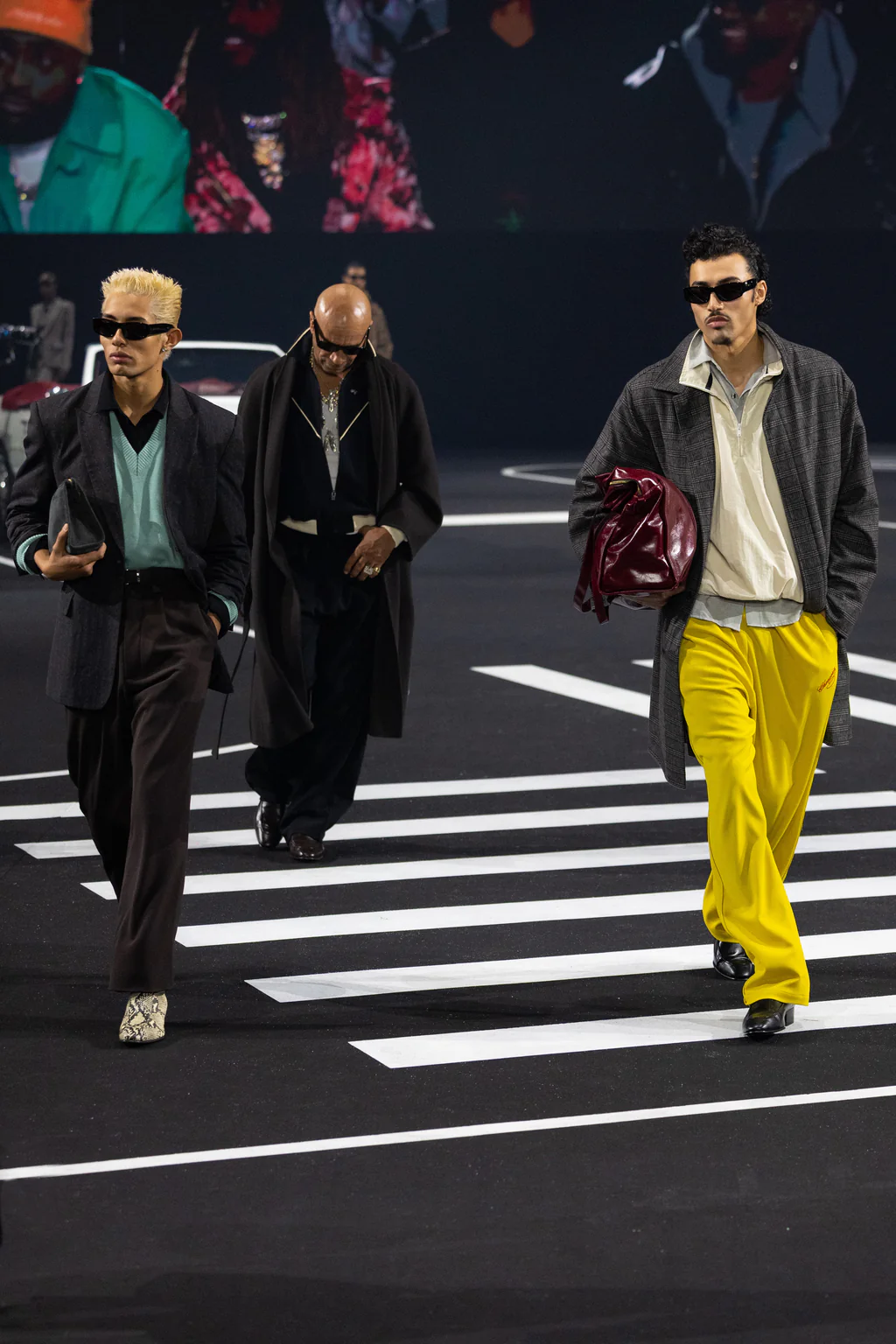
The telenovela reference matters because Chavarría understands drama as a serious cultural form. In his hands, melodrama becomes a way to speak about love, migration, class, faith and beauty without apologizing for intensity. His clothes are often formal, but they are never cold. They carry the dignity of being dressed for the world when the world has not always made room for you.
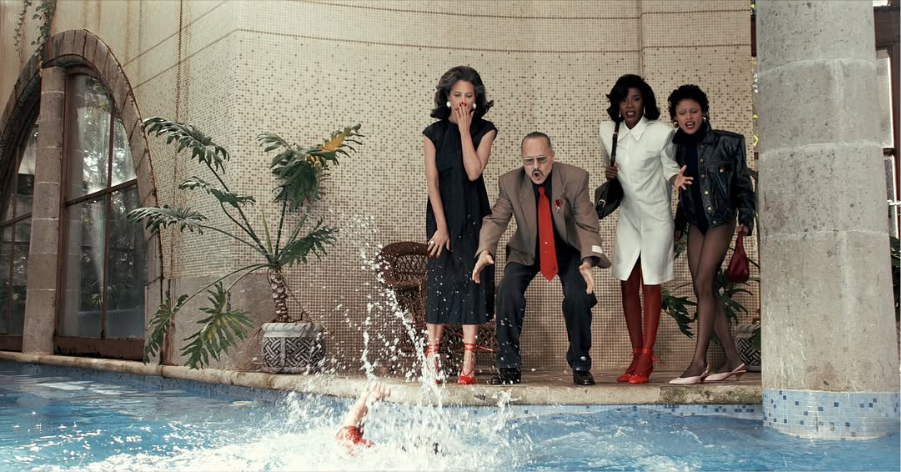
That dignity is also what made his Zara collaboration, VATÍSIMO, so interesting. The collection launched in March and took its name from “vato,” a Chicano term connected to friendship, brotherhood and belonging. The campaign, photographed by Glen Luchford and starring Christy Turlington, Alberto Guerra and Chavarría himself, leaned into the emotional glamour of Mexican telenovelas. It brought his codes to a wider audience through menswear, womenswear, accessories and jewelry.
The collaboration arrived during a moment when high-street partnerships were being watched closely. Stella McCartney’s 2026 return to H&M drew criticism from those who saw a sustainability designer working with fast fashion as a contradiction. John Galliano’s two-year partnership with Zara generated its own debate around authorship, archive, access and the weight of Galliano’s history. Chavarría’s collaboration was not met with the same level of friction.
Part of that difference may come from the way VATÍSIMO fit his world. Chavarría has always been interested in access, community and the politics of who gets to feel beautiful. A collaboration with Zara still carries the tensions of mass retail, but VATÍSIMO did not read as a sudden detour from his values. It felt connected to the democratic impulse already present in his work: the belief that elegance should not remain trapped inside rooms that only a few people can enter.
That does not make the high street innocent. Fashion should remain honest about the systems it uses, especially when beauty and accessibility are sold through global retail machines. But Chavarría’s case is more complicated than a simple accusation of dilution. His work has always asked who fashion is for, who gets represented with dignity, and who gets to see their own culture treated with grandeur.
With “COMUNIÓN” now on the calendar, Chavarría is entering another charged moment. We do not know yet what the collection will say. What we do know is that the word sits naturally inside a body of work already shaped by ritual, belonging and collective pride.