At what point does a life become so full that it leaves no room to feel it?
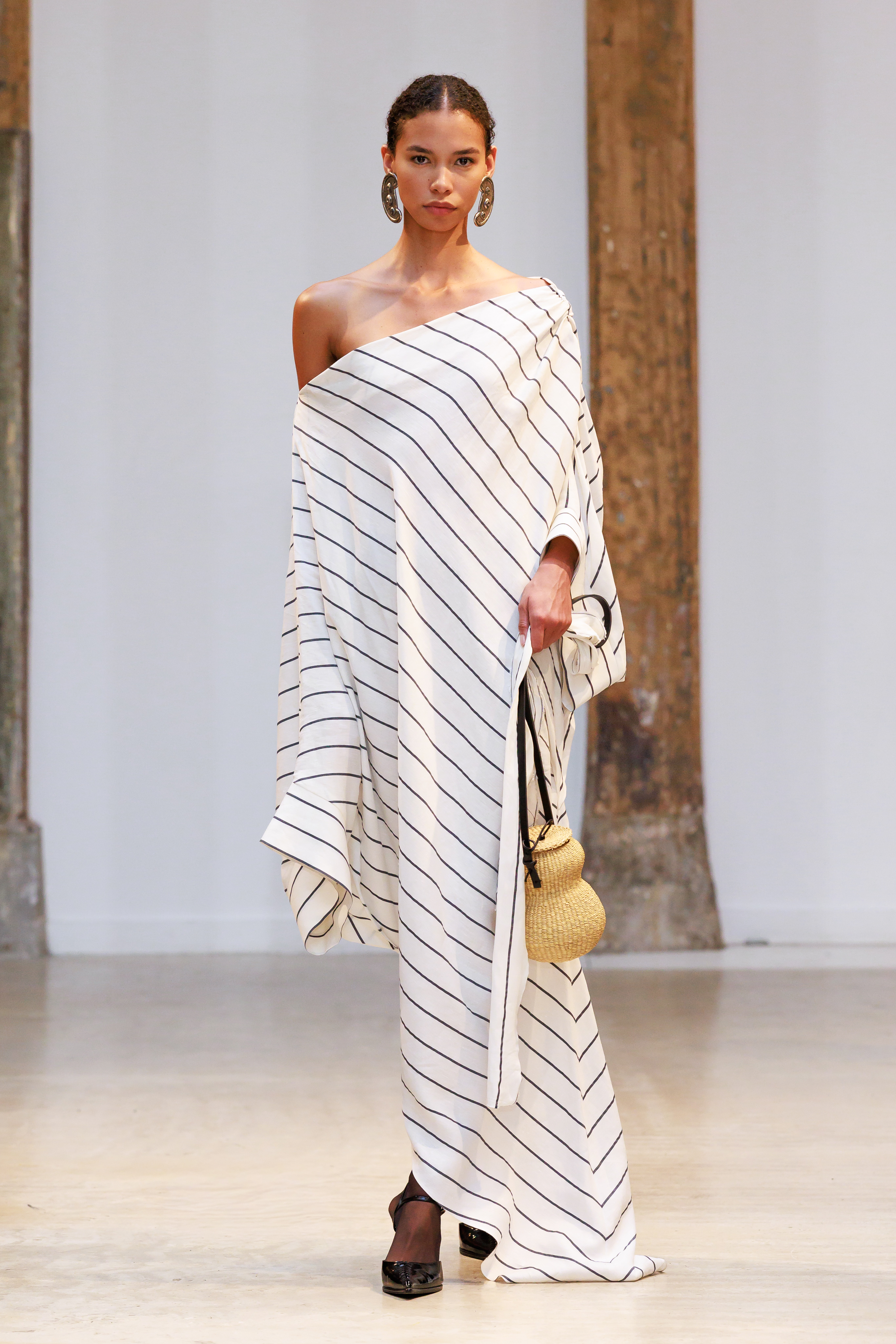
Vautrait’s Spring/Summer 2027 collection, presented during Paris Fashion Week by Israeli designer Yonathan Carmel, begins with a question that feels almost too simple for the speed we are used to living at.
We spend years learning how to move faster, produce more, build more, fill every empty space. Then, occasionally, we find ourselves somewhere quiet, looking out at the sea and wondering what all that effort was actually for.
Maybe what we long for isn’t escape, but permission.
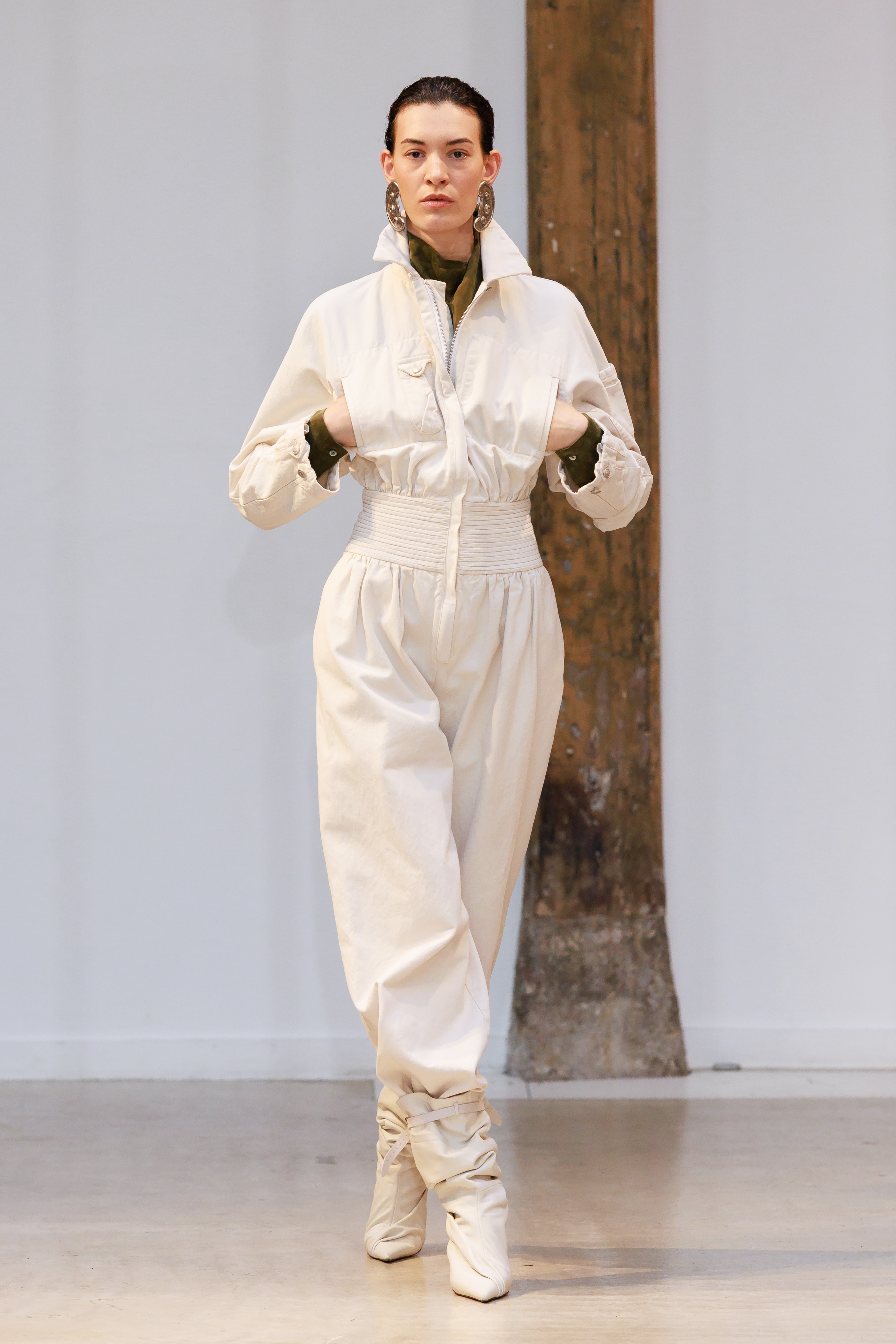
Permission to live with fewer things. To let time stretch. To catch dinner instead of ordering it. To know the weather before checking it. To wear something so light that the wind moves through it before you even notice the fabric.
For Vautrait, that imagined life becomes a collection built around letting things remain unfinished.
NOTHING HAS TO BE FINISHED
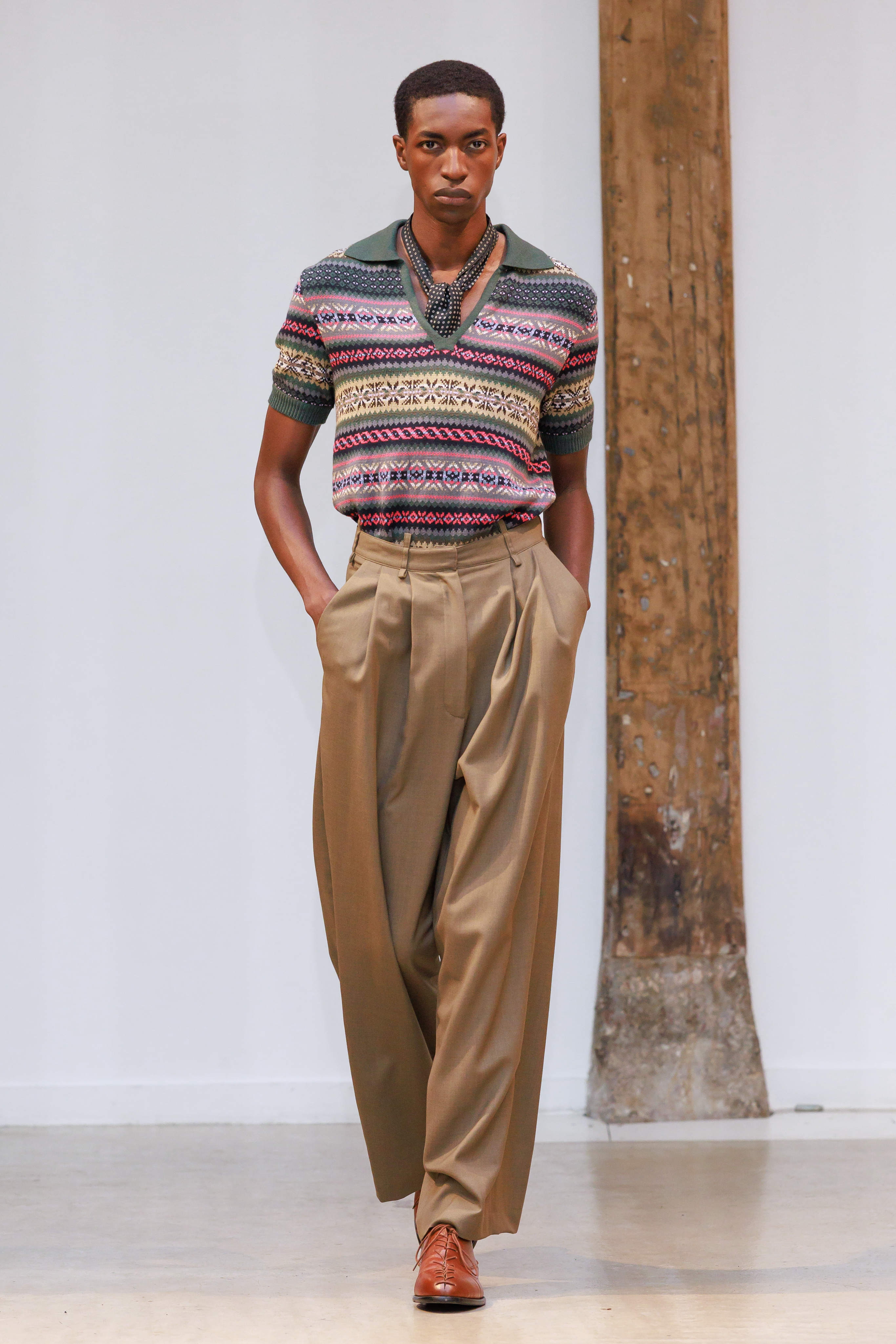
The collection is built around transformation. Garments are deconstructed, reconstructed and mixed together without ever looking like they are trying too hard to make a point.
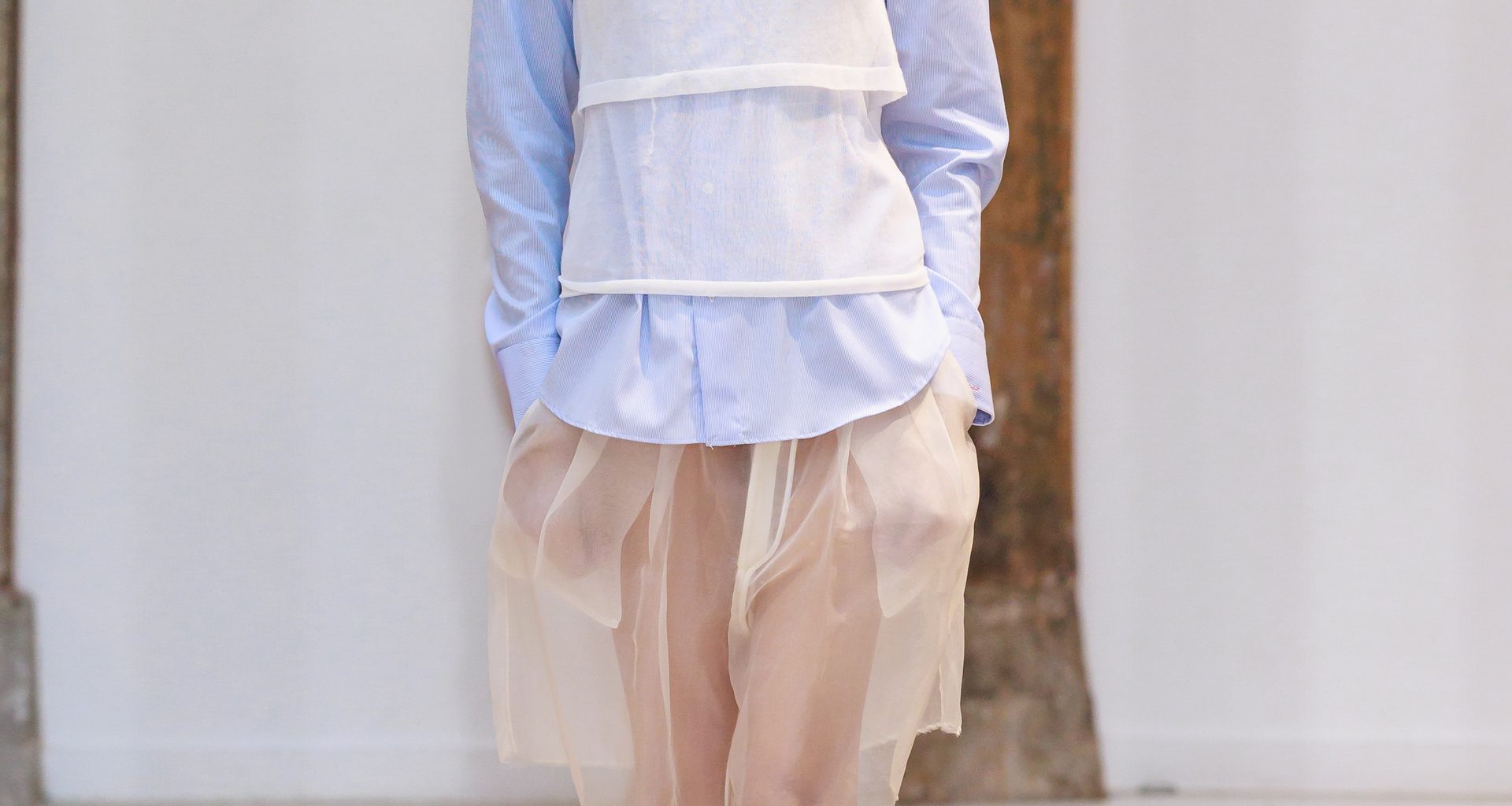
One shirt still has its original buttons, but they aren’t the ones being used. Another layer of fabric sits over it, complete with its own buttons, creating a second way of wearing something that already existed.
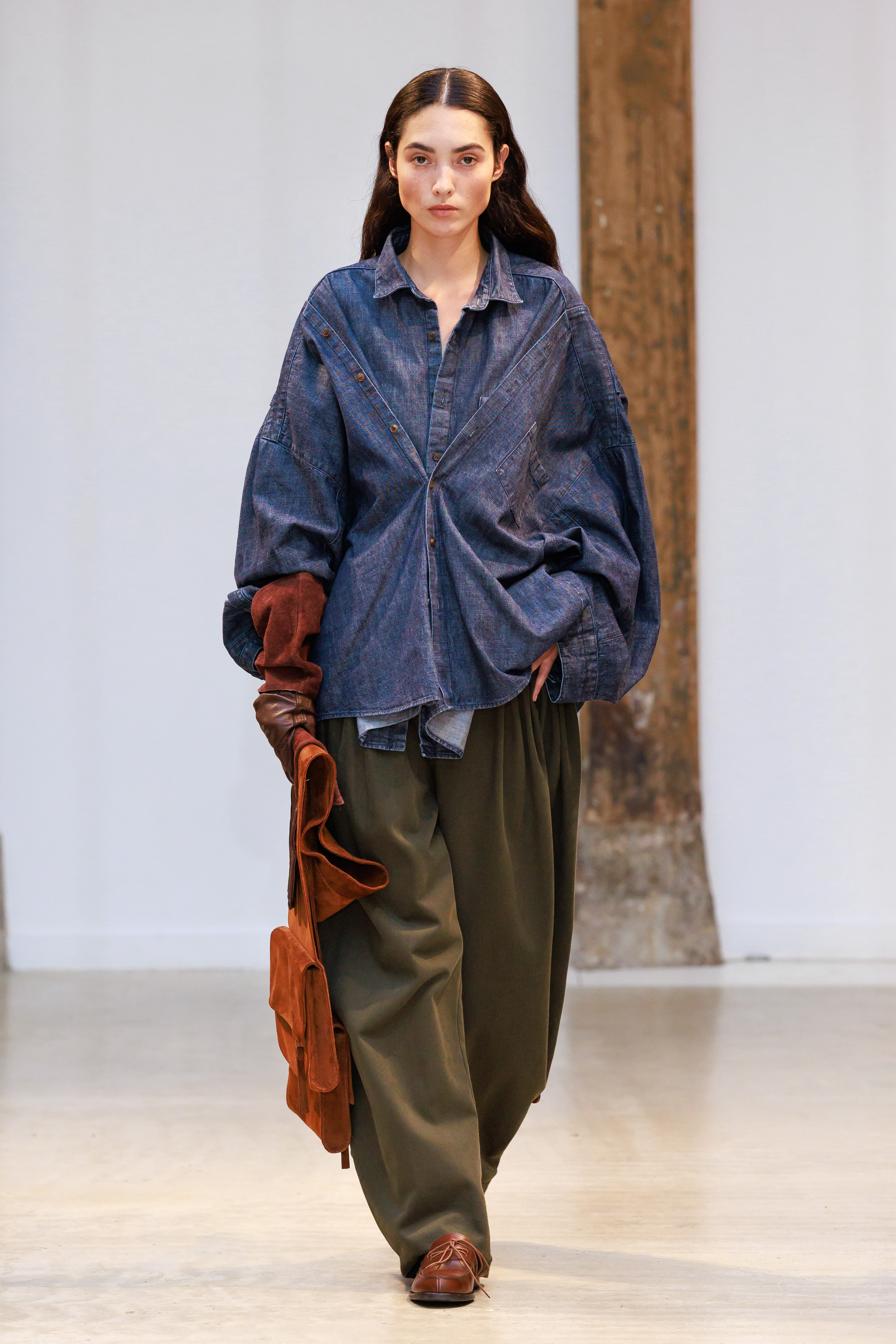
It’s a small detail, but it captures the collection perfectly: nothing has been completely discarded, but nothing has to stay where it started either.
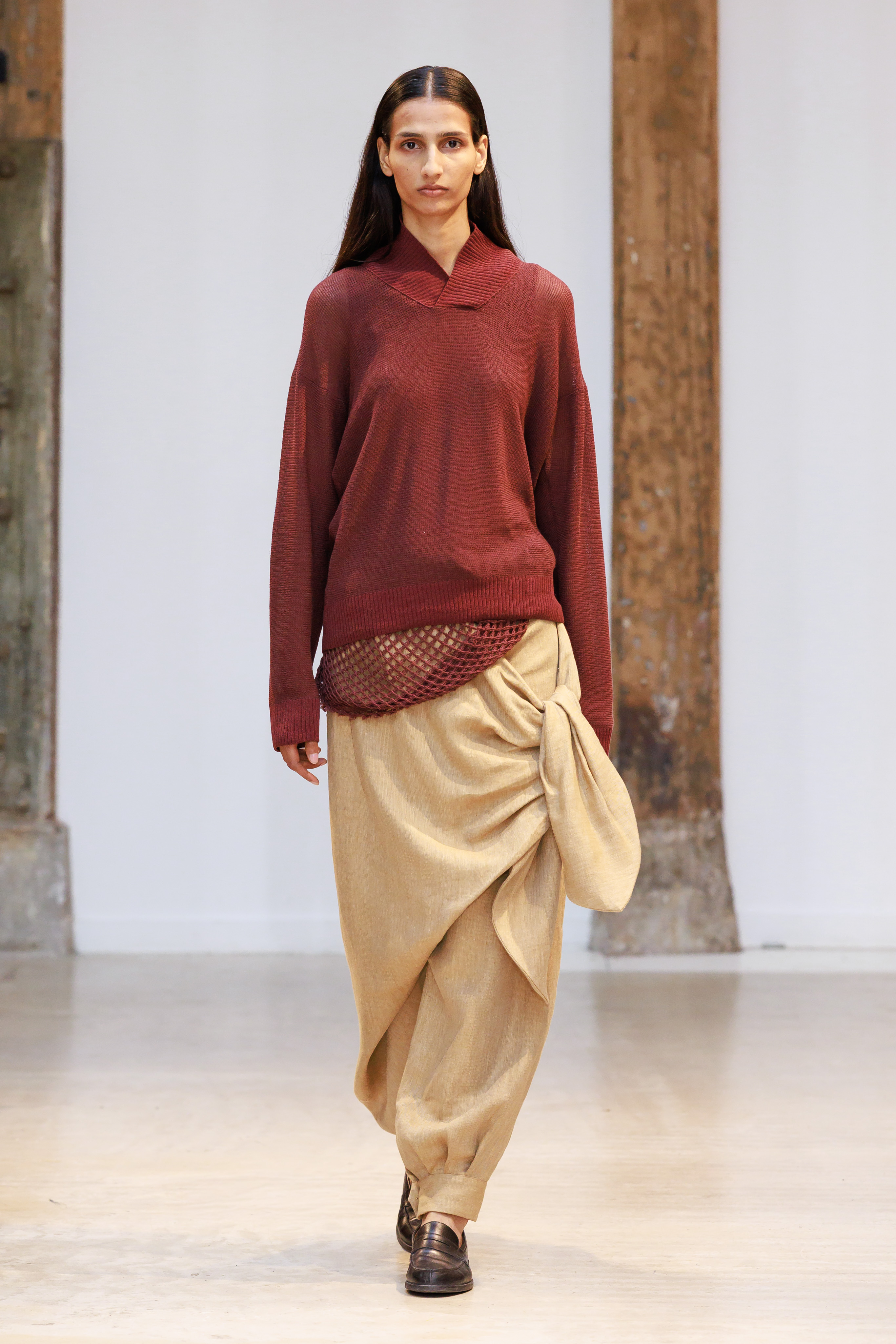
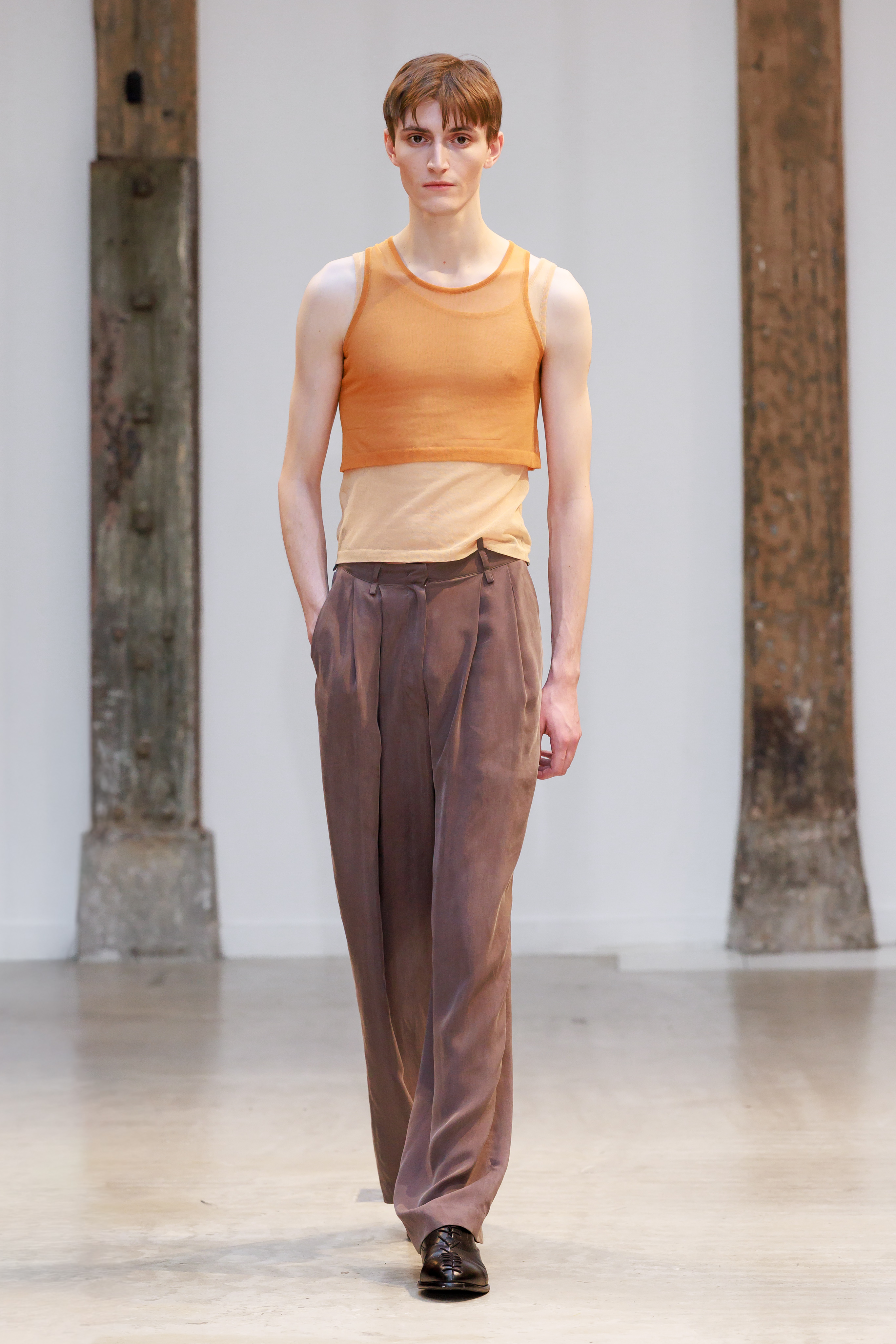
The clothes can be oversized or tightly fitted, structured or almost weightless. There is no single ideal proportion to arrive at. Instead, silhouettes move across a scale, refusing to settle on one definitive shape.
Unfinished knitting leaves some pieces looking as though they are still being formed. A pair of completely transparent bermuda shorts makes even the pockets visible, turning a normally practical detail into part of the visual language.
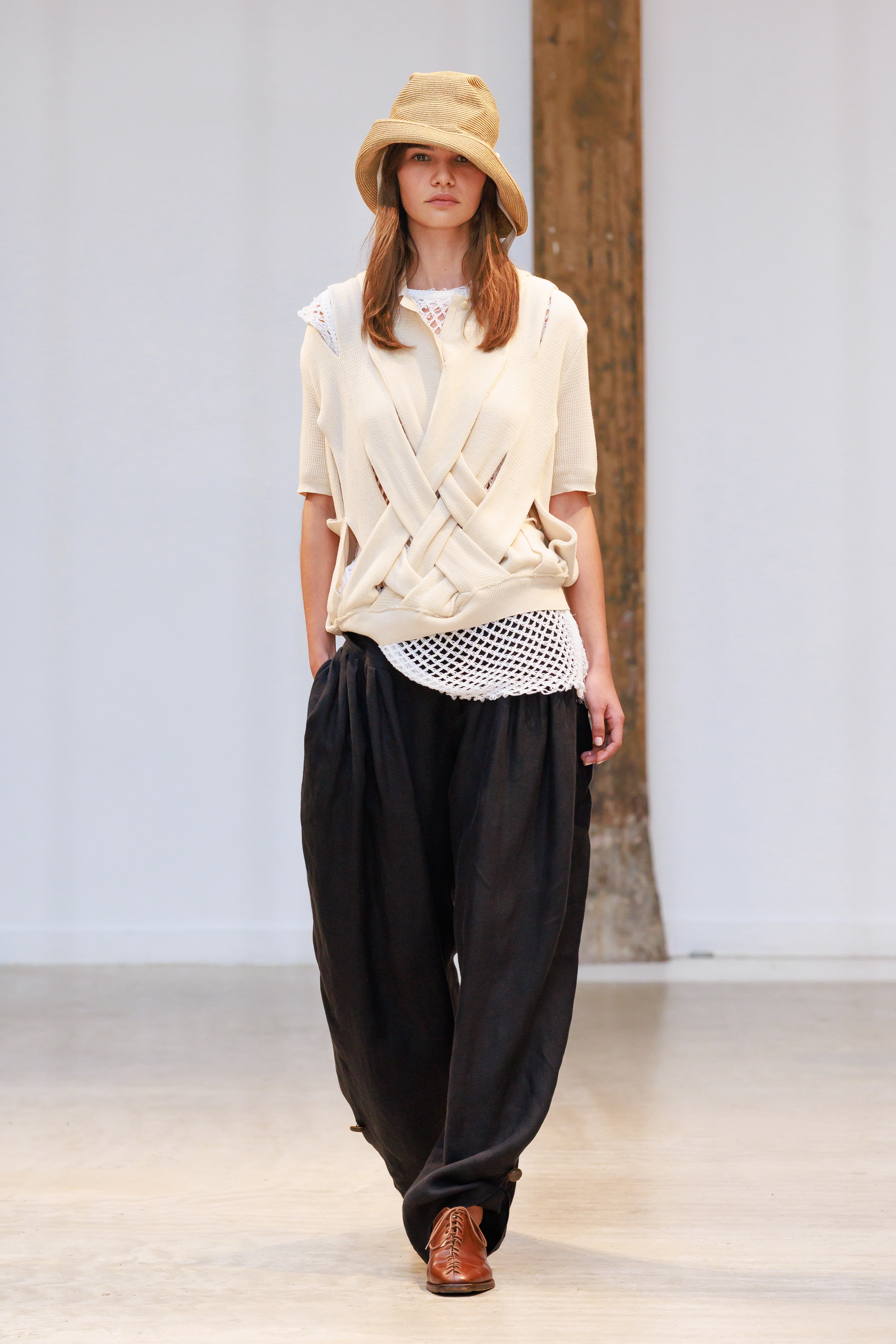
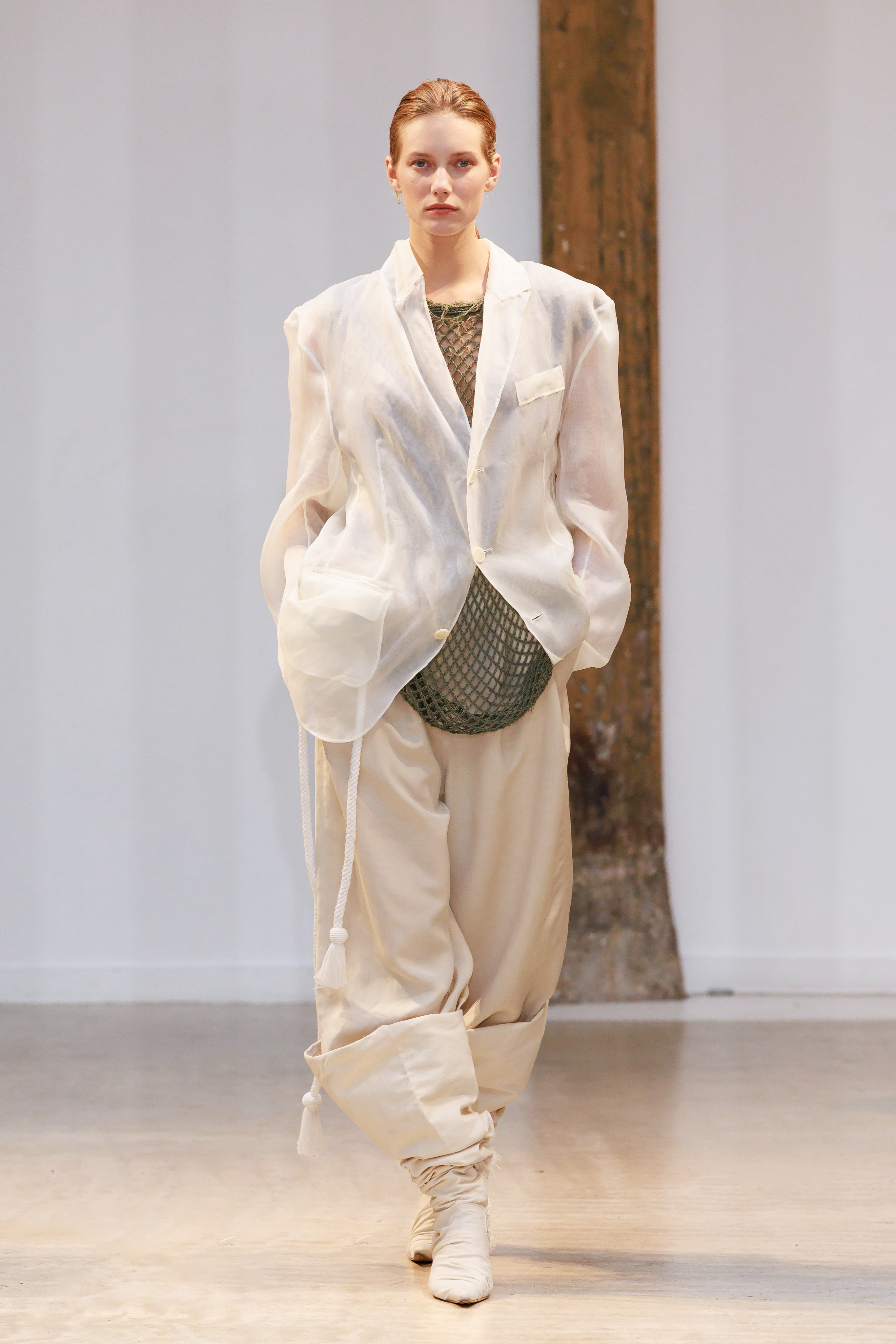
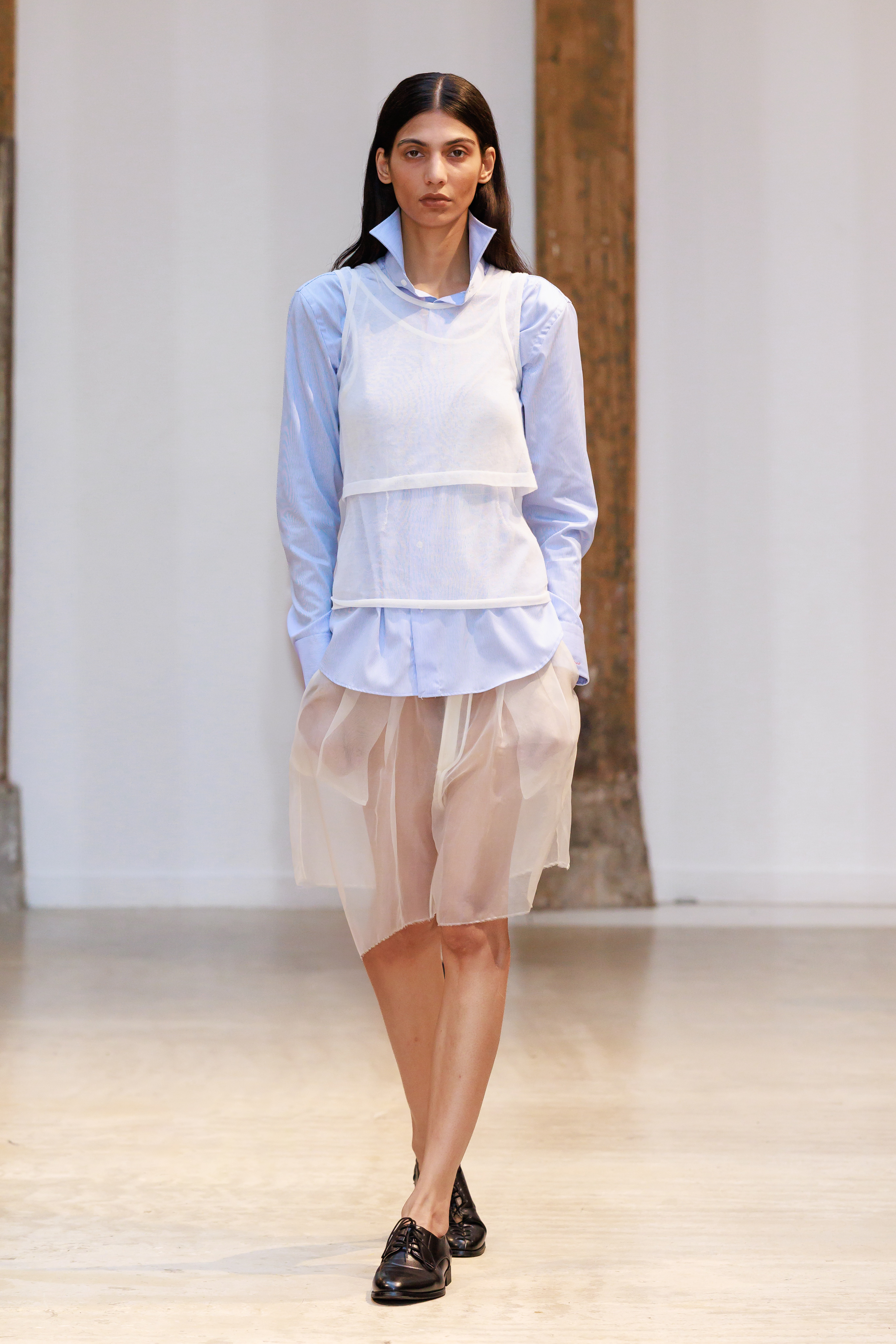
But the clothes don’t look like experiments that were never meant to leave the studio. They are wearable, functional and genuinely good-looking. That’s what keeps the deconstruction from becoming a gimmick.
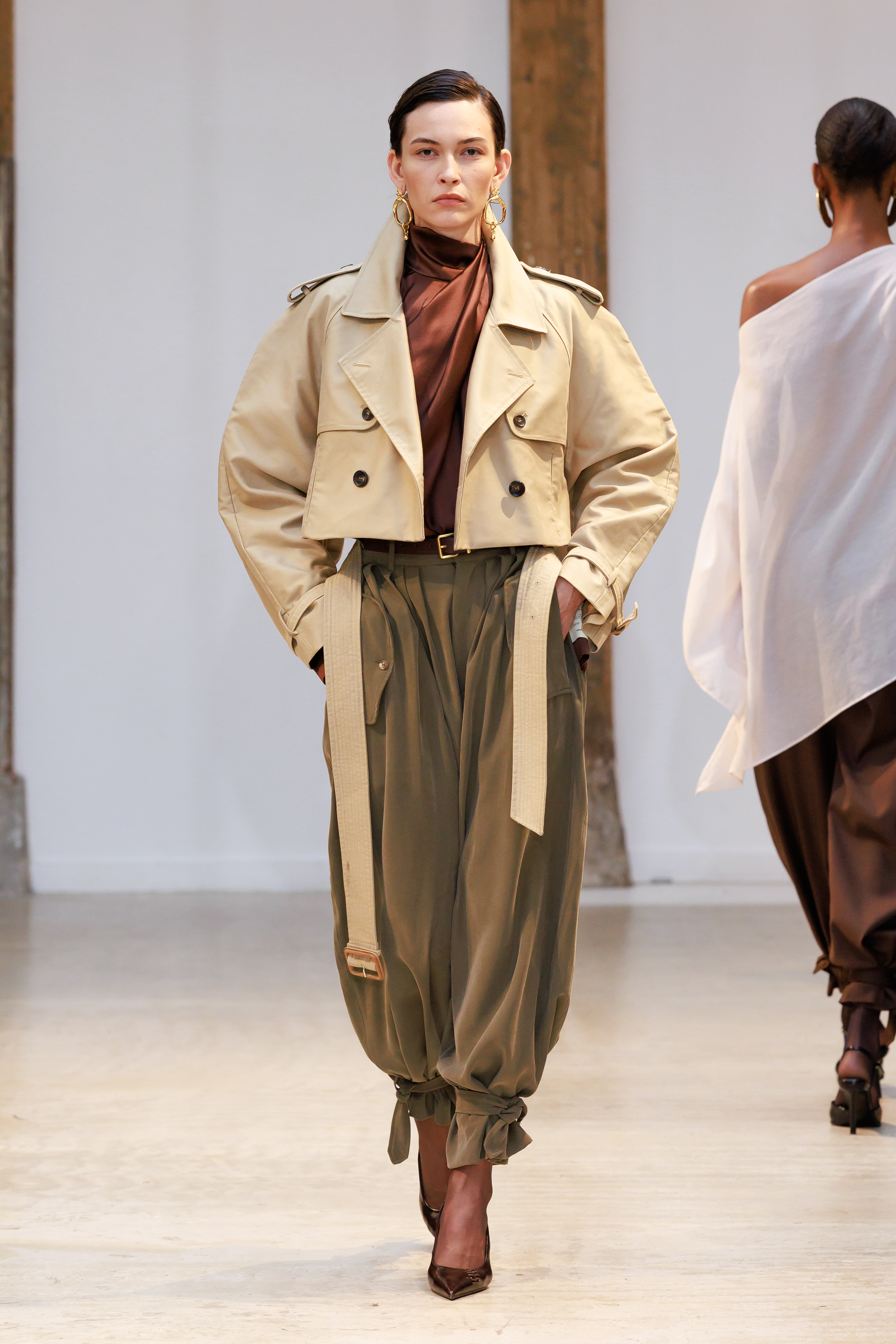
The proportions keep changing too. Some looks are loose and oversized, others are fitted closely to the body. Nothing is treated as the correct or final silhouette. The collection moves between extremes without really committing to either.
Even the jewellery follows the same logic. Earrings look like separate pieces that have merged into a new form, as if they’re still becoming whatever they’re eventually going to be.
ANOTHER WAY OF PUTTING THINGS TOGETHER
It’s almost as if Vautrait is imagining another reality where the rules of construction are slightly different.
A shirt doesn’t necessarily have to be worn the way a shirt is supposed to be worn. A pocket doesn’t have to disappear into a garment. A layer doesn’t have to stay underneath another layer. A silhouette doesn’t have to decide whether it is fitted or oversized.
Everything is allowed to exist somewhere in between.
And perhaps that’s why the collection never feels chaotic despite all its unusual proportions and constructions. There is no struggle to force everything into place.
MAKING ROOM
The collection’s original question keeps coming back: at what point does a life become so full that it leaves no room to feel it?
In a culture obsessed with optimisation, productivity and having everything figured out, there is something surprisingly uplifting about a collection that doesn’t seem interested in arriving anywhere.
We spend so much time trying to finish things — our work, our homes, our wardrobes, ourselves. Vautrait suggests that maybe not everything needs to reach its final form.
Sometimes leaving a little room for things to change is enough.