


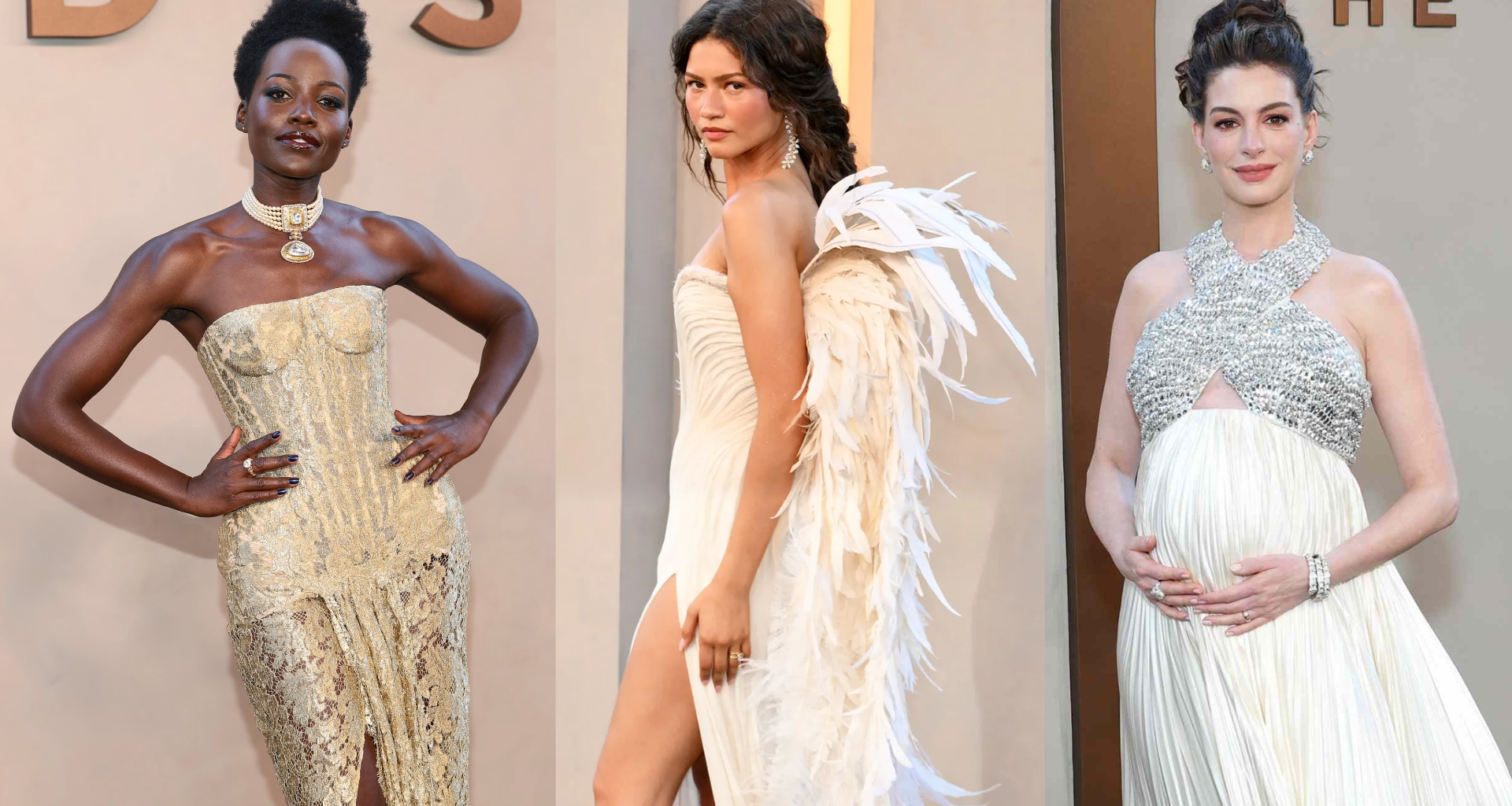
Christopher Nolan’s The Odyssey revisits one of literature’s most influential journeys, but its mythology has already begun expanding beyond the cinema. Through the film’s global press tour, its cast explores the visual codes of ancient Greece through contemporary fashion, transforming clothing into another form of storytelling.
By Alegria Haro
Few stories have traveled across centuries as consistently as Homer’s The Odyssey. Written nearly three thousand years ago, the epic has survived because every era finds new ways to interpret its central questions: identity, transformation, loyalty, ambition, and the search for home.
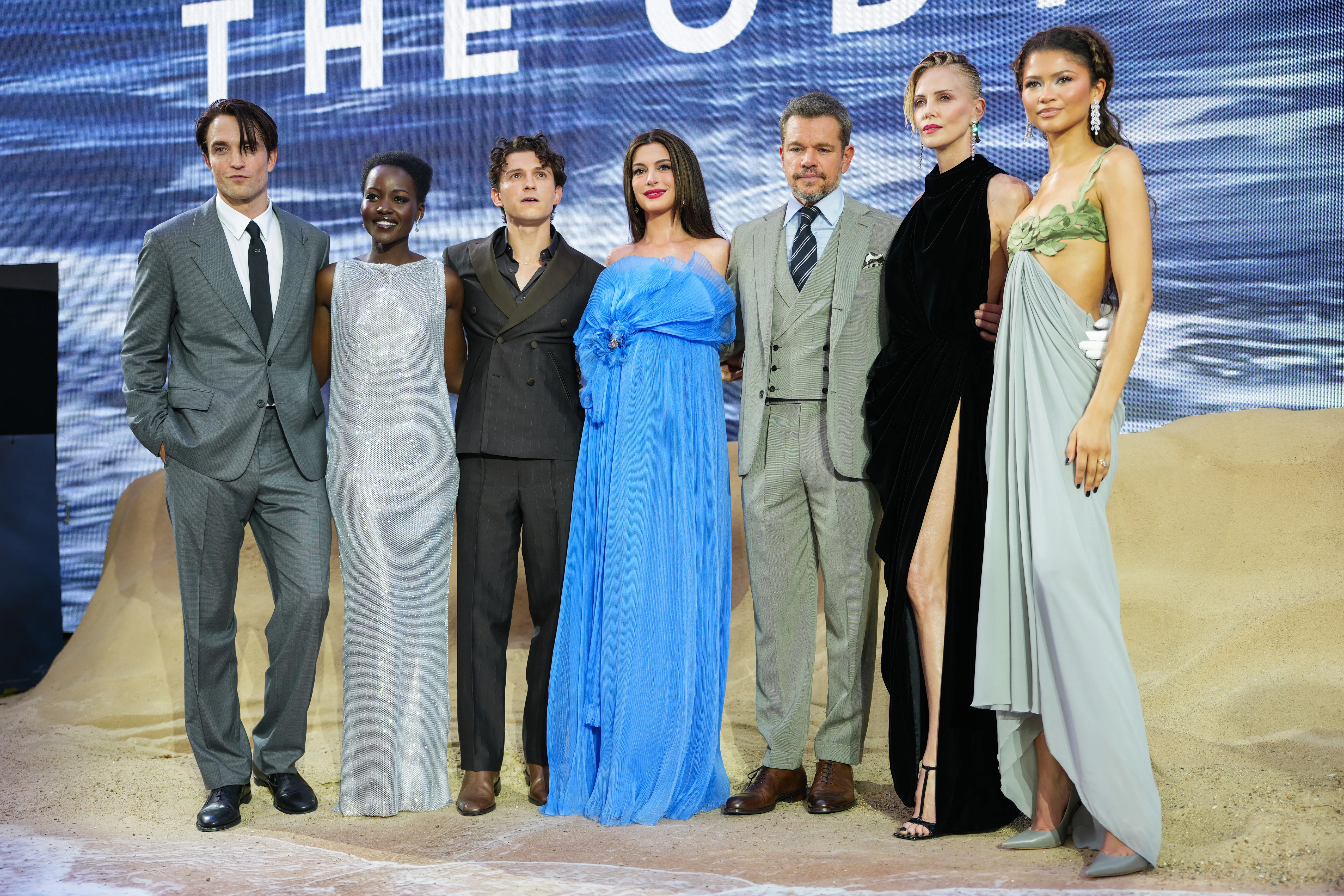
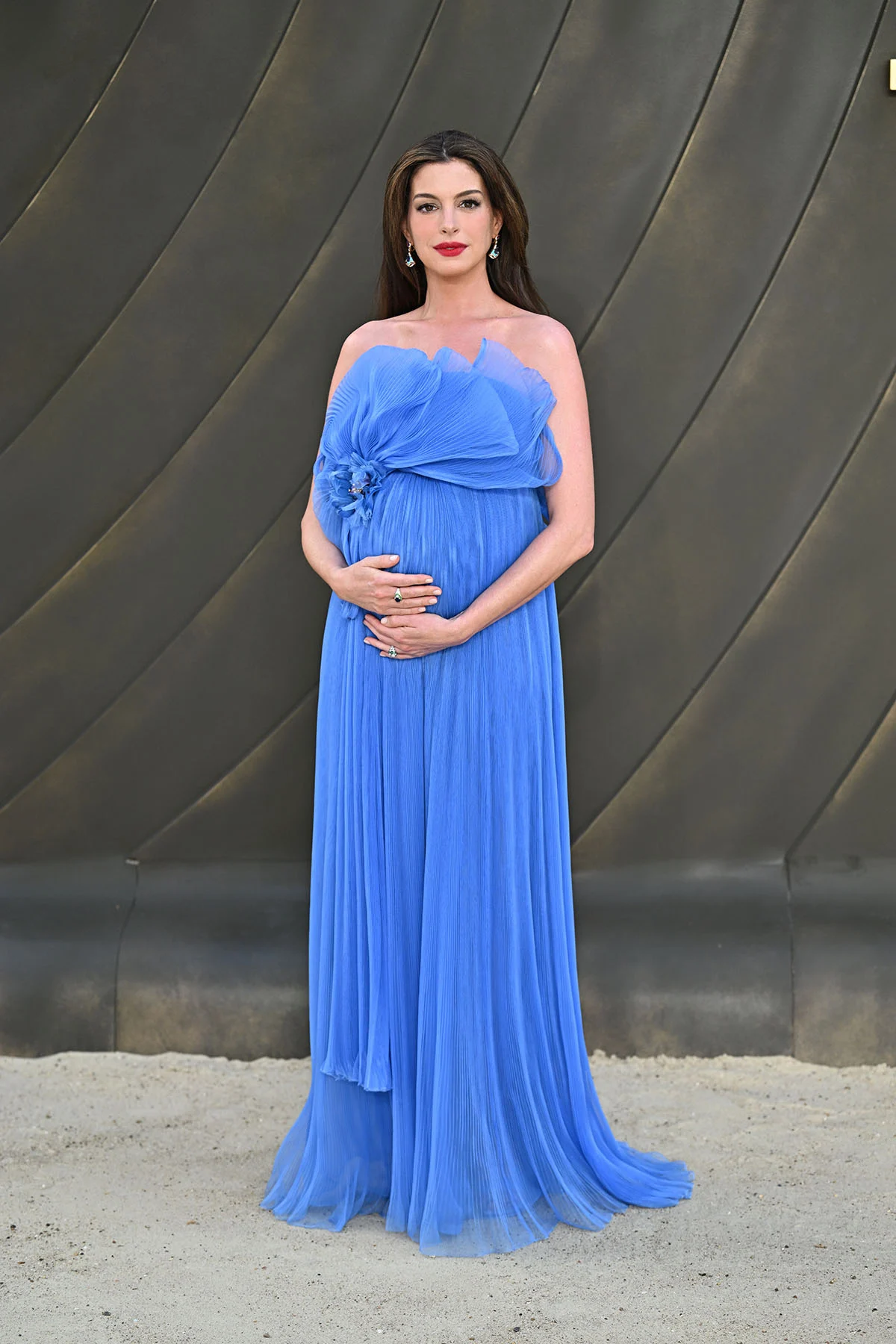
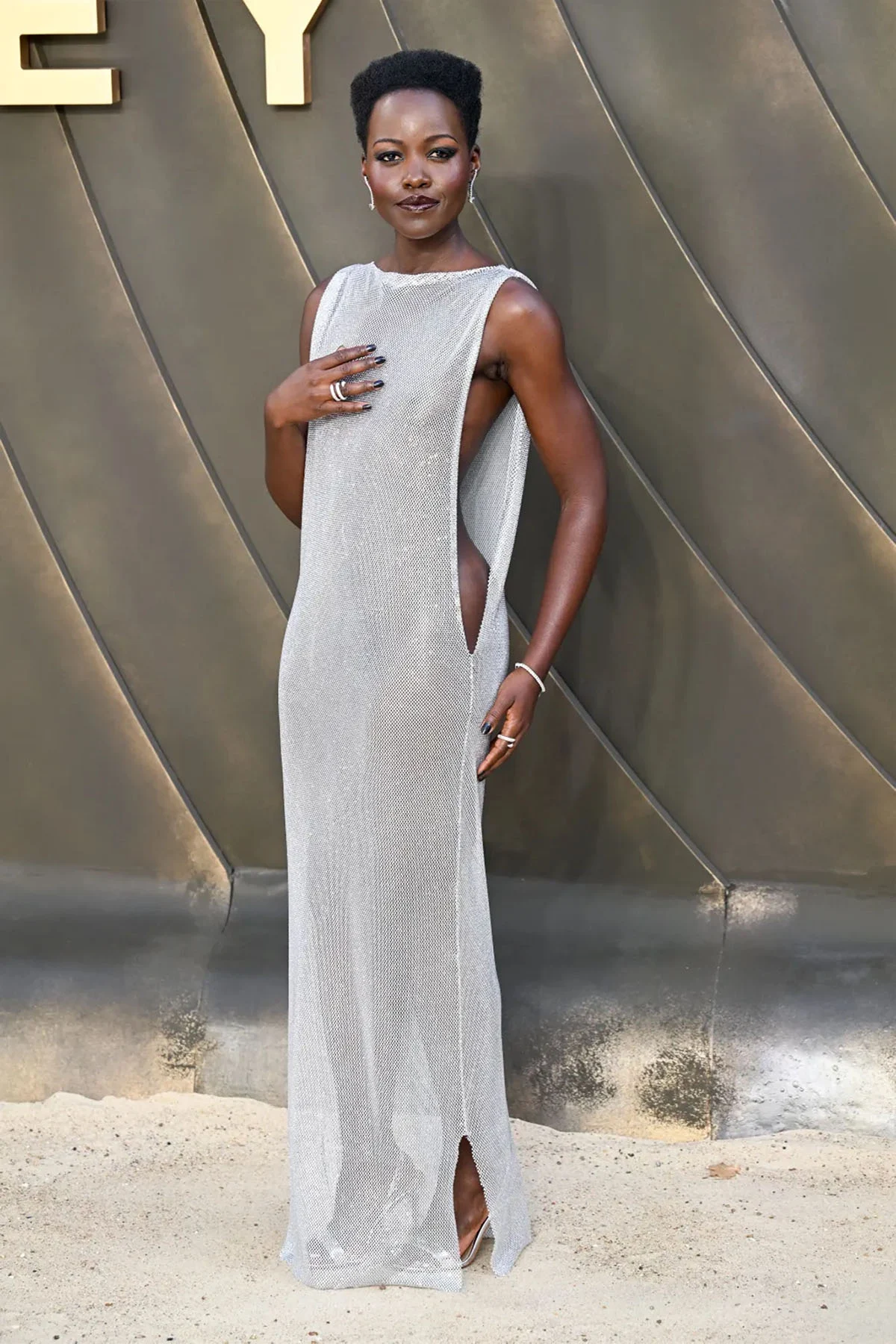
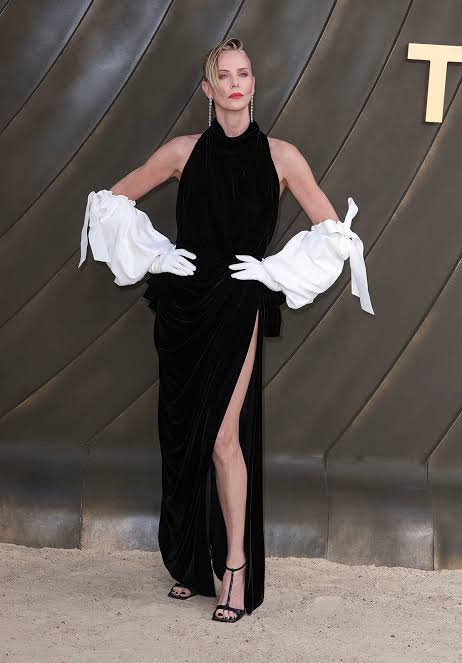
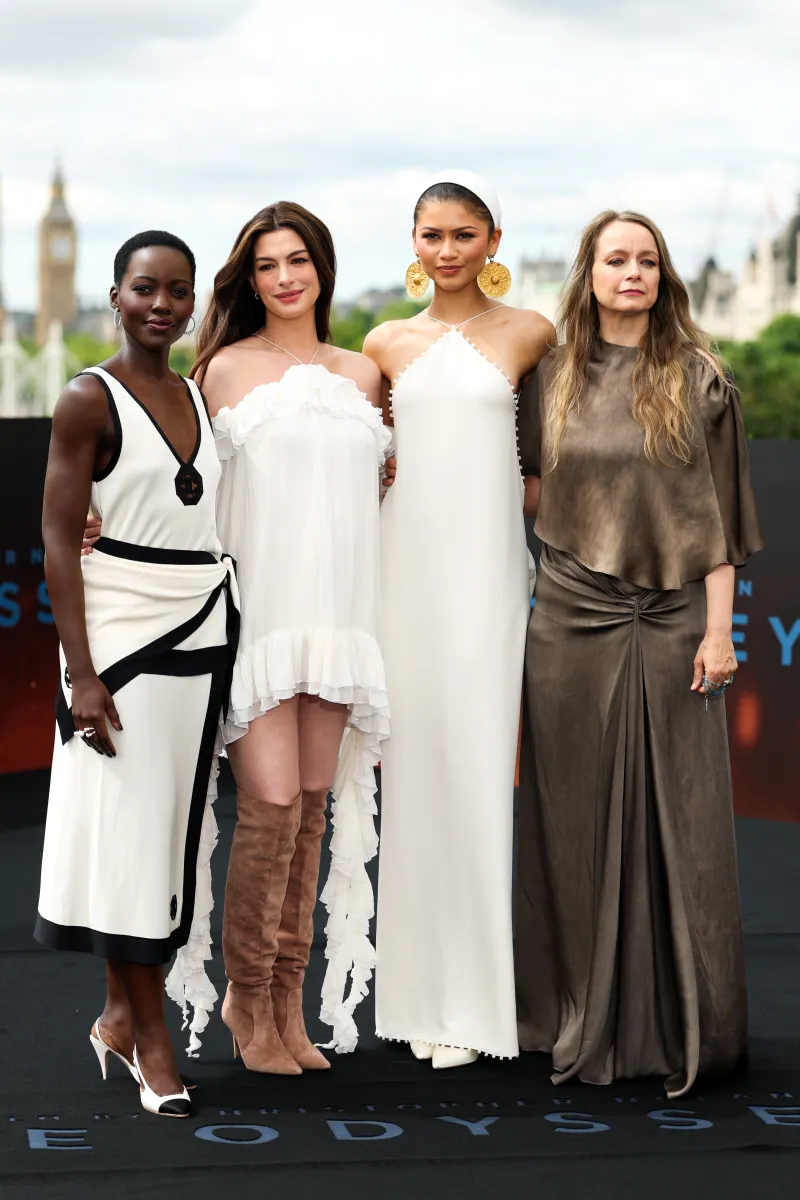
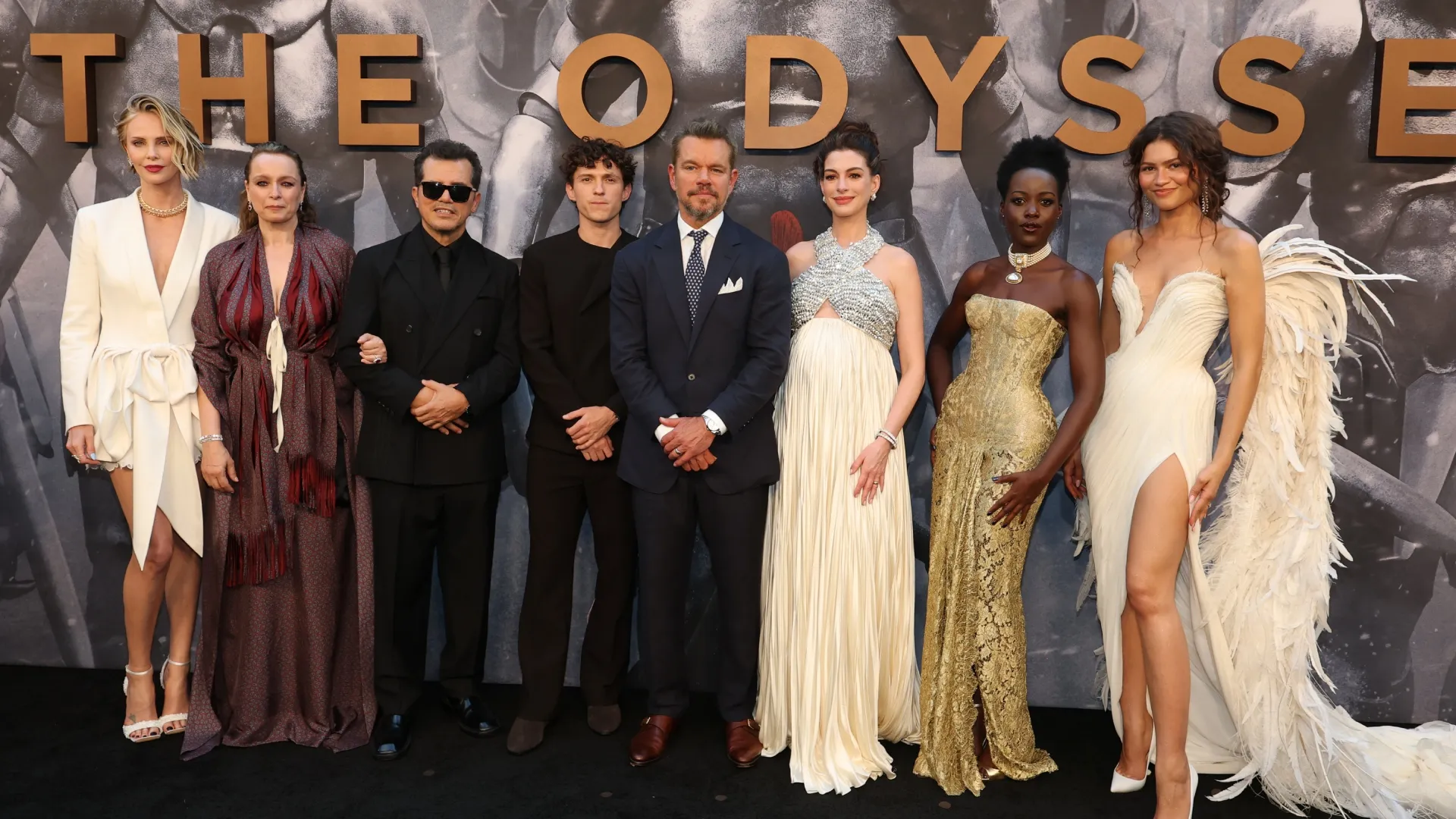
Christopher Nolan’s upcoming adaptation approaches this legacy through cinema, but the world surrounding the film has already developed its own visual identity. Beyond sets, costumes, and production design, the cast’s appearances during the global press tour have become another interpretation of the mythology — one expressed through silhouette, texture, and the reinterpretation of classical references. Following the film’s London premiere, Vanity Teen reflected on the arrival of The Odyssey and its ensemble of stars, a moment that introduced the scale surrounding Nolan’s adaptation.
Rather than reproducing ancient Greek dress, the fashion surrounding The Odyssey explores the ideas behind it. Draped forms, sculptural shapes, metallic details, and architectural references become subtle connections to a civilization whose visual language continues to influence contemporary design.
The Relationship Between Character and Costume
Costume has always been one of cinema’s most powerful storytelling tools. Before a character speaks, clothing communicates their position, personality, and relationship with the world around them.
That relationship between clothing and storytelling does not end with the final frame. During a film’s promotional journey, actors often become representatives of the universe they helped create. Their appearances do not simply promote a project; they contribute to the way audiences understand its themes.
For The Odyssey, the connection between mythology and fashion feels particularly natural. Homer’s characters have always existed as archetypes: the strategist, the warrior, the queen, the explorer. These figures are not defined only by their appearance, but by the qualities they represent.
The most interesting interpretations of Greek influence are therefore not literal. They are found in the details: a structured shoulder suggesting authority, a flowing silhouette recalling movement, a metallic accent referencing the relationship between humans and the divine.
Fashion becomes a continuation of character-building.
Beyond the “Greek Goddess” Image
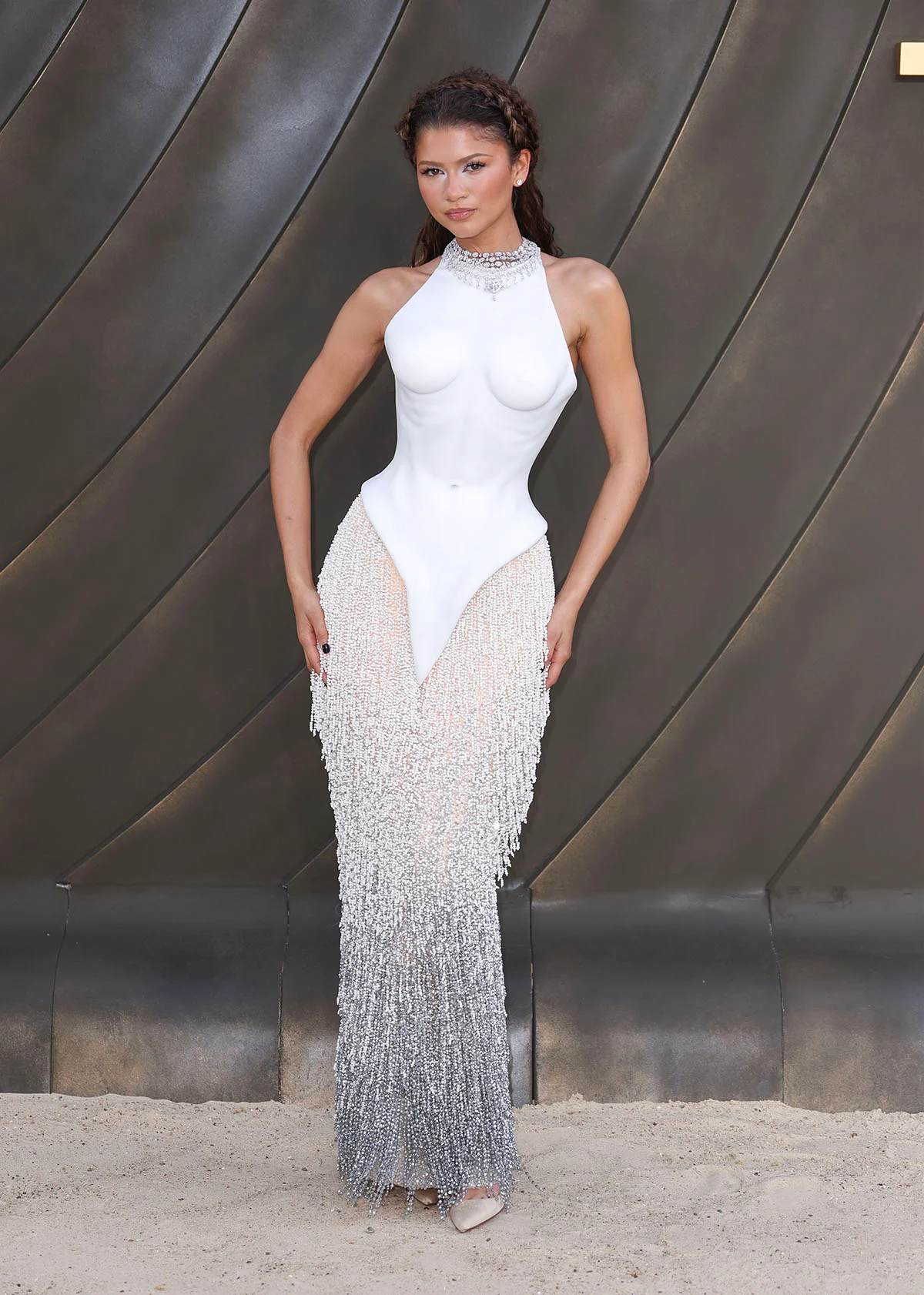
Greek mythology has often been reduced to a familiar visual vocabulary: white gowns, gold accessories, marble statues, and romanticized images of antiquity. While these references remain recognizable, contemporary interpretations become more interesting when they move beyond decoration.
Beneath its mythological scale, The Odyssey remains a deeply human story. At its core, it is a story about human experience — uncertainty, resilience, intelligence, and change. These themes allow designers and stylists to approach classical references from a more modern perspective.
The cast’s fashion choices reflect this broader interpretation. Instead of recreating the past, they examine how ancient symbols can exist within the present.
This approach mirrors the way mythology itself has always evolved. Every generation reshapes these stories according to its own concerns, aesthetics, and imagination.
Fashion as World-Building
For a film of this scale, world-building does not end when production finishes. A cinematic universe continues through posters, interviews, premieres, and the visual language surrounding its release.
The fashion choices of a cast become part of this larger conversation. They create associations between the audience and the story before the first viewing experience begins.
This relationship between cinema and fashion has existed for decades. From iconic film costumes to modern red-carpet collaborations, clothing has the ability to preserve a character, an era, or an entire atmosphere.
With The Odyssey, the challenge is different: how do you reference a world that has already influenced thousands of years of art, literature, and design?
The answer is not imitation, but interpretation.
Dressing the Myth for a New Era
The power of The Odyssey has always been its ability to exist beyond its original moment. Its characters have moved across centuries of painting, literature, theatre, and cinema because each interpretation reveals something different about the world that creates it.
The film’s press tour follows that same tradition. Through fashion, the cast is not recreating an ancient image of Greece, but examining how those symbols of heroism, beauty, and identity can be understood today.
Before Nolan’s vision reaches audiences, The Odyssey has already found another form of expression: contemporary fashion.